



Leheriya Print Kurti Collection 2026: Wholesale Styles, Trends & Buying Guide
Leheriya Print Kurti Collection 2026: Wholesale Styles, Trends & Buying Guide
Indian ethnic fashion continues to create fresh opportunities for retailers by bringing traditional textile inspiration into practical everyday clothing. Among these styles, Leheriya has a distinctive identity because of its flowing wave-like patterns, vibrant colour combinations and strong connection with traditional Indian fashion. Today, the look is no longer limited to conventional festive outfits. Modern kurtis, kurta sets and fusion silhouettes are making this timeless pattern relevant for boutiques, online sellers and multi-brand stores.
Introduction
The Leheriya Print Kurti Collection combines traditional visual appeal with silhouettes that today's customers can wear comfortably. From colourful straight kurtis to coordinated kurta-pant sets, Anarkali-inspired pieces and contemporary designs, Leheriya patterns can work across several retail segments.
For wholesale buyers, this versatility is important. A shop owner may need affordable daily-wear kurtis, while a boutique may prefer more detailed pieces with embroidery, lace, mirror-style accents or premium finishing. Home-based sellers and online resellers may look for visually attractive products that photograph well and can be promoted easily through WhatsApp, Instagram and other digital channels.
In 2026, successful ethnic-wear buying is increasingly about balancing fashion with commercial practicality. Retailers need products that look fresh but are still easy for customers to understand, style and purchase. Leheriya-inspired kurtis fit naturally into this requirement because the pattern is recognisable while still allowing manufacturers to experiment with colour, fabric and silhouette.
What Makes Leheriya Print Special?
Leheriya is associated with flowing diagonal or wave-like patterns. The word itself relates to waves, and this movement gives the textile its instantly recognisable appearance. Traditional Leheriya is closely connected with Rajasthan and tie-dye craftsmanship, although contemporary fashion also uses Leheriya-inspired printed patterns to achieve a similar visual effect at different commercial price points.
This distinction matters when sourcing. Buyers should not automatically assume that every product described commercially as Leheriya is created using the same traditional hand-dyeing process. Some collections may feature authentic tie-dye techniques, while others use digital, screen or other printing methods inspired by the characteristic wave pattern.
Traditional Character with Modern Styling
One reason Leheriya kurtis remain commercially interesting is their ability to retain an Indian identity without appearing overly formal. A simple straight kurti with flowing stripes can work for casual wear, while a more elaborate kurta set can be positioned for festive gatherings and family occasions.
Manufacturers can also combine Leheriya patterns with embroidery, gota-style detailing, lace borders, printed dupattas, contrasting bottoms and contemporary neck designs. This creates several different product levels from one recognisable design language.
Strong Colour Appeal
Colour is central to the visual impact of Leheriya fashion. Bright combinations such as pink and yellow, green and blue, orange and red or multicolour arrangements can create strong festive displays. At the same time, pastel and tonal interpretations make the pattern more suitable for customers who prefer understated ethnic wear.
For retailers, keeping both vibrant and subtle options can be more useful than buying an entire catalogue in one colour family. Customer preferences differ by region, age group, occasion and season.
Popular Leheriya Kurti Styles for Retailers
The modern Leheriya Print Kurti Collection is not restricted to one cut. Wholesale buyers can use different silhouettes to create a broader assortment while maintaining a consistent theme across the collection.
Straight Leheriya Kurtis
Straight kurtis are among the most practical choices for regular retail. Their familiar silhouette makes them suitable for customers across a broad age range. Depending on length and styling, they can be paired with leggings, trousers, palazzos or straight pants.
For shop owners who need repeatable commercial stock, straight styles can form the foundation of the collection. Simple necklines and comfortable fabrics are particularly useful for everyday and office-wear segments.
Leheriya Kurta Pant Sets
Ready-to-coordinate sets reduce the styling decision for customers. A kurta combined with matching or contrasting pants gives the buyer a complete outfit rather than an individual top.
These sets can be especially useful for boutiques and online retailers because the complete look is easy to demonstrate through catalogue images and short videos. Adding a dupatta can move the same concept toward a more festive category.
Leheriya Anarkali Kurtis
For customers seeking a more flowing silhouette, Anarkali-inspired Leheriya styles can provide stronger visual movement. The combination of a flared garment and diagonal pattern can create an attractive festive appearance.
Retailers should consider the fabric carefully in this category. A fabric with suitable fall and movement usually complements the silhouette better than one that feels excessively stiff.
A-Line and Flared Kurtis
A-line and moderately flared shapes provide a middle ground between straight everyday kurtis and fuller Anarkali designs. They can work well for casual outings, small celebrations and semi-festive occasions.
This makes them useful for sellers who want products that customers can purchase for more than one use case.
Leheriya Kurtis with Dupatta
A dupatta can completely change the positioning of an outfit. A simple kurta with a statement Leheriya dupatta, or a Leheriya kurta with a complementary solid dupatta, can create a more complete ethnic look.
For retailers, the important question is not simply whether a dupatta is included but whether the combination creates enough perceived value to justify the final retail price.
Best Fabrics for Leheriya Print Kurtis
Fabric selection influences comfort, appearance, pricing and the customer's intended use. The same pattern can look completely different when produced on rayon, cotton, georgette or other materials.
Rayon for Commercial Everyday Collections
Rayon is widely used in women's ethnic wear because it can offer a soft feel and comfortable drape. Leheriya rayon kurtis can be suitable for everyday fashion, casual outings and value-oriented retail segments.
Wholesale buyers should still evaluate fabric quality rather than relying only on the fibre name. Weight, finish, shrinkage behaviour, colour performance and stitching quality can differ from one product to another.
Cotton for Comfortable Ethnic Wear
Cotton and cotton-based fabrics are popular with customers looking for breathable daily wear. Leheriya-inspired cotton kurtis can be particularly relevant during warmer months and for customers who prioritise comfort.
Retailers can position such pieces for office wear, regular use, college wear and casual ethnic dressing depending on the design.
Georgette for Flowing Festive Looks
Georgette and similar flowing fabrics can create a dressier interpretation of Leheriya. They are often more suitable for flared silhouettes, layered styles and occasion-focused products.
When sourcing these pieces, buyers should check lining, transparency, stitching and overall finishing because these factors directly influence the customer's experience.
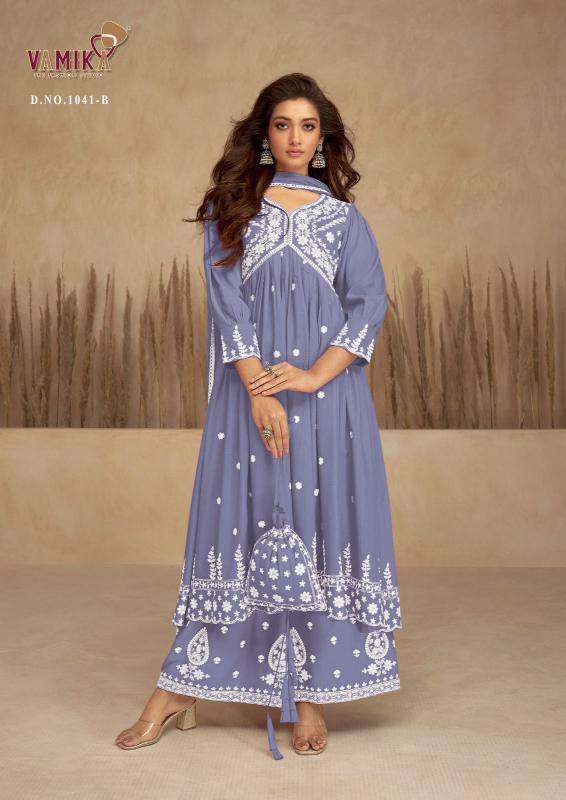
Why Leheriya Kurtis Can Work for Wholesale Buyers
Wholesale buying is ultimately about sell-through, not simply collecting attractive catalogues. A category becomes commercially useful when it can appeal to multiple customer profiles and provide enough variety for repeat purchasing.
Leheriya-inspired products can serve home-based sellers, boutique owners, shop owners, showroom operators, online resellers and other wholesale buyers. The same broad trend can be offered through economical kurtis, coordinated sets and more detailed festive designs.
Easy to Merchandise
Leheriya designs have strong visual recognition, which can help them stand out in store displays and digital catalogues. A retailer can arrange products by colour, silhouette, fabric or price range while keeping the overall collection visually connected.
For physical stores, placing contrasting colours together can make the display more noticeable. Online sellers can use individual colour videos and close-up photographs to help customers understand the pattern and fabric.
Useful Across Several Selling Seasons
Bright ethnic patterns can receive additional attention around festive and celebration periods, but simpler versions can also work as everyday products. This broader use can reduce dependence on a very narrow selling window.
Retailers should nevertheless purchase according to their own customer history. A style that performs strongly in one city or customer segment may behave differently elsewhere.
Surat as a Sourcing Hub for Kurti Wholesale
Surat has a major role in India's textile ecosystem, with extensive activity across fabric trading, garment production, processing, wholesaling and distribution. Buyers searching for women's ethnic wear frequently associate the city with variety and large-scale sourcing opportunities.
The surat textile market ecosystem extends across several commercial areas. Ring Road and areas around Sahara Darwaza are familiar sourcing references for many textile buyers visiting Surat.
However, a large market also means buyers need to compare carefully. Catalogue photography alone should not determine purchasing decisions. Fabric, stitching, colour consistency, actual product finish, supplier reliability, quantity requirements and dispatch terms are all relevant.
Manufacturing and Wholesale Supply
Surat's textile ecosystem connects different stages of manufacturing and distribution. This creates opportunities for retailers to source a wide range of kurtis, kurta sets, dress materials, sarees and other women's ethnic-wear products.
Wholesaleexport.in helps business buyers review multiple product options digitally, which can complement physical market sourcing. This can be particularly useful for retailers who need regular new arrivals but cannot travel to Surat for every purchasing cycle.
How to Choose Leheriya Stock for Your Customer Base
Buying the right collection requires more than selecting the most colourful products. Retailers should think about who their customer is, what that customer usually spends and how frequently new stock rotates.
For Home-Based Sellers
Home-based sellers can begin with controlled quantities and varied designs rather than concentrating their budget in too many pieces of one style. Products that are easy to demonstrate through WhatsApp and social media can be particularly practical.
Clear catalogue photographs, fabric information, measurements and ordering details can reduce repetitive customer questions and improve the selling process.
For Boutique Owners
Boutiques may benefit from designs with stronger differentiation. Instead of competing only on low price, they can select unusual colour combinations, premium fabrics, better detailing or silhouettes that feel more exclusive.
A boutique can also use accessories, styling and coordinated displays to increase the perceived value of a Leheriya kurti collection.
For Multi-Brand Shop and Showroom Owners
Larger retailers generally need broader assortment planning. They can divide Leheriya inventory into daily wear, mid-range fashion and festive segments, allowing customers to shop according to both occasion and budget.
Monitoring which segment rotates fastest provides useful data for the next buying cycle.
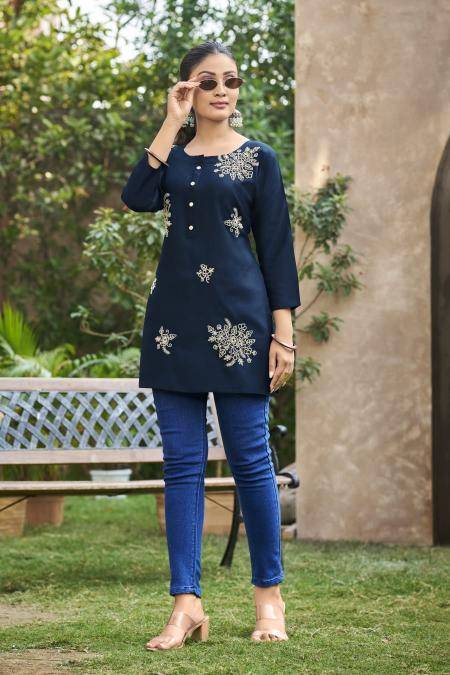
Wholesale Price Planning for Leheriya Kurtis in 2026
The wholesale price of a kurti cannot be determined from the print style alone. Fabric, garment construction, embroidery, embellishment, stitching complexity, size range, brand, order quantity and whether the product is sold individually or as part of a set can all affect cost.
For this reason, retailers should compare products on overall value rather than simply choosing the lowest quotation. A slightly higher-priced garment that has better finishing and rotates quickly can be commercially stronger than cheaper stock that remains unsold.
Wholesaleexport.in provides different ethnic-wear options across price levels, allowing buyers to select products according to their own customer segment. Current stock, specifications and pricing should always be checked at the time of ordering because fashion inventory can change quickly.
Calculate Landed Cost, Not Only Purchase Price
A retailer's actual cost may include the product price along with applicable taxes, transportation, packaging and other order-related expenses. For international orders, freight and destination-specific charges can also affect the landed cost.
Understanding the complete cost before setting a retail price protects margins and helps buyers compare suppliers more accurately.
Growing Demand Beyond India
Indian ethnic fashion also serves customers in overseas markets. Retailers supplying Indian and South Asian communities in countries such as Australia, Canada and Malaysia may include kurtis and kurta sets within their wider ethnic-wear assortment.
For export orders, buyers should plan inventory early and consider transportation time, local seasonality, customer preferences and applicable destination requirements. A product mix suitable for an Indian retail store may not necessarily be the ideal assortment for every international market.
Vastralife's wholesale and export experience since 2017 contributes practical industry understanding of women's ethnic-wear sourcing and business buying. The focus remains on connecting buyers with commercially useful collections while maintaining attention to product quality and regular new arrivals.
Building a Profitable Leheriya Collection
The strongest assortment usually combines proven commercial products with a smaller percentage of newer fashion experiments. This approach allows retailers to participate in trends without committing the entire inventory budget to products whose demand has not yet been tested.
Keep records of colours, sizes, silhouettes and price ranges that sell quickly. Over time, these records can become more valuable than assumptions about what customers might prefer.
Retailers should also refresh stock regularly. Fashion customers often return because they want to see something new, and a steady rotation of products can provide a reason for repeat visits both online and offline.
Internal Linking: Explore Related Wholesale Categories
Retailers building a wider ethnic-wear assortment do not have to depend on one print trend alone. Leheriya pieces can be combined with rayon kurtis, embroidered styles, printed kurta sets, cotton everyday wear and festive collections. Buyers interested in expanding their regular kurti inventory can explore wholesale rayon kurtis alongside Leheriya-inspired designs.
Stores serving families or operating as broader fashion outlets can also diversify beyond women's ethnic wear. Wholesaleexport.in provides access to different categories, and buyers looking to widen their merchandise mix can explore mens wear while planning their overall inventory.
How to Sell Leheriya Print Kurtis More Effectively
Good sourcing creates an opportunity, but merchandising converts that opportunity into sales. Whether you operate a physical store, boutique, home-based business or online reselling page, customers should quickly understand what makes a product attractive and where they can wear it.
Show the Complete Look
Instead of displaying only a folded kurti, show how the garment looks when worn. If the product is a kurta set, photograph the complete outfit. For single kurtis, demonstrate possible combinations with straight pants, palazzos or leggings.
Short vertical videos are particularly useful for patterned garments because customers can see the fabric movement, colour combination, neckline and overall length more clearly than they can from a single static photograph.
Use Close-Up Product Images
Customers purchasing through WhatsApp, websites or social media cannot physically touch the product. Detailed photographs of the neckline, sleeves, print, stitching and fabric surface can therefore improve buying confidence.
If a design contains embroidery, mirror-style embellishment, lace or decorative work, show those details separately rather than relying only on a full-length catalogue photograph.
Explain Fabric and Size Clearly
Simple information can prevent many pre-sale questions. Mention fabric type, available sizes, garment length, included components and whether the piece is stitched, ready-to-wear or part of a coordinated set.
For wholesale buyers, accurate information also makes it easier to forward product details to their own customers and resellers.
Seasonal Opportunities for Leheriya Fashion
Traditional patterns can gain stronger visibility during festive and celebration-led buying periods. Retailers can merchandise colourful Leheriya pieces around festive seasons, family functions, traditional events and gifting periods while maintaining simpler styles for regular daily-wear demand.
A practical strategy is to avoid waiting until demand reaches its peak. Buyers who source early have more time to receive stock, create photographs and videos, distribute catalogues to customers and start taking orders before the busiest retail period begins.
Festive Collections
For festive merchandising, look for stronger colours, coordinated dupattas, attractive necklines and tasteful embellishment. These details can create a richer appearance without requiring extremely heavy garments.
Festive Leheriya Print Kurti Collection options can include flared kurtas, three-piece sets, embroidered kurtis, kurta-pant-dupatta combinations and contemporary ethnic sets.
Everyday Collections
Daily-wear buyers usually place greater emphasis on comfort, practical fabrics and easy styling. Straight cuts, breathable materials and simpler prints can therefore form a useful everyday assortment.
Maintaining both everyday and festive products allows sellers to address different purchasing occasions instead of depending on a single customer requirement.
What Wholesale Buyers Should Check Before Ordering
Catalogue appearance should be only one part of a wholesale purchasing decision. Before placing an order, confirm the important commercial details so that you understand exactly what you are purchasing.
Check Fabric and Product Specifications
Confirm the fabric used for the kurti, bottom and dupatta where applicable. Also check whether the print shown in the catalogue accurately represents the supplied product and whether colour variations can occur between photography and the physical garment.
Understand the Size Range
Size availability can directly affect sales. Retailers should understand their own customer base and purchase accordingly rather than automatically ordering equal quantities of every available size.
Where extended sizes are available, they can help a retailer serve a wider audience. Accurate measurements are especially important for online sellers because customers cannot try the garment before ordering.
Confirm MOQ and Packing
Minimum order quantity can vary according to product, catalogue and supplier. Some collections may be available in sets, while others can have different ordering conditions. Always confirm current MOQ, colour assortment, size assortment and packing before payment.
Check Current Stock Before Confirming Customer Orders
Fashion inventory can move quickly, particularly when a design receives strong demand. Resellers should therefore verify current availability before making a final commitment to their customers.
This is especially relevant when working with trending ethnic wear because popular colours and sizes can sell faster than expected.
Leheriya Kurti Wholesale Buying Strategy for Different Businesses
There is no single inventory formula that works for every retailer. The appropriate quantity and product mix depend on selling channel, customer profile, available capital and historical sales.
Home-Based Sellers and Resellers
Start with variety rather than excessive depth. A selection covering different colours and price points allows you to test customer response while controlling inventory exposure.
Once a particular design receives repeated enquiries, you can increase quantities based on actual demand instead of prediction alone.
Boutique Owners
Boutiques can concentrate on products that offer visible differentiation. Premium-looking prints, better fabric, unusual colour combinations and detailed finishing can help create a more curated collection.
Styling is also important. Presenting a kurti with complementary jewellery, footwear and bottoms can help customers visualise a complete outfit and can increase the perceived value of the garment.
Shop and Showroom Owners
Physical retailers can create separate sections for affordable daily wear, fashionable mid-range products and occasion wear. This makes it easier for customers to shop according to budget and requirement.
Review sell-through regularly. If one colour or silhouette performs faster, use that information when placing the next wholesale order.
Why Product Quality Matters in Repeat Wholesale Business
Low price may generate an initial enquiry, but repeat business depends heavily on whether customers are satisfied after receiving and wearing the product. Fabric feel, stitching, fitting, colour, finishing and consistency all influence that experience.
This is why premium product quality should be considered alongside price. Retailers build their reputation through the products they sell, so inconsistent merchandise can create problems even when the initial purchase cost appears attractive.
Wholesaleexport.in focuses on providing business buyers with access to regularly updated women's fashion and ethnic-wear options. Combined with Vastralife's wholesale and export experience since 2017, the objective is to support retailers with industry expertise, product variety and practical wholesale sourcing.
Digital Selling Opportunities for Leheriya Kurtis
Home-based sellers and retailers can now reach customers beyond their immediate physical location. WhatsApp catalogues, Instagram Reels, Facebook content and websites can all be used to present new arrivals quickly.
Create Short Product Videos
A 15-to-30-second product video can demonstrate colour, fall, print and garment detailing efficiently. Start with a full outfit view, move closer to the neckline and fabric, and finish with the available colours or sizes.
Keep product information simple and useful. Mention the product type, fabric, available sizes and ordering method rather than overcrowding the video with excessive text.
Use Search-Friendly Product Names
Instead of naming a listing only by catalogue number, use descriptive phrases such as “Leheriya Print Rayon Kurti,” “Leheriya Kurta Pant Set,” “Festive Leheriya Kurti” or “Women Leheriya Ethnic Wear.” These terms help customers understand the product immediately and can also support search visibility.
Build Repeat Customer Communication
Retailers do not need to depend only on acquiring new customers. Existing customers who have already purchased ethnic wear can be informed when new collections arrive.
Regular but relevant updates about new arrivals, restocks, seasonal products and bulk deals can encourage repeat orders without overwhelming customers with unnecessary messages.
Wholesale and Export Opportunities in 2026
The women's ethnic-wear business continues to offer opportunities for sellers operating at different scales. A home-based reseller may start with limited quantities, while an established showroom can purchase broader catalogues across multiple categories.
For overseas buyers in markets such as Australia, Canada and Malaysia, Indian wholesale sourcing can provide access to a wider assortment of traditional and contemporary designs. International buyers should plan purchasing according to shipping time, local selling seasons, applicable import requirements and their customers' preferences.
The same principle applies within India: successful buying is less about carrying every available trend and more about choosing the right products for a clearly understood customer base.
Customer FAQs
1. What is a Leheriya print kurti?
A Leheriya print kurti features flowing diagonal or wave-like patterns inspired by the traditional Leheriya textile style associated with Rajasthan. Modern garments may use traditional dyeing methods or printed interpretations of the characteristic pattern, so buyers should check the individual product specifications.
2. Are Leheriya kurtis suitable for everyday wear?
Yes. Simpler designs made in comfortable fabrics can work well for everyday wear, office use, casual outings and regular ethnic dressing. More elaborate versions with dupattas, embroidery or decorative details can be positioned for festive and occasion wear.
3. Where can retailers buy Leheriya kurtis wholesale?
Retailers can source through established textile and garment suppliers, including businesses connected with the Surat textile ecosystem. Wholesaleexport.in also provides online access to wholesale ethnic-wear collections, allowing buyers to review products without depending solely on physical market visits.
4. What should I check before buying Leheriya kurtis in bulk?
Check fabric, stitching, available sizes, design assortment, MOQ, current stock, wholesale price, packing, dispatch terms and whether the garment includes a bottom or dupatta. For resale, also consider whether the style matches your customers' typical budget and preferences.
5. Can Leheriya kurtis be ordered for export?
Export availability depends on the supplier, destination, quantity and shipping arrangement. International wholesale buyers should confirm current product availability, freight, documentation and destination-specific requirements before placing an order.
6. Which fabrics are popular for Leheriya-style kurtis?
Depending on the collection, Leheriya-inspired designs may be produced in rayon, cotton and other fabrics, including flowing materials for festive styles. Buyers should select fabric according to season, customer preference, garment silhouette and intended retail price.
7. Are Leheriya kurta sets suitable for boutique selling?
Yes. Boutiques can use coordinated kurta sets, distinctive colour combinations and detailed styles to create a curated ethnic-wear assortment. Premium finishing and presentation can further differentiate the collection.
8. How should resellers decide how much stock to purchase?
New resellers can begin with controlled quantities across several designs and track customer response. Increasing stock based on actual enquiries and sales can be safer than investing heavily in one untested design.
Shop Latest Ethnic Wear at Wholesaleexport.in
If you are a home-based seller, reseller, boutique owner, shop owner, showroom operator or wholesale buyer looking to refresh your inventory, Wholesaleexport.in provides access to regularly updated women's fashion and ethnic-wear collections for business sourcing.
Explore Latest Collections, competitive Wholesale Pricing, Trendy Ethnic Wear and regularly updated products suitable for different retail segments. Buyers can also enquire about Fast Shipping, available COD Support, Bulk Order Deals and current ordering options.
Quality Products Starting From ₹299 are available across selected collections and products, subject to current stock and product specifications.
Whether you are sourcing from the Surat textile market ecosystem or ordering remotely, having access to regular new arrivals can help keep your retail catalogue fresh throughout 2026.
Contact Number: +91 9712582172
Website: wholesaleexport.in
Explore the latest Leheriya Print Kurti Collection and other women's ethnic-wear categories according to your market, customer budget and business requirements. Choose your assortment carefully, monitor what sells, and build the next purchase around real customer demand.