


Latest Dress Material Trends in India 2026: Wholesale Styles for Boutiques & Resellers
Latest Dress Material Trends in India 2026: Wholesale Styles for Boutiques & Resellers
Indian ethnic wear is moving toward a smart combination of comfort, versatile styling and premium-looking details. Customers are choosing fabrics and suit designs that feel practical for everyday use while still looking polished enough for offices, outings, festive gatherings and family functions. For retailers and wholesale buyers, understanding these changing preferences can help create a faster-moving and more profitable inventory.
Introduction
The dress material market continues to hold an important position in India's ethnic fashion industry. Even with the growing popularity of ready-made garments, many customers still prefer unstitched and semi-stitched suits because they offer freedom in fitting, neckline, sleeve style and overall tailoring. This flexibility keeps wholesale dress materials relevant for traditional stores, modern boutiques and online resellers.
In 2026, buyers are becoming more selective about what they purchase. Attractive catalogue photography may generate the first enquiry, but fabric quality, embroidery finishing, colour coordination, dupatta styling and final price strongly influence the actual purchase decision.
The latest dress material trends in India reflect this change clearly. Instead of only heavy occasion wear, demand is spreading across breathable cotton suits, elegant embroidered collections, printed dress materials, sophisticated three-piece combinations and premium festive styles that can be worn more than once.
This gives Home-Based Sellers, Shop Owners, Boutique Owners, Showroom Owners, Resellers and Wholesale Buyers an opportunity to build collections for multiple customer segments instead of depending on a single category.
What Is Changing in the Indian Dress Material Market in 2026?
Ethnic fashion trends are now influenced by several channels at the same time. Social media reels, online catalogues, boutique displays, celebrity-inspired styling, wedding fashion and regional preferences can all influence what customers begin asking for.
A design that gains attention in Surat can quickly receive enquiries from buyers in Delhi, Mumbai, Bengaluru, Kolkata or smaller cities. The same digital reach also allows overseas ethnic wear retailers to observe Indian trends much faster than before.
Wearability Is Becoming as Important as Design
Customers increasingly want attractive clothing that fits into real life. A heavily embellished outfit may look impressive, but a versatile suit that can be worn to several occasions may offer greater value to many buyers.
This is why comfortable fabrics with selective embroidery, elegant prints and coordinated dupattas are gaining attention. The trend is particularly valuable for retailers because wearable products can appeal to a broader customer base.
Premium Appearance Without Excessive Weight
Another visible direction in Indian ethnic wear trends 2026 is refined detailing. Customers can appreciate embroidery and decorative work without necessarily wanting a very heavy garment.
Neck embroidery, carefully placed motifs, border detailing, thread work and tasteful dupatta designs can provide a premium appearance while keeping the outfit comfortable. These collections can work well for office celebrations, small functions, festive gatherings and family occasions.
1. Cotton Dress Materials Continue to Lead Everyday Demand
Cotton dress materials wholesale remains one of the strongest categories for retailers because cotton has a wide customer base in India. Breathability and comfort make it suitable for regular wear, office use and warmer weather.
However, modern cotton collections are no longer limited to basic prints. Manufacturers are introducing floral themes, traditional motifs, geometric patterns, contrast borders, digital prints and coordinated dupattas to create more attractive combinations.
This allows retailers to sell cotton at different levels. Simple designs can target value-conscious daily-wear customers, while better-finished cotton suits with distinctive dupattas can be positioned as premium everyday ethnic wear.
Why Cotton Works Well for Resellers
Home-Based Sellers and online resellers often need products that are easy to explain and have broad demand. Cotton meets both requirements. Customers already understand the fabric, while new designs provide enough freshness for regular catalogue updates.
Retailers can experiment with floral cotton suits, printed cotton dress materials, office-wear designs and cotton dupatta sets. Maintaining several colour options can also improve the chances of converting enquiries into orders.
2. Embroidered Dress Materials Are Becoming More Refined
Embroidery remains a major part of the latest dress material trends in India, but the styling is becoming more balanced. Instead of covering every area with decorative work, many designs use embroidery strategically to highlight the neckline, sleeves, front panel or borders.
This approach creates a premium look while allowing the fabric and silhouette to remain visible. For boutiques, such products can fill the space between basic daily wear and expensive festive clothing.
Embroidered dress material wholesale collections are particularly useful for retailers serving customers who want something special for social gatherings, festive events, dinners or family functions without purchasing extremely heavy occasion wear.
Lucknowi and Delicate Threadwork Influence
Fine thread embroidery, Lucknowi-inspired patterns and tone-on-tone detailing continue to attract customers looking for understated elegance. Softer colours combined with white or tonal embroidery can create an expensive appearance even when the overall styling remains graceful.
For Boutique Owners, this category offers good merchandising possibilities because embroidery is easy to highlight through close-up photographs, videos and in-store displays.
3. Pastel and Sophisticated Colours Are Expanding
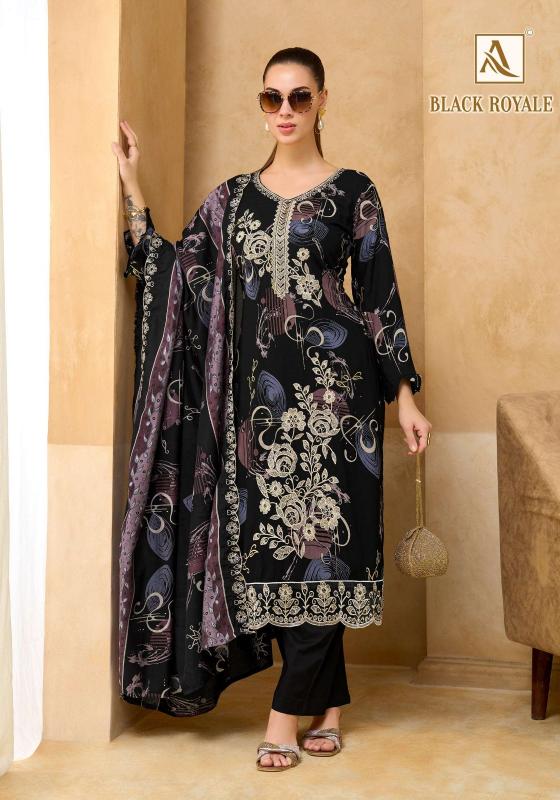
Colour has become one of the easiest ways for a retailer to make a collection look fresh. Lavender, dusty pink, mauve, powder blue, sage-inspired tones and other soft shades are increasingly visible in contemporary ethnic wear.
These colours work particularly well with delicate embroidery and coordinated dupattas. They can appeal to customers shopping for daytime occasions, office functions, casual celebrations and elegant festive looks.
That does not mean traditional colours are disappearing. Maroon, navy, black, bottle green, red and deeper jewel tones continue to have strong relevance, particularly during festive and wedding seasons.
How Wholesale Buyers Should Select Colours
Instead of purchasing an entire collection around one trending shade, wholesale buyers can create a balanced colour assortment. Combining softer contemporary shades with proven traditional colours reduces dependence on a single fashion trend.
Regional preferences also matter. A colour combination performing strongly in one city may receive a different response elsewhere. Shop Owners and Showroom Owners should therefore combine national fashion trends with their own sales history and customer feedback.
4. Statement Dupattas Are Becoming a Major Selling Feature
A beautifully designed dupatta can completely change the perceived value of a suit. Printed borders, floral artwork, woven effects, embroidery, contrast shades and artistic motifs can turn a relatively minimal kurta fabric into a complete fashion statement.
This trend is particularly valuable for online selling. When customers browse quickly through product images, a distinctive dupatta can make the catalogue more noticeable and communicate the complete look immediately.
Retailers purchasing designer dress material wholesale collections should therefore evaluate all components of the set. The kurta fabric may be the primary product, but the bottom and dupatta can significantly influence whether customers perceive the collection as basic or premium.
5. Three-Piece Suit Combinations Offer Better Retail Presentation
Coordinated top, bottom and dupatta combinations continue to gain attention because customers can immediately visualize the finished outfit. The colours and patterns are already matched, reducing uncertainty when selecting additional fabric.
For retailers, a well-coordinated three-piece collection is also easier to display. Online sellers can showcase the complete design through catalogue images, while physical stores can present combinations without requiring customers to imagine how separate fabrics might work together.
This makes three-piece dress material wholesale an important category for boutiques and resellers looking for products with strong visual presentation.
Printed, Embroidered and Hybrid Collections
Three-piece sets are appearing in several formats. Some focus on printed tops with matching bottoms and statement dupattas, while others use embroidery on the kurta and keep the remaining pieces comparatively subtle.
Hybrid designs combining print and embroidery can also create a distinctive appearance. These products provide retailers with multiple selling points and can appeal to customers who want more detailing than ordinary daily wear.
6. Festive Dress Materials Remain Important for Seasonal Sales
Festivals and wedding-related occasions continue to create strong demand for richer ethnic wear. Festive dress materials may feature embroidery, decorative borders, richer fabrics, detailed dupattas or traditional-inspired motifs.
The opportunity for retailers is to stock festive products at multiple budget levels. Not every customer wants luxury-level clothing, so a collection that includes affordable festive designs alongside selected premium pieces can reach more shoppers.
Retailers should also plan seasonal purchasing early enough to promote products before peak demand. Waiting until the festival has already started can reduce the effective selling period.
Surat Remains an Important Dress Material Sourcing Hub
Surat's textile ecosystem continues to play an important role in Indian wholesale fashion. The city connects fabric production, processing, trading, design, catalogue development and manufacturing across numerous ethnic wear categories.
Buyers visiting the surat textile market frequently explore commercial areas around ring road and sahara darwaza, where textile businesses offer collections across different fabrics, styles and price ranges.
For wholesale buyers, this variety is valuable but also makes careful selection important. Purchasing only because a catalogue has a low price may not produce the best retail results. Fabric quality, finishing, colour selection, design freshness and target customer demand should all be evaluated.
Why Digital Wholesale Buying Is Growing
Physical market visits remain useful, especially for buyers purchasing large quantities, but digital wholesale sourcing has made product discovery much easier. Retailers located far from Surat can review new collections online and make purchasing decisions without travelling for every stock update.
Wholesaleexport.in supports this changing buying pattern by making wholesale ethnic fashion more accessible to businesses looking for new collections from the Surat market.
This can be particularly helpful for Home-Based Sellers and smaller boutiques that want to maintain regular product freshness without carrying the travel cost and time associated with repeated sourcing visits.
How to Select Profitable Dress Materials for Your Business
Knowing the latest dress material trends in India is useful, but profitable wholesale buying requires understanding your own customers. A boutique selling premium occasion wear needs a different product mix from a home-based seller serving budget-conscious daily-wear buyers.
Start With Your Customer's Actual Budget
Retailers should identify which price brackets generate the most enquiries and actual purchases. Stock can then be divided among affordable, mid-range and premium products rather than concentrating the complete budget in one segment.
Entry-level products can encourage regular transactions, while premium products can increase average order value. The right balance depends on the retailer's market and customer profile.
Look Beyond the Lowest Wholesale Price
A profitable wholesale purchase is not always the cheapest purchase. A slightly higher-priced suit with better fabric, attractive finishing and stronger catalogue presentation may offer a better resale opportunity.
Retailers should consider expected selling price, likely customer demand and inventory rotation before calculating profitability. Slow-moving cheap stock can lock working capital just as easily as expensive inventory.
Test New Trends Before Buying Deep
When trying a new design direction, resellers can begin with a controlled assortment and observe customer response. If enquiries and conversions are strong, they can increase the quantity in future purchases.
This approach can be especially useful for online sellers because digital customer feedback arrives quickly through views, enquiries, shares and orders.
Online Reselling Opportunities in Dress Materials
Digital selling has lowered the entry barrier for people interested in ethnic wear businesses. A Home-Based Seller can promote collections through WhatsApp, Instagram, Facebook or an existing customer network without immediately investing in a large physical showroom.
Products connected to the latest dress material trends in India can work well for this model because customers regularly look for new prints, colours and festive designs. Catalogue-friendly products can be shared quickly and marketed according to customer preference.
Wholesaleexport.in can help Resellers, Boutique Owners and Wholesale Buyers discover changing collections while building a product mix suited to their target market.
Regular New Arrivals Help Maintain Customer Interest
Online customers can become accustomed to seeing new products frequently. Regular catalogue updates can therefore help sellers maintain engagement and give repeat buyers a reason to check new arrivals.
This does not mean retailers need to replace their entire inventory constantly. Introducing new colour stories, fabrics and selected collections can make the product range feel active while established bestsellers continue generating sales.
Wholesale and Export Opportunities Beyond India
Indian dress materials also have potential among ethnic wear retailers serving overseas South Asian communities. Markets such as Nepal, USA and Australia can provide opportunities for boutiques and wholesale buyers interested in Indian ethnic fashion.
For export orders, product selection should consider local customer preferences, seasonal demand, shipping practicality and target retail pricing. A collection successful in one market may require different colours or design intensity for another country.
Reliable sourcing becomes even more important for international wholesale customers because additional distance can make exchanges and stock replacement more complicated.
Wholesale Experience Since 2017
Vastralife brings wholesale and export experience since 2017, along with practical textile industry expertise in serving retailers, boutiques, resellers and wholesale customers. The emphasis on market-relevant designs and premium product quality helps buyers evaluate collections for practical resale opportunities.
Through Wholesaleexport.in, wholesale customers can explore ethnic wear categories with an emphasis on variety, current market demand and business-oriented sourcing.
Dress Material Categories Wholesale Buyers Should Watch in 2026
A strong wholesale inventory does not depend on one trend alone. Retailers who serve different age groups, budgets and occasions can benefit from maintaining a carefully selected combination of daily wear, office wear, festive styles and premium collections. This approach also gives customers more reasons to return when their requirements change.
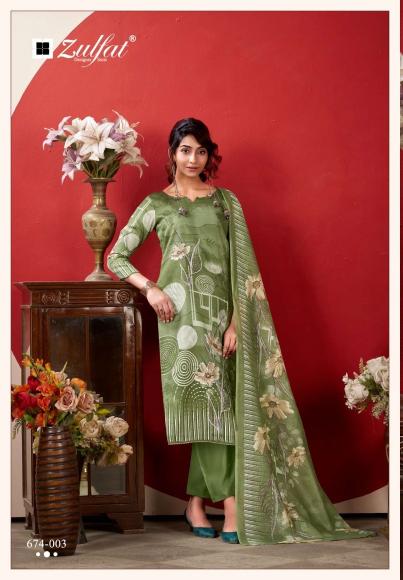
For 2026, some of the most commercially relevant categories include cotton dress materials, embroidered suits, printed suit materials, festive collections, designer three-piece suits and elegant dupatta-focused sets. Each category can address a different customer need while allowing sellers to maintain variety.
Daily Wear and Office Wear Collections
Comfortable fabrics, subtle prints and sophisticated colours are suitable for customers who regularly wear ethnic clothing. These collections can generate repeat business because they are purchased for practical everyday use rather than only special occasions.
Office-wear buyers may prefer cleaner patterns, manageable embroidery and elegant colour combinations. For retailers, this category can provide business throughout the year rather than depending completely on festive seasons.
Festive and Occasion Wear Collections
Festive customers generally expect stronger visual impact. Embroidery, statement dupattas, decorative borders and richer fabric combinations can help differentiate these collections from everyday products.
The key is maintaining variety in the wholesale price range. Affordable festive products can attract value-conscious customers, while selected premium designs can serve shoppers willing to spend more for distinctive detailing.
How Boutique Owners Can Build a Better Product Mix
Boutique Owners often compete through curation rather than sheer inventory size. A boutique does not necessarily need hundreds of similar designs; it needs products that feel carefully selected for its target customers.
A useful assortment can combine comfortable cotton suits, contemporary printed designs, elegant embroidered dress materials and selected premium festive pieces. Colour variation is equally important because customers may love a design but prefer it in a different shade.
Mix Fashion Trends With Proven Bestsellers
Retailers should not replace every established bestseller simply because a new trend appears. Proven products provide stability, while new collections create freshness.
A practical strategy is to keep reliable categories in stock and gradually introduce new designs. This can reduce inventory risk while allowing the business to respond to changing dress material fashion trends.
Think About the Finished Garment
When selecting unstitched material, consider how the product may look after tailoring. Neckline placement, border position, embroidery layout and available fabric length can influence the finished suit.
Boutique owners who understand tailoring can use this knowledge as a selling advantage by suggesting neck designs, sleeve styles or silhouettes suitable for each fabric.
Internal Linking: Explore More Wholesale Ethnic Wear Categories
Wholesale sourcing works best when retailers build complementary categories rather than depending on one product type. A customer interested in dress materials may also purchase ready-made ethnic wear, Pakistani-style suits, kurtis or occasion collections depending on season and budget.
When planning stock, compare fabric quality, design freshness, expected retail margin, catalogue presentation and repeat-order possibilities. A broader but carefully selected ethnic wear assortment can help businesses respond to more customer enquiries without losing their core identity.
Wholesaleexport.in provides access to changing wholesale collections for sellers who want to explore different ethnic wear opportunities from the Surat sourcing ecosystem.
Wholesale Dress Material Buying Tips for Home-Based Sellers
Home-Based Sellers usually operate with tighter inventory budgets than large showrooms, making stock selection particularly important. Instead of purchasing excessive quantities in one design, new sellers can test several styles and observe which products receive the strongest response.
Customer feedback can provide useful information about preferred fabrics, colours, embroidery levels and price points. Over time, this information can help a reseller develop a more accurate buying strategy.
Use Catalogue Content Strategically
Good catalogue images can make online selling easier, but sellers should also provide clear product information. Mentioning fabric type, design details, available colours and other relevant information helps customers understand what they are considering.
Short videos showing the fabric, embroidery or dupatta can further support customer confidence where available. The goal should be to provide useful information rather than relying only on promotional claims.
Track Which Designs Actually Convert
Likes and views can indicate interest, but actual enquiries and orders provide stronger business information. Resellers should track which catalogues lead to purchases and use those insights for future wholesale orders.
This approach can help distinguish between products that simply look attractive online and products that customers are genuinely willing to purchase.
Wholesale Opportunities for Shop and Showroom Owners
Physical stores have an advantage because customers can see fabrics, compare colours and evaluate product quality directly. Showroom Owners can organize dress materials according to fabric, occasion or price segment to make selection easier.
Displaying complete combinations can also improve presentation. Instead of keeping the dupatta folded away, showing how it complements the top fabric can communicate the full value of the product.
For shops serving a broad audience, inventory can include affordable dress materials, mid-range embroidered collections and premium designer suits. This allows sales staff to respond quickly when customers communicate their budget.
Understanding Wholesale Pricing and Retail Margin
Price is naturally one of the most important considerations in wholesale purchasing, but it should be evaluated alongside product quality and potential demand. The cheapest catalogue does not automatically provide the best profit opportunity.
A retailer should consider purchase cost, applicable taxes, logistics, local operating expenses and expected retail price before estimating margin. For online businesses, packaging and delivery-related costs may also influence profitability.
Inventory Rotation Can Matter More Than Margin Percentage
A product with an excellent theoretical margin is not particularly useful if it remains unsold for months. Faster inventory rotation can sometimes produce a healthier business than maintaining very high margins on slow-moving products.
Wholesale Buyers should therefore monitor both margin and selling speed. Reordering successful designs can be more efficient than continuously experimenting with large quantities of unfamiliar stock.
Why Quality Matters in Wholesale Dress Materials
Customers may initially respond to design, but product quality influences repeat business. Fabric feel, colour consistency, embroidery finishing and overall presentation can affect how buyers perceive a retailer.
This is particularly important for online sellers because customer trust is valuable. A product that closely matches the information and visual presentation provided during the sale can support long-term relationships.
Vastralife's wholesale and export experience since 2017 brings practical industry knowledge to the sourcing process. Attention to premium product quality, market-relevant collections and wholesale requirements can help retailers make more informed purchasing decisions.
Customer FAQs
1. What are the latest dress material trends in India for 2026?
The market is showing strong interest in comfortable cotton suits, refined embroidery, pastel shades, statement dupattas, coordinated three-piece combinations, printed collections and versatile festive designs. Customers increasingly prefer outfits that combine attractive styling with practical wearability.
2. Which dress materials are suitable for boutique owners?
Boutiques can consider a mix of embroidered suits, premium cotton collections, designer dress materials, sophisticated printed sets and festive styles. The best selection depends on customer budget, regional preferences and the boutique's positioning.
3. Is Surat a good market for wholesale dress materials?
Yes. Surat is one of India's important textile sourcing centres, with extensive trading and manufacturing activity. The surat textile market ecosystem around Ring Road, Sahara Darwaza and nearby textile areas gives wholesale buyers access to numerous ethnic wear categories and price segments.
4. Can home-based resellers purchase wholesale dress materials?
Yes. Home-Based Sellers can build a business by selecting wholesale collections according to their customer network and available investment. Starting with carefully selected products and tracking actual customer response can help reduce unnecessary inventory.
5. Which dress materials are good for regular customer demand?
Cotton, printed and comfortable three-piece dress materials can be suitable for regular demand, while embroidered and festive products can strengthen seasonal sales. Maintaining both everyday and occasion-focused categories can create a more balanced inventory.
6. How should retailers decide the right wholesale price range?
Retailers should begin with the purchasing behaviour of their target customers. A balanced assortment can include affordable entry-level products, dependable mid-range designs and a smaller selection of premium pieces instead of investing entirely in one price category.
7. Can Indian dress materials be sourced for international markets?
Yes. Indian ethnic wear can have demand among retailers serving South Asian communities overseas, including markets such as Nepal, USA and Australia. Export buyers should consider customer preferences, product selection, shipping requirements and destination-specific retail pricing before purchasing.
Why Source Trending Collections Through Wholesaleexport.in?
Wholesale fashion buying becomes easier when sellers can explore products according to category, budget and customer demand. Wholesaleexport.in focuses on serving businesses rather than positioning collections only for individual retail shoppers.
Whether you operate a home-based reselling business, boutique, retail shop or larger showroom, access to regular new arrivals can help you keep your assortment fresh. The objective is not simply to buy more stock but to choose products with practical resale potential.
For buyers exploring the latest dress material trends in India, combining market awareness with careful purchasing can create a stronger long-term strategy. Fabrics, colours and designs will continue to change, but quality, value and understanding the customer remain fundamental to successful wholesale retailing.
Strong CTA: Upgrade Your Ethnic Wear Inventory for 2026
If you are planning your next wholesale purchase, explore Wholesaleexport.in for business-focused ethnic fashion sourcing. Discover Latest Collections selected for retailers, boutiques, showrooms, resellers and wholesale buyers looking for fresh opportunities in the Indian textile market.
Get access to Wholesale Pricing and explore Trendy Ethnic Wear for different customer segments. With Fast Shipping, COD Support where applicable and Bulk Order Deals, wholesale purchasing can become more convenient for growing businesses.
Explore Quality Products Starting From ₹299 and build a collection around customer demand, seasonal trends and your preferred selling range.
Contact: +91 9712582172
Website: wholesaleexport.in
From cotton and printed suits to embroidered and festive collections, the dress material business in 2026 offers opportunities for sellers who understand their customers and keep adapting their inventory. Choose thoughtfully, maintain variety and use emerging fashion trends as a guide rather than following them blindly.