



Kurti Wholesale Supplier for Export Buyers – Surat Wholesale Guide 2026
Kurti Wholesale Supplier for Export Buyers – Surat Wholesale Guide 2026
Indian ethnic wear continues to create strong retail opportunities across domestic and overseas markets, and kurtis remain one of the most practical categories for boutiques, resellers and fashion retailers. Their broad customer appeal, manageable inventory size, wide price range and constantly changing designs make them suitable for both established stores and growing online businesses. For international buyers, however, successful sourcing depends on much more than finding an attractive catalogue. Product quality, consistency, sizing, supplier reliability, packing and export experience all influence the final business result.
Introduction
Finding a dependable kurti wholesale supplier for export buyers can make a significant difference to the way an international ethnic wear business operates. Overseas buyers often need multiple designs, dependable quality, competitive wholesale rates and regular access to fresh collections without travelling to India for every purchase.
Surat has developed into an important sourcing destination for Indian women's fashion. The surat textile market, particularly the commercial textile belt around ring road and sahara darwaza, connects traders, wholesalers, brands, suppliers and manufacturing businesses dealing in a broad variety of ethnic fashion.
For a boutique in the USA, a reseller in Nepal or a fashion retailer in Australia, sourcing directly from an Indian wholesale ecosystem can provide access to designs that match different customer segments. The important part is selecting products according to actual retail demand rather than simply buying whatever appears newest.
Wholesaleexport.in is designed to make this sourcing process more accessible for Home-Based Sellers, Shop Owners, Boutique Owners, Showroom Owners, Resellers and Wholesale Buyers searching for Indian ethnic wear collections from Surat.
Why Kurtis Are a Strong Product Category for Export Buyers
Kurtis have a practical advantage in international ethnic fashion because they can serve several customer groups. Depending on the design, fabric and styling, the same broad category can cover daily wear, office wear, festive dressing, casual fashion and occasion-based requirements.
Wide Customer Acceptance
Unlike highly occasion-specific garments, kurtis can be incorporated into everyday wardrobes. Customers may pair them with leggings, trousers, palazzos, jeans or traditional bottoms. This styling flexibility can help international boutiques market kurtis to both traditional ethnic wear customers and buyers who prefer contemporary Indo-western combinations.
A strong wholesale kurti supplier in India should therefore offer more than one design direction. Printed kurtis, rayon kurtis, cotton kurtis, straight kurtis, embroidered kurtis, designer kurtis, kurti sets, office wear kurtis and festive styles can serve different retail requirements.
Multiple Price Segments
Another advantage is the ability to create inventory across different price points. Retailers can maintain budget-friendly products for regular sales while keeping selected premium styles for customers willing to spend more.
The correct buying price depends on fabric, pattern, embroidery, construction, finishing, brand, quantity and design complexity. Export buyers should calculate profitability using the complete landed cost rather than looking only at the supplier's basic wholesale rate.
Easy to Build Fresh Collections
Fashion customers respond strongly to newness. Instead of purchasing huge quantities of a limited number of designs, many boutiques can benefit from maintaining a rotating selection of styles.
Regular new arrivals allow sellers to create fresh WhatsApp posts, Instagram content, website updates and in-store displays. This can encourage previous customers to revisit the store even when they have already purchased from earlier collections.
What Export Buyers Should Expect from a Kurti Wholesale Supplier
An overseas order involves more coordination than a simple domestic purchase. A dependable kurti wholesale supplier for export buyers should understand that product consistency, communication and order preparation become particularly important when merchandise has to travel internationally.
Clear Product Information
Buyers should have enough information to understand what they are purchasing. Depending on the product, useful details can include fabric, available sizes, set contents, catalogue quantity, colour options, work details and product type.
Clear information reduces confusion when retailers later describe products to their own customers. This is especially important for online resellers who may begin marketing a collection before physically receiving it.
Consistent Product Quality
Attractive photographs may generate an initial order, but repeat wholesale business depends heavily on the actual merchandise. Fabric quality, stitching, finishing, colour presentation and overall construction influence customer satisfaction.
For overseas boutiques, quality problems can become particularly expensive because international returns and replacements are more complicated than domestic transactions. Choosing a supplier focused on premium product quality can therefore protect both margins and customer relationships.
Reliable Communication
Export buyers may be operating in different time zones and cannot physically visit the market for every order. They need accurate communication regarding availability, quantities and dispatch preparation.
A professional supplier relationship becomes increasingly valuable as order volumes grow. When buyers know what information they will receive and how the ordering process works, they can plan inventory more confidently.
Surat as a Wholesale Kurti Sourcing Destination
Surat's textile ecosystem is one of the reasons buyers across India and international markets look toward the city for women's ethnic fashion. The city's textile trade combines fabric availability, processing, trading, garment supply and manufacturing networks.
Surat Textile Market and Ring Road
The ring road textile area is widely associated with Surat's wholesale textile business. Buyers visiting the city can find numerous textile markets and suppliers dealing with sarees, dress materials, kurtis, salwar suits and related fashion categories.
The wider area around sahara darwaza also forms part of the city's active textile trading landscape. For new buyers, however, the sheer number of products and sellers can make physical sourcing time-consuming.
Online wholesale sourcing provides an alternative for businesses that cannot visit Surat repeatedly. Wholesaleexport.in allows buyers to explore collections digitally and shortlist merchandise according to their target customers and budget.
How to Select Kurtis for International Retail Markets
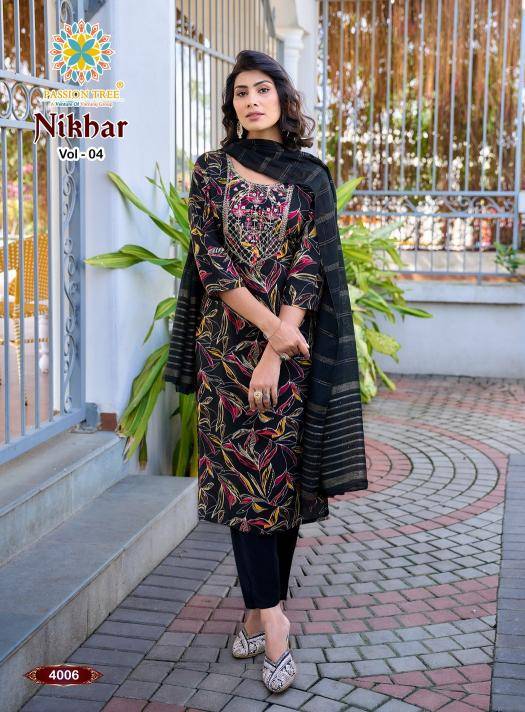
Export buying should begin with the destination customer, not with the supplier catalogue. A design that sells quickly in one country may move slowly in another. Climate, local fashion preferences, Indian community demographics, occasions and average customer budget can all influence demand.
Buying Kurtis for the USA
Retailers serving Indian and South Asian customers in the USA can create a balanced collection covering everyday and occasion wear. Comfortable kurtis and kurti sets can appeal to customers looking for practical ethnic fashion, while embroidered or designer pieces can support festive and event-based demand.
Boutiques should consider local retail positioning when choosing their wholesale range. A store focused on premium ethnic fashion will naturally need a different product mix from an online reseller competing primarily on affordability.
Buying Kurtis for Nepal
Nepal can be a relevant market for Indian fashion products because buyers may already be familiar with many Indian ethnic styles. Retailers can build assortments across kurtis, kurti sets, salwar suits and other coordinated fashion categories according to their customer profile.
Instead of selecting only high-end pieces, sellers may benefit from maintaining multiple buying ranges. Affordable everyday products can support regular turnover, while designer collections can target festivals and special occasions.
Buying Kurtis for Australia
For Australia, boutiques serving Indian communities can consider seasonal events, festivals, weddings and everyday ethnic fashion requirements. Lightweight fabrics may be particularly useful during warmer periods, while more elaborate styles can be promoted around festive calendars and community events.
The goal is not simply to buy Indian products for export; it is to select products that can realistically sell in the destination market at a profitable retail rate.
Important Kurti Categories for Wholesale Buyers in 2026
A well-planned kurti inventory should include enough variety to serve different customer needs without creating unnecessary dead stock. In 2026, retailers can evaluate several proven segments while continuously testing new designs.
Rayon Kurtis
Wholesale rayon kurtis remain useful for sellers looking for soft, wearable styles across everyday and semi-casual collections. Rayon works well with printed patterns, straight silhouettes, flared styles and various decorative details.
Because there can be significant variation in rayon quality and construction, buyers should evaluate the complete garment instead of making decisions solely from the product category name.
Cotton Kurtis
Cotton kurtis can be particularly relevant for customers prioritising comfort and breathable everyday fashion. Printed cotton styles, office wear designs and simple ethnic patterns can provide retailers with regular-wear inventory.
Designer Kurtis
Designer kurtis allow boutiques to create a more premium presentation. Embroidery, distinctive cuts, decorative necklines, surface work and coordinated styling can help such products command stronger retail positioning when the quality supports the look.
Kurti Sets
Kurti sets offer a complete outfit rather than a standalone top. Depending on the catalogue, combinations may include a kurti with pants, palazzos or dupatta. Complete sets can be attractive for customers who prefer ready styling without separately coordinating garments.
Plus-Size Kurtis
Inclusive sizing can help retailers reach customers who are underserved by limited-size fashion assortments. Before ordering, buyers should check actual available sizes and measurements instead of assuming that every catalogue follows identical sizing standards.
How Export Buyers Can Plan Their Wholesale Budget
One of the most important wholesale decisions is not which design to buy, but how much money to allocate to each category. Buyers who invest too heavily in one untested style can restrict their ability to purchase new products later.
Start with a Product Mix
Divide your purchasing budget according to expected customer demand. For example, a retailer could allocate the largest portion to proven everyday products, another portion to trending designs and a smaller amount to experimental premium pieces.
The exact percentage should depend on the business's own historical sales. A new seller without previous data can begin with smaller diversified quantities and use actual customer response to guide future purchases.
Calculate Landed Cost
International buyers should not calculate margins from wholesale product price alone. A realistic cost assessment should consider merchandise value, transportation and other applicable destination expenses.
If a kurti costs less but becomes expensive to move in inefficient small shipments, the apparent buying advantage can disappear. This is why professional export sourcing requires attention to logistics as well as product selection.
Keep Capital Available for Reorders
Do not invest every available rupee or dollar in the first order. Keeping some working capital available allows a business to reorder successful merchandise or quickly purchase a strong new arrival.
Inventory flexibility can be more valuable than simply having a large quantity of stock.
Why Experience Matters in Wholesale and Export Sourcing
Textile sourcing involves more than displaying catalogues. Understanding product segments, wholesale buying behaviour, retailer requirements and international customer expectations develops through practical industry exposure.
Vastralife has been involved in wholesale and export since 2017, bringing years of industry expertise to the sourcing process. This background helps connect product selection with the practical requirements of retailers, resellers and wholesale buyers.
For businesses that cannot regularly visit the surat textile market, working with an experienced sourcing ecosystem can simplify catalogue discovery and order planning while providing access to continuously changing Indian fashion collections.
Wholesaleexport.in brings this approach online for businesses searching for ethnic wear and wholesale fashion products from India.
For export buyers, another useful strategy is to compare product categories according to repeat-order potential. A catalogue that performs well with customers should be reordered when available, while slow-moving styles should not receive additional capital simply because they look attractive in photographs. Maintaining this discipline helps boutiques protect cash flow and build a more profitable kurti business over time.
Retailers should also track which fabrics, colours, sizes and silhouettes generate the strongest response. This creates valuable purchasing data. Instead of making every wholesale order based on instinct, buyers can gradually develop a sourcing system based on actual sales performance.
Businesses searching for a dependable kurti wholesale supplier for export buyers should therefore consider both product selection and the supplier's ability to support regular sourcing as their business expands.
Online Kurti Wholesale Sourcing for International Buyers
Digital sourcing has changed the way boutiques purchase Indian ethnic wear. Buyers no longer need to travel to Surat every time they want to explore fresh collections. Product catalogues can be reviewed remotely, allowing retailers to compare styles and shortlist merchandise according to their market.
This is particularly useful for overseas buyers operating from Nepal, the USA and Australia. A boutique owner can review new arrivals, estimate the required quantity and plan the next buying cycle without physically visiting India for every purchase.
Choose Collections According to Your Customer Base
Online sourcing works best when buyers already understand their audience. A home-based seller may require smaller and faster-moving selections, while a showroom owner may need broader catalogue depth across multiple price ranges.
Boutique owners can focus on distinctive designs that differentiate their store. Resellers may prioritise products that are easy to promote through WhatsApp, Instagram and other digital channels. Wholesale buyers supplying other retailers may require larger assortments and repeatable styles.
When browsing online, buyers can explore wholesale rayon kurtis for regular ethnic wear requirements. Retailers looking to diversify into occasion-based inventory can also explore the wholesale lehenga market in Surat alongside their kurti purchases.
Do Not Select Products Only by Photographs
Product photography is important, especially for online selling, but wholesale buying decisions should consider the complete product specification. Fabric, size availability, garment construction, catalogue composition and expected retail audience should influence the final order.
For international buyers, it is also useful to confirm whether the selected catalogue is currently available before finalising downstream promotions. Fast-moving Indian fashion products can change quickly, particularly during festive and wedding seasons.
Building a Profitable Kurti Inventory for Export Markets
A profitable inventory is not necessarily the biggest inventory. Successful retailers usually need the right balance between variety, quantity, price and stock rotation. This becomes especially important when merchandise is being imported from another country.
Combine Fast-Moving and Premium Styles
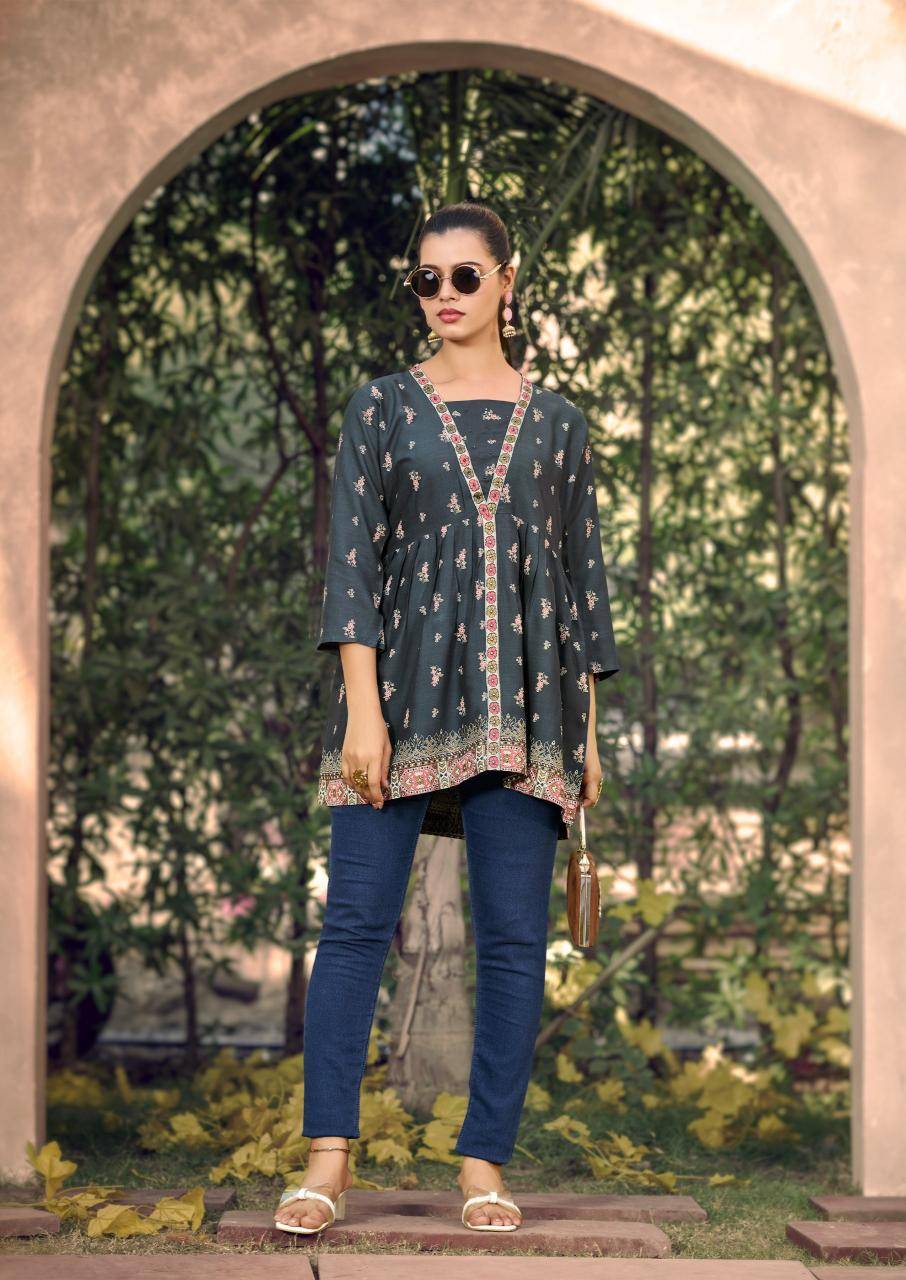
A practical buying strategy can combine affordable everyday kurtis with selected premium products. Regular-wear products may provide consistent sales volume, while designer pieces can increase the average selling value during festivals, weddings and special occasions.
For example, a retailer could maintain straight kurtis, rayon styles, printed kurtis and simple kurti sets as the regular inventory base. Embroidered kurtis, premium sets and designer collections can then be introduced as higher-value options.
Maintain Colour Variety
Customers rarely respond identically to colour. Some markets may perform strongly with bright shades, while others favour pastels, neutrals or darker tones. Buying every catalogue in similar colours can unnecessarily restrict customer choice.
A better wholesale selection includes a practical colour mix while keeping the retailer's established customer preferences in mind.
Understand Size Demand
Size planning becomes particularly important for overseas markets because reordering individual missing sizes may not always be practical. Retailers should study their own sales data to understand which sizes move fastest.
Where available, broader size ranges can help boutiques serve more customers. However, size labels should not be treated as universal measurements because garment specifications can vary between manufacturers and catalogues.
Use Seasonal Purchasing
Buying patterns should change with the retail calendar. Festive seasons can support more decorative products, while regular periods may favour wearable everyday styles.
Export buyers should also account for transit and preparation time. Purchasing festival merchandise too close to the selling date can reduce the effective retail window. Advance inventory planning gives businesses more time to photograph, promote and sell their collections.
Understanding Wholesale Price and Profit Margin
One of the biggest advantages of wholesale sourcing is the opportunity to create a sustainable retail margin. However, a low buying price does not automatically mean a product will generate better profit.
Buyers should evaluate value using product quality, customer demand, expected selling price, shipping cost and stock rotation. A slightly higher-priced kurti that sells quickly can be commercially stronger than a very inexpensive product that remains unsold for months.
Calculate Your Complete Cost
For export orders, calculate the complete landed cost before setting the retail rate. Depending on the destination and shipment arrangement, additional costs can influence the final amount invested in each garment.
International buyers should therefore establish a clear margin formula before ordering. The calculation should leave enough room for operational expenses, promotions and occasional discounts while still protecting business profitability.
Avoid Competing Only on Lowest Price
Retailers who compete exclusively on price may eventually find it difficult to maintain healthy margins. Customers also evaluate design, quality, availability, service and trust.
A boutique with carefully selected collections and dependable customer service can often build stronger long-term value than a seller constantly attempting to be the cheapest option.
Wholesale Kurti Opportunities for Different Types of Sellers
Home-Based Sellers
Home-Based Sellers can begin with focused inventory rather than trying to stock every available category. A smaller selection of attractive, wearable kurtis can be promoted through social media, WhatsApp groups and personal customer networks.
As sales data develops, the seller can increase quantities in proven categories and introduce new styles gradually.
Boutique Owners
Boutique Owners can use wholesale sourcing to build a more curated identity. Instead of competing with large stores purely on volume, boutiques can select unusual prints, premium finishes, coordinated sets and designer silhouettes that suit their specific customer profile.
A reliable kurti wholesaler in Surat can become particularly valuable when the boutique needs frequent collection updates.
Shop and Showroom Owners
Physical retailers generally require greater variety because customers expect to browse multiple options during a store visit. Maintaining different fabrics, patterns, price segments and sizes can improve the overall shopping experience.
Showroom buyers can also cross-sell kurtis with complementary ethnic categories, creating a broader fashion assortment rather than depending on one product type.
Resellers and Wholesale Buyers
Resellers often need products that can be presented digitally with clear visual appeal. Wholesale buyers supplying other stores, on the other hand, may prioritise catalogue depth, pricing consistency and regular stock availability.
Both groups benefit from building long-term supplier relationships instead of continuously changing sources solely for small differences in price.
Why Surat Remains Important for Ethnic Wear Sourcing in 2026
The commercial ecosystem around the surat textile market, ring road and sahara darwaza continues to make Surat relevant for textile and ethnic fashion sourcing in 2026. The concentration of traders, suppliers, textile businesses and manufacturing networks gives buyers access to numerous product categories within one sourcing ecosystem.
For overseas buyers, the advantage extends beyond physical market visits. Digital wholesale platforms can connect international businesses with Surat collections without requiring repeated travel.
Wholesaleexport.in helps make that connection more practical by presenting wholesale fashion products for businesses that want to source from India. Combined with Vastralife's wholesale and export experience since 2017, the focus remains on industry expertise, product selection and premium product quality.
Internal Linking – Explore More Wholesale Categories
A successful ethnic fashion business can gradually expand beyond one product segment. Retailers who begin with kurtis may later add kurti sets, sarees, lehengas, dress materials, salwar suits and other women's ethnic wear according to customer demand.
Before expanding, review sales from the existing category and identify products customers frequently request alongside kurtis. This creates a more purposeful assortment and reduces the risk of purchasing unrelated inventory simply to increase catalogue size.
Wholesaleexport.in can be used to discover different wholesale collections from Surat and build a broader sourcing plan around your target price range, customer profile and retail format.
Customer FAQs
1. How can international buyers source wholesale kurtis from Surat?
International buyers can review wholesale catalogues remotely, shortlist products according to their market and communicate their order requirements before dispatch planning. Buyers should confirm current availability, sizes, quantities, pricing and applicable shipping arrangements before completing an order.
2. Which kurtis are suitable for an overseas boutique?
The best assortment depends on the boutique's customers. A balanced range may include rayon kurtis, cotton styles, straight kurtis, printed designs, embroidered kurtis, designer pieces and kurti sets. Retailers should use previous sales data whenever possible rather than assuming the same styles will perform equally in every market.
3. Can small resellers buy wholesale ethnic wear online?
Yes. Online wholesale sourcing can be particularly useful for resellers and Home-Based Sellers who cannot frequently visit Surat. Buyers should check the current minimum-order requirement and catalogue conditions for the products they want to purchase.
4. Why should export buyers source from Surat?
Surat provides access to a large textile and apparel trading ecosystem covering multiple women's fashion categories. Buyers can source products across different price segments while benefiting from the city's established textile, trading and manufacturing network.
5. What should I check before placing a bulk kurti order?
Check product details, fabric, sizes, catalogue quantity, current availability, wholesale price and the total expected landed cost. Export buyers should also consider their destination customer's preferences and expected retail margin before deciding quantities.
6. Can I source kurtis for Nepal, the USA and Australia?
Indian ethnic wear can be sourced for customers across different international markets, including Nepal, the USA and Australia, subject to the applicable order, shipping and destination requirements. Product selection should be adapted to the customer profile of each country.
7. Is it better to order many designs or large quantities of a few designs?
For a new retailer, diversified smaller quantities can help test customer response. Once particular styles prove successful, the business can consider larger repeat purchases where stock remains available. Established retailers can use their own sales history to determine the most efficient mix.
Order Wholesale Kurtis and Trending Ethnic Wear
If you are looking for a kurti wholesale supplier for export buyers, build your next inventory around products that combine customer appeal, practical pricing and reliable quality. Whether you operate a home business, boutique, retail shop, showroom or wholesale operation, a well-planned sourcing strategy can help improve stock rotation and create stronger repeat sales.
Explore Wholesaleexport.in for Latest Collections, Wholesale Pricing, Trendy Ethnic Wear, Fast Shipping, COD Support for eligible India orders, Bulk Order Deals and Quality Products Starting From ₹299.
Why source with us?
- Latest Collections for boutiques, retailers and resellers
- Competitive Wholesale Pricing
- Trendy Ethnic Wear from Indian wholesale markets
- Fast Shipping options
- COD Support for eligible India orders
- Bulk Order Deals for wholesale buyers
- Quality Products Starting From ₹299
- Wholesale and export industry experience since 2017
- Collections suitable for domestic and international buyers
Contact Number: +91 9712582172
Website: wholesaleexport.in
Build your 2026 ethnic wear inventory with a sourcing approach focused on the right designs, sensible quantities, dependable quality and sustainable margins. From regular rayon kurtis to designer collections and coordinated kurti sets, choosing products according to real customer demand can turn wholesale sourcing into a stronger long-term retail strategy.