


Kurti Wholesale Buying Guide for Beginners in 2026 – Start Your Reselling Business Smartly
Kurti Wholesale Buying Guide for Beginners in 2026 – Start Your Reselling Business Smartly
Starting a kurti retail or reselling business can look simple until you make your first wholesale purchase. The market offers thousands of designs, fabrics, sizes and price ranges, but successful buying is not about collecting the maximum number of styles. It is about selecting inventory that matches your customers, budget and selling channel. A beginner who understands demand, quality, stock rotation and sourcing terms can build a healthier business with considerably less inventory risk.
Introduction
Kurtis remain an important part of India's ethnic and fusion-wear market because they can serve different age groups, occasions and budgets. Customers may choose simple cotton kurtis for everyday use, printed styles for casual wear, coordinated kurti sets for a complete look or embroidered designs for festive and social occasions.
This variety creates opportunities for Home-Based Sellers, Shop Owners, Boutique Owners, Showroom Owners and online Resellers. It can also create confusion for first-time buyers because a collection that looks attractive in a catalogue may not necessarily sell well to their customers.
A practical kurti wholesale buying guide for beginners should therefore start with business fundamentals rather than trends alone. Before ordering, a buyer should understand who will purchase the product, what price range they prefer, which sizes are required, how much inventory can be carried comfortably and how quickly that stock is expected to rotate.
In 2026, buyers can source kurtis through physical textile markets, manufacturers, wholesalers and online wholesale platforms. Surat remains an important sourcing destination because of its large textile ecosystem. Wholesaleexport.in also gives business buyers a way to discover wholesale-oriented collections without depending entirely on repeated physical market visits.
Why Kurtis Are a Practical Category for New Sellers
One reason beginners consider kurtis is their broad usability. A single product category can include affordable everyday styles, office wear, contemporary prints, traditional patterns, festive embroidery and premium designer looks. Sellers can therefore position their business according to a specific customer segment instead of trying to compete everywhere.
Kurtis are also suitable for multiple sales channels. A physical retailer can display different sizes and styles, while an Instagram or WhatsApp seller can promote new arrivals through photographs, reels and catalogues. Boutique Owners can curate distinctive collections, while Showroom Owners can maintain broader assortments across several price points.
Everyday Wear Creates Repeat Demand
Daily-wear kurtis can be commercially useful because customers may purchase them more frequently than heavily occasion-specific clothing. Cotton, rayon, printed and comfortable easy-wear designs can appeal to customers looking for practical clothing for work, college, shopping and everyday routines.
For beginners, this does not mean every basic kurti will sell. Colour, fitting, fabric feel, design and local preferences still matter. The advantage is that everyday wear can provide a relatively broad customer base when the collection is selected carefully.
Kurti Sets Can Increase Average Selling Value
Two-piece and three-piece kurti sets can appeal to customers who want coordinated outfits without separately matching bottoms and dupattas. Depending on the design, such sets can cover casual, office, festive and boutique segments.
For sellers, sets may create a higher average transaction value than single kurtis. However, the wholesale investment per design can also be higher, so beginners should balance single kurtis and sets according to their available capital.
Understand Your Customer Before Buying Wholesale Kurtis
The most important question before entering the kurti wholesale market is not “Which design is trending?” It is “Who is my customer?” Two retailers selling kurtis can require completely different inventory even when they operate in the same city.
A seller serving college-going customers may need affordable contemporary prints and fashionable silhouettes. A boutique serving working women may focus on elegant cotton, office-friendly patterns and coordinated sets. A store serving festive customers may require embroidery, richer fabrics and premium presentation.
Define Your Target Price Range
Beginners should determine what their customers are realistically willing to spend. If most customers prefer value-oriented ethnic wear, investing heavily in premium collections can slow inventory rotation. Similarly, a boutique positioned around premium fashion should not build its complete assortment around the lowest available wholesale price.
Create practical price bands for your business. You might maintain an affordable entry segment, a stronger mid-range selection and a smaller premium category. The exact structure should be based on your customers rather than a universal formula.
Understand Local Style Preferences
Fashion demand can differ significantly between cities and customer groups. Printed cotton kurtis may perform strongly in one market while coordinated sets or heavily styled pieces generate more interest elsewhere.
Ask existing customers what they want. Review your social media enquiries. Observe which products receive actual orders rather than only likes. This information is much more valuable than buying entirely according to personal preference.
Set a Wholesale Buying Budget Before You Start
Inventory is working capital. Every product that remains unsold keeps part of your business money locked in stock. Beginners should therefore set a clear purchasing budget before exploring wholesale collections.
Your budget should cover more than the quoted product rate. Consider applicable taxes, transportation, shipping, packaging and other relevant expenses. The final landed cost determines how much margin you can realistically make.
Do Not Spend the Complete Budget on the First Order
A common beginner mistake is becoming excited by wholesale variety and using nearly all available capital on the first purchase. Keeping some working capital available can be useful for restocking products that perform well or purchasing fresh collections when customer demand changes.
Testing first and scaling later is usually more disciplined than making a large speculative purchase without sales data.
Think in Terms of Stock Rotation
A kurti with a high theoretical profit margin is not necessarily a better investment if it takes months to sell. A moderately profitable design that sells repeatedly may contribute more effectively to cash flow.
Beginners should monitor how quickly each collection moves and use this information when planning the next wholesale order.
Best Types of Kurtis for Beginners to Consider
A strong beginner assortment does not need dozens of unrelated categories. A focused selection across a few proven use cases can make the store easier to market and inventory easier to manage.
Cotton Kurtis
Cotton kurtis wholesale collections can be relevant for customers looking for breathable everyday clothing. Printed cotton, straight-cut styles and comfortable silhouettes may suit office, casual and daily-wear segments depending on current designs.
When buying cotton products, evaluate the confirmed fabric details, print quality, finishing and overall value rather than selecting only on the basis of photographs.
Jaipuri Printed Kurtis
Jaipuri kurtis wholesale collections can add traditional print character to an assortment. Depending on the product, buyers may find floral patterns, ethnic motifs and other print-led styles suitable for daily or casual wear.
These collections can be particularly useful for online sellers because visually distinctive prints can be presented effectively through catalogue images and social media content.
Kurti Pant Sets
Kurti pant sets wholesale can attract customers who prefer a ready-coordinated outfit. They can be positioned across everyday, office and semi-festive segments depending on fabric, pattern and detailing.
Beginners should compare the total wholesale cost of the set with the expected retail price and customer purchasing capacity before stocking larger quantities.
Three-Piece Kurti Sets
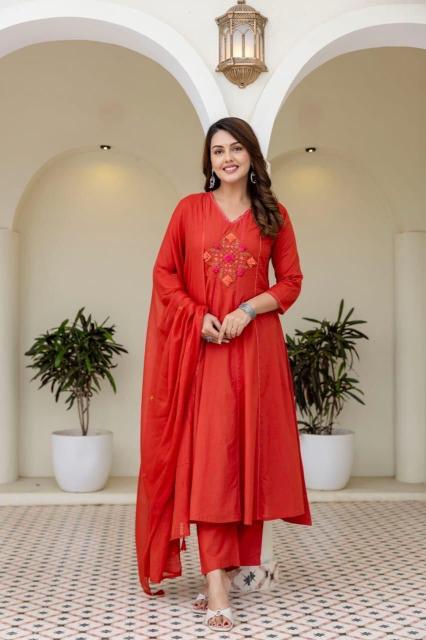
A three-piece set commonly combines a kurti, bottom and dupatta, subject to the individual product specification. Such coordinated outfits can create a complete presentation and may appeal to customers who prefer ready styling.
For boutiques, three-piece collections can also provide stronger visual merchandising opportunities than standalone kurtis.
Plus Size Kurtis
Size inclusivity can create an important business opportunity. Sellers should examine their own customer enquiries and consider whether broader sizing is underserved in their local or online market.
When sourcing plus-size clothing, accurate size information and suitable garment proportions matter. Simply extending a design into larger labels without considering fit may not provide the customer experience buyers expect.
How to Check Kurti Quality Before Wholesale Buying
Quality should always be evaluated relative to the intended price segment. An affordable daily-wear kurti and a premium embroidered garment naturally have different expectations, but both should provide appropriate value for their positioning.
Check Fabric Information
Fabric influences comfort, drape, appearance and customer expectations. Understand the confirmed fabric specification instead of making assumptions based on photographs.
If you are buying online, product descriptions and supplier information become especially important because you cannot physically touch the garment before purchasing.
Look at Stitching and Finishing
Good finishing contributes to the overall presentation of a ready-made garment. Buyers should consider stitching consistency, neckline finishing, sleeves, hems and other visible construction details where they can be evaluated.
Evaluate Print or Embroidery
For printed kurtis, the clarity and overall appearance of the print influence perceived value. For embroidered or embellished products, buyers should consider the quality and placement of decorative work according to the intended retail segment.
Understand Size Specifications
Size labels alone may not tell the complete story. When possible, understand the supplier's available size information and communicate sizing clearly to customers. This is especially important for online sales where customers cannot try the garment before ordering.
How to Buy Kurtis from Surat Wholesale Market
Surat has an extensive textile ecosystem covering fabrics, processing, ready-made garments, trading, manufacturing and wholesale distribution. Buyers searching for kurtis and ethnic wear often explore the broader surat textile market network for product variety and commercial sourcing opportunities.
The textile zones around ring road and sahara darwaza are widely associated with Surat's wholesale textile trade. However, a beginner should arrive with a defined requirement instead of visiting markets randomly.
Prepare a Buying List Before Visiting Surat
Write down the categories you want, your approximate quantity, target wholesale price range and preferred sizes. A clear list makes comparison easier and reduces impulse purchases.
For example, a beginner might focus primarily on everyday kurtis and coordinated sets rather than attempting to buy kurtis, sarees, lehengas and dress materials during the same first sourcing trip.
Compare Products, Not Just Suppliers
When two wholesalers quote different rates, check whether the products are genuinely comparable. Fabric, stitching, design, sizing, detailing and order quantity can all influence the price.
The objective is to find appropriate value for your customer segment, not automatically the lowest quotation in the market.
Ask About MOQ Before Finalizing
MOQ means minimum order quantity. Different wholesale collections may have different quantity requirements. Confirm whether the applicable MOQ fits your budget and inventory strategy before placing an order.
For beginners, manageable quantities can provide an opportunity to understand customer response before committing additional capital.
How to Choose a Reliable Kurti Wholesale Supplier
A dependable supplier can become an important part of a growing retail business. Beginners should evaluate sourcing relationships beyond a single attractive catalogue.
Look for Clear Product Details
Professional wholesale sourcing should provide buyers with enough information to understand what they are purchasing. Product category, available specifications, price and applicable order terms should be communicated clearly.
Confirm Stock Before Taking Customer Orders
Fashion inventory can change quickly. A catalogue shared today may not necessarily have the same availability later. Online Resellers should confirm stock before promising a specific design to customers whenever current availability is relevant.
Consider Regular New Arrivals
A long-term sourcing channel should be capable of supporting changing customer demand. Regular fresh collections can help sellers keep their WhatsApp catalogues, social media pages, boutiques and physical stores active.
Wholesaleexport.in provides wholesale-focused product discovery for business buyers looking for ethnic wear collections from India. This can be useful for sellers who want access to changing products without repeatedly travelling to Surat.
Wholesale Kurti Sourcing Experience Since 2017
Textile buying becomes easier when sourcing is supported by practical industry knowledge. Vastralife has wholesale and export experience since 2017, with experience serving business-oriented textile requirements and understanding the needs of retailers and resellers.
For buyers, industry expertise matters because wholesale purchasing involves more than finding attractive photographs. Product positioning, quality, pricing, customer segment and repeat sourcing all influence whether inventory can become commercially successful.
The focus on premium product quality does not mean every collection must belong to a luxury price segment. Quality should instead be appropriate for the product category and the customers it is designed to serve.
Wholesale Kurti Buying for Different Types of Sellers
Home-Based Sellers
Home-Based Sellers can begin with a focused assortment and use WhatsApp, Instagram or their personal network to understand demand. Their relatively flexible business model can make controlled product testing practical.
Shop Owners
Shop Owners should consider local customer preferences and maintain enough variety across relevant sizes and price points. Physical-store customers may expect to compare several options before purchasing.
Boutique Owners
Boutique Owners can focus more strongly on curation. Instead of carrying every available style, they can choose collections that reinforce a recognizable identity such as contemporary cotton, premium ethnic sets or festive fashion.
Showroom Owners
Showroom Owners generally need greater inventory depth. They can divide stock between everyday, mid-range and premium segments according to historical sales data.
Online Resellers
Resellers need products that can be communicated effectively online. Clear catalogue images, relevant product information and confirmed availability can help them serve customers remotely.
Wholesale Kurtis for International Buyers
Indian ethnic wear also reaches international markets through wholesale and export channels. Buyers in Nepal, Singapore and Canada may source kurtis and coordinated ethnic outfits according to demand within their own customer communities.
International buyers should calculate the complete landed cost rather than judging profitability from the Indian wholesale rate alone. Logistics and other applicable costs can influence the final retail positioning.
Select Products for the Destination Market
A style popular in one Indian city may not automatically become the best choice for every overseas market. Climate, local preferences, community events, festivals and expected retail pricing should influence product selection.
International retailers can start with a curated assortment and expand the categories that generate actual customer demand.
Wholesale Kurti Pricing and Profit Planning
New sellers often ask how much profit they can make from wholesale kurtis. There is no fixed margin that applies to every business. Your result depends on purchase price, applicable expenses, selling channel, competition, customer profile and inventory rotation.
Calculate the complete cost first. Then set a selling price that provides a sustainable margin while remaining appropriate for your market.
Avoid Competing Only on Price
If every seller attempts to become the cheapest, margins can quickly become unsustainable. Product curation, customer communication, service, convenience and reliable quality can provide additional reasons for customers to buy.
For online businesses in particular, trust and repeat customers can become significant competitive advantages.
Smart Inventory Planning for Beginners
The strongest lesson in any kurti wholesale buying guide for beginners is that purchasing should follow customer demand. Large inventory does not automatically mean a strong business.
Track every collection after purchase. Note how many enquiries it receives, which sizes sell, which colours move quickly and how long the stock takes to clear. These observations provide valuable guidance for your next wholesale order.
By treating the first few purchases as both sales opportunities and market research, beginners can gradually build an assortment based on evidence rather than guesswork.
How to Build a Balanced Kurti Wholesale Inventory
Once you understand the basics of sourcing, the next challenge is deciding how much variety your business actually needs. Beginners often assume that a large number of designs will automatically generate more sales. In practice, a smaller but carefully selected assortment can be easier to promote, manage and replenish.
A balanced kurti inventory should reflect customer lifestyle, preferred fabrics, size requirements, selling season and budget. Instead of purchasing several similar catalogues, consider creating distinct choices across daily wear, office wear, casual fashion and occasion-oriented styles.
Keep Core Styles and Trend-Based Styles Separate
Core products are styles that can generate demand across a longer period, such as comfortable printed kurtis, practical straight-cut designs and versatile kurti sets. Trend-based products may have stronger short-term appeal but can also become slower once fashion preferences change.
Beginners can keep a larger share of their investment in products they believe have broader selling potential while testing trend-driven collections in controlled quantities. Actual sales data should eventually determine this balance.
Create Multiple Selling Price Options
Not every customer has the same budget. Maintaining more than one price segment can help a seller serve a broader audience without losing a clear business identity.
An affordable segment may focus on simple printed styles, while a mid-range assortment can include coordinated sets and better detailing. Selected premium kurtis can serve customers looking for festive, boutique or occasion wear. The exact mix should reflect your market.
.jpeg)
Co-Ord Sets and Modern Ethnic Styles for 2026
Traditional kurtis remain important, but customers increasingly have access to a wider range of coordinated fashion. Printed co-ord sets, kurti-pant combinations and contemporary ethnic sets can give retailers additional options for customers who prefer complete ready-to-wear looks.
For 2026 inventory planning, the useful question is not whether a particular style is fashionable across social media. Buyers should determine whether it suits the customers they actually serve. A trending co-ord set that does not fit your customer profile can still become slow inventory.
Why Co-Ord Sets Can Complement a Kurti Business
Co-ord sets can help a retailer broaden the assortment without moving too far away from women's ready-to-wear fashion. They can be positioned alongside kurtis and kurti sets, giving customers a more contemporary alternative.
Online sellers may also find coordinated outfits visually effective for social media presentation because customers can immediately see the complete look rather than imagining how a standalone top should be styled.
Do Not Replace Proven Categories Too Quickly
A new fashion category should usually complement proven sellers rather than immediately replace them. If printed kurtis and three-piece sets already generate repeat orders, continue maintaining those categories while testing newer silhouettes in smaller quantities.
This approach allows a business to respond to fashion trends while protecting the revenue generated by established products.
Two Useful Wholesale Categories to Explore
Buyers looking for traditional printed designs can explore Jaipuri kurtis wholesale collections and compare styles according to their customer preferences, budget and required quantity.
Retailers planning to expand beyond kurtis into wedding and occasion wear can also explore the wholesale lehenga market in Surat category as their business and customer demand develop.
Expansion works best when it is connected to existing customers. A seller who receives repeated requests for festive outfits has a stronger reason to add occasion wear than a seller adding the category simply because it appears attractive.
How to Sell Wholesale-Sourced Kurtis Online
Buying good inventory is only half of the process. Sellers also need an effective system for presenting products to customers. Instagram, Facebook, WhatsApp and other digital channels can help Home-Based Sellers and Resellers reach customers without maintaining a traditional showroom.
Write Clear Product Information
Customers shopping online cannot physically inspect a kurti before ordering. Clear descriptions can therefore influence purchasing confidence. Mention confirmed details such as fabric, available sizes, product components and other relevant specifications.
Avoid adding claims that have not been verified. Accurate information can support customer trust and reduce unnecessary confusion after the purchase.
Use Catalogue Images Effectively
Good product photographs help customers understand colour combinations, styling and the overall appearance of a garment. For sets, show the complete combination clearly wherever suitable catalogue material is available.
Online sellers can combine catalogue posts with reels, styling ideas, new-arrival updates and category-focused content rather than publishing only repetitive product images.
Segment Your WhatsApp Customers
If you have customers interested in different products, sending every catalogue to everyone can become ineffective. Sellers can organize customers according to relevant interests such as cotton kurtis, premium sets, plus sizes or budget-friendly everyday wear.
This makes communication more relevant and can help sellers understand which categories generate genuine buying interest.
How to Decide the Retail Price of Wholesale Kurtis
Retail pricing should begin with the complete product cost rather than a random percentage added to the supplier's quotation. Consider the wholesale price and other applicable business expenses before determining your selling rate.
Your selling channel can also influence costs. A physical shop may have rent and staff expenses, while an online seller may spend more on advertising, packaging, payment collection or delivery. These factors should be considered when evaluating profitability.
Do Not Copy Competitor Pricing Blindly
Competitor prices can provide market context, but another seller may have a different purchase cost, business structure, inventory volume or customer segment. Copying their price without understanding your own numbers can reduce profitability.
Margin and Inventory Speed Work Together
A product with a smaller percentage margin but strong repeat demand can sometimes be commercially more useful than a high-margin product that remains unsold for months. Beginners should monitor both profit and stock rotation.
This is why inventory reports become increasingly valuable as the business grows. Your own sales history can eventually become one of the best guides for future wholesale buying.
Seasonal Kurti Wholesale Buying Strategy
Indian fashion demand can change according to weather, festivals, weddings and regional shopping periods. A beginner should understand these cycles instead of maintaining exactly the same inventory throughout the year.
Summer and Everyday Collections
Comfort-oriented fabrics, lighter styles and practical everyday designs may receive greater attention during warmer periods depending on the region and customer profile. Buyers can plan such inventory before peak demand rather than after the season has already started.
Festive Collections
Festive periods can create demand for richer colours, coordinated sets, embroidery and more decorative ethnic wear. However, festive stock can become difficult to rotate if purchased too late or in excessive quantities.
Planning in advance gives retailers more time to photograph, promote and sell collections before the relevant occasion.
Wedding and Occasion Demand
Boutiques and Showroom Owners may receive demand for premium kurti sets, designer ethnic outfits and related occasion-wear categories during wedding seasons. The purchasing quantity should still reflect the business's actual customer base.
Common Kurti Wholesale Buying Mistakes Beginners Should Avoid
Buying Too Much of One Design
A catalogue may look highly attractive, but new sellers rarely have enough sales history to know exactly how quickly it will move. Testing manageable quantities can reduce exposure to slow stock.
Ignoring Size Demand
Design receives most of the attention during purchasing, but size availability can strongly influence actual sales. Track which sizes your customers request most frequently and use that information when evaluating future collections.
Choosing Only the Cheapest Products
A low wholesale rate can be attractive, but customers ultimately judge the product they receive. Consider fabric, finishing, styling and overall value alongside the price.
Following Every Trend
Social media can make certain designs appear universally popular. Your local or existing customers may have different preferences. Trends should inform buying decisions, not completely control them.
Ignoring Slow-Moving Inventory
Products that remain unsold should provide information for future purchasing. Identify whether the issue was design, colour, size, price, season or customer mismatch and adjust subsequent orders accordingly.
Ordering Without Confirming Terms
Before completing a wholesale order, understand the applicable quantity, price, payment, stock and dispatch conditions. Clear purchasing information helps avoid preventable misunderstandings.
How to Scale from a Small Reseller to a Larger Kurti Business
A successful first order does not mean the next purchase should immediately be several times larger. Sustainable scaling usually comes from repeating what works while gradually improving assortment depth.
Track sales by category, design, size and price range. Over time, patterns become visible. You may discover that customers consistently prefer cotton sets, that a particular price band converts better or that certain sizes need deeper stock.
Reinvest According to Actual Sales
Instead of dividing reinvestment equally across every product category, allocate more purchasing capital to proven demand while retaining some budget for testing new collections.
Build Repeat Customers
Acquiring customers repeatedly can require considerable marketing effort. Good product selection, clear communication and dependable service can encourage previous buyers to return when fresh collections arrive.
Develop Reliable Sourcing Channels
As order volume grows, sourcing consistency becomes increasingly important. Businesses need access to new collections, clear information and wholesale options suitable for their customer segment.
Wholesaleexport.in can support this requirement by providing wholesale-oriented ethnic wear discovery for retailers, boutiques and resellers sourcing from India's textile ecosystem.
Kurti Wholesale Opportunities for International Resellers
Kurtis and coordinated Indian ethnic outfits can also be marketed to customers outside India. Wholesale Buyers in Nepal, Singapore and Canada may serve Indian and South Asian communities as well as customers interested in contemporary ethnic fashion.
International sellers should select products according to the destination market rather than copying an Indian retail assortment exactly. Climate, community demographics, local occasions, expected retail price and shipping costs can influence demand.
Calculate Landed Cost for Export Orders
For export purchases, profitability should be calculated using the complete landed cost where applicable. Product price is only one part of the commercial calculation, and logistics can materially affect the final selling rate.
Starting with carefully selected inventory can help international resellers understand demand before committing larger capital to a specific category.
Customer FAQs
1. Where can beginners buy kurtis at wholesale prices?
Beginners can explore established wholesale markets, manufacturers, distributors and online wholesale platforms. Surat is a major textile sourcing centre, while Wholesaleexport.in provides digital access to wholesale-oriented ethnic wear collections for business buyers.
2. Is Surat good for kurti wholesale buying?
Yes. The surat textile market ecosystem includes textile trading, processing, manufacturing and distribution. Areas around Ring Road and Sahara Darwaza are widely associated with Surat's textile trade, making the city relevant to buyers sourcing multiple ethnic wear categories.
3. Which type of kurti should a beginner sell first?
There is no universal best product. Beginners should consider their customers' age group, budget, local climate, preferred fabrics and style requirements. Everyday printed kurtis and coordinated sets can be considered where they match actual demand.
4. How much money is required to start a kurti reselling business?
The required investment varies according to product price, quantity, supplier terms and selling model. Instead of choosing an arbitrary amount, determine how much working capital you can comfortably allocate and start with manageable inventory.
5. What does MOQ mean in kurti wholesale?
MOQ means minimum order quantity. It represents the minimum purchasing quantity applicable to a supplier or collection. Buyers should confirm the current MOQ before calculating their total investment.
6. Can I sell wholesale kurtis from home?
Yes. Home-Based Sellers can promote products through WhatsApp, Instagram, Facebook and their existing customer network. A controlled inventory strategy can be useful when starting from home.
7. Can I buy wholesale kurtis online from Surat?
Yes. Digital sourcing can help buyers discover products without repeatedly visiting Surat. Buyers should still review product information, availability and applicable purchasing terms before ordering.
8. Are kurti sets suitable for boutiques?
They can be. Boutique Owners can curate coordinated sets according to their store positioning, customer budget and preferred design aesthetic. Premium and distinctive collections may be particularly relevant where customers expect curated fashion.
9. How should I calculate profit on kurtis?
Start with the complete cost of obtaining and selling the product, including applicable expenses. Compare that figure with your realistic selling price to determine the expected margin. Also consider how quickly the product is likely to sell.
10. How frequently should I purchase new kurti collections?
The right frequency depends on your inventory movement and customer demand. Regular new arrivals can maintain interest, but purchasing fresh stock while older inventory remains unsold can unnecessarily block working capital.
Internal Linking and Building a Wider Ethnic Wear Business
A beginner can start with kurtis and gradually expand into complementary products as customer demand becomes clearer. Kurti sets, co-ords, dress materials, sarees and occasion wear can be introduced strategically rather than all at once.
The purpose of category expansion should be to increase relevant choices for existing customers. For example, a retailer already selling kurti sets may receive requests for festive outfits, while a Home-Based Seller specializing in everyday fashion may discover stronger demand for comfortable co-ord sets.
Wholesaleexport.in can help business buyers explore different ethnic wear categories while maintaining a sourcing strategy based on customer demand, inventory turnover and available capital.
Beginner Checklist Before Placing a Wholesale Kurti Order
Before making a purchase, confirm that you understand your target customer, preferred product category, expected price range, available sizes, purchasing quantity and overall budget. Review product specifications and current availability, and understand applicable payment and dispatch conditions.
Next, calculate whether the expected retail selling price provides enough commercial room after relevant expenses. Finally, ask yourself whether the collection adds something useful to your existing inventory or simply looks attractive in isolation.
This simple discipline can prevent many of the mistakes that first-time wholesale buyers make.
Why Choose Wholesaleexport.in for Wholesale Kurti Sourcing?
Wholesaleexport.in is designed for business buyers including Home-Based Sellers, Shop Owners, Boutique Owners, Showroom Owners, Resellers and Wholesale Buyers looking for wholesale ethnic wear opportunities.
Backed by Vastralife's wholesale and export experience since 2017, the platform combines textile industry expertise with an emphasis on commercially relevant collections and premium product quality. Buyers can explore changing products according to their business requirements rather than relying entirely on repeated physical market visits.
For new entrepreneurs following a kurti wholesale buying guide for beginners, having access to multiple categories can be valuable, but disciplined purchasing remains essential. The best wholesale platform cannot replace understanding your own customers.
Start Your Wholesale Kurti Business with Wholesaleexport.in
If you are ready to build or expand your kurti business in 2026, explore Latest Collections and Trendy Ethnic Wear for online reselling, boutiques, shops, showrooms and wholesale purchasing through Wholesaleexport.in.
Discover Wholesale Pricing, enquire about Bulk Order Deals, and explore Quality Products Starting From ₹299. Buyers can also check applicable Fast Shipping options and COD Support according to current order terms and availability.
Whether you are starting from home, opening a boutique, expanding an established store or building an online ethnic wear business, make each wholesale purchase according to real customer demand, suitable quality and sustainable pricing.
Contact Number: +91 9712582172
Website: wholesaleexport.in
The most useful lesson from this kurti wholesale buying guide for beginners is simple: start with a plan, test the market and scale according to actual results. Choose the right products instead of the maximum number of products, understand your costs before setting your selling price, and keep monitoring what customers genuinely purchase. With disciplined sourcing and consistent service, a small kurti reselling operation can develop into a stronger and more organized ethnic wear business.