



Kurti Stock Buying Guide 2026: How to Buy Profitable Wholesale Kurti Stock
Kurti Stock Buying Guide 2026: How to Buy Profitable Wholesale Kurti Stock
Buying kurtis for resale is not simply about choosing attractive designs at the lowest possible rate. A profitable inventory needs the right balance of fabric, design, size, season, customer demand, selling price and stock quantity. Whether you operate a boutique, retail store, showroom or home-based clothing business, a planned buying approach can help you rotate inventory faster while reducing the amount of money blocked in slow-moving products.
Introduction
The Indian ethnic wear business continues to offer opportunities for retailers and resellers because kurtis fit into several customer requirements at once. They can be used for everyday wear, office wear, casual outings, festivals, small functions and even gifting. At the same time, customers now have access to a much wider variety of products online, which means retailers need to become smarter about what they keep in stock.
A practical kurti stock buying guide should therefore focus on sell-through potential rather than simply showing what is available in the wholesale market. A design may look beautiful in a catalogue, but the more important questions are: Will your customers wear it? Is the price suitable for your market? Are the sizes right? Can you maintain a healthy retail margin? Is the product suitable for the current season?
These questions are particularly important for Home-Based Sellers, Shop Owners, Boutique Owners, Showroom Owners, Resellers and Wholesale Buyers who cannot afford to keep large quantities of unsold inventory.
Wholesaleexport.in helps buyers explore different ethnic wear categories from Surat and other manufacturing markets. With Vastralife's wholesale and export experience since 2017, the focus has remained on understanding the practical needs of clothing businesses, including product selection, quality, price positioning and access to fresh collections.
Why Smart Kurti Stock Buying Matters in 2026
Fashion inventory has become more dynamic in 2026. Social media, short-form videos, online marketplaces and rapidly changing customer preferences can turn a particular colour, print or silhouette into a popular choice quickly. The same environment can also make yesterday's trending stock difficult to sell if a retailer buys too deeply into one style.
For this reason, successful wholesale kurti buying is increasingly about assortment planning. Instead of investing the entire purchasing budget in one catalogue, smart buyers divide their investment across multiple styles, price segments and customer requirements.
Stock Rotation Is More Important Than a Huge Inventory
A shop containing hundreds of pieces is not automatically more profitable than a shop with a smaller, carefully selected assortment. Retail profitability depends heavily on how quickly products convert into sales and how efficiently the money can be reinvested into fresh inventory.
For example, a reseller who buys 50 carefully selected pieces and sells most of them within a few weeks may be in a stronger position than a retailer who buys 200 pieces but struggles to move half the stock. Faster stock rotation gives a business greater flexibility to respond to new fashion trends.
Know Your Customer Before Buying Stock
One of the most useful rules in any kurti stock buying guide is simple: buy for your customer, not only for your personal taste. A boutique serving young professionals may need very different kurtis from a shop catering to customers looking for traditional daily wear.
Before placing a wholesale order, review your previous sales. Identify which sizes sell fastest, which colours receive repeat demand, what price points generate the most enquiries and which fabrics work best in your region. Even basic sales records can provide valuable information for the next purchase.
How to Plan Your Kurti Buying Budget
A buying budget should be divided before you start browsing catalogues. Without a predefined plan, buyers often spend too much on visually impressive products and later discover that they have insufficient budget left for dependable fast-moving stock.
A balanced kurti wholesale stock strategy can include affordable everyday styles, mid-range fashionable products and a smaller quantity of premium designs. The exact ratio should depend on your existing customer base rather than a fixed industry formula.
Entry-Level Stock for Regular Sales
Affordable kurtis can help generate frequent purchases, particularly for home-based resellers and stores serving price-conscious customers. Cotton blends, rayon, printed kurtis and simple daily-wear designs can work well in this category when the fabric and stitching quality justify the price.
Wholesaleexport.in provides access to products across different price brackets, including selected quality products starting from ₹299. Buyers should always check the actual product specifications because fabric, pattern, work, size and set composition can affect the final wholesale price.
Mid-Range Stock for Better Variety
The mid-price segment is often useful for boutiques and retailers because it allows them to offer stronger design value without entering very high retail price points. Products in this range may include better prints, embroidery, coordinated bottoms, dupattas, contemporary cuts or more detailed finishing.
For many retailers, this segment can become an important part of their wholesale kurti stock because customers frequently compare both appearance and value before purchasing.
Premium Stock for Higher-Value Customers
Premium products should generally be selected more carefully. Designer kurti sets, festive styles, embroidery, handwork and occasion-oriented pieces can create higher-value bills, but demand may be more selective. Boutique Owners and Showroom Owners can use these products to create visual attraction while maintaining regular stock in more accessible price ranges.
.jpeg)
Choose the Right Kurti Categories for Your Customers
A profitable inventory should not depend on a single kurti style. Customers increasingly look for variety, and the meaning of ethnic wear has expanded to include traditional kurtis, kurti sets, co-ord-inspired combinations, office styles and Indo-western silhouettes.
Daily Wear Kurtis
Daily wear kurtis wholesale stock can provide regular business because these products solve an everyday clothing requirement. Comfortable fabrics, practical necklines, easy-care materials and wearable colours are usually more important in this segment than heavy embellishment.
For shops targeting regular buyers, consider maintaining multiple colour choices without buying excessive quantities of each design. This creates the appearance of variety while controlling inventory risk.
Kurti Pant Sets
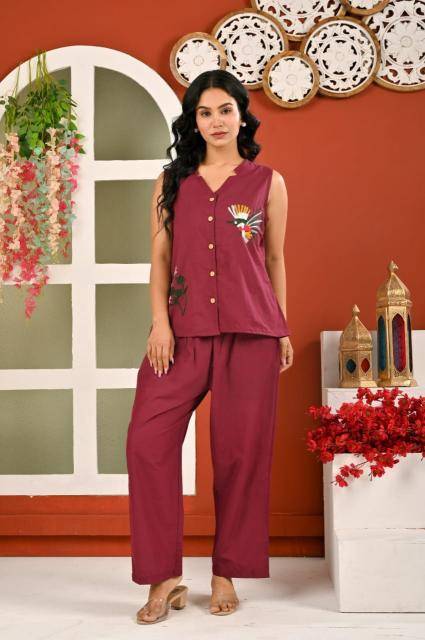
Ready combinations are convenient for customers who prefer a complete coordinated look. Kurti pant sets wholesale can be particularly relevant for boutiques, social-media sellers and retailers targeting working women or customers looking for easy styling.
When comparing sets, buyers should look beyond the kurti itself. Check the bottom fabric, waistband finishing, size compatibility, stitching quality and whether the overall combination provides enough perceived value at the intended retail price.
Kurti Pant Dupatta Sets
Three-piece sets can work well for festive, semi-formal and traditional demand. Their higher perceived value can also create room for a different retail margin compared with a single kurti. However, the dupatta material and finishing should match the overall quality of the outfit.
A strong kurti stock buying guide should always remind buyers to evaluate the complete product rather than making decisions from catalogue photography alone.
Co-Ord and Indo-Western Styles
Modern customers often move between ethnic and western-inspired clothing. As a result, women's co-ord sets wholesale and Indo-western styles can complement a traditional kurti assortment, particularly for younger customers, online sellers and urban boutiques.
The objective is not to replace traditional products but to create enough diversity to serve different buying occasions.
Select Fabrics According to Season and Geography
Fabric selection can influence comfort, repeat purchases and customer satisfaction. A design that performs well in one region may not receive the same response in another because climate and local dressing habits differ.
Cotton and Cotton-Based Fabrics
Cotton kurtis wholesale are relevant for buyers looking for breathable everyday clothing, especially during warmer months. Printed cotton, cotton flex and cotton blends can serve different price points while maintaining a comfort-oriented product proposition.
For retailers selling in warmer parts of India, fabric comfort can be an important purchasing factor. Check thickness, shrinkage expectations, colour quality and transparency before making a large commitment.
Rayon and Flowing Fabrics
Rayon kurtis wholesale continue to be considered by many retailers because of their drape, comfort and suitability for multiple silhouettes. They can work for straight kurtis, flared patterns, printed designs and everyday fashion.
Quality can vary considerably, so wholesale buyers should compare fabric feel, GSM where relevant, colour consistency and stitching rather than evaluating products only by price.
Festive and Occasion Fabrics
Viscose blends, silk-look fabrics, jacquard, embroidered materials and other occasion-oriented textiles can be added when the season supports festive demand. Retailers should time such purchases carefully because festive stock usually has a more specific selling window than everyday kurtis.
Use Size Data to Prevent Dead Stock
Size planning is one of the most underestimated parts of kurti inventory management. Buyers often focus heavily on designs but distribute quantities equally across sizes without checking what actually sells in their store.
If your sales history shows stronger demand for L, XL and XXL, your purchasing decisions should reflect that pattern. Another store may have stronger demand for M and L, while a plus-size-focused business requires a completely different assortment.
Do Not Assume Every Brand Has the Same Fit
A labelled XL from one manufacturer may fit differently from an XL produced by another. Whenever possible, check garment measurements or the supplier's size chart. Bust measurement, garment length, sleeve opening, shoulder width and bottom measurements can all affect customer satisfaction.
This becomes particularly important for online Resellers because exchanges caused by incorrect fit can consume time and reduce margins.
Consider Plus-Size Demand
Plus size kurtis wholesale can represent an important opportunity where local availability is limited. Instead of treating larger sizes as an afterthought, retailers should study actual customer enquiries and determine whether a dedicated size range can generate repeat business.
Buying from Surat Textile Market
The surat textile market ecosystem remains significant for ethnic wear sourcing because the city connects textile production, trading, processing, wholesale distribution and logistics. Buyers exploring the ring road and sahara darwaza areas can find access to a broad network of textile businesses and product categories.
However, access to a large market also means buyers need a clear purchasing strategy. Thousands of available designs can easily lead to overbuying. Before purchasing from a kurti wholesaler in Surat, prepare your budget, preferred sizes, target retail price, required fabric types and approximate quantity.
Wholesaleexport.in offers another route for buyers who want to explore wholesale collections online rather than depending entirely on physical market visits. The platform can be useful for retailers who need to review products remotely and plan purchases according to their business requirements.
Manufacturing Knowledge Helps You Evaluate Products
Understanding basic manufacturing factors can make a retailer a better buyer. Fabric sourcing, cutting accuracy, stitching, printing, embroidery, finishing and final quality checking all influence the cost and performance of a garment.
The lowest wholesale rate is therefore not automatically the most profitable purchase. A slightly better product may reduce complaints, improve repeat business and allow the retailer to maintain a stronger selling price.
Quality Should Support Your Retail Reputation
Customers generally remember disappointing purchases longer than the small saving that encouraged the retailer to buy cheaper stock. Fabric defects, poor stitching, inconsistent sizing and colour problems can damage trust. This is why premium product quality and consistent supplier selection should remain part of the buying decision.
Vastralife's industry experience in wholesale and export since 2017 provides practical exposure to the requirements of retailers, resellers and international buyers. Product selection should ultimately help the buyer build repeat customer relationships rather than chase a one-time sale.
How Much Stock Should a New Reseller Buy?
New sellers commonly make one of two mistakes: buying too little variety or investing too much money before understanding customer demand. A safer approach is to test several categories in controlled quantities and allow actual sales to guide the next purchase.
Home-Based Sellers can start with selected designs across useful sizes rather than keeping a deep quantity of every catalogue. Once a pattern begins generating enquiries and repeat orders, stock can be expanded more confidently.
The same principle applies to established Shop Owners. Even if the overall purchasing budget is larger, new trends should initially be tested before committing heavily.
Build a Core and Trend Inventory
Your core inventory should contain styles that consistently sell to your regular customers. Trend inventory can contain new prints, silhouettes, colours and seasonal designs. Core products create stability, while trend products keep the collection looking fresh.
This balance is especially useful in 2026, when customers may discover a new style through Instagram, YouTube or other digital channels before asking for it at a local store.
Compare Wholesale Price with Potential Retail Margin
Wholesale buying decisions should never be based on purchase price alone. Retailers should calculate the approximate landed cost, including applicable taxes, transportation, packaging and other operating costs, before deciding the final selling price.
A product that costs less but needs heavy discounting may generate a weaker return than a slightly higher-priced item that customers readily purchase at the intended retail value.
At this stage of planning, buyers can explore kurti pant sets wholesale to compare complete outfit options suited to different retail segments. Retailers building a broader ethnic assortment can also review wholesale dress materials alongside their kurti inventory.
Think in Terms of Landed Cost
If a kurti has an attractive factory or wholesale rate but shipping significantly increases the effective cost, the retailer should calculate margins using the final landed amount. This is particularly important for buyers purchasing from another state or country.
For wholesale buyers in markets such as Nepal and Australia, freight, shipment size, import procedures and local charges can influence the final economics of an order. International buyers should confirm applicable logistics and import requirements before committing to large quantities.
Plan Stock According to Seasonal Demand
Seasonal buying is one of the biggest factors separating planned inventory from random purchasing. Retailers who buy at the right time can introduce fresh collections before customer demand peaks, while late buying can result in missed sales or unsold seasonal stock.
Summer usually increases interest in breathable and lightweight fabrics, while festive periods can support embroidered, embellished and occasion-oriented collections. Wedding seasons may create additional demand for richer kurti sets and coordinated ethnic outfits.
Buy Before Demand Peaks
Retailers should avoid waiting until customers start asking repeatedly for a seasonal category. By that stage, popular designs or size combinations may already be moving quickly through the wholesale market.
A useful buying calendar can be prepared several months in advance. It should include major festivals, wedding periods, local events, climate changes and promotional dates relevant to your customer base.
Keep New Arrivals Flowing
Customers who visit a boutique frequently need a reason to check again. Regular new kurti collections can create that reason. Instead of adding a very large amount of stock once every few months, many retailers can benefit from smaller but more frequent inventory updates.
This approach also gives Resellers fresh content for WhatsApp, Instagram, Facebook and other digital selling channels without requiring a huge stock commitment.
How Online Sellers Should Select Kurti Stock
Online selling changes the way inventory should be evaluated. A walk-in customer can touch the fabric and try the garment, while an online customer depends heavily on images, videos, measurements and written product information.
For this reason, online Resellers should prioritise products that can be presented clearly. Accurate colour representation, size information, fabric details and multiple product views can help customers make better decisions.
Choose Visually Strong but Practical Products
Products that look attractive in photos can generate initial enquiries, but the actual garment still needs to meet customer expectations. Successful online sellers combine strong visual presentation with dependable product quality.
Wholesaleexport.in can help buyers explore trendy ethnic wear, kurti sets and related collections from a remote location, making it easier to shortlist products before ordering.
Use Customer Feedback as Buying Data
Every enquiry provides useful information. If customers repeatedly ask whether a design is available in XXL, that is purchasing data. If a particular colour receives more responses on WhatsApp, that is also purchasing data. Sellers who systematically record these signals can improve their future stock decisions.
This is how a practical kurti stock buying guide becomes an ongoing business process rather than a one-time checklist.
How to Evaluate a Kurti Supplier Before Placing a Bulk Order
Selecting the right supplier is as important as selecting the right product. A beautiful catalogue cannot compensate for inconsistent quality, incorrect sizing, delayed dispatch or poor communication. Wholesale Buyers should therefore evaluate suppliers on several practical factors before increasing order quantities.
Start by checking product consistency. If you order similar products repeatedly, the fabric, stitching and finishing should remain reasonably dependable. Next, consider whether the supplier regularly introduces fresh collections. Fashion businesses need newness, so a supplier with frequent arrivals can help retailers maintain customer interest.
Check Product Details Before Confirming an Order
Before purchasing, confirm the fabric, available sizes, number of pieces in the set, colour options and approximate dispatch schedule. For embroidered or embellished kurtis, understand the type of work used and whether there are any special care requirements.
For catalogue-based purchases, buyers should also understand whether designs are supplied as a complete set, selected pieces or individual colours. Clear information before payment reduces confusion after dispatch.
Do Not Judge a Supplier Only by the Lowest Price
A low price can attract attention, but professional stock buying requires a broader comparison. Quality, design freshness, size availability, communication, packaging and consistency can have a greater long-term effect on profitability.
If two products have a small difference in wholesale rate but one offers noticeably better fabric and finishing, the better-quality option may produce stronger customer satisfaction and repeat business. This is particularly important for Boutique Owners who depend heavily on reputation and referrals.
Create a Product Mix Instead of Buying One Type of Kurti
A balanced assortment gives customers more reasons to purchase. Instead of spending the entire budget on one style, retailers can divide stock among everyday wear, office wear, festive pieces, kurti sets, printed designs, embroidered styles and contemporary ethnic wear.
The exact mix depends on your market. A Home-Based Seller selling primarily through WhatsApp may prefer highly visual and affordable products, while a premium showroom may require more detailed designs and a broader size assortment.
Keep Different Price Points
Customers rarely have identical budgets. Keeping products across multiple price levels allows the seller to respond when a customer asks for something economical, mid-range or premium.
This does not mean stocking every possible rate. Instead, identify three or four important selling ranges based on your customer history. Create enough variety within those ranges to make comparison easy without overwhelming the buyer.
Balance Basic Colours with Fashion Colours
Black, blue, maroon, green and other familiar colours may provide dependable demand in many markets, while seasonal and fashion-driven shades can make a collection feel fresh. Your kurti wholesale stock should ideally contain both dependable colours and selected experimental shades.
Retailers can test new colours in smaller quantities. When customer response is positive, the next buying cycle can include more similar options.
Inventory Planning for Boutique Owners and Shop Owners
Boutiques and physical retail stores have a unique advantage: they can observe customer behaviour directly. Which rack receives more attention? Which styles are tried most often? Which products are frequently appreciated but rejected because of price or size? All these observations can improve future buying decisions.
Track Fast, Medium and Slow-Moving Products
Divide inventory into fast-moving, medium-moving and slow-moving categories. This simple classification can reveal where your purchasing budget should go.
Fast-moving products deserve regular replenishment if demand remains stable. Medium-moving products should be monitored before reordering. Slow-moving stock should be analysed carefully to understand whether the problem is design, price, season, colour, size or presentation.
Do not reorder merely because a catalogue looks attractive. Reorder because actual customer behaviour supports the decision.
Avoid Excessive Duplication
Having variety does not mean buying ten products that look almost identical. If customers see very little difference between designs, the assortment can appear repetitive even when the total number of pieces is high.
Mix different necklines, prints, lengths, sleeve patterns, fabrics and styling concepts. This makes a smaller inventory look broader and gives customers meaningful choices.
Kurti Stock Planning for Home-Based Sellers
Home-Based Sellers often work with smaller budgets, making careful inventory selection particularly important. The advantage is flexibility. A home seller can test products in small quantities, promote them through social channels and quickly change direction according to customer response.
Rather than trying to compete with a large showroom on quantity, compete through product selection, service and personalised recommendations.
Start with a Defined Customer Group
A seller trying to serve everyone can easily create an unfocused inventory. Instead, decide whether your primary buyers are working women, college-going customers, homemakers, plus-size customers, festive buyers or budget-conscious shoppers.
Once the primary customer group is clear, wholesale kurti buying becomes easier because every product can be evaluated against a specific buyer profile.
Use Previews to Test Customer Interest
Where your business model allows it, show selected new arrivals to regular customers before committing to deeper stock. Responses, enquiries and advance interest can provide useful demand signals.
However, do not depend entirely on likes or reactions. Actual orders and previous sales remain stronger indicators than social engagement alone.
Wholesale Kurti Buying for International Markets
International ethnic wear demand can create opportunities for Indian wholesalers and overseas boutiques, but stock selection needs to consider local customer preferences, seasons and logistics.
A buyer serving customers in Nepal may require a different assortment from a retailer operating in Australia. Similarly, Indian sellers should understand regional demand rather than assuming one collection will perform equally well everywhere.
For international export orders, buyers should also consider shipment weight, packaging, delivery schedules, applicable duties and import requirements. These factors contribute to the final landed cost and should be included before setting the retail price.
Select Products with a Clear Market Position
International boutiques can benefit from defining whether they want to compete on affordable Indian ethnic wear, premium boutique fashion, festive collections or everyday clothing. A clear market position simplifies purchasing and marketing.
Vastralife's wholesale and export experience since 2017 supports an understanding of different buyer requirements, from domestic Resellers to businesses sourcing Indian ethnic fashion for overseas customers.
Common Mistakes to Avoid When Buying Kurti Stock
Even experienced retailers can make inventory mistakes when buying decisions are influenced by excitement rather than sales data. Recognising common problems can protect cash flow and improve overall stock performance.
Buying Too Much of One Trending Design
A trending product can sell quickly, but trends can also change quickly. Buying a very deep quantity before testing demand creates unnecessary risk. Start with a controlled quantity and replenish when customer response confirms the opportunity.
Ignoring Size Distribution
A catalogue may sell well overall but still leave the retailer with unsold sizes. Track size-level sales rather than looking only at total catalogue sales. This is especially important when buying plus size kurtis wholesale or collections covering a wide size range.
Choosing Only the Cheapest Products
Price-sensitive customers still expect acceptable quality. Extremely low-cost stock that produces complaints can damage the retailer's reputation and reduce repeat orders. Compare value, not merely the invoice rate.
Buying According to Personal Taste
Retailers naturally develop personal preferences, but inventory must reflect customer demand. If customers consistently choose prints that you personally would not wear, those sales are still valuable information.
Ignoring Seasonal Timing
Purchasing festive stock after peak demand has already begun can reduce the selling window. Similarly, buying heavy fabrics immediately before a long summer season may slow stock rotation. Timing should remain part of every buying decision.
Not Keeping Money for Fresh Arrivals
Spending the complete purchasing budget in one order removes the flexibility to buy new arrivals later. Keeping part of the budget available for replenishment and emerging trends can help retailers react faster.
A Practical Kurti Stock Buying Checklist for 2026
Before confirming your next order, use the following points as a quick inventory check. They can help both new and established businesses make more disciplined buying decisions.
- Identify your main customer age group and buying preference.
- Set a clear purchasing budget before browsing products.
- Define your target retail price ranges.
- Review previous fast-moving sizes.
- Check fabric suitability for the current and upcoming season.
- Maintain a mix of daily wear, fashionable and occasion-based products.
- Compare stitching and finishing instead of checking only wholesale price.
- Calculate approximate landed cost before deciding retail margins.
- Test new trends in controlled quantities.
- Keep part of the buying budget available for fresh arrivals.
- Record customer enquiries for colours, sizes and styles.
- Review slow-moving stock before repeating similar purchases.
- Check supplier communication and product information.
- Consider shipping and logistics before placing large orders.
- Plan seasonal inventory before peak demand begins.
Using this checklist consistently can make kurti inventory management more data-driven and reduce emotional purchasing decisions.
How Wholesaleexport.in Can Support Your Kurti Sourcing
Wholesaleexport.in is designed for wholesale buyers looking to explore ethnic fashion collections without limiting their sourcing process to a physical market visit. Buyers can review available categories and compare options according to their price range, target customers and inventory requirements.
For Shop Owners, Boutique Owners, Showroom Owners, Resellers and Home-Based Sellers, online wholesale sourcing can make it easier to discover fresh collections regularly and shortlist products before committing purchasing capital.
Being connected to Surat also provides access to one of India's important textile ecosystems. The surat textile market, including commercial areas around ring road and sahara darwaza, has developed a broad network around textile trading, processing, manufacturing and distribution.
Wholesaleexport.in combines digital product discovery with practical textile industry knowledge so buyers can focus on finding products that fit their individual selling markets.
Internal Linking: Explore More Wholesale Categories
A kurti-focused retailer does not necessarily need to remain limited to one category. Once a reliable customer base is established, complementary products can help increase the average order value and give existing customers additional reasons to shop.
For example, a Boutique Owner selling kurtis may gradually add kurti sets, dress materials, co-ord sets, festive ethnic wear or other women's fashion categories according to customer demand. The important principle is controlled expansion: add categories because your buyers are asking for them, not simply because more products are available.
Wholesale buyers can explore related categories through Wholesaleexport.in and build an assortment according to customer profile, available investment and seasonal demand. A focused product mix usually performs better than randomly expanding into too many categories at once.
Customer FAQs
1. How much kurti stock should a new reseller buy?
There is no universal quantity because the right amount depends on your budget, customer base and selling method. New Resellers can reduce risk by starting with controlled quantities across multiple designs and sizes. Monitor actual sales before increasing the depth of stock in any particular style.
2. Which kurtis are best for a new boutique?
A new boutique can consider a balanced assortment of daily wear kurtis, kurti pant sets, printed styles, selected embroidered products and a smaller amount of festive or premium stock. The final selection should reflect the age group, spending capacity and fashion preferences of local customers.
3. Is Surat a good place for wholesale kurti sourcing?
Surat has a large textile trading and manufacturing ecosystem and is widely used for sourcing multiple women's ethnic wear categories. Buyers exploring the surat textile market should still compare fabric, finishing, sizes, supplier reliability and price rather than purchasing only because a product is available at a low wholesale rate.
4. What should I check before buying wholesale kurtis online?
Check fabric details, available sizes, product composition, colours, wholesale rate, shipping terms and relevant product policies. For sets, confirm exactly which garments are included. Buyers should also calculate their approximate landed cost before deciding whether the product fits their target retail price.
5. Which fabric is best for daily wear kurtis?
Cotton, cotton blends, rayon and other comfortable easy-wear fabrics are commonly considered for daily use. The ideal choice depends on climate, customer preference, garment construction and price range. Fabric quality should always be checked rather than relying only on the material name.
6. How can I avoid dead stock in my boutique?
Track previous sales, buy new trends in smaller quantities, maintain the correct size mix, avoid excessive duplication and regularly review slow-moving products. Keeping part of your purchasing budget available for replenishment can also prevent too much capital from becoming locked into one buying cycle.
7. Should I buy complete catalogues or selected pieces?
The better choice depends on supplier availability and your business model. Complete catalogues can provide colour or design variety, while selected-piece purchasing can offer greater control over inventory. Compare both options based on customer demand and the risk of leftover pieces.
8. How do I decide the retail price of wholesale kurtis?
Begin with the total landed cost rather than only the product purchase rate. Consider applicable taxes, shipping, packaging, operating expenses, expected discounts and your required margin. Your final selling price should also remain appropriate for the quality and customer segment you serve.
9. How often should a clothing shop add new kurti collections?
The ideal frequency depends on sales volume, but regular smaller updates can often be more effective than very large and infrequent purchases. Fresh arrivals give repeat customers a reason to revisit your store or check your online catalogue.
10. Can Indian wholesale kurtis be purchased for overseas resale?
Yes, Indian ethnic wear has buyers in multiple international markets. Overseas Wholesale Buyers should evaluate local demand, product sizing, freight, import procedures and landed cost before purchasing. For export orders, requirements can differ by destination, so applicable regulations and charges should be confirmed for the relevant country.
Build a More Profitable Kurti Business with Better Buying Decisions
Successful kurti retailing begins long before the customer enters the shop or sends an online enquiry. It starts when the retailer decides which products deserve space in the inventory. Smart buying means understanding customers, controlling quantities, selecting appropriate sizes, comparing quality and keeping enough flexibility to respond to new demand.
The purpose of this kurti stock buying guide is not to encourage retailers to buy more stock. It is to help them buy more intelligently. A smaller collection with the right products can sometimes generate better results than a large inventory filled with slow-moving designs.
Whether you are building a new home-based business, expanding an established boutique, operating a retail shop or purchasing for a showroom, use sales data and customer feedback as your strongest buying signals. Combine them with dependable sourcing, appropriate quality and disciplined inventory planning.
Order Wholesale Ethnic Wear for Your Business
Ready to refresh your store, boutique or reselling inventory? Explore Wholesaleexport.in for wholesale fashion options suited to different customer segments and budgets.
- Latest Collections for frequently refreshed inventory
- Wholesale Pricing for business buyers
- Trendy Ethnic Wear for boutiques, shops and online sellers
- Fast Shipping for convenient order fulfilment
- COD Support on eligible orders
- Bulk Order Deals for qualifying wholesale purchases
- Quality Products Starting From ₹299
With Vastralife's wholesale and export experience since 2017, buyers can benefit from years of textile industry expertise and a focus on dependable, premium-quality products for the evolving ethnic wear market.
Contact: +91 9712582172
Website: wholesaleexport.in
Plan your next stock purchase around what your customers actually want, keep your inventory fresh and invest in products with genuine selling potential. Better buying decisions today can create faster stock rotation, healthier margins and a stronger wholesale or retail fashion business throughout 2026 and beyond.