



Kurti resale business guide
Kurti Resale Business Guide 2026: Start and Grow a Profitable Kurti Reselling Business
Starting a clothing resale business can feel exciting, but real growth comes when product selection, customer demand, pricing and wholesale sourcing work together. For sellers entering the Indian ethnic wear market in 2026, kurtis offer a broad category covering everyday cotton styles, designer collections, festive sets and premium three-piece outfits. A planned approach can help a new seller build a genuine customer base instead of simply forwarding random catalogues and waiting for orders.
Introduction
The kurti resale business has become an accessible business option for home-based sellers, shop owners, boutique owners and online resellers. A seller can begin with a selected collection, understand local customer preferences and gradually increase stock according to actual sales. At the same time, established showroom owners and wholesale buyers can use new kurti categories to refresh their existing ethnic wear inventory.
However, reselling does not automatically mean easy profit. The market is competitive. Customers compare designs, fabric, size availability and price before buying. Social media has also made new styles visible quickly. A reseller who continues selling outdated stock without understanding changing demand may find it difficult to generate repeat orders.
A practical kurti resale business guide should therefore focus on four things: selecting products that match the customer, buying at a workable wholesale price, controlling stock and building a repeat selling system. These factors matter whether you sell from a room at home, manage an Instagram page or operate a physical boutique in India.
Surat continues to be an important textile sourcing destination. Buyers often associate the surat textile market, Ring Road and Sahara Darwaza with large clothing distribution networks and different ethnic wear categories. The presence of textile trading and manufacturing activity gives buyers access to many product segments, but sellers still need to choose collections carefully instead of purchasing everything they see.
Why Start a Kurti Resale Business in 2026?
Kurtis are available across multiple customer segments. A college-going customer may prefer a comfortable straight kurti, an office customer may look for a subtle cotton style, while a festive buyer may choose an embroidered kurti set with a dupatta. This variety allows a reseller to create a collection around a specific audience.
Multiple Price Segments Create Selling Opportunities
A seller does not have to target every customer. You can build a budget kurti collection, a mid-range boutique selection or a premium designer ethnic wear catalogue. Your buying strategy should match the spending capacity of your actual customers.
For example, if most customers in your network regularly ask for affordable daily wear, buying only premium festive sets may block your capital. On the other hand, a boutique serving event and occasion customers may not get enough response from basic low-range products.
Before buying wholesale kurtis, decide your intended retail price range. Then calculate the maximum landed cost you can comfortably accept while keeping room for packaging, selling expenses, applicable delivery costs and a realistic profit margin.
Kurti Reselling Can Be Started from Home
A home-based kurti business does not necessarily require a showroom at the beginning. Sellers can use existing contacts, WhatsApp Status and social media to present selected products. Some sellers maintain ready stock, while others build their process around current catalogue availability and supplier confirmation.
Whatever model you choose, communicate honestly. If a product is subject to current wholesale availability, confirm stock before taking a final customer commitment. If you maintain ready stock, record the exact size and quantity available.
Existing Clothing Sellers Can Add Kurtis to Their Inventory
Saree retailers, boutique owners and ethnic wear sellers may add kurtis or kurti sets according to customer demand. The category can also help sellers create more variety for repeat customers.
A customer who already trusts a retailer for ethnic wear may be interested in fresh cotton kurtis, designer sets or festive collections when the products match her preference. This is why understanding existing customer purchase history is valuable.
How to Start a Kurti Resale Business Step by Step
The first mistake many new resellers make is buying products before deciding whom they want to sell to. A successful start should begin with customer selection, not catalogue selection.
Step 1: Define Your Target Customer
Write down the type of customer you want to serve. Avoid broad statements such as “all ladies.” A more useful target could be working women looking for daily wear, plus-size ethnic wear customers, festive shoppers, college customers or boutique buyers looking for premium kurti sets.
Your customer segment will influence fabric, design, size, buying price and presentation. A product that performs well for one seller may move slowly for another because their customer groups are different.
Step 2: Decide Your Business Model
You can start with ready stock, catalogue-based reselling or a combination of both. Ready stock gives you immediate control over available pieces but requires investment and inventory management. Catalogue-based selling can reduce unnecessary stock exposure, but current availability should be reconfirmed before finalising an order.
A mixed model can work for some sellers. Keep selected fast-moving products in stock and use current wholesale catalogues to offer wider variety.
Step 3: Fix a Realistic Starting Budget
Your budget should include more than product purchase. Keep room for freight, packaging, customer delivery, content creation and other business expenses relevant to your selling model.
Do not use your entire available capital for the first stock purchase. The kurti reselling business becomes easier to manage when some working capital remains available for repeat stock or a new fast-moving collection.
Step 4: Select a Wholesale Sourcing Partner
A wholesale buyer should review product details, available sizes, order conditions and communication before purchasing. The lowest visible price should not be the only selection factor.
Wholesaleexport.in gives clothing buyers access to available wholesale ethnic wear collections. Buyers can review current listings and select products according to their resale market. Vastralife's wholesale and export experience since 2017 contributes industry expertise and an understanding of different buyer requirements, with a focus on premium product quality and wholesale sourcing.
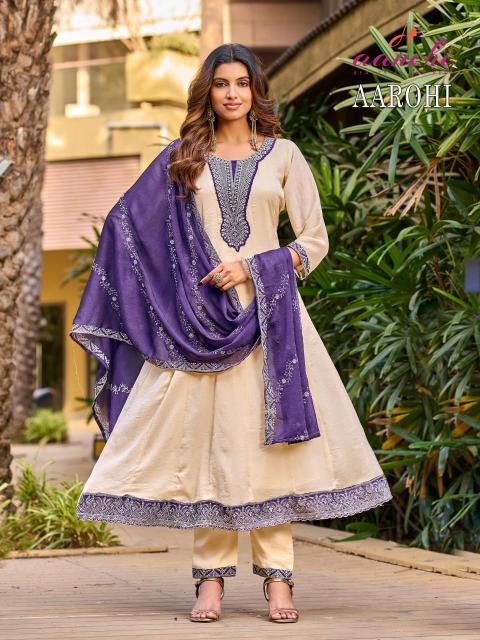
How to Choose Kurtis for Reselling
Product buying is one of the most important decisions in a kurti resale business. Beautiful photography can attract attention, but a reseller should look beyond the first impression. Fabric, styling, size range, customer use and expected retail price should be considered together.
Buy According to Customer Use
Ask yourself where your customer is likely to wear the product. Daily wear customers may prioritise comfort and easy styling. Office customers may prefer practical patterns and wearable colours. Festive customers often look for detailing, dupattas, embroidery and a stronger ethnic appearance.
When you organise products according to use, customer selling becomes simpler. Instead of sending fifty random images, you can present a relevant collection.
Cotton Kurtis for Regular Customer Demand
Cotton kurti wholesale collections can be considered by sellers serving everyday wear customers. Before ordering, review the stated fabric details, product measurements and available sizes provided for the catalogue.
Do not describe every fabric as “pure cotton” unless the supplier's product information specifically states it. Accurate product communication protects your relationship with customers.
Three-Piece Kurti Sets for Complete Ethnic Looks
Kurti, bottom and dupatta combinations give retailers a complete outfit category. These collections can be useful for boutiques, ethnic wear sellers and customers looking for coordinated styling.
While buying 3 piece kurti sets wholesale, compare the complete set details rather than judging the kurti alone. Check the stated fabric and included pieces before creating your retail description.
Designer Kurtis for Boutique Customers
Designer styles can help boutique sellers create a differentiated product selection. Embroidery, cuts, silhouettes, prints and detailing may influence the final selling position.
However, the word “designer” should not automatically become a reason to charge an unrealistic price. Calculate your landed cost, understand your customer's spending level and set the final retail price accordingly.
Size Selection Matters in Resale Business
Track every size enquiry you receive. If customers frequently request XL, XXL or larger sizes, record the demand. Your next wholesale buying decision should reflect actual enquiries.
Do not assume that one size mix works for every location. A home seller, boutique and showroom may each have different size demand.
Understanding Surat Wholesale Kurti Sourcing
Surat is widely connected with textile trade, and buyers searching for kurti wholesale Surat often explore online sourcing as well as physical market networks. Ring Road and Sahara Darwaza are commonly associated with textile market activity, while different suppliers and traders may operate through their own offices, warehouses and online systems.
Do Not Buy Randomly from Every Catalogue
The scale of the Surat market can create a common buying problem: too much choice. New sellers sometimes purchase a few products from many unrelated categories and end up with an inventory that has no clear customer identity.
If your business is focused on affordable ethnic wear, select products that fit that position. If your boutique sells premium outfits, build a collection around that audience. Consistency makes your product presentation easier.
Understand Manufacturing and Wholesale Supply Differences
In textile trade, manufacturing, brand distribution, wholesale trading and retail selling can operate as different stages. A reseller does not need to claim direct manufacturing unless that is genuinely the supply structure of the product.
What matters for your business is understanding your purchase terms, product details and current supplier process. Clear sourcing communication is more valuable than exaggerated marketing claims.
Compare Landed Cost, Not Only Catalogue Rate
Suppose a kurti has an attractive wholesale price but your freight and other relevant expenses increase the actual cost. Your business decision should be based on landed cost.
A simple calculation can include product buying cost, applicable freight, packaging and other direct selling expenses. Once you know the actual cost, you can set a more realistic retail margin.
How Much Profit Can a Kurti Reseller Make?
There is no fixed profit percentage guaranteed in clothing resale. Your result depends on purchase cost, retail price, discount, stock rotation, unsold inventory and operating expenses.
A good kurti resale business guide should never promise automatic earnings. Instead, it should encourage sellers to calculate every product separately and maintain proper business records.
Calculate Product Cost Before Setting Selling Price
Start with your buying cost. Add direct expenses related to bringing and selling the product. Then decide the margin your market can realistically support.
If you sell online, consider relevant packaging and customer shipping costs. If you operate a shop, your business also has operating expenses. Your pricing strategy should support the complete business, not just create sales.
Stock Rotation Can Be More Important Than High Margin
A product with a very high expected margin may not help if it remains unsold for months. A collection that rotates faster at a sustainable margin can support working capital movement.
Review how many days products remain in stock. This simple record can help identify fast-moving and slow-moving categories.
Discount Carefully
Customers may ask for discounts, but a reseller should know the minimum acceptable selling price before negotiating. Random discounting without cost calculation can reduce actual profit.
Instead of reducing every product rate, sellers may create calculated offers for selected slow-moving stock or genuine bundle purchases.
Once you begin recording product cost, selling price and stock movement, your buying decisions become more practical. This is especially important during 2026, when customers can compare styles and prices quickly through online channels. A reseller who understands numbers can make better decisions than a seller who purchases only because a catalogue looks attractive.
Buyers searching for branded kurtis should select collections according to their customer segment, available size demand and expected resale range. Sellers expanding into festive categories can also review the wholesale lehenga market Surat with price category when they want to add occasion-focused ethnic wear to their existing customer selection.
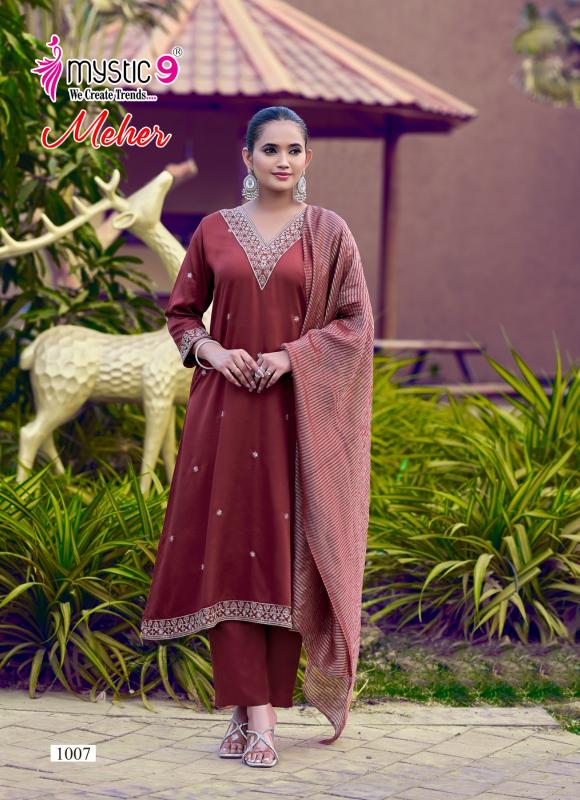
How to Sell Kurtis Online as a Reseller
Online selling is not simply about uploading a product image and writing “DM for price.” Customers need clear reasons to trust the seller, understand the product and place an order. For a new reseller, consistency in product presentation and communication can make a significant difference.
Use WhatsApp as a Selling Channel
WhatsApp Status can help home-based sellers present new arrivals to existing contacts. Instead of uploading dozens of unrelated products together, create a simple sequence. Start with a collection introduction, show selected designs, mention available sizes and add a clear order instruction.
For example, a seller can share “New 3 Piece Kurti Set Collection,” followed by individual product images and relevant details. Customers should know how to enquire and what information to send. A product code, required size and delivery location can make order communication more organised.
Do not repeatedly send promotional messages to customers who have not requested them. Build a genuine customer list and communicate professionally. Repeat customers are more valuable than temporary message volume.
Build an Instagram Page Around a Clear Product Category
Instagram can be useful for a kurti online business, but the page should have a recognisable product direction. If one post is a budget kurti, the next is men's wear and the third is an unrelated product, potential customers may not understand what the page actually sells.
Create content around your customer. Show new kurti collections, fabric details based on available product information, styling ideas, size availability and customer-oriented product videos. Reels can help showcase the complete look of a kurti set better than a single static image.
Use original captions that describe the product naturally. Avoid filling every caption with repetitive keywords. A customer wants to understand whether the style is relevant to her needs.
Create Product Descriptions That Customers Can Understand
Your product description should be simple. Mention the product type, stated fabric, available sizes, included pieces and your selling price where appropriate. If a kurti set includes a bottom and dupatta, state it clearly.
Never add false fabric claims or guarantee colour accuracy beyond reasonable digital display limitations. The goal is not to make every product sound luxurious. The goal is to give the customer enough accurate information to make a buying decision.
Use Customer Enquiries as Market Research
Every enquiry gives you business data. If ten customers ask for cotton kurtis and only one asks for heavy festive wear, that pattern should influence your next buying decision.
Maintain a simple list of requested sizes, price ranges, colours and styles. This can become your personal demand report. Over time, your wholesale purchases will become more focused.
Stock Management for a Profitable Kurti Resale Business
Poor inventory control can turn a promising kurti resale business into a stock storage problem. Sellers often become emotionally attached to products they personally like. Business stock, however, should be evaluated according to customer response and sales movement.
Maintain a Basic Stock Sheet
Your stock record does not need to be complicated. Record product code, purchase date, quantity, sizes, buying cost and current available stock. When a product sells, update the record.
This simple system can prevent duplicate selling of unavailable items and help you understand how much capital is currently held in stock.
Separate Fast-Moving and Slow-Moving Kurtis
Review your sales regularly. Products receiving repeated enquiries or quick orders should be marked as fast-moving. Collections with very limited response should be reviewed before you purchase similar designs again.
Do not assume that a slow-moving product is automatically poor quality. It may simply be unsuitable for your customer group, price segment or current season.
Reorder Based on Demand, Not Emotion
If a design sells quickly, check whether the supplier has current availability before promising a repeat order to customers. Textile stock can change, so availability confirmation is important.
At the same time, do not repeatedly buy large quantities of a design only because the first few pieces sold. Review how broad the remaining demand is. Controlled reordering can protect working capital.
Plan Seasonal Kurti Stock Early
Festive and seasonal demand may require earlier buying decisions. Retailers should plan according to their selling location and customer calendar. Waiting until the customer demand is already at its peak may reduce your selling window.
For 2026, sellers can create separate buying plans for regular wear, summer-friendly collections, festive ethnic wear and occasion-based products. The exact stock ratio should depend on your own sales history.
Kurti Reselling for Home-Based Sellers and Boutique Owners
Different sellers need different business strategies. A home-based reseller with a small customer circle should not copy the inventory model of a large showroom. Similarly, an established boutique needs a more structured collection than a new seller testing the market.
Home-Based Sellers Should Start with Focused Collections
If you are starting from home, choose a limited customer segment and build trust. You may begin with everyday kurtis, three-piece sets or another clearly defined category according to your network.
Take feedback from actual buyers. Ask what price range they prefer and which sizes they need. This is more useful than guessing trends from random social media posts.
Boutique Owners Should Focus on Product Selection
Boutique customers often expect a curated experience. Instead of showing every available wholesale catalogue, select products that fit your store's identity.
If your boutique is known for elegant ethnic wear, choose coordinated styles accordingly. If your customers prefer contemporary cuts, your buying should reflect that demand. The strength of a boutique is often in selection, presentation and customer understanding.
Shop Owners Need a Balanced Price Mix
A physical shop may receive customers with different budgets. In this case, maintaining selected entry, middle and premium price segments can help the seller serve more enquiries.
However, every range should still be planned. Too many price segments without enough depth can make stock look scattered. Review which category produces the strongest sales and allocate buying capital accordingly.
Showroom Owners Can Plan Collection-Based Buying
Showroom owners may benefit from organising inventory by product category, customer occasion and price range. Dedicated sections for daily wear, kurti sets and festive collections can make customer presentation more systematic.
Wholesale buyers purchasing for multiple retail locations should also analyse branch-wise sales. A collection that sells quickly in one city may perform differently in another market.
How to Source Kurtis for Resale from Wholesaleexport.in
Wholesaleexport.in can be used by clothing buyers looking for current wholesale ethnic wear collections. Home sellers, retailers, boutiques and wholesale buyers can review available products according to their business requirements.
The wholesale sourcing process should begin with product selection. Review current catalogue details and shortlist collections that match your target customer. Confirm relevant order information and current availability before completing your buying decision.
Select Products According to Your Resale Market
Do not purchase a product simply because another reseller is promoting it. Your customer location, average selling price and size demand should guide selection.
For sellers in India, local customer buying patterns can vary significantly between cities. International ethnic wear sellers serving markets such as Nepal, Australia and Canada may also have different product preferences and buying requirements.
Export buyers should discuss order and shipping requirements according to their destination and purchase volume. International delivery conditions, charges and timelines should be confirmed for the specific shipment rather than assumed.
Review New Collections Regularly
Fashion inventory changes frequently. A reseller who checks current arrivals can identify products relevant to existing customer demand. This does not mean buying every new catalogue.
Use new arrivals as a selection opportunity. Compare the collection with your enquiry records and previous sales. If the style matches repeated customer demand, it may deserve a place in your buying plan.
Use Wholesale Buying to Build a Repeat Business
The real goal of reselling should be to develop a customer base that returns for future purchases. A first order creates a sale; a satisfied repeat customer can contribute to long-term business growth.
Vastralife's wholesale and export experience since 2017 brings textile industry understanding to the sourcing ecosystem associated with wholesale clothing buyers. The focus remains on product selection, premium product quality and practical support for buyers looking to build an ethnic wear business.
Common Mistakes New Kurti Resellers Should Avoid
Buying Too Much Stock at the Beginning
A new seller may feel that a large collection makes the business look established. In reality, excessive stock without customer data can block working capital.
Start according to your budget and sales ability. Increase buying when actual demand supports expansion.
Copying Another Seller's Price
Your competitor's price may be based on a different buying cost, shipping structure or business model. Calculate your own cost before setting a retail price.
Blind price competition can damage margins. Customers may also value service, product selection and reliable communication.
Promising Stock Without Confirmation
Catalogue availability can change. If you do not hold the product in ready stock, reconfirm current availability before taking a final customer commitment.
Clear communication is better than repeatedly changing delivery expectations after accepting an order.
Ignoring Customer Follow-Up
Follow-up does not mean sending daily “buy now” messages. A professional seller can inform interested customers when a relevant new collection becomes available.
If a customer previously asked for XXL cotton kurtis, a suitable new collection may be relevant to her. Personalised communication can be more effective than mass forwarding.
Depending on Only One Selling Channel
Your business may begin through WhatsApp, but you can gradually create additional customer touchpoints according to your ability. Social media, repeat customer lists and local referrals can support sales.
Do not open multiple channels if you cannot manage customer replies. Reliable response and order handling are more important than being present everywhere.
Internal Linking: Explore More Wholesale Ethnic Wear Categories
A kurti reseller can gradually expand into related ethnic wear categories when customer demand supports the decision. The right expansion strategy is to add products that existing customers are already requesting rather than creating an unrelated inventory.
Wholesaleexport.in offers buyers access to different wholesale clothing collections. Sellers can review current categories, compare available product details and select inventory according to their resale business plan.
When expanding, maintain separate records for each product category. Compare sales, customer enquiries and stock movement. This helps you understand whether kurtis, kurti sets or other ethnic wear products are producing stronger demand for your business.
Customer FAQs
1. Can I start a kurti resale business from home?
Yes. A home-based seller can begin with a focused customer group and a practical stock or catalogue-based selling model. Decide your budget, choose a specific kurti category and maintain clear records of customer enquiries, orders and available stock.
2. How much money do I need to start a kurti reselling business?
There is no single fixed investment amount suitable for every seller. Your starting budget depends on the product range, quantity, buying price, freight and selling model. Avoid investing all available capital in the first purchase and keep working capital for repeat buying and business expenses.
3. Where can I buy wholesale kurtis for reselling?
Retailers and resellers can source through established wholesale textile channels and online wholesale platforms. Buyers looking for current ethnic wear collections can review available products on wholesaleexport.in and select according to their target customer and resale market.
4. Which kurtis are best for resale in 2026?
The best category depends on your customers. Cotton kurtis, straight kurtis, three-piece kurti sets, designer kurtis, festive ethnic wear and size-inclusive collections may serve different buyer segments. Use actual customer enquiries and previous sales to decide your product mix.
5. Can wholesale kurtis be supplied for export buyers?
Wholesale and export requirements can be discussed according to destination, order quantity and available product collections. Buyers from Nepal, Australia and Canada should confirm current shipping terms, charges and applicable order conditions for their specific destination.
6. How do I decide my profit margin on kurtis?
Calculate your complete landed cost first. Consider product cost and relevant direct business expenses. Then set a selling price according to your market, customer segment and required margin. No fixed profit percentage is guaranteed for every product or seller.
7. Should a new reseller keep ready stock?
Ready stock can support faster customer fulfilment, but it also requires capital and inventory management. New sellers may choose ready stock, catalogue-based selling or a mixed model according to their budget and ability to manage availability.
Start Your Kurti Resale Business with Wholesale Collections
If you are planning to start or expand your kurti business in 2026, build it with a clear customer segment, calculated buying decisions and consistent product presentation. Whether you are a home-based seller, shop owner, boutique owner, showroom owner, reseller or wholesale buyer, your long-term advantage comes from understanding what your customers actually want.
Explore Latest Collections, practical Wholesale Pricing and Trendy Ethnic Wear for your resale business. Wholesaleexport.in supports clothing buyers with current product options, Fast Shipping, applicable COD Support, Bulk Order Deals and Quality Products Starting From ₹299 across selected available collections and order conditions.
Do not build your business by purchasing random stock. Select products, understand your customer, calculate your price and keep improving your collection from real sales data.
Start exploring wholesale kurti and ethnic wear collections today.
Contact Number: +91 9712582172
Website: wholesaleexport.in