


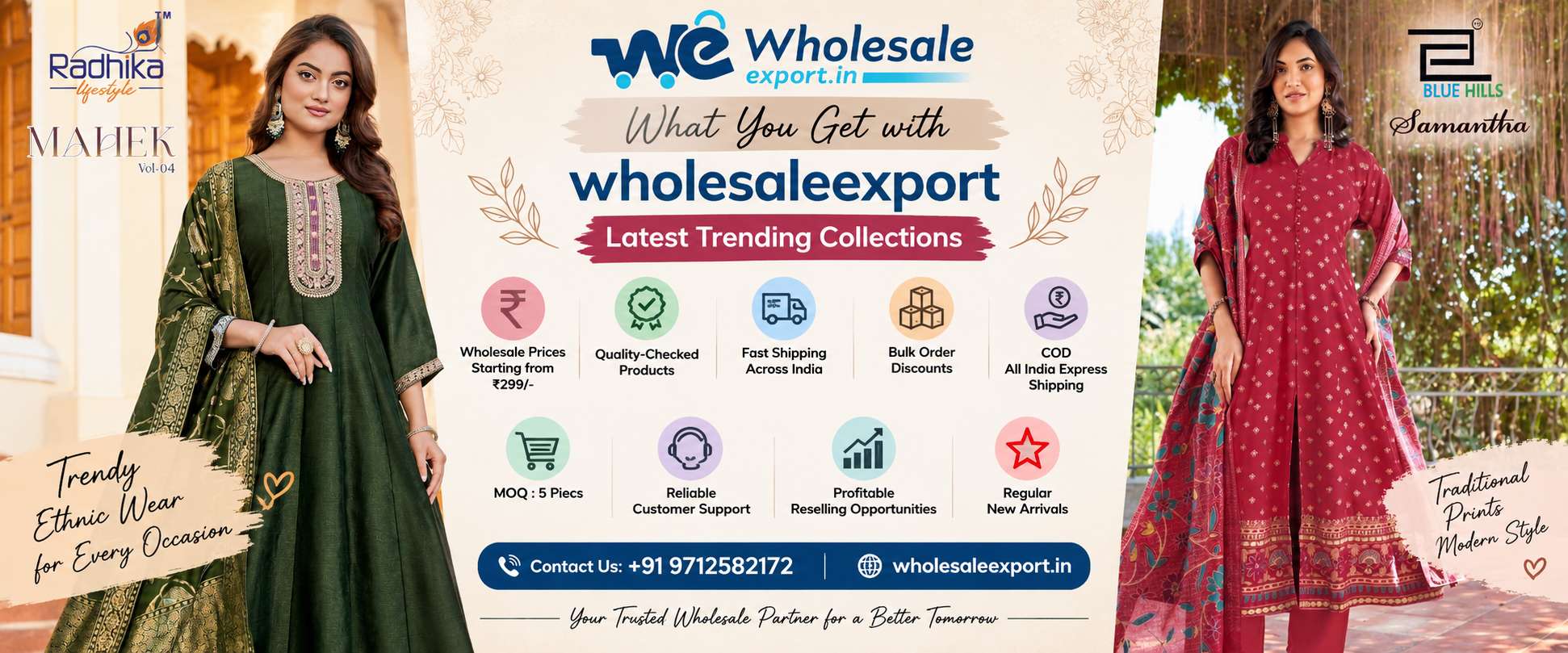
Kalamkari Kurti Wholesale Collection – Latest Designs & Wholesale Prices 2026
Kalamkari Kurti Wholesale Collection – Latest Designs & Wholesale Prices 2026
Traditional Indian prints are finding a fresh place in modern wardrobes, and Kalamkari-inspired kurtis are a strong choice for retailers who want ethnic products that feel distinctive without becoming difficult to sell. From comfortable everyday kurtis to coordinated ethnic looks for boutiques, the category gives clothing businesses an opportunity to build a collection around artistic prints, practical silhouettes and multiple customer age groups. Buyers looking for fresh stock can explore options through Wholesaleexport.in without depending only on a physical wholesale-market visit.
Introduction
The Indian ethnic-wear business continues to offer opportunities for home-based sellers, boutique owners, shop owners, resellers and established wholesale buyers. Within this market, the Kalamkari Kurti Wholesale Collection stands apart because it combines traditional visual character with silhouettes suitable for contemporary retail.
Kalamkari is associated with detailed motifs, floral patterns, nature-inspired elements and traditional Indian artistic influences. In today's commercial fashion market, Kalamkari-style prints and designs are used across kurtis, kurta sets, dresses, dupattas and other ethnic garments. For a retailer, this means the look can be introduced in different price segments rather than being limited to a single premium category.
For buyers sourcing in 2026, the important question is not simply whether a design looks attractive. Fabric quality, stitching, size availability, wholesale price, design assortment, repeat availability, dispatch speed and supplier reliability all influence whether a collection can become commercially useful.
Wholesaleexport.in helps buyers explore Indian ethnic-wear collections from the Surat sourcing ecosystem while allowing businesses outside Surat to purchase remotely. This is especially useful for retailers who want access to wholesale products but cannot regularly travel to the Surat textile market.
Why Kalamkari Kurtis Work for the Wholesale Clothing Market
A good wholesale product needs more than visual appeal. It should be easy for a retailer to display, explain and sell to the final customer. Kalamkari-inspired kurtis can fit this requirement because the printed character gives each garment an ethnic identity while familiar kurti silhouettes keep the product commercially approachable.
Traditional Character with Modern Styling
One of the biggest advantages of Kalamkari kurtis wholesale is their ability to connect traditional design language with everyday fashion. A straight kurti with a detailed print can work for office wear, while an A-line or flared silhouette can appeal to customers looking for a stronger ethnic appearance.
Retailers can merchandise these kurtis with leggings, straight pants, palazzos, denim or ethnic bottoms depending on the design. This flexibility gives shop owners and online sellers more opportunities to present the same category to different customer groups.
Useful Category for Boutiques and Resellers
Boutique customers often search for products that do not look identical to mass-market basics. An artistic print can give the product greater visual distinction while keeping it within a practical retail range. For this reason, printed kurti wholesale collections can be particularly useful for boutique owners, Instagram sellers, WhatsApp resellers and home-based clothing businesses.
The category can also complement other popular inventory such as cotton kurtis, rayon kurtis, kurta pant sets, Anarkali kurtis, office-wear kurtis, festive kurtis and plus-size ethnic wear. Instead of building the entire inventory around one style, retailers can use Kalamkari designs to add variety.
What Buyers Should Check Before Ordering Kalamkari Kurtis in Bulk
Wholesale purchasing requires a different approach from buying a single garment for personal use. A design may look impressive in a catalogue image, but a business buyer also needs to consider whether the product matches the expectations of the intended customer base.
Fabric and Comfort
Fabric should be one of the first considerations when comparing a Kalamkari kurti wholesaler. Depending on the collection, printed ethnic kurtis may be available in cotton-based fabrics, rayon, viscose blends and other commercially used materials. The exact fabric should always be checked against the product specification before placing an order.
For everyday retail, buyers generally look for a balance between appearance, comfort, maintenance and price. A premium-looking product may attract attention, but it still needs to suit the intended season and customer use.
Print Placement and Overall Finish
Kalamkari-style fashion is strongly driven by print. Buyers should therefore pay attention to the scale of the motif, colour combinations, neckline treatment, sleeve styling and overall balance of the garment. Smaller patterns may work particularly well for regular wear, while larger artistic motifs can create stronger catalogue and showroom presentation.
Stitching quality, finishing and garment measurements also matter. Wholesale buyers should check the available size chart rather than assuming that all manufacturers follow exactly the same measurements.
Size Assortment
Size demand varies considerably between locations and customer groups. A boutique serving young customers may have a different sales mix from a family clothing store. Similarly, an online seller may benefit from offering a wider size selection because the audience is not limited to one neighbourhood.
In 2026, plus-size availability is also an important consideration for many ethnic-wear businesses. Retailers can improve their assortment by keeping a sensible combination of regular and extended sizes whenever the selected collection provides them.
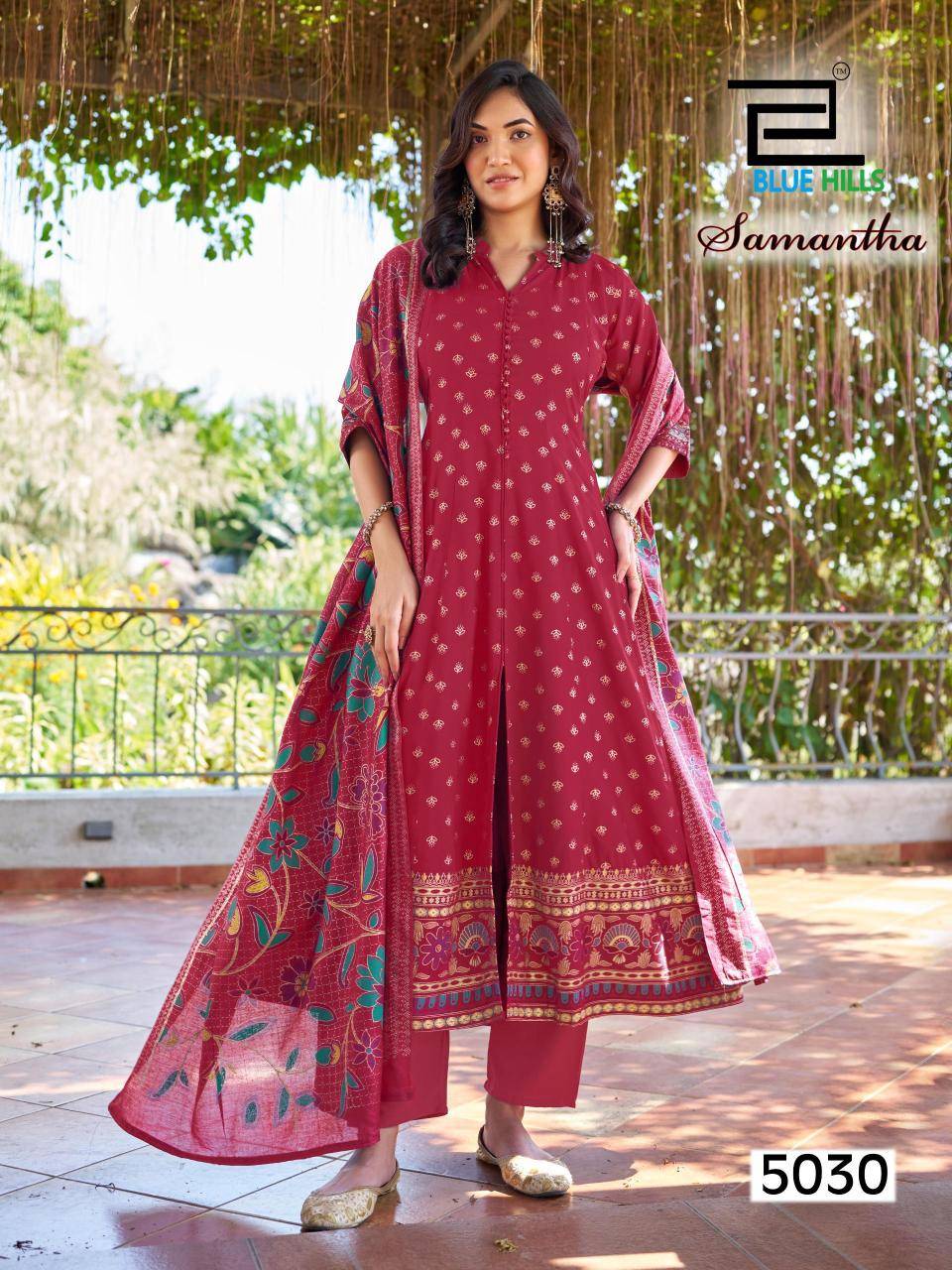
Kalamkari Kurti Wholesale Price and Business Margin
Wholesale price is naturally one of the most important factors for resellers. However, comparing products only on the lowest purchase rate can be misleading. Two kurtis at different prices may also differ in fabric, stitching, detailing, size range, print quality and overall presentation.
A more practical approach is to compare the complete value of the product. Consider the buying cost, transportation, taxes where applicable, packaging and the realistic selling price in your target market. This gives a clearer picture of the potential margin.
Wholesaleexport.in carries products across multiple price segments, including quality products starting from ₹299 in applicable collections. Actual Kalamkari kurti prices depend on the specific design, fabric, brand, catalogue, quantity and availability at the time of ordering, so buyers should verify the current product price before confirming bulk stock.
Choose Stock According to Your Customer Segment
A home-based seller may prefer affordable designs that can move quickly through WhatsApp or social media. A boutique owner may prioritize distinctive prints and presentation. A showroom owner can maintain multiple price levels, while an established wholesaler may focus more heavily on quantity, assortment and repeat demand.
This is why there is no single perfect wholesale price for every clothing business. The right stock is the stock that fits the buying capacity and retail expectations of your actual customers.
Why Surat Remains Important for Kurti Wholesale Sourcing
Surat has developed a broad textile and garment ecosystem that connects fabrics, processing, trading, garment production and wholesale distribution. Areas associated with the Surat textile market, Ring Road and Sahara Darwaza are familiar sourcing references for buyers looking for Indian textile and ethnic-wear products.
For clothing businesses, access to this ecosystem can provide exposure to multiple categories under one sourcing network. Buyers can explore kurtis, kurta sets, dress materials, sarees, lehenga cholis, ready-made suits and other women's ethnic-wear products instead of depending on a very narrow catalogue.
At the same time, modern wholesale purchasing does not require every buyer to physically visit Ring Road or Sahara Darwaza. Digital catalogues, online ordering and shipping networks allow retailers in other Indian cities and international markets to source from Surat remotely.
Manufacturing and Wholesale Sourcing
The connection between manufacturing and wholesale distribution is especially important in fashion because trends change quickly. Retailers often need fresh products rather than the same collection for an extended period. Working with a supplier connected to an active sourcing ecosystem can make it easier to discover new arrivals across different ethnic-wear categories.
Vastralife brings wholesale and export experience since 2017, along with industry knowledge developed through serving clothing buyers with different requirements. The focus remains on practical wholesale sourcing, premium product quality and access to collections suitable for businesses rather than only individual retail purchases.
Best Kalamkari Kurti Styles for Different Clothing Businesses
The same collection should not be purchased in exactly the same way by every seller. Inventory planning becomes more effective when the product is selected according to the business model.
For Home-Based Sellers
Home-based sellers often operate with controlled inventory and promote products through WhatsApp, Instagram, Facebook or local customer networks. Easy-to-explain designs with attractive catalogue photographs can be useful because the customer often decides without physically touching the garment.
Starting with a balanced selection instead of overloading one design can help sellers understand which colours, sizes and silhouettes their audience prefers.
For Boutique Owners
Boutiques can use designer Kalamkari kurtis to create a more curated ethnic section. Rather than competing only on low price, boutiques can focus on styling, coordinated accessories and carefully selected prints.
Products can be presented alongside statement jewellery, ethnic bottoms or dupattas to create complete outfit ideas. This can improve visual merchandising both in-store and on social media.
For Shop and Showroom Owners
Physical stores benefit from assortment. A customer who enters looking for a simple daily kurti may also consider a printed ethnic style when several options are displayed together. Maintaining different colours, silhouettes and price points can therefore support broader customer choice.
Showroom owners can combine Kalamkari-inspired products with rayon kurtis, cotton kurtis, embroidered kurtis, kurta pant sets and festive designs to build a more complete women's ethnic-wear section.
For Wholesale Buyers
Larger buyers should pay particular attention to assortment, quantity, dispatch planning and repeat availability. When purchasing a Kalamkari Kurti Wholesale Collection in larger volumes, it is useful to identify whether the designs are intended for daily wear, boutique retail, seasonal selling or mixed-market distribution.
This reduces the risk of purchasing stock that looks attractive but does not match the intended sales channel.
Wholesale Kalamkari Kurtis for India and Export Markets
Indian ethnic fashion is not restricted to domestic buyers. Retailers serving Indian and South Asian communities overseas also source kurtis, sarees, suits, lehengas and related products from India.
For this collection, three useful international markets to consider are USA, Australia and Nepal. Demand patterns differ in each market, so international buyers should choose products according to local customer preferences, climate, occasion and retail price expectations.
Buyers in the USA and Australia may use ethnic kurtis for Indian community stores, online boutiques, festive collections and multicultural fashion businesses. Nepal is geographically closer to India's textile supply network and has an established customer base for Indian ethnic fashion.
International buyers should confirm shipping charges, available dispatch methods, applicable import requirements and order quantities before payment. Product cost and shipping should be calculated together when determining the final landed price.
How Online Wholesale Ordering Helps Modern Resellers
Online sourcing has changed how smaller clothing businesses access wholesale inventory. A reseller no longer needs to spend time and travel expenses visiting every supplier personally. Digital product catalogues can make initial product selection considerably faster.
Through Wholesaleexport.in, buyers can explore ethnic-wear products online, compare suitable collections and communicate regarding available stock. This approach is particularly useful for businesses located far from Surat and international buyers who cannot visit India for every purchasing cycle.
For new sellers, online sourcing also makes it possible to study multiple categories before deciding where to invest. The buyer can compare styles, identify products suited to the target audience and gradually develop a repeat purchasing pattern based on actual sales.
Building a Profitable Ethnic Wear Product Mix in 2026
A strong clothing business rarely depends on only one product. Even when Kalamkari kurtis perform well, retailers can build a broader mix that covers everyday wear, occasion wear and different customer budgets.
A practical assortment may include printed kurtis, kurta sets, rayon kurtis, cotton kurtis, plus-size kurtis, dress materials, sarees, Pakistani-style suits, festive wear and lehenga cholis. The exact ratio should be based on customer demand rather than simply following every new trend.
Inventory should also be refreshed regularly. Fashion customers respond to new colours, silhouettes and prints, and online audiences in particular expect sellers to keep showing fresh products.
For businesses planning to scale, the objective should be to create a collection in which products complement each other. A customer attracted by a printed kurti may later purchase a coordinated set, saree or festive outfit. This gives retailers more opportunities to generate repeat orders while keeping their catalogue interesting.
Keep Everyday and Premium Options Together
Not every customer shops at the same price point. Some buyers want affordable daily-wear kurtis, while others are comfortable paying more for better fabric, detailed styling or a more premium presentation. Keeping both segments can help retailers serve a wider audience without changing their core ethnic-wear positioning.
For example, a seller can keep simple printed kurtis for regular demand and add selected Kalamkari style kurtis with distinctive patterns for customers looking for something more expressive. This approach is especially useful for boutiques and multi-category women's clothing stores.
Use Sales Data Before Reordering
Instead of assuming that every colour or size will perform equally, sellers should track actual customer response. Note which prints receive enquiries, which sizes sell first, which price range converts better and which designs receive repeat requests. Even a simple record can make the next wholesale purchase more accurate.
This becomes particularly valuable when buying larger quantities. Reordering proven styles can reduce unnecessary inventory while leaving part of the purchasing budget available for new arrivals.
Retailers expanding their women's ethnic-wear range can also explore plus size kurtis wholesale options for a broader size assortment. Businesses looking to diversify beyond ready-made kurtis can add wholesale dress materials to serve customers who prefer stitched-to-measure ethnic outfits.
How to Choose Designs That Can Sell Faster
Wholesale buying becomes more effective when selection is based on the final customer rather than personal preference. A design that a retailer personally likes may not necessarily be the design that sells fastest in that retailer's market.
Study Your Local Customer Preference
Customers in different cities and countries can respond differently to colour, length, print density and styling. Some markets prefer understated ethnic patterns, while others respond better to brighter combinations and visually prominent prints.
Before placing a substantial order, consider the styles that already perform well in your store or online catalogue. If customers frequently buy straight kurtis for office and everyday use, similar Kalamkari-inspired designs may be easier to introduce. If your audience prefers festive styling, focus on richer-looking combinations and coordinated sets.
Do Not Ignore Colour Assortment
Colour can influence the first impression of an online product considerably. Earthy shades, maroon, indigo, mustard, beige, rust, green, black and other traditional palettes can complement Kalamkari-inspired motifs, while contemporary collections may introduce softer or brighter colours.
A mixed wholesale order can help retailers test customer preference instead of committing heavily to one shade. Catalogue photographs should represent the actual product as closely as possible, although minor colour differences can occur because of lighting and screen settings.
Consider the Season and Selling Occasion
Lightweight everyday styles may work differently from festive or occasion-oriented products. Retailers should therefore plan stock according to the season, upcoming festivals, local shopping periods and customer requirements.
A balanced Kalamkari Kurti Wholesale Collection can include products suitable for regular use as well as styles that can be promoted during festive and gifting periods.
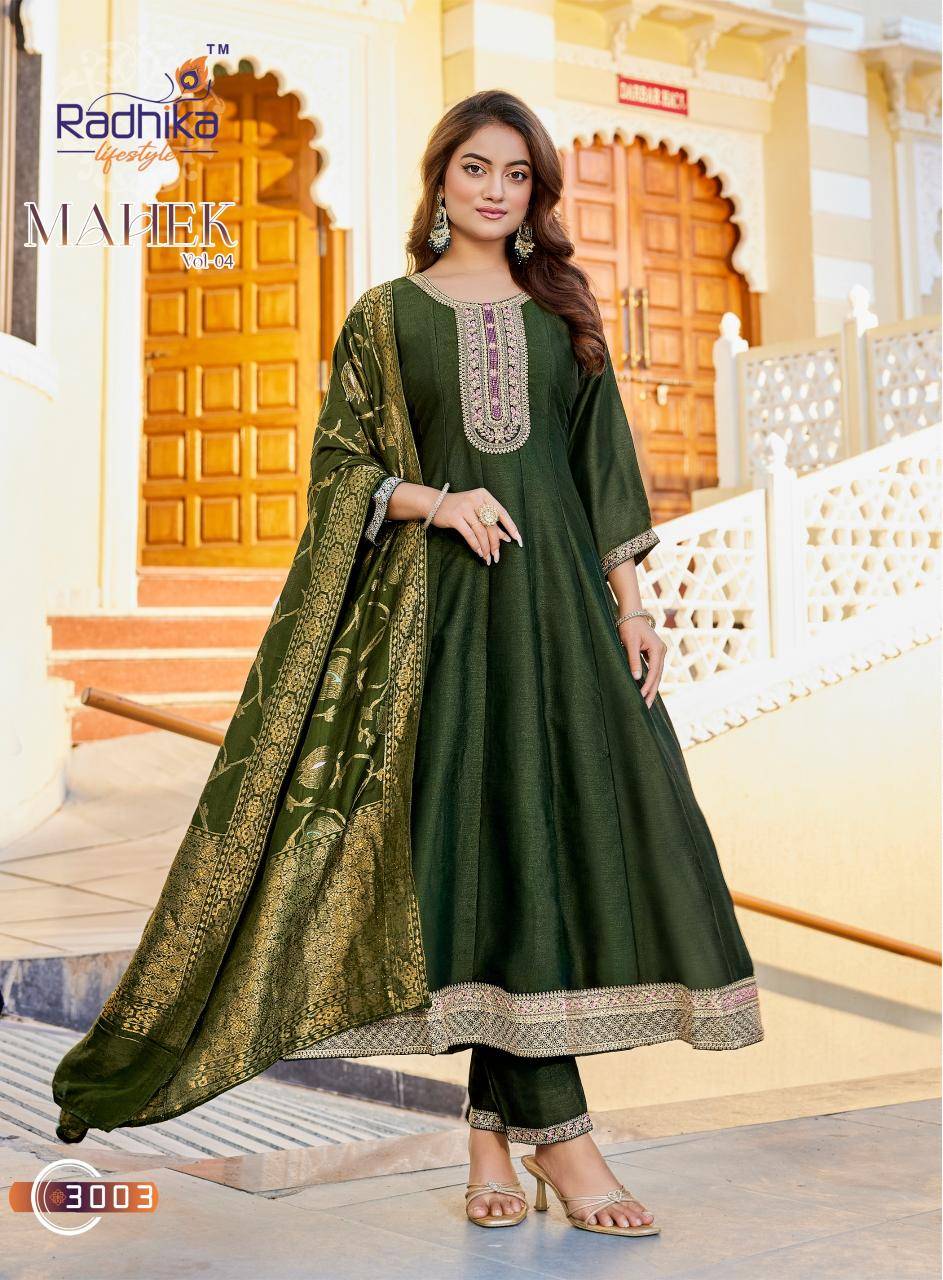
Why Product Quality Matters in Repeat Wholesale Business
Price can attract a buyer for the first order, but consistent product quality plays a much larger role in repeat business. Retailers have their own reputation to protect. When the final customer receives a garment, that customer usually associates the quality with the shop or reseller who sold it.
For this reason, wholesale buyers should evaluate more than catalogue appearance. Fabric feel, stitching, finishing, print clarity, measurements and overall garment presentation contribute to the customer's experience.
Vastralife's wholesale and export experience since 2017 provides practical industry understanding of how different types of clothing businesses source products. That experience is relevant to Wholesaleexport.in's approach of helping buyers access a broad range of Indian ethnic wear while maintaining attention to product selection and wholesale requirements.
Quality and Price Should Work Together
The cheapest garment is not automatically the most profitable garment. If an extremely low-cost product creates complaints or poor customer satisfaction, the retailer may lose more through returns, reputation damage or reduced repeat business than was saved on the original purchase.
At the same time, unnecessarily expensive stock can lock up working capital. The objective is therefore to find a suitable balance between wholesale pricing, quality and expected retail value.
This is especially important for home-based sellers and smaller resellers who may be operating with limited inventory budgets. Carefully selected products can allow them to maintain variety without carrying excessive stock.
Online Selling Opportunities for Kalamkari Kurtis
A retailer does not necessarily need a large physical showroom to sell ethnic wear. Instagram, Facebook, WhatsApp, online marketplaces and independent ecommerce stores have created multiple channels for reaching customers.
WhatsApp and Social Media Reselling
For home-based sellers, clear product photographs and accurate information can make the selling process easier. Instead of simply forwarding an image, sellers can include fabric information, available sizes, garment length, price and dispatch details.
Creating separate collections such as everyday kurtis, premium kurtis, plus-size kurtis and festive ethnic wear can also make it easier for customers to browse.
Instagram and Facebook Clothing Stores
Printed ethnic products are naturally visual, making them suitable for reels, short videos, product posts and styling content. Retailers can show how a kurti looks with different bottoms, jewellery or footwear rather than relying only on catalogue photographs.
For businesses selling a Kalamkari kurti wholesale collection to their own retail customers, educational content about prints, styling and fabric can make the social-media feed more useful and less repetitive.
Boutique and Offline Retail Selling
Offline stores have the advantage of allowing customers to see fabric and colours directly. A dedicated printed-kurti section can make browsing easier, while coordinating products by colour or style can improve visual presentation.
Boutiques can also use limited quantities of selected designs to maintain a more curated appearance instead of displaying very large quantities of identical products.
Wholesale Kurti Sourcing for USA, Australia and Nepal
International sourcing requires slightly more planning than domestic purchasing, but Indian ethnic wear has a customer base across numerous countries. Retailers serving South Asian communities can build collections around regular wear, festive clothing and traditional fashion.
USA
Indian boutiques and online ethnic-wear businesses in the USA can use printed kurtis as an accessible category alongside sarees, suits and lehengas. Because shipping contributes to landed cost, buyers should consider order quantity and product value together when planning an import.
Australia
Australian ethnic-wear sellers can target customers looking for comfortable Indian clothing for everyday use, community events and festive occasions. Lightweight kurtis and versatile printed styles can be useful for businesses that sell through both ecommerce and local community networks.
Nepal
Nepal has strong familiarity with Indian fashion and can be a relevant market for kurtis, suits, sarees and other women's ethnic products. Wholesale buyers should select designs based on their local customer profile and confirm current shipping and order arrangements before purchasing.
For any international order, buyers should verify current freight charges, customs requirements, import duties where applicable and delivery conditions. These costs can vary by destination, shipment size and shipping method.
Internal Linking and Related Wholesale Categories
A profitable ethnic-wear catalogue becomes stronger when related categories are planned together. A customer looking for Kalamkari-inspired kurtis may also be interested in printed kurta sets, cotton styles, rayon kurtis, plus-size designs, sarees or unstitched dress materials.
Wholesale buyers can use Wholesaleexport.in to explore multiple product categories and create a broader assortment rather than depending entirely on one design trend. This can be particularly useful during seasonal transitions, when demand moves between daily wear, festive products and occasion-based fashion.
From a business perspective, related categories can also improve repeat purchasing. A retailer who initially builds a customer base around kurtis can later introduce sarees, suits, dress materials and other products to the same audience.
Practical Wholesale Buying Checklist for 2026
Before confirming a wholesale order, buyers should check the exact product description, fabric, available sizes, colour assortment, quantity requirement, current price and dispatch terms. For larger orders, it is also useful to understand whether the same catalogue can be reordered or whether it is a limited-stock collection.
Businesses sourcing from the Surat textile market ecosystem should remember that fast-moving fashion inventory can change quickly. A catalogue available today may not necessarily remain available indefinitely. Timely purchasing is therefore important when a design already matches proven customer demand.
Buyers sourcing from areas around Ring Road, Sahara Darwaza and other Surat textile trading zones often encounter a very large product variety. Online wholesale sourcing can simplify this process by allowing retailers to shortlist relevant categories before committing their working capital.
Whether you operate a small home business or purchase for a large showroom, disciplined stock planning matters. Start with products relevant to your customer base, track sales, identify repeat demand and gradually increase quantity where the numbers justify it.
Customer FAQs
1. Where can I buy Kalamkari kurtis wholesale online?
You can explore wholesale ethnic-wear collections through Wholesaleexport.in. Product availability changes with new catalogues and stock movement, so buyers should check the latest available designs and current wholesale prices before placing an order.
2. What is the wholesale price of Kalamkari kurtis?
The price depends on fabric, design, brand, stitching, detailing, size range and quantity. Wholesaleexport.in offers quality products starting from ₹299 in applicable collections, while the exact price of a specific Kalamkari-style kurti should be confirmed from its current listing or with the sales team.
3. Can home-based resellers order wholesale kurtis?
Yes. Home-based sellers can source wholesale products and sell through WhatsApp, Instagram, Facebook, their own ecommerce store or local customer networks. The important point is to select quantities and designs that match the seller's budget and audience.
4. Can I order wholesale kurtis without visiting Surat?
Yes. Online sourcing allows buyers outside Surat to explore collections remotely. This is useful for retailers who cannot regularly visit the Surat textile market, Ring Road or Sahara Darwaza for purchasing.
5. Are wholesale kurtis available for export?
International buyers can enquire about export supply for destinations such as the USA, Australia and Nepal. Shipping costs, import rules and other destination-specific requirements should be confirmed for the particular order.
6. Are Kalamkari-style kurtis suitable for boutiques?
Yes. Their distinctive printed appearance can help boutique owners create a more curated ethnic-wear collection. Buyers can combine them with complementary bottoms, jewellery and other ethnic products to create complete styling options.
7. Can I purchase plus-size kurtis along with regular sizes?
Size availability depends on the individual catalogue. Buyers serving a broad audience should check regular and plus-size options while selecting stock so that their collection can address more customer requirements.
8. How should I choose my first wholesale kurti order?
Begin with a controlled assortment of colours, sizes and designs that fit your existing customer profile. Monitor which products generate enquiries and sales before increasing quantity. This approach is generally more practical than investing heavily in an untested design.
Order Latest Wholesale Ethnic Wear from Wholesaleexport.in
If you are a boutique owner, shop owner, showroom owner, home-based seller, reseller or wholesale buyer looking to expand your women's ethnic-wear inventory, Wholesaleexport.in can help you explore fresh collections connected to Surat's active textile sourcing ecosystem.
Discover Latest Collections, competitive Wholesale Pricing, Trendy Ethnic Wear, Fast Shipping, available COD Support, Bulk Order Deals and Quality Products Starting From ₹299. Product availability, COD eligibility, shipping charges and final prices should be confirmed for the specific order.
With Vastralife's wholesale and export experience since 2017, industry expertise and focus on premium product quality, buyers can source collections for different customer segments while building their clothing business with a more organized purchasing approach.
Contact: +91 9712582172
Website: wholesaleexport.in
Explore the latest arrivals, compare suitable wholesale collections and select products according to your customers, budget and market. A carefully planned Kalamkari Kurti Wholesale Collection can become a distinctive part of a wider ethnic-wear range while giving your customers more choice in traditional-inspired contemporary fashion.