


Jacquard Dress Material Wholesale: 2026 Buying Guide for Retailers & Resellers
Jacquard Dress Material Wholesale: 2026 Buying Guide for Retailers & Resellers
For ethnic wear businesses, choosing fabrics that look premium while remaining practical for everyday retail is an important part of building profitable inventory. Jacquard fabrics meet this requirement beautifully because their woven patterns create texture, depth and an elegant appearance without depending entirely on surface printing. From traditional suit sets to contemporary unstitched collections, jacquard-based designs can help retailers build a versatile product range for festive, semi-formal and regular ethnic wear customers.
Introduction
The Indian ethnic wear market continues to evolve as customers look for clothing that combines traditional craftsmanship with modern styling. In 2026, this trend is particularly relevant for dress materials because buyers want greater freedom to select their preferred fit, neckline, sleeve style and salwar pattern. This makes unstitched and semi-stitched collections an important category for many textile businesses.
Jacquard Dress Material Wholesale is especially interesting for Shop Owners, Boutique Owners, Showroom Owners, Home-Based Sellers, Resellers and Wholesale Buyers who want merchandise with a richer visual identity. Unlike a simple printed fabric, jacquard patterns are created through the weaving structure itself. Depending on the collection, this can produce floral motifs, geometric layouts, traditional-inspired patterns, ornamental borders and textured details.
For retailers, however, attractive design is only one part of the buying decision. Fabric feel, colour combination, dupatta coordination, design variety, wholesale price, stitching suitability and customer profile should all be considered before placing a bulk order.
Wholesaleexport.in brings together ethnic wear sourcing options for businesses looking for fresh collections without having to depend entirely on traditional offline purchasing. Supported by Vastralife's wholesale and export experience since 2017, the approach focuses on industry expertise, practical product selection and premium product quality for professional buyers.
What Makes Jacquard Dress Material Different?
The word jacquard describes a weaving method rather than one particular fibre. This distinction is useful for buyers because jacquard designs may be developed using different yarn combinations and fabric bases. A collection can therefore have a completely different weight, texture, drape and price even when both products are described as jacquard.
Woven Patterns Create a Premium Appearance
The most recognizable characteristic is the woven design. Instead of adding every motif after the base fabric has been produced, the pattern becomes part of the fabric construction. This can give jacquard fabric a dimensional appearance that often feels richer than an ordinary flat print.
Traditional floral motifs, paisley-inspired patterns, ornamental vines, geometric shapes, butis and elaborate borders can all work well in this category. Such designs are particularly useful for retailers serving customers who appreciate traditional Indian clothing but still want something suitable for contemporary wardrobes.
Versatility Across Customer Segments
A well-planned dress material wholesale inventory can serve several occasions rather than being limited to one festival or season. Lighter jacquard suits may appeal to office-going customers, while richer woven combinations can be positioned for festive gatherings, family functions, gifting and occasion wear.
This versatility is commercially useful. Instead of investing the complete purchasing budget in heavy festive merchandise, retailers can maintain different levels of design intensity and price points within the same broad category.
Better Scope for Boutique Customization
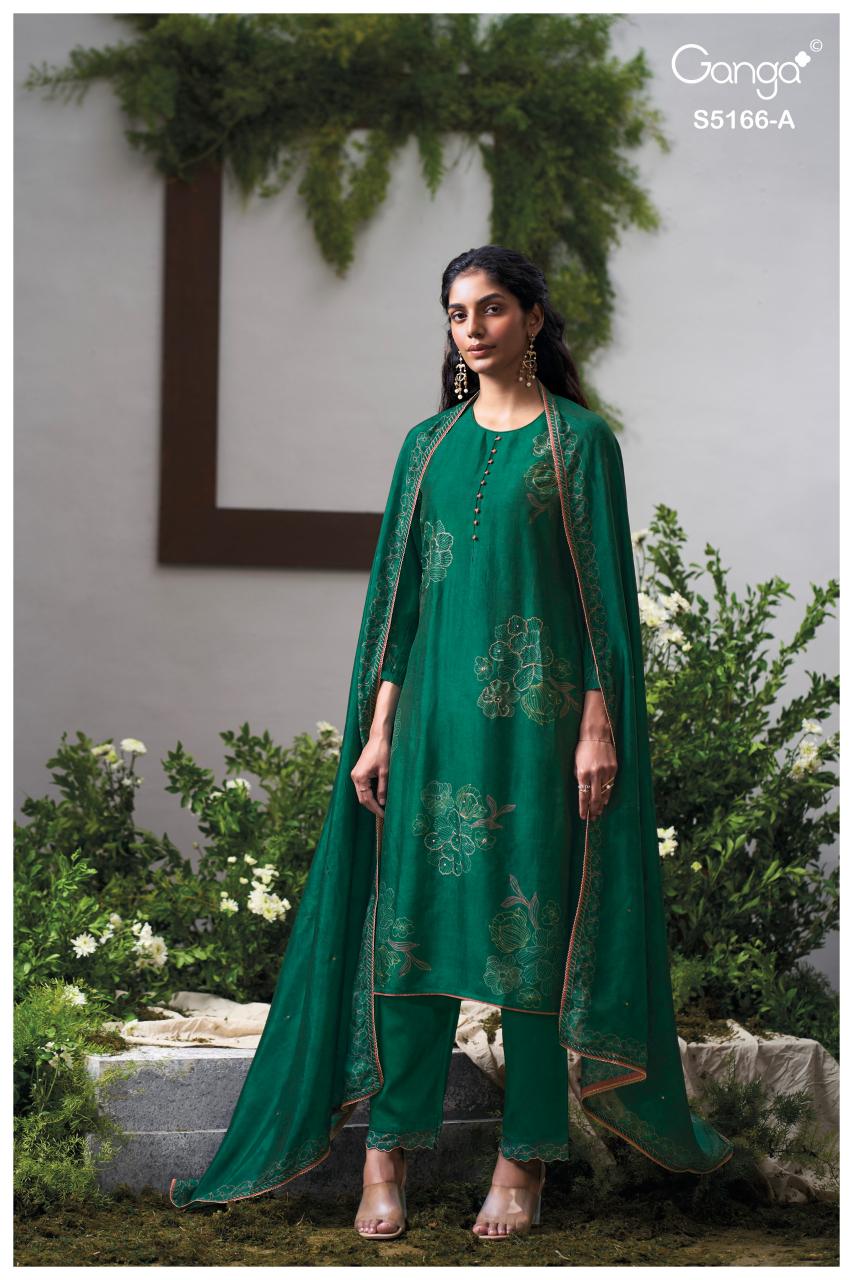
Boutique Owners can use unstitched jacquard suit material creatively. Necklines, sleeves, side panels and borders can be positioned according to the customer's measurements and styling preference. A coordinated dupatta can further increase the perceived value of the final outfit.
This customization advantage also helps Home-Based Sellers. They can present fabric sets through WhatsApp, Instagram or personal customer networks and allow customers to decide how the final outfit should be stitched.
Popular Jacquard Dress Material Styles for 2026
Wholesale Buyers should avoid selecting inventory solely because one design looks impressive in a catalogue. A stronger buying strategy is to create a balanced assortment covering multiple customer requirements. Some shoppers want understated elegance, while others specifically look for rich festive combinations.
Floral Jacquard Suit Material
Floral patterns remain one of the most commercially adaptable choices in women's ethnic wear. Small woven florals can create a refined everyday look, while larger botanical motifs can give the fabric a more occasion-oriented appearance.
Colours such as wine, maroon, teal, bottle green, mustard, navy, rust, beige, mauve and black can help retailers build a broad assortment. Pastel shades can also work well for customers who prefer softer contemporary styling.
Jacquard Cotton Dress Material
Comfort remains an important purchasing factor in India, particularly in warmer regions. A cotton dress material with jacquard-inspired woven detailing can combine breathable wearability with an elevated appearance.
This category can be useful for regular customers who do not want very heavy embroidery but still expect their outfit to look more distinctive than a basic printed suit. Shop Owners can position these options for daily wear, office wear, small gatherings and casual festive dressing depending on the fabric construction.
Silk Blend and Festive Jacquard Collections
Silk-blend textures are valuable when a retailer wants a richer assortment. Their sheen and structured fall can complement woven motifs particularly well. When coordinated with an attractive dupatta, these sets can become strong options for festive and family-function customers.
Retailers should inspect the actual product specifications rather than assuming that every silk-look product has identical composition. Fabric blend, weaving, finishing and manufacturing methods can influence both appearance and final cost.
Traditional Woven Motifs
Indian customers continue to appreciate traditional motifs even as silhouettes become more contemporary. Butis, paisley forms, heritage florals and ornamental woven patterns can therefore remain relevant across different age groups.
For a showroom, mixing traditional designs with cleaner modern patterns can prevent the display from looking repetitive. This is particularly important when the business wants to attract both mature buyers and younger ethnic wear shoppers.
How Retailers Should Build a Profitable Wholesale Assortment
Successful ethnic wear inventory is rarely about buying the maximum number of pieces. It is about selecting the right combination of colours, fabrics, designs and price levels for the customers who actually visit your shop or order online.
Start with Your Customer Profile
A neighbourhood retail shop, premium boutique and online reseller may all require different merchandise even if they sell to customers in the same city. Before purchasing Jacquard Dress Material Wholesale, consider the typical age group, spending range, preferred colours and occasions for which customers usually shop.
For example, a retailer serving regular-wear customers may need more comfortable and moderately designed options. A boutique catering to weddings and celebrations may allocate a larger portion of inventory to premium woven fabrics, decorative dupattas and sophisticated colour combinations.
Maintain Multiple Price Segments
A practical inventory should not depend on a single wholesale price range. Entry-level products can generate regular movement, mid-range products can serve the largest customer segment, and premium collections can improve average order value.
Retailers should calculate more than the purchase price. Packaging, GST where applicable, transportation, alterations, local operating expenses and expected margin can influence the final retail price. This calculation becomes particularly important for online sellers who may also have advertising and shipping costs.
Choose Colours Strategically
Buying every available colour in equal quantity may not always be profitable. Instead, analyse previous sales and identify your strongest colour families. Deep festive colours can be mixed with neutral and pastel shades to create variety.
For wholesale dress materials, colours such as maroon, wine, black, navy, green and mustard can form a dependable core, while seasonal colours can be introduced in smaller quantities to keep the collection fresh.
Do Not Ignore Dupatta Presentation
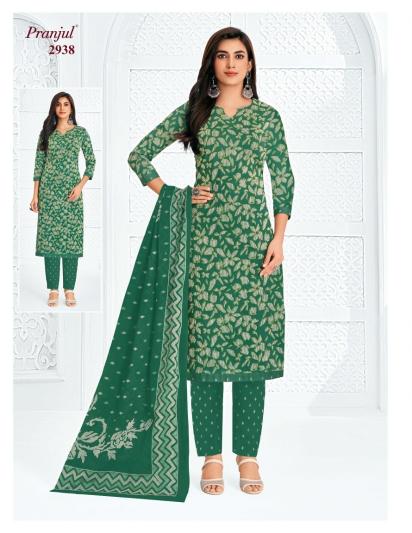
The dupatta can strongly influence how customers perceive an unstitched suit set. A coordinated woven, printed or textured dupatta can transform a relatively simple fabric combination into a more complete-looking outfit.
When comparing suppliers, retailers should therefore evaluate the full set rather than concentrating only on the top fabric. Consider top, bottom and dupatta coordination together, along with overall finish and presentation.
Surat as a Major Ethnic Wear Sourcing Centre
Surat has developed a strong textile ecosystem covering fabrics, sarees, dress materials, kurtis and many other women's fashion categories. Buyers familiar with the surat textile market know that different market areas and supplier networks provide access to a broad range of designs and price levels.
Commercial textile activity around ring road and sahara darwaza has long made these areas familiar reference points for traders sourcing women's ethnic wear. The surrounding supply ecosystem includes manufacturers, wholesalers, distributors, transport networks and businesses serving domestic as well as international customers.
For retailers outside Surat, however, frequent physical sourcing trips are not always practical. Travel expenses, accommodation and the time required to visit multiple suppliers can increase the real cost of procurement. Digital wholesale platforms can make catalogue discovery and repeat purchasing more convenient.
Wholesaleexport.in is designed to help business buyers explore products online while retaining access to the depth associated with Surat's textile sourcing ecosystem. This can be particularly helpful for Resellers and Home-Based Sellers who may not have the purchasing scale or time required for frequent market visits.
Wholesale Opportunities Beyond the Indian Market
Indian ethnic wear has a customer base well beyond domestic retail markets. For this guide, three useful international markets to consider are USA, Nepal and Australia. The appropriate collection for each destination can vary according to local customer preferences, climate, community demographics and seasonal events.
USA
Ethnic boutiques and online sellers in the USA can build collections around Indian festivals, weddings, community celebrations and family occasions. Jacquard suits can offer an attractive middle ground between basic everyday clothing and heavily embellished occasion wear.
Businesses sourcing for export should consider fabric weight, packaging, product presentation and the retail price achievable after international freight and local operating costs.
Nepal
Nepal is a relevant neighbouring market for Indian ethnic fashion. Traditional and contemporary suit materials can both find customers depending on season, location and retailer profile. Wholesale Buyers should create assortments that balance attractive colours with wearable fabrics and practical price positioning.
Australia
For ethnic wear businesses serving customers in Australia, versatility can be especially useful. Dress materials that can be customized for festivals, social gatherings and semi-formal events allow retailers to cater to different requirements without carrying excessive quantities of highly occasion-specific inventory.
Reliable export planning should always account for shipping timelines, documentation, packing requirements and destination-specific costs before the retailer finalizes the selling price.
Why Fabric Quality Matters in Wholesale Purchasing
Customers may initially respond to colour and design, but long-term satisfaction is influenced by fabric quality. A product that photographs beautifully but feels uncomfortable or performs poorly after stitching can lead to customer complaints and reduce repeat business.
Check Fabric Feel and Fall
Different jacquard constructions have different levels of softness and structure. Retailers should understand whether a particular collection is designed for flowing silhouettes, straight suits, structured kurtas or festive sets.
The fabric should also be evaluated in relation to its intended customer. Heavy fabric may look luxurious but may not suit someone seeking comfortable all-day wear.
Review Weaving and Finishing
Woven motifs should appear clean and consistent. Buyers should also consider border alignment, overall finishing and coordination between the components of the dress material set.
Quality control becomes even more important for bulk orders because a problem repeated across multiple pieces can affect a significant portion of retail inventory.
Understand What You Are Buying
Product descriptions should be reviewed carefully before ordering. Terms such as cotton, viscose, silk blend, jacquard or embroidered material can describe substantially different products. Responsible wholesale buying means checking the available specifications rather than purchasing based only on catalogue appearance.
With Vastralife's wholesale and export experience since 2017, product knowledge and industry expertise form an important part of sourcing for businesses seeking premium product quality through Wholesaleexport.in.
Retailers who follow this approach can build a stronger foundation for the second stage of sourcing: comparing wholesale channels, selecting order quantities, understanding online purchasing options and planning inventory for faster rotation.
For retailers, the next step is turning product knowledge into a disciplined buying strategy. Attractive designs can bring customers to a collection, but inventory rotation, suitable buying quantities, reliable replenishment and correct margin planning determine whether the category remains commercially successful.
How to Buy Jacquard Dress Materials for Better Inventory Rotation
A common wholesale mistake is purchasing too much of one design simply because it appears attractive in a catalogue. Fashion demand is dynamic, and even successful designs eventually slow down. A better strategy for Jacquard Dress Material Wholesale is to begin with broader design variety and controlled quantities, then repeat the styles that receive strong customer response.
Home-Based Sellers and online Resellers can follow an especially lean model. Instead of maintaining a large warehouse, they can test several designs through customer groups and social media. Once enquiries reveal which colours, patterns and price points are performing well, they can increase purchases accordingly.
Shop Owners and Showroom Owners can use a slightly different strategy. Their physical displays need enough depth to create visual impact, so they may maintain larger quantities of dependable designs while keeping limited pieces of experimental fashion.
Balance Fast Sellers and Premium Designs
Not every product in a retail store has to perform the same function. Some pieces should be selected for fast turnover, while others can create a premium impression and improve the overall presentation of the store.
Comfortable jacquard cotton suits, simple woven patterns and versatile colours may generate regular sales. More detailed jacquard suit sets with premium dupattas can occupy the higher end of the assortment. This balance helps retailers cater to both value-conscious and occasion-oriented customers.
Keep Reorder Potential in Mind
When a particular design starts selling quickly, the ability to replenish stock becomes valuable. Wholesale Buyers should therefore consider whether a collection is likely to remain available for repeat orders. Fast-moving stock that cannot be replenished may still be profitable, but retailers should avoid depending entirely on such merchandise.
Maintaining communication with the supplier and checking Latest Collections regularly can help businesses replace sold-out inventory before their displays begin to look limited.
Internal Linking and Online Wholesale Sourcing
Digital sourcing has become increasingly useful for retailers who want access to multiple textile categories without spending several days visiting physical markets. Buyers exploring wholesale dress materials can compare new catalogue options and identify products suited to their customer segment.
Businesses that want to expand beyond suit materials can also explore complementary categories such as the kurti wholesale market. Carrying related ethnic wear categories can help retailers increase customer choice and create cross-selling opportunities.
The key advantage of online wholesale sourcing is convenience, but buyers should still apply the same commercial discipline they would use in a physical textile market. Check available specifications, catalogue details, order quantity, price, shipping terms and policies before confirming a purchase.
Understanding Jacquard Dress Material Wholesale Price
There is no single standard jacquard dress material wholesale price because multiple elements determine the cost of a set. Fabric composition, yarn quality, weaving complexity, design development, dupatta type, finishing, brand, order quantity and manufacturing process can all affect pricing.
Fabric Composition
A cotton-rich jacquard, viscose blend and silk-look woven fabric may fall into different price segments. Retailers should therefore compare similar products rather than evaluating two completely different constructions purely by cost.
Design Complexity
Detailed woven motifs and elaborate borders can require more complex production than simple patterns. Additional embroidery, foil detailing, decorative elements or premium finishing may further increase the cost.
Dupatta and Bottom Fabric
The value of a three-piece dress material is determined by the complete combination. A richer dupatta or better-coordinated bottom fabric can increase the overall price while also improving the product's retail appeal.
Order Quantity
Wholesale economics generally become more favourable when businesses purchase commercially suitable quantities. However, the lowest unit price is not automatically the most profitable option. Unsold inventory has a cost, so purchasing quantities should match realistic sales capacity.
For 2026, retailers should compare value rather than focusing exclusively on the cheapest product. Customers increasingly see catalogue images before purchasing, making design freshness and presentation important alongside affordability.
How Different Buyers Can Sell Jacquard Dress Materials
The same product category can be marketed differently according to the seller's business model. Understanding these differences can help Wholesale Buyers select merchandise with stronger sales potential.
For Home-Based Sellers
Home-Based Sellers can begin with limited inventory and promote designs through WhatsApp Status, WhatsApp groups, Instagram and direct customer contacts. Clear images, fabric details and transparent pricing can improve buyer confidence.
Rather than uploading dozens of products without explanation, sellers can categorize collections by occasion, fabric and price. For example, separate presentations for daily wear, festive wear and premium jacquard suits make browsing easier.
For Boutique Owners
Boutique Owners can add value through styling and customization. A jacquard fabric can be transformed into straight kurtas, A-line suits, panelled silhouettes or contemporary ethnic sets depending on its construction.
Displaying one stitched sample alongside unstitched stock can help customers visualize the final outfit. Boutique businesses can also recommend neckline patterns, sleeves and coordinated accessories.
For Shop Owners
Retail shops generally benefit from variety. A customer visiting a physical store expects to compare colours and designs before making a purchase. Maintaining multiple price levels can therefore improve conversion.
Shop Owners should monitor which designs leave the shelves fastest and use those observations when planning the next wholesale purchase.
For Showroom Owners
Showrooms can use premium visual merchandising to create stronger perceived value. Rich jacquard patterns can be displayed alongside coordinated ethnic jewellery, footwear or stitched samples to create complete styling ideas.
Seasonal displays around festivals and wedding periods can further increase visibility for premium dress materials.
For Online Resellers
Online Resellers should focus heavily on product presentation. Customers cannot touch the fabric, so catalogue photographs, close-up design details, colour information and accurate descriptions become particularly important.
Resellers should avoid making unsupported claims about fabric composition or product characteristics. Clear information builds trust and reduces unnecessary post-sale disputes.
Seasonal Demand and Colour Planning for 2026
Ethnic wear demand changes throughout the year. Instead of treating Jacquard Dress Material Wholesale as one uniform category, retailers can adjust buying according to climate, festivals and customer occasions.
Spring and Summer
Lighter constructions, breathable fabrics and softer colours are generally easier to position during warmer months. Pastels, aqua tones, peach, lavender, beige and lighter greens can create a fresh seasonal presentation.
Festive Season
Festive customers often look for stronger colours and richer details. Maroon, bottle green, royal blue, wine, mustard, purple and deep red can work effectively when combined with appropriate woven patterns and dupattas.
Wedding and Occasion Buying
For family functions and wedding-related shopping, customers may be willing to consider more elaborate combinations. Retailers can introduce premium jacquard fabrics with ornamental weaving, decorative borders and sophisticated dupattas.
Inventory planning should still remain regional. A design selling strongly in one part of India may perform differently in Nepal, the USA or Australia. Retailers should use their own customer history as the strongest guide when selecting stock.
Why Wholesaleexport.in Can Support Ethnic Wear Businesses
Wholesaleexport.in focuses on helping professional and emerging sellers discover wholesale ethnic wear collections through an online sourcing model. This is particularly relevant for businesses located far from the surat textile market, ring road or sahara darwaza textile hubs.
Behind the sourcing ecosystem is Vastralife's wholesale and export experience since 2017. Years of involvement in the textile industry provide practical understanding of the requirements of retailers, boutiques, resellers and international buyers.
For a wholesale buyer, industry expertise matters because the objective is not merely to find attractive photographs. Businesses need commercially relevant merchandise, premium product quality, competitive pricing and dependable access to fresh designs.
Wholesaleexport.in can also be useful when a retailer wants to diversify. Instead of relying on a single ethnic wear category, sellers can explore different collections and gradually build a broader assortment according to customer demand.
Checklist Before Placing a Bulk Dress Material Order
Before confirming a substantial order, Wholesale Buyers should review a few essential points. Check the fabric description, number of pieces in the catalogue, colour assortment, available designs, current wholesale price, order requirements, shipping charges and expected dispatch details.
Also consider how the collection fits your existing stock. If most of your inventory already consists of dark festive colours, adding another similar catalogue may create unnecessary duplication. A contrasting collection of lighter or more contemporary designs may improve overall variety.
For international export orders, businesses should additionally consider freight, packing, customs requirements where applicable and delivery timelines. The landed cost should be calculated before setting the final retail price.
Retailers should also maintain purchase records. Tracking which catalogue, colour, price band and fabric generated the strongest sales makes future buying significantly more data-driven.
Customer FAQs
1. What is jacquard dress material?
Jacquard dress material generally refers to suit fabric featuring woven patterns created through the fabric construction. Depending on the product, the set may include coordinated top fabric, bottom fabric and a dupatta. Fabric composition and styling can vary between collections.
2. Is jacquard dress material suitable for retail shops?
Yes. It can be suitable for retail stores because the category covers multiple styles, from relatively simple everyday designs to richer festive options. Retailers should choose fabric weight, colours and price levels according to their local customers.
3. What should I check before buying jacquard dress material wholesale?
Check fabric specifications, weaving, colour combinations, dupatta quality, set contents, wholesale price, minimum purchasing requirements and supplier terms. For larger orders, inventory rotation and expected retail margin should also be considered.
4. Can Home-Based Sellers purchase wholesale dress materials?
Yes. Home-Based Sellers can build a business around curated ethnic wear catalogues and promote products through WhatsApp, social media and personal networks. Starting with controlled quantities can help reduce inventory risk while identifying customer preferences.
5. Which jacquard colours are useful for a mixed retail collection?
A balanced collection can combine classic shades such as maroon, navy, black, bottle green, mustard and wine with softer colours such as beige, peach, lavender and pastel green. Actual demand varies by region, season and customer profile.
6. Can jacquard dress materials be exported?
Yes, ethnic dress materials can be supplied to overseas markets subject to applicable shipping, documentation and destination requirements. Retailers targeting markets such as the USA and Australia should calculate the complete landed cost before finalizing retail prices.
7. Is jacquard suitable only for festive wear?
No. The category includes both subtle and elaborate woven designs. Lightweight, understated options can suit office and regular ethnic wear, while richer constructions can be positioned for festivals, functions and celebrations.
8. How should a new reseller select designs?
A new reseller can start with multiple styles in smaller quantities rather than investing heavily in one design. Customer enquiries and repeat orders can then reveal which patterns, colours and price bands deserve larger purchases.
Build Your 2026 Ethnic Wear Collection with Wholesaleexport.in
If you are a Home-Based Seller, Shop Owner, Boutique Owner, Showroom Owner, Reseller or Wholesale Buyer looking to refresh your inventory, Wholesaleexport.in offers a practical way to explore wholesale ethnic fashion from a textile-focused sourcing network.
Discover Latest Collections, competitive Wholesale Pricing and Trendy Ethnic Wear selected for different retail requirements. Buyers can explore options backed by a focus on premium quality and commercially relevant designs.
Business customers can benefit from Fast Shipping, available COD Support for eligible orders, attractive Bulk Order Deals and access to Quality Products Starting From ₹299, subject to the individual product, availability and applicable ordering terms.
Whether you are developing a new online reselling business or refreshing an established showroom, a carefully selected jacquard collection can add texture, tradition and premium appeal to your merchandise. Focus on quality, wearable designs, sensible quantities and the right price mix to create inventory that customers genuinely want to purchase.
Contact: +91 9712582172
Website: wholesaleexport.in