


Indian Women’s Clothing Wholesale for Germany: Ethnic Wear Sourcing Guide 2026
Indian Women’s Clothing Wholesale for Germany: Ethnic Wear Sourcing Guide 2026
Germany has developed into an interesting overseas market for Indian ethnic fashion, especially for retailers serving Indian and South Asian communities, multicultural shoppers, wedding customers and buyers looking for distinctive occasion wear. For boutiques and resellers, sourcing directly from India can provide access to a much wider variety of kurtis, lehengas, salwar suits, dress materials and festive collections while keeping wholesale buying commercially practical.
Introduction
For a boutique owner or reseller, buying Indian women’s clothing wholesale for Germany is not simply about finding the lowest price. The real requirement is finding collections that match customer demand, offer consistent quality, provide workable wholesale quantities and can be packed and shipped reliably from India.
India's textile ecosystem gives international buyers access to an enormous variety of ethnic and contemporary styles. Surat is particularly important for buyers looking for sarees, kurtis, salwar suits, lehenga choli, dress materials and other women’s fashion categories. Areas around the surat textile market, Ring Road and Sahara Darwaza connect manufacturers, wholesalers, traders and suppliers dealing with products across multiple price segments.
For German retailers, this creates an opportunity to source collections for everyday ethnic fashion as well as Diwali, Navratri, Eid, weddings, family functions and other celebrations. The same sourcing model can also work for buyers operating online stores, Instagram businesses, home-based businesses and physical boutiques.
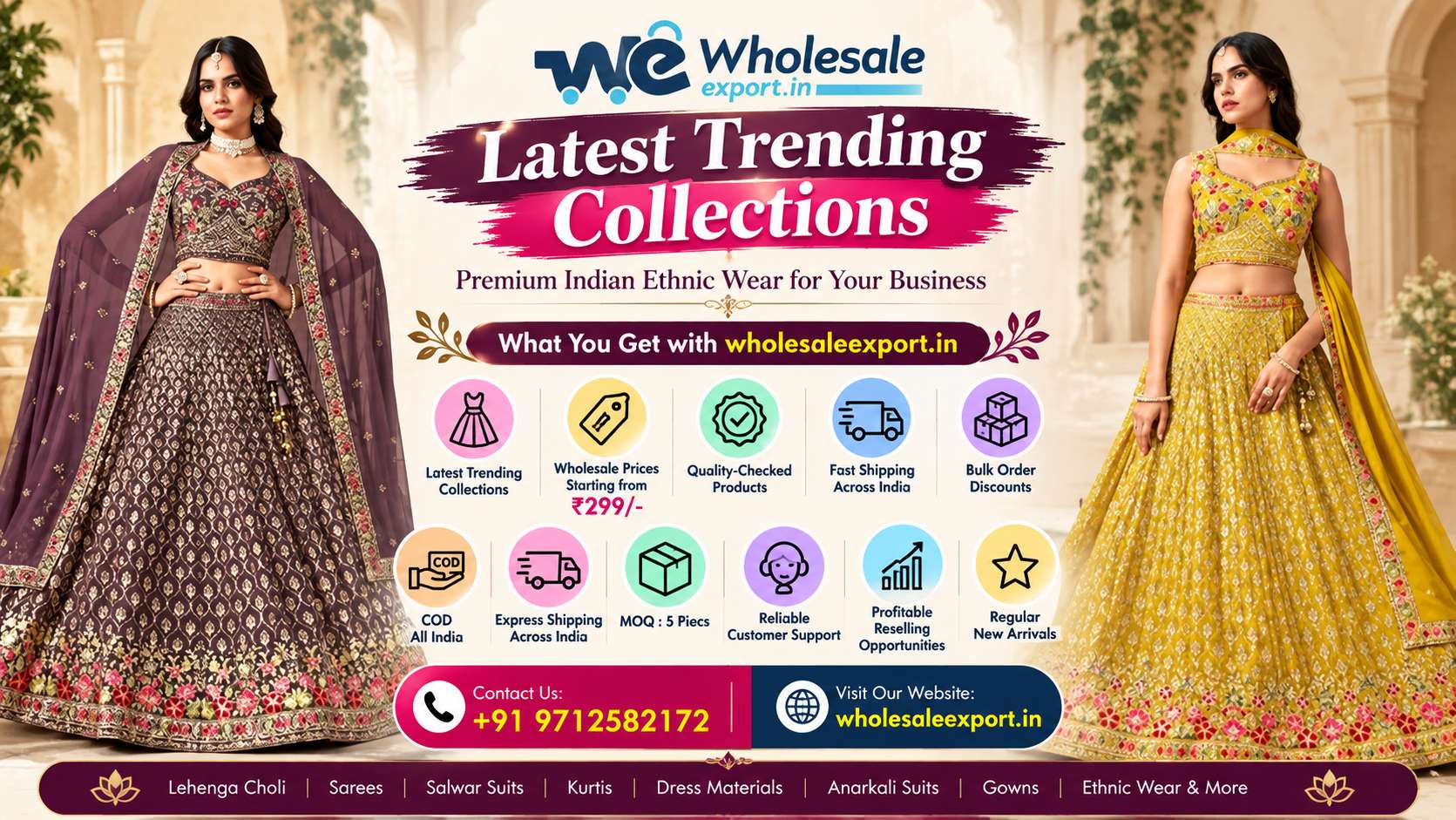
Wholesaleexport.in helps wholesale buyers access Indian fashion collections online without requiring them to physically visit different textile markets for every purchase. Supported by Vastralife’s wholesale and export experience since 2017, the focus is on practical B2B sourcing, industry knowledge and premium product quality for professional buyers.
What German Buyers Can Source from Indian Wholesale Markets
The advantage of Indian wholesale sourcing is product diversity. Instead of building a store around a single product category, retailers can create a broader ethnic fashion assortment from multiple segments. This can help boutiques serve customers shopping for everyday wear, festive outfits, wedding clothing and gifting.
Wholesale Kurtis and Kurti Sets
Wholesale kurtis from India remain a practical category for retailers because they can serve different customer profiles and selling prices. Buyers can source straight kurtis, printed kurtis, embroidered kurtis, rayon kurtis, cotton kurtis, designer kurtis, plus-size kurtis and coordinated kurti-pant sets.
For a German boutique, a mixed kurti assortment can be useful because customers do not always shop for heavily festive clothing. Comfortable Indian outfits suitable for gatherings, cultural events, office wear and casual occasions can create more regular selling opportunities.
Retailers should compare fabric, size availability, pattern, finishing, colour assortment and wholesale price rather than selecting a catalog only because the design looks attractive in photographs. Repeatability also matters when a particular design starts performing well.
Lehenga Choli for Weddings and Festive Demand
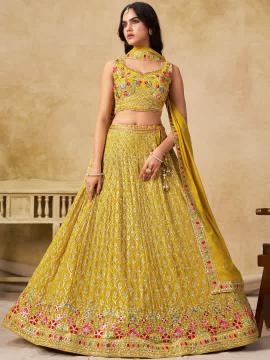
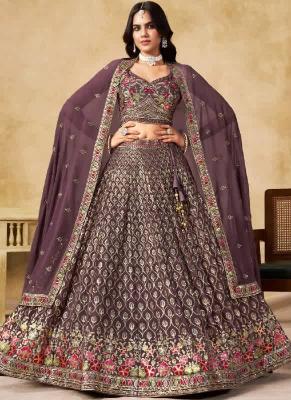
Lehenga choli is an important category for boutiques serving Indian weddings and festive customers. A retailer can source embroidered lehengas, printed lehengas, party-wear lehenga choli, bridal-inspired designs and lighter styles intended for family functions.
For overseas buyers, maintaining different price bands can be useful. Not every customer wants a premium wedding outfit, so combining accessible festive designs with selected higher-value pieces can give the retailer more flexibility.
The Indian lehenga wholesale market includes products manufactured in different fabrics, embellishment levels and silhouettes. Wholesale buyers should therefore check product specifications carefully instead of comparing catalogs solely by selling price.
Salwar Suits and Indian Dress Materials
Salwar suits remain another strong component of Indian women’s fashion. Ready-made suits can simplify retail selling, while unstitched and semi-stitched dress materials allow customers greater freedom with fitting and styling.
Depending on the target customer, German retailers can consider Punjabi suits, straight suits, Pakistani-style suits, Anarkali designs, embroidered suits, printed sets and festive suit collections. Wholesale dress materials can also work well for boutiques connected with tailoring services.
Buyers searching for Indian ethnic wear wholesale should build their inventory around actual customer behaviour. A boutique serving younger shoppers may need a different product mix from a store specialising in traditional wedding and family-event clothing.
Why Surat Is Important for Indian Ethnic Wear Wholesale
Surat has an extensive textile trading and manufacturing ecosystem. Buyers frequently associate the city with sarees, synthetic fabrics, dress materials, kurtis, suits, lehengas and rapidly changing fashion catalogs.
The textile belt around Ring Road and Sahara Darwaza is especially relevant to wholesale trade. A buyer visiting the market can find numerous sellers within a concentrated area, but overseas buyers cannot realistically travel to Surat for every new collection. Digital wholesale sourcing therefore provides a more practical bridge between suppliers and international retailers.
Wholesaleexport.in is designed around this requirement by making collections accessible to buyers who want to source remotely. For a retailer in Germany, the ability to review multiple categories digitally can reduce the time required to discover products and communicate purchase requirements.
In 2026, speed of product discovery matters because fashion demand can change quickly. Retailers increasingly need access to fresh designs rather than relying only on large seasonal purchases made several months in advance.
How to Buy Indian Women’s Clothing Wholesale for Germany
A structured buying process can make international sourcing considerably easier. Before placing an order, decide which category you want to sell, your target retail customer, preferred price band, approximate quantity and required size range.
Start with a Focused Product Mix
New resellers do not necessarily need to purchase every category immediately. A boutique might begin with kurti sets, salwar suits and a limited selection of lehengas. Once customer response becomes clearer, additional categories can be introduced.
Established showroom owners can take a broader approach by combining everyday ethnic wear with premium festive collections. This allows the business to serve both regular buyers and higher-value occasion customers.
Useful transactional searches for buyers include buy kurtis wholesale online, Indian suits wholesale, wholesale lehenga supplier India, Surat ethnic wear supplier, wholesale women's clothing India, Indian dresses in bulk, wholesale salwar kameez and ethnic wear exporter from India.
Check Size, Fabric and Catalog Details
Size planning becomes especially important when selling internationally. Buyers should verify the available size range for each catalog and understand whether styles are ready-made, semi-stitched or unstitched.
Fabric information should also be reviewed carefully. Cotton, rayon, viscose, georgette, chiffon, silk blends and other materials can have very different customer applications and price positioning. Product descriptions, available colours and catalog specifications should form part of the buying decision.
For boutique owners, premium product quality does not necessarily mean purchasing only expensive products. It means choosing products appropriate for the intended selling segment while paying attention to fabric, stitching, finishing and overall presentation.
Calculate the Landed Business Cost
The listed wholesale price in India is only one part of an international purchase. German buyers should separately account for applicable freight, import procedures, duties or taxes and other costs relevant to their shipment and business circumstances.
These charges can vary according to the product, shipment value, transport method and current regulations. Buyers should therefore obtain current logistics and import information for their specific shipment rather than assuming that an older cost calculation will remain unchanged.
A useful purchasing calculation considers the product cost, logistics and applicable import costs together before setting the German retail price. This makes it easier to evaluate the real margin available from each catalog.
Collections That Can Work for Different Retail Customers
One of the advantages of sourcing from India is the ability to create a differentiated assortment instead of competing only on generic clothing. The right collection depends on who actually shops from the business.
For Home-Based Sellers and Resellers
Home-based sellers generally benefit from collections that are easy to display digitally and cover practical selling prices. Kurtis, kurti sets, printed suits and selected festive designs can be promoted through WhatsApp, Instagram, Facebook and direct customer networks.
Regular new arrivals are useful because social selling depends heavily on fresh content. Instead of repeatedly promoting the same catalog, resellers can present customers with newly launched products and seasonal options.
For Boutique and Shop Owners
Boutique owners can combine everyday collections with distinctive designs that create a stronger store identity. Embroidered suits, designer kurtis, coordinated sets, festive lehengas and selected sarees can create a more complete Indian fashion offering.
Wholesale buyers should also think in terms of colour stories and occasions. Festive red, maroon and jewel tones can be balanced with pastels, prints and versatile everyday colours so the store does not look limited to one occasion.
For Showrooms and Volume Buyers
Showroom owners generally require deeper inventory and a wider range of categories. Bulk purchasing can be planned around customer turnover, seasonal events and successful designs from previous orders.
For volume orders, discuss catalog availability before finalising promotional activity. Fast-moving Indian fashion products can change quickly, and stock availability may vary as collections sell.
International wholesale sourcing is not limited to Germany. Similar Indian ethnic fashion collections are also purchased for markets such as Italy and Australia, although product preferences, import requirements and customer demand differ by country.
Building a Profitable Ethnic Wear Inventory in Germany
The most useful wholesale inventory is not necessarily the largest one. A carefully selected assortment can reduce slow-moving stock and provide capital for faster reordering.
For example, a retailer can divide purchasing into everyday kurtis, coordinated kurti sets, festive suits, wedding-focused lehengas and selected sarees. The proportion assigned to each category can then be adjusted according to actual sales.
Colour and size performance should also be recorded. If certain sizes repeatedly sell faster, future wholesale purchases can be planned accordingly wherever the supplier offers size flexibility.
Retailers purchasing Indian women’s clothing wholesale for Germany can also use smaller, more frequent buying cycles where commercially practical. This approach helps a store introduce new designs regularly instead of locking too much working capital into one collection.
The objective is straightforward: purchase products customers are likely to buy, maintain enough variety to encourage repeat visits and protect margins by calculating the full cost before ordering.
For buyers building a broader assortment, categories such as wholesale lehenga market Surat collections can help expand festive inventory. Retailers wanting more unstitched and versatile options can also explore wholesale dress materials Surat for additional product variety.
Choosing Products for Germany’s Indian Fashion Customer Base
When planning Indian women’s clothing wholesale for Germany, retailers should avoid treating every customer as one market segment. A customer shopping for a Diwali gathering has different expectations from someone buying an outfit for an Indian wedding, while a shopper looking for comfortable everyday ethnic wear may prioritise fabric and fit over elaborate embroidery.
A balanced wholesale order can therefore include affordable everyday kurtis, coordinated kurti sets, salwar suits, festive dress materials, sarees and selected lehenga choli designs. This gives shop owners and boutique owners opportunities to generate sales across multiple occasions instead of depending on one festival or wedding season.
Everyday Ethnic Wear
Printed kurtis, cotton-blend kurtis, rayon styles, straight-cut designs and comfortable kurti-pant sets can form the regular-selling portion of an inventory. These products can be useful for customers who want Indian fashion for casual gatherings, cultural activities or everyday styling.
For retailers, everyday products also provide an opportunity to maintain more accessible selling prices. Rather than filling the entire store with expensive occasion wear, a mix of affordable and premium products can appeal to a broader customer base.
Festive and Occasion Wear
Festive suits, Anarkali sets, embroidered salwar kameez, designer sarees and lehenga choli can be stocked for celebrations and special occasions. Visual presentation becomes particularly important in this segment because customers often compare embroidery, dupatta detailing, colour combinations and overall styling before making a purchase.
Wholesale buyers should purchase these collections early enough to allow for international shipping, customs processing and local merchandising before the targeted selling period. Waiting until the festival or wedding demand has already started can reduce the effective retail window.
Wedding and Premium Collections
Indian weddings create demand for more than bridal clothing. Family members, wedding guests and customers attending pre-wedding functions may need multiple outfits. A boutique can therefore consider lehengas, embellished suits, sarees, sharara-inspired sets and premium ethnic designs across different price points.
Premium does not have to mean excessively heavy clothing. Many customers prefer elegant designs that provide an occasion-wear appearance while remaining practical enough to wear again.
Wholesale Buying for Online Sellers in Germany
Physical stores are not the only buyers that can source from India. Instagram sellers, independent e-commerce businesses, WhatsApp sellers and home-based resellers can also build an ethnic fashion business by purchasing wholesale inventory.
For digital sellers, product photography and catalog information become particularly important. Customers cannot physically inspect a garment before ordering, so sellers should provide accurate details about fabric, sizes, product components and colour wherever possible.
Wholesaleexport.in provides access to multiple categories of Indian fashion, allowing resellers to review collections remotely. This can be particularly useful for businesses that cannot regularly travel to the surat textile market, Ring Road or Sahara Darwaza to source new stock.
Use New Arrivals to Keep Online Stores Active
Online fashion businesses benefit from regular newness. Fresh collections provide material for reels, posts, stories, WhatsApp updates and customer broadcasts. Instead of relying only on discount-led marketing, sellers can create interest by consistently showing new styles.
This approach can also help retailers test customer demand. If one style, colour or category attracts significantly more enquiries, future purchasing can be adjusted toward that segment.
Do Not Compete Only on Price
A retailer importing clothing into Germany should consider the complete customer proposition rather than trying to be the cheapest seller. Product selection, sizing guidance, presentation, customer service, delivery reliability and trust can all influence purchasing decisions.
A strong boutique can differentiate itself by curating collections rather than simply uploading hundreds of unrelated products. Selecting complementary styles can make the business look more specialised and professional.
Wholesale and Export Planning from India
International wholesale orders require more planning than domestic purchases. Before confirming an order, buyers should verify product availability, quantity, sizes, dispatch requirements and shipping details. The applicable import requirements in Germany should also be checked for the specific shipment.
Because customs procedures, taxes and logistics charges may change, importers should use current official or professional guidance for their shipment rather than relying on a fixed percentage found in older online content.
Wholesaleexport.in works with buyers looking for Indian clothing for domestic and export requirements. Vastralife’s experience in wholesale and export since 2017 contributes practical industry knowledge for buyers sourcing Indian fashion collections.
Plan Orders Around Retail Demand
Wholesale purchasing should be linked to expected selling periods. If a boutique is preparing a festive campaign, stock should arrive early enough for photography, merchandising, advertising and customer previews.
For regular collections, maintaining a planned replenishment cycle can be more practical than waiting until inventory is almost completely sold. Retailers can monitor their best-selling categories and reorder or replace them with new designs as required.
Understand the Role of Indian Manufacturing
India's large apparel and textile manufacturing network allows wholesale buyers to access a wide variety of fabrics, designs and price segments. Surat plays a significant role in this ecosystem, particularly for women's ethnic and occasion-oriented fashion.
Working closer to Indian wholesale and manufacturing networks can give retailers access to a wider product selection than purchasing through multiple layers of intermediaries. However, product quality, availability, minimum quantities and shipping conditions should always be checked before purchase.
Indian Ethnic Wear Categories Worth Testing in 2026
Fashion demand changes continuously, so wholesale buyers should treat trend selection as an ongoing process. In 2026, a practical inventory strategy is to combine established Indian categories with newer silhouettes, colour stories and surface designs.
Potential categories include designer kurtis wholesale, kurti pant sets, plus-size ethnic wear, embroidered salwar suits, Pakistani-style suits, Anarkali suits, printed sarees, festive sarees, lehenga choli, sharara sets, dress materials and coordinated ethnic sets.
For retailers targeting customers beyond Germany, similar collections may also have potential among Indian and South Asian communities in markets such as Italy and Australia. Each country, however, should be treated independently because customer preferences, regulations, shipping economics and selling prices can differ.
Plus-Size Ethnic Wear
Size inclusivity deserves specific attention when planning inventory. A retailer that stocks only a narrow size range may unnecessarily limit its customer base. Where available, buyers can add plus-size kurtis, kurti sets and ethnic suits alongside standard sizes.
Instead of treating plus-size clothing as an afterthought, retailers can merchandise it as part of their regular fashion offering. Size charts and garment measurements should be communicated clearly to reduce confusion for online customers.
Coordinated Ethnic Sets
Ready-to-style sets can simplify the purchase decision for customers. Kurti-pant sets, top-bottom-dupatta combinations and complete salwar suit sets provide an entire look rather than requiring the customer to coordinate separate garments.
This category can also work well for online sellers because the complete outfit can be shown in one product presentation.
Internal Linking Section
Buyers building a larger Indian ethnic wear inventory can explore related product categories according to their customer profile. Festive retailers may prioritise lehengas, sarees and embroidered suits, while everyday-focused boutiques may invest more heavily in kurtis, coordinated sets and dress materials.
The purpose of internal category exploration should be to create a commercially useful assortment rather than adding products simply to increase the number of listings. Each category should have a clear role within the retailer's inventory.
Customer FAQs
1. Where can retailers buy Indian women’s clothing wholesale for Germany?
Retailers can source Indian ethnic wear directly from Indian wholesale suppliers and online B2B platforms. Wholesaleexport.in provides access to categories including kurtis, suits, sarees, lehengas and other women's fashion for wholesale buyers. International buyers should confirm current product availability, order requirements and shipping details before finalising a purchase.
2. Which Indian clothing products can a German boutique stock?
A boutique can consider kurtis, kurti sets, salwar suits, Pakistani-style suits, Anarkali suits, dress materials, sarees, lehenga choli and plus-size ethnic wear. The best assortment depends on the boutique's customers, selling price range and local demand.
3. Can home-based resellers order Indian ethnic wear wholesale?
Yes. Home-based sellers and online resellers can purchase wholesale collections and sell through their own customer networks, websites, social media or messaging platforms. Buyers should check the applicable minimum order requirement for the selected products before ordering.
4. Why do international buyers source women's clothing from Surat?
Surat has a large textile and garment trading ecosystem and offers extensive variety across women's ethnic fashion. The city is known for wholesale markets and suppliers dealing in sarees, suits, kurtis, lehengas, dress materials and related categories. Areas around Ring Road and Sahara Darwaza are closely associated with Surat's textile trade.
5. What should a buyer check before importing Indian clothing into Germany?
Buyers should confirm product specifications, quantities, sizes, invoice details, shipping arrangements and the applicable German and EU import requirements for their shipment. Duties, taxes and compliance requirements should be verified from current authoritative sources or an appropriate customs professional before importing.
6. Can German boutiques buy different Indian clothing categories together?
Depending on product availability and order conditions, wholesale buyers can build a mixed inventory across categories. A combination of kurtis, suits, sarees and festive wear can help boutiques serve different customer requirements throughout the year.
7. Are wholesale collections suitable for online reselling?
Yes. Online sellers can use wholesale inventory for websites, social media stores and direct selling. Product descriptions, accurate sizing information, clear photography and reliable customer communication become especially important when the final customer cannot inspect the garment physically.
8. How should a retailer decide the selling price in Germany?
The selling price should account for the purchase cost, shipping, applicable import costs, local operating expenses and the retailer's required margin. Businesses should calculate their own landed cost rather than setting prices only by comparing competitors.
Source Indian Women’s Clothing for Your Boutique
If you are building or expanding an Indian fashion business, Wholesaleexport.in can help you explore Latest Collections across multiple women's ethnic wear categories. Buyers can discover Wholesale Pricing, Trendy Ethnic Wear and regularly updated collections suitable for boutiques, shops, showrooms, resellers and wholesale buyers.
Explore options for Fast Shipping, available COD Support for eligible Indian orders, Bulk Order Deals and Quality Products Starting From ₹299. Product prices, stock, minimum quantities, shipping eligibility and terms may vary by collection and destination, so confirm the current details before ordering.
Whether you are sourcing for Germany or building an Indian ethnic fashion business in another market, a strong wholesale strategy starts with the right product mix, realistic landed-cost calculations and consistent access to new collections.
Contact: +91 9712582172
Website: wholesaleexport.in