


Indian Saree Wholesale Supplier for Mauritius – Buy Latest Sarees from Surat
Indian Saree Wholesale Supplier for Mauritius – Buy Latest Sarees from Surat
For fashion retailers in Mauritius, Indian sarees remain an important category for weddings, religious celebrations, cultural occasions, festivals and everyday ethnic fashion. The real opportunity for a retailer is not simply finding beautiful sarees, but building a collection with the right combination of design, quality, wholesale price and customer demand. Sourcing directly from Surat gives buyers access to one of India's most active textile ecosystems, where traditional craftsmanship and modern fashion trends come together across a wide range of saree categories.
Introduction
Mauritius has a strong connection with Indian culture, and traditional Indian clothing continues to hold an important place in celebrations and family occasions. Sarees are purchased for weddings, engagement functions, Diwali, religious events, cultural programmes, parties and gifting. This creates a valuable opportunity for boutique owners, shop owners, showroom operators, resellers and home-based sellers who want to offer customers fresh Indian ethnic wear.
Working with an experienced Indian saree wholesale supplier for Mauritius can make sourcing easier because retailers need more than attractive catalogue photographs. They need dependable product information, commercially suitable designs, competitive rates, quality consistency, packing support and practical export coordination.
Surat has developed into a major textile sourcing destination for Indian fashion. Buyers searching the surat textile market, Ring Road and Sahara Darwaza areas can find manufacturers, wholesalers and distributors dealing in everything from affordable daily-wear sarees to elaborate designer collections.
For buyers who cannot regularly travel from Mauritius to India, digital wholesale sourcing has made the process more convenient. Platforms such as Wholesaleexport.in allow retailers to discover collections remotely and shortlist products according to their customer segment and business budget.
Why Mauritius Retailers Source Indian Sarees
Indian sarees have an unusually broad customer base because the same garment category can serve very different occasions. A lightweight printed saree may appeal to a regular-wear customer, while a richly woven silk saree can be selected for a wedding or major celebration. This versatility makes sarees commercially useful for retailers who want to serve several customer segments.
Strong Cultural and Festive Demand
Traditional clothing remains relevant for festivals and community occasions. Customers often want something new for Diwali, weddings, receptions, pujas, family functions and cultural programmes. Retailers who refresh their collections before these periods can offer customers more choice when purchasing intent is naturally stronger.
The key is to avoid treating every festive customer the same. Younger shoppers may prefer lighter drapes, contemporary colours and modern blouse combinations, while customers looking for traditional elegance may prefer silk textures, woven borders, zari details or classic motifs.
Wide Choice Across Different Price Segments
One advantage of sourcing sarees from India is the variety available across different budgets. Retailers can create an entry-level section for value-conscious customers, a mid-range section for festive and party wear, and a premium range for weddings and important occasions.
A balanced saree wholesale price strategy helps retailers avoid depending on only one type of customer. Affordable designs can generate regular turnover, while premium sarees can improve the average order value and enhance the boutique's overall collection.
Traditional Designs with Modern Fashion Appeal
The Indian saree industry continually adapts traditional ideas to current fashion preferences. Modern colour palettes, updated borders, digital prints, lightweight fabrics, contemporary weaving and designer blouse concepts allow retailers to serve both traditional and fashion-conscious buyers.
For 2026, retailers should consider collections that photograph well for social media while remaining practical for customers to wear. Visual appeal has become especially important for businesses selling through Instagram, WhatsApp, websites and online catalogues.
Best Saree Categories for Mauritius Wholesale Buyers
A profitable saree assortment normally includes multiple categories rather than a large quantity of one design. Variety allows retailers to serve different age groups, occasions and spending levels. It also reduces the risk associated with overstocking one trend.
Banarasi Sarees
Banarasi sarees wholesale collections remain important for customers looking for rich traditional styling. Woven patterns, zari-inspired detailing and festive colours make them suitable for weddings, engagements, receptions and major celebrations.
Retailers can stock both elaborate and relatively lightweight Banarasi-inspired styles. This provides choices for customers who appreciate the traditional appearance but have different budgets and comfort preferences.
Soft Silk Sarees
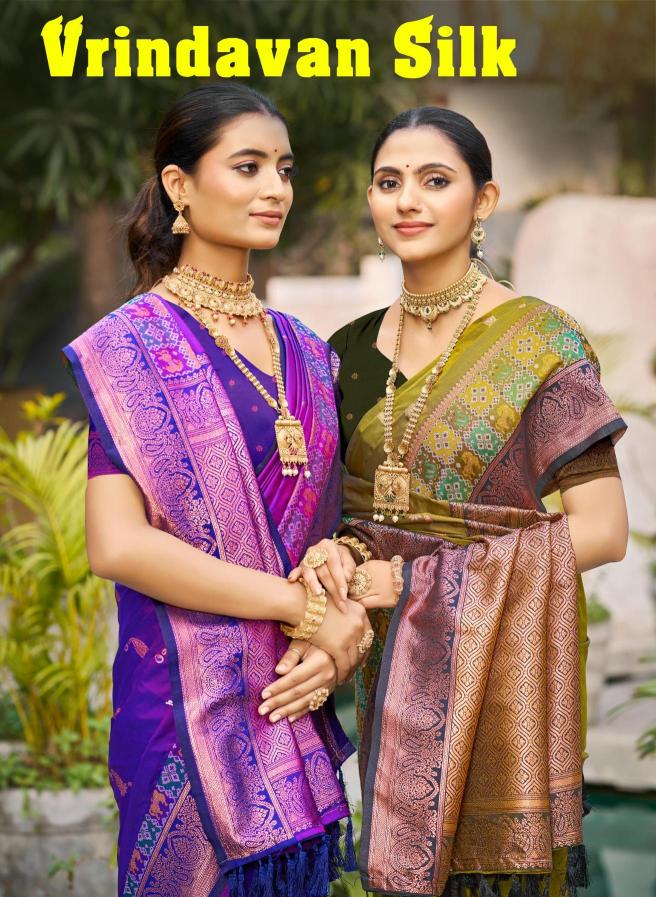
Soft silk sarees can be a practical category for boutiques because they combine an elegant appearance with comfortable draping. They can work for festive functions, family occasions and wedding guests without necessarily carrying the weight of heavily embellished occasion wear.
When buying silk sarees wholesale, retailers should consider colour combinations, border presentation, weaving quality and fabric feel. These details influence how premium the product appears when customers see it physically.
Paithani-Style Sarees
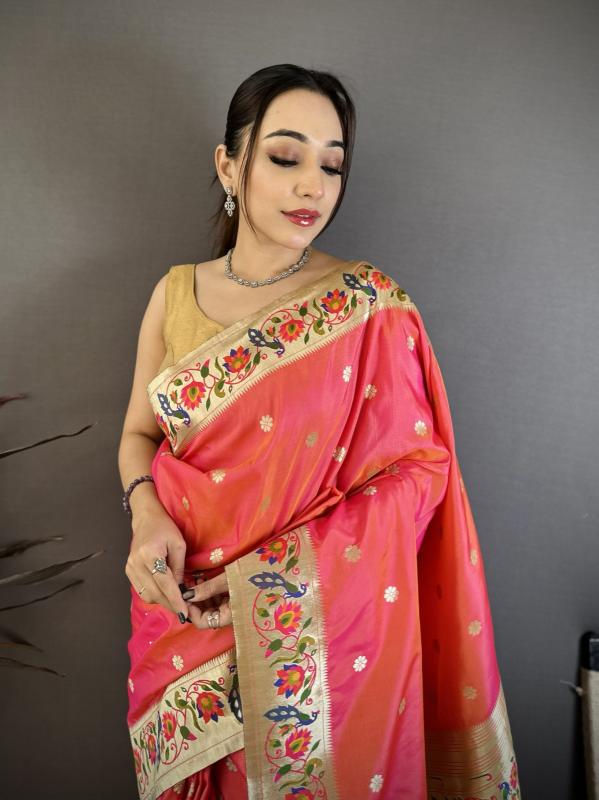
Paithani-inspired sarees can add a traditional premium element to a boutique collection. Peacock motifs, decorative pallus, rich colours and woven borders give these sarees a distinctive visual identity.
For Mauritius retailers serving customers interested in traditional Indian fashion, carefully selected Paithani-style designs can complement Banarasi, silk and festive sarees.
Designer Sarees
Designer sarees wholesale collections can include embroidery, sequins, decorative borders, lace, prints, contemporary fabrics and fusion-inspired styling. These products can appeal to customers searching for reception wear, party wear or fashionable festive clothing.
Designer sarees are particularly useful for boutiques that market products through social media because visually distinctive products can attract attention quickly in reels, photographs and catalogue posts.
Printed and Lightweight Sarees
Not every customer is shopping for a wedding. Printed and lightweight sarees can help retailers maintain regular sales outside the peak festive season. They are often easier to drape and can suit customers looking for comfortable ethnic clothing.
Including both occasion wear and regular-use products creates a healthier inventory mix and gives customers reasons to shop throughout the year.
Why Surat Is Important for Saree Wholesale Sourcing
Surat has built a strong position in India's textile industry through its extensive network of textile manufacturing, processing, trading and distribution businesses. For wholesale buyers, the advantage is not simply the number of products available; it is the ability to compare multiple styles, fabrics and price segments within a large textile ecosystem.
The Surat saree wholesale market serves retailers across India as well as buyers looking for export-oriented sourcing. Areas around Ring Road and Sahara Darwaza are widely associated with textile trading activity, making Surat an important sourcing reference for ethnic fashion businesses.
Access to New Collections
Fashion retail moves quickly. Customers who regularly follow Instagram, online stores and fashion influencers often expect boutiques to introduce new styles frequently. Surat's active textile supply chain helps retailers access fresh catalogues across different seasons.
Wholesaleexport.in provides an online route for buyers who want to explore such collections without depending entirely on physical market visits. For a Mauritius retailer, this can simplify initial product discovery and help compare multiple categories before placing an order.
Different Wholesale Price Levels
Retailers have different business models. A home-based reseller may want a carefully selected affordable assortment, while a showroom may require broader premium inventory. Surat's variety allows buyers to source products across multiple price levels instead of building their entire business around a single segment.
The lowest purchase price is not automatically the most profitable option. Retailers should calculate landed cost, expected retail price, product quality and realistic customer demand before deciding what offers the best business value.
Manufacturing and Wholesale Ecosystem
Surat's manufacturing and trading network supports a broad selection of fabrics and finished garments. This gives wholesale buyers access to regular new arrivals and makes it possible to build collections around specific seasons, festivals and customer preferences.
For an Indian saree wholesale supplier for Mauritius, access to a strong sourcing ecosystem is valuable because international retailers need enough variety to differentiate their stores while maintaining dependable product quality.
How Mauritius Retailers Should Plan Their Saree Inventory
Wholesale purchasing becomes more profitable when it begins with customer analysis rather than catalogue selection. Before buying, retailers should review which styles their customers already purchase, what price range converts most consistently and which occasions generate the highest demand.
Create an Occasion-Based Product Mix
A boutique can divide its saree collection according to actual shopping needs. Everyday and semi-casual sarees can serve regular demand, while festive sarees can target Diwali and religious occasions. Wedding sarees, designer sarees and premium silk products can address customers preparing for major family functions.
This structure also makes marketing easier because products can be presented to customers according to occasion instead of showing every available design at once.
Maintain a Balanced Colour Selection
Colour has a major influence on saree purchasing. Traditional shades such as red, maroon, green, mustard, royal blue and rani pink can be combined with wine, lavender, peach, pastel shades, black and other contemporary colours.
Retailers should use their own sales history to determine which shades deserve greater quantity. A colour that performs well in one market may not generate the same response elsewhere.
Test New Designs Before Buying Deep Stock
One of the safest strategies for smaller boutiques is to begin with variety and controlled quantities. Instead of investing heavily in an untested catalogue, retailers can introduce several styles, measure customer response and then increase quantity in the products that perform well.
This approach can protect working capital and reduce dead stock, especially when fashion trends are changing quickly.
What to Check Before Ordering Sarees from India
International wholesale purchasing requires careful product evaluation. Catalogue photographs are useful for selection, but retailers should also pay attention to specifications and commercial suitability.
Fabric Details
Understand what type of fabric is being offered and whether it matches your customer expectations. Silk blends, soft silk, georgette, chiffon, organza, cotton blends and other materials can differ significantly in drape, appearance and price.
Work and Weaving
Check whether the product features weaving, embroidery, sequins, prints, zari-inspired work or other decorative elements. This information helps the retailer explain the product accurately to customers and determine an appropriate retail positioning.
Blouse Piece and Product Specifications
Before confirming an order, verify the available product details, including whether a blouse piece is included where applicable. Retailers should avoid assuming that every saree catalogue follows identical specifications.
Quality and Finishing
Premium product quality is particularly important for export customers because international returns and replacements can be more complicated than domestic transactions. Fabric appearance, weaving consistency, finishing and packing should therefore form part of the purchasing decision.
Wholesale Saree Sourcing for Home-Based Sellers and Resellers
The saree business is no longer limited to traditional physical stores. Home-Based Sellers and online resellers can build customer networks through WhatsApp, Instagram, Facebook and personal referrals. This model can reduce some of the overhead associated with operating a large showroom.
However, successful reselling still requires thoughtful product selection. Posting hundreds of random catalogue images may create confusion rather than sales. Sellers should curate collections according to customer interests and clearly communicate relevant details.
Wholesaleexport.in can support this type of sourcing by allowing buyers to explore different fashion categories online. Resellers can focus on selected collections instead of attempting to promote every available product.
Building Trust with a Reliable Wholesale and Export Partner
For an overseas buyer, supplier reliability matters just as much as product design. Communication, product information, packing and order coordination can directly affect the retailer's customer experience in Mauritius.
Vastralife has been involved in wholesale and export activities since 2017, building industry experience around Indian women's fashion and textile sourcing. This experience supports an understanding of the different requirements of retailers, boutiques, resellers and international wholesale buyers.
For buyers searching for an Indian saree wholesale supplier for Mauritius, industry expertise can help simplify collection selection and wholesale purchasing. The objective should always be to build a commercially relevant assortment rather than simply buying the maximum number of products.
Wholesaleexport.in brings together fashion sourcing opportunities for buyers interested in Indian ethnic wear, including sarees and related categories. A structured online sourcing process can be particularly useful when the buyer is located outside India and needs to evaluate collections remotely.
Planning Saree Exports from India to Mauritius
Export purchasing should be planned earlier than a local wholesale order. International buyers need to consider product availability, order preparation, packing, transportation and destination-side requirements. These factors can influence the final landed cost and the amount of time required before merchandise is ready for retail sale.
Retailers should therefore avoid waiting until the final days before a major festival or wedding season. Early purchasing provides more flexibility if a particular design becomes unavailable or if the buyer wants to add more products before dispatch.
Calculate Landed Cost, Not Only Product Price
The quoted wholesale price is only one part of an international sourcing decision. A Mauritius retailer should consider applicable shipping and other destination-related costs when estimating the final cost of inventory.
Once landed cost is understood, the retailer can establish a realistic selling price and margin. This is especially important for products positioned as premium or exclusive collections.
Plan Quantity According to Your Selling Capacity
Bulk purchasing can improve the depth of a collection, but quantity should match the retailer's actual sales capacity. A smaller boutique may benefit from more designs in controlled quantities, while an established showroom with consistent customer traffic may be comfortable carrying deeper inventory.
The same principle applies to online sellers. The right wholesale order is not necessarily the biggest order; it is the order that can realistically be converted into profitable retail sales.
Retailers operating in other international markets such as Australia, Singapore and Canada can apply the same basic approach: understand the local customer, choose commercially relevant Indian fashion, calculate landed costs carefully and plan purchases early enough for international delivery.
How to Choose Fast-Moving Sarees for the Mauritius Market
Successful wholesale buying is not about selecting every attractive catalogue. The goal is to identify products that have a realistic chance of selling to your customers. A smart Indian saree wholesale supplier for Mauritius strategy should therefore combine trend awareness with practical retail experience.
Start by reviewing your previous sales. Which fabrics moved fastest? Which colours received the most enquiries? Did customers prefer traditional woven designs or lighter contemporary sarees? Were your buyers primarily shopping for weddings, festivals, religious occasions or everyday wear? These answers can guide your next wholesale order more effectively than simply following a general fashion trend.
Keep Entry, Mid-Range and Premium Options
A useful retail assortment should offer more than one price level. Entry-level products can attract customers who want stylish Indian wear within a controlled budget. Mid-range sarees can become the core of the collection, while premium silk, Banarasi-inspired, Paithani-style and designer sarees can serve wedding and special-occasion customers.
This approach is particularly useful for boutique owners because it prevents the store from becoming dependent on one customer segment. A customer who enters looking for an affordable saree may return later for a wedding purchase, while premium customers may also purchase lighter sarees for smaller functions.
Buy Fashion, but Do Not Ignore Classics
Trending colours and new designs are important, but traditional sarees often have a longer selling life. Retailers can balance new arrivals with classic silk looks, woven borders, floral motifs, traditional patterns and evergreen festive colours.
This combination can reduce inventory risk. Trend-driven products create freshness, while classic products provide a dependable base that can remain relevant beyond a single fashion cycle.
Wholesale Saree Trends Retailers Can Watch in 2026
The 2026 ethnic fashion market continues to show demand for products that look premium without becoming difficult to wear. Customers increasingly discover products digitally, which means the visual presentation of a saree matters almost as much as its physical appeal inside a store.
Soft textures, elegant woven patterns, contemporary colours, statement borders, sophisticated floral designs and versatile festive sarees can all play a role in a modern retail assortment. Lightweight products are particularly useful for customers who want traditional Indian styling with easier draping and greater comfort.
Premium-Looking Lightweight Sarees
Heavy-looking fashion does not always need to mean physically heavy fabric. Sarees that provide a rich appearance while remaining manageable can appeal to younger customers and women attending long functions.
For boutiques, this creates an opportunity to market products around comfort as well as appearance. Product descriptions can highlight the occasion, styling possibilities, fabric characteristics and overall look rather than focusing only on embroidery or work.
Traditional Weaves with Updated Colours
Classic-inspired sarees in newer colour combinations can bridge the gap between traditional and contemporary fashion. Pastels, muted jewel tones and sophisticated contrasting borders can sit alongside familiar reds, greens, maroons and mustard shades.
This type of collection can work well for customers who respect traditional Indian fashion but do not necessarily want the same colours and combinations they have purchased previously.
Festive Sarees Designed for Digital Selling
Online presentation is now an important part of wholesale fashion. Sarees with visible borders, attractive pallus, distinctive colour combinations and clear detailing tend to be easier for retailers to showcase through photographs, videos and social media posts.
Home-Based Sellers should especially consider how a product appears on a mobile screen. If the main design elements are easy to understand from a catalogue photograph, customers may feel more confident enquiring about the product remotely.
Internal Linking: Explore More Indian Wholesale Fashion
Retailers who want to strengthen their ethnic wear assortment can explore Banarasi saree wholesale collections for traditional, wedding and festive demand. These styles can help create a premium-looking section while providing customers with designs rooted in Indian textile aesthetics.
Businesses that want to expand beyond sarees can also explore the kurti wholesale market to create a broader women's ethnic wear assortment. Combining sarees with kurtis and coordinated ethnic products can help retailers serve customers across more occasions and budgets.
How Boutique Owners Can Improve Profitability
Good sourcing is only the first half of a successful wholesale-retail model. The second half is how the retailer presents, prices and sells the inventory. A carefully selected saree can still remain unsold if customers do not understand its value or if it is presented to the wrong audience.
Calculate Margin Before Confirming the Order
Before purchasing, estimate your complete landed cost. Then compare that figure with the realistic retail price in your market. This allows you to identify whether the product offers enough room for your operating expenses and desired margin.
A low wholesale price may appear attractive, but the product should also have sufficient customer demand. Similarly, a higher-priced saree can be profitable if customers perceive enough value in its fabric, design, finishing and exclusivity.
Create Collections Instead of Random Product Posts
Retailers selling through social media can organise products into themes such as “Wedding Saree Collection,” “Diwali Edit,” “Premium Silk Collection,” “Under a Certain Budget,” or “New Arrivals from India.” This makes product discovery easier for customers and gives marketing posts a clearer purpose.
A physical showroom can follow the same strategy by arranging inventory according to occasion, style or price range rather than mixing unrelated products together.
Use Limited-Stock Communication Carefully
When a design genuinely has limited availability, communicating that information can help customers make quicker decisions. However, retailers should avoid artificial urgency. Long-term trust is more valuable than gaining one sale through exaggerated scarcity.
Encourage Repeat Purchasing
Repeat customers can become one of the strongest assets for a boutique or reseller. Keep customers informed when genuinely relevant new arrivals become available. If someone previously purchased a silk saree, for example, showing them a new premium silk or festive collection may be more effective than sending every catalogue indiscriminately.
Why Product Quality Matters More for International Retailers
For Mauritius-based retailers, maintaining customer trust is particularly important because stock has travelled internationally before reaching the store. Product quality, finishing and accurate presentation therefore influence not only an individual sale but also the reputation of the retailer.
Vastralife's wholesale and export experience since 2017 provides industry understanding of textile sourcing and the requirements of wholesale buyers. The focus on premium product quality, practical collection selection and wholesale sourcing can help businesses evaluate products more confidently.
Retailers should still review available specifications for every catalogue before ordering. Different collections can have different fabrics, work, sizing or packing characteristics. Asking relevant questions before confirming an order is always better than making assumptions.
Wholesaleexport.in for Mauritius Saree Buyers
Wholesaleexport.in is designed to make Indian fashion sourcing more accessible to retailers who want to discover wholesale products online. Instead of relying exclusively on repeated physical visits to the surat textile market, buyers can review available categories digitally and communicate regarding suitable collections.
This can be useful for boutique owners, showroom owners, resellers, wholesale buyers and home-based sellers in Mauritius who want access to Indian ethnic fashion while managing their business locally.
Surat's Ring Road and Sahara Darwaza textile zones remain important references within the city's broader textile trading network. Combining access to this sourcing ecosystem with digital product discovery can make the wholesale purchasing process more practical for overseas businesses.
Suitable for Different Types of Fashion Businesses
A large showroom may require broader variety and deeper stock. A small boutique may prefer curated premium pieces. A home-based seller may prioritise commercially priced products that are easier to promote digitally. Wholesale sourcing should adapt to these different models rather than assuming that every buyer needs the same quantity or assortment.
The ideal Indian saree wholesale supplier for Mauritius relationship should therefore focus on product relevance, communication and repeat sourcing rather than treating each order as an isolated transaction.
Preparing for Festival and Wedding Demand in Mauritius
Festival and wedding seasons can create concentrated demand for Indian clothing. Retailers who prepare early can offer better variety when customers begin shopping instead of trying to source products after demand has already peaked.
Build Festival Stock in Advance
Plan festive inventory around the expected selling window, not simply the festival date. Customers may begin shopping weeks earlier, especially when they are coordinating outfits for multiple family members or attending several events.
Early sourcing also provides more time for international transportation, inventory organisation, photography, pricing and marketing.
Create a Wedding-Focused Premium Section
Wedding customers often have different expectations from regular shoppers. They may be willing to spend more for distinctive colours, richer fabrics, premium borders, traditional weaving or designer details.
Retailers can therefore maintain a dedicated premium wedding section containing silk sarees, Banarasi-inspired designs, Paithani-style products, designer sarees and other statement ethnic wear.
Do Not Forget Wedding Guests
The bride is not the only customer during wedding season. Mothers, sisters, relatives, friends and guests also purchase clothing. This wider customer group can create significant demand for mid-range festive sarees that look elegant without competing with bridal-level products.
Wholesale Buying Checklist for Mauritius Retailers
Before placing an order, buyers can use a simple checklist to reduce avoidable mistakes and improve inventory planning.
- Identify the customer age groups and occasions you want to target.
- Decide the percentage of affordable, mid-range and premium stock required.
- Review fabric, colour, design and available product specifications.
- Compare wholesale price with realistic retail potential in Mauritius.
- Check whether the collection suits wedding, festive, party or regular demand.
- Avoid investing too heavily in a completely untested fashion trend.
- Plan international orders sufficiently early for your intended selling season.
- Calculate expected landed cost before deciding the final retail price.
- Keep a mix of traditional bestsellers and fresh 2026 designs.
- Review which previous products generated repeat enquiries and sales.
This disciplined approach can make wholesale purchasing more predictable. Instead of buying primarily because a catalogue looks attractive, retailers begin selecting inventory according to actual business potential.
Customer FAQs
1. Where can Mauritius retailers buy Indian sarees wholesale?
Mauritius retailers can source sarees from established Indian textile markets and online wholesale platforms connected with Surat's fashion supply network. Wholesaleexport.in provides access to Indian ethnic wear collections for retailers, boutique owners, resellers and wholesale buyers looking to source remotely.
2. Which sarees are suitable for selling in Mauritius?
The ideal selection depends on your customers, but a balanced collection may include soft silk sarees, Banarasi-inspired designs, Paithani-style sarees, designer sarees, festive sarees, lightweight sarees and printed options. Maintaining different price levels can help serve a wider customer base.
3. Can I source sarees directly from Surat for export?
Surat is a major Indian textile sourcing centre with extensive wholesale and manufacturing activity. International buyers can explore suitable collections and discuss export-related order requirements with their supplier before confirming a purchase.
4. How should a small boutique start wholesale saree buying?
A smaller boutique can begin with controlled quantities across several proven categories rather than purchasing deep stock of one design. Track customer response, identify fast-moving products and increase quantities gradually when demand is established.
5. What should I check before confirming an international saree order?
Review product specifications, fabric information, available colours, wholesale price, quantity requirements, packing and relevant shipping details. You should also estimate your landed cost and expected retail margin before finalising the order.
6. Are premium sarees suitable for online reselling?
Yes. Premium sarees can perform well online when photographs and videos clearly show the fabric appearance, border, pallu and decorative details. Sellers should provide accurate information and avoid describing products beyond the specifications available from the supplier.
7. When should retailers purchase festive saree stock?
Retailers should generally prepare before the actual selling rush. International buyers need additional planning time because order processing and transportation occur before stock reaches the destination market. Early buying also provides time to photograph and promote the collection.
Start Sourcing Indian Sarees for Your Business
Building a profitable saree business requires the right combination of attractive designs, suitable pricing, product quality and disciplined inventory planning. Whether you operate a boutique in Mauritius, manage a showroom, sell from home or work as an ethnic fashion reseller, sourcing should always begin with an understanding of your own customers.
With experience in wholesale and export since 2017, Vastralife brings practical textile industry knowledge to Indian fashion sourcing. Through Wholesaleexport.in, buyers can explore changing collections and discover products suited to different retail budgets and customer segments.
For businesses searching for an Indian saree wholesale supplier for Mauritius, the objective should be bigger than finding one attractive catalogue. Build a dependable sourcing process that gives your store access to fresh fashion, multiple price segments and products that your customers genuinely want to purchase.
Order Wholesale Ethnic Wear from Wholesaleexport.in
Ready to refresh your boutique, showroom or reselling inventory? Explore Wholesaleexport.in for Indian ethnic fashion sourced for today's wholesale buyers.
- Latest Collections – Discover regularly updated styles for changing customer demand.
- Wholesale Pricing – Source products at business-focused wholesale rates.
- Trendy Ethnic Wear – Explore fashionable products for festive, wedding and regular retail demand.
- Fast Shipping – Efficient dispatch support for confirmed orders.
- COD Support – Available for eligible orders within India as per applicable terms.
- Bulk Order Deals – Suitable options for boutiques, showrooms, retailers and wholesale buyers.
- Quality Products Starting From ₹299 – Explore value-focused fashion categories alongside premium collections.
Contact Number: +91 9712582172
Website: wholesaleexport.in
Explore new collections, compare suitable products and plan your next wholesale purchase with a stronger focus on quality, customer demand and sustainable retail margins.