


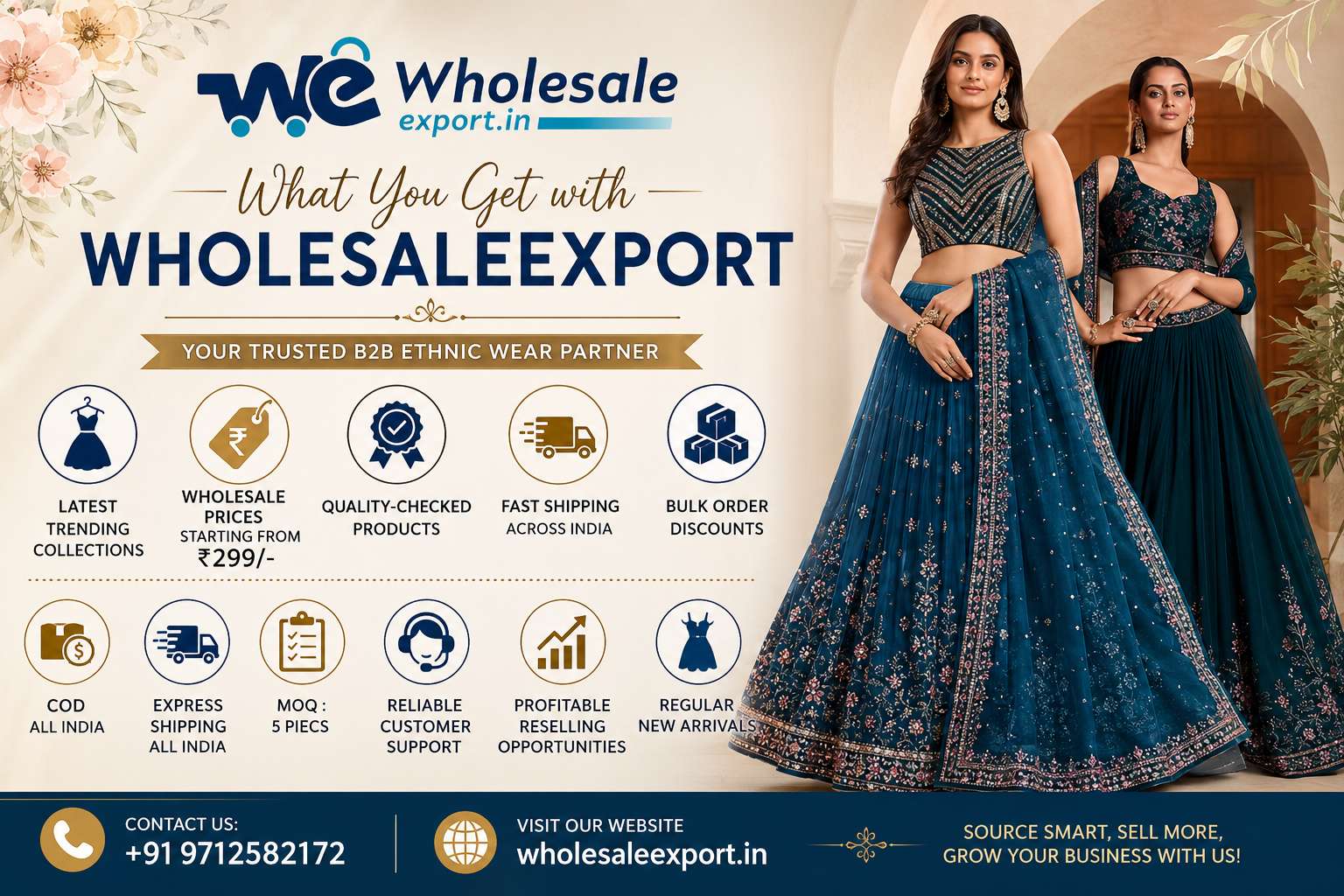
Indian Ethnic Wear Wholesale Supplier for New Zealand – Surat Export Guide 2026
Indian Ethnic Wear Wholesale Supplier for New Zealand – Surat Export Guide 2026
New Zealand’s multicultural fashion market creates a strong opportunity for retailers, boutique owners and online sellers who want to stock authentic Indian clothing with attractive designs and profitable wholesale margins. From Auckland and Wellington to Christchurch and Hamilton, Indian-origin communities and customers interested in South Asian fashion continue to create demand for sarees, lehenga cholis, kurti sets, Pakistani suits, dress materials and festive collections. For buyers sourcing directly from India, choosing an experienced Surat-based wholesale partner can make product selection, bulk ordering and international dispatch considerably easier.
Introduction
Finding a dependable Indian ethnic wear wholesale supplier for New Zealand involves much more than searching for the lowest price. International buyers need a supplier capable of providing fresh designs, consistent product quality, practical order quantities, clear communication and dependable export support. The right sourcing strategy allows retailers to maintain variety while controlling their investment in inventory.
Surat, Gujarat is one of India's most active textile sourcing centres. The surat textile market, particularly the commercial areas around Ring Road and Sahara Darwaza, connects buyers with an extensive network of textile wholesalers, traders, brands and manufacturing units. This concentration of suppliers gives international buyers access to multiple ethnic wear categories without having to source every product from a different city.
Wholesaleexport.in helps connect wholesale buyers with collections suitable for domestic as well as international markets. Supported by Vastralife's wholesale and export experience since 2017, the sourcing approach focuses on practical requirements that matter to retailers: current designs, premium product quality, competitive pricing and collections that can be resold across different customer segments.
Why New Zealand Retailers Source Indian Ethnic Wear from Surat
New Zealand boutiques selling Indian clothing need variety because their customers shop for very different occasions. A single buyer may need a lightweight kurti for everyday use, a saree for a family event and a heavily styled lehenga for a wedding. Retailers therefore benefit from sourcing through a textile hub where several categories are available within one wholesale ecosystem.
Surat has developed a strong position in women's ethnic fashion because of its extensive textile trading and manufacturing network. Buyers can source traditional designs as well as collections influenced by current Indian fashion trends. This makes Surat particularly useful for overseas businesses that want regular product updates instead of depending on the same designs for an entire season.
Wholesale Buying for Auckland, Wellington and Christchurch
For businesses operating in Auckland, Wellington, Christchurch or other New Zealand cities, buying directly from India can provide access to a much broader product range. Boutique Owners can create carefully selected premium collections, while Showroom Owners and Wholesale Buyers can purchase larger assortments across multiple categories.
Home-Based Sellers and online Resellers can follow a different model. Rather than investing heavily in every category, they can focus on selected products that suit their existing customer base. Regular catalogue updates can then be promoted through WhatsApp, Instagram, Facebook or direct customer groups.
Better Product Variety for Indian Communities Abroad
Indian fashion customers living abroad often want access to the styles currently popular in India. They may look for Banarasi-inspired sarees, designer lehengas, embroidered suits, festive kurti sets, silk sarees or contemporary Indo-western clothing. An overseas retailer that refreshes stock regularly can serve this demand more effectively than one depending entirely on old inventory.
This is where a dedicated Indian clothing wholesaler in Surat can become commercially valuable. Buyers can source according to season, occasion, customer age group and expected retail price instead of purchasing an unrelated assortment.
Best Indian Ethnic Wear Categories to Wholesale for New Zealand
A strong ethnic wear business should not depend completely on one product category. Demand changes throughout the year according to weddings, festivals, cultural functions and everyday requirements. For 2026, New Zealand retailers can build their inventory around a balanced mix of sarees, lehenga cholis, kurti sets, salwar suits and dress materials.
Wholesale Sarees from India
Wholesale sarees from Surat remain an important category for Indian clothing businesses. Retailers can build collections covering festive sarees, silk-look sarees, Banarasi styles, Paithani designs, Bandhani sarees, organza sarees, georgette sarees, printed sarees and wedding-oriented collections.
Instead of purchasing large quantities of one design, boutique businesses can create an assortment across several price points. This allows customers to choose according to their occasion and budget while helping the retailer reduce dependence on one style.
Lehenga Choli Wholesale for Weddings and Festive Events
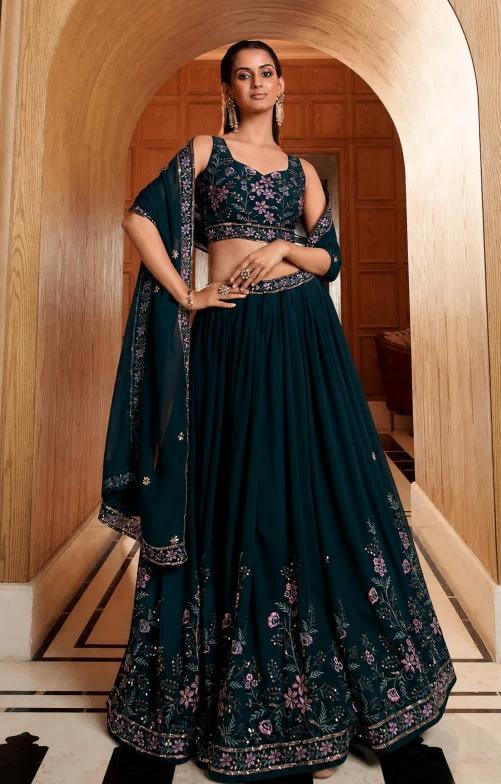
Lehenga cholis can be an important higher-value category for New Zealand boutiques serving Indian weddings, engagement functions, Navratri celebrations, receptions and festive events. Designs can range from relatively simple festive pieces to heavily embroidered bridal and designer collections.
Retailers should evaluate the complete set rather than selecting products only from the appearance of the lehenga. Blouse design, dupatta quality, embroidery placement, colour combination and finishing can strongly influence the final customer's buying decision.
Kurtis and Kurti Sets for Regular Sales
While wedding products can generate higher order values, kurtis and kurti sets can help create more regular sales throughout the year. Cotton styles, rayon kurtis, printed kurti sets, embroidered designs and kurti-pant-dupatta combinations can appeal to customers looking for comfortable Indian fashion.
For Home-Based Sellers and Resellers, this category can also be easier to market frequently because new collections can be introduced at multiple price levels.
Pakistani Suits and Dress Materials
Pakistani-style suits, embroidered dress materials and unstitched suit sets give boutiques another way to diversify their inventory. Customers who prefer customised stitching may specifically look for unstitched collections rather than ready-made clothing.
Retailers should clearly communicate fabric, components, work details and whether the product is stitched, semi-stitched or unstitched. Accurate product descriptions are especially important when selling remotely to customers in different New Zealand cities.
How to Choose an Indian Ethnic Wear Wholesale Supplier for New Zealand
The best supplier is not automatically the one advertising the cheapest catalogue. International sourcing involves product quality, packing, communication, availability and consistency. A small difference in purchase price can become irrelevant if products do not meet customer expectations or if repeated stock problems delay sales.
Check Product Quality Before Comparing Only Price
Wholesale buyers naturally compare price, but the comparison should be made between products of similar specifications. Fabric quality, embroidery, print clarity, colour combinations, stitching and finishing all influence the final value of an ethnic wear product.
Premium product quality becomes particularly important for export orders because returning or replacing overseas stock can be more complicated than handling a domestic transaction. Buyers should therefore understand the product specifications before committing to substantial quantities.
Look for Regular New Collections
Fashion inventory loses its commercial advantage when customers repeatedly see the same designs. A supplier capable of providing regular latest ethnic wear collections can help boutiques keep their catalogue fresh.
Wholesaleexport.in provides access to changing wholesale collections across women's Indian fashion categories. This approach can benefit retailers who want to test new products regularly rather than locking their complete purchasing budget into one seasonal catalogue.
Confirm Stock Before Finalising Promotions
Wholesale fashion stock can move rapidly. Buyers should confirm current availability before launching large customer promotions or accepting significant advance orders. This is particularly relevant for trending colours and designs during the wedding and festive seasons.
Repeat buyers can improve their purchasing process by keeping records of designs, colours, sizes and price brackets that sell fastest. Future orders can then be based on actual customer demand rather than assumptions.
Indian Ethnic Wear Wholesale Price and Margin Planning
Retail profitability begins with understanding the complete landed cost of the product. For a New Zealand buyer, the Indian wholesale price is only one part of the calculation. International freight, packing, applicable taxes, customs-related expenses and local delivery costs can influence the actual cost per piece.
For this reason, buyers should calculate their approximate landed cost before deciding the final retail price. A product that looks inexpensive at the supplier level may not necessarily provide the best margin after international logistics are included.
Build Multiple Wholesale Price Segments
A useful purchasing strategy is to create three broad inventory levels: entry-level products for price-sensitive customers, mid-range products for regular festive and occasion purchases, and premium collections for customers looking for more elaborate designs.
This structure helps a boutique serve different budgets without weakening its positioning. It also gives sales staff or online sellers alternatives when a customer likes a design but needs another price range.
Bulk Buying Versus Smaller Mixed Orders
Large buyers may benefit from bulk quantities when they already understand which categories sell consistently. Newer businesses, however, should be careful about overstocking. A mixed order across proven categories can sometimes offer better commercial flexibility than a large investment in one untested collection.
For Indian ethnic wear wholesale New Zealand orders, the ideal quantity depends on the retailer's customer base, available capital, selling channel and expected stock rotation. Boutique Owners can prioritise exclusivity and variety, while wholesalers supplying other retailers may require deeper quantities.
2026 Ethnic Wear Buying Strategy for New Zealand Businesses
Fashion buying in 2026 increasingly requires a combination of traditional sourcing knowledge and digital selling awareness. Customers discover products through social media, short videos, online catalogues and messaging platforms long before visiting a physical store. Wholesale buyers should therefore select products that not only look attractive in person but also present well digitally.
Rich colours, visible embroidery, distinctive borders and complete outfit styling can make catalogue content more effective. At the same time, buyers should avoid selecting products only because they look dramatic in photographs. The actual product should deliver the quality expected at its intended retail price.
Plan Inventory Around Indian Festivals
Diwali, Navratri, Raksha Bandhan, wedding seasons and other community celebrations can create concentrated demand. New Zealand retailers need to plan these orders earlier because international delivery adds time between sourcing and actual retail availability.
Buyers should work backwards from the intended selling period. Allow time for product selection, order confirmation, packing, export dispatch, delivery and local merchandising before beginning customer promotions.
Keep Evergreen Products Alongside Trend-Based Fashion
Trend-based products can generate attention, but evergreen ethnic wear provides stability. Sarees, classic kurti sets and versatile suits can continue selling beyond a single festival. Combining these with limited quantities of trend-focused products can create a healthier inventory structure.
This approach is also relevant for retailers sourcing for markets such as Australia and Singapore, where Indian ethnic clothing demand similarly includes both occasion wear and practical everyday fashion.
Export Planning from Surat to New Zealand
International wholesale purchasing becomes easier when the order is planned around the complete supply chain rather than product selection alone. New Zealand buyers should consider the number of pieces, approximate shipment weight, packaging requirements, dispatch schedule and expected delivery window before confirming a bulk order. This is especially important when inventory is being purchased for a fixed festival, wedding season or promotional campaign.
Surat's textile ecosystem around Ring Road, Sahara Darwaza and neighbouring wholesale markets provides access to a wide range of women's ethnic wear. Working with an experienced sourcing partner allows overseas buyers to combine different categories into a commercially useful inventory mix instead of depending on a single style.
Consolidating Multiple Ethnic Wear Categories
International shipping economics can sometimes improve when retailers plan a consolidated purchase. A New Zealand boutique may require sarees, kurtis, lehenga cholis, salwar suits and dress materials at the same time. Coordinating these requirements can simplify stock planning and give the retailer a broader collection for the upcoming selling season.
However, quantity should always follow genuine sales potential. Buying more only to increase shipment size can create slow-moving inventory. Experienced buyers generally analyse previous sales, customer enquiries and seasonal demand before deciding how much stock to purchase.
Allow Enough Time for Seasonal Stock
International retailers should avoid placing festival stock orders at the last moment. Product confirmation, packing, dispatch and international transportation all require time. An unexpected logistics delay can reduce the commercial value of seasonal merchandise if the collection arrives after the peak customer buying period.
For 2026 purchasing, boutiques can create an annual sourcing calendar around major Indian festivals, wedding periods and local community events in New Zealand. This makes inventory planning more systematic and reduces rushed purchasing decisions.
How Boutique Owners Can Build a Profitable Product Mix
A boutique should have enough variety to create choice without turning every purchase into excess inventory. The ideal mix depends on customer demographics, average order value, local competition and whether the business operates online, offline or through both channels.
For example, a premium boutique may allocate more capital to designer sarees, embroidered suits and wedding lehengas, while a Home-Based Seller may prefer faster-moving kurtis, dress materials and moderately priced sarees. A Showroom Owner can maintain a broader assortment across entry, mid-range and premium price points.
Use Customer Data Before Reordering
Retailers should record which colours, fabrics, sizes, price ranges and product categories receive the strongest response. Even basic sales records can make the next wholesale purchase significantly more accurate.
If customers repeatedly enquire about pastel lehengas, embroidered suits or particular saree styles, the next order can increase those categories. Products receiving little engagement should not automatically be reordered simply because they remain available from the supplier.
Maintain Newness Without Overstocking
Customers respond positively when a boutique regularly introduces new products. The objective, however, is not to replace the entire inventory every week. Smaller additions of fresh designs can maintain customer interest while protecting working capital.
Wholesaleexport.in can support this model by allowing business buyers to explore changing collections and source according to their preferred product category and price bracket.
Online Reselling of Indian Ethnic Wear in New Zealand
Online selling gives smaller businesses an opportunity to reach customers without operating a large physical showroom. Instagram, Facebook, WhatsApp and dedicated ecommerce stores can all be used to promote Indian fashion to customers across New Zealand.
Strong catalogue presentation becomes particularly important in this model. Customers cannot physically inspect the product before ordering, so sellers should provide clear images, fabric information, size details where applicable and accurate descriptions of embroidery, prints and included components.
Create Collections Instead of Random Product Posts
Rather than publishing unrelated products continuously, sellers can organise promotions around customer intent. Examples include wedding guest sarees, festive lehenga collections, everyday kurti sets, premium Pakistani suits or Diwali ethnic wear.
This creates a clearer shopping experience and can also improve search visibility because each campaign is centred on a defined product requirement. For GEO-focused marketing, retailers can naturally mention service areas such as Auckland, Wellington, Christchurch or Hamilton in relevant landing pages and social content.
Use Video to Demonstrate Fabric and Work
Short product videos can show details that are difficult to understand from still photographs. Fabric movement, embroidery, border width, dupatta work and overall outfit appearance can be demonstrated more clearly through video. This is especially useful for premium ethnic wear where customers want to understand why one product carries a higher retail price than another.
Indian Wedding Wear Wholesale for New Zealand
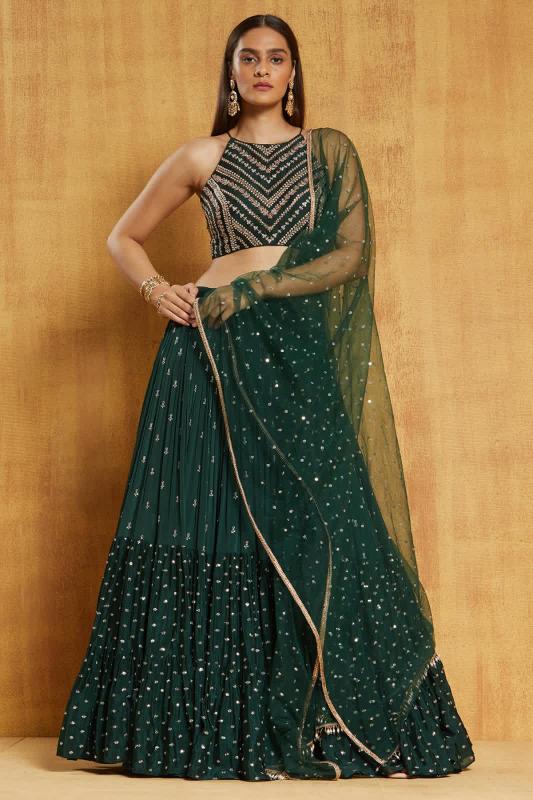
Wedding wear can be one of the most valuable segments for ethnic fashion retailers. Indian weddings frequently involve multiple functions, which means customers may need separate outfits for engagement ceremonies, mehendi, sangeet, wedding rituals and receptions. Family members and wedding guests create additional purchasing opportunities beyond the bride and groom.
Retailers sourcing Indian wedding wear wholesale should therefore create collections at several levels rather than stocking only bridal products. Designer sarees, lehenga cholis, embroidered suits, festive kurti sets and occasion dress materials can serve different members of the wedding party.
Lehenga Cholis for Premium Retail Sales
Lehenga cholis can provide higher retail value when the design and finishing justify premium positioning. Before ordering, buyers should check blouse fabric, lehenga work, dupatta design, overall colour coordination and available size or stitching specifications.
Businesses looking specifically for this category can explore the wholesale lehenga market Surat range to complement their New Zealand wedding and festive inventory.
Add Everyday Categories for Consistent Turnover
Wedding wear can generate attractive margins but demand may fluctuate seasonally. Adding regular-use products creates opportunities for sales between major festive periods. Kurtis, kurti sets and lighter ethnic outfits can serve customers looking for Indian fashion for work, casual gatherings and everyday occasions.
Retailers expanding this side of their assortment can also explore branded kurtis as a complementary category. This provides a more balanced inventory rather than depending exclusively on high-value occasion wear.
Wholesale Opportunities for Australia and Singapore Alongside New Zealand
The same sourcing infrastructure used for New Zealand can also support businesses targeting other international Indian fashion markets. Australia has substantial demand across major cities for sarees, kurtis, lehengas and festive wear, while Singapore offers opportunities for Indian clothing retailers serving a diverse multicultural customer base.
The exact product mix should still be adapted to each market. Retailers should study customer preferences, climate, local events, competitive pricing and the purchasing habits of their specific audience rather than assuming that one assortment will perform identically in every country.
For an Indian ethnic wear wholesale supplier for New Zealand, export experience matters because international buyers require clear communication about product availability, packing and dispatch. Vastralife's wholesale and export experience since 2017 provides practical industry expertise developed through years of working within the textile trade.
Internal Linking for a Broader Wholesale Buying Strategy
New Zealand businesses can improve inventory performance by connecting related categories instead of treating every collection independently. A customer purchasing a wedding lehenga may also require a saree for another function, while a regular kurti customer may later purchase festive clothing for Diwali or a family celebration.
For this reason, a wholesale buying plan should consider cross-selling opportunities. Sarees can be paired with festive suits, lehengas with family occasion wear, and premium collections with more affordable everyday products. This gives customers more reasons to purchase from the same retailer while helping businesses distribute revenue across multiple categories.
The goal is not to carry every textile product available in Surat. The stronger strategy is to identify a focused set of categories that match the retailer's customer profile and then expand according to actual sales performance.
Why Source Through Wholesaleexport.in
Wholesaleexport.in is designed around the needs of professional clothing buyers, including Home-Based Sellers, Shop Owners, Boutique Owners, Showroom Owners, Resellers and Wholesale Buyers. The platform provides access to changing Indian ethnic wear collections while helping buyers source according to category, budget and business requirements.
Being connected to Surat's textile sourcing ecosystem provides access to a broad selection of products across different wholesale price levels. Buyers can enquire about current stock, catalogue availability and bulk requirements instead of relying on outdated product information.
Quality is particularly important for overseas businesses because every successful product contributes to customer trust. Vastralife's industry experience since 2017 supports a sourcing approach focused on premium product quality, practical wholesale requirements and long-term business relationships.
Customer FAQs
1. Where can I buy Indian ethnic wear wholesale for New Zealand?
New Zealand Boutique Owners, Shop Owners, online sellers and Wholesale Buyers can source Indian ethnic wear through Wholesaleexport.in. Buyers can enquire about current sarees, lehenga cholis, kurtis, kurti sets, suits, dress materials and other women's ethnic wear collections available for wholesale purchasing.
2. Can Indian ethnic wear be exported from Surat to New Zealand?
International buyers can discuss export requirements based on their order quantity, destination and available shipping arrangements. Before confirming an order, buyers should understand product cost, packing, transportation and applicable destination-side charges.
3. What products should a new ethnic wear boutique in New Zealand stock?
A new boutique can begin with a balanced assortment of sarees, kurti sets, festive suits, dress materials and selected lehenga cholis. The exact mix should depend on the boutique's customer demographics, average selling price and whether it focuses on everyday, festive or premium occasion wear.
4. What is the minimum wholesale order for Indian clothing?
Minimum quantities can differ according to product, catalogue and current supplier conditions. Buyers should confirm the MOQ for the selected collection before placing an order. For new businesses, beginning with commercially manageable quantities can reduce unnecessary inventory risk.
5. How do I calculate the retail price in New Zealand?
Start with the wholesale product cost and add packing, international freight, applicable duties or taxes, local delivery expenses and other business costs. The final retail price should then provide a sustainable margin while remaining competitive within the retailer's target market.
6. Can Home-Based Sellers order Indian ethnic wear?
Yes. Home-Based Sellers can build a focused product range according to their customer network and available investment. They can use digital catalogues and social platforms to market products, while gradually increasing inventory in categories that generate consistent sales.
7. Which Indian ethnic wear sells during festival season?
Sarees, lehenga cholis, embroidered suits, kurti sets and other festive ethnic wear can experience increased demand around Diwali, Navratri, weddings and cultural celebrations. Retailers should order international stock sufficiently early to allow time for delivery and customer promotion.
8. Can wholesale buyers get bulk order deals?
Bulk order opportunities depend on the selected collection, available quantity and current wholesale conditions. Larger buyers can discuss their approximate budget, required products and quantities to identify suitable purchasing options.
Order Indian Ethnic Wear Wholesale for New Zealand
If you are building an Indian fashion business in Auckland, Wellington, Christchurch, Hamilton or elsewhere in New Zealand, sourcing the right inventory can directly influence your sales potential. Start with products suited to your customer base, maintain a practical mix of everyday and occasion wear, and refresh the collection according to real market demand.
Wholesaleexport.in offers access to Latest Collections, competitive Wholesale Pricing and Trendy Ethnic Wear for retailers, boutiques, resellers and Wholesale Buyers. Buyers can enquire about Fast Shipping, available COD Support for eligible domestic orders, international dispatch requirements and current Bulk Order Deals.
Quality Products Starting From ₹299 are available across selected categories and collections, subject to current stock and pricing. Whether you are sourcing sarees, kurtis, lehenga cholis, dress materials or other women's ethnic wear, the objective is to help you build a commercially useful collection rather than simply purchase more inventory.
For an experienced Indian ethnic wear wholesale supplier for New Zealand, connect with the team to discuss your required categories, approximate quantity, preferred price range and destination. Current product options can then be selected according to your wholesale business requirements.
Contact Number: +91 9712582172
Website: wholesaleexport.in
Explore the latest 2026 collections and start planning your next wholesale or export order from Surat, India.