


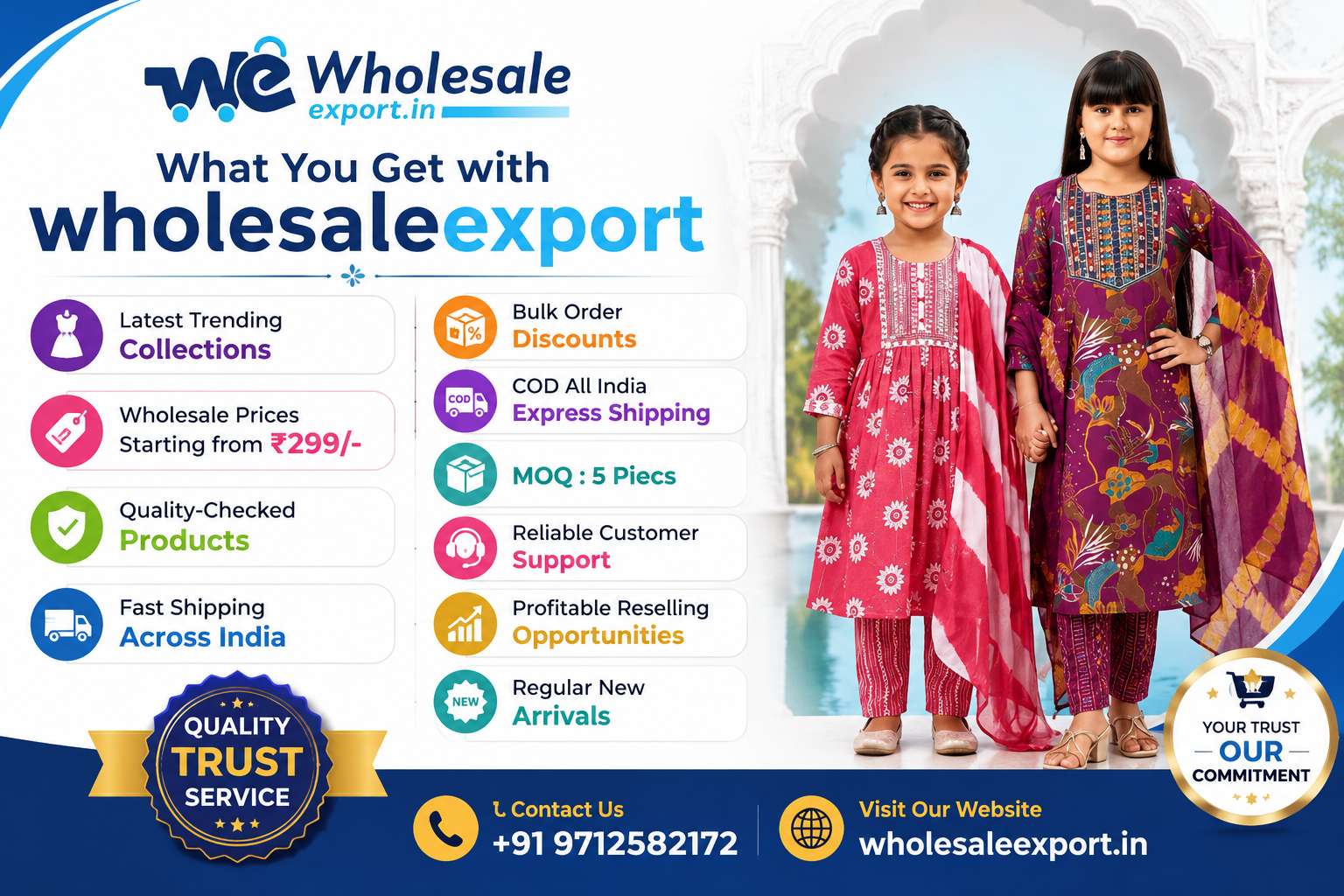
Indian Ethnic Wear Wholesale Supplier for Australia – Surat Wholesale & Export Guide 2026
Indian Ethnic Wear Wholesale Supplier for Australia – Surat Wholesale & Export Guide 2026
Australia’s growing South Asian community, multicultural fashion market and increasing demand for festive clothing have created strong opportunities for retailers selling Indian fashion. From everyday kurti sets to wedding sarees and designer suits, Australian boutiques and online sellers need access to collections that combine current designs, dependable quality and commercially workable pricing. Sourcing directly from Surat gives buyers an opportunity to access a much wider product range while working closer to the Indian textile supply chain.
Introduction
Finding a dependable Indian ethnic wear wholesale supplier for Australia is about much more than finding the lowest price. An Australian retailer needs designs that match customer demand, consistent product quality, practical order quantities, responsive communication and a supplier who understands the requirements of international wholesale business.
India remains one of the most important sourcing destinations for ethnic fashion, and Surat has built a particularly strong position in sarees, kurtis, salwar suits, dress materials, gowns, co-ord sets and other women’s fashion categories. The famous Surat textile market ecosystem connects manufacturers, wholesalers, traders and fashion suppliers, making it possible for buyers to explore collections across multiple price segments.
For boutique owners, showroom owners, home-based sellers, resellers and wholesale buyers in Australia, this sourcing ecosystem can provide an important competitive advantage. Instead of depending only on limited local inventories, businesses can explore fresh Indian collections and build a product mix according to their own customer profile.
Wholesaleexport.in helps buyers connect with Indian wholesale fashion collections while benefiting from Vastralife’s wholesale and export experience since 2017. Years of industry experience have helped the team understand an important reality: successful wholesale sourcing depends on the right combination of price, product selection, quality and service, rather than any single factor.
Why Indian Ethnic Wear Has Strong Potential in Australia
Indian fashion is no longer limited to traditional occasions. Customers increasingly wear ethnic and Indo-western styles for family celebrations, cultural programs, weddings, religious events, community gatherings, parties and even smart casual occasions. This gives Australian retailers opportunities across different seasons instead of relying entirely on a few major festivals.
Traditional categories such as sarees and salwar suits remain important, but the market has expanded. Younger customers often look for contemporary kurti sets, lightweight festive wear, designer co-ord sets, comfortable cotton outfits and fusion silhouettes that can be styled in different ways.
A Multicultural Customer Base Creates Multiple Selling Opportunities
Australia has customers from Indian, Nepali, Sri Lankan and other South Asian communities, alongside shoppers who simply appreciate Indian textiles, embroidery, prints and occasion wear. A retailer can therefore build collections for different customer groups rather than focusing on one narrow style.
This diversity makes product planning particularly important. A boutique serving wedding shoppers may require premium sarees, Anarkali suits and embroidered sets, while a reseller working mainly through social media may achieve better rotation with affordable kurtis, co-ord sets and ready-to-wear outfits.
Festive and Wedding Demand Supports Premium Categories
Diwali, Navratri, Eid, weddings, engagements and cultural events can generate demand for more decorative fashion. Customers often want richer fabrics, embroidery, zari work, attractive dupattas and statement designs during these periods.
Retailers who plan their buying calendar in advance can source seasonal inventory from India before demand peaks. This is where an experienced ethnic wear exporter from India can become valuable, because export planning involves not only product selection but also packing, documentation and shipping coordination.
Why Surat Is a Major Sourcing Hub for Indian Ethnic Wear
Surat has developed one of India’s largest textile trading ecosystems. Areas around Ring Road and Sahara Darwaza are widely associated with textile markets, wholesale businesses and garment distribution. Buyers can find everything from economical everyday clothing to premium designer collections within the wider market network.
The strength of the city is not only its size. Surat connects fabric production, processing, design, garment manufacturing, trading and distribution. This concentrated ecosystem allows styles to move from concept to market quickly and gives wholesalers access to frequent new arrivals.
For an Australian buyer searching for an Indian ethnic wear wholesale supplier for Australia, sourcing from Surat can mean more design choices and greater flexibility in building a mixed inventory.
Direct Access to a Fast-Moving Fashion Market
Fashion retail changes quickly. Designs that perform well today may be replaced by new prints, cuts, fabrics or colour combinations within weeks. Working closer to the Surat supply chain helps retailers discover new collections more frequently rather than relying entirely on old stock circulating through multiple intermediaries.
This is especially useful in 2026, when customers discover trends rapidly through Instagram, short videos, online marketplaces and influencer content. Retail buyers need the ability to respond to changing demand without losing too much time in the sourcing process.
Competitive Wholesale Price Options
One reason buyers explore Surat is the range of wholesale price points available. An entry-level reseller and a premium showroom may be buying from the same city but selecting completely different product segments.
For example, a home-based seller may prioritize lower investment and faster-moving pieces, while an established boutique may prefer detailed fabrics, exclusive designs and higher-value festive collections. Having multiple pricing levels makes it easier to create an inventory strategy based on actual customers instead of purchasing whatever happens to be locally available.
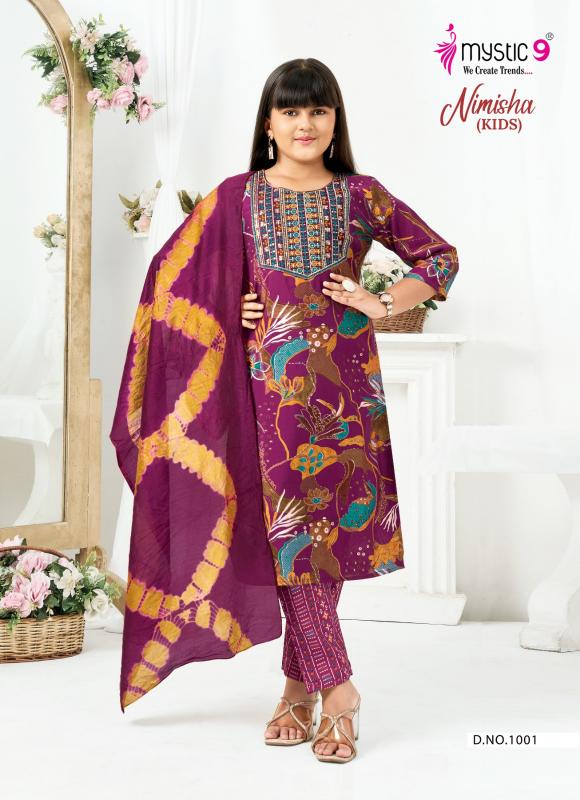
Best Indian Ethnic Wear Categories to Wholesale for Australia
Choosing the right products is one of the most important parts of wholesale buying. A broad catalogue is useful, but successful inventory should be based on customer profile, season, occasion, retail price range and expected stock rotation.
Wholesaleexport.in provides access to different fashion categories so buyers can create a balanced selection rather than depending on a single product type. The following categories are particularly relevant for Indian fashion retailers and resellers.
Wholesale Kurtis and Kurti Sets
Wholesale kurtis from Surat remain an important category because they can serve both everyday and semi-festive customers. Straight kurtis, printed kurtis, embroidered styles, A-line patterns and kurti-pant combinations give retailers multiple selling possibilities.
Kurti sets can be especially useful for customers who prefer complete coordinated outfits. Retailers can stock comfortable everyday options alongside more decorative sets for functions and celebrations.
Indian Sarees Wholesale
Sarees continue to have strong cultural and occasion-based relevance. Depending on the target customer, an Australian retailer can explore printed sarees, festive sarees, silk-look collections, Banarasi-inspired designs, party wear and designer styles.
When buying Indian sarees wholesale, retailers should consider fabric, blouse details, work quality, colour preferences and the expected retail segment. A premium wedding-focused boutique will naturally need a different assortment from an online seller targeting affordable festive fashion.
Salwar Suits and Dress Materials
Salwar suits remain a versatile category because they appeal to customers across different age groups. Ready-to-wear suits provide convenience, while dress materials are attractive to customers who prefer custom fitting.
Pakistani-inspired suits, embroidered sets, cotton suits and festive collections can all form part of a wider Indian clothing wholesale assortment. The best combination depends on whether the business primarily sells casual, premium, festive or occasion wear.
Co-Ord Sets and Indo-Western Fashion
Co-ord sets have become commercially interesting because they combine Indian prints and styling with modern silhouettes. They can appeal to younger shoppers who want outfits that feel fashionable and comfortable without looking overly traditional.
For online resellers, these styles can also be visually effective in product photos and short-form social content. A carefully selected co-ord collection can therefore complement traditional ethnic categories and broaden the retailer’s audience.
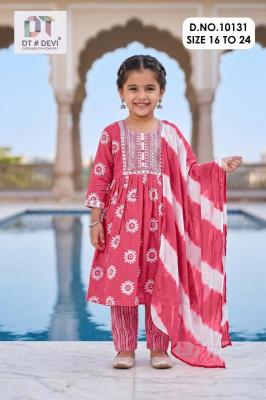
Kids Ethnic Wear
Children’s ethnic fashion can add another revenue stream for stores serving families. Festive functions, weddings and cultural celebrations often create demand for coordinated and traditional children’s outfits.
Retailers can combine women’s fashion with kids ethnic wear wholesale collections to increase the range available to family shoppers. Matching seasonal buying with major community events can make this category particularly useful.
How Australian Boutique Owners Should Plan Their Wholesale Buying
A common sourcing mistake is choosing products only because they look attractive in a catalogue. Wholesale buying should be based on what can realistically sell to the retailer’s own audience.
Before placing an order, identify your strongest customer segment. Consider age range, preferred sizes, average selling price, fabric preferences, major buying occasions and whether customers prefer traditional or modern designs. These details can dramatically improve product selection.
Start with a Balanced Product Mix
Instead of putting the complete purchasing budget into one design category, many retailers can reduce inventory risk by creating a mixed order. For example, the assortment might include everyday kurti sets, several festive options, sarees and a smaller selection of premium outfits.
Home-based sellers and newer resellers may prefer to test multiple styles in smaller quantities before increasing purchases in the categories that generate the strongest response. Shop owners and showroom owners with existing sales data can use their previous performance to plan deeper quantities in proven designs.
Calculate the Landed Cost, Not Only the Product Price
The Indian wholesale price is only one component of an international order. Australian importers should consider freight, applicable duties or taxes, customs-related charges, payment costs and local delivery expenses when calculating the final landed cost.
This calculation helps determine whether a product leaves enough margin after arriving in Australia. Buyers should also verify current Australian import and tax requirements with the relevant authorities or their customs professional because requirements can vary according to shipment value, product classification and other factors.
Businesses comparing suppliers can explore kids wear wholesale options alongside their main women’s fashion assortment. Retailers building a broader catalogue can also review mens wear wholesale categories when they want to serve additional customer segments.
What Makes a Reliable Indian Ethnic Wear Export Supplier?
International buyers need more than attractive catalogue images. A reliable supplier should communicate clearly, provide accurate product information and maintain a practical process from product selection through dispatch.
When evaluating an Indian ethnic wear wholesale supplier for Australia, buyers should pay attention to experience, quality standards, product range, communication, packaging and export knowledge. These factors become increasingly important as order values grow.
Experience in Wholesale and Export
Wholesale and international retail operate differently from individual consumer shopping. A supplier needs to understand bulk product selection, inventory availability, commercial expectations and shipment coordination.
Vastralife has been working in wholesale and export since 2017, bringing industry expertise to the sourcing process behind Wholesaleexport.in. This experience is valuable when serving different types of buyers, from first-time home-based sellers to established boutiques and wholesale businesses.
Premium Product Quality and Practical Selection
Quality is particularly important for overseas retailers because resolving a product problem after an international shipment is more complicated than handling a local purchase. Fabric feel, stitching, finishing, embellishment work and overall presentation can directly influence customer satisfaction.
At the same time, “premium” does not always mean expensive. A successful wholesale range should offer appropriate quality for its selling segment. Affordable everyday products and premium festive pieces serve different customers, and both can perform well when quality matches the expected price level.
Communication That Supports Long-Term Buying
International wholesale relationships improve when communication is straightforward. Buyers should know what they are ordering, available quantities, expected dispatch process and other relevant commercial details before committing funds.
For Australian boutiques, resellers and wholesale buyers, developing a dependable supplier relationship can also make repeat purchasing easier. Once a supplier understands the buyer’s preferred categories, price range and customer profile, future collection selection can become more focused and efficient.
Wholesaleexport.in is designed to support buyers looking beyond a one-time purchase and toward a repeatable sourcing process. This approach is also relevant for businesses sourcing Indian fashion for markets such as Singapore, Canada and New Zealand, where Indian and South Asian fashion continues to serve diverse retail audiences.
Exporting Indian Ethnic Wear from Surat to Australia
Once the right collections are selected, the next stage is planning the export from India to Australia. International wholesale shipping requires more attention than domestic dispatch because product packing, shipment weight, documentation, transport method and destination requirements can all affect the final cost and delivery experience.
For Australian wholesale buyers, it is useful to discuss the complete shipment process before confirming a large order. Understanding approximate parcel weight, dispatch expectations and available shipping methods makes it easier to calculate landed costs and plan inventory arrival around festivals, wedding seasons or promotional campaigns.
Choosing Collections Before International Dispatch
Product selection should ideally be completed with a clear retail strategy. Buyers should confirm designs, sizes, quantities and available colours before the shipment is prepared. This is particularly important when an order combines products from several categories such as kurtis, sarees, salwar suits, co-ord sets and kids wear.
Wholesaleexport.in allows wholesale buyers to explore a wide variety of collections suitable for different budgets and customer profiles. The objective is not simply to fill a shipment with products but to create commercially useful inventory that has a realistic opportunity to sell after reaching Australia.
Packaging for International Wholesale Orders
Good packaging helps protect garments during international transportation. Products should be arranged carefully so that unnecessary movement, moisture exposure and handling risks are reduced. Efficient packaging can also help manage volumetric weight, which may influence freight costs depending on the shipping method.
For higher-value products such as embellished sarees, designer suits and premium festive wear, additional care during packing may be worthwhile. Buyers should discuss their specific requirements before dispatch, especially when purchasing products intended for premium boutique presentation.
Wholesale Pricing and Profit Planning for Australian Retailers
Competitive sourcing is not simply about buying the cheapest garment available. A successful retailer needs enough margin to cover the complete landed cost, business overheads, marketing expenditure and possible markdowns while still offering customers an acceptable retail price.
When comparing Indian ethnic wear wholesale options, Australian buyers should calculate costs product by product. Two garments with similar Indian wholesale prices may have different retail potential because of fabric, design, presentation, sizing or customer demand.
Build Your Retail Margin from the Landed Cost
Suppose a product has an attractive wholesale rate in India. Before deciding its Australian selling price, consider the product cost together with international freight, import-related costs where applicable, payment expenses, local delivery, packaging and marketing.
Once the landed cost is understood, a retailer can set a selling price based on the desired margin and local market conditions. This approach is more reliable than simply multiplying the Indian purchase price by a fixed number.
Use Different Price Segments
A healthy boutique collection does not necessarily need every product in the same price bracket. Entry-level products can attract first-time buyers, mid-range styles can form the core of regular sales and premium collections can serve wedding or special-occasion customers.
This approach can be particularly effective for home-based sellers and social-media resellers. Affordable products can generate regular enquiries, while selected premium pieces can increase the average order value.
How Different Wholesale Buyers Can Use Indian Ethnic Wear
The ideal sourcing strategy depends heavily on the type of business. A showroom owner with established foot traffic will normally purchase differently from someone starting a home-based Instagram store. Understanding this distinction helps avoid unnecessary inventory.
Home-Based Sellers
Home-based sellers often benefit from starting with a focused assortment rather than purchasing too many pieces of one design. A combination of kurtis, kurti sets, co-ord sets and selected festive outfits can provide enough variety to test customer preferences.
Digital catalogues and social media make it possible to promote new arrivals quickly. Sellers can observe which styles generate enquiries and then increase investment in the categories that perform consistently.
Boutique Owners
Boutiques usually need differentiation. Customers expect carefully selected designs rather than an assortment that looks identical to every other seller. Boutique owners can combine everyday collections with distinctive embroidered suits, sarees, premium kurti sets and occasion wear.
A dependable Indian ethnic wear wholesale supplier for Australia can be especially useful for boutique owners who want to refresh collections regularly instead of carrying the same designs for long periods.
Shop and Showroom Owners
Physical retailers generally require broader size and category coverage. They may need products for customers with different ages, budgets and occasions. Maintaining a combination of fast-moving basics and visually impressive display pieces can help create a more complete store experience.
Showroom buyers can also plan purchases around local community events. Ordering ahead of Diwali, Navratri, Eid, wedding periods and other celebrations can help ensure that products are available when customer interest rises.
Resellers and Online Sellers
Online sellers need products that communicate value quickly through photographs and videos. Strong colours, visible embroidery, fashionable cuts and complete sets can perform particularly well in visual marketing.
However, presentation should never replace quality. Accurate product information and realistic customer expectations are essential for repeat business, particularly when a reseller is trying to build a long-term brand rather than generate only occasional sales.
Wholesale Buyers and Distributors
Higher-volume wholesale buyers need consistency, competitive rates and dependable supply. Their purchasing decisions may involve larger quantities, multiple designs and a broader range of price points.
For these buyers, relationships within the Surat textile market and access to manufacturing and wholesale networks can become particularly valuable. The ability to explore multiple categories through one sourcing ecosystem can reduce the complexity of building a large assortment.
Ethnic Fashion Trends Australian Buyers Should Watch in 2026
Fashion trends continue to move faster in 2026, influenced by social media, celebrity styling, weddings, cultural events and the growing overlap between traditional and contemporary clothing. Wholesale buyers should follow trends while avoiding the temptation to build an entire inventory around short-lived designs.
Comfortable Ethnic Sets
Customers increasingly expect fashion to be comfortable as well as attractive. Lightweight kurti-pant sets, breathable fabrics, practical silhouettes and coordinated outfits can work across everyday and semi-formal occasions.
This trend creates opportunities for retailers who previously focused almost entirely on heavily embellished festive garments. A balanced store can serve both regular lifestyle demand and special occasions.
Indo-Western and Co-Ord Styling
Modern customers frequently mix ethnic prints with contemporary silhouettes. Co-ord sets, tunic-style tops, fusion sets and modern kurti combinations can appeal to shoppers who want Indian influence without a completely traditional appearance.
These collections can also work for customers outside the Indian community, potentially increasing the addressable market for Australian boutiques.
Statement Festive Wear
Wedding and festival customers still want clothing that feels special. Embroidery, zari-inspired details, decorative dupattas, rich textures and premium-looking fabrics remain relevant for occasion-focused retail.
The commercial opportunity lies in matching the level of decoration to the target retail price. Not every festive customer wants a very expensive outfit, so maintaining several price tiers can help retailers serve a wider audience.
Regional Indian Designs
Banarasi-inspired sarees, Jaipuri prints, Gujarati styles and other regionally influenced designs continue to attract customers because they provide a connection to Indian textile traditions. Retailers can use these categories to create themed launches or seasonal campaigns.
Why Wholesaleexport.in for Indian Ethnic Wear Wholesale?
Wholesaleexport.in connects buyers with a broad range of Indian fashion collections while drawing on Vastralife’s wholesale and export experience since 2017. The focus is on helping retailers, boutiques, resellers and wholesale buyers access commercially relevant products through an experienced textile sourcing network.
Being connected with Surat provides access to a market where textile trading, garment manufacturing and fashion distribution operate at significant scale. The areas around Ring Road and Sahara Darwaza form an important part of this wider textile ecosystem.
Industry experience also matters when buyers need to understand product categories, pricing levels and the practical differences between domestic and international wholesale purchasing. Instead of looking only at catalogue photographs, buyers can make decisions based on customer profile, product positioning and expected selling price.
For businesses searching for an Indian ethnic wear wholesale supplier for Australia, the goal should be to develop a sourcing relationship that supports repeat purchasing. Regular access to new collections can help stores remain fresh while avoiding overdependence on a single design or season.
Internal Linking and Product Discovery
Wholesale buyers should use product categories as part of a structured sourcing process. Start by identifying the strongest customer demand, compare styles within the required price range and shortlist products according to season, occasion and expected retail margin.
When exploring Wholesaleexport.in, buyers can review multiple fashion categories instead of treating each purchase as an isolated order. This is useful for businesses building a complete Indian fashion store because women’s ethnic wear can be combined with complementary categories according to the retailer’s customer base.
The most effective approach is to revisit new arrivals regularly. Indian wholesale fashion changes quickly, and frequent product discovery can help Australian sellers identify fresh collections before their existing inventory begins to feel repetitive.
Tips for Building a Profitable Indian Clothing Business in Australia
Understand Your Local Customers First
Before increasing inventory, study actual sales. Which sizes move fastest? Do customers prefer subtle colours or bright festive shades? Are kurti sets performing better than sarees? What is the most comfortable retail price range?
Real customer data is more valuable than assumptions. Use previous sales, enquiries and social-media responses to guide the next wholesale purchase.
Do Not Overbuy One Trend
Even when one design is performing well, fashion can change quickly. Maintaining variety reduces the risk of having too much money locked into one style.
A mixed collection also gives customers more reasons to browse. Someone entering a store for a kurti may discover a saree or festive suit, increasing opportunities for additional sales.
Use Social Media Before Stock Arrives
Retailers can create anticipation for incoming collections through previews, reels, WhatsApp updates and customer groups. Showing selected upcoming products can also provide early feedback about which designs customers prefer.
This strategy can be useful for smaller businesses because customer responses provide additional information before the next wholesale buying decision.
Plan Seasonal Purchases Early
International shipments require more planning than local restocking. Do not wait until the festival or wedding season has already started before sourcing major seasonal collections.
Build a calendar around important selling periods and allow sufficient time for product selection, order processing, international transportation and local merchandising.
Customer FAQs
1. Where can I buy Indian ethnic wear wholesale for Australia?
Australian boutique owners, resellers, shop owners and wholesale buyers can source Indian ethnic wear from Surat-based suppliers and online wholesale platforms such as Wholesaleexport.in. Buyers can explore categories including kurtis, kurti sets, sarees, salwar suits, co-ord sets, dress materials and kids wear before planning an international order.
2. Why should Australian retailers source ethnic wear from Surat?
Surat has a large textile and garment trading ecosystem with access to manufacturers, wholesalers and regularly changing fashion collections. This allows retailers to explore multiple styles and price segments from one major sourcing destination.
3. Can home-based resellers in Australia buy Indian wholesale clothing?
Yes. Home-based sellers can source Indian clothing for resale, although they should confirm current order conditions, shipping charges and import requirements before purchasing. Starting with a carefully selected product mix can help newer sellers test local demand before increasing inventory.
4. Which Indian ethnic wear products are popular for boutique businesses?
Kurti sets, sarees, salwar suits, Pakistani-inspired suits, co-ord sets, festive wear and designer outfits are commonly considered by boutique businesses. The right collection depends on the boutique’s location, customer age group, price range and occasion focus.
5. How should I calculate my selling price in Australia?
Start with the Indian wholesale product cost and add freight, applicable import costs, local delivery, packaging, marketing and other business expenses. The resulting landed cost can then be used to establish a retail price that provides a commercially sustainable margin.
6. Does Wholesaleexport.in provide new Indian fashion collections?
Wholesale fashion is continuously updated according to availability and market trends. Buyers should check current collections directly because designs, stock and pricing can change as new products enter the market.
7. What should I check before placing a bulk export order?
Confirm product details, quantities, sizes where applicable, wholesale rates, stock availability, payment conditions, approximate shipping costs and dispatch expectations. Australian buyers should separately verify current customs, tax and import requirements applicable to their business and shipment.
8. Is Indian ethnic wear suitable only for festival sales?
No. While festivals and weddings can create strong demand, everyday kurtis, comfortable sets, cotton styles and Indo-western fashion can support year-round sales. A balanced collection helps retailers avoid depending entirely on seasonal business.
Start Sourcing Indian Ethnic Wear for Your Business
Whether you operate a home-based business, Instagram store, boutique, retail shop, showroom or wholesale distribution business, sourcing directly from India can open access to a much larger fashion ecosystem. The key is to choose products according to your customers, calculate the complete landed cost and work with an experienced supplier who understands wholesale requirements.
With textile industry expertise, premium product quality and wholesale and export experience through Vastralife since 2017, Wholesaleexport.in helps buyers explore Indian fashion collections for domestic and international business. From Surat’s major textile ecosystem to customers in Australia and other international markets, the focus remains on providing practical wholesale sourcing opportunities for businesses of different sizes.
If you are looking for a dependable Indian ethnic wear wholesale supplier for Australia, explore the latest available collections and build your next inventory around products that match your customers, budget and selling strategy.
Grow Your Fashion Business with Wholesaleexport.in
Ready to explore your next wholesale collection? Connect with the team for current products, availability and wholesale buying information.
- Latest Collections – Explore fresh and regularly updated fashion designs.
- Wholesale Pricing – Source products at competitive wholesale rates.
- Trendy Ethnic Wear – Discover kurtis, sarees, suits, co-ord sets and more.
- Fast Shipping – Shipping support for wholesale orders based on destination and order requirements.
- COD Support – Available for eligible orders in India according to applicable terms.
- Bulk Order Deals – Contact the team for suitable bulk-order opportunities.
- Quality Products Starting From ₹299 – Explore value-focused wholesale collections subject to current stock and product availability.
Contact Number: +91 9712582172
Website: wholesaleexport.in
Build a stronger product range, discover new Surat collections and source Indian fashion for your retail or resale business with a wholesale partner focused on long-term business relationships.