


Indian Clothing Wholesale Supplier for South Africa: Ethnic Wear Sourcing Guide 2026
Indian Clothing Wholesale Supplier for South Africa: Ethnic Wear Sourcing Guide 2026
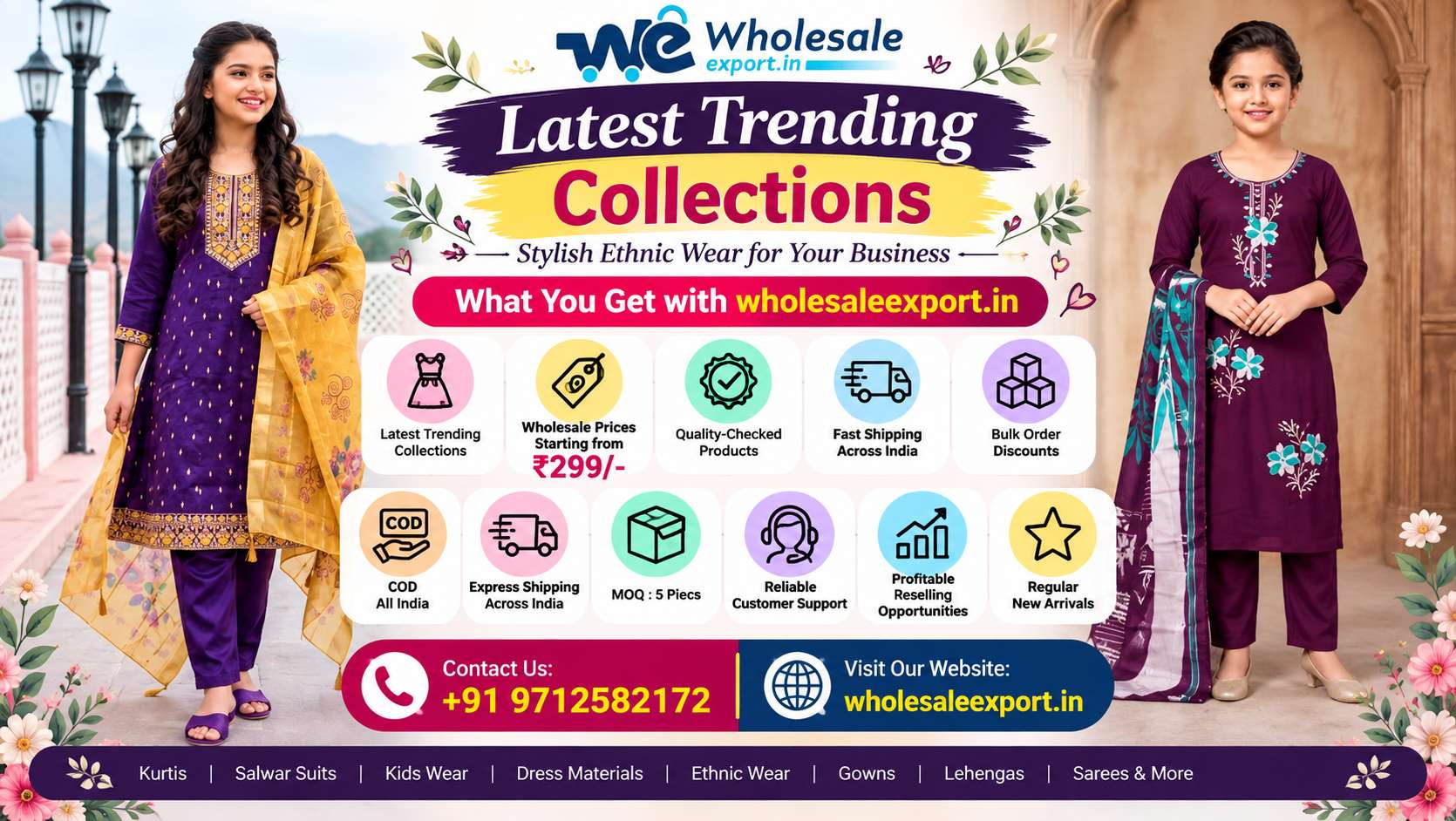
South African fashion retailers looking to expand their Indian clothing range need more than attractive catalogues. Consistent quality, practical wholesale quantities, reliable dispatch, competitive pricing and access to frequently updated designs all influence whether imported stock becomes profitable at retail. With Surat serving as one of India’s major textile sourcing centres, buyers can access a broad mix of ethnic and contemporary Indian fashion for boutiques, stores, online businesses and resale operations.
Introduction
Demand for Indian fashion extends well beyond India. Traditional celebrations, weddings, cultural events, festive occasions and the growing visibility of South Asian fashion have created opportunities for retailers serving customers in markets such as South Africa. For a boutique owner or reseller, however, finding an Indian clothing wholesale supplier for South Africa is only the beginning. The supplier also needs to support the practical requirements of an international wholesale business.
Buyers generally need access to multiple categories, clear product information, dependable quality, manageable order quantities and export-oriented support. This is particularly important when the retailer is thousands of kilometres away from the source market and cannot personally inspect every new collection before ordering.
Wholesaleexport.in is designed to connect wholesale buyers with Indian fashion sourcing opportunities from Surat. The wider business experience associated with Vastralife goes back to 2017, bringing years of wholesale and export exposure to the sourcing process. This industry experience helps buyers explore products according to category, target customer, season, budget and expected retail positioning rather than selecting merchandise only because a catalogue looks attractive.
For South Africa Indian clothing wholesale buyers, the opportunity covers far more than one product type. Kurtis, salwar suits, Pakistani-style suits, dress materials, sarees, lehenga choli, kids ethnic wear, gowns and other women’s fashion categories can help retailers build a more complete assortment.
Why South African Retailers Source Indian Clothing from India
Buying closer to the Indian textile and manufacturing ecosystem can give retailers access to a significantly wider selection of designs. Instead of depending only on merchandise already imported by another intermediary, buyers can explore collections closer to their original wholesale source.
This matters particularly for retailers that compete on variety. A customer shopping for an everyday kurti may have completely different expectations from someone searching for wedding clothing, a festive lehenga or a premium embroidered salwar suit. Sourcing different categories through an experienced wholesale channel makes it easier to build merchandise for several customer segments.
Access to a Broader Product Range
A well-planned Indian clothing order can include everyday and occasion-focused merchandise. Retailers can source wholesale kurtis, cotton kurtis, kurti sets, designer suits, sarees, festive outfits, dress materials, kids wear, lehenga choli and other ethnic styles according to their store positioning.
This category depth is valuable for home-based sellers and smaller boutiques too. They may not require extremely large quantities of every individual design, but they still need enough variety to keep social media pages, WhatsApp catalogues and online storefronts looking fresh.
Direct Access to Surat’s Textile Ecosystem
Surat has developed an extensive textile trading and production network. Buyers searching around the surat textile market, ring road and sahara darwaza encounter a large ecosystem connected with fabrics, sarees, dress materials, ethnic wear and ready-made garments.
For an international buyer, physically visiting every manufacturer and wholesaler is rarely practical. An online wholesale platform can simplify the discovery process by bringing multiple product choices into a more accessible sourcing channel.
Indian Fashion Categories South African Buyers Can Consider
The strongest wholesale assortment is usually built around the retailer’s actual customer base rather than simply ordering whatever is trending in India. South African shop owners should consider occasion, climate, customer age, community demand and average selling price before deciding quantities.
Kurtis and Kurti Sets
Kurtis remain one of the most adaptable categories for Indian fashion resellers. Cotton styles can work for everyday customers, while embroidered, printed, rayon and coordinated kurti sets can target customers looking for more complete outfits.
For retailers testing Indian fashion for the first time, wholesale kurti suppliers in India can provide a useful starting category because kurtis cover multiple price bands and styling preferences. Long kurtis, straight cuts, A-line designs, printed kurtis, office-friendly pieces and festive designs can all serve different retail segments.
Salwar Suits and Pakistani-Style Suits
Salwar suits remain important for buyers who want complete ethnic outfits. Depending on the collection, products may combine a kurta or kameez with trousers and a dupatta. Embroidery, prints, lace details, zari-inspired work and contemporary silhouettes allow stores to carry both daily and occasion-oriented merchandise.
Pakistani-inspired silhouettes have also attracted attention because of their elegant cuts, longer lengths and detailed presentation. Retailers can compare fabric, work, size availability and wholesale price before building their assortment.
Sarees for Traditional and Occasion Retail
Wholesale sarees from Surat give retailers access to a broad category covering printed, festive, party, traditional and contemporary looks. Saree buying should be segmented carefully because customers purchasing for a wedding may expect a completely different product from those buying a lighter saree for regular or semi-formal use.
For 2026 inventory planning, retailers can create separate buying budgets for accessible everyday designs and higher-value occasion products. This helps avoid putting too much working capital into only one price bracket.
Lehenga Choli and Festive Fashion
Lehenga choli collections can become important during wedding and celebration-driven sales periods. Embroidered designs, floral patterns, contemporary pastel combinations and traditional colour palettes provide retailers with options for different customer tastes.
For boutiques, product photography and detailing are especially important in this segment because the customer often evaluates embroidery, flare, blouse design, dupatta styling and overall presentation before asking about price.
Kids Ethnic Wear Can Expand the Retail Basket
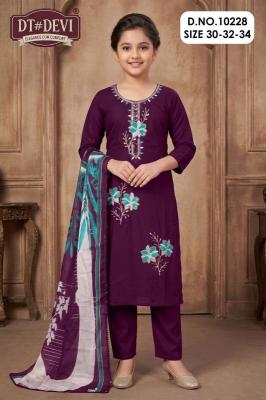
Indian clothing sourcing does not have to stop at women’s fashion. Kids ethnic wear wholesale can help boutiques build family-oriented festive selections, particularly when customers want coordinated shopping for weddings, celebrations and cultural occasions.
Girls’ kurtis, ethnic sets, festive dresses and other children’s clothing can complement adult categories. For a retailer already importing Indian apparel, adding carefully selected kids merchandise may help increase the number of products purchased by one family.
However, children’s inventory needs disciplined size planning. Instead of concentrating heavily on one size, buyers should review the available size ratio and decide whether the collection suits their existing customer demographic.
How to Evaluate an Indian Clothing Wholesale Supplier
Selecting an Indian clothing wholesale supplier for South Africa should involve more than comparing the lowest quoted price. A slightly cheaper garment that creates quality complaints or cannot be replenished efficiently can ultimately cost the retailer more than a carefully sourced product.
Check Product Information Before Ordering
Review fabric information, available sizes, colour combinations, catalogue quantities, design details and what is included in each set. For example, buyers should know whether a listed suit includes a dupatta and bottom or whether the listing refers only to the kurta.
Clear product information also makes retail marketing easier after the merchandise arrives. Store owners can prepare product descriptions, social posts and customer messages without repeatedly requesting basic details.
Compare Value, Not Only Wholesale Price
Indian clothes wholesale price varies substantially depending on fabric, embroidery, finishing, brand, design complexity and quantity. A useful buying strategy is to divide the order into price segments instead of searching for one universal price point.
A boutique might carry accessible products to encourage regular purchases, mid-range merchandise for customers wanting something more distinctive and selected premium styles for weddings or important celebrations. This creates a broader retail proposition while keeping inventory risk under control.
Look for Consistency in Quality
International buyers have additional logistics between purchasing and selling. Quality therefore deserves attention before bulk quantities are increased. Stitching, fabric feel, finishing, colour presentation, embroidery and overall garment construction can influence repeat sales.
Wholesaleexport.in focuses on connecting buyers with premium product quality and a broad selection of Indian fashion while drawing on Vastralife’s wholesale and export experience since 2017. For resellers, that industry background is useful when moving from occasional sourcing to regular inventory purchasing.
Planning Wholesale Inventory for South Africa in 2026
A retailer does not need every available design. The objective is to buy merchandise that fits the store’s customers and turns inventory at a healthy pace. In 2026, digital catalogues and online sourcing make it easier to view large numbers of designs, but that convenience can also encourage overbuying.
A practical purchase plan can separate inventory into core sellers, trend-led products and occasion merchandise. Core products are the styles a business expects to sell repeatedly. Trend products provide freshness, while occasion products can command stronger ticket values during relevant periods.
Start with Customer Demand
Before placing an order, retailers can review which colours, sizes, silhouettes and price points generated the strongest response from previous customers. New sellers can begin with a diversified assortment rather than committing most of their capital to a single catalogue.
Home-based sellers can also use catalogue previews to measure customer interest before increasing quantities. Boutique owners and showroom operators, meanwhile, may need deeper size and style coverage because customers expect products to be available immediately.
Plan Reorders Before Stock Becomes Too Low
International sourcing involves additional time for order processing, packing, export from India, transportation and destination procedures. Retailers should therefore avoid waiting until a successful product is completely sold out before beginning the next buying cycle.
Regular communication with the supplier can help stores identify new arrivals and potential alternatives when an earlier design is no longer available.
Building an Export-Friendly Product Mix
An export order should balance visual variety with commercial practicality. Instead of filling a shipment with near-identical styles, buyers can create a coordinated assortment across different use cases. Everyday kurtis may provide frequent turnover, while sarees, suits and lehengas can serve customers shopping for events.
This model is relevant not only to South Africa. Wholesale businesses serving markets such as Australia, Canada and New Zealand can also adapt their Indian clothing selections according to local customer demand, seasons and community preferences.
International retailers should always confirm applicable shipping charges, customs requirements, taxes and destination import procedures separately when calculating landed cost. Product price alone is not the final cost of imported inventory.
Why Online Wholesale Sourcing Helps Smaller Retailers
Online sourcing has made Indian wholesale merchandise more accessible to businesses that cannot travel regularly to Surat. A retailer can review new catalogues remotely, shortlist suitable categories and communicate purchase requirements before arranging an order.
Wholesaleexport.in provides an online route for buyers exploring Indian clothing categories without needing to personally navigate the many markets around Surat for every purchase.
For home-based sellers and resellers, this accessibility can be particularly valuable because the business may be run without a large physical showroom. Products can be marketed through Instagram, Facebook, WhatsApp, websites and local customer networks, allowing the seller to build demand before expanding inventory.
Useful Wholesale Search Terms for Buyers
Buyers commonly search for terms such as Indian ethnic wear wholesale, Indian clothing exporters, wholesale women’s clothing India, Surat kurti wholesale, saree wholesaler India, wholesale salwar suits, kids wear wholesale, designer lehenga wholesale, Indian boutique clothing supplier, wholesale dress materials, Indian fashion exporters and bulk ethnic wear supplier.
These searches reflect an important point: retailers are rarely looking for clothing alone. They are looking for a sourcing relationship that combines selection, price, quality and dependable fulfilment.
For businesses preparing larger 2026 purchasing plans, this is where supplier experience becomes more important than simply finding the largest online catalogue.
Once a retailer has identified the right categories, the next step is to structure the order around actual selling opportunities in South Africa. A balanced assortment can include everyday pieces for regular turnover, festive clothing for seasonal demand, and selected premium designs for customers shopping for weddings, religious celebrations, family functions and special events. This approach allows buyers to serve different budgets without depending too heavily on a single product category.
Retailers can also consider colour preferences carefully. Bright festive shades, elegant neutrals, pastels, jewel tones and traditional colour combinations can all have a place in an Indian fashion assortment. The ideal mix depends on the store's audience, location and customer profile. Reviewing previous sales before every bulk purchase can help identify which colours and silhouettes deserve deeper stock.
Wholesale Kids Wear Opportunities for South African Retailers
Kids fashion can become an additional revenue category for retailers already selling Indian women's clothing. Parents shopping for weddings, festivals and family occasions may also want coordinated or complementary outfits for children. This creates an opportunity to offer girls' ethnic sets, kids kurtis, festive dresses, traditional outfits and contemporary Indo-western designs alongside adult collections.
Buyers looking to expand into this category can explore kids wear wholesale selections and compare available designs, sizes and price points according to their target customers. Instead of purchasing very deep quantities of one design initially, new resellers can test several styles and increase quantities after identifying faster-moving products.
Why Size Planning Matters in Kids Clothing
Children's clothing requires more careful size distribution than many adult fashion categories. A visually attractive design can still become difficult inventory if the retailer buys the wrong size ratio. Wholesale buyers should therefore review the complete size set, age group and available measurements before finalising bulk quantities.
Retailers can also create separate buying groups for younger children and older girls rather than treating all kids wear as one category. This makes merchandising clearer both in physical stores and online catalogues.
Build Family Shopping Opportunities
A boutique selling sarees, salwar suits, kurtis and lehengas can position kids wear as an additional purchase instead of an isolated department. During wedding and festive periods, customers may be purchasing clothing for several family members. Showing related adult and children's products together can help improve the overall value of each retail transaction.
Sourcing from Surat for South Africa
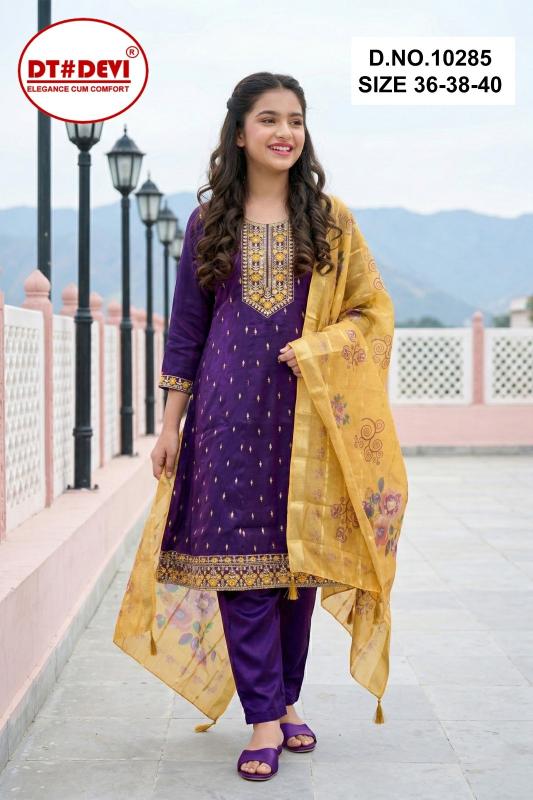
Surat is one of the key sourcing destinations for Indian textiles and fashion merchandise. The commercial areas around the surat textile market, ring road and sahara darwaza connect buyers with a large network of traders, brands, suppliers and manufacturing businesses. This concentration of textile activity makes Surat relevant to both domestic wholesale purchasing and international export sourcing.
For South African businesses, however, travelling to India for every purchasing cycle is not always practical. Online sourcing can reduce this dependency by allowing buyers to view products remotely and communicate order requirements before merchandise is processed for dispatch.
Wholesaleexport.in gives retailers another way to access products connected with India's wholesale fashion ecosystem. Buyers can compare different categories instead of relying on a single type of merchandise for their entire store.
Wholesale Dress Materials and Unstitched Fashion
Alongside ready-made clothing, some retailers may find demand for dress materials and unstitched products. Customers who prefer personalised tailoring can choose fabric and create garments according to their measurements or styling preferences.
Retailers evaluating this segment can browse wholesale kurti collections alongside dress materials and other ethnic categories to build a more diverse buying plan. This can be particularly useful for stores serving customers with varied preferences between ready-made and customised clothing.
Understanding Wholesale Price and Landed Cost
One of the most important calculations for an Indian clothing wholesale supplier for South Africa order is the difference between product price and landed cost. The wholesale product rate is only one part of the total investment required to place imported merchandise on a South African retail shelf.
Buyers should calculate the merchandise value together with packaging, freight, applicable customs duties, taxes, clearance costs and other destination expenses relevant to their shipment. These expenses can vary according to shipment type, product classification, value, weight and current regulations, so they should be confirmed before committing to a major order.
Calculate Retail Margin Before Buying
A product should not be selected only because its Indian wholesale rate appears attractive. Retailers should estimate the final landed cost and compare it with the realistic selling price in their market. This provides a much clearer view of potential gross margin.
For example, a lower-priced everyday kurti may generate faster repeat sales, while a premium lehenga could deliver a larger amount of gross profit per piece but sell less frequently. A healthy wholesale order can include both kinds of products when the retailer understands the role each category plays.
Do Not Build an Entire Order Around the Lowest Price
Price-sensitive merchandise is important, but customers also evaluate fabric, fit, finishing, styling and presentation. Selecting only the cheapest available products may make it difficult for a boutique to build a distinctive reputation. A better strategy is to create different price levels while maintaining acceptable quality standards across the assortment.
Vastralife's wholesale and export experience since 2017 contributes practical industry knowledge to this sourcing environment. The focus on product selection and premium product quality is particularly relevant for international buyers who cannot physically inspect every collection in Surat before ordering.
Indian Clothing Export Planning for South Africa
Export buying works best when purchasing and logistics are planned together. Retailers should decide what they need, when they need it and how much inventory they can realistically sell after the shipment arrives. Seasonal stock ordered too late may lose part of its selling window even when the products themselves are excellent.
South African buyers should therefore discuss product availability and expected processing requirements before planning promotional dates. Shipping and customs time should be treated separately from the supplier's merchandise preparation period.
Keep Product Records Organised
Wholesale buyers can maintain records of catalogue names, design numbers, sizes, quantities, purchase rates and customer response. This simple practice becomes increasingly valuable as the business grows because it helps identify repeatable buying patterns.
Instead of remembering that a particular "blue suit" sold well, a retailer can identify the exact design, price bracket, size distribution and purchasing period. Better records lead to better reordering decisions.
Use Smaller Tests for New Categories
When entering a category that has not previously been sold in the store, testing can reduce unnecessary inventory exposure. A reseller can begin with a controlled assortment, collect customer feedback and then place a larger follow-up order for the products receiving the strongest response.
This strategy is useful for home-based sellers as well as established boutiques. It can be applied to new kurti styles, kids wear, sarees, salwar suits, gowns, dress materials and premium wedding collections.
How South African Resellers Can Sell Indian Fashion Online
Wholesale sourcing and digital retail can work particularly well together. A reseller does not necessarily need a large showroom to start presenting Indian fashion to customers. High-quality product images, accurate descriptions, responsive communication and a consistent social media presence can support sales through digital channels.
Instagram and Facebook can be used for visual discovery, while WhatsApp can support direct customer communication and repeat purchasing. An independent website can give established sellers a more structured catalogue and checkout experience.
Use Product-Specific Descriptions
A product post should communicate more than "new arrival." Customers are more likely to make a confident enquiry when they can understand the product type, fabric, size options, colour, set components and suitable occasion.
Retailers can also use phrases that match genuine buying intent, such as Indian ethnic wear in South Africa, designer kurti collection, wedding lehenga, festive salwar suit, Indian sarees, kids ethnic clothing and boutique Indian fashion. Descriptions should remain natural rather than repeating the same keywords excessively.
Refresh the Catalogue Regularly
Regular new arrivals give existing customers a reason to revisit the store. This is especially important for resellers using social platforms, where fresh merchandise provides ongoing content for reels, posts, stories and customer broadcasts.
Wholesaleexport.in can be used by buyers looking for updated Indian fashion options across multiple categories. Rather than waiting until an entire inventory cycle is complete, retailers can plan periodic sourcing according to sales performance and available working capital.
Indian Clothing Wholesale Opportunities Beyond South Africa
The same sourcing infrastructure can support retailers operating in several international markets. Indian fashion businesses may serve buyers in countries such as Australia, Canada and New Zealand, but product selection should always be adjusted to the destination market rather than assuming one assortment will perform equally everywhere.
Climate, customer demographics, festival calendars, local fashion preferences and retail price expectations can vary considerably. An export buyer should therefore treat each destination as a separate retail market even when merchandise comes from the same Indian manufacturing and wholesale ecosystem.
For South Africa specifically, retailers can use previous sales, customer enquiries and social media engagement to identify the products most relevant to their audience. This demand-led approach is generally more sustainable than purchasing solely according to what is popular with domestic Indian buyers.
Internal Linking Section: Explore Relevant Wholesale Categories
Retailers building a broader Indian fashion inventory should explore complementary categories rather than depending on one merchandise segment. Women's ethnic wear can be combined with sarees, salwar suits, kurtis, lehenga choli, dress materials and kids wear to create a stronger store assortment.
The objective is not to stock every available product. It is to select categories that naturally fit the same customer base. A boutique known for occasion wear may prioritise embellished suits and lehengas, while a reseller focused on everyday fashion may allocate more purchasing budget to kurtis, cotton styles and accessible ready-made sets.
When reviewing products on Wholesaleexport.in, buyers can compare catalogue presentation, design, available sizes, price and intended customer segment before finalising the order. This approach keeps wholesale purchasing connected to actual retail demand.
Customer FAQs
1. Where can South African retailers buy Indian clothing wholesale?
South African boutiques, resellers, shop owners and wholesale buyers can source Indian clothing from wholesale suppliers and online sourcing platforms connected with Indian textile markets. Wholesaleexport.in provides access to multiple Indian fashion categories for buyers exploring wholesale and export sourcing from India.
2. What Indian clothing categories can a South African boutique source?
Depending on current availability, buyers can explore categories such as kurtis, kurti sets, salwar suits, sarees, dress materials, lehenga choli, gowns, kids wear and other ethnic fashion. The right combination should be selected according to the boutique's customer profile and selling price range.
3. Can home-based resellers purchase wholesale Indian fashion?
Yes. Home-based sellers can build an Indian clothing business by purchasing wholesale merchandise and selling through WhatsApp, Instagram, Facebook, websites or existing customer networks. They should confirm the applicable minimum order requirement for the products they select before placing an order.
4. How should I calculate the cost of importing clothing from India to South Africa?
Start with the product value and then account for applicable packing, freight, customs duty, taxes, clearance and other destination charges. Because import requirements and costs can change, buyers should verify current South African customs and tax requirements with the relevant authority or logistics professional before calculating the final retail margin.
5. Is Surat suitable for wholesale ethnic wear sourcing?
Surat has a large textile trading and manufacturing ecosystem and is widely associated with sarees, fabrics, dress materials and ready-made fashion. Areas around Ring Road and Sahara Darwaza are closely connected with the city's textile trade, making Surat an important sourcing location for domestic and export buyers.
6. What should I check before placing a bulk clothing order?
Review the product photos, fabric, available sizes, colours, set components, catalogue quantity, wholesale price and current availability. International buyers should also confirm payment, dispatch and shipping arrangements before finalising the purchase.
7. What products should a new South African Indian clothing reseller start with?
A diversified test assortment can be more practical than investing heavily in one unfamiliar category. Depending on the intended audience, a reseller could test everyday kurtis, coordinated sets, selected salwar suits and a smaller number of occasion products before using actual sales data to guide reorders.
8. Can retailers source premium Indian ethnic wear as well as affordable products?
Yes. Indian wholesale fashion covers multiple price segments. Retailers can combine affordable everyday merchandise with mid-range collections and premium festive or wedding products, creating choices for customers with different budgets.
9. Why is regular new stock important for fashion resellers?
New arrivals help maintain customer interest and give resellers fresh material for social media, WhatsApp marketing and in-store displays. Regular purchasing also allows the retailer to respond to changing customer preferences without relying entirely on older inventory.
10. Does wholesale sourcing make sense for an established showroom?
Yes. Showroom owners can use wholesale sourcing to build deeper category coverage and maintain a broader selection of sizes, colours and price points. Larger buyers can also plan bulk purchasing around their historical sales patterns and seasonal requirements.
Source Indian Ethnic Wear for Your Business
If you are searching for an Indian clothing wholesale supplier for South Africa, build your buying strategy around product quality, category selection, competitive pricing and dependable sourcing rather than choosing merchandise on price alone.
Explore Latest Collections, Wholesale Pricing, Trendy Ethnic Wear, Fast Shipping, COD Support where applicable, Bulk Order Deals and Quality Products Starting From ₹299. Product availability, prices, shipping options and COD eligibility should be confirmed for the specific order and destination.
Whether you are a home-based seller, boutique owner, shop owner, showroom operator, reseller or wholesale buyer, a carefully selected Indian fashion range can help you serve customers across everyday, festive and occasion-wear segments.
Contact: +91 9712582172
Website: wholesaleexport.in
Connect with the wholesale team to explore current collections, discuss bulk requirements and plan your next Indian ethnic wear order for South Africa.