


Imported Pakistani Dress Material Wholesale in 2026 – Premium Collections for Boutiques & Resellers
Imported Pakistani Dress Material Wholesale in 2026 – Premium Collections for Boutiques & Resellers
Pakistani-inspired ethnic fashion continues to attract buyers who want graceful silhouettes, detailed embroidery, coordinated dupattas and a premium boutique appearance. For retailers and resellers, choosing the right collection is not simply about finding an attractive catalogue; it is about matching fabric, design, price range and seasonal demand with the customers who will actually purchase it.
Introduction
The market for Imported Pakistani Dress Material has developed into an important category for boutiques, ethnic-wear stores, home-based sellers and online resellers. Customers are increasingly comfortable exploring longer kameez patterns, sophisticated embroidery, elegant colour combinations, lawn-style fabrics, organza detailing and statement dupattas that create the distinctive Pakistani suit look.
For wholesale buyers, this creates an opportunity to build collections that feel different from standard salwar suit inventory. Instead of competing only on the lowest price, sellers can offer products with stronger visual appeal, better presentation and a boutique-oriented identity.
Wholesaleexport.in helps B2B buyers explore women’s ethnic-wear collections suitable for different retail segments. Supported by Vastralife’s wholesale and export experience since 2017, the sourcing approach focuses on practical industry knowledge, product variety and premium product quality for businesses that need fresh stock regularly.
Whether you operate a boutique, showroom, retail shop, online store or home-based reselling business, the right Pakistani dress material wholesale selection can help you add variety without making your inventory look repetitive.
Why Pakistani Dress Materials Have Strong Boutique Appeal
One of the biggest reasons Pakistani-style suits attract attention is their distinctive presentation. The designs often use embroidery placement, longer shirt patterns, coordinated bottoms and expressive dupattas in a way that creates a complete premium look rather than making each component feel separate.
Elegant Designs That Look Premium
Customers shopping for festive occasions, family functions, Eid, weddings and social gatherings frequently want an outfit that looks refined without necessarily moving into extremely heavy bridal wear. This is where premium Pakistani suits can fit naturally into a retailer’s assortment.
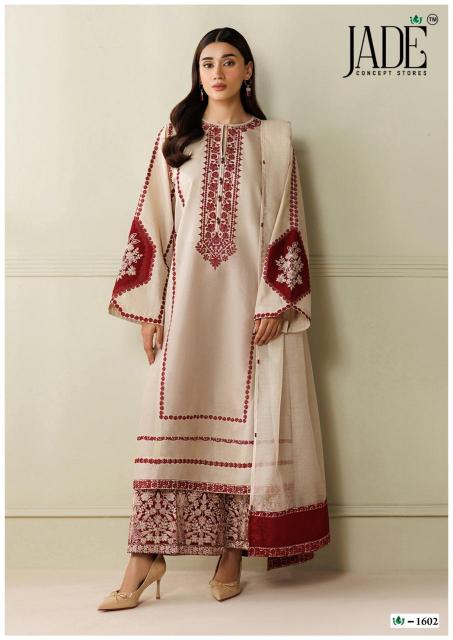
Fine embroidery around the neckline, front panel, sleeves or borders can create an expensive appearance while still keeping the outfit practical. Organza borders, embroidered dupattas, printed lawn fabrics, jacquard textures and coordinated colour palettes can further increase the perceived value of the collection.
A Category Suitable for Multiple Customer Budgets
Pakistani-style fashion is not restricted to one price segment. A wholesale buyer can source everyday printed designs, semi-festive embroidered pieces and premium occasion-wear collections. This allows businesses to maintain several retail price points instead of depending on only one type of customer.
For a home-based seller, affordable catalogue selections may provide faster rotation. A premium boutique may prefer detailed embroidered Pakistani suits with stronger visual differentiation. Showroom owners can combine both and provide customers with a wider choice.
What Buyers Should Check Before Purchasing Imported Pakistani Dress Material
Catalogue photographs are important, but professional wholesale buying requires a closer look at the complete product specification. A beautiful model photograph may generate customer interest, but repeat business depends on whether the actual fabric and detailing meet expectations.
Fabric Quality and Feel
The first consideration should be fabric. Cotton, lawn-style cotton, viscose, muslin, rayon blends, silk blends, georgette, organza and other fabrics can create very different final garments. Buyers should select according to climate, occasion, customer budget and the type of stitching commonly preferred by their audience.
For summer-oriented customers, breathable and lighter materials can be practical. Festive customers may prefer richer fabrics with embroidery or decorative detailing. Premium buyers often evaluate the complete combination rather than fabric alone.
Embroidery Coverage and Finishing
When comparing Pakistani suit wholesale price, buyers should check how much work is included. Two designs with similar photographs may have different embroidery density, sleeve detailing, border work or dupatta finishing.
Wholesale decisions should therefore compare equivalent products rather than simply choosing the lowest quoted rate. Better finishing can support a higher retail presentation and may provide stronger value for boutique customers.
Dupatta and Bottom Coordination
The dupatta can dramatically change the appearance of Pakistani-style dress material. Embroidered organza, printed chiffon, woven dupattas and decorative borders can turn a relatively simple kameez into a stronger occasion-wear product.
Buyers should also confirm what is included with each catalogue: top fabric, bottom fabric, dupatta, lining where applicable and any separate embroidered patches or borders. Clear product understanding reduces confusion when presenting the collection to customers.
Popular Pakistani Suit Styles for Wholesale Buyers in 2026
For 2026, wholesale purchasing works best when retailers maintain a mixture of wearable designs and attention-grabbing statement pieces. Buying only heavy designs can restrict the customer base, while carrying only basic suits may make a boutique collection feel ordinary.
Pakistani Lawn Suit Collections
Pakistani lawn suits wholesale can work well for buyers seeking lightweight products with attractive prints, embroidery and coordinated dupattas. They can be especially useful for retailers serving customers who want elegant ethnic wear suitable for extended daytime use.
Printed floral patterns, sophisticated geometric motifs, delicate embroidery and softer colour combinations can be mixed with stronger seasonal shades to create variety within the same category.
Embroidered Pakistani Dress Materials
Embroidery remains an important selling point in premium Pakistani-style fashion. Neckline work, front-panel embroidery, sleeve motifs, borders and embroidered dupattas give retailers strong visual material for product photographs, reels and WhatsApp catalogues.
For boutiques, these products also provide customization opportunities. Tailoring can modify the neckline, sleeve pattern, trouser cut or garment length while retaining the original character of the material.
Festive and Wedding Pakistani Suits
Wedding and festive customers generally look for richer detailing. Sequins, thread embroidery, zari-inspired work, decorative borders and statement dupattas can create the premium appearance required for engagement functions, festive gatherings, wedding events and receptions.
Retailers should nevertheless avoid assuming that heavier always means better. A balanced design with refined embroidery can often appeal to more customers than an excessively decorated product.

Surat as a Sourcing Hub for Pakistani-Style Ethnic Wear
Surat has a large textile ecosystem covering fabric, processing, embroidery, printing, designing, finishing, manufacturing and wholesale distribution. This makes the city relevant for buyers who want to source multiple women’s ethnic-wear categories through one textile hub.
Areas connected with the Surat textile market, including Ring Road and Sahara Darwaza, are familiar sourcing destinations for wholesale buyers. The concentration of suppliers and textile businesses makes it possible to compare different categories, price levels and product presentations within the broader Surat market.
Why Wholesale Buyers Source Through Surat
A key advantage is variety. Buyers can explore Pakistani-style dress materials alongside salwar suits, sarees, kurtis, lehengas and other women’s ethnic-wear categories. This is useful for retailers who want to build a complete store assortment instead of depending on one product category.
Regular catalogue movement is another advantage. Fashion retailers need fresh designs because customers who follow a seller on WhatsApp, Instagram or other digital channels expect to see new products rather than the same catalogue repeatedly.
Understanding Imported and Pakistani-Inspired Collections
The term Imported Pakistani Dress Material is frequently used in the market for products associated with Pakistani fashion aesthetics, but wholesale buyers should confirm the actual origin of any specific catalogue before marketing it as imported. A Pakistani-inspired design manufactured or supplied through India should not automatically be represented to customers as physically imported from Pakistan.
This distinction matters for transparent selling. Buyers can ask the supplier about the brand, manufacturing origin, fabric specifications and product details before creating advertisements or retail descriptions.
Wholesale Price Planning for Pakistani Dress Materials
The right purchasing decision is not necessarily the product with the lowest price. Retailers need to evaluate the relationship between wholesale cost, perceived customer value and realistic selling potential.
A basic printed suit and a detailed embroidered catalogue cannot be compared purely by per-piece price. Fabric quality, embroidery, dupatta work, finishing, catalogue presentation and demand all contribute to the final value.
Plan Your Retail Margin Before Purchasing
Before placing an order, calculate the approximate landed cost. This can include the product cost, transportation, packaging, payment expenses and any additional business costs. For international buyers, freight, customs and applicable destination charges should also be considered.
After calculating these expenses, compare the expected selling price in your market. This provides a more useful purchasing picture than judging products from wholesale rates alone.
Start with Controlled Quantities
Home-based sellers and newer boutiques can reduce stock risk by starting with selected catalogues rather than purchasing large quantities across every design. Once customer response identifies fast-moving colours, fabrics and price segments, repeat purchasing can become more focused.
Larger showroom owners and established wholesale buyers can use the same principle at scale: maintain breadth across several collections while purchasing deeper quantities in products with proven demand.
Who Can Sell Pakistani Dress Material Successfully?
The category can support several business models because each seller can position the same broad fashion segment differently. The important factor is selecting products that match the actual customer base.
Home-Based Sellers and Resellers
Home-based sellers can promote Pakistani dress material online through WhatsApp status, customer groups, Instagram and Facebook. Products with clear model photography and visible embroidery are particularly useful for social selling because customers can quickly understand the overall look.
A controlled inventory strategy can help sellers test demand while limiting unnecessary capital investment.
Boutique Owners
Boutiques can add value through personalized styling and stitching. An unstitched dress material can be converted into a straight suit, palazzo combination, traditional salwar style or another silhouette depending on the fabric and customer preference.
This makes premium Pakistani-style materials particularly useful for boutiques that compete through exclusivity rather than only price.
Shop and Showroom Owners
Physical retailers can display multiple price levels together. Customers may enter looking for an affordable festive suit but upgrade after seeing a premium embroidered option. A balanced display allows the customer to compare without leaving the store.
Wholesale Buyers
Distributors and wholesale buyers need products with wider resale potential. Instead of selecting purely according to personal taste, they can examine which colours, designs and price brackets are most practical for their downstream retailers.
Wholesaleexport.in supports B2B sourcing across women’s ethnic wear, backed by Vastralife’s industry experience in wholesale and export since 2017.
Pakistani Dress Material for International Wholesale and Export
Pakistani-inspired ethnic fashion can also serve international retailers selling to South Asian communities. Boutiques and resellers in markets such as Malaysia, Australia and Nepal can select products according to local climate, occasion demand, customer spending patterns and preferred styling.
International sourcing should be planned around the complete landed cost rather than the Indian wholesale price alone. Freight, customs requirements, taxes and local delivery expenses can differ by destination.
Malaysia
Retailers in Malaysia can consider lighter fabrics alongside festive embroidered collections. A mixed assortment can help serve customers shopping for everyday ethnic fashion as well as Eid, weddings and family functions.
Australia
Boutiques and online sellers in Australia can build curated Pakistani-style collections for South Asian customers seeking wedding, festive and occasion wear. Premium products can be particularly useful for businesses that rely on appointment-based or social-media selling.
Nepal
Wholesale buyers in Nepal can select Pakistani-style dress materials according to their customer base and seasonal requirements. Order planning should account for transportation and applicable cross-border processes so that stock reaches the retailer before the intended selling period.
For export enquiries, buyers should communicate the destination, expected quantity and required product category when requesting availability and shipping information.
How Digital Wholesale Buying Helps Retailers
Travelling to the physical market remains valuable, but retailers no longer need to depend entirely on market visits for every stock update. Digital wholesale sourcing allows businesses to review catalogues, compare designs and place repeat orders remotely.
Through Wholesaleexport.in, buyers can explore ethnic-wear sourcing opportunities and communicate requirements without waiting for the next Surat visit. This is particularly useful when a fast-moving collection needs replenishment.
Retailers exploring Pakistani ethnic wear can also browse wholesale Pakistani suits for additional catalogue options and current sourcing possibilities.
Businesses expanding into wedding categories can explore the wholesale lehenga market Surat with price segment to create a broader occasion-wear assortment alongside Pakistani-style suits.
A digital sourcing strategy works best when buyers maintain clear records of product codes, purchase rates, customer enquiries and previous fast sellers. Over time, this data can make purchasing more accurate and reduce dependence on guesswork.
How to Build a Better-Selling Pakistani Dress Material Collection
Successful inventory planning begins with understanding what your customers actually buy. A collection can look impressive in photographs but still move slowly if its fabric, colour palette, work level or retail price does not match the audience of your shop or online business.
For Imported Pakistani Dress Material, buyers can create a practical assortment by combining lightweight everyday options, premium embroidered designs and richer festive pieces. This gives customers multiple reasons to purchase without forcing the retailer to depend on a single price segment.
Maintain a Balanced Colour Selection
Neutral shades such as ivory, beige, grey and soft pastels can work well for customers who prefer understated elegance. Jewel tones, maroon, bottle green, navy, wine and deeper festive colours can provide stronger visual impact for wedding and occasion collections.
Instead of purchasing too many pieces in one colour family, retailers can create a broader display. Variety is particularly useful for WhatsApp and Instagram selling because customers can quickly compare different looks while browsing a catalogue.
Mix Everyday, Festive and Premium Designs
Not every customer searching for Pakistani fashion wants a heavy wedding outfit. Some need elegant daily wear, others want festive suits, while premium buyers may specifically ask for elaborate embroidery and distinctive dupattas.
A diversified Pakistani suits wholesale inventory allows retailers to serve these requirements without changing their core product category. It also provides more opportunities for repeat purchases when the same customer needs outfits for different occasions.
Product Presentation That Helps Pakistani Suits Sell
Presentation is especially important in online ethnic-wear sales. Customers cannot physically touch the fabric before ordering, so photographs, videos and accurate product details must communicate the value of the outfit clearly.
Use Complete Product Images
Show the complete outfit whenever possible rather than relying only on embroidery close-ups. Customers should be able to understand the kameez design, bottom, dupatta, colour combination and overall styling.
Additional close-up photographs can then highlight neckline embroidery, sleeve detailing, borders, fabric texture and decorative work. This combination gives buyers both an overall impression and a closer understanding of the product.
Write Clear Product Details
A useful wholesale or retail description should mention the relevant fabric, work, set components and available quantity. Avoid describing a product as original imported merchandise unless its origin has been verified.
For Pakistani dress material wholesale, transparent descriptions help boutiques and resellers communicate more confidently with their own customers and reduce misunderstandings after purchase.
Use Short Videos for High-Detail Products
Video can show details that remain difficult to judge in static catalogue photographs. A slow close-up of embroidery, dupatta borders and fabric movement can make premium collections easier for customers to evaluate.
Retailers can reuse these videos across WhatsApp, Instagram Reels, Facebook and direct customer enquiries, making each new catalogue useful for both inventory and marketing content.
Inventory Planning for Home Sellers, Boutiques and Showrooms
Different business models require different purchasing strategies. A home-based seller working primarily through WhatsApp should not necessarily purchase like a large showroom, while an established store should not limit itself to the inventory depth of a small reseller.
Home-Based Sellers
Home sellers can begin with limited quantities and focus on designs that are easy to demonstrate online. Keeping capital available for fresh arrivals can be more useful than investing heavily in one catalogue before customer response is known.
Once a specific colour, fabric or design starts generating repeated enquiries, the seller can increase purchasing in similar styles.
Boutique Owners
Boutiques can focus on differentiation. Rather than stocking every catalogue, they can select premium Pakistani dress material that complements their tailoring style and customer profile.
Custom stitching also creates additional possibilities. The same unstitched material can be adapted into different silhouettes, helping the boutique provide a more personalized final product.
Showroom and Retail Shop Owners
Physical stores generally benefit from wider selection. Maintaining several fabrics, work levels and price points gives sales staff more options when helping customers compare products.
Stores can also separate regular, festive and premium sections so that customers immediately understand where to look according to their budget and occasion.
Resellers and Wholesale Buyers
Resellers should pay close attention to repeatability. A visually attractive design is useful, but a product that can be reordered or replaced with similar fresh stock can make the business more sustainable.
Wholesale buyers supplying multiple retailers should consider broader market demand rather than selecting exclusively according to individual taste.
Wholesale Buying Checklist Before Placing an Order
Before confirming an order, buyers should review the complete commercial picture. A few checks can prevent unnecessary confusion and make repeat purchasing easier.
- Confirm the exact product or catalogue code.
- Check fabric and available colour details.
- Confirm whether the product is stitched, semi-stitched or unstitched.
- Verify what is included in the complete set.
- Check the current wholesale price and available quantity.
- Confirm the applicable minimum order quantity.
- Understand payment and dispatch conditions.
- Check transportation charges and expected delivery arrangements.
- For international orders, confirm export and destination requirements.
- Keep product photographs and codes saved for future repeat enquiries.
This process is useful whether the buyer is purchasing from the Surat textile market, ordering remotely from another Indian city or sourcing stock for an overseas retail business.
Customer FAQs
1. Where can I buy Imported Pakistani Dress Material wholesale?
Boutiques, retailers, home-based sellers and wholesale buyers can explore Pakistani-style ethnic-wear collections through Surat wholesale suppliers and B2B platforms such as Wholesaleexport.in. Buyers should confirm the origin of any specific product before representing it as physically imported.
2. What is the wholesale price of Pakistani dress material?
The price depends on fabric, embroidery, dupatta work, finishing, brand or catalogue, set quantity and current availability. Printed everyday designs and premium embroidered collections naturally fall into different price segments, so buyers should request the current rate for the exact catalogue they want.
3. Can home-based sellers purchase Pakistani suits wholesale?
Yes. Home-based sellers can purchase according to the applicable minimum order and catalogue conditions. They can then promote products through WhatsApp, Instagram, Facebook and their existing customer network.
4. Are Pakistani dress materials suitable for boutique businesses?
Yes. Unstitched and semi-stitched Pakistani-style collections can be useful for boutiques because tailoring allows customization of garment length, neckline, sleeves, bottom style and overall fitting.
5. What should I check before purchasing an embroidered Pakistani suit?
Check the base fabric, embroidery coverage, sleeve and border work, dupatta, bottom fabric, set components, finishing and actual product photographs. Buyers should also confirm whether decorative patches shown in the catalogue are included separately.
6. Can Pakistani dress material be ordered for international export?
Suitable ethnic-wear collections can be sourced for export depending on product availability and order conditions. International buyers should confirm freight, customs, taxes, documentation and local import requirements for their destination separately.
7. Can buyers from Malaysia, Australia and Nepal place wholesale enquiries?
Yes, international B2B buyers can enquire about suitable wholesale collections and shipping arrangements. Sharing the destination country, product category and approximate order quantity makes it easier to discuss relevant options.
8. What is the difference between imported and Pakistani-style dress material?
An imported product is physically sourced from another country, while Pakistani-style or Pakistani-inspired dress material can refer to the design aesthetic regardless of where it was manufactured. Buyers should verify the manufacturing origin of an individual catalogue if origin is important to their retail marketing.
9. Is COD available for wholesale orders?
COD Support may be available for eligible orders within India subject to the applicable order value, advance-payment requirement and order confirmation terms. International orders follow separate payment and shipping arrangements.
10. How can I enquire about current Pakistani suit collections?
Buyers can visit Wholesaleexport.in or contact +91 9712582172. Mention the product category, quantity requirement and delivery location while enquiring so that the requirement can be understood clearly.
Why Source Women’s Ethnic Wear with Wholesaleexport.in?
Wholesale buying becomes easier when retailers can access different categories instead of depending on a single product type. Wholesaleexport.in is positioned for businesses looking to source women’s ethnic wear for resale across home-based businesses, boutiques, shops, showrooms and wholesale operations.
The business is supported by Vastralife’s wholesale and export experience since 2017, with practical industry exposure to changing fashion demand, product sourcing and B2B requirements. This experience is particularly useful in a market where fresh designs and dependable product presentation are important for maintaining customer interest.
Buyers can use the platform to explore new collections and plan purchasing according to their target market rather than filling inventory without a clear resale strategy.
Order Pakistani Dress Material Wholesale for Your Business
If you are building a new ethnic-wear business or expanding an established store, Imported Pakistani Dress Material and Pakistani-inspired collections can add a distinctive segment to your inventory. The strongest purchasing strategy is to combine appealing designs with practical pricing, suitable fabrics and products that genuinely match your customers.
Explore Latest Collections, Wholesale Pricing, Trendy Ethnic Wear, Fast Shipping, eligible COD Support, Bulk Order Deals and Quality Products Starting From ₹299. Individual product prices and availability can vary by collection, so current details should be confirmed before ordering.
Contact Us: +91 9712582172
Website: wholesaleexport.in
From the textile ecosystem around Ring Road and Sahara Darwaza in Surat to online wholesale sourcing for buyers across India and international markets, Wholesaleexport.in helps retailers explore fresh ethnic-wear opportunities. Select your products according to demand, maintain healthy inventory rotation and keep introducing new designs that give customers a reason to return.