



how to start kurti reselling business from home
Latest Kurti Wholesale Collection 2026: Trending Designs, Prices & Buying Guide
The Indian ethnic wear industry continues to evolve with fresh silhouettes, comfortable fabrics, modern colour combinations, and versatile styles designed for everyday as well as occasion wear. For retailers and resellers, selecting the right kurti stock is no longer simply about buying attractive designs. Successful inventory planning requires an understanding of customer preferences, seasonal demand, fabric quality, size availability, competitive price points, and reliable supply. Whether you operate a boutique, physical shop, showroom, online store, or home-based reselling business, choosing the right wholesale collection can directly influence customer satisfaction and repeat sales.
Introduction
The demand for women’s ethnic wear remains strong across India and international markets because kurtis combine tradition, comfort, affordability, and modern fashion. In 2026, buyers are increasingly looking for designs that can move easily between daily wear, office wear, festive occasions, casual outings, and family functions. This changing demand has encouraged manufacturers and wholesalers to introduce collections with improved fits, coordinated bottoms, stylish dupattas, embroidery, prints, and contemporary cuts.
The latest kurti wholesale collection offers opportunities for different types of businesses, including Home-Based Sellers, Shop Owners, Boutique Owners, Showroom Owners, Resellers, and Wholesale Buyers. Instead of depending on one product category, sellers can create a balanced inventory with affordable daily wear kurtis, premium embroidered pieces, kurti pant sets, three-piece ethnic sets, plus-size options, and seasonal collections.
Surat has developed into one of India’s most important textile sourcing centres. The surat textile market, including commercial areas around Ring Road and Sahara Darwaza, connects manufacturers, traders, wholesalers, transport services, and buyers from different regions. This ecosystem makes Surat an important destination for businesses searching for regular designs, competitive wholesale prices, ready stock, and bulk sourcing opportunities.
Wholesaleexport.in helps buyers explore women’s ethnic wear collections suitable for different customer segments and business models. Supported by Vastralife’s wholesale and export experience since 2017, the business combines practical industry expertise with an understanding of product selection, quality expectations, wholesale buying, and the requirements of domestic and international customers.
What Is Trending in the Kurti Wholesale Market in 2026?
Fashion trends can change quickly, but successful wholesale buying is not about following every trend. The better approach is to understand which styles have broad commercial potential and which products are suitable for a specific customer base. The current market shows strong interest in comfortable ethnic wear with premium-looking details, practical fits, coordinated styling, and attractive value for money.
Kurti Pant Sets for Everyday and Occasion Wear
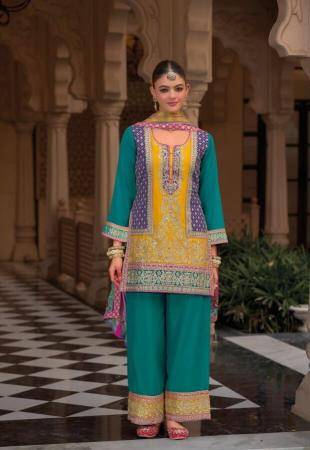
Kurti pant sets continue to be an important category because customers receive a coordinated outfit without having to purchase a separate bottom. Straight-cut kurtis with matching pants work well for office wear and casual use, while embroidered and festive versions can attract customers shopping for functions and celebrations.
For retailers, this category can provide a useful balance between affordability and perceived value. A well-designed two-piece set often looks more complete than a single kurti, making it suitable for boutiques and stores that want to offer ready-to-wear ethnic outfits. Cotton, rayon, silk-blend, Roman silk, and other seasonally appropriate fabrics can be selected according to customer preferences and regional climate.
Three-Piece Kurti Sets with Dupatta
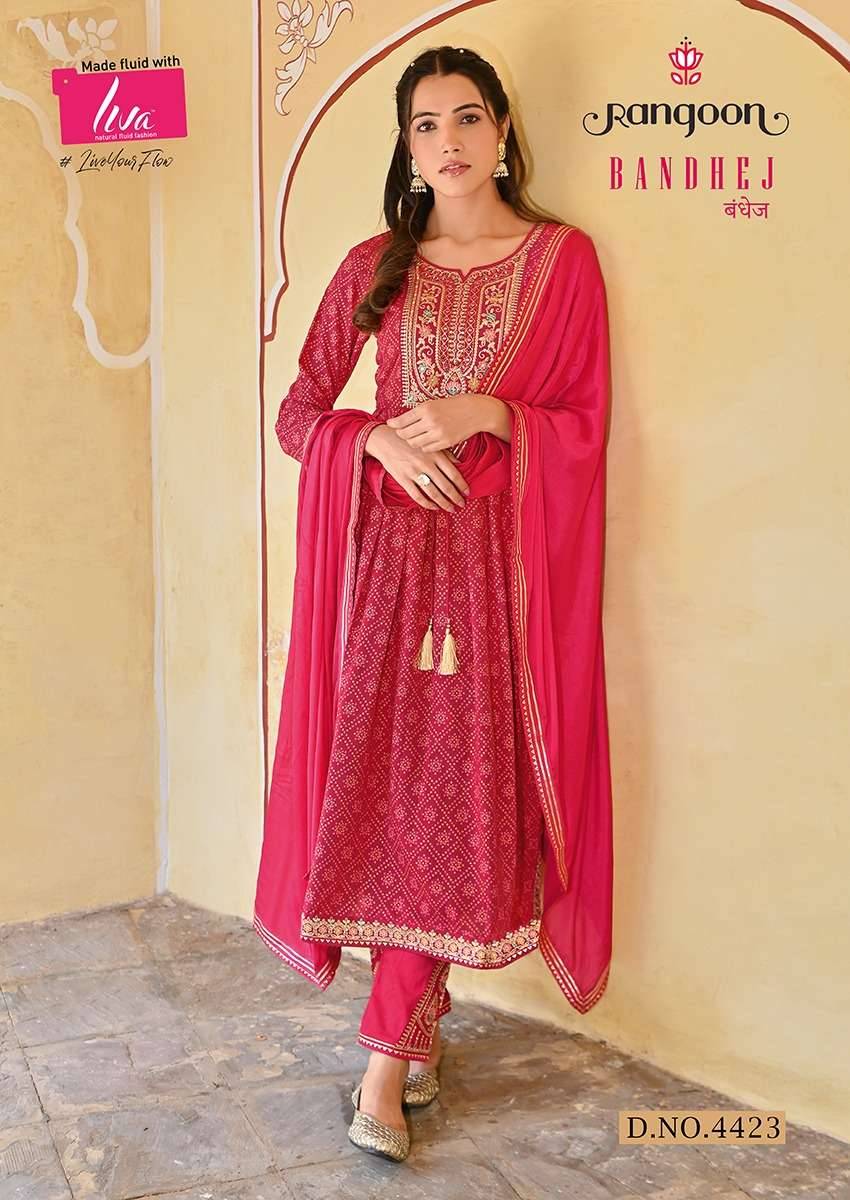
Three-piece sets are gaining attention among customers who prefer a complete traditional look. These collections generally combine a kurti, bottom, and dupatta, making them suitable for festive shopping, family occasions, gifting, and premium everyday fashion. Depending on the design and fabric, the price can range from budget-friendly wholesale options to higher-value boutique collections.
Wholesale buyers should examine the complete product rather than focusing only on the kurti. The quality of the bottom fabric, dupatta finishing, embroidery, stitching, colour coordination, and overall presentation can significantly affect the customer’s buying decision. Attractive catalogue photography may generate initial interest, but consistent product quality is what supports long-term business.
Naira Cut and Contemporary Silhouettes
Naira cut kurtis and flowing silhouettes continue to attract buyers who want something different from the traditional straight-cut pattern. These styles can work particularly well for younger customers, social-media-driven sellers, and boutiques that regularly introduce fresh designs.
The latest kurti wholesale collection may include asymmetric cuts, flared patterns, A-line styles, tiered designs, side cuts, and Indo-western influences. However, sellers should choose designs according to their audience rather than buying only because a style is currently popular. A boutique targeting fashion-conscious customers may require different inventory from a shop serving customers who primarily want comfortable daily wear.
Best Kurti Categories for Wholesale Buyers
A strong kurti business usually depends on variety rather than a single product type. Different customers have different budgets, age groups, styling preferences, and reasons for purchasing. A practical wholesale inventory can therefore include a combination of fast-moving basics and selected trend-focused products.
Daily Wear Kurtis
Daily wear kurtis wholesale collections are important for businesses targeting regular repeat purchases. Customers generally look for breathable fabrics, easy maintenance, comfortable fits, practical colours, and affordable prices. Printed cotton kurtis, rayon kurtis, simple straight-cut designs, and lightweight ethnic styles can perform well in this segment.
For Home-Based Sellers and Resellers, daily wear products can be useful because they appeal to a broad audience. Instead of depending entirely on festival demand, sellers can offer products that customers may purchase throughout the year. Regular new arrivals can also encourage repeat enquiries from existing buyers.
Designer Kurtis for Boutiques
Designer kurtis wholesale collections are suitable for boutiques and showrooms looking for more distinctive products. Embroidery, foil work, handwork-inspired detailing, textured fabrics, premium prints, decorative neck patterns, and carefully designed silhouettes can increase the visual appeal of a collection.
Boutique buyers should pay attention to exclusivity, finishing, fabric feel, and design presentation. Premium-looking products do not always need to be extremely expensive. Smart sourcing can help businesses create an attractive range at different selling prices while maintaining reasonable margins.
Plus-Size Kurtis and Inclusive Size Options
The demand for plus size kurtis wholesale has expanded as customers increasingly expect better fashion choices across a wider range of sizes. This segment should not be treated as an afterthought. Good plus-size collections require suitable cuts, comfortable measurements, proportionate designs, and fabrics that provide both confidence and ease of movement.
Retailers who understand local size demand can build stronger customer loyalty by maintaining relevant options instead of offering only standard sizes. Before placing a bulk order, buyers should check the available size ratio and determine whether it matches their actual customer base.
How to Choose the Right Latest Kurti Wholesale Collection
Buying wholesale requires a different mindset from shopping for individual garments. A design that looks attractive as a single piece may not necessarily be the right product for bulk inventory. Wholesale Buyers need to consider demand, stock rotation, selling price, product quality, size distribution, and the purchasing behaviour of their customers.
Understand Your Customer Before Buying Stock
A Home-Based Seller selling through WhatsApp or Instagram may need visually attractive products that are easy to present digitally. A neighbourhood shop may require affordable daily wear and a wide size range. A premium boutique may focus more heavily on limited designs, embroidery, and higher-value ethnic sets. Showroom Owners may need deeper inventory across several categories and price points.
Before selecting stock, ask practical questions: What age group buys from you most often? What is the average selling price your customers accept? Do they prefer single kurtis or complete sets? Which sizes sell fastest? Are purchases mainly for daily wear or special occasions? The answers can help you choose a more commercially suitable kurti wholesale collection.
Check Fabric, Stitching and Finishing
Product quality is one of the strongest factors in repeat business. Buyers should consider fabric quality, stitching consistency, embroidery finishing, colour accuracy, size measurements, and overall garment presentation. Premium product quality does not simply mean expensive fabric; it means that the product delivers reasonable value according to its selling category and price.
Wholesaleexport.in focuses on helping buyers access collections across different budgets while maintaining attention to practical wholesale requirements. The experience developed through Vastralife’s wholesale and export operations since 2017 contributes to a deeper understanding of what retailers, resellers, boutiques, and international buyers expect from a long-term sourcing relationship.
Balance Trendy Products with Fast-Moving Basics
One of the most common inventory mistakes is purchasing too many trend-based products at once. Fashionable designs can generate attention, but basic products often provide consistent sales. A balanced inventory might combine regular printed kurtis, comfortable kurti pant sets, selected festive designs, plus-size options, and a smaller quantity of experimental trends.
This approach can be particularly useful for businesses buying from the surat textile market. The large variety available around Ring Road, Sahara Darwaza, and other textile trading areas can make it tempting to purchase too many unrelated designs. A clear buying plan helps reduce unnecessary stock and keeps investment focused on products with stronger sales potential.
Wholesale Kurti Sourcing for India and International Markets
Wholesale ethnic wear is no longer limited to buyers visiting physical textile markets. Digital catalogues, online communication, shipping networks, and organised wholesale platforms have made sourcing more accessible for businesses in different cities and countries. Buyers in India, USA, and Nepal can explore Indian ethnic wear for local retail stores, boutiques, community markets, and online selling.
International demand can differ from domestic demand. Buyers serving overseas Indian communities may prefer festive sets, premium ethnic wear, larger sizes, or designs suitable for cultural events. Domestic retailers may require faster-moving daily wear and region-specific preferences. Understanding the final customer is therefore important before placing an export or bulk order.
For businesses searching for Jaipuri kurtis wholesale, fabric, print style, seasonal suitability, and customer preference should be considered before selecting quantities. Buyers expanding into broader ethnic categories can also explore the wholesale lehenga market in Surat to create a more diverse product range for festive and occasion-based customers.
The right sourcing strategy should combine attractive products with dependable communication, realistic delivery expectations, transparent pricing, and quality awareness. Wholesaleexport.in aims to support this process by offering access to evolving ethnic wear collections for retailers, resellers, boutiques, showroom businesses, and bulk buyers looking for long-term sourcing possibilities.
Why Surat Remains Important for Kurti Wholesale Sourcing
Surat has built a strong position in India’s textile industry through its extensive network of fabric suppliers, designers, traders, wholesalers, transporters, and garment businesses. For buyers searching for the latest kurti wholesale collection, the city offers access to a constantly changing selection of designs across multiple price segments.
The commercial ecosystem around the surat textile market, particularly areas connected with Ring Road and Sahara Darwaza, plays an important role in the movement of textile and ethnic wear products. Buyers can find everything from affordable daily wear to premium designer collections. The strength of the market comes not only from product variety but also from its connection with fabric sourcing, manufacturing, trading, packaging, and logistics.
Access to Regular New Arrivals
Fashion retail requires freshness. Customers who follow a shop, boutique, or online reseller expect to see new designs regularly. Surat’s large textile network helps wholesalers introduce new collections frequently, allowing sellers to refresh their inventory according to changing demand.
For a reseller, regular new arrivals can create more reasons to reconnect with previous customers. For a physical shop or showroom, fresh stock can improve visual merchandising and encourage repeat visits. The objective is not simply to add more products but to introduce the right mix of commercially relevant styles.
Competitive Wholesale Price Options
One major advantage of sourcing from a large textile hub is access to multiple product categories and price levels. The final price of a kurti can depend on fabric, work, stitching, design complexity, quantity, size range, and whether the product is sold as a single kurti, two-piece set, or complete three-piece outfit.
Wholesale buyers should compare value rather than selecting products only because they are inexpensive. A slightly higher-priced product with better finishing and stronger customer appeal may generate better repeat business than the cheapest available option. Smart purchasing involves finding the right relationship between cost, quality, demand, and expected retail margin.
Kurti Wholesale Trends That Can Influence Sales in 2026
The ethnic wear market in 2026 reflects a combination of traditional styling and modern convenience. Customers increasingly prefer clothing that looks stylish without being difficult to wear. This has encouraged demand for ready-to-style sets, comfortable silhouettes, coordinated outfits, and fabrics suitable for longer periods of use.
Comfort-Focused Ethnic Fashion
Comfort is becoming a central buying factor. Lightweight fabrics, practical sleeves, comfortable necklines, usable pockets, relaxed fits, and easy-care materials can influence purchasing decisions. For daily wear customers, comfort may be more important than heavy decorative work.
This trend creates opportunities for cotton kurtis wholesale, rayon kurtis, printed kurtis, office wear kurtis, and simple kurti pant sets. Sellers who understand climate and regional preferences can select products more accurately for their target market.
Premium-Looking Products at Accessible Prices
Customers often want products that look premium while remaining within a practical budget. Embroidery, foil detailing, attractive prints, stylish dupattas, textured fabrics, and carefully coordinated colours can improve the perceived value of an outfit.
For Boutique Owners and Shop Owners, this creates an opportunity to maintain multiple price levels. Affordable products can generate regular volume, while selected premium pieces can improve variety and average order value. A carefully planned kurti wholesale collection should therefore serve more than one customer budget whenever the business model allows it.
Versatile Outfits for Multiple Occasions
Modern customers often prefer outfits that can be styled for more than one occasion. A well-designed kurti set may be worn to work, a family gathering, a casual celebration, or a social event depending on accessories and styling. Such versatility can make products easier to sell because customers see greater practical value in their purchase.
Inventory Planning for Home-Based Sellers and Resellers
Home-Based Sellers and Resellers often operate with more limited inventory budgets than large showrooms. This makes product selection especially important. Instead of investing heavily in one design, sellers can begin with a carefully selected mix of categories and study actual customer response.
Digital sellers should consider how a product appears in photos and videos, but visual presentation should never replace quality evaluation. Clear product information, accurate size details, transparent pricing, and realistic communication can help build customer confidence.
Start with a Focused Product Mix
A practical starting collection may include daily wear kurtis, kurti pant sets, a few three-piece designs, plus-size options, and selected festive products. The exact mix should depend on the seller’s audience. There is no universal inventory formula suitable for every market.
New sellers can track which fabrics, colours, sizes, and price ranges receive the most enquiries. Over time, this information becomes valuable purchasing data. Instead of guessing what customers may want, sellers can gradually build inventory around demonstrated demand.
Use New Arrivals to Maintain Customer Interest
Regular product updates can help keep a WhatsApp group, social media page, or customer list active. However, posting hundreds of unrelated products can overwhelm buyers. Curated updates with clear information can often be more effective than excessive product sharing.
Wholesaleexport.in provides access to changing ethnic wear options that can help sellers explore new designs according to their business requirements. Buyers should confirm current stock, sizes, quantities, and pricing when planning an order because popular wholesale products can change quickly.
How Shop Owners, Boutiques and Showrooms Can Buy More Strategically
Larger retail businesses usually need a broader inventory strategy. A physical shop may serve several customer groups, while a boutique may focus on a more specific style identity. Showroom Owners may require greater quantity, wider size availability, and multiple product categories.
Build Inventory Around Customer Segments
Instead of organising purchasing only by product name, businesses can plan stock around customer needs. For example, one segment may include affordable everyday clothing, another may focus on office wear, while a third may target festive and occasion wear.
This method can make purchasing more purposeful. It also helps staff recommend products more effectively because the inventory has been selected around clear customer requirements rather than random availability.
Consider Size Ratios Before Bulk Buying
Size planning is an important part of wholesale purchasing. A design may sell well overall but still create dead stock if the size ratio does not match local demand. Retailers should review previous sales and identify which sizes move fastest.
The growing demand for plus size kurtis wholesale also creates an opportunity for businesses that maintain meaningful size options. Customers value stores that provide genuine choice rather than treating extended sizes as a limited side category.
Plan for Seasonal and Festive Demand
Festivals, wedding seasons, regional celebrations, and holiday periods can influence ethnic wear sales. Retailers should plan early enough to receive, display, and promote products before demand reaches its peak. Buying too late can reduce the selling window, while buying excessive quantities too early can lock working capital into inventory.
A balanced approach combines regular products with selected seasonal stock. This can help businesses continue generating sales outside major festive periods while still benefiting from higher-demand occasions.
Wholesale Kurti Export Opportunities for Global Buyers
Indian ethnic wear has a customer base far beyond India. Retailers and boutiques serving Indian and South Asian communities overseas can build collections around festivals, weddings, cultural events, daily ethnic fashion, and gifting. Markets such as the USA may have demand for a mixture of traditional and contemporary styles, while buyers in Nepal may select products according to local fashion preferences and price expectations.
For international wholesale buyers, product selection is only one part of the purchasing process. Order quantity, packing, shipping, documentation, delivery timelines, and communication are also important. The total landed cost should be considered when deciding the final retail price in the destination market.
Vastralife’s wholesale and export experience since 2017 contributes practical industry knowledge to the sourcing process. Years of working with ethnic wear products and wholesale buyers have helped develop an understanding of product quality, customer expectations, changing trends, and the importance of reliable long-term business relationships.
Wholesaleexport.in can be explored by international boutiques, Resellers, Shop Owners, and Wholesale Buyers looking for Indian ethnic wear sourcing opportunities. Buyers should discuss their requirements clearly, including product category, expected quantity, size needs, destination, and preferred price segment.
Common Mistakes to Avoid When Buying Kurtis Wholesale
Wholesale purchasing can become more profitable when buyers avoid common inventory mistakes. Attractive catalogue images alone should not determine a large purchase. Every business has a different customer profile, and stock should be selected accordingly.
Buying Only on the Lowest Price
The cheapest product is not automatically the most profitable. Poor finishing or unsuitable quality can lead to dissatisfied customers and reduced repeat business. Buyers should evaluate whether the product offers appropriate value for its intended selling price.
Ignoring Local Customer Preferences
A design that sells quickly in one city or country may perform differently elsewhere. Climate, age group, cultural preferences, spending capacity, and local fashion trends can all influence demand. Successful buyers observe their own market rather than copying another seller’s inventory completely.
Overstocking a New Trend
Trendy products can create excitement, but fashion cycles can move quickly. When testing a new category, a controlled initial quantity may provide useful sales information before making a larger commitment.
Not Checking Size and Product Details
Wholesale buyers should understand the available size set, fabric, product components, and other relevant details before ordering. Clear information reduces confusion and helps retailers present products accurately to their own customers.
Internal Linking and Related Wholesale Categories
A strong ethnic wear business can grow by creating a connected product range rather than depending entirely on one category. Buyers who sell kurtis may also consider kurti pant sets, three-piece suits, dress materials, sarees, Pakistani suits, festive wear, and other complementary products according to customer demand.
Internal product exploration can help retailers discover categories suitable for different seasons, budgets, and customer groups. When browsing Wholesaleexport.in, buyers can compare available ethnic wear options and build a more balanced sourcing plan instead of selecting products without a clear inventory strategy.
For SEO and customer convenience, related category pages should naturally guide visitors toward useful products and buying information. This helps users discover relevant collections while creating a clearer website structure for search engines and AI-powered search experiences.
Customer FAQs
1. What is the latest kurti wholesale collection for 2026?
The latest kurti wholesale collection for 2026 includes daily wear kurtis, kurti pant sets, three-piece sets with dupattas, Naira cut designs, embroidered kurtis, printed styles, designer pieces, office wear, festive collections, and plus-size options. The best category depends on your target customers and selling price range.
2. Who can buy kurtis at wholesale prices?
Home-Based Sellers, Resellers, Boutique Owners, Shop Owners, Showroom Owners, online sellers, and other Wholesale Buyers can source products according to available wholesale terms and quantities. Buyers should confirm current stock, minimum order requirements, and prices before ordering.
3. Why is Surat popular for wholesale kurti sourcing?
Surat has a large textile ecosystem connected with fabric, trading, garment manufacturing, wholesale distribution, logistics, and regular new arrivals. The surat textile market, including the Ring Road and Sahara Darwaza areas, is widely known among textile buyers searching for variety and competitive sourcing opportunities.
4. How should a new reseller select wholesale kurti stock?
A new reseller should begin by understanding customer budget, preferred sizes, fabrics, and styles. A focused combination of daily wear, coordinated sets, and selected trendy designs can be more practical than purchasing too many unrelated products at once.
5. Are wholesale kurtis available for international buyers?
Indian ethnic wear can be sourced for international markets, subject to product availability, order requirements, shipping arrangements, and destination-specific conditions. Buyers should discuss quantity, delivery location, product preferences, and other requirements before confirming an export order.
6. What should boutique owners check before placing a bulk order?
Boutique Owners should evaluate fabric, stitching, finishing, design appeal, size availability, customer preferences, wholesale price, expected retail margin, and the overall suitability of the collection for their brand positioning.
7. Are plus-size kurtis a good category for retailers?
Yes. Inclusive sizing can help retailers serve a wider customer base. The key is to choose properly designed products with comfortable fits and size ratios that match actual customer demand.
8. How often should retailers introduce new kurti designs?
The ideal frequency depends on sales volume and customer behaviour. Regular new arrivals can maintain interest, but businesses should avoid adding stock simply for the sake of variety. Inventory should be refreshed according to sales performance and available working capital.
Build Your Ethnic Wear Business with the Right Wholesale Partner
The success of a wholesale clothing business depends on more than finding attractive products. Reliable sourcing, relevant designs, sensible inventory planning, product quality, competitive pricing, and consistent customer service all contribute to sustainable growth.
Whether you are starting as a Home-Based Seller, expanding an established boutique, managing a retail shop, operating a showroom, or purchasing in bulk, the right collection can help you serve customers more effectively. With industry experience connected to Vastralife’s wholesale and export journey since 2017, Wholesaleexport.in understands the practical requirements of businesses sourcing Indian ethnic wear.
Explore Latest Collections, competitive Wholesale Pricing, and Trendy Ethnic Wear for different customer segments. Buyers can enquire about Fast Shipping, available COD Support, Bulk Order Deals, and Quality Products Starting From ₹299, subject to current collection availability and applicable order terms.
For current collections, wholesale enquiries, bulk purchasing, and product information, contact +91 9712582172 or visit wholesaleexport.in.
Choose products according to your market, understand your customers, maintain a balanced inventory, and keep introducing relevant styles. A thoughtful sourcing strategy can help turn new arrivals into repeat sales and build stronger long-term relationships with customers in India and international markets.