



How to Start an Online Boutique with Low Investment in 2026
How to Start an Online Boutique with Low Investment in 2026
Building a fashion business no longer requires a large showroom, expensive interiors or a huge opening inventory. A focused online boutique can begin from home with selected products, a smartphone, reliable wholesale sourcing and a clear understanding of the customers you want to serve. The key is to spend money where it directly supports sales: products customers want, strong presentation, dependable service and disciplined stock management.
Introduction
Many aspiring entrepreneurs want to enter women’s fashion but hesitate because they assume a boutique requires substantial capital. That assumption is becoming less relevant. Instagram, WhatsApp, Facebook and online selling channels allow home-based sellers and resellers to reach customers without immediately paying for a physical retail location.
If you want to understand how to start an online boutique with low investment, begin by thinking like a retailer rather than simply a fashion buyer. Every rupee invested in inventory should have a reason behind it. Your opening collection should match a defined customer, price segment and selling occasion.
For a women’s ethnic wear boutique, potential categories include kurtis, kurti sets, salwar kameez, dress materials, sarees, gowns and lehenga choli. Instead of stocking every category, start with a narrow selection and expand according to actual sales.
Wholesaleexport.in gives boutique owners, home-based sellers, resellers, shop owners and wholesale buyers access to women’s fashion collections that can be shortlisted according to their business requirements. Buyers should always confirm current stock, product details, MOQ and applicable wholesale price before completing an order.
Decide Exactly What Your Online Boutique Will Sell
The fastest way to waste a limited startup budget is to purchase unrelated products simply because each one looks attractive. A new boutique needs a clear identity.
Select One Primary Customer Segment
Start by defining who is most likely to buy from you. Your primary customer might be a college student, working woman, homemaker, wedding shopper, festive buyer or someone looking for premium ethnic wear.
Once the customer is clear, product selection becomes easier. A boutique focused on affordable daily ethnic wear will purchase differently from one selling premium wedding and festive outfits.
Choose Two or Three Core Categories
New sellers do not need ten clothing categories. You might begin with kurtis and kurti sets, or salwar suits and dress materials. If your target audience is strongly occasion-focused, selected gowns and lehenga choli can form part of the assortment.
Keeping the initial product range focused makes inventory easier to manage and helps customers understand what your boutique specialises in.
Create a Clear Price Position
Decide whether your boutique will focus on budget, mid-range, premium or a carefully planned combination. Do not randomly mix extremely inexpensive and very expensive products without understanding whether the same customer is likely to buy both.
Before purchasing stock, calculate the wholesale cost, applicable transportation expense and expected selling price. This gives you a better understanding of potential margin before money is committed.
Set a Low-Investment Boutique Budget Before Buying Stock
When learning how to start an online boutique with low investment, inventory discipline is more important than having a large starting budget. The goal is not to fill a room with garments. The goal is to turn a controlled amount of stock into sales and then reinvest intelligently.
Separate Product Money from Operating Money
Do not use the complete startup amount for products. Your business may also require packaging, local delivery, basic photography, advertising or other operational expenses.
Keep these amounts separate from the beginning. This makes it easier to understand how much money is genuinely available for wholesale buying.
Keep Money Available for Reorders
One common mistake is spending the complete inventory budget on the first purchase. If one of those products becomes a bestseller, there may be no available capital to replenish it.
Reserve part of your purchasing budget for proven reorders. Your second buying decision can be based on real customer behaviour rather than assumptions.
Avoid Borrowing Heavily to Test Fashion Trends
Fashion demand can change quickly. New boutiques should be especially cautious about using excessive debt to purchase speculative inventory. Controlled testing can help you learn which products work without putting unnecessary pressure on cash flow.
Source Wholesale Clothing from Surat for Better Variety
Surat is an important sourcing destination for women’s textiles and ethnic wear. The broader surat textile market ecosystem includes fabric, processing, trading, garment manufacturing and wholesale distribution.
Areas associated with Ring Road and Sahara Darwaza are familiar to many textile buyers. However, an online boutique owner located outside Surat does not necessarily need to make a physical sourcing trip for every restock.
Use Online Wholesale Sourcing to Save Time
Through Wholesaleexport.in, buyers can explore women’s ethnic wear collections remotely and shortlist products relevant to their boutique. This can be useful for sellers in other Indian cities as well as international wholesale buyers.
Online sourcing is most effective when the buyer remains disciplined. Do not order products simply because you can browse a large number of collections. Use your customer profile, selling price range and existing sales history as filters.
Compare Product Value Instead of Only Wholesale Price
The cheapest garment is not automatically the best product for a low-investment boutique. If customers do not like the design or the product does not meet their expectations, even inexpensive inventory can become dead stock.
Consider the product’s appearance, fabric, finishing, styling, intended customer and expected retail price together. Your objective is profitable stock rotation, not simply the lowest purchase rate.
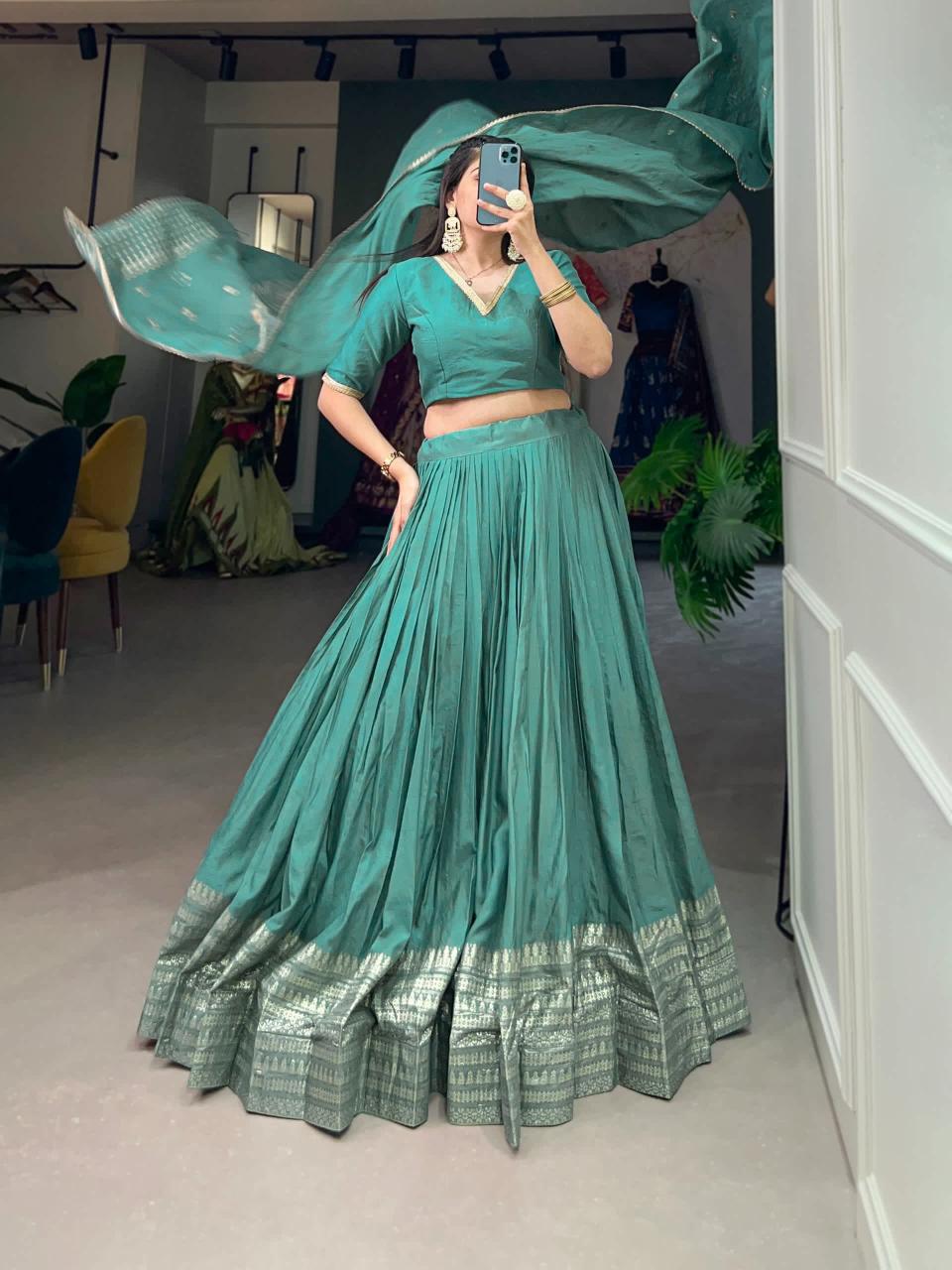
Start with Small, Focused Inventory Instead of a Huge Collection
A customer does not know how many pieces are stored in your home. What the customer sees is the selection you present. This means a small but well-curated inventory can appear more attractive than a large collection of repetitive designs.
Use Variety More Carefully Than Quantity
Suppose your opening budget allows you to choose between a large quantity of very similar products and a smaller quantity covering different looks. For a new boutique, useful variety can help you test what customers prefer.
That variety might come from different colour families, silhouettes, prints, fabrics or occasions rather than unrelated categories.
Test Premium Fashion in Limited Quantity
Lehenga choli, gowns and heavily styled occasion wear can generate attractive order values, but demand may be more occasion-specific than regular clothing. Test premium products according to your customer base before increasing stock substantially.
Track Every Product from the First Order
Create a simple inventory record containing product name or code, purchase cost, quantity, selling price, date purchased and date sold. This can be maintained in a spreadsheet or another system that is easy for you to update consistently.
After several weeks, the data will start showing which categories rotate quickly and which ones are consuming working capital.
Build Your Boutique on Instagram and WhatsApp First
A low-investment boutique does not need to begin with every possible sales channel. Instagram and WhatsApp can provide a practical starting combination because one helps with product discovery while the other supports direct customer conversations.
Create a Professional Boutique Identity
Choose a business name that is easy to remember and use it consistently. Keep your profile photograph, bio, contact details and product presentation organised.
Your page should immediately communicate what you sell. If your focus is women’s ethnic wear, make that obvious rather than filling the profile with unrelated content.
Use Reels to Show the Complete Product
Short videos can help customers understand a garment better than a single photograph. Show the silhouette, detailing, dupatta, colour combination and overall appearance clearly.
Keep product claims accurate. If you have not verified a particular fabric or work detail, do not add it simply to make the caption sound more premium.
Use WhatsApp for Serious Purchase Conversations
Instagram can generate enquiries, while WhatsApp can help you discuss current availability, size requirements, payment and other order details directly with customers.
As your contact list grows, organise customers by their interests. Someone who frequently buys festive lehengas does not need every daily-wear catalogue, and a regular kurti buyer may not want constant premium bridal updates.
Create Content Before Spending Heavily on Advertising
Paid advertising can help an online boutique reach new customers, but it should not replace good product presentation. Before increasing advertising expenditure, make sure visitors who reach your page can quickly understand what you sell and how to order.
Post New Arrivals Consistently
New products provide natural content. Instead of publishing the same catalogue repeatedly, show different aspects of the collection through reels, photographs, close-ups, styling combinations and customer-oriented captions.
Write Captions for Buyers, Not Search Engines Alone
Keywords can support discoverability, but a caption still needs to help a human customer. Explain what makes the product relevant, who might wear it and what the next ordering step is.
Natural phrases such as wholesale ethnic wear, online boutique clothing, lehenga choli wholesale, women’s clothing supplier and Surat wholesale clothing can be used where they genuinely fit.
Collect Customer Content as the Business Grows
With customer permission, genuine reviews and product feedback can strengthen trust. For a new online boutique without a physical store, credible customer experiences can be particularly valuable.
Choose Products That Can Sell Beyond One Occasion
A low-investment business needs to think carefully about inventory life. If the complete collection is purchased for one short festival window, unsold stock can become difficult to move afterward.
Balance Festive and Regular Ethnic Wear
Festival collections can attract attention and create higher-value orders, but maintain some products that customers can continue purchasing for family events, casual occasions and regular use.
This balance helps the boutique continue generating enquiries when the major festival period ends.
Use Occasion Wear to Increase Average Order Value
Selected lehenga choli, gowns and premium suits can create higher-value purchase opportunities. Instead of keeping large quantities, test styles with your audience and increase purchasing when demand becomes visible.
Plan for Seasonal Demand in Advance
For Navratri, Diwali, wedding seasons and other peak periods, work backward from the date customers normally begin shopping. Stock needs to arrive early enough for photography, promotion, customer enquiries and actual sales.
Build Your Online Boutique for India and Export Customers
An online business can eventually serve customers beyond the seller’s immediate city. Indian ethnic wear also has demand among overseas buyers and resellers, although every market has its own preferences and costs.
Nepal
Boutique owners and resellers serving Nepal should plan purchases with transportation time and local seasonal demand in mind. When products are required for festivals or wedding periods, purchasing sufficiently early becomes particularly important.
Australia
Home-based ethnic wear sellers in Australia can target Indian community occasions, weddings and festive demand. Wholesale buyers should calculate the landed product cost rather than looking only at the Indian wholesale rate.
Canada
For sellers in Canada, curated ethnic wear can be marketed to customers looking for Indian fashion for celebrations and family events. International buyers should consider shipping, delivery time and applicable destination costs before setting their final retail price.
Vastralife’s wholesale and export experience since 2017 provides industry experience in serving wholesale buyers across different markets. The emphasis should remain on relevant product selection and premium product quality rather than purchasing excessive inventory.
Use a Simple Low-Investment Buying Formula
If you are still deciding how to start an online boutique with low investment, a structured purchasing formula can prevent emotional buying. The percentages can be adjusted according to your market, but the concept is straightforward.
60% Core Products
Put the largest share of your inventory budget into products with broad customer relevance. Once you have sales history, these should increasingly be proven categories and price ranges.
25% Fresh and Seasonal Products
Use another portion for current designs, festive products and fashion-led collections. This keeps your online page looking fresh and gives existing customers a reason to return.
15% Experimental Products
Use a smaller amount to test a new category, premium style, unusual colour or emerging trend. If the test performs well, increase it in your next purchase instead of making a large speculative order immediately.
This approach allows your boutique to remain current while protecting most of the purchasing budget.
Internal Linking for Online Boutique Product Sourcing
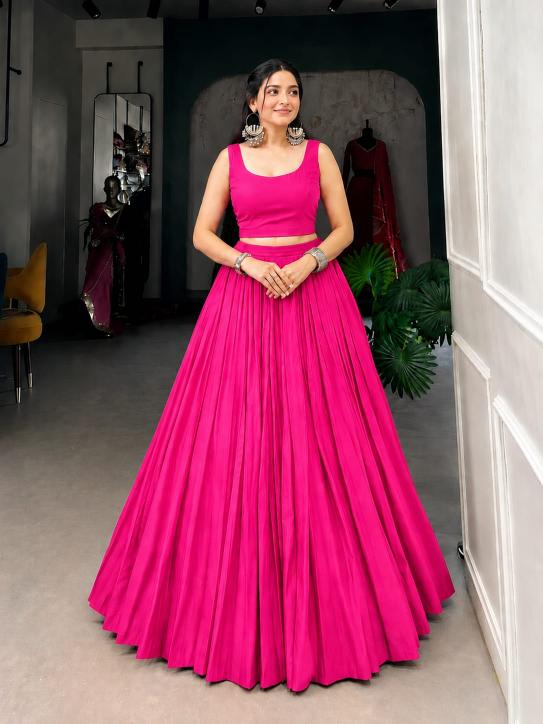
Once your boutique begins receiving regular enquiries, expand inventory according to categories customers are already requesting. Sellers planning to build a festive or occasion-wear section can explore the wholesale lehenga market in Surat collection and shortlist designs according to their target retail price, customer age group and upcoming festive or wedding demand.
Boutique owners who also serve families can gradually diversify into kids wear wholesale products when there is genuine demand from existing customers. Adding a complementary category can increase order opportunities, but it should be introduced only when your core women’s wear business is organised enough to manage additional inventory.
Calculate Your Boutique Selling Price Before Taking Orders
A low-investment boutique can generate sales and still struggle financially if products are priced without considering the complete cost. Your selling price should be decided before you begin promoting a product, not after a customer asks for the rate.
Start with the Actual Product Cost
Record the wholesale purchase price of each item. Add applicable transportation and other direct costs required to bring the product into your inventory. For international orders, the calculation may also need to consider freight and destination-related expenses.
This gives you a more realistic landed cost. Your margin should be calculated using this figure rather than only the supplier’s catalogue price.
Include Selling Expenses
Packaging, local delivery support, payment-related expenses and advertising can reduce the amount left from each sale. Even small expenses become meaningful when repeated across many orders.
Knowing these costs helps you determine whether a product is commercially suitable for your boutique before you invest in it.
Do Not Compete Only on Lowest Price
A home-based boutique does not necessarily need to become the cheapest seller. Product selection, responsiveness, reliable information, presentation and customer service can all contribute to the buying experience.
If you continuously reduce prices without understanding margin, sales may increase while the business itself remains financially weak.
Use Pre-Orders Carefully to Reduce Inventory Risk
Pre-orders can be useful for a low-investment online boutique because they allow sellers to understand customer interest before carrying large quantities. However, the process should be managed carefully.
Confirm Availability Before Accepting Customer Payment
Wholesale fashion inventory can move quickly. A catalogue that was available earlier may sell out. Confirm current availability before committing to a customer wherever possible.
Give Realistic Delivery Information
Avoid promising an exact delivery date unless you have reliable confirmation. If stock is being sourced after receiving an order, explain the expected process clearly.
Use Pre-Order Data for Future Stock Decisions
If customers repeatedly order a certain type of kurti, suit or lehenga through pre-orders, that information can help determine what you should consider keeping in ready stock later.
In this way, pre-orders become more than a sales method; they also become a useful demand-testing tool.
Create a Repeat-Customer Strategy from Day One
Many new boutique owners focus heavily on finding new customers but pay less attention to people who have already purchased. For a low-investment business, repeat customers can be especially valuable because you already have some understanding of their preferences.
Record Basic Purchase Preferences
Keep simple notes about what customers buy. One customer may regularly prefer cotton kurtis, another may purchase festive suits, while another may be interested mainly in premium occasion wear.
When relevant new stock arrives, you can show suitable products directly rather than sending every collection to every customer.
Share New Arrivals with Relevant Customers First
Before broadcasting a new collection widely, consider showing it to previous customers whose purchase history matches the product. This creates a more personalised selling experience.
Focus on Service After the Sale
Respond professionally if a customer has a genuine order-related question. The objective is to build a boutique customers feel comfortable returning to rather than treating every purchase as an isolated transaction.
Scale Your Boutique Only After Finding Winning Products
Once you understand how to start an online boutique with low investment, the next challenge is deciding when to expand. Growth should follow evidence from actual sales.
Increase Stock Depth Before Adding Too Many Categories
If kurti sets are consistently selling, increasing the variety or availability within that category may be more useful than suddenly introducing several unrelated categories.
Deepening a proven category can strengthen your boutique identity and make buying decisions easier.
Use Sales Data to Identify Winning Price Bands
Track not only what category sells but also the price range in which customers complete purchases. Your most popular price band can guide future wholesale buying.
This is more useful than assuming that higher-priced products always create better profits or that lower-priced products always sell faster.
Increase Advertising After Product-Market Fit Improves
Advertising becomes more useful when you already know which products generate enquiries and sales. Instead of spending heavily to promote an untested collection, first identify strong products organically and then consider increasing their reach.
Manage Cash Flow as Carefully as Inventory
Stock may be the visible part of a boutique, but cash flow keeps the business operating. A profitable-looking business can still face problems if too much money remains locked in unsold inventory.
Separate Personal and Business Spending
Even if you operate from home, maintain clear business records. Keep track of money invested, sales received, wholesale purchases and operating expenses.
This gives you a clearer view of whether the boutique is actually growing.
Reinvest Gradually
When the business begins generating profit, reinvest a planned portion into inventory rather than increasing purchases without limits. Use the money primarily for categories that have already demonstrated demand.
Watch Stock Age
A product purchased several months ago and still unsold deserves attention. Review older stock regularly and decide whether it needs better presentation, different customer targeting or an appropriate clearance strategy.
The longer capital remains tied to slow-moving stock, the less flexibility you have to buy new collections.
Prepare Your Online Boutique for Festival and Wedding Demand
Ethnic fashion demand can rise around festivals, weddings and family celebrations. A boutique can use these periods to increase sales, but purchasing needs to begin before customers start shopping.
Navratri Collections
Lehenga choli and festive ethnic styles can become relevant for Navratri-focused customers. Select designs according to your audience and local demand instead of buying a very large festive assortment without sales evidence.
Diwali Collections
Diwali customers may look for festive suits, sarees, kurti sets, gowns and other occasion-ready clothing. Create a planned collection covering the price ranges your customers normally purchase.
Wedding Season
Wedding demand can create opportunities for premium products, including embellished suits, lehengas and gowns. However, higher-value inventory should still be purchased according to customer demand and available working capital.
Plan Purchases Before the Peak
Customers often shop before the festival or event itself. Work backward from their expected shopping period and allow time for sourcing, receiving stock, creating content and taking orders.
Build Trust When Customers Cannot Visit a Physical Store
An online boutique must overcome one major limitation: customers cannot always physically examine a garment before purchasing. Clear communication therefore becomes part of your product offering.
Use Clear Product Photos and Videos
Show the complete garment wherever possible. Include close-up visuals when important detailing needs to be visible. Avoid excessive editing that changes the product’s appearance.
Write Accurate Product Descriptions
Mention only confirmed information about fabric, sizes, product components and other specifications. Accurate descriptions can reduce confusion and create more realistic customer expectations.
Keep Ordering Instructions Simple
Customers should know how to enquire, confirm availability and place an order. Complicated buying processes can cause interested customers to leave before completing the purchase.
Common Mistakes to Avoid When Starting an Online Boutique
Buying Too Much Stock at the Beginning
A large inventory can look impressive, but it also locks up capital. Begin with a manageable collection and use customer response to guide future buying.
Following Every Fashion Trend
Not every trend will suit your customers. A viral product may receive attention online but still perform poorly within your specific market.
Using the Same Content as Everyone Else
Supplier photographs can help present products, but your boutique should gradually develop its own voice. Create useful captions, reels, styling suggestions and customer-oriented communication that makes your page recognisable.
Ignoring Inventory Records
Without records, it becomes difficult to know which products generated profit, which stock is old and where money is tied up. Start inventory tracking while the business is still small.
Spending Too Much on Branding Before Sales Begin
A clean logo, suitable packaging and professional presentation are useful, but a new boutique does not need expensive interiors or elaborate branding materials before it has proven customer demand.
Invest first in products, presentation and customer acquisition that can contribute directly to sales.
Why Wholesaleexport.in Can Support Growing Boutique Businesses
Wholesaleexport.in provides access to women’s ethnic wear collections for home-based sellers, boutique owners, retailers, showroom owners, resellers and wholesale buyers. Instead of depending only on local availability, buyers can explore collections connected with Surat’s extensive textile sourcing ecosystem.
Vastralife brings wholesale and export experience since 2017, along with industry expertise and a focus on premium product quality. This experience can be useful for buyers sourcing products for India as well as international markets.
As your boutique grows, your purchasing requirements may evolve from small, focused selections toward larger repeat orders and broader categories. Wholesaleexport.in can be used to explore new collections as those requirements develop.
Current stock, price, MOQ, shipping conditions and applicable payment or COD terms should be confirmed for the specific order before purchasing.
Customer FAQs
1. How much investment is required to start an online boutique?
There is no fixed amount that suits every seller. Your starting investment depends on product category, MOQ, inventory quantity, packaging, marketing and other operating costs. A low-investment model should begin with controlled stock and preserve some capital for reorders.
2. Can I start an online boutique from home?
Yes. Many sellers can begin from home using social media, WhatsApp and online sourcing. Make sure you have suitable inventory storage, an organised ordering process and a clear product niche.
3. Which products are suitable for a new online ethnic wear boutique?
Kurtis, kurti sets, salwar kameez, dress materials, sarees, gowns and selected lehenga choli can all be considered. The best starting categories are those that match your target customers and available budget.
4. Where can I buy women’s clothing wholesale online?
Buyers can explore women’s ethnic wear through Wholesaleexport.in and shortlist products according to their customer requirements. Confirm current stock, wholesale price, MOQ and order conditions before purchasing.
5. Should I keep stock or use a pre-order model?
A combination can work for some boutiques. Ready stock can support faster sales, while carefully managed pre-orders can help test demand for selected products. The right balance depends on your customer expectations and sourcing process.
6. How can I reduce dead stock in my boutique?
Start with focused quantities, monitor actual sales, avoid overbuying short-lived trends and keep part of your capital available for successful reorders. Review slow-moving inventory regularly.
7. Can I sell wholesale-sourced clothing through Instagram?
Yes. Instagram can be used for product discovery through photographs, reels and other content. Serious enquiries can then be handled through direct communication according to your sales process.
8. Is Surat suitable for boutique wholesale sourcing?
Surat has a large textile and garment ecosystem covering multiple women’s wear categories and price ranges, making it an important sourcing centre for retailers and resellers.
9. Can I sell Indian ethnic wear internationally?
International selling can be considered according to your target country, logistics and applicable commercial requirements. Calculate the complete landed cost and expected local selling price before committing to inventory.
10. What should I check before placing a wholesale order?
Confirm current stock, product specifications, quantity requirements, wholesale price, size information where applicable, payment conditions and dispatch arrangements. For seasonal products, also consider the time available before the peak selling period.
Start Your Low-Investment Online Boutique in 2026
Understanding how to start an online boutique with low investment is mainly about using limited capital intelligently. Define your customer, select a focused niche, purchase controlled inventory, calculate margins before selling and reinvest according to real demand.
You do not need the largest catalogue to build a successful boutique. You need products that match your customers and a repeatable system for sourcing, marketing, selling and reordering them.
Explore Latest Collections, Wholesale Pricing and Trendy Ethnic Wear for your boutique. Enquire about Fast Shipping, available COD Support, Bulk Order Deals and Quality Products Starting From ₹299.
Whether you are a home-based seller, boutique owner, shop owner, showroom owner, reseller or wholesale buyer, start with a manageable inventory and expand as your customer demand becomes clearer.
Wholesale & Bulk Order Enquiries
Contact: +91 9712582172
Website: wholesaleexport.in
Explore the latest collections on Wholesaleexport.in, shortlist products for your target market, confirm current wholesale terms and begin building your online boutique with a practical, low-investment approach for 2026.