



How to Start a Kurti Reselling Business Online in 2026
How to Start a Kurti Reselling Business Online in 2026
Starting an online ethnic wear business has become an attractive opportunity for people who want to sell fashion products without investing heavily in a physical showroom. Kurtis have a broad customer base, repeat purchase potential and demand across casual, office, festive and occasion wear. With reliable wholesale sourcing, smart product selection and consistent digital marketing, a reseller can build a business from home and gradually expand into a boutique, online store or larger retail operation.
Introduction
The Indian ethnic wear market continues to create opportunities for new entrepreneurs, especially sellers who understand how quickly customer preferences change. A kurti that performs well today may be replaced by a new print, cut, fabric or coordinated style within weeks. This makes product selection and access to fresh wholesale collections extremely important.
For anyone planning to start a kurti reselling business online, the first objective should not be purchasing a huge quantity of stock. A better approach is to understand the target customer, select dependable suppliers, compare wholesale price ranges and begin with collections that have practical resale potential.
Home-Based Sellers, Boutique Owners, Shop Owners, Showroom Owners, Resellers and Wholesale Buyers can all follow the same basic model. The scale may be different, but the business depends on three things: buying the right merchandise, reaching the right customer and maintaining enough margin to cover marketing, shipping and operating expenses.
Why Kurti Reselling Is a Practical Online Business Opportunity
Kurtis are versatile because customers buy them for everyday wear, office use, college wear, festivals, family functions and travel. A reseller can therefore maintain several price segments instead of depending on a single premium or budget category.
The rise of WhatsApp selling, Instagram stores, Facebook marketing and independent e-commerce websites has also made it easier to reach customers beyond the seller's immediate city. Sellers no longer need an expensive retail location before testing their business concept.
Lower Entry Barrier for Home-Based Sellers
A home-based seller can begin with a carefully selected assortment rather than maintaining the inventory levels normally associated with a conventional fashion store. Products can be promoted through photographs, videos, catalogues, WhatsApp groups and social media.
This structure gives new sellers an opportunity to learn which fabrics, sizes, patterns and price points receive the strongest response before increasing their purchasing volume.
Multiple Customer Segments
A good kurti collection can target several audiences. Cotton and rayon kurtis may work for daily wear customers, while embroidered kurtis, designer kurti sets and festive collections can serve higher-value purchases. Short kurtis and contemporary designs may appeal to younger shoppers, while traditional silhouettes can attract customers looking for versatile ethnic wear.
This variety makes online kurti reselling suitable for businesses that want to develop different product categories without moving away from women's ethnic fashion.
Step 1: Choose Your Kurti Reselling Business Model
Before ordering products, decide exactly how you plan to sell. Your business model influences inventory requirements, pricing strategy, product photography, packaging and marketing expenses.
Stock-Based Reselling
In a stock-based model, you purchase kurtis at wholesale rates and keep inventory ready for immediate sale. This gives you greater control over dispatch speed, customer experience and product presentation.
It also allows you to create your own photographs and videos. However, stock selection needs discipline because money invested in slow-moving designs remains blocked until those products are sold.
Catalogue-Based Selling
Catalogue-based resellers promote supplier collections to customers and purchase according to confirmed requirements or their chosen ordering structure. It can help reduce the need to maintain a large assortment from the beginning.
The quality of the supplier becomes particularly important in this model because the reseller depends heavily on accurate product images, availability updates and timely dispatch.
Boutique and Online Store Model
Sellers planning a branded boutique can create a curated assortment instead of competing only on the lowest price. A well-defined store might specialize in office kurtis, premium kurti sets, Jaipur styles, plus-size ethnic wear, festive designs or contemporary collections.
A focused identity can make marketing easier because customers understand what type of fashion they can expect from the store.
Step 2: Identify Your Target Customer Before Buying Stock
One of the biggest mistakes in a new clothing business is purchasing whatever looks attractive without first defining who is expected to buy it.
For example, a customer looking for affordable everyday kurtis has different expectations from someone shopping for premium embroidered kurti sets. Their preferred fabric, styling, size availability and acceptable selling price may all differ.
Create a basic customer profile based on age group, location, average budget, preferred styles and buying occasions. This helps determine which collections deserve most of your purchasing budget.
Build a Balanced Opening Collection
Instead of buying too many similar designs, consider building variety across categories such as cotton kurtis, rayon kurtis, printed kurtis, embroidered kurtis, straight kurtis, A-line kurtis, short tops, kurti pant sets, kurti pant dupatta sets and festive ethnic wear.
A balanced collection allows you to test customer demand while keeping the store visually interesting.
Step 3: Find Reliable Kurti Wholesale Suppliers
Your supplier can directly affect customer satisfaction. Competitive wholesale rates are important, but price alone should never decide the supplier relationship. Product quality, stock availability, communication, dispatch reliability and consistency are equally important.
Surat remains an important sourcing destination for Indian women's ethnic wear because of its extensive textile trading and manufacturing ecosystem. Buyers frequently source through areas connected with the surat textile market, including commercial zones around ring road and sahara darwaza.
Wholesaleexport.in provides access to ethnic wear collections for resellers and wholesale buyers looking to source products from India. The broader business experience connected with Vastralife dates back to 2017, bringing practical wholesale and export experience along with industry knowledge and a focus on premium product quality.
What to Check Before Selecting a Supplier
Ask for clear information regarding fabric, available sizes, catalogue quantity, wholesale price, dispatch schedule, shipping charges and product availability. For larger purchases, understanding the supplier's order handling process becomes even more important.
Look for consistent communication rather than selecting a supplier solely because one catalogue appears inexpensive. A reliable kurti wholesale supplier can become a long-term sourcing partner as your sales volume increases.
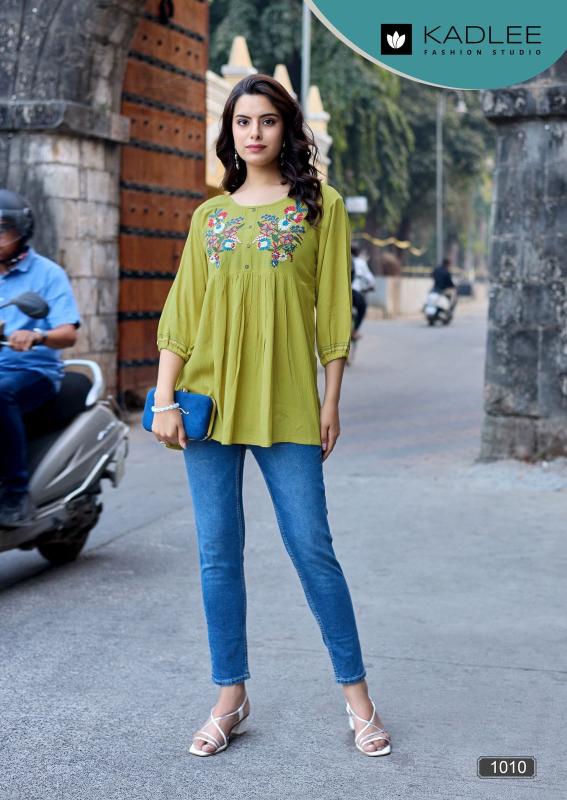
Step 4: Select Kurti Categories with Strong Reselling Potential
A profitable collection usually combines repeat-demand basics with newer fashion-led products. This gives the seller regular selling opportunities while still offering fresh designs that create interest on social media.
Daily Wear and Office Kurtis
Comfortable cotton, rayon and printed kurtis can provide repeat business because customers may purchase several designs for regular use. Simple silhouettes and wearable colours can appeal to a broader audience than highly occasion-specific fashion.
Kurti Sets and Three-Piece Sets
Kurti pant sets and kurti pant dupatta combinations can generate a higher order value because customers receive a coordinated outfit. These products are useful for resellers targeting shoppers who prefer complete looks instead of purchasing separate pieces.
Festive and Designer Kurtis
Embroidered, embellished and designer styles can be promoted during festive seasons, weddings and special occasions. Sellers should monitor seasonal demand and purchase these products in quantities that match their customer base.
Plus-Size Kurtis
Size inclusivity can expand the potential customer base considerably. Resellers should verify actual measurements instead of relying only on size labels because measurements can differ between manufacturers and catalogues.
Step 5: Calculate Your Selling Price Correctly
A successful reseller does not calculate profit simply by subtracting the wholesale product rate from the selling price. Every expense associated with completing the sale should be considered.
Your landed cost may include the product cost, applicable taxes, inward shipping, packaging, payment charges and other operational expenses. If you run paid advertisements, customer acquisition cost also needs to be considered.
For example, if a kurti costs ₹500 wholesale, selling it for ₹600 does not automatically mean ₹100 profit. Packaging, delivery or promotional expenses may consume much of that difference.
For this reason, establish a margin structure before launching. Keep separate pricing strategies for entry-level kurtis, premium collections and coordinated sets. The goal is not necessarily to become the cheapest seller; the goal is to offer a convincing combination of design, quality, service and price.
Step 6: Build Your Online Sales Channels
You do not need to launch on every platform at once. Begin with channels that you can manage consistently and expand as the business becomes organized.
WhatsApp Business
WhatsApp can work particularly well for repeat customers because sellers can share new arrivals, catalogue updates and product videos directly. Organize customer contacts carefully and avoid sending irrelevant products repeatedly.
Instagram can function as both a product showcase and discovery channel. Reels showing fabric movement, close-up embroidery, complete looks, styling ideas and new arrivals can make the collection easier for customers to evaluate.
Instead of posting only catalogue photographs, combine product-focused content with sizing guidance, styling suggestions and clear purchase information. This can improve trust for buyers who have never ordered from your business before.
Your Own Online Store
An independent website gives growing sellers more control over product organization and branding. Categories, size information, pricing and policies can be displayed in a structured format, helping customers browse without requesting every detail individually.
As your business grows, an online store can also support advertising campaigns and repeat-customer marketing more systematically.
Step 7: Source According to Trends Without Overbuying
Fashion inventory should move. A new reseller may be tempted to purchase every attractive catalogue, but controlled buying usually creates a healthier business.
Track which colours, sizes, fabrics and designs receive enquiries. When a category consistently converts into orders, increase its share of the next purchase. When a collection receives likes but few actual purchases, reconsider the quantity before restocking.
In 2026, customers increasingly discover ethnic wear through short-form video and digital catalogues. This makes visual presentation important, but actual product value remains essential for repeat orders.
Wholesaleexport.in can help wholesale buyers explore changing ethnic wear collections without restricting sourcing to one narrow style category. Access to multiple designs can be useful when resellers need regular new arrivals for social media and customer groups.
Once the first few orders begin coming in, the next priority is creating a repeatable system. Product sourcing, customer enquiries, payment confirmation, packing, dispatch and after-sales communication should follow a simple process. A structured workflow helps a home-based reseller handle increasing order volume without losing track of customers or inventory.
Step 8: Create Product Content That Helps Customers Buy
Online fashion customers cannot physically touch the fabric or try the garment before ordering, so your content has to answer the questions they would normally ask inside a store. Clear photographs, short videos and accurate descriptions can make a major difference to conversion.
For every collection, mention useful details such as fabric, available sizes, colour options, kurti length, sleeve style, bottom fabric where applicable, dupatta details and expected fit. Avoid relying only on attractive photographs. Buyers are more confident when they understand exactly what they are ordering.
Use Reels and Short Videos for New Arrivals
Short-form video can be particularly useful for online kurti reselling. A 10-to-20-second video can show the complete outfit, fabric fall, embroidery, neckline and overall appearance more effectively than a single catalogue photograph.
Home-Based Sellers can record simple product videos using natural light and a clean background. Boutique Owners and Showroom Owners can add mannequin displays, model shoots or styling videos. The production does not always need to be expensive; clarity and consistency matter more.
Write Product Descriptions for Search and Buyers
Instead of writing only “beautiful kurti available,” use meaningful descriptions such as cotton printed kurti for women, rayon office wear kurti, embroidered festive kurti set, plus-size kurti or three-piece kurti pant dupatta set. Such descriptions make the product easier for customers and search systems to understand.
This approach also supports SEO, GEO and AI-assisted discovery because the page or post provides clearer context about product type, intended customer, location and buying intent.
Step 9: Build Trust Before Trying to Scale Sales
Trust is one of the biggest assets in an online clothing business. Customers purchasing from a new Instagram page, WhatsApp seller or website want confidence that the product they see will actually be delivered as described.
Use genuine business details, accurate product information and transparent policies. Clearly communicate payment terms, shipping expectations, exchange or claim conditions and available customer support. Never promise delivery dates or product characteristics that you cannot reliably maintain.
As orders grow, customer reviews, repeat purchases and genuine product videos can become stronger sales tools than aggressive promotional claims.
Consistency Creates Repeat Customers
A reseller who provides accurate information and dependable service can gradually develop repeat business. Repeat customers reduce the need to find a completely new buyer for every order and can make the overall business more sustainable.
This is particularly valuable in women's ethnic wear because satisfied customers frequently return for new seasonal designs, festive collections, office wear and family purchases.
Step 10: Expand Your Product Range Strategically
After identifying which kurtis perform consistently, you can introduce closely related categories rather than expanding randomly. Customers purchasing kurtis may also be interested in kurti sets, dress materials, ethnic co-ord sets, festive suits and other women's ethnic wear.
For sellers building a broader catalogue, sourcing branded kurtis can help add variety across designs and price segments. Businesses that receive enquiries for unstitched ethnic wear can also explore wholesale dress materials Surat collections as a complementary category.
The important point is to expand according to customer demand. If most of your buyers purchase affordable daily wear, suddenly investing heavily in expensive occasion wear may not produce the expected turnover. Use actual enquiry and sales data to guide purchasing decisions.
Step 11: Understand Surat Sourcing and Manufacturing Advantages
Surat has developed an extensive ecosystem around textile trading, processing, wholesale distribution and manufacturing. This gives resellers access to a wide spectrum of women's ethnic wear, from value-oriented products to premium designer collections.
The commercial textile belt around the surat textile market, ring road and sahara darwaza is familiar to buyers sourcing sarees, kurtis, dress materials, suits and related fashion products. For online sellers located outside Surat, working with an organized wholesale sourcing platform can reduce the need to travel frequently for every new collection.
Wholesaleexport.in is positioned for buyers looking for changing wholesale ethnic wear collections from Surat and other Indian sourcing networks. This can be useful for resellers who need regular catalogue updates while managing their customer-facing business from another city.
Wholesale Price Versus Retail Value
The lowest wholesale price should not automatically determine your purchasing decision. A slightly better product with stronger fabric, finishing, fit and presentation may give you more room to create customer value and maintain a healthy resale margin.
Compare products on their complete resale potential. Consider whether the design suits your target audience, whether the sizes are useful, whether the photographs are marketable and whether customers are likely to reorder similar products.
Step 12: Plan Shipping and Order Fulfilment
Fast and organized dispatch becomes increasingly important as an online business grows. Customers should know when their order has been confirmed, when it is expected to dispatch and how they can track it where tracking is available.
Keep customer names, phone numbers, products, sizes, payment status and dispatch details organized. Even a simple spreadsheet can help during the early stage. As order volume increases, consider a more structured inventory and order-management system.
Pack Products Professionally
Good packaging does not need to be unnecessarily expensive. It should primarily protect the garment and present the order neatly. A clean package, correct product and timely communication contribute directly to the customer's impression of your business.
For international export orders, sellers also need to consider shipping charges, documentation, destination requirements and transit time before committing to customers.
Step 13: Build Opportunities Beyond India
Indian ethnic wear has customers well beyond the domestic market. Resellers and boutiques serving Indian communities overseas can explore carefully selected kurtis and ethnic sets according to local customer preferences.
For example, boutiques and resellers in New Zealand, USA and Singapore may source Indian ethnic collections for festive occasions, community events, weddings and everyday fashion. International purchasing requires more careful planning because shipping and order consolidation can affect the final landed cost.
Wholesale buyers should therefore compare product value, quantity and logistics together instead of evaluating only the catalogue rate. Larger consolidated orders can sometimes create a more practical sourcing structure than frequent small international shipments.
Vastralife's wholesale and export experience since 2017 adds industry understanding to this sourcing ecosystem, with attention to product variety, premium quality and practical wholesale requirements for different buyer types.
Step 14: Use a Simple Profit-Based Growth Strategy
Revenue can look impressive without necessarily producing a healthy business. Track actual profit rather than focusing only on the number of orders.
Record the purchase price, shipping cost, packaging expense, advertising spend, payment charges, returns or claims and final selling price. This will show which products genuinely contribute to profit.
Reinvest in Proven Categories
If a particular type of kurti repeatedly sells, allocate more purchasing budget to similar collections. If another category remains unsold despite frequent promotion, reduce exposure to that category rather than continuing to invest simply because the designs look attractive.
This creates a data-driven buying cycle: test, measure, restock and expand.
Keep Working Capital Available
A fashion reseller needs liquidity for new arrivals. Spending the entire budget on one large collection can make it difficult to purchase a strong new catalogue when it enters the market.
Keep part of your working capital available for restocking successful designs and purchasing timely seasonal collections.
Common Mistakes New Kurti Resellers Should Avoid
Learning how to start a kurti reselling business online also means understanding what can damage profitability. New sellers often concentrate heavily on Instagram followers and product variety while ignoring basic business economics.
- Buying excessive stock before understanding customer demand.
- Selecting suppliers only because they offer the cheapest rate.
- Ignoring shipping, packaging and advertising costs while calculating profit.
- Posting products without fabric, size or price information.
- Mixing too many unrelated fashion categories during the initial stage.
- Using unclear payment, shipping or claim policies.
- Running paid advertising without tracking enquiries and conversions.
- Failing to maintain customer and inventory records.
- Over-discounting products until the business has almost no margin.
- Ignoring existing customers while constantly searching for new followers.
A disciplined reseller does not need to grow overnight. Consistent sourcing, customer service and profitable repeat orders can create a much stronger foundation.
How Much Investment Is Needed to Start?
There is no single investment amount suitable for every seller. A home-based reseller working with a compact assortment may start differently from a boutique owner purchasing full catalogues or a wholesale buyer maintaining inventory.
Instead of choosing an arbitrary investment amount, divide your available budget into product inventory, shipping and packaging, marketing and emergency working capital. This makes it easier to continue purchasing new products without depending entirely on immediate sales from existing stock.
Wholesale pricing also varies considerably by fabric, work, brand, design and product configuration. Entry-level ethnic wear and premium designer kurti sets naturally belong to different price segments.
Marketing Strategy for a Kurti Reselling Business in 2026
A strong marketing strategy should combine discovery content with purchase-oriented content. Potential customers first need to notice the product, then understand its value and finally receive a clear way to order.
Instagram Content
Use a mix of new-arrival reels, close-up product videos, styling content, customer feedback, size guidance and collection showcases. Include relevant phrases naturally in captions instead of filling posts with unrelated keywords.
WhatsApp Customer Groups and Broadcasts
Share relevant collections rather than sending every catalogue to every customer. Segmenting customers according to budget or product preference can improve response quality.
Local and GEO-Based Marketing
Include genuine geographic context where relevant. A seller serving customers in Pune, Delhi, Ahmedabad or another market can create pages and content around actual delivery locations and customer requirements.
Similarly, wholesale sourcing content connected with Surat should naturally mention relevant textile-market context instead of adding location names merely for search ranking.
AI and Search-Friendly Product Information
Search engines and AI discovery systems work better with clear context. Product pages should identify what the product is, who it suits, its fabric, style, size range, purchasing format and relevant location or sourcing information.
This approach supports AIO and SEO without sacrificing readability for actual customers.
Internal Linking Section
A structured website should connect closely related categories so buyers can move naturally between products. A customer browsing kurtis may want to compare coordinated sets, dress materials or other ethnic wear before finalizing an order. Relevant category navigation improves product discovery while helping search systems understand the relationship between different parts of the website.
For a wholesale platform, internal navigation should remain buyer-focused. Categories should be organized around product type and genuine purchasing intent rather than creating excessive pages only to target keywords.
Customer FAQs
1. Can I start a kurti reselling business from home?
Yes. Home-Based Sellers can start with a controlled assortment and promote products through WhatsApp, Instagram, social media or an online store. Begin with manageable quantities and increase purchasing according to actual customer demand.
2. Where can I buy kurtis at wholesale prices for reselling?
Surat is one of India's important textile sourcing markets. Resellers can source through established suppliers and wholesale platforms such as Wholesaleexport.in, depending on product availability and their purchasing requirements.
3. Which kurtis are good for online reselling?
Cotton kurtis, rayon kurtis, printed styles, embroidered kurtis, short kurtis, plus-size products and kurti pant or dupatta sets can all have resale potential. The best choice depends on your target customer's budget, location and fashion preferences.
4. How should I decide my selling price?
Calculate the complete landed cost, including wholesale product price, applicable taxes, shipping, packaging, payment costs and marketing expenses. Add a sustainable margin rather than selecting a selling price based only on competitors.
5. Can I sell Indian kurtis internationally?
Yes, subject to appropriate shipping, payment, documentation and destination requirements. Sellers targeting countries such as New Zealand, USA and Singapore should calculate landed costs carefully before confirming international orders.
6. Do I need a physical shop to become a kurti reseller?
No. A physical store is not essential for beginning online. Many sellers can initially operate through digital channels and consider a boutique or showroom later when customer demand and turnover justify the additional expense.
7. How can I get repeat customers?
Focus on accurate descriptions, dependable quality, responsive communication, organized dispatch and regular relevant new arrivals. Customers are more likely to return when their first purchase matches what was promised.
Start Your Online Ethnic Wear Business with Wholesaleexport.in
If you are preparing to start a kurti reselling business online, build the business around dependable sourcing and sustainable margins rather than chasing short-term sales. Wholesaleexport.in helps Home-Based Sellers, Resellers, Boutique Owners, Shop Owners, Showroom Owners and Wholesale Buyers explore ethnic wear options for their businesses.
Discover Latest Collections, competitive Wholesale Pricing, Trendy Ethnic Wear, Fast Shipping, COD Support, Bulk Order Deals and Quality Products Starting From ₹299. Product availability, applicable terms and current prices should be confirmed when placing an order.
Contact: +91 9712582172
Website: wholesaleexport.in
Whether you are starting from home or expanding an established clothing business, the right combination of products, pricing, digital marketing and customer service can help turn kurti reselling into a scalable business. Start with focused purchasing, learn from actual customer behaviour and expand your inventory as demand grows.