


How to Select Dress Material for Retail Shops in 2026 – Smart Wholesale Buying Guide
How to Select Dress Material for Retail Shops in 2026 – Smart Wholesale Buying Guide
Successful retail buying is not about filling shelves with the maximum number of designs. It is about choosing products that match your customers, selling season, local demand and expected profit margin. Dress materials remain an important ethnic wear category because retailers can offer customers variety in fabrics, prints, embroidery, colours and price segments without depending completely on ready-made sizing. A carefully planned collection can improve stock rotation while giving shoppers enough choice for everyday, office, festive and occasion wear.
Introduction
Understanding how to select dress material for retail shops becomes especially important when dozens of new catalogues arrive every week. Attractive photography can make almost every collection look appealing, but a Shop Owner has to think beyond the catalogue image. Will customers like the fabric? Is the design appropriate for the local market? Does the wholesale price leave enough retail margin? Can the product sell quickly enough to justify the investment?
These questions matter even more in 2026, when customers can compare fashion, designs and prices across physical stores, social media and online shopping platforms. Retailers are no longer competing only with the shop next door. Their merchandise may be compared with products available from sellers across India.
Surat remains an important sourcing destination for women's ethnic wear. The surat textile market, including major commercial areas around ring road and sahara darwaza, gives Wholesale Buyers access to dress materials, sarees, kurtis, suit sets and many other categories across different price levels.
Wholesaleexport.in helps Shop Owners, Boutique Owners, Showroom Owners, Home-Based Sellers and Resellers explore wholesale fashion collections online. With Vastralife's wholesale and export experience since 2017, the business combines practical textile industry expertise with a focus on product variety and premium product quality.
Start With Your Customer Before Selecting Stock
The most important retail buying rule is simple: purchase for your customer, not for yourself. Personal taste can influence buying decisions, but a successful retailer learns to separate individual preference from commercial demand.
Before selecting wholesale dress materials, identify who actually shops with you. A neighbourhood store selling primarily to everyday family customers requires a different collection from a premium boutique serving occasion shoppers.
Understand the Customer Age Group
Customer age can influence preferred colours, patterns, fabric types and styling. Younger shoppers may respond to contemporary prints and fresh colour combinations, while another customer segment may prefer traditional motifs, elegant embroidery and classic shades.
This does not mean assigning rigid fashion rules to age groups. Instead, use your own sales history to understand which products attract different customer segments in your store.
Know the Customer's Buying Budget
Every shop has a practical selling range. If most customers comfortably purchase within a particular price bracket, buying too much stock significantly above that level can slow inventory rotation.
Create clear buying segments such as value, regular, better and premium. The exact numbers should depend on your market rather than copying another retailer's pricing structure.
Understand Why Customers Are Buying
A customer buying an outfit for everyday use usually evaluates a product differently from someone shopping for Diwali, Eid, a wedding function or a family celebration.
Retail Shops can therefore organise dress material purchasing around occasions:
- Daily wear dress materials
- Office and workwear suits
- Casual printed dress materials
- Festive dress materials
- Embroidered suit materials
- Designer dress materials
- Wedding and occasion collections
- Premium boutique dress materials
This approach helps retailers maintain variety without randomly buying unrelated catalogues.
How to Select Dress Material for Retail Shops Based on Fabric
Fabric should be one of the first considerations because customers physically experience the material after purchase. A design can attract attention, but comfort and fabric feel often influence satisfaction and repeat business.
Cotton Dress Materials
Cotton dress material wholesale collections are useful for retailers serving customers who prioritise comfort and everyday wear. Printed cottons, traditional motifs, floral designs and coordinated dupattas can work well in regular ethnic wear assortments.
Cotton is especially relevant for warmer regions, but retailers should still evaluate fabric construction and finishing rather than assuming every product labelled cotton provides the same experience.
Rayon and Soft-Flowing Fabrics
Rayon and similar soft fabrics can appeal to customers looking for comfortable garments with a fluid fall. They can be useful for casual and semi-formal styling depending on the design.
When sourcing these products, check the overall feel, print quality, colour combinations and suitability for the expected retail price.
Premium and Festive Fabrics
Festive collections may incorporate richer textures, embroidery, decorative elements and more elaborate dupattas. These products should visually justify their higher selling position.
A premium collection does not need excessive embellishment. Elegant fabric, sophisticated colours and refined detailing can sometimes create stronger boutique appeal than overly heavy work.
Check the Complete Dress Material, Not Only the Top
One common buying mistake is focusing almost entirely on the top fabric. A dress material is a coordinated product, so customers evaluate the complete combination.
Top Fabric
Check the base fabric, design placement, print clarity, embroidery and overall appearance. Consider how the design will look after cutting and stitching rather than only how it appears folded or photographed.
Bottom Fabric
The bottom should complement the top in colour and practical usability. Retailers should also understand what type of bottom material is supplied so they can explain the product accurately to customers.
Dupatta
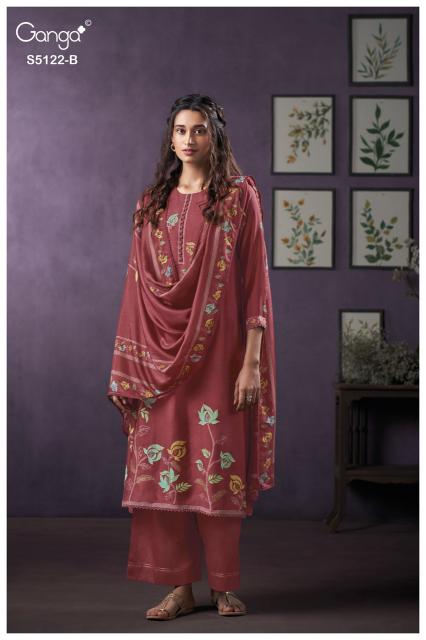
A strong dupatta can substantially improve the perceived value of a suit. Printed, woven, embroidered and decorative dupattas can transform an otherwise simple combination into a more attractive retail product.
For many customers, the complete top-bottom-dupatta coordination can influence the final purchase decision more than any single element.
Balance Trends With Proven Sellers
Retailers naturally want the latest designs, but purchasing only trend-driven merchandise creates risk. Fashion trends can generate quick attention while proven products provide consistency.
Maintain Core Inventory
Core stock should include products your customers purchase repeatedly. These may include comfortable cotton suits, wearable prints, regular price-point products and dependable colours.
Add Trend Inventory Selectively
New prints, colour palettes, embroidery styles and fashionable dupattas can keep a store looking fresh. However, retailers can test them in controlled quantities before committing heavily.
This is particularly helpful for Home-Based Sellers and smaller boutiques where purchasing capital needs to rotate efficiently.
How Much Stock Should a Retailer Buy?
There is no universal ideal quantity because the right stock level depends on store size, sales volume, customer traffic and purchasing frequency. The better question is how quickly you realistically expect the merchandise to sell.
New Retailers Should Prioritise Variety
A new business usually has limited sales history. Instead of purchasing a deep quantity of a small number of designs, a broader but controlled assortment can help identify what customers actually prefer.
Established Shops Can Use Sales Data
Experienced Shop Owners should review previous sales by fabric, colour, design type and price. If a particular category consistently sells quickly, it may justify deeper purchasing.
Avoid Emotional Bulk Buying
A catalogue may look outstanding, but the decision should still be commercial. Ask whether similar products already exist in your store, whether customers have requested the style and whether you can realistically sell the quantity.
Bulk buying becomes useful when demand is reasonably predictable. Otherwise, excessive quantity can turn an attractive wholesale rate into expensive dead stock.
Compare Wholesale Price With Retail Value
Knowing how to select dress material for retail shops also means understanding the difference between a cheap product and a commercially valuable product. Wholesale price is important, but it should never be evaluated alone.
Consider what the customer sees when the product reaches your shop. Fabric quality, print, embroidery, dupatta, colour coordination, presentation and brand perception can all influence the amount customers are comfortable paying.
Do Not Automatically Choose the Lowest Price
A low buying rate looks attractive until customers reject the merchandise because the fabric or finishing does not meet expectations. Products need to deliver suitable value at their intended selling level.
Think in Terms of Sell-Through
Imagine two products. Product A provides a very high percentage margin but sells slowly. Product B offers a moderate margin but sells repeatedly and generates frequent reorders. Product B may ultimately contribute more profit because the invested capital rotates faster.
Retail inventory should therefore be evaluated using both margin and movement.
Create Multiple Price Segments
A retailer does not need to choose between budget and premium merchandise. A carefully balanced collection can serve several customer budgets.
- Entry-level commercial products for price-conscious customers
- Regular-selling products for the store's core audience
- Better collections with stronger fabrics or detailing
- Premium products for festive and boutique customers
This structure can make it easier for sales staff to show customers alternatives without losing a sale simply because one product is outside the customer's budget.
Use Local Demand to Guide Wholesale Buying
Two shops located in different areas of the same city can have very different bestsellers. This is why generic trend reports should support your buying decisions rather than replace your own sales data.
Study Your Last 90 Days of Sales
Review which fabrics, colours, price points and styles sold fastest. Also identify products that remained unsold. Slow inventory can reveal as much about customer demand as successful products.
Listen to Products Customers Request
When several customers ask for a particular style that you do not stock, record it. Repeated requests can signal a real opportunity.
Observe What Customers Reject
Retailers often focus only on completed sales. Customer rejection is also valuable information. If shoppers repeatedly like a design but reject its price, the problem may be price positioning. If they dislike a colour or fabric regardless of price, the issue may be product selection.
Why Surat Is Important for Retail Dress Material Sourcing
For Indian ethnic wear retailers, Surat offers access to a large network of textile wholesalers, traders and businesses connected with manufacturing, printing, embroidery, processing and distribution.
Traditional sourcing areas around ring road, sahara darwaza and the wider Surat textile ecosystem allow retailers to compare different product segments and suppliers.
The scale of the market is an advantage, but it also creates a challenge: buyers have more options than they can realistically stock. The skill lies in filtering those options according to the needs of the store.
Use Online Sourcing to Shortlist Collections
Retailers no longer need to depend completely on physical market visits for every product discovery cycle. Online wholesale platforms can help buyers browse new collections and compare products remotely.
Wholesaleexport.in provides an online option for discovering Indian ethnic wear and wholesale fashion collections. Retailers can use digital sourcing alongside traditional market knowledge to reduce unnecessary purchasing time.
Select Products According to Your Retail Business Model
The ideal collection differs according to how and where products are sold. A Showroom Owner, Instagram Reseller and Home-Based Seller may all purchase dress materials, but their inventory strategies should not necessarily be identical.
For Shop Owners
Physical stores should maintain enough variety to make browsing interesting while protecting floor and shelf space from slow-moving stock. Core products, seasonal collections and a smaller premium segment can create a practical balance.
For Boutique Owners
Boutiques can focus more strongly on distinctive products and curated presentation. Instead of competing only on price, boutique inventory can emphasise design, fabric, finishing and exclusivity of appearance.
For Home-Based Sellers
Home-Based Sellers generally benefit from controlled inventory. Products that are easy to present through WhatsApp, Instagram and personal customer networks can be prioritised.
For Resellers
Resellers should understand which catalogue images generate enquiries and which enquiries actually convert into orders. High engagement does not always equal high sales, so purchasing decisions should eventually be based on conversions.
For Showroom Owners
Larger Showrooms can maintain wider product depth across daily wear, office wear, festive fashion and premium ethnic categories. However, even large stores should monitor inventory ageing rather than allowing variety to become overstock.
Think Beyond India When Selecting Retail Collections
Retail selection principles can also apply to businesses serving international customers. Indian dress materials are purchased by South Asian communities and ethnic fashion customers across different countries, but product preferences vary by market.
Retail Selection for Nepal
Businesses serving customers in Nepal should select according to their specific customer base, seasonal demand and preferred price ranges. Everyday ethnic wear and festive collections can require different inventory strategies.
Retail Selection for Canada
Retailers serving South Asian customers in Canada may need inventory for cultural events, weddings, festivals and family functions alongside selected everyday ethnic wear. Local seasons and event calendars should be considered when planning purchasing cycles.
Retail Selection for Singapore
For Singapore, retailers can consider climate, customer demographics and cultural occasions when choosing fabrics and styles. Comfortable fabrics and refined festive collections can be tested according to actual local demand.
For businesses involved in export, destination-market knowledge is just as important as supplier selection. A successful design in one country should not automatically be assumed to perform equally well in another.
Build a Repeatable Buying System for 2026
The most effective answer to how to select dress material for retail shops is to turn purchasing into a repeatable process. Instead of relying only on instinct, create a simple buying framework for every new collection.
Before ordering, ask five questions: Who is the target customer? What is the intended selling price? Why would the customer choose this design? How quickly can it realistically sell? What quantity can the business comfortably carry?
Once these questions become part of every purchasing decision, retailers can compare collections more objectively and gradually improve inventory quality.
Wholesaleexport.in, supported by Vastralife's wholesale and export experience since 2017, is designed to help professional buyers explore changing wholesale fashion collections while applying this type of demand-led buying approach.
How to Judge Dress Material Quality Before Buying
Retail customers may initially notice colour and design, but their long-term satisfaction depends heavily on quality. This is why Wholesale Buyers should develop a consistent method for evaluating merchandise before increasing order quantities.
Quality does not necessarily mean purchasing only expensive collections. An affordable product can provide excellent commercial value when its fabric, printing, finishing and overall presentation are appropriate for its price segment.
Check Fabric Feel and Appearance
Evaluate whether the fabric feels appropriate for the product category and intended customer. Consider texture, fall, thickness and overall appearance. The objective is not to judge every fabric by the same standard but to confirm that customers receive reasonable value at the expected retail price.
Look Closely at Printing and Colour
Printed dress materials remain an important commercial category. Attractive motifs, florals, geometric patterns and traditional prints can perform well when colour combinations match local preferences.
Retail buyers should consider whether the print looks balanced across the fabric and whether the design can remain attractive after stitching.
Evaluate Embroidery and Decorative Work
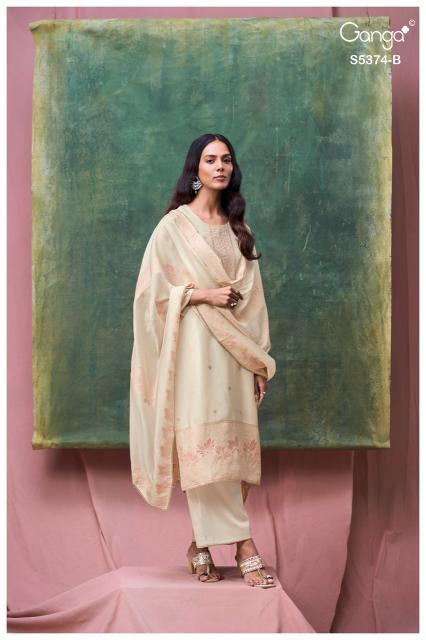
For embroidered and festive products, workmanship becomes particularly important. Examine the overall neatness of embroidery, borders and decorative details. Premium-looking work can increase perceived value and make it easier for a retailer to position the product within a better selling segment.
Think About the Finished Outfit
A Wholesale Buyer should mentally convert the unstitched material into a finished garment. Ask whether the neckline, motifs, borders and dupatta will create a coordinated look once stitched. This perspective can prevent buying designs that look attractive as fabric but become less practical as finished suits.
Internal Linking for Related Wholesale Categories
Retailers looking to expand their ethnic wear inventory can explore wholesale dress materials Surat to compare different fabrics, designs and collections suitable for shop, boutique and reselling requirements.
Businesses planning to diversify beyond women's ethnic wear can also explore men's wear wholesale as an additional category based on customer demand and available retail space.
Category expansion should always follow actual demand. Adding new products can increase average customer value, but expanding too quickly can divide purchasing capital across merchandise that has not yet demonstrated consistent sales.
Plan Dress Material Stock According to Seasons and Festivals
Seasonal planning is another important part of learning how to select dress material for retail shops. Ethnic wear demand can change significantly throughout the year, particularly around festivals, weddings and regional celebrations.
Summer and Everyday Collections
During warmer periods, comfortable fabrics and lighter-looking designs may receive stronger interest depending on the region. Cotton and breathable everyday products can form an important part of regular inventory.
Retailers should purchase these collections early enough to benefit from the complete selling season instead of adding large quantities when the season is already nearing its end.
Festive Collections
Diwali, Eid, Navratri and other celebrations can create demand for richer colours, embroidery and more distinctive suit materials. Retailers should build festive stock gradually and give customers enough time to shop before the event.
Wedding Season Collections
Wedding customers often purchase differently from everyday shoppers. Better fabrics, elegant embroidery, sophisticated dupattas and premium presentation can become more important.
Stores serving wedding customers can maintain a selected range of better products rather than attempting to convert the entire inventory into heavy occasion wear.
Regional Demand Matters
Festival buying patterns differ between cities and customer communities. Retailers should therefore combine general fashion trends with local knowledge instead of using one standard buying calendar for every market.
Use Inventory Rotation to Improve Retail Profitability
Retail profit is closely connected to how efficiently purchasing capital moves through inventory. A product sitting on the shelf for months continues to occupy both space and money, even if its theoretical margin looks attractive.
Track Fast-Moving Products
Identify products that sell soon after arrival. Record their fabric, price range, colours, design characteristics and customer segment. These patterns can guide future buying.
Identify Slow-Moving Inventory Early
Do not wait until stock becomes completely outdated before reviewing it. Regularly identify products with weak movement and understand why they are not selling.
The problem could be price, colour, design, fabric, seasonality or simply insufficient customer visibility.
Use Reorders Instead of Unnecessary Depth
Where practical, a retailer can initially buy a manageable quantity and increase purchasing when customer response is proven. This approach can preserve capital for new collections while reducing the risk of excessive dead stock.
How to Choose the Right Wholesale Supplier
Product selection and supplier selection are closely connected. A retailer may identify the right category, but inconsistent quality or poor product information can still create problems.
Look for Product Variety
A useful wholesale sourcing partner should provide access to products across different customer segments. This can help retailers compare everyday, festive, designer and premium collections without relying on only one narrow style.
Compare Quality With Price
Wholesale pricing should always be evaluated against product quality. A retailer needs enough margin to operate profitably, but customers also need to feel that the final retail product provides appropriate value.
Choose Industry Experience
Textile experience can be valuable because fashion sourcing involves much more than uploading catalogue photographs. Understanding fabrics, manufacturing, wholesale trends, product positioning and retailer requirements can improve the sourcing process.
Vastralife has wholesale and export experience since 2017, supported by practical textile industry expertise. Wholesaleexport.in builds on this experience to serve Shop Owners, Boutique Owners, Showroom Owners, Home-Based Sellers, Resellers and Wholesale Buyers looking for Indian fashion collections.
Use Online Wholesale Sourcing More Effectively
Online sourcing can help retailers access new collections without travelling for every buying cycle. However, digital buying should still follow the same commercial discipline as physical market purchasing.
Do Not Buy Only Because the Catalogue Looks Premium
Professional photography is useful for understanding the product, but the commercial decision should still depend on fabric information, design, price and expected customer demand.
Shortlist Before Ordering
Instead of selecting products randomly while browsing, create a shortlist based on required categories. For example, decide that the next order needs everyday cotton, mid-range embroidered and selected festive products before beginning product selection.
Compare New Products With Existing Inventory
Before purchasing a new catalogue, check whether similar merchandise is already available in your store. New stock should ideally fill a gap, refresh a successful category or address proven customer demand.
Wholesaleexport.in can be used to discover changing wholesale collections while maintaining this demand-focused buying approach.
Smart Buying Strategy for Small Retailers
Small retailers often have an important advantage: they know their customers personally. This information can make purchasing more precise when it is used systematically.
Keep a Customer Request List
Maintain a simple record of products customers request but cannot find in your store. Repeated requests for similar fabrics, colours or price ranges can indicate a genuine inventory opportunity.
Divide Your Buying Budget
Instead of spending the complete purchasing budget on one category, divide it according to expected demand. Core sellers can receive a larger allocation, while experimental trends receive a smaller test budget.
Keep Some Capital for New Arrivals
Fashion markets change quickly. Spending the complete budget at once can prevent a retailer from purchasing an attractive new collection that arrives a few weeks later.
Maintaining purchasing flexibility is especially useful around the surat textile market, where new designs and catalogues can enter the wholesale channel regularly.
Common Dress Material Buying Mistakes to Avoid
Buying According to Personal Taste
The retailer is not necessarily the final customer. Personal preference can help with curation, but sales history and customer feedback should have greater influence over stock decisions.
Buying Too Many Similar Designs
Ten catalogues can appear different to the buyer but look almost identical to the customer. Evaluate whether each new collection genuinely adds variety.
Ignoring the Dupatta
The dupatta can strongly influence the appearance and perceived value of a complete suit. It deserves the same attention as the main fabric during selection.
Buying Only Cheap Products
Low price can attract some customers, but a store competing exclusively on the cheapest rate can find differentiation difficult. Maintain products appropriate to different budgets where local demand supports them.
Buying Too Much Premium Stock
The opposite mistake is filling the shop with beautiful but expensive merchandise when most customers purchase within a moderate range. Premium stock should reflect the actual size of the premium customer segment.
Ignoring Inventory Age
Review how long products remain unsold. Inventory ageing helps identify purchasing mistakes and can prevent the same errors from being repeated.
Customer FAQs
1. How to select dress material for retail shops?
Start with your customer profile, preferred price range and local demand. Then compare fabric, complete top-bottom-dupatta coordination, design, quality, wholesale cost and expected retail value. Buy products that have a clear customer rather than selecting stock only because the catalogue looks attractive.
2. Which dress material is best for retail shops?
There is no single best type. Cotton and printed products can work well for everyday customers, while embroidered, designer and festive dress materials can serve occasion-focused buyers. The right mix depends on your local market.
3. Where can retailers buy wholesale dress materials in Surat?
The surat textile market includes extensive textile trading activity around areas such as ring road and sahara darwaza. Retailers can also use online wholesale sourcing to discover collections without depending entirely on physical market visits.
4. How much stock should a new retailer buy?
A new retailer should generally focus on controlled variety rather than excessive quantity. Test different fabrics, designs and price points, track sales and increase quantities once demand becomes clearer.
5. How can I avoid dead stock in a clothing shop?
Use sales data, buy manageable quantities, track customer requests, monitor inventory age and avoid purchasing too many similar designs. Reordering proven products can often be safer than overbuying unfamiliar collections.
6. Is wholesale price the most important factor?
No. Wholesale price matters, but retailers should also evaluate fabric quality, finishing, customer appeal, expected selling price and inventory rotation. A slightly higher-cost product may be more profitable when it sells faster and provides better customer value.
7. Which products should boutiques prioritise?
Boutiques can focus on more curated designs, better fabrics, distinctive prints, elegant embroidery and products that are less dependent on direct price competition. The exact assortment should still reflect the boutique's customer base.
8. Can Home-Based Sellers buy dress materials wholesale?
Yes. Home-Based Sellers can use controlled inventory and focus on products suitable for their existing customer network. Tracking WhatsApp and social media enquiries can help determine which designs deserve deeper purchasing.
9. What should I buy for festive season sales?
Consider elegant embroidered suits, richer colour combinations, distinctive dupattas and designer dress materials alongside selected affordable festive products. Maintain several price options so customers with different budgets can shop within the same category.
10. How should I choose stock for international customers?
Study the destination market rather than assuming Indian domestic bestsellers will perform identically abroad. Climate, cultural events, customer demographics and purchasing budgets can influence demand in countries such as Nepal, Canada and Singapore.
11. What is the best way to plan retail stock for 2026?
Combine historical sales data with current trends. Maintain dependable core products, introduce trend-led merchandise in controlled quantities and regularly review which products are selling fastest.
12. Why is supplier experience important?
Experienced wholesale businesses understand that retailers need more than attractive designs. Product variety, quality, pricing, changing fashion demand and practical sourcing requirements all influence a successful buying relationship.
Final Retail Buying Checklist
- Define the target customer before selecting stock.
- Set realistic retail and wholesale price ranges.
- Choose fabrics suitable for local demand and season.
- Check the complete top, bottom and dupatta combination.
- Compare quality and finishing with the buying price.
- Maintain everyday, mid-range and premium options where appropriate.
- Use customer enquiries as purchasing data.
- Track fast-moving and slow-moving products.
- Test new trends before purchasing large quantities.
- Avoid too many visually similar catalogues.
- Plan festival inventory ahead of the selling season.
- Keep purchasing capital available for new arrivals.
- Review inventory ageing regularly.
- Use previous sales to guide reorders.
- Choose reliable wholesale sourcing partners.
Build a Better Dress Material Collection with Wholesaleexport.in
Knowing how to select dress material for retail shops can make the difference between shelves filled with random inventory and a collection built around genuine customer demand. Successful buying combines trend awareness with practical knowledge of fabric, quality, pricing, local preferences and stock rotation.
Wholesaleexport.in helps professional fashion buyers explore changing Indian ethnic wear collections for shops, boutiques, showrooms, home-based businesses and reselling operations. Supported by Vastralife's wholesale and export experience since 2017, the focus remains on industry knowledge, useful product variety and quality-conscious wholesale sourcing.
Explore opportunities for your retail business with:
- Latest Collections for fresh and changing fashion inventory
- Wholesale Pricing for business buyers
- Trendy Ethnic Wear for shops, boutiques and Resellers
- Fast Shipping for convenient order fulfilment
- COD Support on eligible orders
- Bulk Order Deals for qualifying wholesale purchases
- Quality Products Starting From ₹299
Whether you are building your first retail collection or refreshing an established showroom, select products according to what your customers are likely to purchase, not simply what looks attractive in a catalogue. A disciplined buying process can improve inventory rotation, protect working capital and create a more consistent shopping experience.
Contact Us: +91 9712582172
Website: wholesaleexport.in
Explore Wholesaleexport.in for new wholesale collections and build a smarter, customer-focused ethnic wear inventory for 2026.