



How to Restock Best-Selling Wholesale Clothing Quickly in 2026
How to Restock Best-Selling Wholesale Clothing Quickly in 2026
When a kurti, lehenga, suit set, saree, or other women’s ethnic wear design starts selling faster than expected, every day without stock can mean missed orders and disappointed customers. For boutique owners, resellers, showroom owners, and online sellers, a practical restocking system helps maintain availability without unnecessarily locking money into slow-moving inventory. The goal is not simply to purchase more stock—it is to identify winners early, reorder at the right time, and work with suppliers who can support repeat requirements.
Introduction
Women’s fashion moves quickly. A design that receives an average response this week may suddenly become a bestseller after a reel performs well, a festival approaches, or customers begin asking for a particular colour or style. This makes wholesale clothing restocking an important part of running a profitable fashion business.
In 2026, retailers are also selling through more channels than before. A single boutique may receive orders from its physical store, WhatsApp, Instagram, Facebook, its own website, and repeat customers. Home-based sellers and resellers often work with relatively small inventories, which makes fast replenishment even more important.
A good restocking strategy connects three things: actual sales data, supplier availability, and your expected selling period. When these are reviewed together, you can place repeat orders before a bestseller reaches zero stock.
Wholesaleexport.in serves wholesale buyers looking for women’s ethnic wear and fashion collections sourced from Surat. Supported by Vastralife’s wholesale and export experience since 2017, the focus is on practical sourcing, industry knowledge, product variety, and premium product quality for businesses buying for resale.
Identify Best-Selling Clothing Before It Goes Out of Stock
The first step in learning how to restock best-selling wholesale clothing quickly is recognising a winning product early. Waiting until the final piece is sold is usually too late. By then, your supplier may have sold the remaining stock to other buyers.
Track Daily and Weekly Sales
Review sales frequently instead of waiting until the end of the month. Record the quantity purchased, quantity sold, available stock, selling period, customer enquiries, repeat requests, and cancellations caused by unavailable sizes or colours.
For example, suppose you purchase 24 pieces of a new kurti set and sell 14 pieces within four days. That product is showing stronger movement than another design from which only three pieces have sold during the same period. The first style deserves immediate attention for a possible repeat order.
This approach works across women’s wholesale clothing, wholesale kurtis, salwar suits, Pakistani suits, dress materials, lehenga choli, sarees, co-ord sets, festive wear, plus-size clothing, and other fast-moving ethnic categories.
Watch Enquiries, Not Only Completed Orders
Sales numbers tell only part of the story. Customer enquiries can provide an earlier signal. If buyers repeatedly ask for the same catalogue, colour, fabric, size, or design, demand may be larger than the sales report suggests.
A shop owner may have six pieces remaining but receive enquiries for twenty pieces. An online reseller may notice that one product gets substantially more WhatsApp responses than other products. A boutique owner may repeatedly hear customers asking whether a popular style will return. These are all useful restocking signals.
Calculate a Simple Sell-Through Rate
A basic sell-through calculation makes decisions easier. Divide the number of pieces sold by the number originally purchased and multiply the result by 100.
If you purchased 50 pieces and sold 35, your sell-through rate is 70%. If this happened within a short period and customer interest remains strong, the product can be considered for replenishment before the remaining 15 pieces are exhausted.
Create a Reorder Point for Every Fast-Moving Category
Successful retailers do not make every repeat purchase emotionally. They establish a minimum stock level at which a reorder should be considered.
Your reorder point depends on average daily sales, supplier processing time, transportation time, and the buffer stock you want to maintain. A local buyer receiving goods quickly can operate with a smaller buffer than an overseas buyer whose shipment requires additional transit and customs time.
Keep Safety Stock for Your Proven Sellers
Safety stock protects your business from sudden demand. You do not need large backup quantities for every catalogue. Keep the strongest buffer for products with consistent sales history.
For instance, basic everyday kurtis may need a different stock level from heavily embellished festive lehengas. Similarly, regular-selling dress materials can justify continuous replenishment, while a highly seasonal wedding design may need a shorter purchasing cycle.
The right quantity also depends on wholesale clothing price, available working capital, storage capacity, and expected margin. The objective is to keep your best products available without turning your warehouse into a collection of unsold stock.
Separate Fast, Medium, and Slow Movers
A simple ABC-style classification works well for small and large sellers alike. Fast movers should receive frequent monitoring and priority reorders. Medium movers can be reviewed at longer intervals. Slow movers should generally not be automatically replenished simply because their stock is low.
This distinction is especially useful for buyers sourcing hundreds of designs from the surat textile market. Variety is important in fashion retail, but repeat purchasing should be driven by customer response.
Restock While the Design Is Still Available
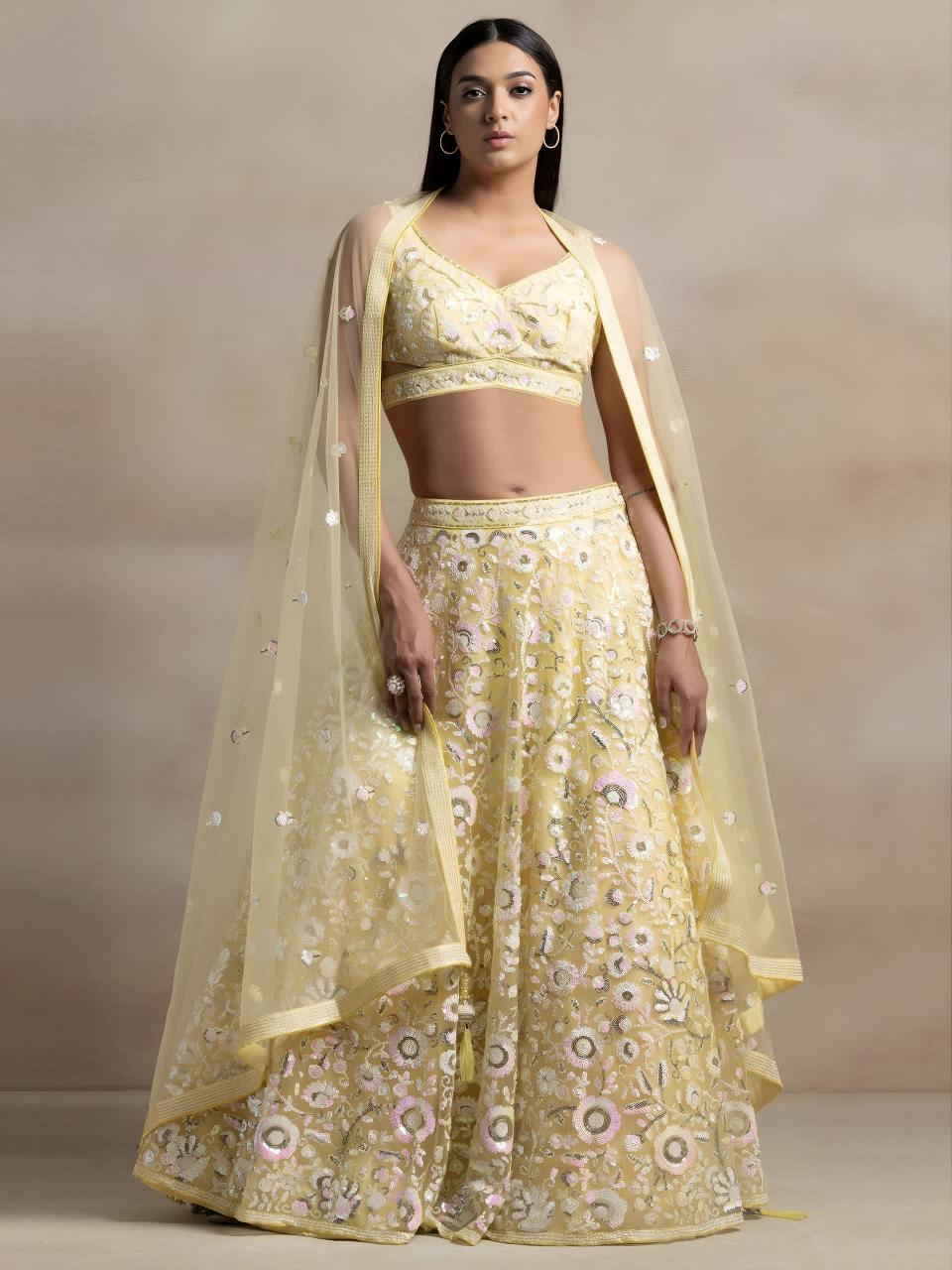
One of the biggest mistakes in wholesale fashion is assuming that every successful design will remain available indefinitely. Manufacturers work through production cycles. A catalogue can sell out, a colour may become unavailable, fabric can change, or production may shift to the next collection.
When a product becomes a confirmed bestseller, contact your supplier early and check current availability. Ask about ready stock, available colours, size ratios, minimum order quantity, repeat-production possibilities, dispatch schedule, and current price.
This becomes especially important during festival, wedding, Eid, Diwali, Navratri, and other high-demand periods when multiple wholesale buyers may be ordering the same trending styles.
Do Not Wait for Zero Inventory
A product reaching zero inventory does not mean it is time to reorder. Ideally, the replacement stock should already be moving toward you before the existing inventory is completely sold.
Suppose your shop sells approximately five pieces of a popular suit every day and a repeat shipment requires six days to reach you. Waiting until five pieces remain creates an obvious stockout risk. Ordering earlier gives you a better chance of maintaining continuous availability.
This is one reason buyers often prefer sourcing through established Surat networks around ring road, sahara darwaza, and other major textile trading areas where access to multiple manufacturers and suppliers can improve sourcing flexibility.
Keep Working Capital Ready for Repeat Orders
Quick restocking is impossible if all available capital has already been invested in new experiments. A retailer should reserve part of the purchasing budget specifically for proven sellers.
A useful buying approach is to divide inventory investment between proven products, new arrivals, seasonal collections, and an emergency replenishment reserve. The exact percentages depend on your business model, but your strongest products should not lose sales simply because every rupee was used to test new designs.
Reinvest Faster Into Proven Products
When a product produces healthy sales velocity and margin, its revenue can partly fund the next purchase. This creates a healthier inventory cycle than continually purchasing unrelated designs while ignoring products customers have already validated.
For home-based sellers and small resellers, this method can be particularly useful because it reduces the pressure to maintain a very large inventory. Instead, the business can operate with selected stock and quicker repeat buying.
Compare Margin With Inventory Speed
A higher margin is attractive, but inventory turnover matters too. A product generating a moderate profit but selling repeatedly can sometimes contribute more to total business than a high-margin garment that remains on the rack for months.
For that reason, evaluate wholesale clothing suppliers on more than purchase price. Product consistency, ready-stock availability, dispatch speed, catalogue variety, quality, and the ability to support repeat orders can all affect the real profitability of your inventory.
Build a Reliable Supplier Network in Surat
Quick replenishment depends heavily on your supply chain. Surat remains an important sourcing centre for Indian ethnic and women’s fashion, supported by extensive textile trading, manufacturing, processing, wholesale distribution, and export activity.
A retailer sourcing through Wholesaleexport.in can explore collections intended for boutiques, showrooms, resellers, home-based businesses, and wholesale buyers rather than spending valuable selling time contacting numerous individual sources.
For businesses purchasing wholesale lehenga collections, repeat availability is particularly important during wedding and festive demand. Retailers expanding into Gujarat markets can also explore sourcing options connected with the Ahmedabad kurti wholesale market category according to their customer mix.
These two category routes can complement a broader sourcing strategy while keeping your purchasing focused on the styles actually demanded by your buyers.
Plan Restocking Around Seasonal Demand
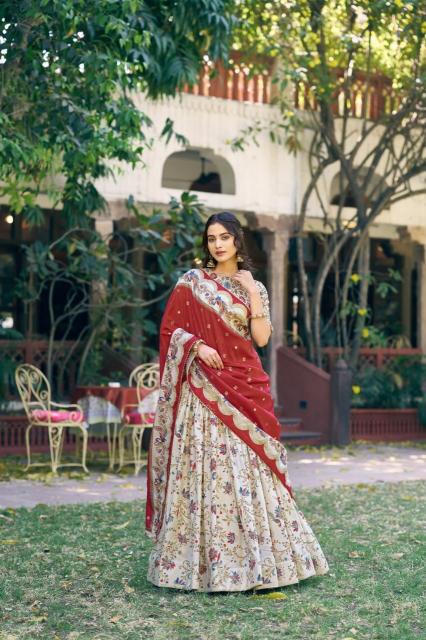
A product can be a bestseller today but may not remain equally strong throughout the year. That is why a good wholesale clothing restocking strategy combines current sales velocity with the upcoming retail calendar. Before repeating a large quantity, consider how many selling days remain before the relevant festival, wedding season, weather change, or regional buying period ends.
For example, heavily embellished lehengas and premium suit sets may move faster around weddings and festivals, while cotton kurtis, lightweight dress materials, everyday salwar suits, and comfortable co-ord sets may provide steadier demand through longer periods. Retailers should therefore separate evergreen products from short-season fashion trends.
Order Festive Stock Early Enough to Sell It
Do not measure a festive reorder only by whether the supplier has stock. Ask whether you will have enough time to receive, photograph, promote, display, sell, and potentially reorder the collection again before demand slows.
This is particularly important for international buyers. Retailers in Nepal, Australia, and USA should account for transportation and import-related timelines when planning their replenishment. Export buyers generally need a larger time buffer than businesses sourcing within India.
For international orders, confirming stock availability before payment and dispatch planning can help prevent unnecessary delays. Buyers should also consider shipment consolidation when it makes commercial sense, especially when purchasing multiple catalogues from India.
Use Previous Season Sales as a Starting Point
Historical data can make the next buying cycle more disciplined. Review which categories sold first, which price ranges generated repeat demand, which colours moved quickly, which sizes remained unsold, and how much inventory was left after the season.
However, previous-year data should guide rather than dictate your 2026 purchase. Fashion trends change. Use historical performance together with current customer enquiries, recent social-media response, supplier updates, and actual sales.
Use a Weekly Restocking Routine
Retailers do not need complicated inventory software to improve replenishment. Even a spreadsheet can become a useful purchasing tool when updated consistently.
Create columns for product name, catalogue number, supplier, original quantity, quantity sold, current quantity, purchase price, selling price, last order date, reorder quantity, stock status, and expected arrival date. For online sellers, adding the number of customer enquiries can provide another useful demand indicator.
Review Your Top Sellers Every 7 Days
A weekly review works well for many wholesale clothing businesses. During high-demand periods, fast-moving products may need to be reviewed daily or every two to three days.
During each review, identify products that are selling faster than forecast. Contact the supplier immediately to confirm availability instead of assuming the same design remains in stock. Once availability, quantity, price, and dispatch terms are confirmed, you can decide whether a repeat order makes financial sense.
Maintain a Bestseller List
Create a separate shortlist of products that repeatedly perform well. Your list might include categories such as wholesale kurtis, designer kurti sets, Pakistani suits, cotton dress materials, party wear suits, lehenga choli, sarees, plus-size ethnic wear, festive wear, co-ord sets, and ready-made salwar suits.
Over time, this list becomes valuable purchasing intelligence. Instead of selecting every new order from scratch, you know which product types deserve priority when suitable new designs arrive.
Restock by Colour and Size, Not Just Design
A catalogue can appear to have stock remaining while its commercially useful options are already depleted. If your bestselling sizes or colours are unavailable, customers may treat the product as effectively out of stock.
Analyse which size combinations sell most frequently to your audience. A boutique serving a plus-size customer base will need a different ratio from a store whose strongest sales are in standard sizes. Likewise, colour preferences can vary by region, season, occasion, and customer age group.
Reorder the Variants Customers Actually Want
Do not automatically repeat the original assortment. If the first purchase included six colours but two generated most of the sales, ask whether the repeat order can focus more heavily on those successful variants.
Where catalogue packing or supplier rules require a fixed set, calculate whether the overall set remains profitable. This helps prevent a situation where popular colours sell immediately while weaker shades accumulate.
The same principle applies to price points. Some stores perform strongly with affordable daily wear, while others sell more premium embroidered collections. Your own sales data should determine the correct inventory mix.
How Online Sellers Can Restock Without Losing Orders
Online fashion moves particularly quickly because customers can see hundreds of products within minutes. If a promoted product is unavailable, the customer can easily move to another seller.
For Instagram sellers, WhatsApp resellers, website owners, marketplace sellers, and home-based businesses, stock information should therefore be updated regularly. Avoid continuing aggressive promotion of a catalogue when availability is uncertain.
Confirm Stock Before Running Large Promotions
If a reel or paid campaign starts generating strong enquiries, immediately check supplier inventory. This is especially useful when you do not physically hold a large quantity yourself.
A reseller who knows that sufficient ready stock is available can promote with greater confidence. When stock becomes limited, marketing can be shifted toward another available product rather than continuing to collect orders that may be difficult to fulfil.
Keep Alternative Products Ready
Even a well-managed bestseller eventually sells out. Keep two or three visually or commercially similar options ready. If a specific lehenga is unavailable, offer another design in a comparable price bracket, colour family, fabric, or occasion category.
This strategy helps retain customer interest while reducing dependence on one SKU. It is especially useful in women’s fashion, where customers may accept a suitable alternative when the styling and value remain close to their original preference.
Use Surat Sourcing to Improve Replenishment Flexibility
For buyers sourcing Indian ethnic wear, access to the surat textile market can provide considerable product variety. Areas around ring road and sahara darwaza connect buyers with a broad textile ecosystem covering trading, processing, distribution, and manufacturing.
Wholesaleexport.in is designed to help wholesale buyers access multiple fashion categories from this sourcing environment. Vastralife’s wholesale and export experience since 2017 also contributes practical knowledge of the requirements of boutiques, resellers, shop owners, showroom buyers, and overseas customers.
For a buyer, the value of a supplier relationship is not limited to finding the lowest price. Consistent communication, current stock information, quality control, product selection, repeat-order support, and dependable dispatch can have a direct impact on sales continuity.
Balance New Arrivals With Proven Stock
New arrivals keep a fashion business interesting, but replacing every proven product with something new can create unnecessary risk. A balanced purchasing cycle combines fresh collections with replenishment of styles and categories that customers are already buying.
For example, a showroom might allocate part of its purchasing budget to regular-selling kurti sets and dress materials, another part to new arrivals, and a separate portion to seasonal lehengas and festive collections. The exact balance should reflect actual customer behaviour rather than a fixed formula.
Inventory Strategy for Export Buyers
International retailers need to plan further ahead because restocking involves more than domestic transportation. Product confirmation, packing, dispatch, transit, customs procedures, and final delivery can all affect replenishment time.
Export buyers should therefore forecast demand before their existing inventory reaches critical levels. Maintaining a list of proven product categories and placing consolidated repeat orders can make purchasing more organised.
Plan Around Transit Time
If your business is outside India, calculate the approximate time between placing an order and having saleable stock physically available at your location. Then add a reasonable safety buffer.
A retailer in Nepal, Australia, or the USA may also have different seasonal calendars, customer preferences, and price expectations. Selecting inventory according to the destination market is therefore as important as choosing attractive designs.
For export orders, buyers can discuss available collections, quantities, packing, and dispatch requirements before confirming larger purchases. This reduces the risk of planning promotions around products that cannot arrive within the required selling window.
Internal Linking Section
Wholesale buyers should explore relevant product categories according to their customer demand rather than purchasing unrelated stock simply to increase variety. The two linked sourcing categories mentioned earlier provide direct routes for lehenga and kurti buyers, while other categories on Wholesaleexport.in can be explored for additional women’s ethnic wear requirements.
When comparing products, focus on the final business equation: purchase price, expected selling price, likely selling period, repeat availability, customer demand, shipping cost, and potential margin. A commercially successful catalogue is one that fits your customer base and moves within a reasonable inventory cycle.
Customer FAQs
1. When should I reorder a bestselling wholesale clothing product?
Consider reordering before the product reaches zero stock. Use your average sales rate, current inventory, supplier availability, and expected delivery time to decide the reorder point. During festivals or strong seasonal demand, maintain a larger safety buffer where commercially practical.
2. How can I identify which wholesale clothing products deserve repeat orders?
Track sell-through rate, customer enquiries, repeat requests, size and colour demand, selling speed, and margin. Products with strong sales and continued customer interest are usually better repeat-order candidates than designs that are simply low in stock because only a small quantity was originally purchased.
3. Should I buy a large quantity when a design becomes a bestseller?
Not automatically. Consider the remaining selling season, available capital, current sales velocity, supplier stock, storage capacity, and whether the design is evergreen or trend-driven. Replenishing in controlled cycles can reduce overstock risk.
4. Can home-based sellers and resellers buy wholesale collections?
Yes. Wholesale sourcing can work for home-based sellers, social-media resellers, boutique owners, shop owners, showroom operators, and other wholesale buyers. The appropriate order quantity depends on the product and applicable wholesale terms.
5. What types of women’s clothing can retailers source from Wholesaleexport.in?
Buyers can explore multiple ethnic and fashion categories, including kurtis, suit sets, dress materials, Pakistani suits, lehengas, sarees and other trending collections according to current availability.
6. Why is ready-stock availability important for retailers?
Ready stock can shorten the time between identifying customer demand and replenishing inventory. For a proven bestseller, quicker access to available stock can help reduce lost sales while the design is still in demand.
7. How should I manage restocking during the festive season?
Start earlier, monitor fast sellers more frequently, keep a purchasing reserve, confirm availability before promoting products heavily, and calculate whether replacement stock can arrive with enough selling days remaining in the season.
8. Can international buyers source wholesale clothing from India?
Yes. International wholesale buyers can source Indian ethnic wear for their markets, subject to applicable ordering, shipping, customs, and destination requirements. Export buyers should plan inventory earlier because international replenishment normally requires more lead time than domestic sourcing.
Strong CTA: Restock Your Best Sellers Before You Lose the Next Order
A bestseller should create repeat revenue, not an out-of-stock problem. Monitor what your customers are buying, identify winning styles early, confirm supplier availability, maintain sufficient working capital, and reorder while demand is still active.
Wholesaleexport.in helps home-based sellers, boutique owners, resellers, shop owners, showroom owners, and wholesale buyers explore fresh women’s fashion collections for their businesses. With Vastralife’s wholesale and export experience since 2017, buyers can access industry expertise, premium product quality, and a broad selection of ethnic fashion for different customer segments.
Explore Latest Collections, Wholesale Pricing, Trendy Ethnic Wear, Fast Shipping, COD Support where applicable, Bulk Order Deals, and Quality Products Starting From ₹299. Product availability, pricing, MOQ, COD eligibility, shipping terms, and dispatch timelines should be confirmed for the specific order.
Contact: +91 9712582172
Website: wholesaleexport.in
Whether you are planning your next regular purchase or need to restock best-selling wholesale clothing quickly, build your buying decision around real demand and timely replenishment. A disciplined restocking cycle can help keep your strongest products available, protect working capital, and give customers more reasons to return for their next purchase.