



How to Reduce Dead Stock in a Clothing Business: Practical Inventory Strategies for 2026
How to Reduce Dead Stock in a Clothing Business: Practical Inventory Strategies for 2026
Unsold clothing quietly blocks working capital, occupies valuable shelf space and reduces the ability of a retailer to invest in fresh designs. For boutique owners, resellers, showroom owners and wholesale buyers, improving stock rotation is therefore just as important as increasing sales. A disciplined purchasing system, frequent stock analysis and access to fresh wholesale collections can help a clothing business maintain variety without unnecessarily increasing inventory risk.
Introduction
One of the biggest challenges in fashion retail is deciding how much merchandise to buy. Customers want new designs, colours and styles regularly, but purchasing too many pieces of every design can create dead stock in a clothing business. Purchasing too little, on the other hand, can mean losing sales when a popular product sells out.
The solution is not simply to reduce purchasing. A successful inventory strategy focuses on buying the right products, in the right quantities, at the right price and at the right time. This becomes especially important in 2026, when fashion trends can move quickly through Instagram, short videos, marketplaces and WhatsApp before traditional retailers have completed their previous buying cycle.
For home-based sellers, shop owners and boutiques, smaller and more frequent purchases can often create healthier cash flow than filling a store with months of inventory. Wholesale buyers and larger showroom owners can use the same principle at a bigger scale by dividing their investment between proven products, seasonal collections and carefully selected experimental designs.
Businesses sourcing from the surat textile market have access to a huge variety of kurtis, sarees, dress materials, Pakistani suits, co-ord sets, gowns, kids wear and other ethnic fashion categories. This variety creates opportunities, but it also makes disciplined product selection essential.
What Is Dead Stock in the Clothing Business?
Dead stock refers to merchandise that remains unsold for an extended period and has little probability of selling at its original expected margin. In fashion, inventory can become slow even when the physical product is perfectly good. A colour may lose popularity, a festival may finish, weather may change or a new design trend may replace the previous one.
For example, a retailer may purchase 60 pieces of one kurti design because the wholesale rate appears attractive. If customers actually purchase only 15 pieces, the remaining 45 units continue occupying capital. A lower purchase cost does not automatically create a better business deal if a significant percentage of the merchandise remains unsold.
Dead Stock Is Different from Slow-Moving Stock
It is useful to separate inventory into fast-moving, slow-moving and dead-stock categories. A product that takes slightly longer to sell is not necessarily dead inventory. Some premium ethnic products naturally have a longer selling cycle because customers buy them for weddings, festivals and special occasions.
The warning sign appears when a product repeatedly receives little customer interest even after adequate display, promotion and reasonable pricing. Identifying that stage early allows the seller to take corrective action instead of waiting until the product becomes commercially irrelevant.
The Hidden Cost of Unsold Clothing
The biggest cost of dead inventory is not only the money originally spent on it. It is also the opportunity lost because that money cannot be invested in fast-moving clothing products. Shelf space, warehouse space, advertising expenditure, packaging and staff time can further increase the real cost.
Imagine ₹1,00,000 invested in slow merchandise while another fast-moving category could rotate several times during the same period. The difference in annual profitability can become substantial even when both categories initially appear to offer similar gross margins.
Buy According to Sell-Through, Not Only Wholesale Price
A common buying mistake is selecting products primarily because the wholesale price is low. Experienced buyers evaluate the complete commercial equation: purchase cost, expected retail price, customer demand, competition, selling speed and reorder availability.
A ₹350 product that sells consistently may be financially stronger than a ₹250 product that remains in the shop for six months. For this reason, retailers trying to reduce dead stock should monitor sell-through rather than focusing exclusively on buying cost.
Start with Controlled Quantities
When trying a new design, fabric or category, start with a controlled quantity whenever the supplier's MOQ permits it. Observe actual customer response before making a deeper investment.
This approach is particularly valuable for home-based sellers, online resellers and newer boutiques. Instead of investing most working capital in a few catalogues, sellers can create a wider product assortment while controlling quantity per design.
Reorder Winners Instead of Predicting Every Winner
No buyer can predict customer behaviour perfectly. A more practical model is to identify successful designs quickly and reorder them when stock is available. This changes the buying strategy from "predict everything" to "test, measure and replenish."
When dealing with wholesale suppliers, ask about restocking possibilities before placing an order. Products supported by dependable manufacturing and repeat availability can reduce the pressure to purchase excessive quantities in the first transaction.
Create a Fast-Moving Product Mix
A clothing store should rarely depend on a single category. Different products perform different jobs within the inventory. Everyday kurtis may provide frequent transactions, festive suits may provide higher order values, while sarees and dress materials can attract different customer segments.
For buyers exploring Wholesaleexport.in, the objective should be to build a commercially balanced collection rather than purchasing every new arrival in equal quantities. Product selection should reflect the retailer's own customer base, location, average selling price and previous sales history.
Useful buying searches include women's wear wholesale, kurti wholesale supplier, wholesale sarees, ethnic wear wholesale, Pakistani suits wholesale, dress material wholesale, kids wear wholesale, boutique clothing wholesale, ladies suits supplier, wholesale clothing online, reseller clothing products, low MOQ wholesale clothing, Surat wholesale garments, festive wear wholesale, wedding wear supplier, cotton kurti wholesale, plus-size women's wear and wholesale fashion supplier.
Use the 70-20-10 Buying Approach
A practical framework is to allocate approximately 70% of purchasing capacity to products or categories with established demand, 20% to current trends and seasonal opportunities, and 10% to experimental designs. These percentages are not fixed rules; retailers should adjust them according to their sales data.
The principle is more important than the exact numbers. Most working capital should remain connected to merchandise that has already demonstrated sales potential, while enough budget remains available to discover future bestsellers.
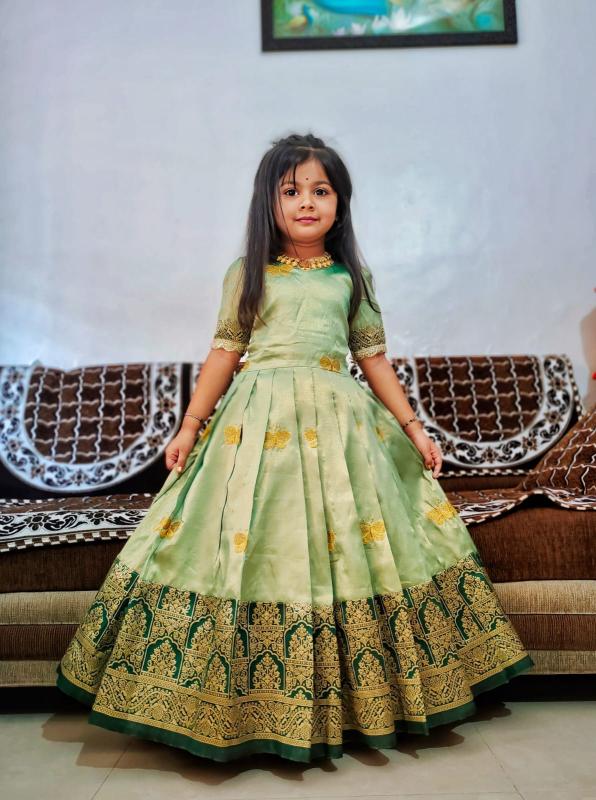
Use Sales Data Before Placing the Next Wholesale Order
Even a small retailer can make data-based buying decisions without complicated software. Before every significant purchase, review the previous 30, 60 and 90 days of sales. Identify which category, size, colour, price band and fabric moved fastest.
A simple spreadsheet can contain product name, purchase date, quantity purchased, quantity sold, average selling price and remaining stock. Over time, this creates a clear picture of what customers actually purchase rather than what the buyer assumes they will purchase.
Track Sales by Size
Size imbalance is a major source of fashion dead stock. A design may appear successful overall while certain sizes remain unsold. Track size-level performance wherever possible and modify future size ratios accordingly.
The same principle applies to plus-size fashion. Retailers should not automatically apply standard-size purchasing ratios to extended sizes. Analyse the specific demand among your customers and build the size mix accordingly.
Track Colour and Price Bands
Retailers should also know whether their customers respond better to neutrals, bright colours, pastels, darker shades or seasonal combinations. Similarly, divide products into practical selling-price bands. You may discover that merchandise within one price range rotates much faster than products immediately above it.
This information is especially useful when comparing multiple suppliers around Ring Road, Sahara Darwaza and other textile sourcing areas of Surat. Instead of buying simply because a catalogue looks attractive, buyers can evaluate whether it matches their proven customer profile.
Plan Inventory Around Seasons and Festivals
Fashion inventory has a timing component. Festive garments purchased at the wrong time can become slow stock even when the designs themselves are excellent. Buyers should therefore work backwards from the actual selling season.
For India, major festive and wedding periods can generate demand for sarees, lehengas, Anarkali suits, embroidered suits and other trendy ethnic wear. Summer may increase demand for lighter cotton products, while regional preferences can influence fabrics and styling.
Export buyers should calculate transit and selling time as well. A collection intended for customers in Nepal, Australia or the USA needs to arrive early enough for the reseller to photograph, advertise and sell it before the relevant occasion.
Do Not Confuse Seasonal Demand with Permanent Demand
A product can sell exceptionally well during a festival without becoming an evergreen category. After a strong seasonal sale, avoid automatically repeating the same purchasing volume for ordinary months.
Maintain separate records for regular sales and event-driven sales. This prevents temporary demand spikes from distorting future purchasing decisions.
Work with Suppliers Offering Fresh Collections
Stock rotation becomes easier when retailers can access frequent new arrivals. Rather than placing extremely large orders only a few times per year, businesses can evaluate smaller buying cycles when operationally practical.
Wholesaleexport.in can be used by retailers searching for new women's ethnic wear and related wholesale categories. Access to regularly updated collections gives resellers more opportunities to refresh their customer-facing catalogue without depending entirely on one fashion cycle.
Supplier Reliability Matters as Much as Product Selection
A reliable supplier should provide clear product information, consistent communication and practical dispatch support. Quality consistency is particularly important because returns, customer dissatisfaction and unsellable defective merchandise can indirectly increase inventory problems.
Vastralife brings wholesale and export experience since 2017, along with industry knowledge developed through serving wholesale buyers and resellers. For buyers, this type of experience can be useful when selecting commercially practical collections and maintaining premium product quality expectations.
Surat's large textile ecosystem, including the surat textile market, Ring Road and Sahara Darwaza areas, continues to give wholesale buyers access to extensive manufacturing and trading networks. The advantage becomes greater when this variety is combined with disciplined inventory purchasing.
Set a Stock-Age Action Plan Before Products Become Dead
Retailers should decide in advance what happens when merchandise remains unsold. Waiting indefinitely usually makes the problem worse. A stock-age policy can trigger different actions at 30, 60, 90 or more days depending on the product category.
Fresh inventory can remain at normal margin. Moderately slow stock can receive stronger merchandising or digital promotion. Older stock can move into bundles, customer offers or clearance campaigns. The exact timeline will vary, but the important point is to make decisions before merchandise becomes commercially obsolete.
Promote Slow Stock Before Cutting the Price
Discounting should not always be the first response. Sometimes a product is slow because customers have not seen it properly. Try fresh photographs, mannequin styling, reels, WhatsApp status updates, combination suggestions or moving the product to a more visible position.
An ethnic kurti can be presented as office wear in one campaign and casual festive wear in another. A dress material can be marketed through fabric details and styling possibilities. Better presentation can sometimes improve conversion without sacrificing margin.
At the halfway stage of inventory planning, retailers can also explore relevant kids wear wholesale options when expanding into family-oriented categories. Buyers interested in adding higher-value occasion products can separately evaluate the wholesale lehenga market in Surat according to their local customer demand.
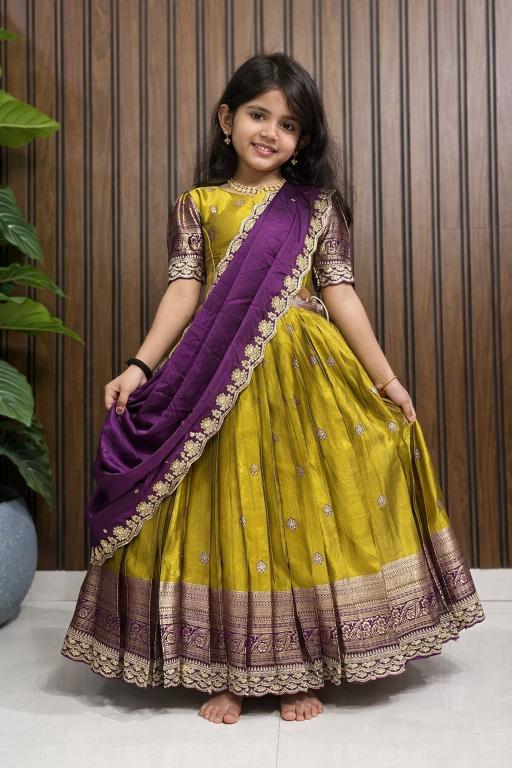
Convert Slow-Moving Inventory into Cash Faster
Once a retailer identifies products that are moving slower than expected, the objective should be to recover working capital intelligently. Keeping merchandise indefinitely because you do not want to reduce the margin can sometimes create a bigger financial loss. Fashion businesses need cash available for new collections, seasonal purchases and proven fast-moving products.
A practical approach is to divide older merchandise into different groups. Products that still have strong visual appeal can be promoted again with new photography and styling. Products with limited quantities can be offered as last-piece deals. Multiple slow products can also be combined into reseller packages or attractive customer bundles.
For wholesale buyers, a small reduction in margin can sometimes be commercially sensible if it releases money that can immediately be reinvested in faster stock. The focus should therefore be on inventory turnover and total annual profit rather than trying to protect the maximum margin on every individual piece.
Create Bundles Instead of Random Discounts
Bundles can protect perceived product value better than continuous discounting. A boutique can combine a slower kurti with another fast-selling product, while resellers can create special multi-piece offers. Showroom owners can use quantity-based incentives for customers purchasing several products together.
Wholesale buyers can similarly create mixed-category offers for smaller retailers. The objective is to make the overall transaction attractive while reducing ageing inventory.
Use Clearance Campaigns Strategically
Clearance should have a specific purpose and duration. Instead of permanently showing old merchandise at discounted prices, create limited campaigns such as end-of-season clearance, last-stock offers, reseller specials or catalogue closing deals.
When customers understand why the price has been reduced, the promotion feels more intentional and does not necessarily weaken the perceived value of fresh merchandise.
Keep Fresh Stock Separate from Old Inventory
Mixing new arrivals and ageing products without any inventory structure makes purchasing decisions difficult. A retailer should know exactly how much money is invested in fresh, medium-age and old merchandise.
A useful stock report can divide merchandise into age brackets such as 0–30 days, 31–60 days, 61–90 days and more than 90 days. The appropriate periods can change according to the category. Fast fashion may require shorter windows, while premium wedding merchandise may reasonably remain available for longer.
Once this report becomes part of regular business management, it becomes much easier to identify slow-moving clothing inventory before it turns into dead stock.
Calculate Stock Turnover by Category
Do not evaluate the entire store only through total sales. Compare individual categories. Kurtis may rotate quickly while premium suits produce higher margins. Sarees may perform differently from dress materials, and kids wear may have another buying cycle altogether.
Category-level analysis helps determine how much working capital each department deserves. If 20% of the inventory consistently generates a large percentage of sales, those products deserve special attention when planning the next wholesale purchase.
Avoid Overbuying During Supplier Offers
Bulk discounts are valuable when the merchandise can actually be sold. They become expensive when a buyer purchases unnecessary quantity simply to obtain a lower per-piece rate.
Before accepting a large-volume offer, calculate the expected sell-through period. Ask whether purchasing 100 pieces at a slightly lower price is genuinely more profitable than purchasing 50 pieces that can be sold quickly and replaced with another fresh collection.
This distinction is particularly important for home-based sellers and smaller boutiques because their available working capital is usually more limited. Every rupee blocked in unsold inventory reduces flexibility for the next buying opportunity.
Use MOQ as an Inventory Management Tool
Minimum order quantity should not be viewed only as a supplier condition. A practical MOQ can help retailers test new collections without committing excessive capital.
For emerging sellers, the ability to purchase manageable quantities can provide more variety while controlling inventory exposure. Once customer demand becomes visible, successful designs can receive larger repeat orders.
Use Digital Selling Channels to Increase Stock Rotation
A product that sells slowly inside one physical shop may find customers online. WhatsApp, Instagram, Facebook, short-form videos and a retailer's own website can expand the audience for existing inventory.
Instead of uploading a product only once, sellers can present it differently over several weeks. Show the fabric close-up, explain sizing, demonstrate styling, create a short video and show possible occasions where the garment can be worn. Each presentation gives the same inventory another opportunity to reach a relevant customer.
Use WhatsApp for Fast Inventory Movement
WhatsApp is especially useful for boutique owners and resellers who already maintain customer relationships. New arrivals, limited stock, restocked designs and clearance merchandise can be separated into different communication campaigns.
Avoid repeatedly sending the same product photograph without context. Add a useful reason to purchase: limited quantity, new colour, seasonal use, special wholesale deal or final availability.
Create Product Videos for Older Merchandise
Some products look significantly better in motion than in catalogue photographs. A short video showing fabric fall, embroidery, print details or dupatta styling may generate interest that static photography failed to create.
This is particularly relevant for sarees, gowns, Pakistani suits, lehengas, Anarkali styles and other products where drape and detailing influence purchase decisions.
Plan Export Inventory Separately from Domestic Stock
Businesses selling internationally should not automatically apply their Indian inventory strategy to export customers. Product preferences, climate, festival dates, shipping costs and delivery periods can differ considerably.
For buyers serving markets such as Nepal, the USA and Australia, merchandise should be selected with the end customer's season and selling calendar in mind. International buyers may also prefer different sizes, colours or product combinations from domestic retailers.
Shipping lead time is another important factor. If merchandise reaches an overseas reseller after the strongest selling period has already begun, the retailer has less time to recover the investment. Advance planning therefore contributes directly to reducing dead inventory in an export clothing business.
Buy According to the Destination Market
Do not create one universal assortment for every country. Analyse what actually sells in each destination. Ethnic communities abroad may purchase Indian wear for weddings, festivals, religious events and family functions, while everyday demand can differ substantially from the Indian market.
International wholesale buyers should therefore combine destination-specific demand with shipping economics before deciding quantity.
Improve Coordination Between Purchasing and Sales
Many inventory problems occur because purchasing and selling are treated as separate activities. The person buying merchandise needs regular feedback from the people speaking directly with customers.
Sales staff can report which colours customers request, which sizes are unavailable, which price points receive resistance and which styles customers repeatedly ask for. These observations should influence the next purchasing cycle.
For a home-based business, the owner may perform both roles. Even then, maintaining written records is better than relying entirely on memory.
Review Inventory Every 7 to 10 Days
A short inventory review every week or ten days can reveal problems early. Look at what arrived, what sold, what was reordered and what received almost no customer response.
This review can also identify products that deserve immediate replenishment. Preventing stock-outs of winners is part of the same inventory discipline used to prevent overstocking of weak products.
Build a Better Buying Strategy for 2026
The most sustainable way to reduce dead stock in a clothing business is to improve buying decisions before inventory enters the store. In 2026, retailers have access to more trend information than ever, but that does not mean every online trend deserves a large wholesale investment.
Use trends as signals and actual sales as evidence. Purchase experimental styles in controlled quantities, track their response and increase orders only when demand becomes visible.
Buyers sourcing from Surat can benefit from the city's large manufacturing ecosystem and extensive selection across Ring Road, Sahara Darwaza and surrounding textile markets. The real commercial advantage, however, comes from combining that selection with disciplined buying.
Protect Working Capital
Working capital is the fuel of a wholesale or retail clothing business. When too much of it is locked into ageing merchandise, the business may miss profitable opportunities simply because cash is unavailable.
A retailer should therefore ask one question before every significant purchase: "How quickly can this stock realistically convert back into cash?" The answer should consider demand, selling price, quantity, season, customer profile and expected replenishment opportunities.
Measure Profit Through Rotation, Not Only Margin Percentage
A higher margin percentage does not always mean a more profitable product. A product earning a moderate margin but rotating frequently can generate more total profit over a year than a high-margin item sold only occasionally.
This is why successful inventory management connects gross margin with stock turnover ratio. Both numbers matter when evaluating merchandise performance.
Internal Linking and Wholesale Product Discovery
Retailers planning their next purchase should explore categories according to customer demand rather than adding products randomly. Wholesaleexport.in provides access to multiple fashion categories that can help home-based sellers, boutiques, resellers, shop owners and showroom buyers create a broader product mix.
When exploring wholesale merchandise, compare fabric, design, size availability, catalogue quantity, wholesale price and expected retail demand. Maintaining a diversified but controlled assortment can reduce dependence on one product category and improve overall stock rotation.
Wholesaleexport.in can also support buyers looking for fresh collections instead of holding excessive inventory for long periods. Regular purchasing based on actual sales allows a business to respond more quickly when fashion preferences change.
Customer FAQs
1. How can I reduce dead stock in my clothing store?
Start by identifying inventory according to age and sales speed. Reduce future buying quantities for weak categories, reorder proven products, promote slow merchandise through fresh content and use planned bundles or clearance offers for ageing inventory. Review sales and stock frequently instead of waiting until the end of a season.
2. How much stock should a new boutique purchase?
There is no universal quantity because the correct investment depends on store size, target customers, price range and available working capital. New boutiques can generally reduce risk by starting with wider variety in controlled quantities and increasing orders after identifying products that sell consistently.
3. Is buying clothing in bulk always more profitable?
No. Bulk purchasing may reduce the per-piece cost, but the benefit disappears if a large percentage remains unsold. Calculate expected demand and inventory turnover before increasing quantity purely to receive a bulk discount.
4. Which clothing products are less likely to become dead stock?
No fashion product is completely risk-free. However, products supported by recurring customer demand, practical price points, wearable colours, appropriate sizing and proven sales history generally provide better inventory predictability than highly experimental designs. Everyday kurtis, selected ethnic wear, sarees and dress materials can perform consistently in suitable markets, but retailers should rely on their own sales records.
5. How often should clothing inventory be reviewed?
Fast-moving businesses benefit from reviewing key inventory figures every 7 to 10 days, with deeper monthly analysis. The review should cover new arrivals, units sold, remaining quantity, ageing stock, sizes, colours, margins and products requiring replenishment.
6. Should I discount products that are not selling?
Not immediately. First improve product presentation through photography, videos, merchandising and targeted promotion. If the merchandise continues ageing, controlled discounts, bundles or clearance campaigns can help recover capital before the stock loses more commercial relevance.
7. Can online selling help clear old clothing stock?
Yes. Digital channels can expose inventory to customers beyond the physical store. WhatsApp, social media, websites and reseller networks can be particularly useful for finding buyers for limited quantities, older catalogues and special offers.
8. Why is Surat important for wholesale clothing sourcing?
Surat has a large textile manufacturing and wholesale ecosystem covering numerous women's wear categories. Areas around Ring Road, Sahara Darwaza and the broader Surat textile market give buyers access to extensive product choices, making the city an important sourcing destination for Indian and international clothing businesses.
Start Building a Faster-Moving Clothing Inventory
Reducing dead inventory does not mean keeping a shop empty. It means maintaining the right balance between variety, quantity and sales speed. Buy proven products confidently, test new fashion carefully, track every category and release capital from slow merchandise before it becomes a long-term burden.
For retailers, boutiques, home-based sellers, resellers, showroom owners and wholesale buyers looking to refresh their inventory, Wholesaleexport.in offers access to Latest Collections, Wholesale Pricing, Trendy Ethnic Wear, Fast Shipping, COD Support, Bulk Order Deals and Quality Products Starting From ₹299.
With Vastralife's wholesale and export experience since 2017, industry expertise and focus on premium product quality, buyers can explore collections suited to different retail and resale requirements.
Contact: +91 9712582172
Website: wholesaleexport.in
Choose inventory according to real customer demand, monitor stock movement consistently and keep enough working capital available for the products your customers are ready to buy next.