


How to Create a Profitable Ethnic Wear Product Mix in 2026
How to Create a Profitable Ethnic Wear Product Mix in 2026
A successful ethnic wear business is rarely built by stocking the maximum number of designs. It grows when every category has a clear role: some products bring regular customers, some generate repeat orders, some improve average order value, and premium collections create stronger margins during festivals and weddings. For home-based sellers, boutiques, shops, showrooms and resellers, building the right combination of products can make inventory easier to sell while keeping purchasing capital focused on categories with genuine demand.
Introduction
Knowing how to create a profitable ethnic wear product mix has become increasingly important for fashion businesses in 2026. Customers now discover clothing through WhatsApp, Instagram, online stores, marketplaces and physical retail outlets, giving sellers access to a much broader audience but also exposing customers to far more choices.
A profitable product mix should therefore balance three important factors: demand, margin and inventory movement. A store filled only with premium wedding products may generate attractive margins per sale but could experience slower rotation. A business selling only low-price everyday garments may achieve regular sales but struggle to build sufficient profit per order. Combining multiple complementary categories can create a healthier business model.
For businesses sourcing from the surat textile market, this approach is particularly practical because Surat provides access to a broad textile and garment ecosystem. Wholesale markets around ring road, sahara darwaza and surrounding textile areas connect buyers with numerous brands, wholesalers and manufacturing sources across ethnic wear categories.
Wholesaleexport.in allows resellers and wholesale buyers to explore multiple product segments for building a balanced collection instead of depending entirely on one garment category.
What Makes an Ethnic Wear Product Mix Profitable?
A profitable collection is not necessarily the collection containing the cheapest products or the highest number of designs. Profitability depends on how efficiently inventory converts into sales and how much useful margin remains after purchasing and operating costs.
Demand Should Come Before Variety
Variety matters only when it matches customer demand. If most customers purchase kurtis and kurti sets, allocating the majority of purchasing capital to expensive bridal products simply to create variety can reduce inventory efficiency.
Start with actual customer enquiries, previous orders and local demand. Then add complementary categories gradually.
Margin and Stock Rotation Must Work Together
A product that provides ₹500 profit but takes six months to sell may be less useful than an item generating ₹250 profit that sells repeatedly. Retailers should therefore consider both margin per product and expected stock rotation.
This is especially important for home-based sellers and new resellers operating with limited capital. Money locked in slow-moving inventory cannot be used to purchase new collections.
Different Products Should Serve Different Buying Occasions
A balanced ethnic wear collection can serve daily wear, office wear, casual outings, festive occasions, weddings and gifting requirements. This reduces dependence on a single season and creates more reasons for customers to return throughout the year.
Start with a Core Fast-Moving Ethnic Wear Category
The first layer of a profitable inventory should normally consist of products with regular demand. These are the garments that keep enquiries and orders moving between major festive seasons.
Kurtis for Regular Retail Demand
Wholesale kurtis can provide a strong foundation because the category covers multiple price points, age groups and wearing occasions. Cotton kurtis, rayon styles, printed kurtis, office wear, embroidered designs and plus-size options can all address different customer segments.
For new businesses, kurtis also make it possible to test colours, patterns and price ranges without concentrating the complete inventory budget in high-value pieces.
Kurti Pant Sets for Higher Average Selling Value
Once customers are comfortable buying kurtis, coordinated kurti pant sets are a natural category extension. A complete look can support a higher retail price while remaining practical for everyday or semi-festive customers.
Kurti sets wholesale collections can include two-piece and three-piece combinations. Sellers should clearly communicate fabric, size range and exactly what is included in each set.
Dress Materials for Customers Who Prefer Custom Stitching
Dress materials remain useful in markets where customers prefer personalised fitting. Cotton dress materials can support everyday demand, while embroidered and premium fabrics can serve festive requirements.
This gives retailers another category without competing directly with their readymade products.
Add Sarees to Expand Customer Reach
Sarees can strengthen an ethnic wear assortment because the category covers affordable everyday products as well as premium festive and wedding collections.
Daily and Printed Sarees
Printed sarees, lightweight sarees and practical everyday styles can create regular selling opportunities. These products may appeal to customers looking for attractive designs at accessible prices and can be particularly useful for resellers who depend on frequent catalogue updates.
Festive Sarees
Festive collections allow sellers to move into a higher price segment. Bandhani-inspired designs, fancy sarees, silk-look products, embroidery and occasion wear can be introduced according to regional demand.
Premium Sarees for Higher-Value Orders
A smaller premium saree section can target wedding shoppers, boutiques and customers seeking more elaborate designs. The goal is not necessarily to hold premium inventory in the same quantity as everyday products. A carefully selected range can provide enough variety while controlling investment.
Use Salwar Suits to Bridge Everyday and Festive Demand
Salwar suits can occupy an important middle position within the ethnic wear product mix. Simple designs can serve regular customers, while embroidered and designer suits can address festive and occasion-based demand.
Wholesale salwar suits can be divided into daily wear, office wear, festive suits, designer suits and premium collections. This creates multiple price points inside one broad category.
Readymade Suits
Readymade suits offer convenience because customers can purchase a complete outfit without additional tailoring. Clear size availability becomes particularly important for this segment.
Premium Suit Sets
Premium fabrics, detailed embroidery and coordinated dupattas can support stronger selling prices for boutiques and occasion-focused retailers. Product quality should justify the premium positioning.
Include Pakistani Suits for a Distinct Premium Segment
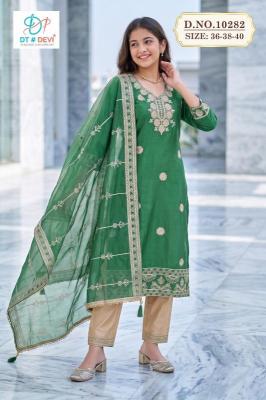
Retailers looking to differentiate their catalogue can consider Pakistani-style suit collections. Longer silhouettes, detailed work, coordinated bottoms and statement dupattas can provide a distinctive visual identity compared with basic daily-wear products.
Pakistani suits wholesale can work particularly well for boutiques and resellers whose customers actively seek elegant festive and semi-formal ethnic wear.
Do Not Compete Only on Price
Premium ethnic wear customers often evaluate design, fabric, workmanship and presentation together. A retailer should therefore avoid selecting every premium product solely because its buying price is low.
Better-quality collections may support stronger customer satisfaction and a healthier retail margin when presented to the correct audience.
Add Lehenga Choli for Wedding and Festive Profit Potential
Lehenga choli can become one of the higher-value categories in a balanced ethnic wear business. It is especially relevant during wedding seasons, festive periods, engagement functions and family celebrations.
Wholesale lehenga choli collections can be divided into lightweight festive styles, partywear designs, traditional pieces and premium wedding collections.
Keep Entry-Level Festive Options
Not every customer wants a heavy wedding lehenga. Lightweight designs can provide a more accessible price point and may move faster during festivals and smaller functions.
Use Premium Lehengas Selectively
Premium pieces can increase average order value but may also require greater investment. Shops and boutiques should select these according to confirmed customer demand rather than building oversized premium inventory.
This is an important principle when learning how to create a profitable ethnic wear product mix: high-value inventory should strengthen the collection without consuming an unreasonable share of working capital.
Do Not Ignore Kids Wear in a Family-Focused Product Mix
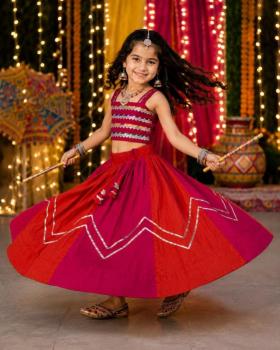
Kids wear can add another revenue stream for businesses already serving women and families. Parents purchasing festive clothing for themselves may also need outfits for children, creating cross-selling opportunities within the same customer relationship.
Kids Ethnic Wear for Festivals and Functions
Traditional kids wear can perform around weddings, festivals, religious functions, birthdays and family celebrations. Depending on current collections, retailers can explore ethnic sets, festive dresses and occasion-focused children's clothing.
Regular Kids Wear for Repeat Purchases
Children outgrow clothing quickly, which can create repeat requirements. A carefully chosen kids wear category can therefore complement slower-moving premium adult ethnic wear.
Keep Size Distribution Practical
Kids wear requires careful size planning. Retailers should understand which age and size groups generate demand instead of purchasing equal quantities across every possible size.
When the product mix is managed correctly, kids wear wholesale can help shops, resellers and home-based sellers broaden their customer base without changing the fundamental nature of their clothing business.
Build Your Product Mix Around Price Bands
A strong ethnic wear business should usually have more than one price level. Customers differ in budget, occasion and expectations, and the assortment should reflect those differences.
Entry-Level Products
Entry-level clothing helps attract budget-conscious customers and can generate faster volume. Selected quality products starting from ₹299 can be useful for resellers looking to build affordable catalogue sections, subject to current stock and category availability.
Mid-Range Products
The mid-range segment can become the core of many retail businesses because customers often want a balance between appearance, quality and price. Kurti sets, fancy sarees, embroidered suits and coordinated ethnic wear can fit naturally into this level.
Premium Products
Premium sarees, designer suits and elaborate lehenga cholis can serve wedding and high-value customers. These products may sell in smaller quantities but can contribute a larger margin per successful transaction.
Combining these three levels reduces dependence on customers from only one budget segment.
Create the Right Inventory Ratio for Your Business
There is no universal inventory ratio suitable for every clothing seller. However, a practical starting structure can help businesses think more systematically about purchasing.
Use Fast Movers as the Largest Inventory Block
Regular-demand products should generally receive a meaningful share of the purchasing budget because they support day-to-day cash flow. Kurtis, kurti sets, practical sarees and other proven categories can form this core according to the seller's customer base.
Reserve Inventory for Trend-Driven Products
Fashion demand changes. Maintaining part of the budget for new colours, silhouettes, fabrics and trending ethnic wear allows the retailer to refresh the catalogue without waiting for all older inventory to clear.
Keep Seasonal Inventory Controlled
Festive and wedding collections can produce excellent sales during the right period but may slow once the season passes. Buying should therefore consider how much stock can realistically move within the selling window.
Wholesaleexport.in can be used to explore fresh wholesale collections when sellers need to update specific parts of their product mix rather than replacing the entire inventory at once.
Use Customer Data to Improve Your Product Mix
A retailer does not need complicated analytics software to understand what customers want. Basic sales records can provide valuable signals.
Track Which Categories Generate Orders
Do not measure interest only by likes, views or WhatsApp enquiries. Track which products actually convert into paid orders.
Track Selling Price Ranges
If most customers consistently buy within a particular range, that information should influence future purchasing. The business can still maintain premium products, but the main inventory should reflect real buying behaviour.
Track Colours and Sizes
Some businesses discover that particular sizes or colour families repeatedly sell faster. Maintaining these records helps refine future purchasing and can reduce dead stock.
Track Repeat Orders
Repeat purchases are particularly valuable because they indicate genuine satisfaction and continuing demand. Categories producing regular repeat orders deserve serious consideration when the next wholesale purchase is planned.
Surat Sourcing Can Support a Multi-Category Strategy
One advantage of sourcing through Surat is the depth of its textile ecosystem. Buyers can access different fabrics, garment categories, brands and manufacturing sources within the wider surat textile market.
Commercial textile areas around ring road and sahara darwaza are associated with extensive wholesale trading activity. This variety allows buyers to compare different categories and price points while planning inventory.
For a reseller, the objective should not simply be to buy whatever is cheapest in the market. The objective is to identify products that fit the retailer's customer profile, selling channel and expected margin.
Plan a Product Mix for India, Nepal and Australia
Product selection can change significantly according to destination. A collection that performs strongly in one market may require a different balance in another.
India
For India, sellers can build broad ethnic wear assortments covering everyday, office, festive and wedding requirements. Regional preferences should influence colours, fabrics, designs and average selling price.
Nepal
Wholesale buyers serving Nepal can select Indian ethnic wear based on their local customer demand and festive calendar. Kurtis, suit sets, sarees, kids wear and occasion collections can all be evaluated according to the retailer's market.
Australia
For Australia, ethnic wear retailers serving Indian and South Asian communities may focus more heavily on occasion, festive and premium collections alongside practical everyday products. Buyers should calculate export freight and final landed costs before setting retail prices.
International sourcing decisions should always consider actual shipping arrangements, applicable charges and order quantities because these factors directly influence final margins.
Why Wholesale Experience Matters When Building Inventory
Creating a profitable product mix requires more than identifying fashionable garments. Buyers also need dependable sourcing, consistent product quality, practical pricing and an understanding of which collections are suitable for resale.
Vastralife brings wholesale and export experience since 2017 along with practical textile industry expertise. This experience supports the selection of products for retailers, boutiques, resellers and wholesale buyers who need commercially relevant collections rather than random catalogue volume.
Premium product quality is especially important when a reseller wants repeat customers. A customer may initially order because a product photograph is attractive, but repeat business depends heavily on whether the received garment matches reasonable expectations for fabric, work and finishing.
Wholesaleexport.in brings multiple wholesale ethnic wear options together so buyers can build inventory according to their own business model, customer profile and purchasing capacity.
Balance Everyday, Trend-Driven and Premium Ethnic Wear
Once the core categories are selected, the next step is deciding how much space and purchasing capital each category should receive. A healthy assortment should not depend entirely on one type of customer. Everyday products can support regular sales, trend-driven collections can attract attention, and premium products can increase average order value.
Everyday Products for Consistent Cash Flow
Daily-wear kurtis, practical kurti sets, lightweight sarees, dress materials and selected kids wear can form the regular-selling portion of the inventory. These products are useful because customers do not necessarily need to wait for a wedding or festival before purchasing them.
For home-based sellers and small retailers, fast-moving products can also help recycle working capital more quickly. Instead of keeping money blocked in a limited number of expensive pieces, sellers can generate frequent transactions across affordable and mid-range categories.
Trending Products for Freshness
Fashion customers like seeing newness. Colours, prints, silhouettes, embroidery styles and coordinated sets can change with seasons and social-media trends. A retailer should therefore keep part of the purchasing budget available for trendy ethnic wear and regular new arrivals.
This does not mean replacing the entire collection whenever a trend appears. Small test quantities allow sellers to measure customer response before committing more capital.
Premium Products for Better Average Order Value
Designer sarees, premium suits, wedding lehengas and elaborate ethnic sets can create larger transactions. Premium products can be particularly relevant for boutiques, showrooms and sellers serving wedding or festive customers.
The key is controlled selection. Premium stock should complement fast-moving inventory rather than dominate the entire purchasing budget unless the business specifically serves a luxury customer segment.
Build Cross-Selling Opportunities Across Categories
A profitable ethnic wear product mix should create opportunities for customers to purchase more than one item. Cross-selling works best when categories naturally complement one another rather than when unrelated products are pushed together.
Women’s Ethnic Wear and Kids Wear
A customer shopping for a family wedding may require her own saree or suit as well as festive clothing for children. Retailers carrying both categories can potentially capture more of the family's total clothing requirement.
Businesses planning this combination can explore kids wear wholesale collections according to current designs, sizes and buying requirements.
Daily Wear and Premium Suit Collections
Customers who initially purchase everyday kurtis may later require something more elaborate for festivals or functions. Maintaining premium alternatives gives the retailer an opportunity to retain that customer instead of sending them elsewhere.
For buyers looking to strengthen the premium ethnic segment, wholesale Pakistani suits can complement regular kurtis, sarees and traditional suit collections.
Festive Sarees and Lehenga Cholis
Sarees and lehenga cholis can work together during wedding and festival seasons because different members of a family may prefer different outfits for the same occasion. A showroom or boutique that provides both categories can address a wider range of customer requirements.
Control Inventory Depth Instead of Buying Every Available Design
One of the most common inventory mistakes is confusing a large collection with a profitable collection. Having hundreds of designs may look impressive, but excessive variety can divide working capital across products that do not move quickly enough.
Buy Wider When Testing a Category
When introducing a new category, sellers can test several designs in controlled quantities. This helps identify which colours, patterns and price points customers prefer.
Buy Deeper After Demand Is Proven
Once a particular product type demonstrates consistent sales, purchasing can become deeper. Reordering proven products is generally more predictable than repeatedly buying unfamiliar styles only because they are new.
Clear Slow-Moving Stock Before It Becomes Old Inventory
Products that remain unsold for long periods can reduce available working capital. Retailers should periodically review ageing inventory and decide whether it should be promoted more actively, bundled with other products or offered at a carefully calculated clearance price.
Inventory management becomes particularly important in 2026 because online customers can see fresh fashion collections continuously. Older designs can become harder to sell when competing against frequent new arrivals.
Calculate Profitability at Product Level
Understanding how to create a profitable ethnic wear product mix requires looking beyond total sales turnover. Two products sold at the same retail price can produce very different profits after all costs are considered.
Calculate the Complete Landed Cost
Start with the wholesale purchase price, then account for relevant freight, packaging, payment expenses and other direct costs associated with bringing the item into sellable inventory.
For international buyers, export shipping and other applicable destination-related costs can significantly affect the final landed value.
Measure Gross Margin by Category
A retailer should know whether kurtis, sarees, suits, lehengas or kids wear are producing the strongest margins. A category generating large sales but very little margin may require different pricing or purchasing decisions.
Measure Inventory Turnover Alongside Margin
Margin alone does not provide the complete picture. Suppose one product generates a 40% margin but sells slowly, while another generates a 25% margin and sells several times during the same period. The faster-moving product may contribute more total profit over time.
Protect Margin Instead of Competing Only on Price
Retailers should avoid automatically reducing prices whenever another seller advertises a cheaper product. Fabric, workmanship, design, finishing, service and sourcing quality can differ significantly between apparently similar garments.
Successful sellers create value through the complete buying experience rather than trying to become the cheapest option in every category.
Plan Seasonal Inventory Before Demand Peaks
Festive and wedding demand can significantly change the ideal ethnic wear mix. Businesses that prepare early have more time to select products, promote them and replenish successful designs.
Wedding Season
Wedding-focused inventory can include lehenga cholis, premium sarees, designer suits, Anarkalis, embroidered kurti sets and festive kids wear. Boutiques can add higher-value pieces, while resellers targeting budget customers can concentrate on lightweight occasion wear.
Festival Season
Festival demand can create opportunities across several price segments. Customers may purchase premium clothing for major celebrations while also buying affordable outfits for multiple family members.
Plan Before the Selling Window Begins
Purchasing festive stock after customer demand has already peaked can leave the business with seasonal inventory. Sellers should consider sourcing, promotion and delivery time when deciding when to introduce each collection.
Create Different Product Mixes for Different Selling Channels
A physical showroom, boutique, WhatsApp reseller and online seller may all source from the same wholesale market but require different inventory strategies.
Home-Based Sellers
Home-based sellers can focus on manageable inventory, attractive catalogue products and categories with practical price points. Kurtis, kurti sets, sarees, kids wear and selected festive products can provide a useful starting mix.
Shop Owners
Shop owners can maintain more depth in regular-demand products while keeping visible sections for new arrivals and festive collections. Customer feedback from the physical store can guide future purchasing.
Boutique Owners
Boutiques can concentrate more heavily on distinctive designs, premium quality and curated collections. Designer suits, premium kurtis, Pakistani suits, sarees and selected lehengas can help create differentiation.
Showroom Owners
Showrooms can maintain broader category depth and multiple price segments. However, even a large showroom should analyse which categories actually generate sales instead of assuming more stock automatically creates more revenue.
Resellers
WhatsApp and social-media resellers benefit from products with strong catalogue images, clear specifications and competitive wholesale pricing. They can test new designs digitally before increasing purchasing quantities.
Wholesale Buyers
Wholesale buyers supplying other retailers should focus heavily on repeatable demand, price consistency, stock availability and category depth. Their customers may require larger quantities and regular replenishment rather than one-time fashion purchases.
Use Wholesale Pricing to Protect Retail Profit
Wholesale buying should give retailers enough room to create a sustainable retail margin while remaining appropriate for their customer segment.
Wholesaleexport.in provides access to collections across multiple price ranges so businesses can compare products according to category, quality and purchasing requirement. The lowest wholesale rate should not be the only selection criterion; expected retail price and customer acceptance are equally important.
Entry Price Products
Selected quality products starting from ₹299 can provide an entry-level segment for price-conscious customers, subject to current product availability.
Mid-Range Wholesale Products
Mid-range collections can offer a balance between product presentation, quality and resale price. For many retailers, this segment can become a major contributor to regular turnover.
Premium Wholesale Products
Premium collections should offer visible value through fabric, work, design or finishing. Retailers can position them separately instead of comparing them directly with entry-level products.
Reduce Business Risk with a Balanced Product Mix
Dependence on one category creates risk. If demand for that category slows temporarily, the entire business can be affected. A balanced assortment can provide alternative sales opportunities.
For example, everyday kurtis and kids wear can support regular demand while premium sarees, suits and lehengas contribute during festive and wedding periods. Dress materials and coordinated sets can serve additional customer preferences.
The objective is not to stock every possible category. The objective is to maintain enough complementary categories that the business is not dependent on a single customer need.
Reinvest Profit into Proven Categories
Inventory growth should ideally follow customer demand. When a category repeatedly produces sales and acceptable margins, part of the profit can be reinvested into fresh designs within that segment.
Increase Stock Gradually
A reseller selling ten pieces successfully does not necessarily need to jump immediately to one hundred pieces. Increasing quantity in stages allows the business to confirm that demand remains stable.
Keep Capital Available for New Arrivals
Do not spend the entire buying budget on existing bestsellers. Keeping some capital available for new arrivals allows the business to respond to changing trends.
Separate Business Profit from Inventory Money
Retailers should understand how much money is tied up in inventory, how much is available for new purchases and how much actual profit the business is generating. This provides a clearer picture than looking only at sales turnover.
Customer FAQs
1. What is the best ethnic wear product mix for a new reseller?
A new reseller can begin with a controlled combination of fast-moving categories such as kurtis, kurti sets and sarees, then add suits, kids wear and festive products according to actual customer demand.
2. How much money should I invest in premium ethnic wear?
The amount depends on your customer profile and working capital. New sellers should generally avoid placing an excessive share of their budget into premium inventory until consistent demand has been established.
3. Which ethnic wear products can generate repeat sales?
Daily-wear kurtis, kurti sets, practical sarees, dress materials and selected kids wear can generate repeat requirements, although performance depends on the seller's market and customer base.
4. Are lehenga cholis profitable for retailers?
Lehenga cholis can offer attractive order values during wedding and festive periods. Profitability depends on buying price, retail price, stock movement and the amount of inventory remaining after the season.
5. Should a home-based seller keep physical stock?
The right approach depends on the business model. Sellers keeping inventory should start with manageable quantities and proven categories so working capital is not unnecessarily blocked.
6. Can I buy ethnic wear wholesale from Surat online?
Yes. Wholesale buyers can explore Surat-based ethnic wear collections online through Wholesaleexport.in according to current product availability, category and order requirements.
7. Which price range should I keep in my store?
A balanced assortment can include entry-level, mid-range and premium products. The exact proportion should reflect the purchasing power and preferences of your customers.
8. How often should I introduce new ethnic wear collections?
New arrivals should be introduced according to sales velocity and customer demand. Fast-moving digital sellers may refresh products frequently, while physical stores can plan updates around inventory movement and seasonal buying cycles.
9. Can wholesale buyers order for international markets?
Wholesale and export requirements can be discussed according to destination, order quantity and current logistics arrangements. International buyers should calculate final landed costs before deciding resale pricing.
10. Why is product quality important for resellers?
Catalogue images may generate the first order, but product quality strongly influences customer satisfaction and repeat business. Fabric, workmanship and finishing should therefore be considered alongside wholesale price.
Build Your Profitable Ethnic Wear Collection with Wholesaleexport.in
Understanding how to create a profitable ethnic wear product mix means treating inventory as a business investment rather than simply collecting attractive designs. Every category should contribute through regular sales, better margins, seasonal opportunities, repeat customers or higher average order value.
A practical strategy is to begin with proven everyday products, add mid-range coordinated ethnic wear, maintain selected premium collections and reserve part of the purchasing budget for trends and seasonal demand. Regularly review sales, margin, inventory age and customer enquiries so future buying decisions become increasingly data-driven.
Wholesaleexport.in supports home-based sellers, shop owners, boutique owners, showroom owners, resellers and wholesale buyers looking for wholesale ethnic wear collections sourced for different customer segments and price levels.
Latest Collections
Explore Latest Collections and regular new arrivals to keep your retail store, WhatsApp catalogue or boutique selection fresh.
Wholesale Pricing
Access Wholesale Pricing designed for resale and bulk purchasing requirements while selecting products according to your target retail margin.
Trendy Ethnic Wear
Build your inventory with Trendy Ethnic Wear across different categories and price segments according to current availability.
Fast Shipping
Fast Shipping helps businesses replenish collections and process customer requirements efficiently, subject to destination, product availability and order conditions.
COD Support
COD Support is available for eligible India orders according to applicable order and payment terms. Confirm current COD conditions before finalising your purchase.
Bulk Order Deals
Retailers, showrooms and wholesale buyers can enquire about Bulk Order Deals when purchasing larger quantities according to available products and order requirements.
Quality Products Starting From ₹299
Explore selected Quality Products Starting From ₹299, subject to current collection and stock availability, alongside mid-range and premium wholesale products.
Backed by Vastralife’s wholesale and export experience since 2017, textile industry expertise and a focus on premium product quality, Wholesaleexport.in helps buyers source collections for resale across India and selected international markets.
Contact Number: +91 9712582172
Website: wholesaleexport.in
Choose your categories according to real demand, balance fast-moving products with profitable premium collections, monitor inventory continuously and reinvest in the products your customers actually buy. That disciplined approach can turn a broad ethnic wear catalogue into a more focused, scalable and profitable retail business in 2026.