



How to Choose the Right MOQ for Your Clothing Business in 2026
How to Choose the Right MOQ for Your Clothing Business in 2026
Buying wholesale clothing is not simply about finding an attractive collection at a good rate. The quantity you commit to each product can directly influence your cash flow, inventory turnover, product variety, storage requirements and overall profitability. Whether you run a boutique, retail shop, showroom, home-based fashion business or online reselling operation, choosing a practical order quantity can help you keep fresh stock moving without unnecessarily blocking working capital.
Introduction
MOQ, or Minimum Order Quantity, is the minimum quantity a supplier requires a buyer to purchase for a particular product, catalogue or order. In the clothing industry, MOQ may be defined as pieces per design, pieces per catalogue, sets, colours, sizes or the total quantity required for an order.
Understanding how to choose the right MOQ for your clothing business becomes especially important when you are sourcing from a large textile hub such as Surat. The city offers enormous variety across sarees, kurtis, salwar suits, dress materials, lehengas, co-ord sets and other women's ethnic wear. However, more choice does not automatically mean that buying more stock is better.
A home-based seller may need flexibility and variety because available working capital is limited. A large showroom may be comfortable purchasing deeper quantities of proven styles. An exporter may have entirely different calculations because freight, packaging and destination-market demand affect the economics of each shipment.
Therefore, there is no universal MOQ that is perfect for every clothing business. The correct quantity is the one that matches your sales capacity, customer demand, available cash, product type and reorder strategy.
What Does MOQ Mean in Wholesale Clothing?
In practical wholesale buying, MOQ protects the commercial viability of supplying products at wholesale rates. A supplier dealing in clothing manufacturing or large-scale distribution usually handles packaging, billing, stock management, manpower and dispatch costs. Processing extremely small quantities may not always be commercially practical at wholesale prices.
At the same time, retailers need enough flexibility to test products without taking excessive inventory risk. The ideal relationship therefore balances the supplier's minimum quantity with the retailer's ability to sell that quantity profitably.
Catalogue-Wise MOQ
Many ethnic wear products are sold as complete catalogues. For example, a catalogue may contain several designs or colours. Instead of choosing one individual piece, the buyer purchases the complete set. This format is common in wholesale women's fashion because it gives retailers ready-made variety while allowing suppliers to maintain systematic inventory.
Design-Wise MOQ
Some products allow buyers to order multiple pieces of one design. This can work well when a retailer already knows that a particular style performs strongly with local customers.
Size-Set MOQ
Ready-made garments can also be supplied as size sets. A set might contain different sizes rather than several identical pieces. For boutique owners and shop owners, understanding the size ratio is just as important as understanding the total number of pieces.
Bulk MOQ
Bulk orders normally involve substantially larger quantities and may provide different commercial opportunities. These are more suitable for established retailers, wholesalers, chain stores, distributors and buyers with confirmed demand rather than businesses still testing a product.
Why the Right MOQ Matters for Your Profit
MOQ influences far more than your initial purchase bill. It affects how quickly you recover the money invested in inventory.
Suppose a retailer has ₹1,00,000 available for new stock. If most of that capital is invested in only a few designs because of high minimum quantities, the store may have considerable depth but limited variety. If customers do not respond to those designs, a significant portion of the retailer's capital becomes tied up.
On the other hand, buying too little can also create problems. A successful design may sell out immediately, leaving the retailer unable to fulfil repeat enquiries. Frequent small reorders may also increase transportation and handling costs.
The objective is therefore not always to find the lowest MOQ clothing supplier. The real objective is to find a commercially sensible quantity that gives you enough stock to generate sales without creating unnecessary dead inventory.
MOQ Affects Working Capital
Inventory is money sitting on a shelf until the product is sold. Every wholesale buyer should consider how much of the available capital can safely be committed to a single catalogue.
For new sellers, keeping part of the purchasing budget available for reorders can be more useful than spending the entire amount on the first order. Once customer response becomes visible, additional capital can be directed toward the products that are actually moving.
MOQ Affects Product Variety
Women's fashion customers often expect new choices. If high MOQs force a small boutique to stock only a handful of designs, customers may feel that the assortment is limited.
A practical MOQ can allow the retailer to distribute capital across more colours, patterns, fabrics and price points. This is especially useful for WhatsApp sellers and online resellers, where catalogue variety can influence customer engagement.
MOQ Affects Dead Stock Risk
A product can look impressive in a catalogue and still perform differently once it reaches your actual market. Customer preferences depend on region, age, occasion, climate, sizing and purchasing power.
For that reason, an untested design generally deserves a more conservative initial commitment than a proven bestseller.
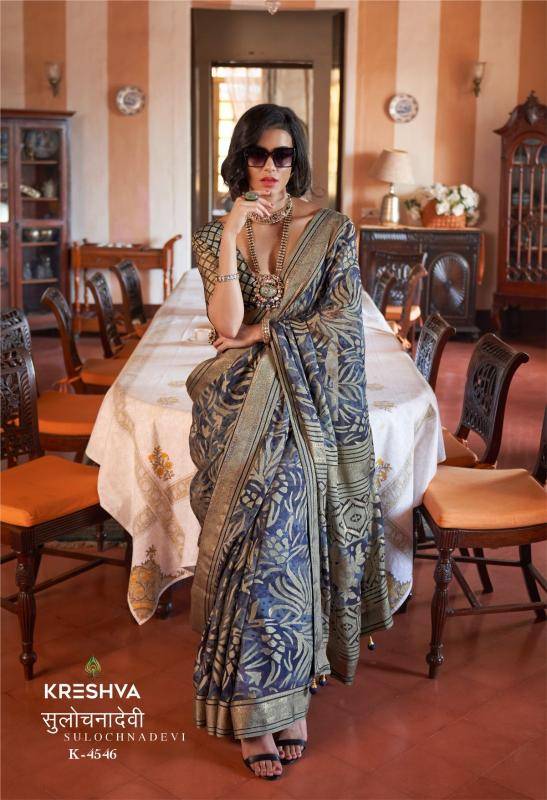
How to Choose the Right MOQ for Your Clothing Business
A practical MOQ decision should begin with your own business numbers rather than the quantity a supplier happens to offer. Before confirming an order, calculate your monthly sales capacity, average selling price, inventory budget and expected product turnover.
For example, if a boutique sells approximately 100 pieces per month, purchasing hundreds of units of one completely untested design may create an inventory imbalance. However, the same quantity could make commercial sense for a wholesaler that regularly sells thousands of pieces.
This is why how to choose the right MOQ for your clothing business should always be answered in relation to sales velocity rather than business size alone.
Step 1: Calculate Your Available Buying Budget
Start with the amount genuinely available for inventory. Do not automatically treat all available cash as stock-purchasing money. Businesses also need working capital for operations, marketing, transportation and reorders.
If ₹2,00,000 is available for merchandise, you might decide that only a certain percentage should go toward completely new products. Existing bestsellers can receive a separate reorder budget.
This approach makes inventory planning more disciplined and reduces emotional purchasing.
Step 2: Know Your Average Monthly Sales
Sales history is one of the strongest indicators for MOQ decisions. Check how many units you actually sell each month and divide those sales by category.
A retailer might discover that kurtis sell significantly faster than premium lehengas, while another boutique may have a strong wedding-wear customer base. Both businesses should use different quantities even if they purchase from the same supplier.
For a new business without sales history, start more carefully. Use enquiries, customer polls, social media responses and competitor observations as initial signals, but avoid treating them as guaranteed sales.
Step 3: Calculate Cost Per Piece and Expected Selling Price
Never evaluate MOQ without evaluating the wholesale price. Calculate the amount invested in each catalogue and the realistic retail value of that inventory.
If a product costs ₹600 per piece and the MOQ is 10 pieces, the base inventory commitment is ₹6,000 before applicable transportation and other charges. Compare that amount with the realistic selling price and expected selling period.
The highest percentage margin is not necessarily the strongest purchase. A lower-margin item that sells repeatedly may generate better cash flow than a high-margin product that remains unsold for months.
Match MOQ with Your Type of Clothing Business
Different retail models require different inventory strategies. Wholesaleexport.in serves buyers with different business sizes, so the quantity that suits one customer may be completely unsuitable for another.
MOQ for Home-Based Sellers
Home-based sellers should generally prioritize controlled investment and assortment flexibility. Many operate through WhatsApp, Instagram, Facebook or personal customer networks, so they may not need the same inventory depth as a physical showroom.
The goal should be to identify products that generate regular enquiries, test customer response and gradually increase quantities for proven sellers.
MOQ for Boutique Owners
Boutique customers often expect distinctive merchandise and frequent newness. Therefore, boutique owners may benefit from buying a wider assortment rather than excessive quantities of every design.
Premium quality, finishing, fabric and uniqueness can matter more than simply obtaining the lowest possible price. An attractive collection that matches the boutique's customer profile may support healthier retail positioning.
MOQ for Shop Owners
Retail shops with regular footfall can usually maintain greater stock depth than home-based sellers. However, their MOQ strategy should still vary by category. Fast-moving daily wear may justify larger quantities, while expensive occasion wear may require a more selective approach.
MOQ for Showroom Owners
Showrooms typically need enough merchandise to maintain visual variety across displays, sizes and price bands. Larger buying capacity can make higher quantities practical, particularly when historical sales data clearly identifies fast-moving categories.
Even large showrooms should avoid confusing purchasing power with customer demand. Buying more simply because a larger quantity is available can still create slow inventory.
MOQ for Resellers
Resellers should closely monitor customer response before building deeper inventory. Products that receive strong WhatsApp enquiries, repeat requests and quick confirmations can gradually receive higher purchase allocations.
For resellers, the ideal minimum order quantity often allows enough product variety to keep digital catalogues active while controlling financial exposure.
Use Surat Sourcing to Build a Smarter MOQ Strategy
Surat is a major sourcing destination for Indian women's fashion, with extensive trading and manufacturing activity. Buyers visiting the surat textile market, ring road and sahara darwaza areas encounter a large selection of suppliers and product categories.
That variety creates opportunity, but it can also encourage overbuying. First-time buyers often see hundreds of appealing catalogues and assume that stocking more designs will automatically generate more sales.
A better approach is to arrive with a predetermined buying budget, target categories and approximate quantities. Compare products according to customer demand rather than purchasing simply because a catalogue looks attractive.
Compare Quality Alongside Quantity
MOQ should never become the only purchasing criterion. A supplier offering fewer pieces is not automatically better if fabric, stitching or finishing fails to match your customers' expectations.
Evaluate fabric feel, colour, embroidery, print quality, stitching and overall presentation wherever possible. For online sourcing, review available product information carefully and clarify important questions before ordering.
Wholesaleexport.in focuses on access to wholesale fashion collections for retailers, resellers and other B2B buyers. Vastralife's wholesale and export experience since 2017 adds practical industry knowledge around sourcing, product selection and changing ethnic wear demand.
Use Reorder Speed to Decide How Much to Buy
MOQ cannot be considered separately from replenishment. If a fast-selling product can be reordered easily and supplied quickly, you may not need to hold extremely deep stock from the beginning.
Conversely, if replenishment is uncertain or a seasonal collection has limited availability, the buying decision may require additional planning.
Ask Whether the Same Design Can Be Reordered
Some fashion products remain available for an extended period, while others are produced in limited runs. Ask about reorder possibilities before deciding your initial quantity.
If replenishment is reliable, a test-and-reorder strategy can protect cash flow. If a design cannot be reproduced once sold out, weigh the opportunity against the risk of carrying excess inventory.
Consider Your Supplier-to-Store Lead Time
Delivery time matters because stock that sells today may need to be replaced before customers lose interest. Domestic retailers should factor dispatch and transportation time into reorder planning.
International buyers in markets such as Nepal, Australia and Malaysia should consider longer logistics cycles, freight and destination requirements when calculating quantities for export.
A slightly larger order may sometimes improve shipment economics, but that advantage should be compared against the additional inventory investment and expected sales rate.
Prepare for the Second Half of Your MOQ Strategy
Once you have calculated budget, sales velocity, product type, customer profile, quality expectations and replenishment speed, the next stage is deciding how MOQ should change across seasonal products, sarees, festive collections and different price bands.
In the next stage, we will also examine how to avoid common MOQ mistakes, calculate inventory turnover, plan quantities for domestic and international customers, use the two relevant sourcing categories, and build a practical MOQ checklist for purchasing through Wholesaleexport.in.
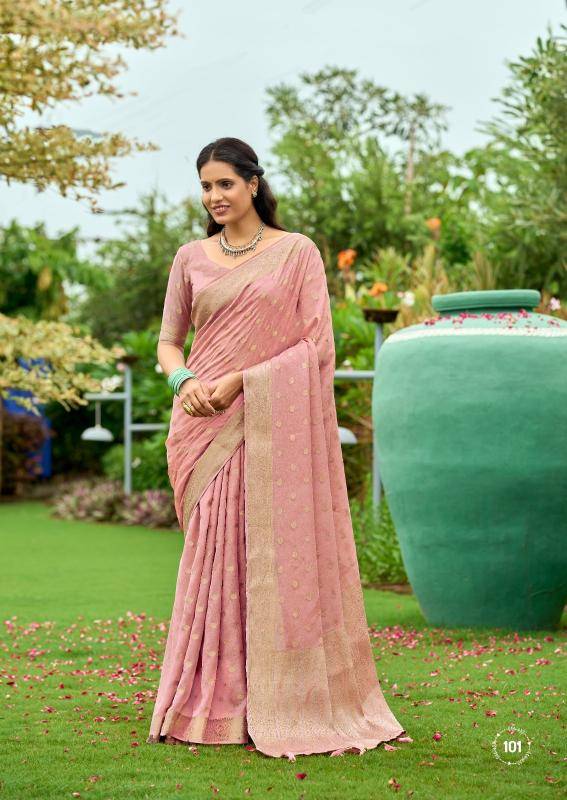
Adjust MOQ According to Product Category
One of the most practical ways to control inventory is to avoid applying the same MOQ strategy to every category. A daily-wear kurti, premium saree, bridal lehenga and festive suit have very different selling cycles. The amount you purchase should reflect how frequently customers buy that category, the average selling price and how quickly fashion trends change.
For example, affordable daily-wear products may generate regular repeat demand. A retailer with proven sales can therefore maintain greater depth in successful colours and sizes. Premium occasion wear usually has a higher investment per piece and a narrower buying occasion, so carrying excessive quantities can block more capital.
Daily-Wear Products
Daily-wear kurtis, basic suits, printed sarees and comfortable ethnic styles often provide retailers with regular turnover. Once a particular price range is proven in your store, a somewhat deeper quantity may be commercially sensible.
However, even fast-moving categories require variety. Instead of investing heavily in a single print, distribute the purchase across designs that appeal to different customer preferences.
Festive and Wedding Collections
Festive sarees, designer suits, lehengas and party wear can offer attractive selling opportunities, but demand is more seasonal. Your clothing business MOQ should therefore account for the selling window.
A collection purchased too late may reach the store when customers have already completed their festive shopping. Buying far too much can leave expensive merchandise after the season ends. In 2026, retailers should plan festive buying around both product lead time and the expected peak selling weeks.
Premium Products
When the purchase price per piece is high, even a relatively small MOQ can represent a substantial investment. Premium stock should therefore be evaluated according to the actual purchasing capacity of your customers.
If your boutique regularly sells premium products, maintaining selective depth can work. If premium merchandise is a new category for your business, testing a controlled quantity is generally more financially manageable.
Calculate Inventory Turnover Before Increasing MOQ
Inventory turnover gives retailers a more objective way to decide whether purchasing quantities should increase. Instead of assuming that a product is successful because several pieces sold, examine how quickly the complete batch moved.
Suppose you purchase 12 pieces and sell 10 within a short period. That is a useful indication that the product deserves consideration for a larger reorder. If you purchase 12 and only two sell after several weeks despite active promotion, ordering another large batch would increase your exposure.
The principle behind how to choose the right MOQ for your clothing business is simple: let actual sales gradually determine inventory depth.
Track Sell-Through by Category
Create a basic record containing the product category, purchase quantity, landed cost, selling price, number of units sold and remaining stock. Even a simple spreadsheet can reveal which products deserve more capital.
Track sarees separately from kurtis, suits, lehengas and dress materials. You can then compare the actual performance of each category rather than relying on memory.
Measure Time, Not Just Quantity Sold
Selling eight pieces sounds positive, but the time required matters. Eight pieces sold in seven days represents a very different inventory performance from eight pieces sold in six months.
Faster turnover allows the same capital to be reinvested repeatedly. This is why successful retailers often focus as much on stock rotation as they do on gross margin.
Use a Test, Measure and Reorder System
For many small and medium clothing businesses, a test-and-reorder model offers a practical balance between assortment and risk. Start with a commercially viable quantity, actively promote the merchandise and observe customer response.
If the collection generates strong sales, repeat enquiries or quick bookings, increase the reorder quantity where availability permits. If response is weak, redirect future purchasing capital toward another design or category.
This system is particularly useful for home-based sellers, Instagram sellers, WhatsApp resellers and boutiques that need frequent new arrivals without carrying excessive stock.
Separate Test Stock from Proven Stock
Consider dividing your inventory budget into two broad groups: proven products and test products. Proven products have sales history and may justify greater depth. Test products are new designs, categories or price points and deserve more controlled exposure.
This distinction prevents a common wholesale mistake: treating every attractive new catalogue as though it were already a bestseller.
Increase MOQ Gradually
If a product repeatedly sells well, increasing your next purchase can be sensible. But the increase does not need to be extreme. Moving gradually from one catalogue to two, or from a small batch to a moderately larger batch, gives you additional stock while still allowing you to observe whether demand remains consistent.
MOQ Planning for Saree Buyers
Sarees offer enormous diversity across fabric, occasion, design and price. A retailer may stock everyday printed sarees, georgette sarees, silk styles, festive sarees and premium wedding collections at the same time.
Instead of putting the entire saree budget into one type, retailers can create a planned assortment. Buyers looking for georgette sarees can evaluate suitable designs according to their customer segment and target selling range.
The same principle applies to ready-made apparel sourcing. Buyers comparing regional product options may also explore the Ahmedabad kurti wholesale market category when planning a broader women's wear assortment.
Build Multiple Price Points
A useful saree assortment may contain entry-level, mid-range and premium options. This prevents the retailer from depending entirely on customers from one spending segment.
For example, a customer looking for an affordable regular-wear saree and a customer shopping for a wedding function have completely different requirements. MOQ planning should reflect those differences.
Buy Deeper Only After Identifying Winners
If particular fabrics, colours or price ranges repeatedly sell in your store, those products deserve greater inventory allocation. This is a much stronger purchasing signal than simply following a trend seen online.
MOQ for International Wholesale and Export Orders
International sourcing requires additional calculations because the product cost is only one component of the final investment. Shipping, packaging, customs requirements, freight and delivery time can influence the practical order size.
Buyers in Nepal, Australia and Malaysia, for example, should calculate the approximate landed cost rather than comparing only the Indian wholesale rate.
Balance Shipping Economics with Inventory Risk
Very small international shipments may have a relatively high freight cost per piece. Increasing the quantity can sometimes improve shipping economics. However, ordering extra stock only to reduce freight per unit makes sense when there is reasonable demand for those additional pieces.
International wholesale buyers should therefore compare two numbers: the saving generated by a larger shipment and the additional capital tied up in merchandise.
Plan Export Orders Earlier
International buyers should also allow enough time for processing and transportation. This becomes especially important before festive seasons and major retail periods.
Wholesaleexport.in provides access to Indian fashion sourcing for domestic and export buyers, helping businesses explore collections according to their market requirements. Vastralife's wholesale and export experience since 2017 brings industry expertise built around serving different types of wholesale customers.
Common MOQ Mistakes Clothing Buyers Should Avoid
Even experienced retailers can make inventory mistakes when purchasing decisions are driven by excitement rather than numbers. Recognising the most common errors can help protect working capital.
Buying More Only for a Lower Price
A supplier may offer a better per-piece rate at a higher quantity. Before accepting it, calculate the total additional investment.
Saving ₹30 per piece is useful only when you can sell the additional pieces. If the extra inventory remains unsold, the small unit saving may not compensate for the capital tied up in stock.
Ignoring Customer Price Range
A beautiful product can still be wrong for your store if its selling price exceeds what your regular customers usually spend.
Review your billing history. Identify the price ranges where most transactions occur and allocate a larger portion of your inventory budget accordingly.
Ordering Too Many Similar Designs
Ten designs that look almost identical may not provide customers with meaningful variety. When possible, build an assortment across colours, patterns, silhouettes, fabrics and price points.
This is particularly relevant when sourcing through the surat textile market, where buyers may encounter a huge number of similar-looking catalogues around ring road and sahara darwaza.
Ignoring Size Distribution
For ready-made garments, total quantity alone does not determine whether an order is balanced. The size ratio must match your customer base.
If larger sizes consistently sell in your store, buying a catalogue heavily weighted toward smaller sizes can leave unsold inventory even when the design itself performs well.
Buying Without a Reorder Plan
Before confirming an order, ask what happens if the product sells quickly. Can it be reordered? How long might dispatch take? Is the design likely to remain available?
A reliable reorder process can sometimes allow retailers to maintain lower inventory without repeatedly losing sales.
A Practical MOQ Formula for Retailers
There is no single mathematical formula that works for every business, but retailers can create a practical buying framework using five factors: available inventory budget, expected monthly demand, average product cost, expected selling period and reorder lead time.
For a new product, decide how much capital you are prepared to risk while testing customer response. For a proven product, estimate how many units normally sell during the time required to receive a replacement order.
If a style sells approximately 20 pieces during your normal reorder cycle, keeping inventory close to expected demand plus a reasonable buffer may be more efficient than purchasing 100 pieces without evidence that the additional quantity will move.
Simple Buying Calculation
Imagine your planned stock budget for a category is ₹60,000 and the average wholesale cost is ₹600 per piece. The theoretical purchasing capacity is 100 pieces. That does not mean all 100 pieces should be one design.
You might distribute the budget across several collections and reserve some funds for quick reorders. The exact distribution should reflect your sales data and customer preferences.
Keep a Reorder Reserve
One of the most useful practices is avoiding 100% deployment of available purchasing capital in one buying session. Keeping a portion available for proven fast-moving products allows the business to react to real customer demand.
This becomes particularly useful during festival and wedding seasons when a design can suddenly gain traction.
MOQ Strategy for 2026 Clothing Businesses
The clothing market in 2026 rewards businesses that can refresh collections while maintaining financial discipline. Digital selling has made it easier for customers to compare designs quickly, which means retailers need variety without allowing inventory to grow uncontrollably.
Home-based sellers can use customer enquiries and digital catalogues to identify demand before increasing quantities. Boutique owners can combine distinctive premium merchandise with reliable repeat sellers. Larger shops and showrooms can use historical billing data to decide which categories deserve deeper stock.
The same principle applies across all these models: buy according to evidence, not simply according to the maximum quantity you can afford.
Internal Linking Section
When planning a wholesale purchase, compare related product categories rather than evaluating one collection in isolation. This helps determine whether your available capital should be concentrated in one fast-moving segment or distributed across complementary women's wear categories.
For businesses sourcing from Indian manufacturing and wholesale markets, category-level comparison can also make it easier to plan price points, seasonal merchandise and reorder quantities. Wholesaleexport.in can be used to explore available fashion categories before building a buying list.
Customer FAQs
1. What is a good MOQ for a new clothing business?
There is no fixed quantity suitable for every new business. Start with a quantity that meets the supplier's wholesale requirements while keeping your total investment manageable. New businesses generally benefit from testing several relevant products rather than putting most available capital into one unproven design.
2. Should I always choose the supplier offering the lowest MOQ?
No. MOQ is only one purchasing factor. Compare product quality, wholesale price, reliability, assortment, dispatch process and reorder possibilities. A low MOQ is useful only when the product and supplier also meet your business requirements.
3. Is a higher MOQ better for getting wholesale prices?
Larger quantities can sometimes provide more favourable pricing, but the total investment must still make commercial sense. Calculate how quickly you expect to sell the additional stock before increasing the order purely for a lower unit rate.
4. How can I reduce the risk of dead stock?
Start conservatively with new designs, track sell-through, maintain variety, buy according to your customers' preferred price ranges and increase quantities only after identifying proven products. Regular inventory reviews also help you detect slow stock early.
5. How often should I review my MOQ strategy?
Review it regularly, particularly after major selling seasons or whenever your sales volume changes. A quantity that worked when your business sold 100 pieces per month may become too small once monthly sales reach 300 pieces. Likewise, slower demand may require reducing inventory depth.
6. Is MOQ different for online resellers and physical shops?
It can be. Physical shops often need display stock and immediate availability, while some online sellers can operate with a more flexible inventory model. The correct quantity depends on how orders are generated and how quickly products can be replenished.
7. What should export buyers consider before deciding MOQ?
Export buyers should calculate landed cost, freight, packaging, expected customs-related costs, delivery time and local demand. A larger shipment may reduce logistics cost per piece, but only when the additional inventory has a realistic sales opportunity.
Final MOQ Checklist Before Placing Your Wholesale Order
Before confirming your next purchase, check whether the product matches your customer profile, whether the total investment fits your stock budget and whether the expected selling price provides a workable margin. Review the number of pieces, colour and size distribution, product quality, seasonality, estimated selling period and reorder possibilities.
Also calculate transportation or export costs where applicable. Compare the order against existing stock so that you do not unintentionally purchase too many similar designs.
Most importantly, ask yourself one practical question: Am I buying this quantity because my sales justify it, or simply because the stock is available?
That distinction can significantly improve inventory decisions. Learning how to choose the right MOQ for your clothing business is ultimately about keeping enough stock to capture sales while preserving enough cash to respond to the next profitable opportunity.
Source Your Next Wholesale Collection with Wholesaleexport.in
If you are a home-based seller, boutique owner, shop owner, showroom owner, reseller or wholesale buyer, Wholesaleexport.in helps you explore fashion collections for different customer segments and business requirements.
Discover Latest Collections, competitive Wholesale Pricing, Trendy Ethnic Wear, Fast Shipping, available COD Support, Bulk Order Deals and Quality Products Starting From ₹299.
Backed by Vastralife's wholesale and export experience since 2017, the focus remains on industry expertise, premium product quality and practical wholesale sourcing for businesses in India and international markets.
Contact: +91 9712582172
Website: wholesaleexport.in
Plan your MOQ around real demand, maintain healthy product variety and keep your working capital moving with smarter wholesale purchasing decisions.