


How to Choose Sarees for Boutique Business: Wholesale Buying Guide 2026
How to Choose Sarees for Boutique Business: Wholesale Buying Guide 2026
Building a profitable saree boutique is not simply about purchasing beautiful designs. The real opportunity lies in selecting collections that match your customers’ budget, local fashion preferences, occasions and buying habits while leaving enough margin for your business. From everyday printed sarees to festive Paithani, Banarasi, silk and designer collections, a balanced inventory can help boutique owners create repeat sales without unnecessarily blocking capital in slow-moving stock.
Introduction
For boutique owners, resellers and home-based sellers, understanding how to choose sarees for boutique business can make a major difference between fast-moving inventory and products that remain on the shelf for months. A saree may look impressive in a catalogue, but successful wholesale buying requires more than visual appeal. Fabric demand, customer age group, season, regional preferences, wholesale price, retail potential and product presentation should all influence the final purchase.
In 2026, saree customers have access to thousands of styles through Instagram, WhatsApp, marketplaces and online fashion stores. This exposure has increased expectations. Buyers frequently want designs that look premium in photographs while remaining practical and reasonably priced. For retailers, this makes choosing the right wholesale saree collection increasingly important.
Surat continues to be a major sourcing destination for sarees and women's ethnic wear because of its extensive textile ecosystem, trading network and manufacturing capabilities. Buyers visiting the surat textile market, particularly commercial areas around ring road and sahara darwaza, can find collections across multiple price segments. Online sourcing has further opened these products to buyers who cannot visit Surat personally.
Wholesaleexport.in helps Home-Based Sellers, Shop Owners, Boutique Owners, Showroom Owners, Resellers and Wholesale Buyers explore saree and ethnic wear collections online. Supported by Vastralife’s wholesale and export experience since 2017, the platform focuses on practical sourcing, industry expertise and premium product quality for buyers looking to develop sustainable inventory.
Start With Your Boutique Customer Before Selecting Sarees
The first rule of buying wholesale sarees is simple: purchase for your customer rather than according to your personal taste. Two boutiques operating in the same city can require completely different collections because their customer profiles may be different.
Define Your Core Customer Segment
Before placing a wholesale order, identify the type of woman most likely to purchase from your store. Consider her approximate age, preferred price range, common occasions, fabric preferences and whether she usually buys traditional or contemporary styles.
A boutique serving working women may require lightweight printed sarees, soft fabrics, office-wear designs and easy-to-drape collections. A store catering to wedding shoppers may perform better with Banarasi-style sarees, festive silk sarees, zari borders and designer party-wear options. Another seller targeting younger customers through social media may need fashionable organza, georgette, ready-to-wear and statement printed sarees.
This customer-first approach reduces random buying and makes every saree wholesale order more purposeful.
Know Your Customer's Comfortable Price Range
The wholesale price should always be considered alongside the expected retail selling price. A product that offers a large theoretical margin is not automatically a good purchase if customers in your market are unwilling to pay its final retail price.
Instead of keeping every saree in one price category, build a structured inventory. Entry-level collections can attract frequent buyers and online resellers, mid-range products can form the core of the boutique, and selected premium sarees can serve wedding, festive and occasion customers.
A diversified price structure also helps customers upgrade naturally. Someone entering your store for a budget saree may ultimately select a better fabric or more detailed design when she can compare several options.
Build a Balanced Wholesale Saree Collection
One of the most useful boutique saree buying tips is to avoid investing the entire purchasing budget in a single fabric, design or trend. Fashion demand can change quickly, particularly when social-media trends influence customer preferences.
Daily and Regular Wear Sarees
Daily-wear products can provide consistent turnover because customers purchase them for regular use rather than waiting for a major occasion. Printed sarees, lightweight synthetic blends, rayon-based varieties, soft georgette, chiffon and easy-maintenance fabrics can work well depending on your target market.
These collections are especially useful for retailers who depend on repeat purchases. Attractive colours, wearable prints and competitive pricing are usually more important in this segment than extremely elaborate embellishment.
Festive and Traditional Sarees
Festivals create an opportunity to increase average order value. Paithani-inspired designs, Banarasi sarees, jacquard patterns, zari borders, traditional motifs and rich colour combinations can help build a stronger festive assortment.
Green, maroon, royal blue, magenta, mustard and red continue to have strong traditional appeal, while pastel and unconventional colour combinations can attract customers seeking a more contemporary look.
Party Wear and Designer Sarees
A good designer saree wholesale selection gives boutiques products that customers are less likely to compare only by price. Organza, georgette, shimmer fabrics, embroidered sarees, sequins, digital prints and stylish blouse combinations can perform particularly well for receptions, parties, family functions and festive occasions.
These products also have strong visual potential for Instagram Reels, catalogue sharing and WhatsApp selling. When choosing them, examine how clearly the design, border, pallu and blouse details appear in photographs because online presentation directly influences enquiries.
Why Traditional Sarees Deserve Space in Boutique Inventory
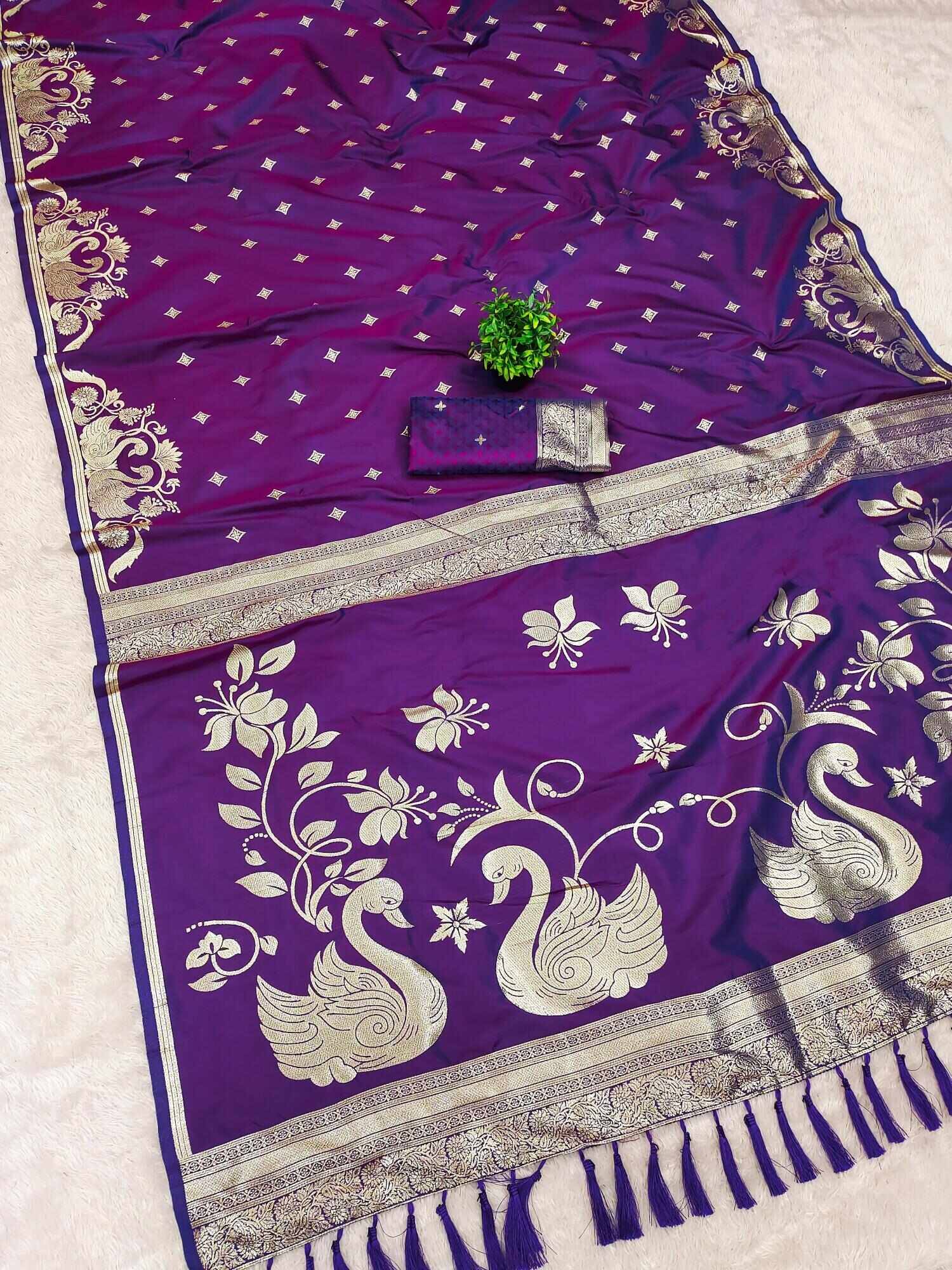
Traditional sarees have an advantage that short-term fashion trends cannot always provide: occasion-based demand. Weddings, religious functions, festivals, gifting and family celebrations continue to create demand for sarees with a recognisable Indian aesthetic.
A boutique does not need to carry hundreds of similar traditional designs. A more effective strategy is to select distinctive pieces across several colours, border styles and price levels. This creates variety without excessive inventory duplication.
Paithani Style Sarees for Festive Customers
Paithani sarees wholesale collections can be valuable for retailers serving Maharashtrian customers and buyers who appreciate traditional zari-rich styling. Peacock motifs, rich pallus, contrast borders and jewel-tone colour combinations give these sarees strong festive visibility.
For boutiques selling online, visually rich traditional sarees can also become effective catalogue products because detailed borders and vibrant colours create immediate attention on mobile screens.
Banarasi-Inspired Sarees for Weddings and Functions
Banarasi styling remains relevant for bridal families, festive buyers and women looking for traditional occasion wear. Instead of stocking only expensive pieces, boutique owners can consider several wholesale price levels so they can serve both aspirational and premium customers.
Evaluate weaving appearance, border finishing, pallu design, colour consistency and blouse coordination before purchasing larger quantities. A strong Banarasi saree wholesale assortment should look luxurious while matching the spending capacity of your intended audience.
Choose Fabrics According to Selling Purpose
Fabric selection should connect directly with the customer's intended use. Boutique owners often make the mistake of focusing mainly on designs while overlooking comfort, drape and maintenance.
Georgette and Chiffon
These lightweight fabrics are suitable for customers who prefer fluid draping and manageable sarees. Printed georgette, embellished georgette and chiffon styles can work across casual, party and semi-formal categories depending on the design.
Organza Sarees
Organza offers a distinctive structured appearance and photographs particularly well. Floral prints, embroidery, delicate borders and pastel combinations can appeal to younger customers and occasion buyers. Because organza has a different feel from softer fabrics, product descriptions should communicate fabric characteristics accurately when selling online.
Silk and Silk-Blend Collections
Silk sarees wholesale selections can help a boutique build a premium and festive section. When sourcing silk-look or blended products, make sure customers are clearly informed about the actual material rather than relying only on visual terminology.
Transparent product descriptions build credibility and reduce misunderstandings, particularly for online sellers shipping products without customers physically inspecting the fabric.
Printed Sarees
Digital prints, floral patterns, abstract motifs and contemporary prints can be useful for creating faster-moving inventory. They offer considerable design variety and can be positioned for everyday, office, casual and modern occasion wear depending on the base fabric.
Calculate Retail Margin Before Placing a Wholesale Order
Knowing how to choose sarees for boutique business also means understanding the complete landed cost. Wholesale price alone should never determine whether a saree is profitable.
Consider product cost, GST where applicable, transportation, packaging, payment charges, marketing expenditure and potential returns or exchanges. For international orders, freight, customs and other destination-related expenses may also affect the final landed cost.
For example, an attractive wholesale saree that leaves very little room for advertising, packaging and operational costs may be less profitable than a moderately priced product with stronger perceived retail value.
This becomes especially important for online sellers who use paid advertising. Customer acquisition can significantly influence the real margin generated from each order.
Avoid Competing Only on the Lowest Price
Customers do appreciate value, but a boutique built entirely around the lowest possible price can face constant margin pressure. Product presentation, unique selections, customer support, trustworthy descriptions and dependable quality can create additional value.
A boutique should therefore aim for the right balance of wholesale saree price, quality and resale potential rather than simply selecting whichever catalogue appears cheapest.
Use Small Test Orders Before Scaling Winning Designs
When trying a new category or supplier, controlled buying can protect working capital. Select a practical assortment, observe customer response and then reorder styles that generate actual enquiries and sales.
Track which colours receive the most responses, which price points convert quickly, which fabrics customers reorder and which products receive attention but fail to convert. These observations provide much better purchasing guidance than assumptions.
Home-Based Sellers and new Resellers can particularly benefit from this strategy because they may have limited inventory budgets. Shop Owners and Showroom Owners can use the same principle when testing new styles before committing to larger quantities.
Wholesaleexport.in allows buyers to explore multiple ethnic-wear categories from a Surat-oriented sourcing ecosystem, making it easier to compare collections before planning inventory.
Plan Saree Purchases Around the Selling Calendar
A boutique's inventory should change throughout the year. Purchasing the same product mix every month can cause missed opportunities because Indian ethnic wear demand is strongly connected to festivals, weddings and seasonal events.
Wedding Season
Increase the share of rich borders, traditional designs, designer sarees, silk-look collections and premium festive colours. Wedding customers may also purchase multiple sarees for different ceremonies or gifting requirements.
Festival Season
Plan inventory ahead of major festivals rather than purchasing after demand begins. Traditional colours, zari work, festive prints and statement sarees can receive increased attention during these periods.
Regular Business Months
Maintain reliable daily-wear and mid-range collections between major occasions. Consistent products keep inventory moving and help boutiques avoid depending exclusively on seasonal sales.
This purchasing cycle is particularly relevant for sellers sourcing from surat textile market suppliers around Ring Road and Sahara Darwaza, where new catalogues and production cycles can move rapidly.
For businesses sourcing digitally, established category pages such as Banarasi saree wholesale collections can make traditional assortment planning easier. Retailers expanding beyond sarees may also explore wholesale Pakistani suits to create a broader ethnic-wear product mix.
Choose Sarees That Sell Well Through Photos and Videos
For a modern boutique, product selection is no longer limited to how a saree looks when displayed inside the shop. A significant part of ethnic-wear discovery now happens through WhatsApp catalogues, Instagram posts, short videos and online stores. This means the visual selling potential of a saree should be considered before adding it to your inventory.
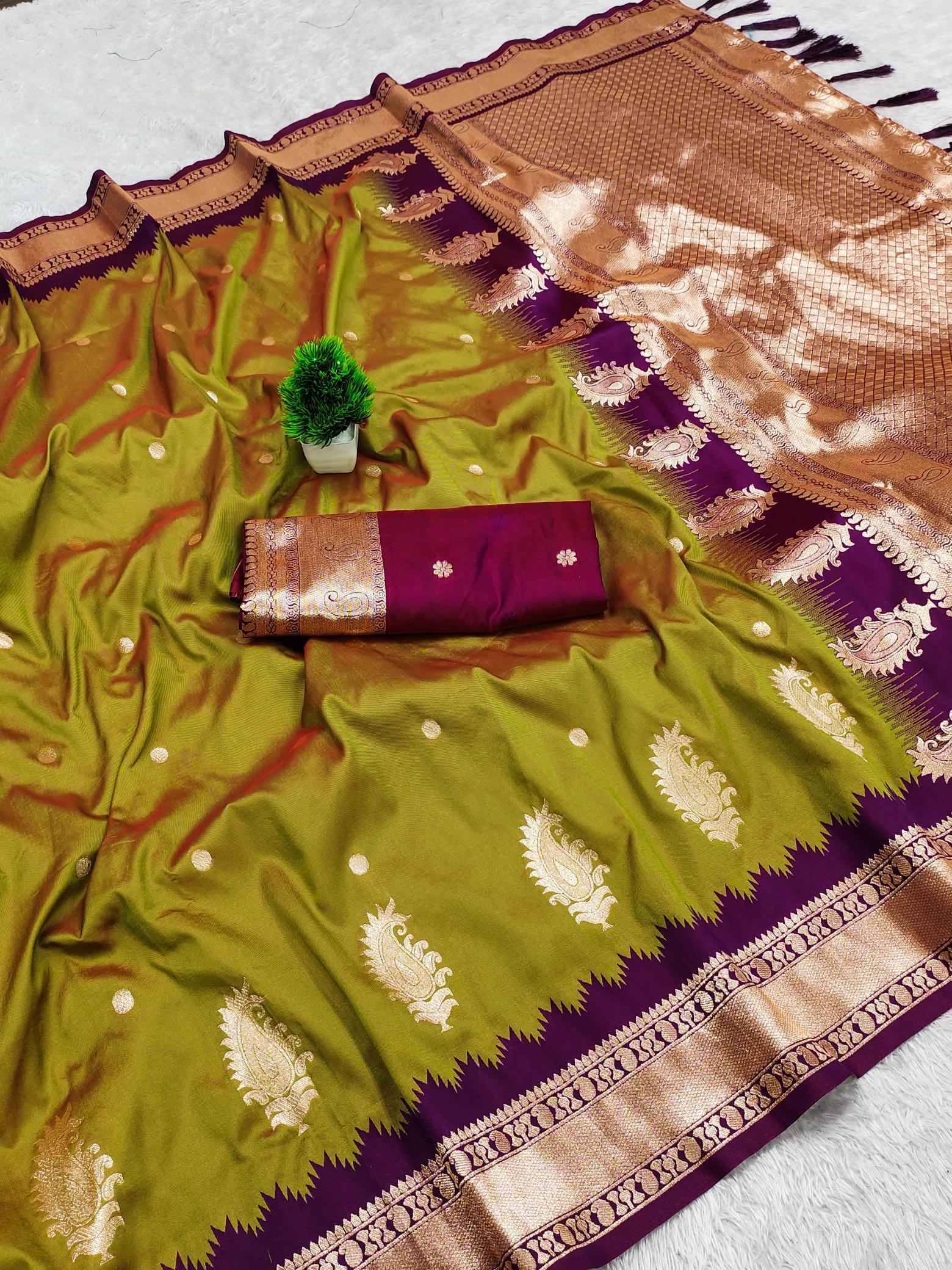
Sarees with distinctive borders, attractive colour contrast, detailed pallus, coordinated blouses and visible weaving or embroidery tend to create stronger product photographs. When customers are shopping remotely, these visual details help them understand why one product deserves a higher price than another.
Select Colours That Create a Strong Online Presentation
Maintain variety instead of buying too many pieces in nearly identical shades. Bright festive colours can work for traditional buyers, while pastel, earthy and muted tones can appeal to customers looking for contemporary styling. Black, navy, bottle green, wine, maroon, turquoise and royal blue can also provide strong visual contrast in catalogue photography.
When purchasing multiple designs, consider how the complete collection will appear together. A catalogue containing ten visibly different colour stories usually offers a customer more perceived choice than ten sarees with only minor variations.
Check the Blouse Piece Before Buying
The blouse can significantly influence the perceived value of a saree. Contrast blouses, woven borders, printed blouse fabrics and coordinated designs can make a wholesale product easier to sell at boutique level.
Ask for complete product details before confirming stock. Customers frequently want to know whether a blouse piece is included, its approximate length, fabric type and whether its design matches or contrasts with the saree.
Buy According to Your Boutique's Inventory Budget
A profitable buying plan is not necessarily the plan with the largest number of products. The objective is to achieve healthy stock rotation while maintaining enough variety to keep customers interested.
Suppose your purchasing budget allows you to choose between a large quantity of one catalogue and a smaller assortment across several categories. For many boutiques, the diversified option can reduce risk because customers receive choices across daily wear, festive, traditional and designer segments.
Create Three Practical Price Segments
A useful inventory structure is to maintain budget, mid-range and premium products. The exact amounts will depend on your market, but the principle remains the same.
Budget sarees can generate volume and attract first-time customers. Mid-range sarees can become your regular revenue category because they combine affordability with better design value. Premium sarees can increase average transaction value and give the boutique a stronger image for wedding and festive shopping.
When researching how to choose sarees for boutique business, calculate how much money will remain available for replenishment. Do not use the entire purchasing budget on slow-moving premium inventory simply because the products look impressive.
Keep Reorder Capital Available
A common mistake among new retailers is spending almost all available capital on the first purchase. When a particular design starts selling quickly, there may then be insufficient working capital to reorder it.
Keep part of your budget available for fast-moving products. This allows the boutique to react to actual customer demand rather than relying completely on forecasts.
Surat Sourcing Advantages for Boutique Owners
Surat's textile ecosystem gives buyers access to manufacturers, wholesalers, traders, catalogue suppliers and distributors across multiple women's ethnic-wear categories. The surat textile market ecosystem around ring road and sahara darwaza is particularly relevant to businesses searching for variety at wholesale levels.
Buyers can source printed sarees, fancy sarees, festive collections, designer sarees, georgette, chiffon, organza, silk-look products, traditional collections and many other categories. Surat's extensive manufacturing and trading network also means new catalogues can enter the market regularly.
Online Sourcing Can Reduce Physical Buying Trips
Not every reseller can travel to Surat whenever new stock is required. This is especially true for Home-Based Sellers and boutiques located far from Gujarat.
Online wholesale sourcing allows buyers to review product images, catalogue information and pricing remotely. Wholesaleexport.in is designed to help wholesale buyers explore ethnic-wear options without making every purchase dependent on a physical market visit.
This model can also support buyers outside India who need an export saree supplier for their retail business. For international buyers, product selection should be planned alongside shipping costs, local customer preferences and destination-country import requirements.
Choosing Sarees for International Boutique Customers
Indian ethnic wear has a customer base well beyond India. Boutique businesses serving Indian and South Asian communities in countries such as the USA, Australia and Malaysia can create targeted saree collections based on local events, weddings, festivals and community functions.
USA Boutique Market
Boutiques serving customers in the USA may benefit from maintaining a mixture of traditional festive sarees and easy-to-style contemporary designs. Indian weddings, Diwali celebrations, cultural events and family functions can create opportunities for premium and mid-range sarees.
Because international shipping affects landed cost, buyers should calculate quantities carefully. Consolidating a planned wholesale purchase can often make more business sense than repeatedly importing very small orders.
Australia Boutique Market
Retailers in Australia can consider lightweight party sarees, festive designs, printed collections and selected traditional pieces. Boutique buyers should consider climate, customer lifestyle and the frequency of Indian community events while creating their assortment.
Malaysia Boutique Market
Malaysia has an established Indian community with demand for traditional clothing across weddings, religious celebrations and festivals. Rich colours, traditional borders, silk-inspired designs and occasion sarees can therefore form part of a targeted wholesale assortment.
For every international destination, however, buyers should confirm freight, customs, taxes and applicable import rules before calculating their final retail price.
Quality Checks Every Boutique Buyer Should Make
Premium product quality creates repeat business. Even an attractive saree can damage customer confidence if finishing is poor or the delivered product differs substantially from expectations.
Inspect Fabric and Colour
Check whether the fabric description accurately represents the product. For catalogue buying, ask for sufficient product information to understand texture, transparency, weight and drape characteristics.
Colour can appear slightly different across screens because of photography and display settings. Boutique owners selling remotely should communicate this possibility appropriately instead of promising an exact screen-to-fabric colour match.
Check Borders, Pallu and Embellishment
For zari, embroidered or embellished products, examine finishing closely. Loose threads, poorly attached decorative elements or inconsistent borders can reduce customer satisfaction.
Premium categories require especially careful attention because customers paying higher retail prices usually have higher expectations regarding finishing and presentation.
Verify Catalogue Details
Before placing a bulk order, confirm the number of pieces, available colours, fabric, blouse details, rate and applicable charges. For wholesale purchasing, clarity before payment is more efficient than resolving avoidable misunderstandings after dispatch.
Use Sales Data to Improve Every New Purchase
Successful boutique sourcing becomes easier when purchasing decisions are based on sales data rather than memory. Maintain a basic record of products sold, selling price, purchase cost, colour, fabric, customer type and how quickly the product moved.
After several months, patterns become visible. You may discover that printed georgette sells quickly in one price segment while premium silk-look sarees perform better only during festivals. Another boutique may find exactly the opposite.
Track Fast-Moving Sarees
Identify products that sell soon after being posted or displayed. If the supplier still has availability, consider reordering while demand remains active.
Track Slow-Moving Sarees
Slow stock does not always mean the product is poor. Sometimes it has been presented to the wrong audience, photographed poorly or priced incorrectly. Try improved styling, video content, combinations or targeted promotions before immediately discounting it.
Measure Profit, Not Just Revenue
A product selling for a high amount is not necessarily the most profitable product in your boutique. Calculate gross margin and consider marketing, shipping, packaging and operational costs.
This financial discipline helps Wholesale Buyers and Showroom Owners scale without confusing turnover with actual profitability.
Why Supplier Reliability Matters as Much as Saree Design
Learning how to choose sarees for boutique business should also include learning how to choose the right sourcing partner. A beautiful catalogue has limited value if stock information is unreliable, product details are unclear or communication becomes difficult after payment.
Look for suppliers who provide clear catalogue details, wholesale pricing, product specifications and dispatch information. For repeat buyers, consistency is often more valuable than finding a slightly lower price from an unknown source every time.
Vastralife has been involved in wholesale and export business since 2017, bringing industry experience in sourcing and supplying women's ethnic wear. This background supports the approach behind Wholesaleexport.in, where the focus is on helping retailers access commercial collections suitable for resale.
Premium product quality, practical wholesale selection and understanding the needs of resellers are particularly important when supplying businesses rather than individual end consumers.
Inventory Strategy for Different Types of Saree Sellers
Home-Based Sellers
Start with controlled quantities and visually strong products that can be promoted easily through WhatsApp and social media. Avoid over-investing in too many premium pieces until you understand your customer response.
Boutique Owners
Create a recognisable style for your boutique. Maintain essential commercial products but add selected designs that differentiate your store from general sellers. A curated boutique saree collection can support stronger positioning than simply displaying hundreds of unrelated products.
Shop Owners
Physical shops usually need broader variety because customers expect to compare several fabrics, colours and price points during a visit. Maintain sufficient depth in your fastest-selling categories.
Showroom Owners
Showrooms can build dedicated sections for regular wear, festive sarees, designer sarees, wedding collections and premium traditional products. Clear segmentation can make large inventories easier for customers to explore.
Online Resellers
Focus on products with strong catalogue photography and clear descriptions. Product images should make the fabric, border, pallu and overall look understandable without requiring a physical demonstration.
Saree Buying Checklist for 2026
Before confirming your next wholesale sarees online purchase, review the order from a business perspective. Confirm that the designs match your target customer, wholesale price supports your required retail margin, colours provide enough variety, fabrics match the intended occasion and the catalogue has genuine selling potential.
Also check blouse details, available quantity, supplier terms, shipping cost and likely reorder availability. International buyers should add freight and destination expenses before deciding whether the final landed cost fits their local market.
For 2026, flexibility should remain a major part of boutique inventory planning. Instead of trying to predict every trend months in advance, maintain a strong base collection and leave enough purchasing capacity to react to new demand.
Internal Linking
Wholesaleexport.in buyers can use related ethnic-wear categories to build a more complete store assortment alongside sarees. A boutique that already serves women shopping for festive and occasion wear can add complementary categories based on the same customer profile.
When planning future inventory, compare fabrics, designs, wholesale price levels, minimum order requirements and selling seasons before allocating capital. The objective should be to build a product mix in which different categories support one another rather than compete for the same limited customer requirement.
Customer FAQs
1. How do I choose sarees for a new boutique business?
Start by defining your target customer, expected retail price range and primary occasions. Purchase a balanced selection of regular wear, festive and selected premium sarees rather than investing heavily in one category. Test demand with manageable quantities and increase orders for proven sellers.
2. Which sarees are good for online reselling?
Printed georgette, chiffon, organza, designer sarees, festive sarees, traditional collections and visually distinctive products can work well for online selling. The best choice depends on your customer base. Products with strong photographs and clearly visible design details are generally easier to market digitally.
3. Is Surat a good place for wholesale saree sourcing?
Yes. Surat has a large textile manufacturing and wholesale ecosystem. Areas around the surat textile market, Ring Road and Sahara Darwaza are associated with extensive textile trading activity across sarees and other women's ethnic-wear categories.
4. Can international boutique owners source sarees from Surat?
Yes. Export buyers can source Indian ethnic wear for overseas boutiques, subject to supplier shipping options and applicable destination regulations. Buyers should calculate freight, customs duties, taxes and other import expenses before finalising their retail pricing.
5. How much stock should a new saree reseller purchase?
There is no single quantity suitable for every business. New sellers should generally prioritise variety and controlled testing rather than purchasing large quantities without sales history. Once a particular fabric, design or price segment demonstrates consistent demand, inventory can be scaled accordingly.
6. What saree price range should a boutique keep?
A balanced boutique can maintain multiple levels: affordable products for volume sales, mid-range collections for regular customers and premium sarees for festive or wedding buyers. The exact ranges should reflect the purchasing power of your target market.
7. How can I reduce the risk of unsold saree inventory?
Purchase smaller test assortments, track sales by design and fabric, reorder proven products and avoid buying too many similar colours. Seasonal purchasing and maintaining a mix of evergreen and trending designs can also reduce inventory risk.
Build Your Boutique Collection with Wholesaleexport.in
If you are ready to source sarees and women's ethnic wear for your boutique, retail shop, showroom, home-based business or reselling operation, explore Wholesaleexport.in for collections designed around wholesale buying requirements.
Buyers can explore Latest Collections, competitive Wholesale Pricing, Trendy Ethnic Wear, Fast Shipping, available COD Support, Bulk Order Deals and Quality Products Starting From ₹299.
Whether you are building a new boutique in India or sourcing products for customers in the USA, Australia or Malaysia, the objective is the same: choose products with the right combination of design appeal, quality, price and resale potential.
Contact Number: +91 9712582172
Website: wholesaleexport.in
A profitable saree business is built through disciplined buying rather than simply accumulating more designs. Understand your customer, keep your inventory balanced, monitor what actually sells and maintain enough flexibility to respond to new trends. When these principles guide your wholesale purchases, choosing the right sarees becomes a repeatable business strategy rather than guesswork.