



How to Buy Wholesale Clothing Without Overinvesting in Stock: Smart Buying Guide 2026
How to Buy Wholesale Clothing Without Overinvesting in Stock: Smart Buying Guide 2026
Buying wholesale clothing can improve margins and give retailers access to a much wider product range, but purchasing more inventory than the business can sell creates an equally serious problem. The smarter approach is not simply to search for the lowest wholesale rate or buy the largest quantity. It is to balance product variety, demand, inventory turnover, working capital and replenishment so that money keeps moving through the business instead of remaining locked in unsold garments.
Introduction
One of the biggest challenges for boutique owners, home-based sellers, resellers and growing fashion retailers is deciding how much inventory to purchase. Wholesale buying naturally encourages quantity because suppliers may offer better rates on larger orders. However, a lower per-piece price does not automatically mean a better business decision if half the merchandise remains unsold for months.
Learning how to buy wholesale clothing without overinvesting in stock is therefore less about buying cheaply and more about buying intelligently. Every product should have a purpose in your inventory. Some garments create regular sales, some attract customers, some support seasonal demand and others allow you to test emerging fashion trends.
In 2026, this approach is particularly relevant because trends can move rapidly through Instagram, Facebook, WhatsApp, marketplaces and short-form video. Retailers can see new silhouettes, colours and designs gaining attention quickly, but not every online trend becomes a long-term retail seller. Flexible inventory gives a business room to react without being trapped by yesterday's fashion.
For buyers sourcing from India's textile ecosystem, Surat remains an important wholesale and manufacturing destination. The surat textile market, including wholesale activity around ring road and sahara darwaza, provides access to ethnic wear, sarees, kurtis, dress materials, lehengas and many other categories.
Wholesaleexport.in gives business buyers another way to explore changing wholesale collections without depending entirely on physical market visits. Vastralife's wholesale and export experience since 2017 also brings practical industry knowledge, sourcing experience and a continued focus on premium product quality.
Why Overinvesting in Wholesale Stock Creates Problems
Inventory is not just merchandise sitting on a rack. It represents business capital. When a retailer invests ₹1,00,000 in stock, that money needs to return through sales before it can comfortably be used for the next buying cycle.
If a large percentage of the stock does not move, the retailer can face a difficult situation: customers are asking for new designs, suppliers are launching fresh collections, but available cash is already invested in old inventory.
Unsold Inventory Blocks Working Capital
Suppose two retailers begin with similar budgets. The first retailer invests almost everything in one large wholesale order. The second purchases a smaller assortment and keeps part of the budget available for replenishment.
If customer demand turns out differently from expectations, the second retailer has more flexibility. They can repeat fast-moving products, introduce new arrivals or shift toward another category. The first retailer may have to wait for existing inventory to sell before making meaningful changes.
Large Orders Can Hide the Real Cost of Slow Stock
A bulk discount can look attractive at the time of purchase. However, the relevant calculation is not only the wholesale cost per piece. Retailers should consider how quickly the products are likely to sell.
A garment purchased slightly cheaper but sold after six months can sometimes be less useful to cash flow than a product purchased at a somewhat higher rate and sold repeatedly within a short cycle.
Fashion Inventory Has a Time Element
Clothing is different from many products because design preference can change. Seasonal colours, festive patterns, viral styles and certain silhouettes may have a strong selling period. If too much inventory is purchased near the end of that period, markdowns may become necessary later.
Start With a Fixed Inventory Budget
Before opening supplier catalogues or visiting wholesale markets, decide how much money can safely be allocated to merchandise. Do not treat all available business cash as an inventory budget.
The business may also need money for rent, staff, packaging, advertising, shipping, photography, utilities and unexpected expenses. Keeping working capital separate from the purchasing budget helps prevent unnecessary pressure.
Divide the Buying Budget Into Three Parts
A practical system is to think of inventory money in three broad groups: proven products, test products and reserve purchasing capacity. The exact percentages should depend on the business rather than following a rigid formula.
Proven products are categories that already sell consistently. Test products include new designs, trends, colours or categories that have not yet generated enough sales data. Reserve capital remains available for replenishing successful merchandise and purchasing new arrivals.
Never Spend the Entire Budget Because the Collection Looks Attractive
Wholesale catalogues are designed to showcase products effectively. When dozens of attractive designs arrive together, it is easy to feel that every collection is necessary.
Ask a different question: how many of these designs can your current customer base realistically absorb during the next selling cycle?
This simple shift helps retailers buy wholesale clothing without overstocking while still maintaining enough variety to attract customers.
Understand Your Customer Before Choosing Wholesale Products
Successful inventory planning starts with customer demand rather than supplier availability. A wholesaler may offer hundreds of designs, but your store needs only the designs relevant to its audience.
Know the Customer's Typical Spending Range
If most customers purchase products between specific retail price points, use that information when selecting wholesale merchandise. Buying a large premium collection simply because the products look impressive may not work if the local customer is highly price-sensitive.
Similarly, a premium boutique should not fill its inventory entirely with entry-level products if its customers expect distinctive fabrics, finishing and designs.
Track What Customers Ask For
Record requests for colours, sizes, fabrics and categories even when the requested product is unavailable. Repeated enquiries are useful buying signals.
If ten customers ask for larger sizes, that is meaningful information. If customers repeatedly request cotton kurtis, festive sarees, Pakistani suits or lightweight lehengas, those requests should influence the next purchase.
Separate Personal Taste From Customer Demand
Boutique owners naturally select products they personally like. Personal taste can help create a store identity, but it should not replace sales data.
A product can be beautiful and still be unsuitable for your customer base because of its price, colour, work, fabric or occasion.
Buy Variety Before Buying Depth
For a newer retailer, having several carefully selected designs can often be more useful than purchasing many pieces of one untested design. Variety allows the business to discover what customers prefer.
Test Designs With Smaller Quantities
When introducing a new category, begin with manageable quantities wherever supplier terms allow. Display or promote the collection, track enquiries and then decide whether to increase the investment.
This is especially useful for Instagram sellers and home-based resellers because online audiences can respond very differently to individual designs.
Increase Quantity After Demand Is Proven
Once a product type consistently sells, buying deeper into similar designs becomes a more informed decision. For example, if embroidered kurti sets within a particular price band repeatedly sell, the next purchase can include more products with comparable characteristics.
This creates an inventory system based on evidence rather than prediction.
Choose Fast-Moving Categories as the Foundation
Not every product needs to sell at the same speed, but a healthy inventory generally needs categories capable of generating regular transactions.
Depending on the retailer's audience, these may include kurtis, kurti sets, dress materials, sarees, co-ord sets, casual ethnic wear or other frequently purchased products.
Balance Daily Wear and Occasion Wear
Heavy festive products can generate attractive order values, but they may not sell every day. Everyday and semi-occasion merchandise can help maintain regular transactions between festival and wedding periods.
The correct balance depends on the store. A wedding-focused showroom will naturally carry more occasion merchandise than a neighbourhood boutique serving working women.
Use Premium Products Strategically
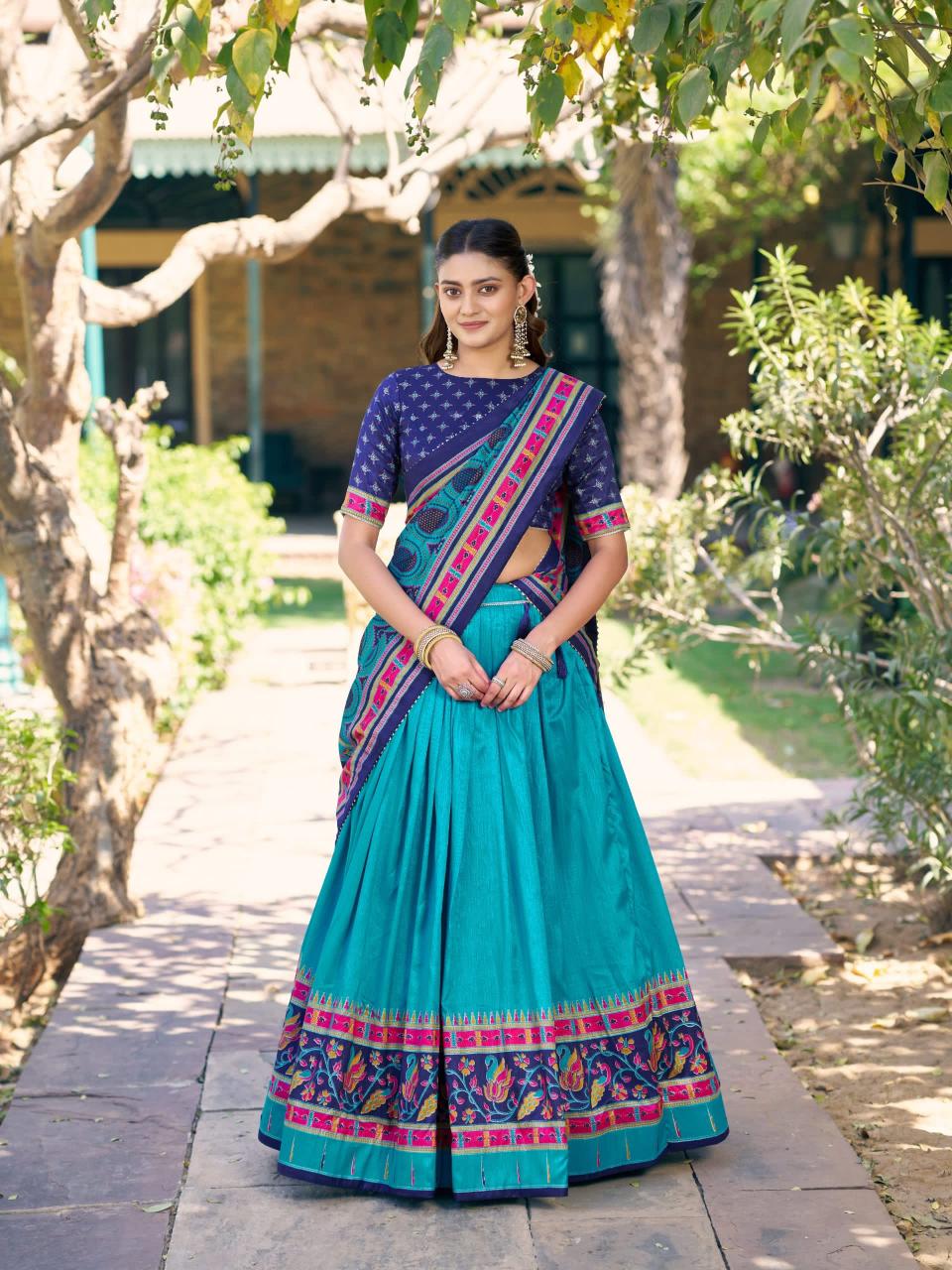
Premium lehengas, designer sarees and heavily worked suits can still be valuable even when they sell less frequently. They can enhance the store's visual appeal and serve higher-spending customers.
The key is controlling quantity so that premium inventory does not consume an excessive portion of working capital.
Use MOQ as a Buying Tool, Not Just a Supplier Condition
Minimum order quantity, commonly called MOQ, directly affects how much money a retailer needs to invest. A very high MOQ may provide an attractive unit price but can also increase inventory risk.
Calculate the Real Investment Behind MOQ
Suppose one collection requires several pieces or a complete catalogue. Calculate the total purchase value before comparing it with another supplier's rate.
The cheapest unit rate is not automatically the best option if the total required purchase is much larger than your current demand.
Choose MOQ According to Sales Capacity
A growing showroom with established daily sales may comfortably handle larger catalogue quantities. A new home-based seller may need more controlled purchasing.
Wholesale buying should therefore match the scale of the business. Increasing order size gradually as sales improve is usually easier to manage than beginning with inventory designed for a much larger operation.
Use a Reorder Strategy Instead of One-Time Heavy Buying
A retailer trying to learn how to buy wholesale clothing without overinvesting in stock should think in buying cycles rather than one massive seasonal purchase.
Purchase the initial collection, observe customer response and then use the next order to reinforce what worked. This creates a continuous feedback loop between sales and sourcing.
Track Sell-Through Before Reordering
Do not reorder simply because one piece sold quickly. Look at the broader pattern. How many pieces were available? How quickly did they sell? Were customers asking for additional colours or sizes?
When demand repeatedly exceeds available stock, a stronger reorder becomes easier to justify.
Do Not Automatically Repeat Slow Products
Retailers sometimes repeat familiar collections because the supplier continues offering them. Instead, treat slow-moving stock as information. If a particular design, fabric or price band repeatedly underperforms, reduce exposure in the next order.
Compare Wholesale Price With Inventory Turnover
Wholesale purchasing decisions become more useful when price and turnover are considered together. A retailer should ask not only, "How much margin can I make?" but also, "How quickly can this capital potentially return?"
Higher Margin Does Not Always Mean Better Inventory
A premium product may provide a larger rupee margin but take longer to sell. A regular-wear item may generate a smaller margin per piece while turning over repeatedly.
A balanced inventory can contain both. The objective is to understand the role each category plays in overall cash flow.
Calculate Product-Level Performance
Track purchase cost, selling price, quantity purchased, quantity sold and time taken to sell. Even a simple spreadsheet can reveal which categories deserve more capital.
Over several buying cycles, these records become far more useful than relying only on memory.
Source From Surat Without Buying Everything You See
The scale of the surat textile market is an advantage because buyers can explore numerous categories, brands, manufacturers and wholesalers. At the same time, enormous variety can encourage overbuying.
Whether sourcing around ring road, sahara darwaza or through online wholesale channels, prepare a buying plan before beginning the purchase.
Create a Category List Before Visiting the Market
Write down what you actually need: for example, regular kurtis, selected dress materials, festive sarees or a small lehenga assortment. Assign a maximum budget to each category.
This prevents an attractive collection encountered early in the buying trip from consuming money intended for other products.
Compare Quality Along With Manufacturing Price
Surat's large manufacturing network provides buyers with extensive choice. However, garments at similar-looking wholesale rates may differ in fabric, stitching, work, finishing and overall presentation.
Buying purely on the lowest quoted rate can create customer complaints or weak repeat sales. The objective is to find a suitable balance between cost and sellable quality.
Use Online Wholesale Buying to Reduce Inventory Pressure
Online sourcing can help retailers review fresh collections more frequently rather than depending entirely on large physical buying trips. Wholesaleexport.in allows business buyers to explore wholesale fashion categories and plan purchases according to current requirements.
For smaller businesses, this can support a "buy, sell, review and reorder" approach instead of trying to predict several months of demand in one transaction.
Frequent Fresh Stock Can Be Better Than Excessive Stock
Customers often respond positively when they regularly see something new. A boutique with controlled inventory but frequent arrivals can sometimes appear fresher than a shop holding a very large collection purchased months earlier.
Freshness is particularly important for businesses promoting merchandise through Instagram, Facebook and WhatsApp because repeat viewers need a reason to keep checking new posts.
Online Catalogues Help Pre-Plan Purchases
Review designs, price ranges and product categories before finalising an order. This reduces impulsive purchasing and allows retailers to compare potential products against their existing inventory.
Plan Seasonal Buying Carefully
Festival and wedding seasons can create strong sales opportunities, but seasonal merchandise also creates overstock risk if purchased too late or in excessive quantities.
Buy Before Demand, Not After the Market Peaks
Seasonal merchandise should arrive early enough to be photographed, displayed and promoted while customers are still planning purchases. Waiting until demand is already at its peak can shorten the selling period.
Prefer Multi-Occasion Products Where Practical
A festive outfit that can also work for weddings, parties and family functions has a broader selling window than an extremely event-specific design.
For smaller retailers, versatile merchandise can reduce the risk of carrying unwanted stock after a festival ends.
Keep International Buyers' Replenishment Time in Mind
Wholesale buyers sourcing Indian clothing for Nepal, Australia and USA have an additional inventory consideration: replenishment can take longer than domestic sourcing.
International retailers therefore need to balance controlled inventory with enough lead time for repeat orders.
Calculate Landed Cost Before Buying
For an export order, the product rate alone does not represent the complete inventory investment. Freight and applicable destination-side expenses may affect the final landed cost.
Calculate these costs before deciding the retail price and expected margin.
Use Sales History for Repeat Export Orders
After the first shipment, record which products sold fastest. The next export purchase can allocate more capital to proven categories instead of repeating the complete original assortment.
This approach becomes increasingly accurate as the retailer develops local customer data.
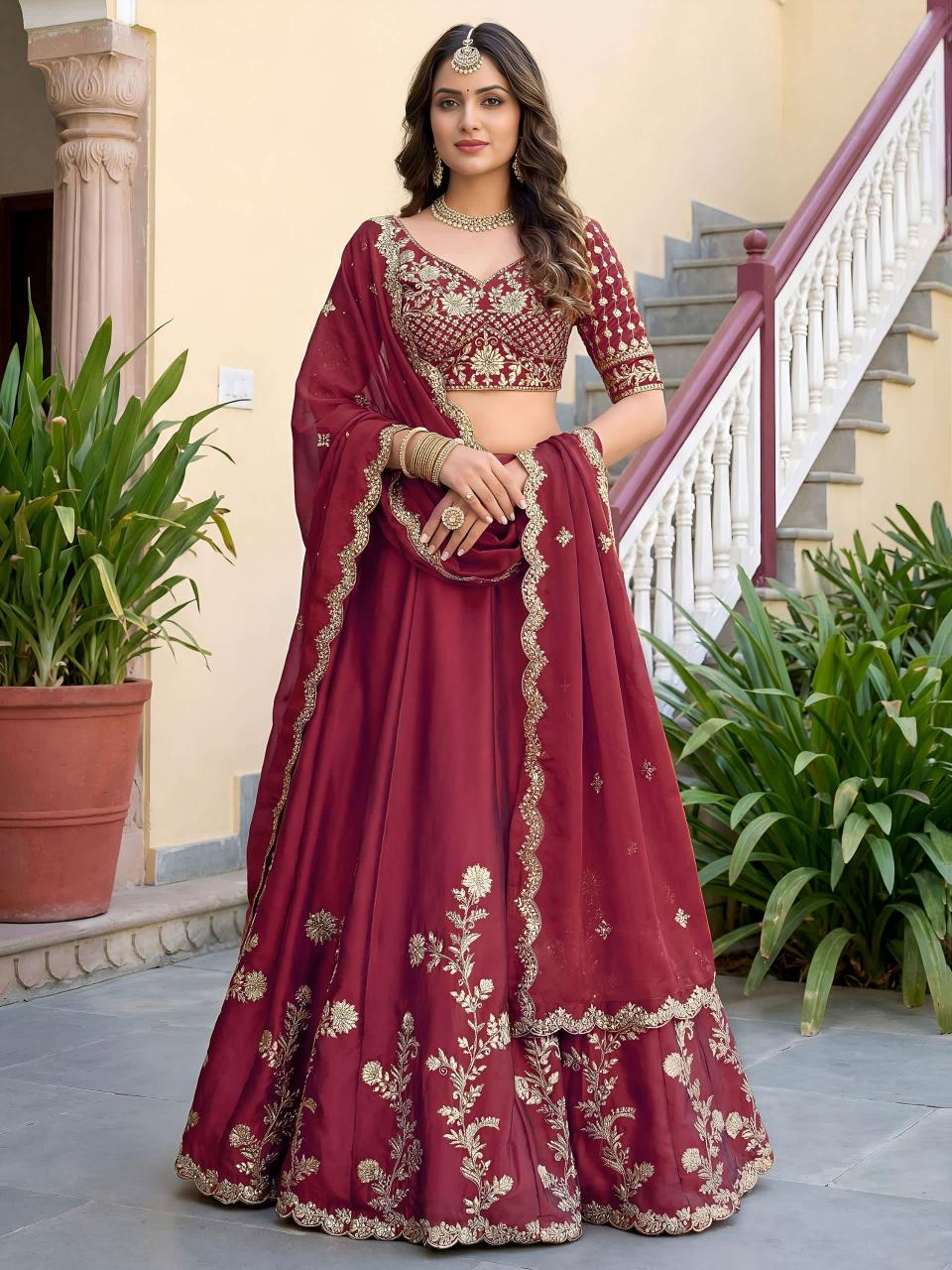
Retailers interested in building an occasion-wear assortment can explore the wholesale lehenga market in Surat according to current availability. Businesses looking to diversify their ethnic-wear assortment can also review wholesale dress materials in Surat while planning their next buying cycle.
Use Inventory Age to Decide What to Buy Next
One of the simplest ways to control wholesale investment is to know how long products have been sitting in your inventory. Many small retailers know their total stock value but do not track the age of individual products. This makes it difficult to recognise when too much money has become locked in slow-moving merchandise.
Create simple inventory groups such as recently purchased stock, regular-moving stock and older unsold stock. Before placing another wholesale order, check how much capital is already sitting in each group. If a category contains substantial older inventory, purchasing more of the same type should be reconsidered unless there is a clear reason for renewed demand.
Set a Review Period for Every Collection
A product does not necessarily become slow-moving simply because it has not sold immediately. Different categories naturally have different selling cycles. Everyday kurtis may move faster than premium lehengas, while wedding and festive merchandise can depend heavily on the season.
Review each category according to its normal sales pattern. The objective is to identify merchandise that is genuinely underperforming rather than discounting products too quickly.
Turn Old Inventory Into Cash Before Adding Similar Stock
If older merchandise is accumulating, consider practical ways to improve movement. Products can be featured again through WhatsApp Status, Instagram Reels, customer broadcasts, shop displays or carefully planned offers.
Generating cash from existing stock can be more useful than continually adding new merchandise while older inventory remains untouched.
Use an Open-to-Buy Approach for Wholesale Clothing
An open-to-buy mindset simply means deciding how much additional inventory the business can safely purchase after considering current stock, expected sales and available working capital. It prevents buying decisions from being made only because a supplier has launched an attractive catalogue.
Check Existing Stock Before Every New Order
Before placing an order, answer a few practical questions. How much inventory is currently available? Which categories are selling? Which sizes are running low? Which products have been sitting for too long? How much cash should remain available after the purchase?
These questions make wholesale clothing buying more disciplined without making the process complicated.
Let Sales Finance Part of the Next Buying Cycle
As the business matures, try to create a cycle in which existing merchandise generates cash that supports the next order. This reduces the need to continuously inject fresh capital simply to maintain new arrivals.
A retailer following this approach can gradually increase purchasing volume when actual sales justify it.
Manage Size Inventory Without Locking Too Much Capital
Size management is particularly important in ready-made garments. A design may appear to sell well overall while certain sizes remain unsold. If this happens repeatedly across multiple catalogues, inventory value can quietly accumulate in less-demanded sizes.
Track Size-Wise Sales
Record which sizes customers request and which sizes actually sell. Over time, this creates a size profile specific to your business.
Do not assume the same size ratio will work for every retailer. Customer demographics, category and location can all influence demand.
Ask About Size Sets Before Ordering
When buying wholesale ready-made clothing, understand whether the supplier sells individual sizes, fixed size sets or complete catalogues. This affects both your investment and your ability to replenish particular sizes.
For categories where broader sizing is available, plus-size demand should also be considered. Ignoring a consistently requested size range can mean losing sales even while money remains invested in other sizes.
Control Colour and Design Duplication
Overinvestment does not always mean owning too many pieces. Sometimes a retailer has a reasonable total quantity but too many products that look similar to one another.
For example, purchasing several catalogues with nearly identical colours, prints and silhouettes can create the impression of limited choice despite a significant inventory investment.
Audit New Products Against Existing Inventory
Before purchasing a new catalogue, compare it with what you already own. Ask whether it introduces a new colour family, silhouette, price point, occasion or customer segment.
If the new merchandise is almost identical to existing slow stock, another purchase may not add meaningful variety.
Use Variety to Make Smaller Inventory Look Stronger
A carefully selected assortment across colours, patterns and categories can give customers more meaningful choices without requiring excessive quantities. This is especially useful for boutique owners and home-based sellers operating with controlled working capital.
Know When Bulk Buying Actually Makes Sense
Buying in bulk is not automatically a mistake. Once demand has been established, larger orders can be useful. The important distinction is between calculated bulk buying and speculative bulk buying.
Bulk Buy Proven Products
If a category repeatedly sells, customer enquiries remain strong and replenishment is required frequently, a larger order may improve purchasing efficiency. Bulk buying can also become relevant for showroom owners, established resellers and wholesale buyers supplying their own retail networks.
In these cases, a better wholesale rate can improve margin because the retailer already has evidence that the inventory can move.
Avoid Bulk Buying Only for a Bigger Discount
Suppose a supplier offers a lower rate if the quantity is doubled. Calculate the total additional capital required and estimate whether the extra pieces can realistically sell within the desired period.
Saving a small amount per garment is not useful if a much larger amount of money remains blocked in stock.
Create a Small Test-Buying System for New Trends
Fashion businesses need new products, so avoiding all risk is neither practical nor desirable. Instead, create a controlled method for testing trends.
Test the Product Before Scaling the Order
When a new style begins appearing across social media or wholesale markets, introduce it in a manageable quantity where supplier terms permit. Promote it strongly and observe actual customer response.
Track more than likes and views. Paid orders, serious enquiries, size requests and repeat requests are stronger demand indicators.
Scale Winners Quickly
If the test performs well and the supplier still has availability, reorder while the trend remains relevant. This is where maintaining reserve buying capital becomes valuable.
Instead of guessing which trend will become successful, the retailer uses the market response to determine where additional money should go.
Use Social Media Before Investing Heavily
Instagram, Facebook and WhatsApp can do more than sell inventory. They can also provide early demand signals.
Measure Customer Response to New Designs
When appropriate and when supplier usage terms allow it, new product previews can help retailers understand which styles attract serious interest. Ask customers about preferred colours, sizes or designs and compare the response with actual orders.
This does not replace sales data, but it can provide another useful signal before committing to a much larger quantity.
Use Pre-Launch Interest Carefully
A boutique can announce an upcoming collection and invite enquiries before increasing its stock. If several customers show genuine buying intent, the retailer has more information than simply purchasing based on personal preference.
Always communicate availability and delivery expectations accurately rather than presenting unconfirmed inventory as ready stock.
Calculate the Real Cost of Wholesale Clothing
The supplier's quoted price is only one part of the inventory cost. Depending on the order and destination, freight, packaging, taxes or other applicable expenses may affect the final landed cost.
Use Landed Cost for Margin Planning
Calculate what the merchandise actually costs by the time it reaches your business. Then determine a selling price that accounts for operating expenses and the margin needed for the business model.
This becomes particularly important for export buyers serving markets such as Nepal, Australia and USA, where logistics can materially affect the final cost.
Do Not Confuse Markup With Actual Profit
A product may appear to have an attractive difference between purchase and selling price, but the business also has operating expenses. Advertising, payment charges, packaging, shipping support, staff and store expenses can all affect profitability.
Inventory planning should therefore consider the complete business rather than only the difference between wholesale and retail rates.
Use Inventory Data Instead of Guesswork
Even a small seller can maintain basic inventory records. Complicated software is not essential at the beginning; consistency is more important.
Track the Numbers That Influence Buying
Useful records include product category, purchase date, quantity, purchase cost, sizes, selling price, quantity sold and remaining quantity. Recording the supplier can also help when successful products need to be reordered.
After several months, this data can reveal which categories turn quickly and which categories repeatedly block capital.
Identify Your Best Price Bands
One boutique may sell most products in an affordable range, while another performs better with premium merchandise. Instead of assuming what customers want, calculate where actual transactions occur.
Future wholesale purchases can then be concentrated around proven price bands while still reserving a smaller portion for experimentation.
A Practical Buying Cycle for 2026
Retailers trying to understand how to buy wholesale clothing without overinvesting in stock can use a repeating cycle rather than treating purchasing as an occasional large event.
Step 1: Review Existing Inventory
Identify fast sellers, slow sellers, missing sizes and categories that already contain enough stock.
Step 2: Review Recent Customer Demand
Check completed orders as well as serious customer enquiries. Look for repeated requests rather than reacting to one isolated comment.
Step 3: Set the New Buying Budget
Decide how much can safely be invested without affecting essential operating cash.
Step 4: Buy Proven Products and Selected Tests
Use a larger portion for products supported by sales data and a controlled portion for new designs or trends.
Step 5: Promote New Stock Immediately
Do not allow new merchandise to remain unseen. Photograph it, display it and communicate arrivals to relevant customers.
Step 6: Measure and Reorder
Track the response and use those results to plan the next purchase. Repeating this process can make inventory decisions increasingly accurate over time.
Common Wholesale Buying Mistakes to Avoid
Buying Every New Catalogue
Fresh collections are important, but not every catalogue is necessary for your customers. Select according to demand and existing stock.
Using the Entire Cash Balance for Inventory
A business needs liquidity for operations and future opportunities. Keep inventory money and essential working capital in perspective.
Ignoring Existing Unsold Stock
Before adding another similar product, understand why the current merchandise has not moved. The issue may be design, price, size, presentation or simply insufficient promotion.
Buying Only Because the Wholesale Price Is Low
Low-cost inventory that customers do not want is not genuinely inexpensive. Sellability and quality matter alongside purchase rate.
Buying Too Late for a Festival
A seasonal product needs sufficient selling time. Purchase planning should include sourcing, transportation, photography, marketing and the customer's own shopping timeline.
Following Competitors Without Checking Your Own Audience
A product selling well for another boutique may serve a different customer profile. Use competitor activity as market context, not as a substitute for your own sales data.
Internal Linking and Smarter Category Planning
Wholesale buying becomes more manageable when retailers build categories gradually. Start with products that suit the existing customer base and add related categories as sales provide evidence for expansion.
Wholesaleexport.in allows home-based sellers, shop owners, boutique owners, showroom owners, resellers and wholesale buyers to explore changing collections across Indian fashion categories. For buyers who cannot regularly visit ring road, sahara darwaza and other parts of the surat textile market, online sourcing can help maintain access to new merchandise between physical buying trips.
Vastralife's wholesale and export experience since 2017 adds industry experience to this sourcing approach, with attention to product selection and premium product quality for business buyers.
Customer FAQs
1. How can I buy wholesale clothing without overinvesting?
Set a fixed inventory budget, begin with controlled quantities, keep reserve capital for reorders and use actual sales data to decide which products deserve larger purchases. Avoid putting the entire budget into one opening or seasonal order.
2. Is buying a large wholesale quantity always cheaper?
The per-piece rate may be lower on a larger order, but that does not automatically make the total purchase more profitable. Consider how quickly the additional quantity is likely to sell and how much working capital it will use.
3. How much inventory should a new boutique purchase?
There is no single quantity suitable for every boutique. The appropriate amount depends on available capital, shop size, customer demand, average product cost, supplier MOQ and expected inventory turnover.
4. Should I buy variety or quantity when starting?
For many new sellers, testing a useful variety can provide more customer information than buying deeply into one unproven design. Once demand is established, quantities can be increased accordingly.
5. What should I check before ordering wholesale clothes?
Review product quality, fabric, design, sizes, MOQ, total order value, wholesale price, expected retail price, existing inventory and customer demand. For shipped orders, applicable logistics costs should also be considered.
6. How often should I purchase new wholesale stock?
The buying frequency should follow sales velocity rather than a fixed rule. A retailer with fast inventory turnover may buy frequently, while a smaller seller may use slower cycles. The key is to review stock before every new order.
7. Is Surat suitable for wholesale clothing sourcing?
Surat has an extensive textile, garment manufacturing and wholesale ecosystem covering numerous fashion categories. Buyers can source through physical markets as well as online wholesale channels.
8. Can home-based resellers buy wholesale clothing?
Yes. Home-based sellers can source wholesale products according to supplier MOQ and applicable ordering terms. Controlled quantities can be especially useful when testing demand through WhatsApp, Instagram or Facebook.
9. Can international buyers source clothing from India?
Yes. Wholesale and export buyers can source Indian clothing according to product availability, order terms and destination requirements. Buyers should calculate freight and applicable destination costs when determining landed cost.
10. What is the best way to reduce dead stock?
Buy according to proven demand, test new products in controlled quantities, review inventory age, avoid unnecessary duplication and use sales records to guide reorders. Existing slow stock should also be actively promoted before similar merchandise is added.
Build a Leaner and More Profitable Wholesale Inventory
The purpose of wholesale buying is not to own the maximum possible stock. It is to have the right merchandise available when customers are ready to purchase. Retailers who learn how to buy wholesale clothing without overinvesting in stock can protect working capital while still offering fresh fashion and useful variety.
Wholesaleexport.in helps business buyers explore Latest Collections, Wholesale Pricing, Trendy Ethnic Wear, Fast Shipping, applicable COD Support, Bulk Order Deals and Quality Products Starting From ₹299. Product availability, pricing and applicable order terms can vary by collection.
Whether you are a home-based seller beginning with a controlled budget, a boutique owner building regular inventory, a showroom expanding its assortment or a wholesale buyer planning larger orders, the principle remains the same: buy with a plan, measure what sells and increase investment where genuine demand has already been demonstrated.
With Vastralife's wholesale and export experience since 2017, buyers can access industry knowledge and wholesale sourcing support while exploring products for India and international markets.
Contact Number: +91 9712582172
Website: wholesaleexport.in