


How to Buy Directly from Surat Textile Market in 2026 – Complete Wholesale Buying Guide
How to Buy Directly from Surat Textile Market in 2026 – Complete Wholesale Buying Guide
Buying textiles directly from Surat can open valuable sourcing opportunities for retailers, boutiques, resellers and wholesale businesses looking for variety at competitive rates. The real advantage, however, comes from knowing how to identify suitable products, compare suppliers, understand wholesale terms and calculate the complete cost before placing an order. Whether you plan to visit Surat physically or source collections online, a structured buying process can help you make smarter inventory decisions.
Introduction
Surat is one of India's best-known textile trading and production centres, with a large ecosystem connected to sarees, dress materials, kurtis, lehenga cholis, ethnic suits, fabrics and other fashion categories. Buyers from different parts of India visit the city to explore new collections, compare wholesale price ranges and connect with suppliers serving retail and wholesale businesses.
If you are researching how to buy directly from Surat textile market, the first thing to understand is that Surat is not one single building or marketplace. Textile businesses are spread across numerous commercial complexes and trading areas, with a major concentration around Ring Road and nearby textile zones.
For a first-time buyer, the sheer number of products can be exciting but also confusing. Attractive catalogues and low quotations should not be the only reasons to place an order. Product quality, supplier reliability, minimum order quantity, stock availability, shipping, payment conditions and customer demand should all influence your purchasing decision.
In 2026, buyers also have two broad sourcing routes. You can travel to Surat and explore the market physically, or use digital wholesale platforms such as Wholesaleexport.in to discover collections remotely. The right method depends on your buying volume, location, available time and business model.
Why Surat Is a Major Textile Sourcing Hub in India
The surat textile market benefits from a broad supply chain involving fabric production, processing, printing, embroidery, designing, trading, wholesaling and manufacturing. This interconnected ecosystem allows buyers to find products for different customer segments and budgets.
Surat is particularly relevant to businesses dealing in women's ethnic wear. Depending on current collections and supplier specialization, wholesale buyers can explore sarees, dress materials, salwar suits, kurtis, kurti sets, lehenga cholis and other fashion products.
Access to Multiple Product Categories
One reason buyers source from Surat is the ability to compare multiple categories within the same city. A Boutique Owner searching for premium ethnic wear may have different requirements from a Home-Based Seller looking for affordable fast-moving products, yet both can find relevant sourcing opportunities within Surat's textile ecosystem.
This variety also makes it easier for established retailers to diversify. A shop selling primarily dress materials, for example, may explore lehengas, kurtis or sarees when customers begin requesting additional categories.
Different Price Segments for Different Businesses
Wholesale collections are available across entry-level, mid-range and premium segments. Buyers should not assume that sourcing directly means every product will automatically be inexpensive. Fabric, workmanship, embroidery, design complexity, brand, quantity and product category can all influence the final price.
The better objective is to find a collection that provides suitable value for your target customer rather than simply searching for the lowest quotation.
Where to Start When Visiting Surat Textile Market
First-time visitors should plan their sourcing trip before arriving. The textile trading ecosystem is extensive, and randomly visiting shops can consume significant time without necessarily producing better purchasing decisions.
Areas around ring road have long been associated with Surat's textile trade. sahara darwaza and surrounding textile zones also connect buyers with numerous markets and businesses dealing in wholesale fashion products.
Decide Your Product Category Before Visiting
Before entering the market, decide what you actually need. Are you sourcing cotton dress materials, designer suits, sarees, kurtis or lehenga cholis? Do you need daily-wear products or premium festive stock?
A defined buying list makes supplier comparison easier. It also reduces the risk of using your budget on attractive products that do not fit your existing customer base.
Set Your Wholesale Buying Budget
Determine how much capital you can comfortably allocate to new inventory. Your budget should not consist only of the product purchase amount. Consider applicable taxes, transportation, packaging and other relevant business expenses when calculating the total investment.
Keeping part of the budget available for later restocking can also be useful. If one of your initial collections sells quickly, available working capital allows you to respond rather than waiting until other inventory is sold.
Understand Your Customer Before the Market
A common mistake is buying according to personal taste rather than customer demand. Before travelling to Surat, review your previous sales and customer enquiries. Identify preferred fabrics, colours, price points and occasions.
For a new business without sales history, start with a controlled assortment across a few relevant categories instead of investing heavily in one untested style.
Step-by-Step: How to Buy Directly from Surat Textile Market
A systematic approach can make wholesale purchasing more efficient. The following process is useful whether you operate a boutique, physical store, showroom or online reselling business.
Step 1: Shortlist the Products You Want
Begin with a clear requirement. Write down your preferred category, approximate price range, expected quantity and target retail customer. This prevents distractions when you encounter hundreds of designs in the market.
Step 2: Compare More Than One Collection
Do not purchase the first product simply because the catalogue looks attractive. Compare similar products for fabric, finishing, design, wholesale rate and resale potential.
The purpose of comparison is not only to negotiate price. It helps you understand what level of product quality is available within your budget.
Step 3: Ask About MOQ
MOQ, or minimum order quantity, is an important consideration for wholesale buyers. Different suppliers and collections can have different purchasing conditions.
A Home-Based Seller may prefer lower quantities for testing, while a Showroom Owner might require a larger assortment. Always understand the applicable MOQ before calculating your inventory investment.
Step 4: Confirm What the Quoted Price Includes
Do not make assumptions about a quotation. Confirm what is included in the product and what additional costs may apply. This is especially important when comparing quotations from multiple sources.
Transparent cost calculation helps you estimate the final retail price and margin more accurately.
Step 5: Review Product Details
For textiles, design is only one consideration. Review available information about fabric, product components, embroidery or printing, finishing and other relevant details.
Online buyers should pay particular attention to accurate product information because they cannot physically examine the collection before ordering.
Step 6: Confirm Stock Availability
Textile inventory can move quickly. A design shown in a catalogue may have limited availability by the time a buyer decides to order. Confirm current stock before making commitments to your customers.
Step 7: Understand Payment and Dispatch Terms
Before completing an order, confirm the applicable payment conditions, expected processing or dispatch details and shipping arrangement. Written order details can reduce misunderstandings later.
What to Buy from Surat Textile Market in 2026
There is no single product that is ideal for every retailer. The right inventory depends on the business model, customer profile, selling location and budget. However, several ethnic wear categories can be considered when planning a Surat wholesale purchase.
Wholesale Dress Materials
Dress materials can serve daily-wear, office-wear and festive customers depending on the fabric and design. Cotton prints, embroidery, designer suit materials and coordinated three-piece sets give sellers multiple price and styling options.
Wholesale Sarees
Sarees continue to cover a wide spectrum of Indian fashion, from practical everyday styles to wedding and festive collections. Retailers can choose according to regional customer preferences instead of purchasing solely on the basis of current trends.
Kurtis and Kurti Sets
Kurtis and coordinated sets can work well for customers looking for ready-to-wear ethnic clothing. For online sellers, attractive product photography and clear size information are important when marketing ready-made garments.
Lehenga Choli Collections
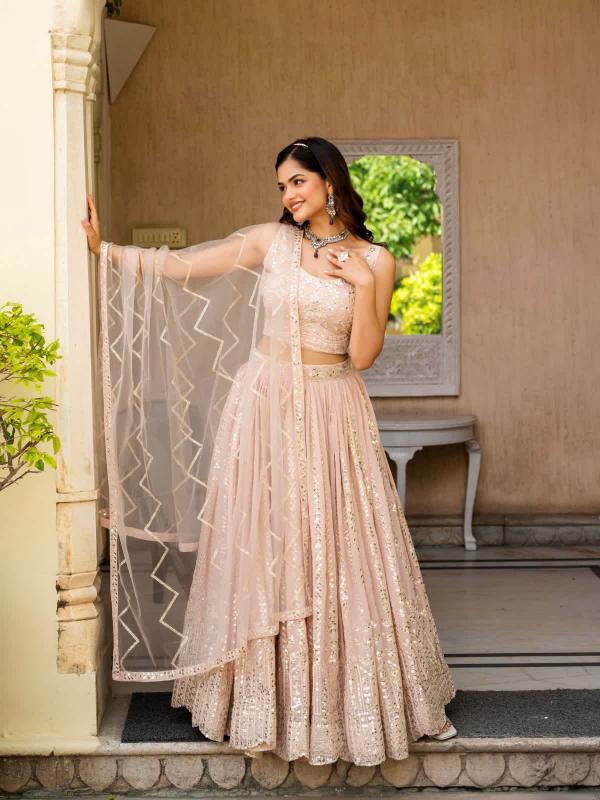
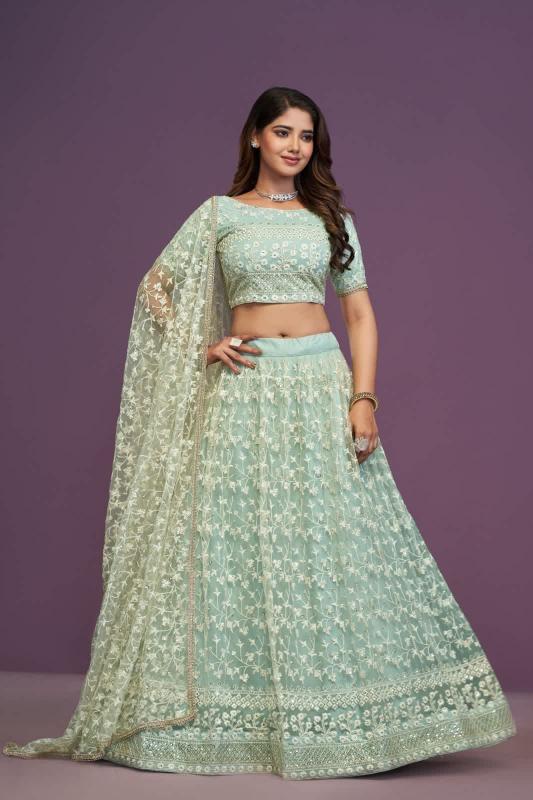
Lehenga cholis can be relevant for wedding seasons, festivals and occasion wear. Buyers should evaluate design, workmanship, expected retail price and local customer demand carefully because premium occasion products may require a larger investment per piece.
How to Identify a Suitable Surat Wholesale Supplier
Knowing how to buy directly from Surat textile market also means knowing how to evaluate suppliers. A low quotation is useful only when the product and purchasing experience meet the requirements of your business.
Look for Clear Product Information
A wholesale buyer should be able to understand what is being purchased. Confirm product specifications and order conditions rather than relying entirely on photographs.
Clear information is especially valuable for Resellers because they often need to communicate the same details to their own customers.
Evaluate Product Quality for Your Customer Segment
Quality expectations differ by price category. An affordable daily-wear collection and a premium occasion product should not be evaluated identically. The important question is whether the quality is appropriate for the product's intended selling price and customer expectations.
Consider Long-Term Sourcing Potential
Finding a supplier for one order is different from building a dependable sourcing system. If you plan to grow your retail business, consider whether the sourcing channel provides enough variety and regular new arrivals for future purchasing.
Wholesaleexport.in is designed to help business buyers explore changing ethnic wear collections without relying entirely on repeated physical market visits.
Physical Market Buying vs Online Surat Wholesale Buying
Both sourcing methods can be useful, and many businesses eventually combine them. Physical buying provides direct product inspection, while digital sourcing can save time when regular travel is impractical.
Advantages of Visiting Surat Physically
A physical market visit lets buyers examine fabrics, compare products closely and understand the broader range available in different categories. It can be particularly valuable when establishing a new category or purchasing premium inventory.
Advantages of Buying Online
Digital wholesale sourcing allows retailers to review collections from their own city, reducing the need for frequent travel. This can be particularly practical for Home-Based Sellers, online Resellers and Shop Owners who need new products regularly but cannot repeatedly visit Surat.
Platforms such as Wholesaleexport.in can support this process by providing access to wholesale-focused product discovery for business buyers.
How Home-Based Sellers Can Source from Surat
Home-Based Sellers do not necessarily need the same purchasing strategy as a large showroom. Their advantage can be flexibility: smaller overheads, direct customer relationships and the ability to test new collections with a focused audience.
Start With Customer-Friendly Products
New sellers can begin with categories that fit their network's known preferences. If customers frequently request affordable everyday ethnic wear, starting with highly premium occasion stock may unnecessarily block capital.
Test Before Scaling
Use initial sales as market research. Track which colours, fabrics, styles and price points actually convert into orders. Increase purchasing in successful categories rather than expanding randomly.
Use Digital Catalogues Carefully
Catalogue images can make product sharing easy through WhatsApp and social media. Sellers should accompany those images with accurate information and avoid promising availability before confirming stock.
Surat Wholesale Buying for Boutique Owners
Boutique Owners often need products that feel curated rather than mass-selected. Surat's variety can support this approach when buyers choose collections according to a consistent boutique identity.
A boutique focused on understated premium fashion may select different products from a store specializing in heavily embellished wedding wear. Buying according to brand positioning makes inventory more coherent and marketing more effective.
Mix Signature Products With Fresh Trends
Do not replace every proven product whenever a new trend appears. Maintain styles that consistently sell while introducing a controlled percentage of new designs. This creates freshness without making the complete inventory dependent on short-lived trends.
Buying for Shop Owners and Showrooms
Shop Owners and Showroom Owners usually need greater inventory depth because customers expect to compare multiple options during a visit. Wholesale buying can therefore include several price segments and occasions.
A practical assortment might include everyday ethnic wear, mid-range products and selected premium designs. The exact mix should reflect local purchasing behaviour rather than a universal formula.
Use Sales Data Before Reordering
Retailers should know which collections sell fastest, which price ranges generate repeat purchases and which products remain in stock too long. This information turns wholesale purchasing from guesswork into a more disciplined business process.
Why Vastralife's Wholesale Experience Matters
Textile sourcing involves understanding products as well as the realities of retail selling. Vastralife brings wholesale and export experience since 2017, supported by practical industry expertise in ethnic wear sourcing and wholesale requirements.
This experience contributes to a focus on market-relevant collections and premium product quality for business buyers. Through Wholesaleexport.in, retailers can explore wholesale opportunities whether they operate from Surat or source products from another location.
Can International Buyers Source from Surat?
Surat's textile industry also serves buyers interested in export. Indian ethnic wear can be relevant to businesses serving South Asian communities and fashion customers in international markets.
Wholesale buyers in Malaysia, USA and Australia can evaluate Surat collections according to their own customer demand. International purchasing requires additional attention to logistics, destination requirements, landed cost and product selection.
Choose Products According to the Destination Market
International buyers should not assume that every Indian bestseller will perform equally overseas. Climate, local occasions, customer demographics and retail price expectations can influence demand.
A focused assortment designed for the destination market can be more effective than purchasing large quantities simply because a collection is popular in India.
How to Calculate the Real Cost of Surat Wholesale Buying
The wholesale rate is only the starting point of inventory costing. Buyers should calculate the complete cost associated with bringing the product into their business.
Consider More Than Product Price
Depending on the transaction, applicable taxes, shipping, packaging and other costs may affect the final landed value. International orders can involve additional logistics considerations.
Once the complete cost is understood, retailers can set a more realistic selling price and evaluate whether the expected margin is commercially worthwhile.
Think About Inventory Rotation
A product with a high theoretical margin may still be a poor investment if it remains unsold for a long period. Fast-moving inventory can release capital for fresh collections and allow a business to adapt more quickly to changing customer preferences.
For this reason, successful wholesale purchasing is often about the relationship between margin, demand and rotation rather than margin percentage alone.
How to Negotiate and Compare Wholesale Deals in Surat
Wholesale buying is not simply about asking for the lowest possible rate. A commercially useful deal should balance product quality, quantity, current availability, order conditions and potential resale value. When comparing suppliers in the surat textile market, buyers should first make sure they are comparing similar products.
A dress material with better fabric, detailed embroidery or a premium dupatta may naturally have a different price from a basic everyday collection. Similarly, designer lehenga cholis and festive products cannot be compared only by their per-piece rate when workmanship and design complexity differ significantly.
Ask for Clear Wholesale Terms
Before confirming a purchase, understand the minimum quantity, available colours, catalogue quantity, payment terms and dispatch conditions applicable to the order. This is particularly important for new buyers who may be unfamiliar with wholesale purchasing practices.
Clear terms allow you to calculate your investment before making a decision instead of discovering additional considerations after the order is placed.
Do Not Sacrifice Quality Only for a Lower Price
A very low purchase price may appear profitable, but poor product quality can create customer complaints and reduce repeat business. Retailers should evaluate whether the product delivers appropriate value for its intended retail segment.
For boutiques and online sellers, customer trust can be worth more than the small saving achieved by selecting an unsuitable product only because it is cheaper.
Exactly Two Useful Internal Links for Surat Wholesale Buyers
Buyers interested in occasion-wear inventory can explore the wholesale lehenga market in Surat to understand additional sourcing possibilities for bridal, festive and boutique-oriented collections.
Retailers who want to expand into inclusive ready-to-wear ethnic fashion can also explore plus size kurtis wholesale collections and evaluate whether the category matches their customer demand.
Internal product discovery is most useful when expansion follows genuine customer requirements. Instead of adding every available category, sellers can gradually build related collections that complement their existing inventory.
How Online Buying Makes Surat Wholesale More Accessible
For many buyers, especially those located far from Gujarat, travelling to Surat for every new purchase is not practical. Travel costs, accommodation, local transportation and time away from the business can add significantly to the sourcing process.
Digital wholesale purchasing offers an alternative. Buyers can review collections remotely and shortlist products according to their requirements. Wholesaleexport.in helps connect this traditional textile sourcing ecosystem with the needs of modern online buyers.
Useful for Home-Based and Social Media Sellers
Home-Based Sellers often operate with smaller teams and controlled budgets. Digital sourcing gives them an opportunity to explore products without repeatedly travelling to a wholesale market.
Collections can be evaluated according to customer demand, available investment and expected selling price. Sellers can then focus their purchasing budget on products that fit their actual audience.
Useful for Repeat Wholesale Orders
Physical visits can be particularly useful when exploring a market or new product category for the first time. Once a retailer understands the products and sourcing process, online purchasing can become convenient for subsequent inventory requirements.
This combination of physical market knowledge and digital wholesale sourcing can provide businesses with greater flexibility in 2026.
How to Buy Directly from Surat Textile Market Without Visiting Surat Frequently
Businesses researching how to buy directly from Surat textile market sometimes assume they must physically visit Ring Road or Sahara Darwaza every time they need inventory. Digital wholesale platforms have made that less necessary for many routine sourcing requirements.
Buyers can review available catalogues, understand product information, shortlist collections and communicate their purchasing requirements remotely. This can be particularly helpful for Shop Owners and Boutique Owners located hundreds or thousands of kilometres from Surat.
However, online purchasing still requires the same commercial discipline as physical buying. Buyers should understand product details, confirm current availability and review applicable order terms before making a purchase.
Surat Textile Sourcing for Online Resellers
Online Resellers have different requirements from traditional showroom businesses. They often need visually attractive products, regular new arrivals and collections suitable for promotion through WhatsApp, Instagram, Facebook and other digital channels.
Choose Products That Are Easy to Present Online
Good catalogue photography can help customers understand the overall design of a product. However, online sellers should support photographs with useful product information rather than expecting images alone to complete the sale.
Details about the confirmed fabric, product components and relevant design features can help customers make better-informed purchasing decisions.
Track Enquiries Before Increasing Inventory
A product receiving many views or likes is not necessarily a bestseller. Sellers should track actual enquiries, confirmed orders and repeat purchases to understand which collections deserve greater investment.
This data can make future Surat wholesale buying considerably more efficient.
How Boutique Owners Can Source Premium Collections from Surat
Boutique customers frequently expect products that feel carefully selected rather than generic. Boutique Owners can use Surat's extensive textile ecosystem to identify collections that fit their individual brand positioning.
Premium dress materials, designer lehenga cholis, embroidered suits, stylish kurtis and selected sarees can be combined according to the boutique's customer profile.
Do Not Confuse Premium With Expensive
A premium collection should provide value through fabric, design, finishing, workmanship or overall presentation. A higher wholesale rate alone does not make a product premium.
Boutique buyers should consider whether customers can clearly recognize the additional value before allocating a larger portion of their purchasing budget to the product.
Build a Recognizable Product Identity
Some boutiques become known for subtle cotton fashion, while others specialize in festive ethnic wear, designer suits or wedding collections. A clear identity can make wholesale buying easier because every new product can be evaluated against the boutique's established positioning.
Wholesale Buying Strategy for Showroom Owners
Showroom Owners generally need a wider inventory range because customers visiting a larger retail space expect multiple choices. This can include affordable products, mid-range collections and premium occasion wear.
Instead of distributing investment equally across every category, showrooms can allocate greater stock depth to proven segments while testing new trends with smaller quantities.
Review Stock Age Regularly
Retailers should know how long products have remained in inventory. Older slow-moving stock can block working capital and occupy valuable display space.
Regular stock analysis helps buyers identify what should be reordered, what should be reduced and where fresh Surat collections can strengthen the assortment.
How Export Buyers Can Source from Surat
Surat's textile ecosystem can also be relevant to international Wholesale Buyers. Indian ethnic wear has customer demand in multiple overseas markets, particularly among businesses serving Indian and South Asian communities.
Buyers in Malaysia, USA and Australia can explore products according to their destination-market requirements. The sourcing decision should account for customer taste, expected retail price, shipping and other applicable export considerations.
Calculate Landed Cost Before Ordering
An international buyer should not evaluate profitability using the Indian wholesale price alone. Shipping and other applicable costs can significantly affect the final landed value of the product.
Calculating the likely landed cost before confirming a larger purchase helps buyers determine whether the expected retail selling price remains commercially viable.
Consider the Local Selling Season
Demand for Indian ethnic fashion abroad can rise around weddings, Diwali, Navratri, Eid and community events depending on the customer base. International buyers can plan purchasing sufficiently early to account for logistics and selling preparation.
Common Mistakes First-Time Surat Wholesale Buyers Should Avoid
Buying Only Because the Price Looks Cheap
The lowest rate is not automatically the best wholesale purchase. Consider quality, customer demand, resale potential and inventory movement before making a decision.
Purchasing Too Many Categories at Once
New businesses can become distracted by the enormous variety available in Surat. A focused buying list can prevent capital from being spread across unrelated products that are difficult to market effectively.
Ignoring Minimum Order Conditions
Understand the applicable MOQ before calculating your purchase. Different collections can have different quantity requirements, and these can affect the total investment required.
Not Confirming Current Stock
Popular textile collections can move quickly. Always check current availability before committing the same product to your customers.
Forgetting Shipping and Other Costs
A product's quoted rate does not necessarily represent its complete cost to your business. Calculate all applicable expenses before setting your retail price.
Buying According to Personal Taste
Your customers ultimately determine whether a collection sells. Sales history, enquiries and customer feedback should influence purchasing decisions more strongly than personal fashion preferences.
Customer FAQs
1. How can I buy directly from Surat textile market?
You can visit textile trading areas around Ring Road, Sahara Darwaza and nearby Surat markets or explore digital wholesale sourcing options. Before purchasing, identify your category, budget and required quantity, then compare product quality, price and applicable order terms.
2. Can I buy from Surat textile market online?
Yes. Digital wholesale platforms allow business buyers to discover collections remotely. Wholesaleexport.in provides online access to ethnic wear sourcing opportunities for retailers, boutiques, resellers and wholesale buyers who may not be able to visit Surat regularly.
3. Which products can I source from Surat?
Depending on current availability and supplier specialization, buyers can explore dress materials, sarees, kurtis, kurti sets, lehenga cholis, ethnic suits and other textile categories. Surat has a broad trading, processing and manufacturing ecosystem.
4. Is Surat suitable for Home-Based Sellers?
Yes. Home-Based Sellers can source products according to their customer network and investment capacity. Starting with a controlled assortment and increasing purchases according to actual sales can help manage inventory risk.
5. Where is the main textile area in Surat?
Ring Road and areas around Sahara Darwaza are widely associated with Surat's textile trading ecosystem, with numerous markets and commercial complexes operating across the broader zone.
6. Is the wholesale price in Surat cheaper than retail?
Wholesale purchasing is structured for business buyers and can provide commercially suitable rates depending on product, quantity and supplier terms. However, buyers should compare overall value instead of assuming every Surat product will automatically be the cheapest option available.
7. Can overseas retailers order from Surat?
International buyers can source Indian textiles subject to supplier terms and applicable export arrangements. Product selection, order quantity, logistics and destination requirements should be confirmed before purchase.
8. What should I check before paying a textile supplier?
Confirm the product, quantity, price, applicable charges, stock availability, payment terms and dispatch arrangement. Clear documentation of the order helps reduce misunderstandings.
9. Is Surat good for boutique wholesale purchasing?
Yes. The variety available across Surat's textile ecosystem can be useful for Boutique Owners seeking dress materials, kurtis, sarees, festive styles and designer collections across multiple price segments.
10. How much should a new reseller invest?
There is no single correct investment amount. It depends on the seller's available capital, target customer, product category and purchasing conditions. New sellers can consider testing a manageable assortment before scaling based on actual demand.
Internal Linking and Exploring More Wholesale Categories
Once buyers understand how to buy directly from Surat textile market, the next step is developing a structured sourcing strategy. Rather than purchasing random collections, businesses can organize buying according to categories, seasons, customer budgets and inventory rotation.
Retailers can use Wholesaleexport.in to explore changing ethnic wear collections and evaluate opportunities across different customer segments. New categories should ideally complement existing products and respond to genuine customer enquiries.
For example, a dress material retailer receiving regular requests for wedding clothing may gradually introduce selected lehenga collections. A boutique receiving demand for broader sizing can explore appropriate ready-to-wear categories. Customer behaviour should guide expansion.
Why Choose Wholesaleexport.in for Surat Wholesale Sourcing?
Wholesaleexport.in is focused on business buyers including Home-Based Sellers, Shop Owners, Boutique Owners, Showroom Owners, Resellers and Wholesale Buyers. The objective is to make wholesale product discovery more accessible for businesses that want to source ethnic wear without depending solely on physical market visits.
Backed by Vastralife's wholesale and export experience since 2017, the sourcing approach combines practical textile industry expertise with an emphasis on market-relevant collections and premium product quality.
Whether you are based in India or building an ethnic wear business for an international market, disciplined sourcing can help you make better use of your inventory investment.
Start Sourcing from Surat with Wholesaleexport.in
Planning your next wholesale purchase? Explore Latest Collections through Wholesaleexport.in and discover Trendy Ethnic Wear for boutiques, shops, showrooms, online resellers and wholesale businesses.
Access competitive Wholesale Pricing, explore applicable Bulk Order Deals and discover Quality Products Starting From ₹299. Buyers can also enquire about Fast Shipping and COD Support where available and applicable according to current order terms.
Whether you are sourcing dress materials, kurtis, sarees, lehenga cholis or other ethnic fashion, choose inventory according to customer demand, quality, budget and resale potential rather than purchasing only because a design is trending.
Contact Number: +91 9712582172
Website: wholesaleexport.in
Learning how to buy directly from Surat textile market becomes much easier when you approach wholesale sourcing as a business decision rather than simply a shopping trip. Define your requirements, compare products carefully, understand the real cost, protect your working capital and track what your customers actually purchase. With the right sourcing strategy, Surat's vast textile ecosystem can become a valuable supply base for a growing retail, boutique, reselling or wholesale business in 2026 and beyond.