


How to Build a Successful Online Ethnic Wear Store in 2026
How to Build a Successful Online Ethnic Wear Store in 2026
Starting an ethnic wear business online has become more accessible, but building one that attracts repeat customers requires much more than uploading product photographs. Successful sellers need the right product mix, dependable wholesale sourcing, sensible margins, trustworthy customer communication and a consistent system for bringing fresh collections to market. When these elements work together, even a Home-Based Seller can gradually develop a recognizable ethnic wear business without beginning with the infrastructure of a large physical showroom.
Introduction
The Indian ethnic wear market gives entrepreneurs access to a broad range of products including sarees, kurtis, kurti sets, dress materials, salwar suits, Pakistani suits, lehenga choli and festive collections. This variety creates opportunities for Home-Based Sellers, Boutique Owners, Shop Owners, Showroom Owners, Resellers and Wholesale Buyers who want to build an online ethnic wear store around a specific customer segment.
However, product availability alone does not create a successful business. Online customers cannot physically touch fabric, check embroidery or inspect finishing before ordering. They depend heavily on product presentation, information, pricing and trust. The seller therefore has to bridge the gap between wholesale sourcing and the customer's digital shopping experience.
For 2026, a practical approach is to start with a focused assortment, understand what customers actually purchase, maintain access to regular new arrivals and increase inventory according to proven demand. This is generally more sustainable than purchasing a very large variety before knowing which categories will work for your audience.
Surat continues to be an important sourcing ecosystem for women's ethnic wear. The wider surat textile market, Ring Road, Sahara Darwaza and surrounding textile areas connect buyers with wholesale, trading and manufacturing businesses. Platforms such as Wholesaleexport.in also allow retailers and Resellers to explore collections online when repeated physical sourcing visits are not practical.
Choose a Clear Market Position Before Buying Stock
One of the first decisions when building an online store is determining who you want to sell to. Trying to offer everything to everyone can make purchasing, marketing and brand positioning unnecessarily difficult.
Your target customer influences the products you source, the price range you maintain, the photographs you use and even the type of content you publish.
Select Your Core Customer Segment
An online ethnic wear business can target college-going customers, working women, everyday ethnic wear buyers, wedding shoppers, festival buyers, boutique customers or value-conscious families. A reseller may also focus on serving other small retailers rather than individual consumers.
Once the customer segment is clear, wholesale buying becomes more focused. Instead of selecting products simply because they look attractive, you can ask whether they fit the actual customer you want to acquire.
Decide Your Primary Price Range
Customers should gradually understand what kind of price positioning they can expect from your store. You may focus on affordable products, mid-range fashion, premium ethnic wear or a carefully planned combination.
This does not mean every product must fall within the same narrow price band. It means your overall collection should have enough consistency that customers understand the value your store represents.
Start With Focused Ethnic Wear Categories
A new seller may be tempted to launch sarees, kurtis, lehengas, dress materials, jewellery, bags and several other categories simultaneously. More categories can create variety, but they can also divide working capital and make inventory difficult to understand.
Begin With Categories You Can Sell Confidently
Consider starting with a few strong categories such as women's kurtis, kurti sets, sarees, dress materials or lehenga choli. The right choice depends on your target audience and expected selling channel.
For example, occasion wear can create attractive visual content, while everyday ethnic wear may provide opportunities for more frequent purchases. Neither is automatically better; the category should match your customer base.
Expand According to Confirmed Customer Demand
Once customers begin asking for related products, category expansion becomes more informed. A successful saree seller may eventually add dress materials or suits, while a festive-wear business may expand into complementary occasion categories.
Customer enquiries can therefore become useful purchasing data rather than simply unanswered requests.
Find a Reliable Wholesale Ethnic Wear Supplier
Your supplier influences product quality, collection freshness, buying cost and how confidently you can serve customers. Choosing wholesale sources should therefore be treated as a long-term business decision.
A dependable wholesale ethnic wear supplier should provide clear product information, practical ordering terms and collections relevant to your customers.
Compare More Than the Lowest Wholesale Price
A low rate can improve margin, but only if the product is sellable and the quality matches customer expectations. Compare fabric, finishing, design, product information, stock availability and supplier communication along with price.
A slightly higher-cost product that sells quickly can be more profitable than cheaper inventory that remains unsold for months.
Test the Supplier Before Increasing Purchase Volume
When working with a new source, begin with an order suitable for your business and evaluate the complete experience. Check product consistency, communication, packing and dispatch before making substantially larger commitments.
Several successful order cycles provide a stronger basis for a long-term relationship than one attractive catalogue.
Use Surat as a Strategic Sourcing Base
For women's ethnic wear businesses, Surat provides access to a large wholesale and textile ecosystem. Buyers sourcing around the surat textile market can find products across multiple categories, fabrics and price segments.
Ring Road Textile Sourcing
Ring Road is closely associated with Surat's textile trade and connects buyers with numerous textile businesses. For online sellers, this ecosystem can provide opportunities to compare categories and build relationships with wholesale sources.
However, location alone should never determine supplier quality. Buyers still need to evaluate individual products, ordering terms and reliability.
Sahara Darwaza and the Wider Wholesale Ecosystem
Sahara Darwaza and surrounding textile areas are also part of Surat's broader wholesale environment. Buyers from different parts of India source products through this ecosystem for retail, resale and distribution.
Online sourcing can complement physical market purchasing. Wholesaleexport.in provides a digital route for buyers who want to browse changing collections without travelling to Surat for every order.
Create a Profitable Pricing Structure
Pricing is one of the most important parts of building a sustainable online ethnic wear business. Simply adding a random percentage to the wholesale rate does not provide a complete picture of profitability.
Calculate Your Real Product Cost
Start with the wholesale purchase price and then consider applicable transportation, packaging, payment costs, marketing expenses and other business expenses. For international orders, additional export and logistics-related costs may also need to be considered.
This gives you a better understanding of the actual cost before setting a selling price.
Protect Margin Without Becoming Uncompetitive
Customers can compare products quickly online, so pricing needs to remain commercially realistic. At the same time, continuously underpricing products can leave insufficient margin for advertising, customer support and business growth.
Your selling price should reflect product quality, presentation, service and the market segment you are targeting rather than competing solely on being cheapest.
Build Trust Through Accurate Product Presentation
An online buyer makes decisions using the information visible on a screen. Good product presentation therefore performs part of the role that physical inspection would normally play in a retail shop.
Use Clear Product Images and Videos
Show the complete garment wherever possible and include relevant close-ups of fabric, embroidery, print, borders or other important details. Videos can also help customers understand drape, movement and overall appearance.
Avoid presenting products in a way that creates unrealistic expectations. Long-term trust is more valuable than securing a single order through exaggerated presentation.
Write Useful Product Descriptions
Product descriptions should answer the questions customers are most likely to ask. Depending on the category, this can include fabric, colour, work, product components, available sizes and other relevant details.
Clear information can reduce repetitive enquiries and help serious customers make faster decisions.
Build Your Store Around Mobile Shopping
Many customers discover ethnic wear through mobile-first platforms such as Instagram, WhatsApp and short-form video. Your online shopping journey should therefore remain easy to understand on a phone.
Make Product Discovery Simple
Organize collections by categories that customers naturally understand, such as sarees, kurtis, dress materials, lehenga choli, festive wear and new arrivals.
Customers should not have to search through unrelated products to find what they want. Clear navigation can become particularly important as your catalogue grows.
Keep the Buying Process Straightforward
Whether customers order through a website, WhatsApp or another channel, clearly communicate the required ordering steps. Confusing checkout processes can lose customers who were already interested in purchasing.
For businesses selling both retail and wholesale, make it clear which products or terms apply to each type of buyer.
Use Instagram and WhatsApp to Generate Ethnic Wear Sales
An online ethnic wear store does not need to depend on one customer-acquisition channel. Instagram can support discovery and visual branding, while WhatsApp can help with direct communication, repeat-customer updates and catalogue sharing.
Create Content Around Products, Not Only Promotions
Instead of publishing only discount messages, show products in ways that help customers understand them. Reels can highlight fabric movement, embroidery details, styling ideas, new arrivals and festive collections.
Product-focused content can attract customers who are actively evaluating what to purchase rather than only people searching for discounts.
Use WhatsApp for Relevant Customer Updates
Previous customers can be informed when suitable new collections arrive. A saree customer may appreciate fresh saree designs, while a buyer who previously purchased festive wear may be more interested in the next wedding collection.
Segmenting communication according to customer interests can make messages more useful and reduce unnecessary broadcasting.
Regular New Arrivals Keep an Online Store Active
Customers have fewer reasons to revisit a store if the same products remain visible for months. Regular new arrivals can create repeat browsing opportunities and provide fresh material for social-media marketing.
Do Not Buy New Stock Just for the Sake of Freshness
New arrivals should be connected to actual customer demand. Track which categories, colours, fabrics and price points convert into paid orders before investing heavily.
Freshness should improve stock rotation, not create a warehouse of slow-moving products.
Turn Every New Arrival Into a Marketing Event
A fresh collection can become an Instagram Reel, WhatsApp Status, Story, website update and direct message to relevant previous buyers.
This allows each wholesale purchase to generate multiple marketing opportunities instead of depending on one product upload.
Manage Inventory Without Blocking Too Much Working Capital
Inventory is one of the largest financial decisions in a fashion business. Purchasing too little can create missed sales, but buying too much can leave money trapped in slow-moving products.
Track Fast, Medium and Slow Sellers
Review your products regularly and classify them according to sales performance. Fast-moving products may justify replenishment, while slow categories should be reviewed before additional stock is purchased.
Simple sales records can become one of the most useful tools for improving future wholesale buying.
Keep Capital Available for Emerging Demand
Do not invest the entire purchasing budget in one catalogue or trend. Keeping some capital available gives you the ability to respond when customers suddenly begin asking for a particular style.
This flexibility is especially valuable in 2026 because fashion trends can gain visibility quickly through social-media content.
Prepare Early for Festivals and Wedding Seasons
Festival and wedding demand can create major opportunities for an ethnic wear seller, but seasonal inventory requires advance planning.
Retailers need enough time to source products, receive them, create content and promote the collection before customers reach peak buying mode.
Launch Before the Main Shopping Rush
Early collection launches provide a longer selling window and give sellers an opportunity to identify which products customers prefer. Strong designs can potentially be reordered while there is still enough selling time remaining.
Balance Festive Stock With Evergreen Products
Do not allow seasonal buying to completely replace products that generate business throughout the year. A balanced assortment can help maintain sales after the festival or wedding rush ends.
Vastralife Wholesale and Export Experience Since 2017
Reliable sourcing becomes increasingly important as an online store grows. Vastralife brings wholesale and export experience since 2017, supported by industry expertise in women's ethnic wear and B2B sourcing.
Different buyers have different requirements. Home-Based Sellers may prioritize manageable quantities and fresh products, while Boutique Owners, Showroom Owners and larger Wholesale Buyers may require greater collection depth and repeat sourcing support.
Across these business models, premium product quality, practical wholesale sourcing and access to fresh designs can help retailers build more consistent customer experiences.
Build an Ethnic Wear Business for India and International Customers
An online selling model can also make it easier to reach customers beyond a seller's immediate city. Businesses may serve customers across India while gradually exploring international ethnic wear demand in markets such as Nepal, Australia and Canada.
Understand the Destination Before Expanding
Do not assume that exactly the same products, sizes and price ranges will perform equally in every country. Study customer enquiries and purchasing patterns before increasing inventory for a new market.
For international business, logistics and delivery time also need to be considered when planning seasonal products.
Calculate Export Orders Using Landed Cost
For export orders, product price is only the starting point. Freight and other applicable destination-related expenses can affect the final cost and resale margin.
International Resellers should calculate these expenses before setting customer prices, particularly on lower-priced products where transportation can represent a meaningful part of the landed cost.
Build Repeat Business Instead of Depending Only on New Customers
Customer acquisition is important, but long-term growth becomes stronger when previous customers return. Product quality, accurate communication, regular new arrivals and responsive support can all contribute to repeat business.
Follow Up With Relevance
Instead of sending every new catalogue to every customer, use previous purchases and enquiries to make follow-ups more relevant.
A customer who has purchased lehenga choli may be interested in a fresh wedding collection, while an everyday kurti buyer may respond better to new affordable kurti sets.
Use Customer Feedback to Improve Wholesale Buying
Questions, returns, repeat purchases and positive feedback all provide information about what customers value. Use this information when selecting the next wholesale collection.
The strongest online ethnic wear store is not built by guessing what customers want indefinitely. It improves continuously by connecting real customer behaviour with better sourcing decisions.
Build a Simple Customer Retention System
Once an online ethnic wear business begins receiving orders, the next priority should be converting first-time customers into repeat buyers. Acquiring a customer requires time, content and marketing effort, so maintaining that relationship can improve the economics of the business.
A retention system does not need to be complicated. Keep customer purchase records organized, understand their preferred categories and communicate when genuinely relevant products become available.
Segment Customers by Product Interest
Customers can be grouped according to interests such as sarees, kurtis, dress materials, Pakistani suits, lehenga choli, festive wear and premium collections. When fresh stock arrives, the most relevant customers can be contacted first.
This approach is more useful than sending every catalogue to every customer. Relevant communication can improve response while reducing unnecessary promotional messages.
Give Existing Customers a Reason to Return
Regular new arrivals, reliable product quality and responsive service can become stronger retention tools than constant discounting. When customers know a store regularly introduces fresh designs, they have a natural reason to check again.
Retailers can also use WhatsApp Status, Instagram Stories and new-arrival sections on their website to maintain visibility without individually messaging customers every day.
Develop a Smart Content Strategy for Your Ethnic Wear Store
Content should help customers discover, evaluate and eventually purchase products. Posting frequently without a clear purpose can create activity without generating meaningful business.
Create Content for Different Stages of the Buying Journey
Discovery content can include styling videos, trending designs and new arrivals. Consideration content can show fabric, embroidery, size details and product close-ups. Purchase-focused content can communicate availability, price and clear ordering instructions.
Using these formats together gives customers more information than simply publishing catalogue images with “DM for price.”
Use Short Videos to Show Product Details
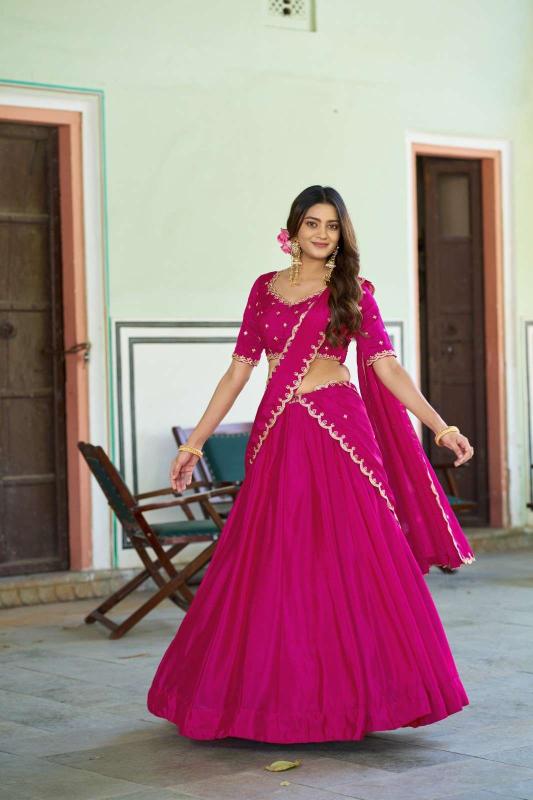
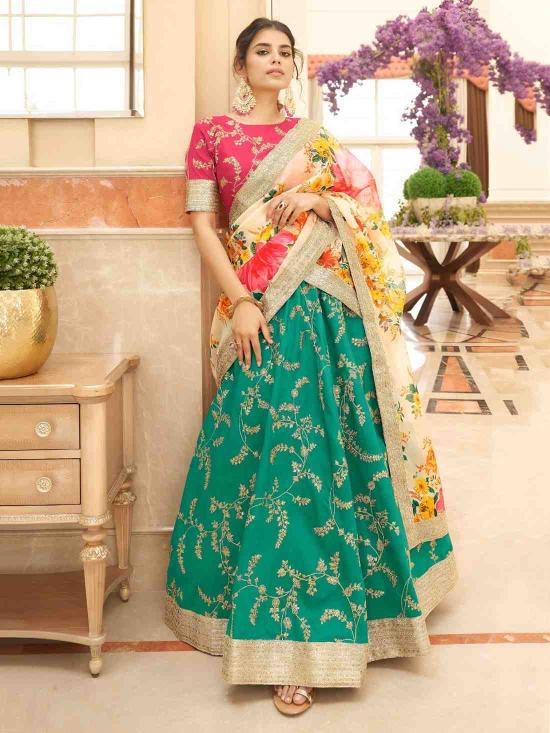
Ethnic wear is highly visual, making short-form video particularly useful. Show the flare of a lehenga, detailing on a dupatta, embroidery on a kurti or the overall appearance of a saree.
Keep the product as the focus. Customers interested in purchasing generally benefit more from clear product presentation than excessive visual effects.
Maintain Consistent Product Information
If a product appears on your website, Instagram and WhatsApp, important information should remain consistent across channels. Conflicting prices, fabrics or availability can reduce customer confidence.
A simple internal product code can help sellers manage catalogues and quickly identify products when customers send screenshots.
Turn Social Media Followers Into Paying Customers
A large follower count does not automatically create a successful business. The more useful measurement is whether content generates enquiries, website visits, orders and repeat customers.
Make Every Product Post Easy to Act On
Customers should understand what to do after seeing a product they like. Provide a clear route to your website, WhatsApp ordering process or other sales channel.
Where appropriate, include product name or code, category, relevant details and a clear call to action. Reducing unnecessary steps can make the buying process easier.
Measure Orders Instead of Only Likes
Views and likes can help indicate content reach, but confirmed sales provide stronger business information. Track which products and content formats generate enquiries and paid orders.
If a particular kurti style repeatedly converts, similar products may deserve additional purchasing attention. If a visually impressive product receives thousands of views but no serious enquiries, avoid assuming popularity automatically means demand.
Use Paid Advertising Carefully
Advertising can help an online ethnic wear store reach customers beyond its existing followers, but ads should support a working sales system rather than compensate for weak products or unclear purchasing processes.
Test Before Increasing the Advertising Budget
Start by testing products and creative formats. Compare which advertisements generate qualified enquiries, website activity and actual orders before increasing expenditure.
A product with strong organic customer response may be a better advertising candidate than an untested collection simply because it has attractive photographs.
Calculate Marketing Cost Into Your Margin
If paid advertising is an important sales channel, marketing expenditure becomes part of customer acquisition cost. Include it when evaluating whether your selling price leaves sufficient margin.
A business generating high sales but spending most of its gross margin to acquire every order may find growth difficult to sustain.
Internal Linking Section for Ethnic Wear Buyers
Sellers planning to strengthen their festive and wedding assortment can explore the wholesale lehenga market in Surat and compare designs suitable for online stores, boutiques, retail shops and Resellers.
Businesses expanding into unstitched and suit-based categories can also explore wholesale dress materials in Surat and select products according to their customer profile, price positioning and inventory budget.
Category expansion should ideally follow customer demand. Testing a manageable quantity first can provide useful sales information before the business commits more capital.
Create a Practical Order Fulfilment System
Marketing may generate an order, but fulfilment determines what happens afterward. A growing store needs a repeatable process for confirmation, stock checking, packing, dispatch and customer communication.
Confirm Inventory Before Accepting the Order
Fashion products can sell quickly, particularly when the same collection is distributed through multiple channels. Confirm stock before making commitments wherever possible.
Accurate availability information reduces cancellations and creates a better customer experience.
Use Secure and Presentable Packaging
Packaging should primarily protect the garment during transportation. Clean and professional presentation can also improve the customer's first impression when the parcel arrives.
The packaging cost should remain appropriate to the value of the product rather than becoming an unnecessary expense that reduces margin.
Keep Customers Updated About Dispatch
Clear dispatch communication can reduce repetitive “Where is my order?” enquiries. Once an order has been shipped, provide the available tracking or dispatch information according to your logistics process.
This becomes increasingly important as daily order volume grows.
Create Clear Store Policies Before Scaling
An online business should communicate its applicable payment, shipping, exchange, return, damage and cancellation terms clearly. Policies should comply with applicable laws and accurately reflect the business's actual process.
Keep Policies Easy to Find
Customers should not have to search through old social-media posts to understand important purchasing conditions. Relevant policies can be displayed on the website and communicated during ordering where necessary.
Do Not Promise What Your Operations Cannot Deliver
Fast delivery is valuable, but realistic commitments are more important. Similarly, product availability and dispatch estimates should be communicated accurately.
Trust can be damaged quickly when a business repeatedly promises timelines it cannot maintain.
Use Customer Service as a Competitive Advantage
Customers often have questions about fabric, size, colour, delivery or styling before purchasing ethnic wear online. Helpful communication can improve confidence and differentiate a seller from businesses that simply upload products.
Answer Common Questions Before Customers Ask
Detailed product pages, FAQ sections and clear ordering information can resolve many common questions automatically. This saves time for both the seller and customer.
Handle Problems Professionally
Not every transaction will be perfect. When an issue occurs, review the facts, applicable policies and available evidence before responding. Professional problem handling can protect a customer relationship even when the situation itself is inconvenient.
Scale Your Online Ethnic Wear Business Using Sales Data
Growth should be based on evidence rather than simply increasing stock, advertising and categories simultaneously. Track what is actually working and allocate more resources accordingly.
Track Category-Wise Sales
Record how much business comes from sarees, kurtis, dress materials, lehengas and other categories. This helps identify where purchasing capital produces the strongest results.
Track Product-Level Profitability
A category with high revenue is not necessarily the most profitable. Consider wholesale cost, shipping, marketing, packaging and other applicable expenses when reviewing margins.
This helps distinguish between products that merely create turnover and products that contribute meaningfully to business profitability.
Track Repeat Purchase Behaviour
Repeat customers can reveal which products and experiences generate lasting satisfaction. Monitor which categories lead to second and third purchases and use that information to guide future sourcing.
Build a Multi-Channel Online Ethnic Wear Store
Depending entirely on one social platform can create unnecessary business risk. A stronger model can combine a website, WhatsApp communication and selected social-media channels.
Your Website Should Become the Product Hub
A website can organize categories, product information and purchasing options in a structured format. Social media can then generate discovery and direct customers toward products.
Wholesaleexport.in is an example of how wholesale collections can be presented digitally for buyers who want to explore products without depending solely on physical market visits.
Use WhatsApp for Relationship Building
WhatsApp can remain valuable for product enquiries, repeat customers and relevant collection updates. It should complement the website rather than becoming an unorganized replacement for inventory management.
Prepare Your Store for International Ethnic Wear Buyers
Once domestic operations become stable, selected sellers may explore international opportunities. Indian ethnic wear has customers across markets including Nepal, Australia and Canada, but international selling requires additional planning.
Choose Products According to Destination Demand
Customer preferences can vary by country, community, climate and occasion. Test demand rather than assuming that every Indian bestseller will perform equally overseas.
Plan Export Inventory Earlier
For seasonal products, allow additional time for export logistics. The collection should reach the destination while customers still have enough time to purchase it for the intended festival, wedding or event.
Calculate the Complete Landed Cost
International pricing should account for wholesale cost, freight and other applicable destination-related expenses. Understanding landed cost helps the seller set more realistic margins.
Why Surat Can Support Long-Term Online Store Growth
The surat textile market provides access to a large ecosystem of textile businesses serving retailers, Resellers and Wholesale Buyers. Ring Road, Sahara Darwaza and surrounding market areas connect buyers with numerous categories and price segments.
This depth can be valuable as an online store grows. A seller can begin with selected categories and expand sourcing as customer demand becomes clearer.
Surat's wholesale and manufacturing ecosystem also allows buyers to explore new arrivals regularly instead of depending on a fixed collection for an entire season.
Vastralife Wholesale and Export Experience Since 2017
Vastralife brings wholesale and export experience since 2017, supported by industry expertise in women's ethnic wear and B2B sourcing requirements.
For Home-Based Sellers, Boutique Owners, Shop Owners, Showroom Owners, Resellers and Wholesale Buyers, reliable sourcing becomes more important as order volume grows. Access to fresh collections, practical wholesale options and premium product quality can support a more consistent customer experience.
Wholesaleexport.in provides a digital wholesale sourcing option for businesses looking for ethnic wear collections across different customer and price segments.
Customer FAQs
1. How can I start an online ethnic wear store?
Choose a specific customer segment, select a few core product categories, find dependable wholesale sources, establish your pricing structure and create clear online sales channels. Start with manageable inventory and expand according to confirmed customer demand.
2. Which ethnic wear products are suitable for an online business?
Depending on your target audience, you can sell kurtis, kurti sets, sarees, dress materials, salwar suits, Pakistani suits, lehenga choli, festive wear and other women's ethnic wear.
3. How much stock should a new seller purchase?
There is no universal quantity. It depends on available capital, supplier MOQ, customer demand and your selling model. New sellers can reduce risk by beginning with manageable quantities rather than overstocking untested products.
4. How do I choose a wholesale ethnic wear supplier?
Compare product quality, price, collection freshness, ordering terms, communication, stock availability and dispatch experience. Test a new supplier appropriately before substantially increasing order values.
5. Is Surat suitable for sourcing ethnic wear?
Surat has a broad textile wholesale and manufacturing ecosystem around areas such as Ring Road and Sahara Darwaza, providing access to multiple women's fashion categories and price segments.
6. Can I sell ethnic wear through Instagram and WhatsApp?
Yes. Instagram can support product discovery and visual marketing, while WhatsApp can help with enquiries, catalogue updates and repeat-customer communication. A website can provide a more structured product hub as the business grows.
7. How should I price ethnic wear online?
Consider wholesale cost, transportation, packaging, marketing and other applicable operating expenses before setting the final price. Your margin should be sufficient to support the business while remaining appropriate for the target market.
8. How often should I add new collections?
The frequency should follow sales velocity and customer demand. Regular new arrivals can keep the store fresh, but buying too quickly without monitoring existing stock can block working capital.
9. Can an online ethnic wear business sell internationally?
Yes, subject to applicable supplier, shipping and destination requirements. International sellers should account for freight, delivery timelines and landed cost before confirming prices.
10. How can I get repeat customers for my ethnic wear store?
Focus on consistent product value, accurate descriptions, responsive customer support and relevant new-arrival updates. Use previous purchase behaviour to send customers collections that match their interests.
Start Building Your Online Ethnic Wear Business With Wholesaleexport.in
Building a successful online ethnic wear store in 2026 is not about uploading the maximum number of products. Sustainable growth comes from selecting products customers genuinely want, sourcing at workable prices, presenting merchandise clearly, controlling inventory and developing relationships that generate repeat orders.
Explore Latest Collections, competitive Wholesale Pricing and Trendy Ethnic Wear for Home-Based Sellers, Shop Owners, Boutique Owners, Showroom Owners, Resellers and Wholesale Buyers.
Wholesaleexport.in offers wholesale sourcing options with Fast Shipping, COD Support where applicable, Bulk Order Deals according to current terms, regular new arrivals and Quality Products Starting From ₹299.
Contact Number: +91 9712582172
Website: wholesaleexport.in
Start with a focused collection, understand your customers and use real sales data to decide what to buy next. As your order volume grows, strengthen sourcing, customer service, content and inventory systems together. That creates a stronger foundation for turning an online ethnic wear store into a scalable retail, resale or wholesale business.