


How Overseas Retailers Can Source Clothing Directly from Surat in 2026
How Overseas Retailers Can Source Clothing Directly from Surat in 2026
For international boutiques, resellers, showroom owners, and wholesale buyers, sourcing directly from Surat can create access to a much wider variety of Indian fashion without depending on multiple layers of distributors. From designer lehengas and sarees to kurtis, salwar suits, dress materials, co-ord sets, and festive collections, Surat connects retailers with a large textile ecosystem where new designs move quickly from manufacturing units to wholesale markets and international buyers.
Introduction
Indian ethnic fashion has developed into a global retail category. Customers living outside India are purchasing traditional clothing not only for weddings and religious festivals but also for family functions, community events, parties, gifting, and everyday ethnic styling. This creates opportunities for retailers that can maintain fresh designs, dependable quality, suitable size ranges, and competitive landed costs.
For buyers trying to source clothing directly from Surat, the opportunity is particularly attractive because Surat combines manufacturing, processing, trading, wholesaling, and export activity within one major textile ecosystem. Instead of purchasing Indian clothing after it has already passed through several intermediaries, an overseas retailer can work closer to the original wholesale supply chain.
However, direct sourcing should never be based only on the lowest price. International buyers need to evaluate product quality, catalogue accuracy, availability, minimum order requirements, packing standards, shipping options, documentation, communication, and the supplier's ability to handle repeat orders. A slightly cheaper product can become expensive if designs are inconsistent or dispatch is poorly managed.
Platforms such as Wholesaleexport.in are designed to make this process more accessible for retailers who cannot physically visit every supplier in Surat. Buyers can review multiple product categories online and build wholesale requirements around their target customers rather than depending entirely on traditional offline sourcing.
Why Surat Is Important for Overseas Clothing Retailers
Surat has long been associated with India's textile trade. Areas around Ring Road, Sahara Darwaza, and the wider Surat textile market ecosystem connect manufacturers, wholesalers, fabric suppliers, designers, traders, and logistics businesses. This concentration helps create enormous variety and enables fashion businesses to introduce new collections frequently.
For an overseas retailer, variety is important because a single store may need products for several different customer segments. A boutique may want premium wedding lehengas, while simultaneously stocking affordable kurtis, festive salwar suits, sarees, and dress materials. Home-based sellers may prefer smaller, faster-moving selections, while established showroom owners may require larger quantities across numerous categories.
Access to Multiple Indian Fashion Categories
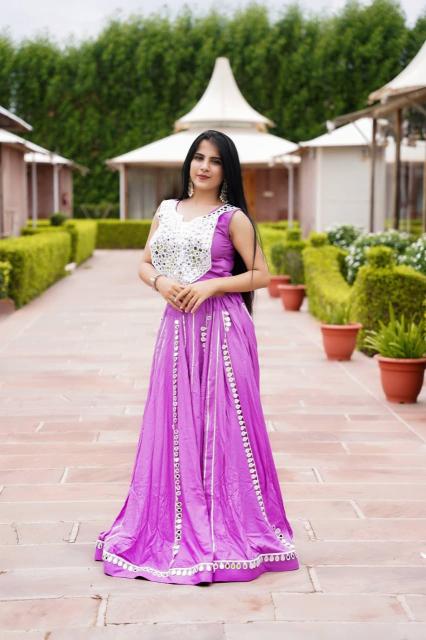
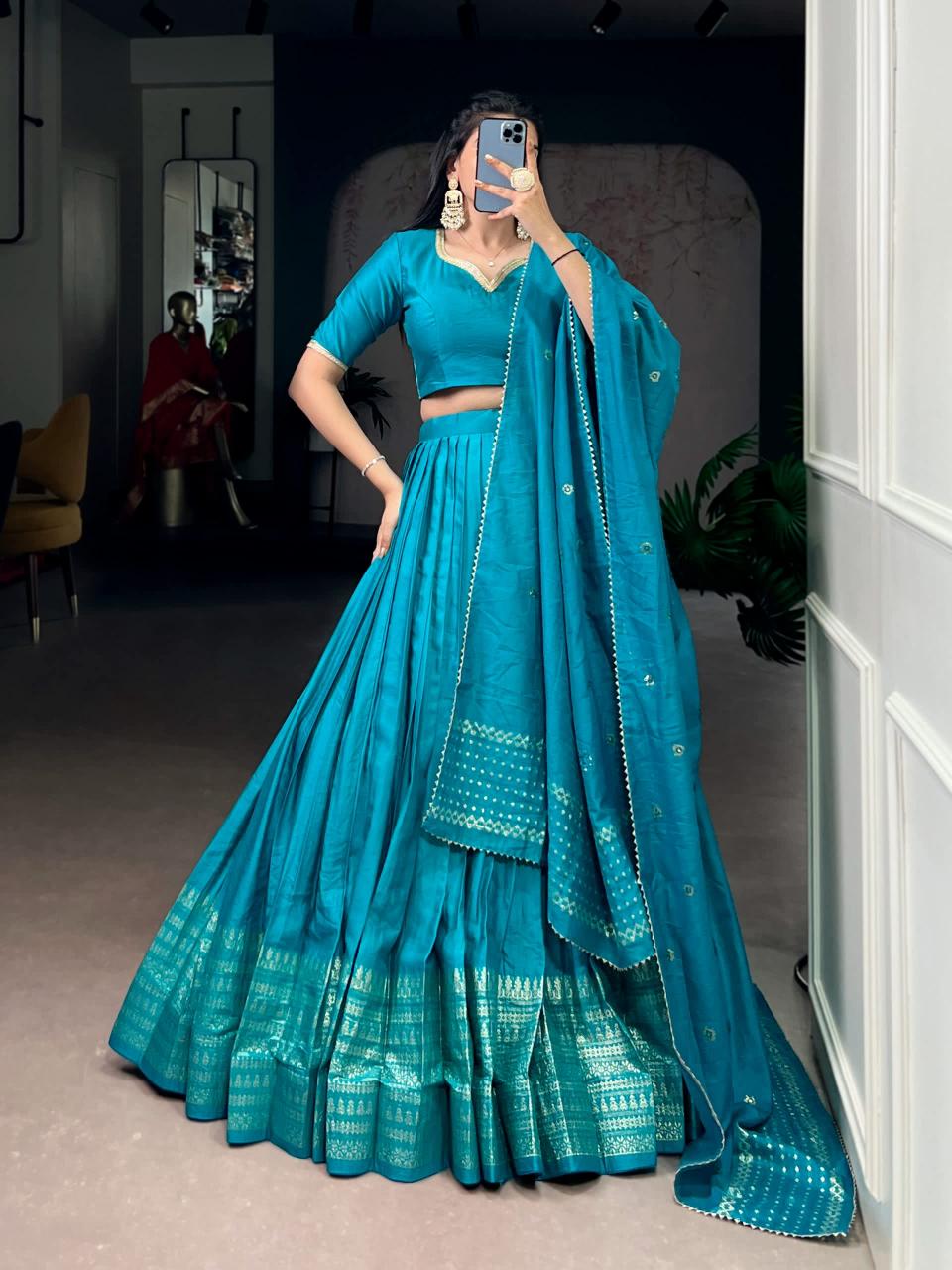
Retailers sourcing from Surat can explore products such as wholesale lehenga choli, designer sarees, ready-made sarees, kurti sets, salwar kameez, Pakistani-style suits, Anarkali suits, dress materials, gowns, festive wear, wedding wear, embroidered suits, printed ethnic wear, plus-size clothing, kids ethnic wear, and other fashion categories.
This category depth is particularly useful when building an overseas Indian clothing business. Instead of creating a store around only one item, retailers can test multiple collections and identify what generates the strongest repeat demand in their own market.
Faster Access to New Fashion Trends
Fashion cycles have become considerably faster in 2026. Social media, wedding content, celebrity-inspired styling, short-form videos, and cross-border e-commerce can create demand for a design within days. Retailers positioned close to active wholesale sourcing channels have a better opportunity to identify new products before older inventory becomes difficult to sell.
A good Surat clothing wholesaler should therefore provide more than a static catalogue. Regular new arrivals, current product images, updated availability, clear specifications, and realistic dispatch information are valuable to buyers trying to maintain an active fashion business.
How to Source Clothing Directly from Surat
The sourcing process becomes much easier when retailers treat purchasing as a repeatable business system rather than placing random orders whenever a catalogue looks attractive. A structured approach helps protect margins and creates better consistency between one shipment and the next.
Step 1: Define Your Customer Before Selecting Products
Start by identifying exactly who will buy the merchandise. A wedding-focused boutique needs a completely different product mix from a home-based Instagram reseller. Likewise, a retailer serving younger shoppers may require modern silhouettes and lighter styling, while another market may respond more strongly to traditional embroidered products.
Write down the required category, target retail price, preferred wholesale buying range, sizes, fabrics, colours, quantity per design, and intended selling season. This prevents the common mistake of purchasing products simply because they look attractive in supplier photographs.
Step 2: Compare Wholesale Price With Retail Potential
Retailers should calculate backwards from their realistic selling price. Consider the product cost, domestic movement inside India when applicable, international freight, import-related costs at destination, payment charges, local delivery, packaging, marketing, and expected operating margin.
For example, an attractive wholesale price does not automatically mean that the item will deliver a strong margin after international logistics are included. Lightweight, higher-value products can sometimes provide a better cost-to-shipping relationship than bulky low-ticket merchandise.
Step 3: Check Product Details Before Confirming Quantity
Ask for clear product information. Important details include fabric, work type, garment measurements, size availability, colour options, set contents, lining where applicable, catalogue quantity, and current stock status. For embellished garments, retailers should understand whether the work is embroidery, print, sequins, zari, stone work, thread work, or a combination.
International customers often judge Indian clothing by finishing as much as by design. Retailers therefore benefit from sourcing premium product quality that matches the photographs and product description presented to the final customer.
Choosing the Right Surat Wholesale Supplier for Export Orders
A long-term sourcing relationship depends on consistency. Overseas buyers should look beyond a supplier's first quotation and evaluate how the business handles communication, repeat purchasing, catalogue updates, quality expectations, and dispatch coordination.
Vastralife brings wholesale and export experience since 2017, with industry knowledge developed around the requirements of retailers, resellers, boutiques, and wholesale buyers. That experience is particularly relevant when an overseas customer needs to understand the difference between selecting a product in India and preparing it as a commercially workable order for another country.
Look for Transparent Product Communication
Clear communication can prevent many sourcing problems. Before payment, buyers should know what is currently available, how much quantity is required, which sizes are included, what the approximate dispatch process is, and which shipping arrangements apply.
Retailers should also confirm whether a catalogue is ready stock or subject to availability. Fast-moving Indian fashion can sell out, especially during wedding and festive periods. A product shown today should not automatically be assumed to remain available several days later.
Build Orders Around Sell-Through, Not Catalogue Size
A large catalogue does not necessarily deserve a large opening order. New buyers can create a more balanced assortment by selecting designs according to customer profile and expected sales velocity. Once actual sales data becomes available, repeat orders can concentrate on proven categories.
This strategy is especially useful for home-based sellers and smaller boutiques because it reduces the amount of working capital locked into slow-moving inventory. Larger showroom owners can use the same principle at scale by dividing purchasing into core products, seasonal products, premium pieces, and experimental trends.
International Markets and Product Selection
Indian fashion demand varies considerably between countries, cities, and customer communities. For this reason, an export buyer should avoid assuming that the same assortment will perform equally well everywhere.
Australia: Occasion Wear and Versatile Ethnic Collections
Retailers serving customers in Australia can build collections around weddings, festive occasions, community celebrations, and versatile Indian clothing. Offering several price levels can help a boutique serve both shoppers looking for occasional premium purchases and customers who want more affordable ethnic styles.
Because inventory may travel a significant distance from India, planning seasonal purchases early can also reduce the risk of receiving festival merchandise too close to the selling date.
Canada: Multi-Category Indian Fashion
For retailers serving Indian and South Asian customers in Canada, a diversified assortment can include sarees, salwar suits, lehengas, kurtis, dress materials, kids ethnic clothing, and wedding-related fashion. Retailers should base their final assortment on their own customer data, city, demographic mix, and seasonal demand rather than assuming one nationwide buying pattern.
Stores serving families can also benefit from complementary categories because one customer may purchase clothing for several members or multiple functions during a wedding season.
New Zealand: Curated Inventory for Smaller Retail Markets
For retailers in New Zealand, carefully curated buying can be useful where a business wants variety without excessive depth in every design. A smaller selection of distinctive pieces across several price points may provide more merchandising flexibility than investing heavily in a narrow collection.
In every country, import duties, taxes, customs requirements, and local regulations can vary. Overseas retailers should verify the current rules applicable to their destination and shipment rather than assuming that one country's import process applies elsewhere.
Retailers building a broader wedding assortment can browse the wholesale lehenga market Surat collection according to their customer positioning. Buyers looking to expand beyond lehengas can also explore wholesale Pakistani suits for additional ethnic and occasion-wear options.
How Overseas Buyers Can Build a Profitable Product Mix
Successful overseas sourcing is not simply about finding the cheapest garments. The real objective is to create an assortment that can sell consistently while maintaining a workable margin after freight, import costs, marketing, and local operating expenses. Retailers who source clothing directly from Surat can use the depth of the market to combine entry-level, mid-range, and premium products in the same purchasing strategy.
A home-based reseller may begin with smaller selections of kurtis, salwar suits, sarees, and ready-to-sell ethnic sets. A boutique can concentrate on distinctive embroidery, coordinated sets, Pakistani-style suits, and festive products. Showroom owners and established wholesale buyers may build broader inventories covering wedding wear, casual ethnic wear, kids wear, plus-size fashion, and seasonal collections.
Create Three Practical Price Segments
A useful buying strategy is to divide inventory into value, mid-range, and premium segments. Value products can generate regular transactions and attract price-conscious customers. Mid-range products often form the core of a retailer's assortment, while premium pieces can increase average order value during weddings and festive seasons.
The correct mix depends on the final market. Buyers should compare the wholesale price against their expected landed cost and realistic retail selling price rather than simply applying a fixed markup to every garment. Shipping weight, packaging, destination charges, payment costs, local taxes, and marketing expenses can affect the final margin.
Balance Evergreen Products With Trend-Driven Fashion
Retailers should avoid filling the entire inventory with either basic designs or short-lived trends. Evergreen categories such as traditional sarees, classic salwar suits, embroidered kurtis, and selected dress materials can provide continuity. Trend-driven lehengas, co-ord sets, contemporary ethnic silhouettes, new prints, and seasonal colour stories can keep the store looking fresh.
This balance is especially important in 2026 because customers can discover new Indian fashion almost instantly through social media. A retailer that continuously introduces latest Indian ethnic wear has more opportunities to create repeat visits than a store relying on the same inventory for several months.
Understanding Surat's Wholesale and Manufacturing Ecosystem
One reason international retailers look toward Surat is the concentration of textile activity. The wider Surat textile market, including commercial zones around Ring Road and Sahara Darwaza, connects many parts of the apparel supply chain. Fabrics, printing, embroidery, stitching, finishing, trading, wholesaling, packing, and transport services operate within a highly active textile environment.
This ecosystem gives buyers access to multiple levels of the market. Some businesses specialize in manufacturing, others distribute established brands and catalogues, while wholesale platforms can bring products from different suppliers into a more convenient buying process.
Why Direct Surat Sourcing Can Improve Selection
When an overseas retailer purchases through several intermediary layers, the available selection may already have been filtered by regional distributors. Direct sourcing can provide access to a wider range of colours, designs, categories, and new arrivals closer to their original wholesale launch.
It can also make assortment planning more flexible. Instead of depending on one local distributor's inventory, buyers can compare different Indian fashion categories and select products that match their own customer base.
Why Supplier Experience Matters
International orders involve more coordination than ordinary local purchasing. Product identification, availability, packing, invoices, shipping information, and communication all need to remain clear. This is where industry experience becomes important.
Vastralife's wholesale and export experience since 2017 supports a sourcing approach built around retailers, resellers, boutique owners, showroom owners, and wholesale buyers. Through Wholesaleexport.in, buyers can explore Indian fashion collections without needing to physically move between numerous markets and suppliers for every purchase.
Shipping, Export and Landed Cost Planning
Product cost is only one part of an overseas purchase. Before confirming an order, retailers should understand how the shipment will move from India to the destination country and which expenses may arise after dispatch.
The appropriate shipping method depends on shipment size, urgency, destination, weight, volume, and product value. Smaller or urgent orders may be suitable for express or air-based options, while larger commercial shipments may require a different logistics arrangement. Buyers should obtain shipment-specific information rather than assuming that one shipping method is appropriate for every order.
Calculate Landed Cost Before Setting Retail Price
A practical landed-cost calculation should consider the wholesale merchandise value plus applicable packing, freight, payment-related expenses, customs duties, taxes, clearance costs, and local delivery where relevant. The exact charges depend on the destination and shipment.
For example, a buyer in Australia should calculate costs according to Australian import requirements, while a retailer in Canada must follow the requirements applicable to Canada. The same principle applies to New Zealand and other export destinations. Buyers should confirm current customs and tax requirements with the relevant authorities or their logistics and customs professionals before importing.
Plan Festival and Wedding Stock Early
International retailers should work backwards from the date on which merchandise must be available for sale. Waiting until demand has already started can leave insufficient time for product selection, payment, preparation, dispatch, international transportation, customs clearance, and local merchandising.
Wedding collections, Diwali products, Navratri styles, Eid-related demand, festive suits, bridal lehengas, and other seasonal categories are better planned with sufficient lead time. Early buying can also provide a broader selection before fast-moving designs sell out.
How to Reduce Risk When Placing a First Wholesale Order
A new supplier relationship does not need to begin with the largest possible order. Overseas retailers can first establish a clear purchasing process and evaluate product quality, communication, packing, and customer response.
Start With a Focused Assortment
Select products that represent your main customer segments. For example, a boutique could combine several salwar suits, kurtis, sarees, and a smaller number of premium lehengas rather than investing heavily in a single untested category.
After receiving the merchandise, compare the actual products with the supplied descriptions and photographs. Track which sizes, colours, fabrics, price points, and designs sell fastest. That information becomes valuable for the next purchase.
Maintain Product and Order Records
Keep a record of catalogue names, design numbers, sizes, quantities, purchase costs, shipping expenses, selling prices, and sales performance. Retailers often lose valuable information when sourcing takes place only through screenshots and informal messages.
A basic inventory record can reveal whether embroidered suits outperform printed styles, whether customers prefer particular sizes, or whether premium lehengas deliver a stronger margin despite slower unit sales. Over time, sourcing becomes increasingly data-driven.
Internal Linking Section: Explore More Wholesale Categories
Retailers using Wholesaleexport.in can build their inventory around multiple Indian clothing segments rather than depending on one category. Wedding-focused stores can combine lehengas with sarees and designer suits, while everyday ethnic-fashion sellers can mix kurtis, dress materials, salwar kameez, and ready-to-wear sets.
The objective should be to create a collection in which categories complement one another. A customer purchasing an outfit for a wedding may also require another style for a pre-wedding function, while a family shopper may need products for different age groups. Cross-category buying can therefore increase the commercial value of a wholesale order.
For overseas wholesale buyers, Wholesaleexport.in provides access to evolving collections from India's textile supply chain, allowing retailers to evaluate new arrivals and wholesale options from a single online sourcing point.
Customer FAQs
1. Can overseas retailers buy clothing directly from Surat?
Yes. International boutiques, resellers, shop owners, showroom owners, and wholesale buyers can source Indian clothing from Surat-based suppliers and wholesale platforms. Before placing an order, buyers should confirm product availability, quantity requirements, payment terms, shipping arrangements, and the documentation applicable to their destination.
2. Which products can retailers source from Surat?
The Surat supply ecosystem includes sarees, kurtis, kurti sets, salwar suits, Pakistani-style suits, dress materials, lehenga choli, wedding wear, festive wear, gowns, co-ord sets, plus-size clothing, kids wear, and numerous other women's ethnic-fashion categories. Actual availability changes according to season and stock.
3. How should an overseas retailer compare wholesale prices?
Do not compare only the garment's listed price. Compare fabric, work, finishing, size range, catalogue quantity, quality, shipping weight, freight, and estimated landed cost. The lowest unit price is not necessarily the most profitable purchase if the product has poor sell-through or high logistics costs.
4. Is it necessary to visit Surat personally to place wholesale orders?
No. Online sourcing allows international buyers to review products remotely and coordinate orders without visiting Surat for every purchase. However, buyers should still verify specifications and commercial terms carefully before confirming an order.
5. Can a new reseller start with a smaller assortment?
Yes, subject to the minimum quantity applicable to the selected products. A focused assortment can be useful for testing customer response before expanding into larger quantities. The retailer can then reorder or broaden categories according to actual sales data.
6. How can boutiques choose products for international customers?
Start with the local customer profile. Consider age group, occasion, preferred silhouettes, sizing, climate, cultural events, average spending level, and demand for traditional versus contemporary styling. Build the wholesale order around those factors instead of selecting products solely from catalogue photographs.
7. Does Wholesaleexport.in support different types of wholesale buyers?
The platform is relevant to home-based sellers, boutique owners, retailers, showroom operators, resellers, and wholesale buyers looking for Indian fashion collections. Order conditions and availability should be checked for the products being purchased.
8. What should international buyers confirm before payment?
Confirm the selected designs, quantities, sizes, current availability, product specifications, total merchandise value, shipping arrangement, destination details, and applicable commercial terms. Keeping the final order details documented can reduce misunderstandings.
9. How frequently should overseas retailers purchase new stock?
There is no universal purchasing frequency. It depends on sales volume, shipping lead time, available working capital, seasonality, and inventory turnover. A retailer with strong weekly sales may replenish frequently, while a boutique selling premium occasion wear may purchase around specific wedding and festive periods.
10. Why is Surat useful for Indian ethnic wear sourcing in 2026?
Surat offers a deep textile and apparel supply ecosystem, broad product variety, frequent new collections, and access to wholesale and manufacturing networks. For international retailers, this creates opportunities to source multiple Indian fashion categories from one major textile hub.
Source Indian Clothing from Surat with Wholesaleexport.in
If you are building or expanding an Indian fashion business overseas, a reliable sourcing process can help you maintain fresh inventory while protecting your margins. Wholesaleexport.in connects buyers with wholesale fashion options suited to boutiques, resellers, retail shops, showrooms, and bulk buyers.
Explore Latest Collections, competitive Wholesale Pricing, Trendy Ethnic Wear, Fast Shipping options, COD Support where applicable in India, Bulk Order Deals, and Quality Products Starting From ₹299. Product prices, availability, minimum quantities, COD eligibility, and shipping conditions can vary by order, so confirm current details before purchase.
Whether your customers are looking for designer lehengas, sarees, salwar suits, kurtis, dress materials, festive collections, or other Indian ethnic styles, sourcing closer to Surat's wholesale ecosystem can give your business greater choice and flexibility.
Contact: +91 9712582172
Website: wholesaleexport.in
Build your next wholesale collection with products selected around your customers, selling season, target price, and required margin. With disciplined purchasing, reliable supplier communication, and a carefully planned export process, overseas retailers can turn direct Surat sourcing into a repeatable long-term supply strategy.