



How Often Should Retailers Add New Clothing Collections? A 2026 Inventory Guide
How Often Should Retailers Add New Clothing Collections? A 2026 Inventory Guide
Fresh merchandise gives customers a reason to return to a clothing store, check WhatsApp updates, browse an online catalogue or visit a boutique again. However, adding products too frequently without monitoring existing inventory can lock money into unnecessary stock. The right buying rhythm depends on customer demand, category, season, budget and how quickly previous merchandise sells. Successful retailers therefore focus less on constantly buying more and more on creating a predictable flow of fresh, commercially relevant products.
Introduction
One question every growing fashion retailer eventually faces is: how often should retailers add new clothing collections? There is no single schedule that works for every shop. A high-volume women's ethnic wear store in a busy market may introduce products almost every day, while a boutique specialising in premium occasion wear may refresh selected designs weekly or several times per month.
The important factor is consistency. Customers increasingly expect fashion businesses to show something fresh regularly. Instagram reels, WhatsApp catalogues, online wholesale platforms and short-form videos have accelerated product discovery. A customer who saw a design last week may already be looking for a different silhouette, colour combination or fabric this week.
At the same time, retailers cannot treat every trend as a buying signal. Purchasing too aggressively increases inventory, reduces working capital and can eventually create dead stock. The objective for 2026 is therefore to create a new clothing collection strategy that keeps the store fresh while maintaining healthy inventory turnover.
This approach is relevant for home-based sellers, shop owners, boutique owners, showroom owners, resellers and wholesale buyers. Whether the business operates entirely through WhatsApp or manages a large physical showroom, the fundamental principle remains the same: introduce fresh merchandise according to actual customer demand rather than an arbitrary calendar.
Is There an Ideal Frequency for New Clothing Collections?
For many active fashion retailers, introducing some form of new merchandise every week can create a useful customer rhythm. This does not mean replacing the complete store inventory every seven days. A retailer might add one kurti catalogue on Monday, a saree collection later in the week and selected festive suits before the weekend.
Larger stores may receive new arrivals several times per week, whereas smaller boutiques can create a weekly or fortnightly refresh. Premium occasion-wear businesses may operate successfully with slower cycles because their customers purchase differently from everyday fashion shoppers.
The right frequency should ultimately be determined by sell-through. If fresh collections consistently sell quickly, the business has evidence that it can support more frequent buying. If old products accumulate every time new stock arrives, the problem is not insufficient newness; it is an inventory imbalance that should be corrected before purchasing accelerates.
Daily New Arrivals Work Best for High-Volume Businesses
Businesses with a large customer base, strong online traffic and multiple product categories can benefit from daily additions. Wholesale platforms and large resellers may have enough demand to introduce fresh sarees, kurtis, suits, dress materials, lehengas and other products continuously.
Daily additions also create content opportunities. Every new product can become a WhatsApp update, social-media post, reel, short video or catalogue notification. This keeps the brand visible without repeatedly advertising the same merchandise.
Weekly Refreshes Suit Many Boutiques and Retail Stores
A weekly collection cycle is often manageable for boutiques and independent stores. It creates enough freshness for repeat customers without forcing the retailer to make major purchasing decisions every day.
For example, a boutique could evaluate sales at the beginning of each week, identify missing sizes or categories and then add selected products. This creates a disciplined connection between clothing inventory management and purchasing.
Fortnightly Buying Can Work for Smaller Sellers
Home-based sellers and newer resellers with limited capital may find a 10-to-15-day buying cycle more practical. They can sell the first collection, understand customer response and then reinvest the generated cash into the next selection.
This approach can be particularly useful when starting a clothing business because it reduces the temptation to invest heavily before enough customer data exists.
Why Customers Expect Fresh Fashion More Frequently in 2026
Fashion discovery has changed dramatically. Customers no longer depend only on their local store to discover new styles. They see new products through creators, marketplaces, reels, brand advertisements and online catalogues throughout the day.
As a result, retailers compete not only on price but also on freshness. A shop with attractive new products appearing regularly can encourage customers to check back more often.
Freshness is particularly important in women's ethnic wear because multiple fashion cycles can operate simultaneously. Everyday kurtis, cotton suits, Pakistani suits, sarees, festive wear, wedding collections, co-ord sets, plus-size clothing and occasion wear can each follow different demand patterns.
Retailers searching Wholesaleexport.in can therefore think in terms of category rotation rather than replacing the entire assortment. One category can receive a new collection while another continues selling existing inventory.
Build a Collection Calendar Instead of Buying Randomly
Random purchasing is one of the easiest ways to create excessive inventory. A better approach is to prepare a simple monthly collection calendar. Decide in advance which categories need refreshing and which should remain unchanged until existing merchandise sells.
For example, a women's wear retailer might plan fresh casual kurtis during the first week, sarees during the second, festive suits during the third and experimental designs during the fourth. The schedule can be adjusted whenever sales data indicates stronger demand in a particular category.
Use an Evergreen, Trend and Seasonal Mix
A practical inventory can contain three layers. Evergreen merchandise covers products with relatively consistent demand. Trend-driven inventory introduces freshness and helps the retailer respond to current fashion. Seasonal merchandise addresses festivals, weddings, climate and regional buying periods.
This balance helps answer how often should retailers add new clothing collections without assuming that every product category requires the same buying frequency.
Evergreen products may be replenished whenever stock reaches a defined minimum. Trend merchandise may need smaller but more frequent buying. Seasonal inventory should be planned well before the selling period begins.
Keep a Budget Reserved for Unexpected Trends
Retailers should avoid spending the complete monthly purchasing budget at the beginning of the month. Fashion can change quickly, and a new style may suddenly begin receiving strong customer demand.
Keeping part of the buying budget available gives the retailer flexibility to respond. Instead of watching competitors sell a fast-moving product while money remains blocked in older merchandise, the business can purchase a controlled quantity and test the opportunity.
Let Inventory Turnover Decide Your Buying Frequency
The most useful indicator for deciding collection frequency is how quickly existing merchandise sells. A business that sells 70% of a catalogue within a short period can usually replenish more confidently than one that sells only a small portion before purchasing another catalogue.
Retailers should monitor units purchased, units sold, remaining quantity, gross margin, sizes left and the number of days merchandise has remained in inventory. Even a basic spreadsheet can reveal which categories deserve frequent investment.
Measure Sell-Through Before Reordering
Suppose a boutique purchases 30 pieces of a new kurti range and sells 22 quickly. That collection has demonstrated strong demand. If another 30-piece collection sells only eight units during a similar period, the second design requires investigation before a repeat order.
Using actual sell-through helps separate personal taste from customer demand. Buyers naturally have preferences, but customers ultimately determine which merchandise deserves more capital.
Watch Stock Age Alongside Sales
Two stores can report identical monthly sales while having very different inventory health. One may sell primarily fresh stock while the other continues adding new products as older merchandise accumulates.
Track inventory by age: fresh stock, 30-day stock, 60-day stock, 90-day stock and older merchandise. The exact ranges can vary by business, but the principle makes ageing inventory visible before it becomes a serious cash-flow problem.
Plan New Collections Around Festivals and Wedding Demand
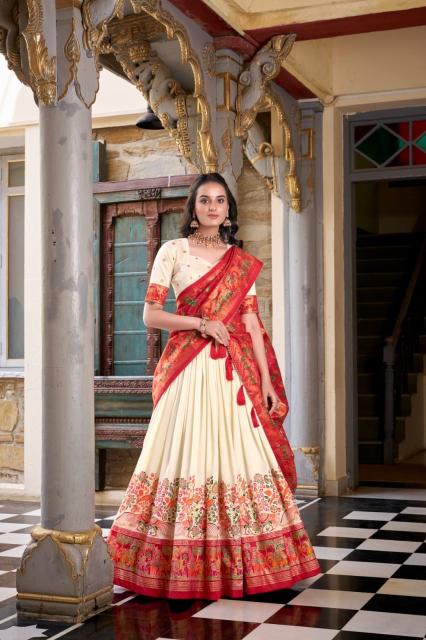
For Indian ethnic wear retailers, collection frequency cannot be separated from the festive and wedding calendar. Demand for lehengas, sarees, Anarkali suits, embroidered suits, dress materials and premium ethnic wear can rise around important occasions.
Retailers sourcing through the surat textile market should work backwards from the selling period. Waiting until customers begin asking for festive products can mean entering the market late, especially when stock must travel to another state or country.
Surat's textile ecosystem around Ring Road, Sahara Darwaza and surrounding markets provides access to extensive manufacturing and wholesale supply. The advantage for retailers is not simply variety; it is the ability to plan multiple collection drops across the season instead of depending entirely on one large purchase.
Pre-Festival Collections Should Arrive Early
Customers often start shopping before the actual festival. Retailers need enough time to receive merchandise, photograph it, prepare displays, create online content and promote the products before peak buying begins.
Rather than placing one very large festival order, some businesses may benefit from multiple planned drops. The first collection tests demand, the next strengthens successful categories and the final drop can focus on proven fast-moving products.
Wedding Wear Needs a Different Refresh Cycle
Wedding merchandise usually has a higher average selling value and can therefore justify a more selective buying cycle. Bridal lehengas, premium sarees and heavily embroidered suits do not necessarily require the same frequency as everyday kurtis.
A showroom can refresh selected statement pieces while maintaining proven premium designs for longer. This helps create visual newness without unnecessarily increasing expensive inventory.
Match Collection Frequency with Your Customer Type
Not every customer visits or buys with the same frequency. A neighbourhood boutique serving repeat local customers may need visible weekly changes because shoppers quickly recognise existing stock. An online reseller reaching new audiences every day can continue selling a successful catalogue longer while introducing selected new products alongside it.
Wholesale buyers have another consideration: their customers are themselves retailers or resellers. They may require regular fresh catalogues to keep their own customers engaged. As a result, a B2B seller can have a faster wholesale clothing collection cycle than an individual retail store.
Home-Based Sellers
Home-based sellers should prioritise variety without carrying excessive depth. Smaller quantities across several relevant designs can help determine what customers prefer. Once a product demonstrates demand, the seller can reorder or purchase similar styles.
Boutique Owners
Boutiques generally benefit from curated collections rather than simply offering maximum quantity. Weekly or fortnightly product refreshes can work well when each new drop has a clear theme, styling direction or customer purpose.
Showroom Owners
Larger showrooms need enough inventory to make the store feel complete. They can create freshness by rotating selected sections rather than changing everything simultaneously. One week may focus on sarees, another on suits and another on festive or wedding merchandise.
Resellers and Online Sellers
Online resellers can introduce products more frequently because digital catalogues do not require physical shelf space in the same way as a store. However, sellers holding their own inventory should still monitor stock exposure carefully.
Use Customer Behaviour to Decide What Comes Next
Customer questions contain valuable purchasing data. When multiple shoppers request the same colour, fabric, size or silhouette, retailers should record it. Repeated requests can reveal demand before the sales report fully reflects it.
Likewise, track products that generate enquiries but do not convert. The problem may be price, sizing, fabric, styling or product presentation. Buying more of a highly enquired product without understanding low conversion can increase stock rather than sales.
Use a Customer Request List
Maintain a simple record of unavailable products customers requested. If several customers ask for plus sizes, cotton office wear, particular sarees or specific festive styles, that information should influence the next collection.
This turns new collection buying into a demand-driven process rather than guesswork.
Follow Repeat Customers Closely
Repeat customers can provide some of the clearest signals about collection frequency. If regular buyers repeatedly ask when the next products are arriving, the business may have enough engagement to support more frequent drops.
If new arrivals receive little response while older bestsellers continue performing, focus purchasing on proven categories rather than increasing collection frequency simply for appearance.
Wholesale Sourcing and Manufacturing Matter
Retailers can only maintain a reliable new-arrival schedule when their supply chain supports it. Consistent manufacturing, product availability, quality control, communication and dispatch all influence how frequently a retailer can confidently refresh merchandise.
Vastralife has wholesale and export experience since 2017, serving buyers with industry expertise and a focus on premium product quality. Wholesaleexport.in provides a digital sourcing route for businesses searching across multiple women's wear and related fashion categories.
This becomes particularly useful for buyers outside Surat who cannot physically visit the textile market for every purchase. Digital wholesale sourcing can help retailers compare new products, plan purchases and maintain a more consistent collection cycle.
Collection Planning for International Buyers
International retailers need to add transit time to their collection calendar. A store in Nepal, Australia or Canada sourcing from India cannot use exactly the same buying schedule as a retailer located close to Surat.
The merchandise must arrive early enough to be photographed, promoted and sold during the intended season. Export buyers should therefore work backwards from their target selling date and include a practical buffer for transportation and operational processing.
Seasonality can also differ by destination. A product suited to one market's weather may not be appropriate for another at the same time of year. International retailers should plan new arrivals around the destination customer's calendar rather than India's calendar alone.
Do Not Wait Until the Existing Collection Is Completely Sold
Retailers sometimes wait for nearly every old product to sell before purchasing again. This can create periods when the store looks repetitive and customers have no reason to revisit.
A better approach is controlled overlap. Introduce selected new products while the previous collection is still selling, provided overall inventory remains healthy. This creates continuity without requiring complete stock replacement.
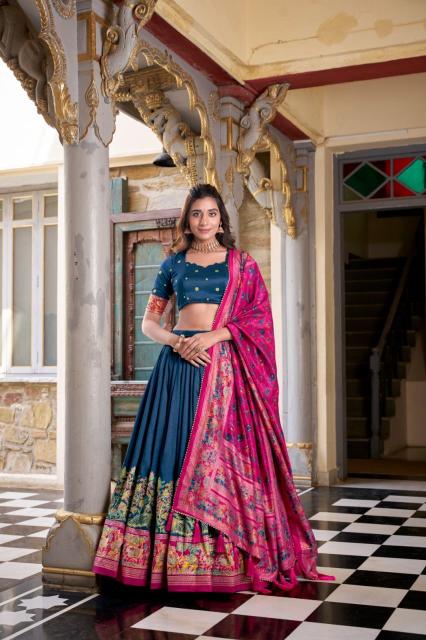
Retailers looking to expand their ethnic assortment can explore the wholesale lehenga market in Surat for occasion-oriented collections. Businesses seeking another regional sourcing category can also review the Ahmedabad kurti wholesale market options according to their customer demand.
How Much New Stock Should Retailers Add at One Time?
Deciding how frequently to launch collections is only half of the buying decision. Retailers must also determine how much stock should enter the business with every refresh. A weekly buying schedule does not automatically mean placing a large order every week. In many cases, smaller and more frequent purchases can keep the assortment fresh while protecting working capital.
A practical approach is to divide the buying budget between proven products and experimental merchandise. Proven categories can receive a larger share because previous sales already demonstrate demand. New silhouettes, colours, fabrics or emerging trends can initially be purchased in controlled quantities. If they perform well, retailers can reorder quickly instead of committing heavily at the beginning.
This strategy is particularly useful for boutique owners, home-based sellers and resellers. Their advantage is flexibility. Instead of trying to compete with a large showroom on inventory volume, they can compete through product selection, freshness and faster reaction to customer demand.
Buy Deeper in Proven Products
When a design repeatedly sells across multiple buying cycles, retailers can consider increasing quantity. The same principle applies to reliable categories such as everyday kurtis, regular sarees, dress materials or other products with consistent demand.
However, a bestseller should still be monitored. Fashion demand eventually changes, and buying large quantities simply because a design performed well previously can create excess stock if customer interest shifts.
Buy Smaller Quantities of Experimental Styles
New trends should usually begin as tests. Introduce enough pieces to understand customer response without making the success of the entire buying cycle dependent on one trend.
If the response is strong, the retailer can increase quantity or source related designs. This test-and-repeat model can improve fashion inventory turnover while helping the business continuously offer new merchandise.
Use Price Bands When Planning New Collections
A store should not refresh only designs; it should also maintain appropriate price diversity. Customers entering a boutique or browsing an online catalogue can have very different budgets. If every new arrival suddenly falls into a premium price range, regular customers looking for affordable merchandise may stop finding suitable options.
Retailers can therefore divide inventory into entry, mid-range and premium price segments. The exact values will depend on category and customer profile. What matters is ensuring that new collection buying does not accidentally eliminate a profitable customer segment.
Entry-Level Products Can Drive Frequency
Affordable products can encourage repeat purchases and are often suitable for resellers, home-based sellers and price-conscious retail customers. Because the investment per piece is lower, retailers may be able to refresh these categories more frequently.
Mid-Range Products Can Form the Core Assortment
For many stores, mid-range products provide a balance between appearance, quality and selling price. Retailers can maintain reliable designs while periodically introducing new colours, prints, fabrics and styling variations.
Premium Products Should Be More Selective
Premium festive wear, bridal wear and designer collections can require more capital per piece. These products should usually be selected carefully according to local demand, upcoming events and previous premium-category performance.
The objective is not to have the maximum number of premium pieces. It is to have enough attractive options to satisfy the target customer without unnecessarily blocking capital.
Refresh Products Without Creating Dead Stock
One of the biggest risks of aggressive collection launches is dead stock. Retailers sometimes interpret “new arrivals” as a requirement to keep purchasing even when previous merchandise remains unsold. Over time, shelves become full while available cash becomes limited.
A healthier strategy connects every buying cycle with an inventory review. Before ordering, identify fast-moving products, slow-moving products, ageing inventory and categories with genuine stock gaps.
If a category already has excessive unsold inventory, introducing another large collection in the same category may make the problem worse. Instead, retailers can promote existing merchandise through bundles, improved visual merchandising, customer-specific recommendations or carefully planned offers.
Follow the Open-to-Buy Principle
An open-to-buy budget helps retailers decide how much money remains available for new merchandise after accounting for existing inventory and planned sales. Even a simplified version can bring discipline to purchasing.
For example, a retailer can set a monthly inventory budget and reserve portions for regular replenishment, trend testing, festive buying and emergency opportunities. This prevents one exciting supplier visit from consuming the complete purchasing budget.
Do Not Confuse Variety with Quantity
A store can appear fresh without holding excessive units of every design. Customers often value variety more than deep inventory in each style, particularly in fashion categories where shoppers want something different from what others are wearing.
Smaller quantities across carefully selected designs can therefore create a stronger perception of freshness while lowering inventory exposure.
Use Digital Marketing to Make Every Collection Launch Work Harder
New merchandise generates more value when customers actually know it has arrived. Retailers should connect inventory planning with marketing rather than treating the two as separate activities.
Every collection can provide material for Instagram reels, Facebook posts, WhatsApp status updates, customer broadcasts, website updates, short videos and in-store displays. A retailer receiving fresh merchandise weekly can create a predictable “new arrivals” communication rhythm.
Do Not Show the Entire Collection at Once
If a retailer receives 30 new designs, publishing all 30 simultaneously may create one brief burst of attention. Spreading the content across several days can maintain customer interest for longer.
Highlight hero designs first, then introduce colour variations, styling ideas, fabric details and related products. The same stock can support multiple pieces of useful marketing content without misleading customers about what is genuinely new.
Use WhatsApp for Repeat-Buyer Collection Updates
Existing customers already understand the store's product quality and service. Regular new-arrival communication can encourage them to purchase again without requiring the same acquisition effort needed for a first-time customer.
Retailers should avoid sending irrelevant products to everyone. Segmenting customers by interests such as sarees, kurtis, plus-size wear, festive suits or wedding products can make collection updates more useful.
When Should a Retailer Increase Collection Frequency?
There are several signals that a business may be ready for more frequent product additions. Existing new arrivals are selling quickly, repeat customers regularly ask for fresh designs, inventory turnover is healthy, working capital is available and the supplier network can support consistent replenishment.
If these conditions exist, a retailer operating on a fortnightly cycle could test weekly additions. A weekly buyer could experiment with smaller mid-week drops rather than immediately doubling total inventory expenditure.
This gradual approach allows the business to test whether additional freshness actually generates incremental sales.
Increase Frequency When Customers Return Frequently
If customers visit or message several times per month, fresh merchandise gives them a reason to continue doing so. Stores with strong repeat business may therefore support shorter collection cycles.
Increase Frequency When Online Engagement Converts into Sales
High views or likes alone should not determine purchasing. However, if new-arrival posts consistently produce enquiries and completed orders, the retailer has stronger evidence that fresh drops are contributing to revenue.
When Should Retailers Slow Down New Purchases?
More collections are not always better. Retailers should consider slowing purchases when inventory is ageing, cash flow is becoming tight, customers repeatedly reject current price levels, a seasonal period is ending or sales have declined without a clear explanation.
Slowing down does not mean stopping the business. It provides time to analyse existing inventory and determine what customers actually want next.
Retailers should also be careful after unusually strong festival or wedding periods. Demand immediately following a peak season may not continue at the same level. Purchasing based on peak-season sales can lead to overstock during normal trading weeks.
Watch the Cash Conversion Cycle
Inventory is money converted into products. Until the products sell and payment is collected, that money is unavailable for another purpose. A store can appear busy and still face cash-flow pressure if too much capital remains tied up in merchandise.
This is why how often should retailers add new clothing collections should always be answered together with another question: how quickly is existing inventory turning back into cash?
A Practical 30-Day New Collection Model
A 30-day model can help retailers build structure without making the purchasing process rigid. During the first week, introduce proven everyday products and replenish genuine stock gaps. In the second week, test a smaller trend-focused collection based on recent customer enquiries.
During the third week, focus on the category most relevant to upcoming demand, such as festive wear, wedding wear, seasonal fabrics or regional styles. The fourth week can be used to analyse the month's performance, clear weak products strategically and prepare the next month's buying plan.
Businesses operating at higher volumes can compress the same structure into weekly or even daily activity. Smaller sellers can extend it over six to eight weeks. The principle is more important than the exact number of days.
Week 1: Replenish Proven Sellers
Start with products that have demonstrated demand. Review missing sizes, popular colours and successful price bands. Replenishment protects revenue from products customers already want.
Week 2: Introduce Controlled Trend Tests
Add selected fashion-forward products in manageable quantities. Promote them actively and measure response rather than assuming the trend will automatically succeed.
Week 3: Build Seasonal Relevance
Use upcoming festivals, weddings, climate changes and local events to determine the week's buying focus. This helps merchandise arrive before demand reaches its peak.
Week 4: Review, Rebalance and Prepare
Identify the month's best performers, weak products, profitable categories and customer requests. Use this information to build the next purchasing cycle instead of starting from zero.
Internal Linking and Wholesale Sourcing Opportunities
A structured sourcing process allows retailers to compare categories, identify relevant designs and plan purchases around actual selling requirements. Wholesaleexport.in can support retailers looking for regular wholesale catalogue updates across women's ethnic wear and related categories.
Buyers should evaluate fabric, design, available sizes, catalogue quantity, product positioning, wholesale rate and expected retail demand before committing inventory capital. The best sourcing decision is not necessarily the cheapest product; it is the product that provides the right combination of demand, quality, margin and stock movement.
For buyers sourcing from Surat, understanding manufacturing cycles and supplier availability can also improve planning. Retailers who build a consistent purchasing relationship can organise new collections more predictably instead of searching for suppliers only when shelves become empty.
Customer FAQs
1. How often should a clothing retailer introduce new collections?
There is no universal schedule. Many active retailers can work effectively with weekly additions, while smaller sellers may prefer a 10-to-15-day or fortnightly cycle. High-volume online and wholesale businesses may introduce new products several times per week or daily. The frequency should depend on sell-through, customer demand and available working capital.
2. Should I buy a large quantity every time I add a new collection?
No. Newness and quantity are different decisions. Retailers can introduce smaller quantities of new designs and increase orders after demand is proven. This can reduce inventory risk while keeping the store visually fresh.
3. Which clothing categories should be refreshed most frequently?
Fast-moving everyday categories and trend-driven products can generally be refreshed more frequently than expensive occasion wear. The exact mix depends on the store's customers. Retailers should use actual sales and enquiry data to identify which categories deserve faster rotation.
4. How early should festive collections be purchased?
Retailers should work backwards from the intended selling period and account for sourcing, dispatch, merchandising and promotion time. International buyers should also include export transit and processing time. Waiting until peak customer demand has already started can reduce the effective selling window.
5. How can retailers avoid dead stock while launching new products?
Use smaller test quantities for unfamiliar trends, track sell-through, monitor stock age, maintain an open-to-buy budget and reorder proven products rather than continuously adding unrelated inventory. Slow-moving categories should be reviewed before additional stock is purchased.
6. Is Surat suitable for retailers looking for regular new collections?
Surat has a large textile manufacturing and wholesale ecosystem, including markets around Ring Road and Sahara Darwaza. Retailers can source across multiple ethnic-wear categories, making the city relevant for businesses that require frequent catalogue and collection updates.
7. Can home-based clothing sellers follow the same buying strategy?
Yes, but smaller sellers can begin with lower quantities. A home-based seller can test several designs, monitor customer response and reinvest sales into proven products. This can be safer than purchasing large quantities before demand is established.
8. What should retailers check before ordering the next collection?
Review existing inventory, bestsellers, slow-moving products, customer requests, upcoming seasons, available cash, expected margin, supplier availability and previous category performance. These checks make the next purchase more data-driven.
Build a Profitable New-Arrival Strategy for 2026
The strongest answer to how often should retailers add new clothing collections is not “daily,” “weekly” or “monthly.” The correct rhythm is the one that keeps customers interested while allowing inventory to move profitably.
A retailer with strong weekly turnover can introduce products frequently. A newer seller may benefit from smaller fortnightly purchases. A premium boutique can concentrate on curated collection drops. A large showroom can rotate different departments throughout the month.
In every case, buying decisions should connect customer demand, sales data, seasonality, inventory age, price positioning and working capital. That discipline can create a healthier business than simply trying to display the largest possible quantity of merchandise.
Wholesaleexport.in helps wholesale buyers, retailers, resellers, boutiques and showroom owners discover products for planned inventory expansion. Combined with Vastralife's wholesale and export experience since 2017, the focus remains on industry expertise, product selection and premium product quality for businesses sourcing for India and international markets.
Source Your Next Clothing Collection
Ready to refresh your store with products selected for today's fashion market? Explore Latest Collections, competitive Wholesale Pricing, Trendy Ethnic Wear and sourcing options suitable for boutiques, retailers, resellers and wholesale buyers.
Wholesaleexport.in offers access to Fast Shipping, applicable COD Support, Bulk Order Deals and Quality Products Starting From ₹299. Whether you are testing a small new category or preparing inventory for a larger seasonal selling period, plan purchases around your customers and keep fresh products moving through your business.
Contact: +91 9712582172
Website: wholesaleexport.in