


How Long Does Wholesale Clothing Delivery Take? Complete Guide for Buyers in 2026
How Long Does Wholesale Clothing Delivery Take? Complete Guide for Buyers in 2026
Delivery speed can directly affect sales, inventory planning, festival preparation, and customer satisfaction for a clothing business. Whether you operate a boutique, retail shop, showroom, online store, or home-based reselling business, knowing the expected dispatch and transit timeline before placing a bulk order helps you plan stock more confidently and avoid last-minute shortages.
Introduction
One of the most common questions buyers ask before confirming an apparel order is, how long does wholesale clothing delivery take? There is no single delivery time that applies to every order. The final timeline depends on whether products are ready in stock, the quantity ordered, destination, courier or transport method, payment confirmation, packing requirements, and whether the shipment is domestic or international.
For wholesale buyers sourcing from Surat, understanding the difference between processing time, dispatch time, and transportation time is particularly important. A supplier may prepare an available-stock order quickly, but the courier company still needs additional time to transport it to the buyer's city. A customized or manufacturing order can naturally require a longer preparation period before dispatch.
Wholesaleexport.in connects buyers with wholesale ethnic wear sourcing opportunities while serving home-based sellers, shop owners, boutique owners, showroom owners, resellers, and wholesale buyers. With Vastralife's wholesale and export experience since 2017, the focus is on practical sourcing, premium product quality, dependable order handling, and access to changing Indian fashion collections.
What Is the Typical Wholesale Clothing Delivery Time?
For ready-stock products within India, many wholesale shipments can move relatively quickly after payment confirmation and order processing. However, buyers should never assume that every product will leave the warehouse on the same day. The practical wholesale clothing delivery time consists of two separate stages: supplier processing and logistics transit.
Order Processing Before Dispatch
Processing begins after an order is confirmed according to the supplier's payment terms. Products may need to be collected from available inventory, checked, counted, matched with the order, packed securely, labelled, and prepared for the courier or transport partner. Larger mixed-category orders can take longer because stock may need to be consolidated before final packing.
Buyers should therefore ask for an estimated dispatch date rather than looking only at the courier's advertised transit period. A courier may offer two-day delivery to a particular city, but if order preparation requires another two days, the actual purchase-to-delivery period becomes longer.
Transit Time After Dispatch
Once a parcel is handed to the logistics provider, delivery depends largely on destination and shipping mode. Major Indian cities connected by strong courier networks usually have faster transit than remote locations. Surface transportation is often economical for large cartons but can take longer, while air or express shipping can reduce transit time at a higher shipping price.
This distinction is important for boutique owners preparing for festivals, wedding seasons, promotional campaigns, or planned product launches. The safest approach is to calculate the complete timeline from order confirmation until expected arrival rather than considering dispatch time alone.
Wholesale Clothing Delivery Across India
India has a large textile distribution network, and Surat is one of the country's important sourcing centres for women's ethnic fashion. Buyers sourcing from the surat textile market can purchase for destinations across Gujarat as well as Maharashtra, Rajasthan, Delhi, Uttar Pradesh, Karnataka, Telangana, Tamil Nadu, Kerala, West Bengal and other regions.
Wholesale businesses located around ring road and the wider textile trading areas near sahara darwaza have access to courier, cargo and transport networks serving destinations throughout India. This connectivity makes Surat particularly useful for retailers who need recurring stock instead of making occasional large purchases.
Metro and Major-City Deliveries
Shipments to large cities are generally easier to route because multiple courier and cargo services operate frequently between major commercial centres. Buyers in cities such as Mumbai, Delhi, Hyderabad, Bengaluru, Chennai, Ahmedabad, Pune and Kolkata can often choose between standard and faster logistics options depending on urgency and parcel size.
For retailers, the cheapest freight is not always the most profitable choice. If an urgently required collection reaches the store several days late, the lost selling opportunity can cost more than the difference between standard and express freight. Buyers should compare delivery urgency against shipping expense before selecting a service.
Tier-2, Tier-3 and Remote Locations
Smaller towns can require additional transit because parcels may pass through a regional hub before reaching the final destination. The difference is especially relevant when buyers are ordering for a fixed festival date or local event. Providing a complete address, correct PIN code and reachable contact number can also reduce avoidable delivery problems.
For wholesale clothing online purchases, buyers should confirm serviceability before placing an urgent order. Wholesaleexport.in provides an online sourcing route for businesses that may not be able to visit Surat personally, making it easier to explore collections and plan inventory remotely.
What Factors Can Change Wholesale Delivery Time?
The answer to how long does wholesale clothing delivery take depends on several operational factors. Understanding them allows buyers to make better decisions before placing an order instead of discovering a delay after payment or dispatch.
Ready Stock Versus Manufacturing Orders
A ready-stock order can usually enter packing and dispatch processing sooner because the merchandise already exists in inventory. A manufacturing order may involve fabric availability, production scheduling, stitching, finishing, checking and packing before shipment.
This difference becomes particularly important when a buyer requires large quantities of one design, customized specifications, selected colour ratios or repeated production. Buyers planning substantial quantities should discuss production lead time separately from transportation time.
Order Quantity and Product Mix
A small reseller order containing a few readily available pieces may be easier to prepare than a large wholesale purchase covering sarees, lehengas, kurtis, suits and other categories. Mixed orders can involve additional sorting and consolidation. Larger quantities also require more careful counting and stronger packaging.
For bulk clothing orders, placing the purchase slightly earlier can provide useful scheduling flexibility. This is especially valuable during high-demand periods when both suppliers and logistics networks may experience heavier workloads.
Payment Confirmation
Order processing generally begins according to the supplier's payment and confirmation policy. Buyers should complete the required transaction correctly and share the necessary order information without delay. A pending payment confirmation can postpone packing even when the merchandise itself is ready.
Before making a wholesale payment, buyers should verify the seller, official payment details, order value, product availability and applicable terms. Clear communication protects both buyer and supplier while reducing avoidable processing delays.
Does Product Category Affect Dispatch Speed?
Yes. Different apparel categories can have different inventory cycles and preparation requirements. A ready-stock saree catalogue, for example, may be processed differently from a heavily worked bridal lehenga or a made-to-order garment. Buyers should therefore confirm availability at the individual catalogue or product level rather than assuming that every item shown online has the same dispatch timeline.
Saree Wholesale Orders
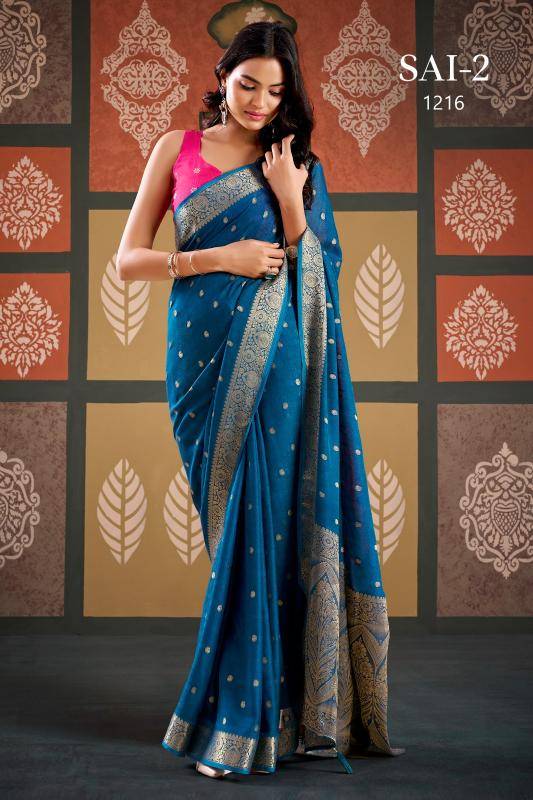
Sarees remain an important category for Indian retailers because they cover everyday, festive, wedding and premium demand. Buyers can source printed sarees, georgette sarees, silk-look collections, Banarasi styles, party wear sarees, designer sarees and other varieties depending on their market.
When purchasing from a wholesale saree supplier, ask whether the selected catalogue is ready for immediate processing. This becomes especially important when buying a recently launched collection that may have strong market demand.
Lehenga and Occasion-Wear Orders
Designer lehengas and festive garments may require more careful packing because of embroidery, embellishments, dupattas and multiple garment components. Premium collections should be packed in a way that protects the work during transportation. For boutiques, receiving these garments in good presentation condition is as important as receiving them quickly.
Wedding-season buyers should plan their wholesale lehenga sourcing ahead of expected retail demand. Waiting until peak customer enquiries begin can reduce both product choice and shipping flexibility.
Kurtis, Suits and Fast-Moving Ethnic Wear
Kurtis, kurti sets, dress materials and ethnic suits are often purchased repeatedly because retailers need regular newness. A reseller may prefer smaller, more frequent orders instead of holding excessive inventory. In this model, consistent dispatch and predictable delivery can be more valuable than purchasing a very large quantity at once.
How Retailers Can Plan Stock Around Delivery Time
Good inventory planning starts before the order is placed. A boutique owner should estimate when the merchandise needs to be available for customers and work backward from that date. The calculation should include supplier processing, shipping, a reasonable logistics buffer, product photography if required, pricing, merchandising and promotion.
For example, merchandise required for a festival should ideally reach the store before customer demand reaches its peak. That gives the retailer time to photograph new products, create social media posts, contact regular customers and arrange displays rather than unpacking stock at the last minute.
Keep a Reorder Buffer
Fast-selling styles should not be reordered only after the last piece has sold. Keeping a reorder threshold helps prevent inventory gaps. If a particular saree, kurti or lehenga category consistently performs well, the next order can be planned while existing stock is still available.
This approach is particularly useful for home-based sellers and online resellers whose customers expect quick fulfilment. A predictable wholesale delivery schedule makes it easier to decide how much inventory should remain on hand.
Separate Urgent and Regular Orders
Not every order needs premium express freight. Retailers can separate urgent replenishment from routine inventory purchases. High-priority pieces can use a faster shipping option, while regular stock can travel through a more economical service. This helps balance freight cost and stock availability.
For 2026, retailers operating through Instagram, WhatsApp, marketplaces and independent online stores increasingly need flexible sourcing because fashion demand can change quickly. Wholesaleexport.in supports buyers looking for new ethnic collections without depending entirely on physical market visits.
International Wholesale Clothing Delivery
International delivery naturally requires more planning than domestic shipping. In addition to transportation, an export shipment may involve commercial documentation, destination-country procedures, customs processing and final-mile delivery. The exact timeline therefore varies by country, shipment method, parcel weight and local clearance.
For this guide, consider buyers in the USA, Australia and Nepal. Each market has different logistics characteristics, so international wholesale buyers should request a shipment-specific estimate instead of relying on a universal number of days.
Wholesale Clothing Shipping to the USA
Indian ethnic wear has a substantial customer base among boutiques and resellers serving Indian communities in the USA. Sarees, lehengas, kurti sets, festive suits and occasion wear can be sourced from India for retail inventory. International buyers should coordinate purchase timing with seasonal sales calendars and allow additional time for cross-border procedures.
For an overseas boutique, freight cost per piece can also change significantly depending on shipment weight. Consolidating stock can sometimes improve shipping economics, but businesses should balance freight efficiency against the need to receive new collections quickly.
Wholesale Clothing Shipping to Australia
Australian ethnic fashion businesses may source Indian apparel for weddings, festivals and community events. Buyers should plan orders with enough lead time for international transportation and clearance. Product availability should be confirmed before committing to a customer-facing launch date.
Regular wholesale buyers can improve planning by maintaining a repeat ordering cycle. Instead of waiting for inventory to become critically low, they can prepare their next shipment based on expected sales and typical logistics lead times.
Wholesale Clothing Supply for Nepal
Nepal is geographically closer to India, but the final delivery process still depends on the chosen route, shipment method, border handling and destination. Boutique owners and resellers should confirm the complete shipping arrangement when ordering rather than judging delivery time only by physical distance.
For any international destination, a reliable supplier should communicate product availability, dispatch status and shipping details clearly. This becomes particularly important for repeat wholesale buyers whose business depends on predictable replenishment.
Buyers who are comparing product categories can explore georgette sarees for lightweight and occasion-focused saree inventory. Retailers expanding into higher-value festive products can also review the wholesale lehenga market Surat with price collection when planning their next purchasing cycle.
How to Reduce Wholesale Clothing Delivery Delays
Delivery speed is not controlled only by the supplier or courier company. Buyers can also prevent many common delays by placing clear orders, confirming stock before payment, providing complete shipping details and allowing sufficient time during peak seasons. For businesses where new arrivals generate regular customer engagement, even a small improvement in the ordering process can make inventory planning more reliable.
Confirm Ready Stock Before Finalizing the Order
One of the easiest ways to improve delivery planning is to confirm whether the selected designs are physically available. A catalogue may contain multiple colours, designs or variants, and availability can change as other wholesale buyers place orders. If quick delivery is important, prioritize ready stock wholesale clothing rather than products waiting for fresh production.
Ask for availability when the order is being finalized, particularly for fast-moving festive and wedding collections. This reduces the possibility of choosing merchandise that later needs to be replaced because a particular design has sold out.
Provide Complete Shipping Information
A wholesale parcel should have the correct buyer name, business name where applicable, mobile number, complete address, landmark, city, state and PIN code. International buyers should provide the destination information required for their shipment and documentation.
Incorrect contact information can create delays even after a parcel has reached the destination city. Buyers should therefore verify shipping information before the supplier prints the label.
Order Early During Festival and Wedding Seasons
Demand for sarees, lehengas, suits and ethnic wear rises around major Indian festivals and wedding periods. During these periods, suppliers, packing teams, transport companies and courier networks can all experience higher volumes.
A retailer who normally works with a short replenishment cycle should add a buffer during peak periods. Ordering early also provides more choice because popular colours and designs may sell faster when market demand increases.
Standard Shipping vs Express Shipping for Wholesale Orders
Choosing the correct transportation method is a business decision rather than simply a delivery decision. Standard shipping is often suitable for planned replenishment, while express services can make sense for urgent requirements. The best choice depends on merchandise value, shipment weight, destination and how quickly the retailer expects to sell the stock.
When Standard Shipping Makes Sense
Standard shipping can be useful for routine orders where the buyer has sufficient existing inventory. Shop owners ordering replenishment in advance can often prioritize freight economy rather than paying more solely for speed.
This strategy works particularly well when the retailer maintains a regular purchasing schedule. Instead of making emergency orders after stock runs out, the business can replenish categories at planned intervals.
When Express Shipping Is Worth Considering
Express shipping can be valuable when merchandise is required for a fixed selling opportunity, such as an upcoming festival, wedding event, exhibition, promotional campaign or confirmed customer requirement. In these situations, a higher freight price may be justified if receiving the goods earlier creates a stronger sales opportunity.
Before choosing express service, buyers should confirm that the supplier can dispatch quickly. Paying for fast transportation does not eliminate production or processing time. The most useful question is therefore not simply “Is express shipping available?” but “When can this order actually be handed over to the express carrier?”
How Home-Based Sellers Can Manage Wholesale Delivery
Home-based sellers often operate with smaller inventories than established showrooms, making delivery planning especially important. They may sell through WhatsApp, Instagram, Facebook, local customer networks or other online channels and replenish merchandise according to demand.
Instead of investing heavily in one collection, a seller can build a rotation of fresh products. Regular access to a wholesale clothing supplier in Surat can make it easier to introduce new designs while managing inventory investment.
Avoid Promising Customers Unrealistic Dates
If merchandise has not yet reached you, avoid promising a customer an exact delivery date based solely on an estimated supplier dispatch. Add enough time for transportation and your own final fulfilment. This is particularly important when accepting orders for weddings or events where customers have fixed deadlines.
Track Fast-Selling Categories
Home sellers can record which styles sell fastest and reorder those categories before they disappear from stock. Data does not need to be complicated. Even a simple record of product type, purchase date, selling price, quantity sold and reorder frequency can help identify profitable categories.
When buying through Wholesaleexport.in, resellers can evaluate different ethnic wear options and organize purchasing around their own customer demand instead of relying on one category throughout the year.
Delivery Planning for Boutique and Showroom Owners
Boutiques and showrooms generally need broader inventory depth because customers expect multiple designs, colours, sizes and price levels. For these businesses, wholesale apparel delivery should be integrated into an inventory calendar rather than handled only when shelves become empty.
Plan Collections Before the Selling Season
A boutique preparing for festive demand should divide its buying calendar into selection, ordering, dispatch, delivery, merchandising and promotion. Merchandise should ideally arrive with enough time to create displays, photograph products and inform existing customers about new arrivals.
The same principle applies to wedding collections. Bridal and occasion-wear demand may involve higher-value purchases, and customers often begin shopping well before their event. Early inventory availability can therefore provide a competitive advantage.
Use Multiple Price Segments
A strong ethnic wear assortment does not necessarily mean stocking only expensive products. Retailers can combine affordable fast-moving pieces with mid-range designs and premium occasion wear. This creates buying options for different customer budgets.
Wholesaleexport.in provides sourcing possibilities across multiple product and price segments, helping retailers develop assortments suited to their local customer base.
Wholesale Delivery and Product Quality Should Work Together
Fast delivery has little value if product quality is inconsistent. Buyers should consider fabric, stitching, finishing, embellishment quality, colour presentation and overall value together with dispatch speed. A sustainable wholesale relationship is built on repeatable product standards as well as reliable logistics.
Vastralife has worked in wholesale and export since 2017, bringing practical textile industry experience to product sourcing and supply. The focus on premium product quality is particularly relevant for boutiques and resellers because their reputation depends on the merchandise eventually delivered to their own customers.
Surat's extensive textile ecosystem includes fabric trading, processing, garment production, saree sourcing, embroidery, stitching, packaging and logistics. Access to this network around the surat textile market, Ring Road and Sahara Darwaza allows wholesale businesses to serve buyers looking for both established categories and changing fashion trends.
How to Estimate Your Total Order-to-Stock Timeline
Instead of asking only how long does wholesale clothing delivery take, buyers can calculate a more useful “order-to-stock” timeline. This begins when the purchase is confirmed and ends when the merchandise is ready to sell in the shop or online.
Step 1: Product Availability
Confirm whether the product is ready stock, under production or available only against a new manufacturing cycle. This establishes the first part of the timeline.
Step 2: Processing and Packing
Ask when the confirmed merchandise is expected to be packed and ready for handover. Large wholesale orders may naturally need additional handling compared with small parcels.
Step 3: Shipping Method
Select standard, cargo or express service according to destination, shipment size and urgency. Compare both expected transit and freight cost.
Step 4: Destination Delivery
Add the estimated transit period for your location. International buyers should also allow for customs and destination-side processing where applicable.
Step 5: Retail Preparation
After receiving the merchandise, allow time for checking, pricing, photography, catalogue creation and store display. For online resellers, this final stage can be important because products cannot generate sales until customers can actually see them.
What Wholesale Buyers Should Check Before Ordering in 2026
The wholesale clothing market is increasingly digital, making it possible for buyers to source from another city without travelling for every purchase. However, convenience should be combined with sensible purchasing checks.
Before confirming an order, verify product details, available quantity, wholesale price, payment terms, expected dispatch, shipping charges, destination serviceability and applicable claim or return conditions. International buyers should additionally clarify export arrangements and documentation relevant to their shipment.
Buyers should also understand the difference between an indicative product image and the actual specifications of the supplied item. Fabric, work, size, set composition and colour details should be checked when they are important to the purchasing decision.
Internal Linking: Explore Related Wholesale Collections
Retailers should build their assortment according to customer demand rather than depending on one product category. A saree-focused store can introduce festive or occasion styles, while boutiques selling lehengas can add complementary ethnic wear to increase customer choice.
The two related collection links provided earlier in this guide help buyers move directly toward relevant saree and lehenga sourcing options. Keeping internal navigation closely connected to purchasing intent makes it easier for wholesale buyers to move from research to collection selection without unnecessary searching.
Wholesaleexport.in can be used by home-based sellers, boutique owners, shop owners, showroom owners, resellers and wholesale buyers looking for Indian ethnic wear sourcing. Buyers can compare collections according to customer demand, budget and seasonal requirements before planning their next order.
Customer FAQs
1. How long does wholesale clothing delivery take within India?
The complete timeline depends on product availability, order processing, destination and shipping method. Ready-stock orders can generally move faster than fresh production orders. Buyers should request both an expected dispatch date and an estimated logistics transit time before confirming an urgent purchase.
2. Can I request fast shipping for a wholesale clothing order?
Where suitable logistics services are available, a faster shipping option may be possible. Buyers should confirm availability for their PIN code and understand the additional freight cost. Express transportation is most useful when the merchandise itself is ready for dispatch.
3. Does a large bulk order take longer to dispatch?
It can. Large orders may require more time for stock consolidation, counting, quality checking and packing. If merchandise needs fresh manufacturing, production lead time must also be included. Discuss the expected dispatch schedule when confirming a large quantity.
4. Can international buyers order wholesale ethnic wear from India?
Yes, international wholesale sourcing is possible subject to product availability, payment, shipping arrangements and destination requirements. Buyers in markets such as the USA, Australia and Nepal should request a shipment-specific estimate because international delivery times vary by destination and logistics method.
5. When should I order festive or wedding stock?
Order before demand reaches its peak. Extra lead time gives you more flexibility for product availability, processing, transportation, store preparation and promotion. Early sourcing is particularly valuable for boutiques that need specific styles, colours or premium wedding collections.
6. How can I reduce the risk of delivery delays?
Confirm ready stock, complete payment requirements promptly, provide accurate shipping details, choose an appropriate logistics service and maintain a reasonable delivery buffer. Avoid waiting until your existing inventory is completely sold before placing replenishment orders.
7. Is wholesale buying suitable for small resellers?
Yes. Small resellers can build inventory gradually by selecting products according to their customer demand and available investment. The key is to understand minimum order requirements, shipping cost and expected margins before purchasing.
8. Where can I source wholesale clothing from Surat online?
Wholesale buyers can explore collections through Wholesaleexport.in for online sourcing connected with Surat's textile trade. Before ordering, select products according to your market, confirm current availability and discuss shipping requirements for your destination.
Order Wholesale Ethnic Wear for Your Business
If you are preparing your next inventory purchase, focus on the combination of product demand, quality, buying price and delivery planning. Whether you operate a home business, boutique, retail shop, showroom or online reselling store, buying the right products at the right time can improve stock rotation and reduce missed selling opportunities.
Explore Latest Collections with competitive Wholesale Pricing across Trendy Ethnic Wear categories. Buyers can enquire about Fast Shipping, available COD Support, Bulk Order Deals and Quality Products Starting From ₹299, subject to the applicable product, order and delivery terms.
For wholesale sourcing and current collection enquiries, visit Wholesaleexport.in and connect with the team to discuss product availability, quantity and shipping requirements.
Contact: +91 9712582172
Website: wholesaleexport.in
From Surat's established textile trading ecosystem to buyers across India and international markets, a well-planned sourcing process can make inventory replenishment smoother. Confirm the stock, understand the dispatch timeline, choose shipping according to urgency and order with enough lead time. That approach gives your business a stronger foundation for consistent wholesale purchasing throughout 2026.