



How Do I Find New Wholesale Clothing Catalogs Every Day? A 2026 Sourcing Guide
How Do I Find New Wholesale Clothing Catalogs Every Day? A 2026 Sourcing Guide
Fashion retail moves quickly, and customers rarely want to see the same designs week after week. For boutique owners, resellers, shop owners and wholesale buyers, having regular access to fresh catalogs can make product selection easier and help keep WhatsApp groups, social pages and store displays active. The key is not collecting hundreds of random catalogs; it is building a reliable sourcing system that helps you discover saleable new arrivals consistently.
Introduction
If you run a women’s clothing business, one common question is: where can you find new wholesale clothing catalogs every day without spending hours contacting different suppliers? The answer lies in combining a dependable online wholesale source with disciplined product selection.
In 2026, wholesale buying is increasingly digital. Retailers can view new designs, compare categories and shortlist merchandise without travelling to a textile market every time they need fresh stock. This is especially useful for businesses located far from Surat and for international buyers who depend on digital catalogs before placing an order.
Surat remains closely connected with women’s ethnic wear trading and manufacturing. The broader Surat textile market, including trading areas around Ring Road and Sahara Darwaza, supplies a wide range of sarees, kurtis, dress materials, salwar suits, lehengas and other fashion products. Digital platforms now make these sourcing opportunities accessible to buyers well beyond Surat.
Wholesaleexport.in is designed around this type of online sourcing. Instead of relying entirely on occasional market visits, buyers can check collections regularly and build a more consistent purchasing routine.
Why Daily Wholesale Catalogs Matter for Clothing Sellers
Fresh catalogs are not valuable simply because they are new. Their real business value is that they give sellers more opportunities to identify products that match current customer demand. A retailer who sees new merchandise regularly can respond faster when a particular fabric, colour, silhouette or embroidery style begins attracting attention.
Customers Expect Fresh Designs
Fashion customers increasingly discover products through Instagram, Facebook, WhatsApp, YouTube and online stores. They may see a trending design in the morning and start asking local sellers for something similar almost immediately.
For this reason, businesses that regularly receive latest wholesale clothing catalogs can react faster than retailers who purchase only once every few months. Freshness is especially important for boutiques, online resellers and stores that promote new arrivals frequently.
More Catalogs Give You Better Buying Choices
Regular catalog updates let you compare several collections before investing. Instead of purchasing the first design available, you can evaluate fabric, styling, colour combinations, set quantity, wholesale price and expected retail demand.
This does not mean you should buy from every catalog. In fact, successful inventory management often depends on rejecting most products and selecting only those that fit your customer base.
Daily Updates Help Online Resellers Stay Active
Home-based sellers and social-media resellers need fresh content as much as they need stock. Regular product arrivals provide new material for WhatsApp status updates, customer groups, Instagram posts and direct customer enquiries.
A reseller who repeatedly posts exactly the same products may eventually see engagement decline. Fresh women’s clothing wholesale catalogs give customers a reason to keep checking for new designs.
Where to Find New Wholesale Clothing Catalogs Every Day
There are several sourcing channels available, but a buyer should prioritise sources that combine frequent updates with clear product information and actual wholesale ordering capability.
1. Check a Dedicated Wholesale Website Regularly
A wholesale website is one of the easiest ways to browse products without managing hundreds of separate supplier conversations. Wholesaleexport.in allows buyers to explore multiple categories and check fresh products online.
Make it part of your daily sourcing routine. Rather than searching the entire internet every morning, begin with a dependable source and inspect newly added collections relevant to your store.
Useful categories can include wholesale kurtis, kurti pant sets, Pakistani suits, salwar kameez, dress materials, sarees, lehenga choli, Anarkali suits, co-ord sets, plus-size ethnic wear, festive wear and wedding collections.
2. Use WhatsApp for Fast Catalog Discovery
WhatsApp remains highly practical in the wholesale clothing trade because catalogs can be distributed quickly. Buyers can receive product photographs, videos and collection updates without repeatedly searching for individual items.
However, avoid joining so many groups that useful collections become impossible to track. Organise your supplier chats and save only the catalogs that match your business. If you sell mainly women’s ethnic wear, unrelated products only create unnecessary clutter.
3. Follow New Arrivals Instead of Random Products
When browsing a wholesale platform, start with the newest additions. This helps you identify recently launched designs before spending time on older catalogs that may have limited availability.
New does not automatically mean better. Compare every fresh collection against your existing sales data. If your customers consistently buy cotton kurti sets, for example, a new premium bridal product should not receive most of your buying budget simply because it has just launched.
4. Build Direct Relationships with Wholesale Sources
Repeat buyers benefit from maintaining communication with dependable suppliers. Once a supplier understands the type of merchandise you purchase, it becomes easier to focus on relevant collections instead of reviewing every available product.
Vastralife has wholesale and export experience since 2017, with industry expertise in serving retailers, resellers and wholesale buyers. That experience supports a sourcing approach focused on product variety, regular arrivals and premium product quality.
Which Wholesale Clothing Catalogs Should You Check Daily?
The best daily sourcing routine does not involve checking every possible apparel category. Concentrate on categories that generate revenue for your particular business while keeping a smaller portion of your attention on emerging trends.
Kurti and Kurti Set Catalogs
Wholesale kurti catalogs can be particularly useful for stores serving regular ethnic-wear customers. Depending on your market, you can explore straight kurtis, kurti pant sets, embroidered kurtis, printed styles, office wear, festive pieces and plus-size options.
Track the price bands that move fastest in your store. A collection may be visually attractive but still be unsuitable if its expected retail price is far above what your regular customers normally spend.
Dress Material Catalogs
Dress material remains useful for customers who prefer tailoring, customised fitting and personalised styling. Buyers can look for cotton, rayon, embroidered, printed, festive and premium dress material according to season and local demand.
For stores where unstitched products already sell well, regular wholesale dress material updates can provide a dependable category for repeat business.
Pakistani Suit and Salwar Suit Catalogs
Pakistani-inspired suits and coordinated salwar collections continue to attract buyers who prefer elegant silhouettes, embroidery and complete ethnic looks. Retailers should evaluate fabric, dupatta style, work, colour and price before deciding which catalogs deserve stock investment.
Catalog variety also helps stores serve both everyday and occasion-wear customers rather than depending entirely on one price range.
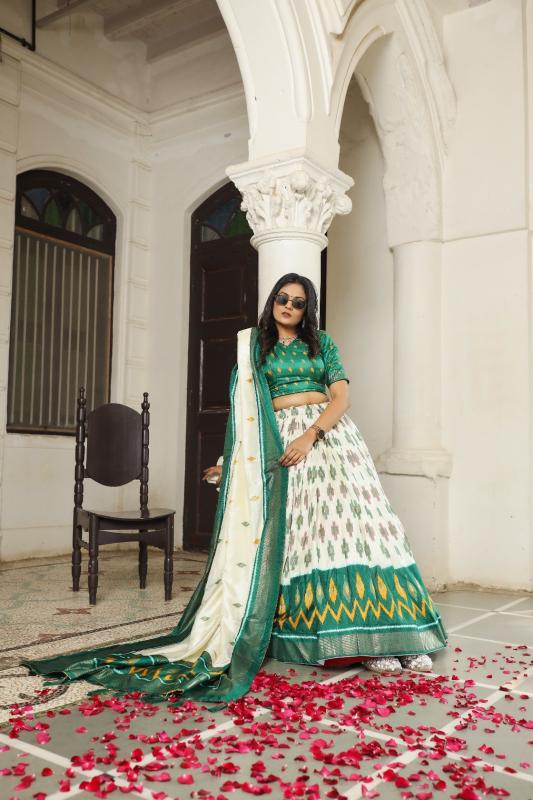
Lehenga Catalogs for Wedding and Festive Demand
Lehenga choli is a more occasion-driven category, which means catalog timing matters. Wedding seasons, festivals and local celebrations can create periods of stronger demand. Retailers should begin reviewing wholesale lehenga catalogs before demand reaches its peak rather than waiting until customers have already started shopping.
Styles may include embroidered lehengas, printed lehengas, designer sets, bridal-inspired collections, Dola silk designs, Chinon styles and lighter festive options. Keep a balance between visually impressive merchandise and price points your customers are actually willing to purchase.
Do Not Buy Every Trending Lehenga
Premium fashion can tie up considerably more capital per design than everyday clothing. A boutique may benefit from carefully selected statement pieces, while a volume reseller may prefer more accessible designs with broader customer appeal.
Before purchasing, consider the expected retail price, your local competition and the amount of time you can realistically hold the inventory. A smaller but well-selected range can sometimes perform better than a large assortment of similar designs.
Plan Catalog Buying Around the Calendar
Maintain a buying calendar covering wedding periods, regional festivals and other important selling seasons. This gives you time to discover catalogs, shortlist designs, place orders, receive stock and begin marketing before peak demand.
International buyers need even more planning because transit and destination procedures can extend the replenishment cycle.
How to Select the Right Catalog Instead of Just the Newest One
Finding new wholesale clothing catalogs every day is only the first step. The more important skill is deciding which collections deserve your money.
Check Whether the Product Fits Your Customer Profile
A boutique serving premium occasion-wear customers should not use exactly the same buying strategy as a home-based reseller serving budget-conscious buyers. Consider customer age, preferred sizes, average spending, climate, colour preferences and local fashion trends.
When you understand these factors, a large catalog becomes easier to filter. You can quickly reject products that do not fit your audience and focus on designs with stronger selling potential.
Compare Wholesale Price with Expected Selling Price
Never judge a product only by its purchase price. Estimate the final cost after applicable taxes, transportation and other relevant expenses, then compare it with the realistic retail price in your market.
A lower-cost product is not automatically more profitable. Inventory turnover matters. A design that generates a reasonable margin and sells quickly may be more useful than a high-margin product that remains on the shelf for months.
Check Stock Before Advertising Heavily
One challenge with fast-moving fashion is that attractive products can sell out quickly. If you advertise a collection aggressively before confirming availability, you may receive customer orders that you cannot fulfil.
For important products, verify stock near the time you are ready to place the wholesale order. This becomes particularly important during wedding and festival seasons.
Create a 15-Minute Daily Catalog Sourcing Routine
You do not need to spend several hours every day finding products. A disciplined 15-minute routine can be more effective than endless browsing.
First 5 Minutes: Check New Arrivals
Open your primary wholesale source and review recently added products. Ignore categories that are irrelevant to your store. Save only designs that immediately match your target customer and price range.
Next 5 Minutes: Compare and Shortlist
Compare the shortlisted products with your current inventory. Ask whether you already have too much similar merchandise. If the store is already carrying several nearly identical black embroidered suits, another one may add less value than a fresh colour or silhouette.
Final 5 Minutes: Decide Buy, Watch or Reject
Place every shortlisted collection into one of three groups: buy now, watch for customer response or reject. This simple process prevents your saved catalog folder from becoming another unmanageable collection of thousands of images.
For a product you want to purchase, confirm availability, MOQ, current price and ordering terms. For a product in the watch category, show it selectively to customers and use genuine enquiries as an additional buying signal.
Using Daily Catalogs for International Wholesale Business
Online catalogs are particularly valuable for overseas retailers because travelling to India for every buying cycle is impractical. Buyers can review products digitally, plan assortments and communicate requirements before shipment.
For Nepal, retailers can align catalog selection with local festive periods, wedding demand and seasonal changes. Because international replenishment requires additional lead time, fast-moving stock should be reordered before it reaches zero.
In Malaysia, buyers may focus on ethnic collections that fit local South Asian communities and occasion-wear demand. Product selection should be based on the specific audience served by the retailer rather than assuming every Indian trend will perform equally in another country.
For the USA, boutiques and resellers can use regular catalogs to prepare for Indian festivals, weddings and community events. International buyers should calculate landed cost and delivery timing before deciding how much stock to purchase.
Wholesaleexport.in helps connect this digital discovery process with wholesale sourcing from India, allowing buyers to review fresh fashion without depending exclusively on physical visits to the Surat textile market.
When managed correctly, daily catalog sourcing becomes more than simply looking at new photographs. It becomes a repeatable system for identifying demand, comparing products and making better purchasing decisions.
For overseas buyers, regular catalog checking also makes assortment planning easier. Instead of placing one oversized seasonal order, buyers can monitor new launches and select collections according to actual demand. This approach can be especially useful when freight, customs, currency conversion and delivery lead times affect the final landed price.
The same principle applies to domestic buyers outside Gujarat. A retailer does not necessarily need to travel repeatedly to Ring Road, Sahara Darwaza or other parts of the Surat textile market simply to discover fresh designs. Digital wholesale sourcing can reduce discovery time while physical market visits can remain useful for deeper supplier relationships and larger buying decisions.
How to Turn Daily Catalogs into Faster Sales
Receiving new catalogs is useful only when those catalogs eventually create enquiries and orders. Retailers should therefore connect sourcing with marketing rather than treating purchasing and selling as completely separate activities.
Share Selected New Arrivals, Not Everything
Sending customers 50 catalogs in a single day can create choice overload. Instead, select products that match the audience of each customer group. A boutique customer interested in premium festive wear may receive a different selection from a reseller looking for affordable daily-wear kurtis.
Create smaller selections such as “Today’s New Arrivals,” “Under ₹999 Retail Range,” “Premium Wedding Collection,” “New Kurti Sets,” or “Festive Picks.” The exact retail pricing will depend on your purchase cost and selling strategy, but categorisation makes large wholesale assortments easier for customers to explore.
Use Catalogs to Test Demand Before Buying Deep Stock
When your business model allows it, show selected designs to regular customers and monitor genuine enquiries. If several customers ask about the same style, colour or fabric, that response provides another signal before you increase your buying quantity.
This technique can be particularly useful for home-based sellers and online resellers with limited inventory budgets. It does not eliminate purchasing risk, but it can help you allocate more capital toward products showing stronger customer interest.
Track Which Catalogs Actually Convert
Do not measure catalog performance only by likes or views. Keep a simple record of enquiries, confirmed orders, repeat orders and sell-through. After several weeks, patterns become clearer.
You may discover that cotton sets produce more repeat sales, embroidered suits generate higher-value orders, or certain lehenga styles perform only during festive periods. Those insights should influence what you shortlist from future daily wholesale clothing catalogs.
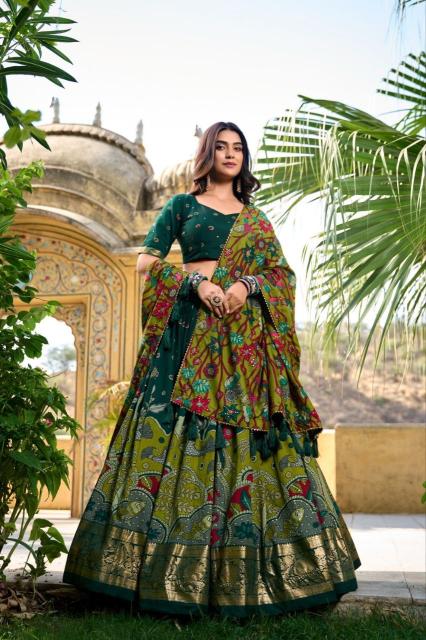
Build a Reliable Wholesale Catalog Sourcing System
A sustainable sourcing process should be simple enough to repeat every day. You should know where to look, what to shortlist and when to place an order. This is much more effective than randomly searching different suppliers whenever your shelves become empty.
Keep Separate Lists for Core and Trend Products
Core products are categories your customers purchase consistently. Depending on your business, these could include kurtis, kurti sets, dress materials, salwar suits, sarees or plus-size clothing. Trend products are designs that may rise quickly because of social media, celebrity styling, seasonal demand or a particular fashion movement.
Your inventory should not depend entirely on either group. Core merchandise provides continuity, while trend-driven products help keep the collection fresh.
Set Reorder Points for Best Sellers
Catalog discovery should work alongside stock management. If a product is selling steadily, do not wait until the final piece is sold before checking whether it can be replenished.
Set a reorder point according to average weekly sales and supplier lead time. A retailer selling ten pieces of a design every week needs a different reorder strategy from a boutique selling two premium pieces per month.
This is especially important for export orders because transit and processing time can make emergency replenishment difficult.
Maintain a Product Buying Sheet
A basic spreadsheet can include catalog name, supplier, product category, wholesale price, quantity purchased, purchase date, units sold, balance stock and reorder status. You do not need complicated software to begin tracking these numbers.
Once this information is maintained consistently, buying becomes less dependent on guesswork. Your team can quickly identify which categories deserve a larger share of the next purchasing budget.
Internal Linking: Explore Related Wholesale Categories
Buyers searching for new collections can regularly explore the wholesale lehenga market Surat selection when planning wedding, festive and occasion-wear inventory. Checking fresh styles regularly can help boutiques and resellers shortlist designs before their primary selling period begins.
Retailers who serve customers interested in unstitched and semi-stitched ethnic fashion can also browse wholesale dress materials Surat to compare designs suitable for different budgets and customer preferences.
What Should You Check Before Ordering a New Catalog?
A visually attractive catalog is not enough to justify an order. Before committing capital, confirm the basic commercial details so that the collection works for your business rather than simply looking impressive on a screen.
Check the Complete Catalog Details
Understand whether the product is sold as a complete catalog, set or according to another MOQ structure. Check available colours, sizes where applicable, fabric details and whether the quoted amount is per piece or for the complete set.
If you are unsure about any specification, confirm it before payment rather than making assumptions from photographs.
Understand Your Final Purchase Cost
The displayed wholesale price is one part of the purchasing calculation. Depending on your destination and transaction, other applicable costs can include GST, transportation, international freight, customs or destination charges.
International buyers should calculate approximate landed cost before setting retail prices. This is particularly important when ordering heavier garments or large quantities where freight becomes a meaningful part of total inventory cost.
Confirm Current Availability
Fashion inventory can move quickly. A catalog that was available when first shared may not necessarily remain available indefinitely. Confirm current stock before finalising important orders, particularly for fast-moving festive collections.
If a design performs exceptionally well, check reorder availability early. Depending on manufacturing schedules and stock movement, the exact same collection may not always be available later.
How Different Types of Buyers Can Use Daily Catalogs
Home-Based Sellers
Home-based sellers generally need variety without unnecessarily locking large amounts of money into inventory. Regular catalog access lets them identify products suited to their customer network and concentrate purchases around actual enquiries and proven categories.
Boutique Owners
Boutiques can use catalogs to maintain a more curated identity. Rather than selecting every popular product, they can choose designs that match their preferred aesthetic, customer spending level and seasonal merchandising plan.
Shop and Showroom Owners
Physical retailers usually require both depth and variety. Daily catalogs can help them identify replacements for sold inventory while also introducing new designs to keep racks and displays visually fresh.
Online Resellers
Online resellers can use catalog updates as a continuous product-discovery pipeline. Fresh images and product information can support WhatsApp selling, social media promotion and direct customer communication. However, availability should be reconfirmed before accepting a final customer order for fast-moving stock.
Wholesale Buyers
Larger buyers can use daily updates to identify products worth purchasing in greater quantity. Their focus should be on repeatability, price competitiveness, stock depth, quality consistency and expected sell-through across their distribution network.
Common Mistakes When Searching for Wholesale Catalogs
The availability of thousands of online designs makes sourcing easier, but it also creates new problems. Avoiding a few common mistakes can improve purchasing discipline.
Choosing Only by Lowest Price
Low cost can help margins, but it should not be the only selection criterion. Fabric, finishing, styling, customer demand and expected retail value also matter. A cheap product that customers do not want is expensive inventory once it remains unsold.
Buying Too Many Similar Designs
When a style becomes popular, retailers sometimes purchase several nearly identical collections. This can reduce variety and concentrate too much capital in one trend. Keep enough differentiation in colours, fabrics, silhouettes and price points.
Ignoring Size Demand
For ready-made garments, analyse which sizes your customers actually purchase. If plus-size demand is increasing in your business, include suitable options rather than repeatedly ordering only conventional size ranges.
Waiting Too Long During Peak Season
Wedding and festival collections should be planned ahead. If you discover a strong product only after peak customer demand has begun, you may lose valuable selling days while waiting for dispatch and delivery.
Following Trends Without Sales Data
Social-media visibility does not guarantee sales in every market. A design can be highly visible online while performing poorly with your particular customers. Combine trend observation with your own sales history.
Wholesale Clothing Sourcing in 2026
In 2026, the most practical wholesale buying model combines digital discovery with reliable supplier relationships. Retailers no longer need to depend entirely on occasional market visits to discover what is new.
At the same time, technology does not replace sound buying judgement. Successful sellers still need to understand their customers, calculate margins, manage stock and choose the right products at the right time.
Surat continues to play an important role in India’s textile and ethnic-fashion supply ecosystem. Buyers familiar with the Surat textile market, Ring Road and Sahara Darwaza understand the scale of product movement around these trading areas. Online sourcing extends access to that broader ecosystem for retailers located elsewhere in India and overseas.
Wholesaleexport.in brings multiple women’s fashion categories into an online wholesale buying environment where retailers can check collections regularly rather than relying on a single seasonal sourcing trip.
Backed by Vastralife’s wholesale and export experience since 2017, the focus is on industry expertise, broad product selection and premium product quality for businesses sourcing women’s ethnic fashion.
Customer FAQs
1. How can I find new wholesale clothing catalogs every day?
Check a reliable wholesale platform regularly, follow its latest arrivals and maintain communication for fresh product updates. Focus on categories relevant to your customers instead of collecting every catalog available.
2. Can home-based resellers buy wholesale clothing online?
Yes. Home-based sellers can source wholesale products online, but they should check the applicable MOQ, current availability, product specifications, payment terms and delivery conditions before ordering.
3. Which women’s clothing categories should I check regularly?
Depending on your customer base, useful categories can include kurtis, kurti sets, salwar suits, Pakistani suits, dress materials, sarees, lehenga choli, Anarkali suits, co-ord sets, plus-size fashion and festive ethnic wear.
4. Can international buyers source wholesale clothing from Surat?
Yes. Buyers in markets such as Nepal, Malaysia and the USA can explore Indian wholesale collections online. International buyers should confirm shipping arrangements, payment requirements, applicable customs procedures and estimated landed costs for their destination before ordering.
5. How often should I purchase from new catalogs?
There is no single schedule suitable for every retailer. Review new products frequently, but purchase according to sales velocity, available working capital, stock position and upcoming seasonal demand. Daily discovery does not require daily purchasing.
6. How do I know which new catalog is likely to sell?
Compare the collection with your previous sales, customer enquiries, preferred price range, sizes, colours and current seasonal demand. Products that match proven customer behaviour generally provide a more informed buying basis than designs selected only because they are trending online.
Start Exploring Fresh Wholesale Collections
If you want a more consistent way to discover women’s ethnic fashion for your shop, boutique, showroom, home-based business or reseller network, make regular catalog checking part of your buying routine.
Explore Latest Collections, compare Wholesale Pricing, discover Trendy Ethnic Wear, ask about Fast Shipping, applicable COD Support and Bulk Order Deals, and browse Quality Products Starting From ₹299.
Wholesaleexport.in provides an online sourcing option for buyers looking for fresh wholesale fashion from India. Whether you are replenishing everyday merchandise or preparing for the next wedding and festive season, regular catalog discovery can help you make purchasing decisions earlier and keep your product offering fresh.
Contact: +91 9712582172
Website: wholesaleexport.in
Instead of searching from scratch whenever inventory runs low, create a repeatable sourcing system: check fresh catalogs, shortlist products, compare demand, confirm availability and order according to your actual sales. That approach turns daily catalog discovery into a practical inventory and growth tool for your clothing business.