


How Can International Buyers Order Indian Ethnic Wear? Complete Wholesale & Export Guide 2026
How Can International Buyers Order Indian Ethnic Wear? Complete Wholesale & Export Guide 2026
Buying Indian ethnic wear directly from India has become increasingly practical for overseas boutiques, retailers, resellers and wholesale businesses. Buyers can now explore collections online, shortlist products, confirm quantities, calculate shipping and place wholesale orders without travelling to India for every purchase. From sarees and lehenga cholis to kurtis, dress materials and festive collections, a structured buying process can help international businesses source Indian fashion with greater clarity and confidence.
Introduction
For overseas retailers asking how to order Indian ethnic wear internationally, the process starts with finding a wholesale supplier that understands both Indian textile sourcing and international business requirements. The buyer then needs to select products, confirm wholesale price and quantity, understand payment and shipping terms, and provide the information required for dispatch to the destination country.
India offers an enormous range of ethnic fashion for different markets. International buyers can source Indian ethnic wear wholesale across categories such as kurtis, kurti sets, sarees, lehenga cholis, salwar suits, Pakistani-style suits, dress materials, festive wear, kids ethnic wear and other fashion products according to available stock.
Wholesaleexport.in helps connect business buyers with Indian wholesale collections for retail and reselling requirements. Whether the customer operates a boutique in the USA, an ethnic fashion business in Australia or a retail store in Nepal, the buying strategy should begin with the target customer's demand rather than simply purchasing whatever is currently popular in India.
Step 1: Choose the Indian Ethnic Wear Categories You Want to Buy
The first step for an international buyer is deciding exactly what type of inventory the business needs. A broad request such as “send me Indian clothes” makes it difficult to create a commercially focused order. A better approach is to shortlist categories according to customer profile, season, price range and expected resale market.
Buy Kurtis and Kurti Sets Wholesale from India
Kurti wholesale from India can be relevant for boutiques, online stores and ethnic wear retailers looking for products across everyday, office, festive and designer segments. Depending on available collections, buyers can choose straight kurtis, kurti-pant sets, coordinated sets, Anarkali styles and other contemporary ethnic silhouettes.
International buyers should compare fabric, sizing, design, available colours and complete set details before placing larger quantities. A product suitable for everyday retail may need a different price strategy from an elaborate festive collection.
Order Sarees Wholesale for International Resale
Sarees remain an important category for Indian ethnic fashion businesses overseas. Buyers can source products for regular wear, festive demand, weddings and special occasions according to available wholesale collections.
For online selling, catalogue presentation becomes especially important. Buyers should understand what is included with the saree, such as the applicable blouse piece or other stated components, rather than assuming every catalogue follows identical specifications.
Purchase Lehenga Choli Wholesale from India
Lehenga choli wholesale can be purchased for wedding boutiques, festive stores, online sellers and retailers serving customers looking for Indian occasion wear. Product selection should consider embroidery, fabric, colour, size or stitching details where applicable, and the expected retail price in the destination market.
For new buyers, selecting a varied collection can be more practical than purchasing a very deep quantity of one completely untested style. Customer response can then guide repeat orders.
Buy Dress Materials and Salwar Suits
Unstitched dress materials and salwar suit collections can serve customers who prefer personalised tailoring. International retailers can purchase different fabrics, prints, embroidered designs and coordinated suit materials according to their market.
For businesses serving established South Asian communities, maintaining both ready-made and unstitched ethnic wear can give customers greater flexibility.
Step 2: Select a Reliable Indian Ethnic Wear Wholesale Supplier
Supplier selection is one of the most important parts of Indian clothing wholesale export. International buyers should look beyond a single attractive catalogue and consider whether the supplier can provide clear product information, current availability, commercial communication and practical support for repeat wholesale purchasing.
Check Wholesale and Export Experience
Experience matters because domestic retail selling and international wholesale supply involve different requirements. Buyers may need help understanding quantities, product combinations, packing and shipping arrangements before confirming an order.
Vastralife brings wholesale and export experience since 2017, along with practical industry expertise in Indian ethnic wear sourcing. This experience supports business buyers who need premium product quality, commercially relevant collections and a more structured wholesale purchasing process.
Check Product Details Before Ordering
International buyers should review the available information about fabric, design, colour, sizes where relevant, included pieces and other stated product specifications. When something is unclear, it is better to confirm it before payment rather than make an assumption.
This is especially important for larger orders because a small misunderstanding multiplied across many pieces can become a significant commercial issue.
Confirm Current Stock and Wholesale Price
Fashion inventory can move quickly. A catalogue shared earlier may not always have the same availability when the buyer is finally ready to place an order. Current stock and price should therefore be reconfirmed before the order is finalised.
Wholesaleexport.in can be used to explore available collections and identify products suitable for a buyer's target market. Final commercial details should correspond to the selected products and quantities.
Step 3: Understand Indian Ethnic Wear Wholesale Pricing
International buyers should evaluate wholesale pricing as part of the complete landed-cost calculation. A product's Indian wholesale rate is only one part of the total cost of bringing inventory into another country.
The final business calculation may include the product price, quantity, packing, shipping, applicable import-related expenses and local selling costs. Buyers should check requirements applicable to their own destination before setting the final retail price.
Compare Products Within the Same Quality Segment
Two ethnic wear products that look broadly similar in photographs can differ in fabric, work, finishing and included components. Comparing only the lowest number can therefore lead to a misleading purchasing decision.
For boutique businesses, paying more for a product may be commercially sensible when its presentation supports a stronger retail selling price. For high-volume Resellers, affordable products with faster turnover may be more important.
Calculate Your Reselling Margin Before Ordering
International buyers should work backwards from the expected retail selling price. Deduct the estimated landed product cost and normal business expenses to understand whether the product leaves a suitable margin.
This calculation becomes particularly useful when deciding between affordable everyday products and higher-value festive collections. Both can work, but they may require very different margin and inventory strategies.
Step 4: Source Indian Ethnic Wear from Surat
Surat is a major textile sourcing and manufacturing centre in India. The city supports a large ecosystem involving fabrics, processing, garment businesses, wholesale trading and distribution. International buyers sourcing Indian fashion frequently encounter suppliers and collections connected with Surat's textile industry.
Ring Road, Sahara Darwaza and the broader surat textile market ecosystem are associated with extensive textile trading activity. For an overseas buyer, online sourcing provides access to Surat-based wholesale products without requiring a physical market visit for every order.
Order Directly from Surat for Your Retail Business
International retailers can shortlist products remotely and communicate their requirements before finalising an order. This can reduce the time and expense associated with repeated sourcing trips to India.
A business that purchases regularly can also develop a more systematic buying cycle: review fresh arrivals, select relevant catalogues, confirm quantities, arrange payment and organise dispatch according to its inventory requirements.
Buy According to Your Destination Market
The fact that a product sells well in the surat textile market does not automatically mean it will perform identically in every international market. Overseas retailers should combine Indian fashion trends with knowledge of their own customers.
Colour preferences, climate, occasion demand, sizing expectations and acceptable retail price can vary by country and customer segment. Successful sourcing therefore requires market-specific product selection.
Step 5: Prepare Your International Wholesale Order
Once products have been shortlisted, the buyer can prepare the actual wholesale order. Keeping the selection organised by catalogue, design, colour and quantity can make confirmation easier and reduce errors.
Confirm Product, Quantity and Availability
Before payment, confirm the exact products and required quantities. If a selected design is unavailable, the buyer can decide whether to replace it, remove it or select another option rather than discovering the shortage later in the process.
Wholesale Buyers placing larger orders should keep a clear final order summary. This can be particularly useful when several product categories are being purchased together.
Confirm Minimum Order Requirements
Minimum order quantity can differ by product or catalogue. Some wholesale collections are designed for catalogue-wise purchasing, while bulk offers may follow different quantity requirements.
International buyers should therefore check the applicable MOQ for the selected products instead of assuming that one minimum quantity applies to every collection on the website.
Plan a Trial Order When Entering a New Category
A retailer introducing an unfamiliar product category can consider beginning with a commercially manageable assortment. This allows the business to evaluate customer response before committing more capital to repeat stock.
Once certain products demonstrate reliable demand, future orders can be adjusted toward those proven designs, colours and price segments.
Step 6: Choose Products for USA, Australia and Nepal
International ethnic wear demand is not identical across markets. Buyers in the USA, Australia and Nepal may serve different customer profiles, even when all three businesses purchase Indian fashion from the same sourcing market.
Buy Indian Ethnic Wear Wholesale for USA
USA-based boutiques and Resellers can purchase Indian ethnic wear for weddings, festivals, cultural events, family functions and regular fashion requirements. A mixed assortment may include sarees, lehengas, kurtis, suit sets and dress materials according to the retailer's established customer demand.
USA buyers should consider the final landed cost and intended retail position before selecting products. Premium wedding merchandise and regular ethnic wear require different purchasing strategies.
Order Indian Clothing Wholesale for Australia
Australian retailers can build collections for South Asian customers and other shoppers interested in Indian fashion. Product selection can include lighter everyday ethnic wear as well as festive and occasion-oriented collections.
Buyers should use their own sales history to determine which categories deserve deeper inventory. New fashion trends can be tested without replacing proven products immediately.
Purchase Indian Ethnic Wear Wholesale for Nepal
Nepal-based Shop Owners, Boutique Owners, Showroom Owners and Resellers can source Indian fashion across multiple ethnic categories. Buyers can select products according to seasonal demand, local retail pricing and customer preferences.
When placing larger wholesale orders, confirming catalogue availability and quantities early can make stock planning more efficient, particularly before major seasonal selling periods.
Step 7: Understand Payment Before International Dispatch
Payment terms should be clearly understood before the buyer confirms an international wholesale purchase. For overseas orders, the buyer should verify the applicable payment method and complete the agreed payment requirements before dispatch.
Confirm the Final Order Value
Before making payment, review the confirmed product list, quantity and applicable charges. If the order has changed during product selection, use the final confirmed amount rather than an earlier estimate.
Keeping the order summary and payment details organised can also simplify future repeat purchasing because the buyer has a clear record of previous products and quantities.
Separate Product Cost from Logistics Where Applicable
International buyers should understand how product cost and shipping or logistics charges are being calculated for their specific order. This makes landed-cost planning more transparent and helps the retailer calculate the expected resale margin more accurately.
Step 8: Plan International Shipping and Export Delivery
Shipping is an important stage when buyers order Indian ethnic wear internationally. The appropriate arrangement can depend on destination, parcel size, weight, urgency and other shipment-specific requirements.
Before confirming a shipment, international buyers should understand the applicable logistics arrangement and independently check destination-country requirements where necessary. Import procedures and charges can vary by jurisdiction and shipment.
Choose Shipping According to Order Size
A small trial order and a large wholesale consignment may have different logistics considerations. Buyers should evaluate shipping in relation to quantity and product value rather than looking only at the absolute freight amount.
For repeat buyers, combining commercially sensible quantities can sometimes make inventory planning more efficient than placing many very small orders, although the appropriate approach depends on the specific shipment and business requirements.
Prepare for Destination-Side Requirements
International buyers are responsible for understanding applicable import rules, taxes, duties or documentation requirements in their destination market. These requirements can change, so current information should be checked with the relevant authorities or qualified logistics professionals where necessary.
This preparation helps prevent the retailer from underestimating the final landed cost when setting retail prices.
Build a Repeat Wholesale Buying Strategy for 2026
Successful international sourcing is not simply about completing one order. Retailers can build a repeat buying process based on actual customer sales, inventory turnover and seasonal demand.
Record which categories, designs, colours and price points sell fastest. When the next buying cycle begins, proven products can receive a larger share of the budget while fresh collections can be introduced in controlled quantities.
Reorder Fast-Moving Ethnic Wear
If a catalogue sells quickly, check whether repeat stock remains available. Fashion inventory can change, so waiting too long before attempting to reorder may reduce the chance of obtaining the same design again.
At the same time, buyers should continue introducing new arrivals so the retail assortment does not become dependent on a single catalogue.
Keep Working Capital Available for Fresh Collections
International retailers should avoid locking excessive capital into slow-moving stock. A combination of proven products, new arrivals and carefully selected premium inventory can create a more balanced purchasing strategy.
Wholesaleexport.in can support this ongoing sourcing approach by giving business buyers access to Indian ethnic wear categories suitable for different retail and reselling requirements.
How International Buyers Can Reduce Risk Before Placing Larger Orders
After completing an initial order successfully, international buyers often want to increase quantity. Before doing so, it is useful to review actual sales performance rather than increasing stock simply because a collection looks attractive. Check which categories sold fastest, which price points customers accepted, which colours received repeat enquiries and how long the previous inventory took to move.
For a Boutique Owner or Reseller, this information can turn the next purchase into a more calculated business decision. A buyer who discovers that premium lehengas perform well but everyday kurtis move faster may divide the next budget between high-margin occasion wear and faster-moving regular products.
Verify Details Before Every Repeat Purchase
Even when purchasing from a familiar supplier, buyers should reconfirm current availability, price, quantity and product specifications. Textile catalogues and fashion inventory change regularly, particularly around festival and wedding seasons. A design available during the previous order may have sold out or been replaced by a new collection.
For 2026 purchasing, keeping communication clear and maintaining written order details can help both sides work more efficiently. This becomes especially valuable when a wholesale order contains products from several categories.
Use Product Videos and Catalogue Details for Selection
Where product videos, detailed photographs or catalogue specifications are available, international buyers can use them to shortlist inventory before confirming an order. Look closely at the complete garment presentation, fabric description, work details, colour combinations and included pieces.
For premium products, buyers should pay particular attention to finishing and the overall retail presentation. The goal is not simply to find the lowest wholesale price but to source merchandise that makes commercial sense for the destination market.
Explore Related Indian Ethnic Wear Wholesale Categories
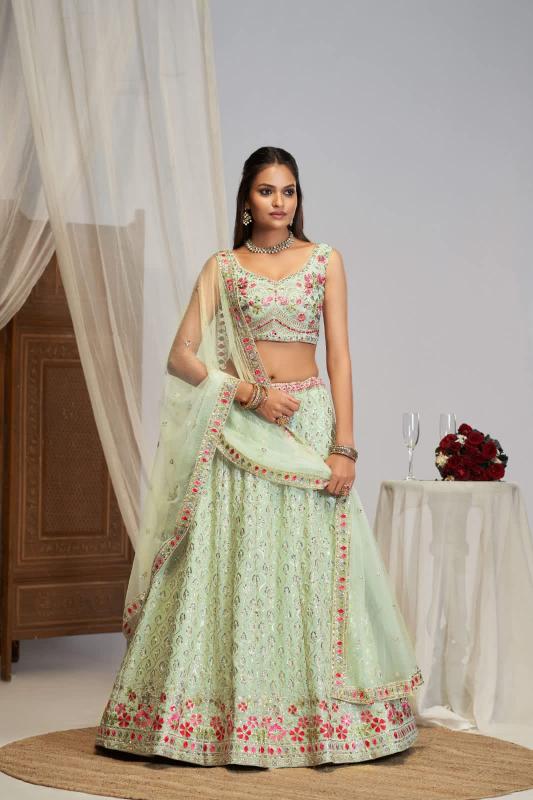
International retailers looking for wedding and festive inventory can explore the wholesale lehenga market in Surat collection for available designs and wholesale options. Lehenga cholis can be combined with sarees, suits and other occasion wear to create a broader festive assortment for boutique customers.
Businesses serving families can also explore kids wear wholesale collections and add children's products alongside women's ethnic fashion. Expanding into complementary categories can increase the number of products an existing customer can purchase from the same retailer.
Why Product Quality Matters in International Ethnic Wear Wholesale
International buyers carry additional responsibilities because replacing or resolving an unsuitable overseas shipment can be more complicated than handling a domestic purchase. Product selection should therefore consider quality, presentation and commercial suitability before quantity is increased.
Premium product quality does not necessarily mean buying only expensive products. It means selecting products whose fabric, finishing, design and overall presentation are appropriate for the price segment in which they will be sold.
Match Quality with Your Customer Segment
A Home-Based Seller may focus on affordable ethnic wear that can generate frequent orders, while a premium boutique may require sophisticated products with stronger visual impact. A large Showroom Owner may need several quality and price segments at the same time.
International buyers should communicate their target range clearly. Saying that you require products for a mid-range boutique, premium wedding store or value-focused reselling business gives the sourcing process much better commercial direction.
Do Not Build Your Entire Order Around Price Alone
Lowest-price sourcing can be tempting, particularly for first-time importers. However, retail success depends on the relationship between purchase cost, product appeal, quality, customer expectations and final selling price.
A slightly higher-priced product that sells quickly and generates repeat customers may be more profitable than a cheaper product that remains unsold. Wholesale purchasing should therefore focus on value and sell-through potential, not simply the lowest unit rate.
How Boutique Owners Can Order Indian Ethnic Wear Wholesale
Boutique Owners can approach international sourcing differently from mass-market Wholesale Buyers. Instead of purchasing very large quantities of identical designs, boutiques may prefer curated selections with stronger design differentiation.
A boutique order can combine statement lehenga cholis, premium suit sets, designer kurtis, sarees and selected dress materials. The exact assortment should reflect the boutique's customer profile and established retail positioning.
Create a Balanced Boutique Collection
One practical approach is to divide the buying budget across everyday, festive and premium categories. This prevents the entire inventory investment from depending on one type of customer demand.
For example, regular kurti sets may generate ongoing sales while festive sarees and lehengas can address higher-value occasion purchases. Fresh products can then be added according to seasonal demand.
Choose Products That Photograph Well for Online Selling
Many international boutiques now sell through websites, WhatsApp, Instagram, Facebook and other digital channels in addition to physical stores. Products with clear catalogue photography and visible design details can be easier to market remotely.
Online sellers should still provide accurate descriptions rather than relying only on photographs. Fabric, available size, included pieces and other applicable specifications should be communicated clearly to customers.
How Resellers and Home-Based Sellers Can Start with Indian Wholesale Clothing
International sourcing is not limited to large showrooms. Home-Based Sellers and smaller Resellers can also build ethnic wear businesses by choosing manageable quantities and focusing on categories already demanded by their customer network.
Instead of purchasing a very broad inventory immediately, a new seller can begin with selected products and study customer response. The next order can then be based on actual enquiries and sales rather than assumptions.
Start with Your Strongest Customer Category
If most customers request kurtis, start with kurtis and kurti sets. If the business receives regular wedding enquiries, selected sarees and lehengas may deserve greater attention. If customers prefer customised stitching, dress materials may be more relevant.
This focused approach can reduce unnecessary inventory and make the first international wholesale order easier to manage.
Reinvest in Products That Actually Sell
After the first sales cycle, use the results to guide future purchasing. Fast-moving products can receive additional investment, while slow-moving categories can be reduced or changed.
This simple process can help smaller businesses grow without continuously increasing inventory risk.
How Showroom Owners and Large Wholesale Buyers Can Source in Bulk
Showroom Owners and established Wholesale Buyers may require broader assortments and larger quantities. Their purchasing process should be organised around category planning, seasonal requirements, inventory turnover and working capital.
Large buyers can prepare a requirement list before approaching the supplier. It may include category, approximate quantity, target wholesale price, preferred quality segment and destination. This makes product selection faster and more relevant.
Combine Categories in a Planned Wholesale Order
A larger ethnic wear store may require kurtis, sarees, dress materials, suits and lehengas within the same purchasing cycle. Rather than selecting products randomly, buyers can allocate a percentage of the budget to each category based on previous sales.
High-turnover categories can receive more working capital, while experimental products can begin with smaller quantities.
Plan Seasonal Stock in Advance
Festive and wedding demand can create faster inventory movement for certain categories. International buyers should consider the time required for product selection, order confirmation, packing, international shipping and local retail preparation.
Ordering too close to the intended selling period can reduce the available sales window. Buyers should therefore work backwards from their local festival, wedding or promotional calendar when planning stock.
Indian Ethnic Wear Export from Surat for Global Retailers
Surat's textile ecosystem gives international buyers access to a broad variety of Indian fashion. Businesses operating around Ring Road, Sahara Darwaza and the wider textile trading network connect different stages of sourcing, processing, manufacturing, wholesale and distribution.
For an international buyer, the practical advantage is variety. A retailer does not have to build an entire business around a single product category. Depending on current availability, the inventory can evolve with customer demand and fashion trends.
Source New Collections Throughout the Year
Ethnic fashion does not remain static. Colours, silhouettes, fabrics and decorative styles change across seasons. Regular sourcing allows retailers to refresh their inventory instead of depending only on older stock.
Wholesaleexport.in provides business buyers with access to changing Indian ethnic wear collections that can be evaluated according to their own retail requirements.
Use Surat Sourcing for Both Regular and Seasonal Demand
Retailers can maintain core products throughout the year while adding seasonal inventory for festivals, weddings and special occasions. This combination can provide more consistent business than depending entirely on a single seasonal sales period.
The right mix depends on the retailer. A Nepal-based shop, an Australian boutique and a USA ethnic fashion business may all purchase from India while building very different inventories.
International Linking and Category Navigation
When building a wholesale order, buyers can move between related product categories instead of evaluating each item in isolation. Wedding-focused businesses may combine lehenga cholis with sarees and premium suits, while regular ethnic retailers may combine kurtis, dress materials and coordinated sets.
Category-based sourcing also makes it easier to create different retail price points. Affordable products can generate regular sales, while premium designs can increase the average order value when customers shop for special occasions.
International buyers using Wholesaleexport.in can shortlist products according to category, compare relevant collections and contact the wholesale team when they are ready to discuss quantities and current availability.
Customer FAQs
1. How can international buyers order Indian ethnic wear from India?
International buyers can shortlist available ethnic wear collections, confirm product specifications, quantity, current price and stock, complete the applicable payment process and arrange international dispatch according to the destination. Buyers should also check their own country's current import requirements before ordering.
2. Which Indian ethnic wear products can overseas buyers purchase?
Depending on current availability, overseas buyers can source categories such as kurtis, kurti sets, sarees, dress materials, salwar suits, Pakistani-style suits, lehenga cholis, festive wear and other Indian fashion products.
3. Can I order Indian ethnic wear wholesale from Surat without visiting India?
Yes. International business buyers can explore collections remotely and communicate their wholesale requirements without travelling to Surat for every purchase. Product availability, quantities, price, payment and shipping details should be confirmed for the specific order.
4. What is the minimum order quantity for international wholesale purchases?
MOQ can vary according to product, catalogue and type of wholesale offer. Buyers should confirm the applicable minimum quantity for the exact products they want rather than assuming one MOQ applies across every collection.
5. Can Boutique Owners place international wholesale orders?
Yes. Boutique Owners can source selected Indian ethnic wear according to their customer segment and required inventory. A curated order can include everyday, festive and premium products depending on the boutique's positioning.
6. Can Home-Based Sellers buy Indian ethnic wear for reselling?
Yes. Home-Based Sellers can purchase wholesale products for resale according to applicable order requirements. Starting with a focused assortment and increasing purchases according to actual sales can help control inventory investment.
7. Does Wholesaleexport.in supply Indian ethnic wear for export?
Wholesale and export requirements can be discussed for international business buyers according to destination, product availability, quantity and applicable shipping arrangements. Buyers should provide their destination and order requirements when making an enquiry.
8. How should international buyers calculate the final product cost?
Buyers should consider the wholesale product price together with applicable packing, shipping and destination-related import expenses. Because customs rules, taxes and other requirements vary by country, buyers should verify current local requirements before calculating their final retail price.
9. Can international buyers place bulk orders?
Yes, bulk requirements can be discussed according to current product availability and applicable commercial terms. Larger buyers should provide clear category and quantity requirements so suitable products can be shortlisted efficiently.
10. How do I contact Wholesaleexport.in for an international order?
Business buyers can explore collections through wholesaleexport.in and contact the wholesale team at +91 9712582172 with their required category, destination and approximate quantity.
Order Indian Ethnic Wear Wholesale for Your Business
Whether you operate a Home-Based Selling business, retail shop, boutique, showroom, online store or wholesale business, international sourcing works best when every purchase is based on customer demand, clear product information and realistic landed-cost calculations.
With Vastralife's wholesale and export experience since 2017, industry expertise and focus on premium product quality, international business buyers can explore Indian ethnic fashion for different customer and price segments through Wholesaleexport.in.
Instead of purchasing only on the basis of trends, build your inventory around products that fit your customers, selling season and expected margin. Start with suitable quantities, track actual sales and use those results to make future wholesale orders more focused.
Start Your Wholesale Order with Wholesaleexport.in
Explore Latest Collections, competitive Wholesale Pricing, Trendy Ethnic Wear, Fast Shipping, COD Support where applicable, Bulk Order Deals and Quality Products Starting From ₹299. Product availability, exact price, MOQ, payment terms, COD eligibility and shipping conditions should be confirmed for the specific order and destination.
From the textile sourcing ecosystem of Surat to customers across international markets, Wholesaleexport.in helps business buyers explore Indian fashion for wholesale and export requirements. Select your preferred products, prepare your quantity requirement and contact the team to discuss your next order.
Contact Number: +91 9712582172
Website: wholesaleexport.in