


How Boutique Owners Source Stock from Surat: Wholesale Buying Guide 2026
How Boutique Owners Source Stock from Surat: Wholesale Buying Guide 2026
Building a successful boutique is not only about selecting beautiful garments. The real advantage often begins behind the scenes with smart sourcing, reliable suppliers, sensible inventory planning and the ability to identify styles customers will actually purchase. Surat has developed into an important sourcing destination for ethnic and women's fashion, giving retailers access to everything from daily-wear collections to premium festive designs.
Introduction
For many Boutique Owners, purchasing stock is one of the most important decisions in the entire business. A good collection can improve customer interest, inventory rotation and repeat sales, while the wrong assortment can lock valuable capital into slow-moving products.
This is why understanding how boutique owners source stock from Surat is useful for both new and established fashion retailers. Surat offers a broad textile ecosystem where fabrics, designing, processing, trading, garment production, cataloguing and wholesale distribution operate at significant scale.
In 2026, sourcing has also become more flexible. Buyers no longer need to depend entirely on physical market visits. They can discover products online, communicate with wholesalers remotely, review digital catalogues and place orders according to their business requirements. Platforms such as Wholesaleexport.in help make this process more accessible for Home-Based Sellers, Shop Owners, Boutique Owners, Showroom Owners, Resellers and Wholesale Buyers.
The goal, however, should never be simply to find the lowest price. Successful boutique sourcing requires the right combination of design, fabric, quality, customer demand, wholesale cost, supplier reliability and expected retail margin.
Why Surat Is a Major Clothing Sourcing Destination
Surat's importance in India's textile industry comes from the depth of its supply network. Buyers can find manufacturers, wholesalers, fabric traders, processors, designers and distributors working across numerous women's fashion categories.
The city's textile ecosystem is especially useful for retailers who want frequent access to changing fashion trends. New colours, fabrics, embroidery patterns, prints and silhouettes regularly enter the wholesale market, allowing boutique businesses to refresh their inventory without depending on one narrow product category.
Surat Textile Market Ecosystem
The surat textile market includes a large network of commercial areas and textile businesses. Locations around ring road have long been associated with wholesale textile activity, while sahara darwaza is another familiar reference point for buyers navigating Surat's textile trade.
For an outside buyer, however, simply reaching Surat does not automatically guarantee successful purchasing. The market is extensive, and two suppliers offering visually similar products may differ significantly in fabric quality, finishing, catalogue terms, minimum quantity and pricing.
Experienced buyers therefore arrive with a sourcing plan instead of purchasing randomly from whichever collection first catches their attention.
Manufacturing Supports Faster Fashion Cycles
Another important advantage is the city's connection with textile manufacturing and processing. When fabric sourcing, designing, production and wholesale distribution exist within a strong regional ecosystem, suppliers can respond quickly to changing market demand.
This matters particularly in women's ethnic fashion, where customers regularly look for fresh designs for festivals, weddings, family functions, office wear and everyday use.
What Boutique Owners Usually Source from Surat
A boutique does not necessarily need hundreds of products from the beginning. The most effective inventory depends on its customer profile. A premium boutique and a neighbourhood women's clothing store may operate in the same city but require completely different stock.
Kurtis and Kurti Sets
Kurtis remain a practical category because they can serve customers across multiple age groups and occasions. Cotton kurtis, rayon kurtis, embroidered kurtis, straight-cut styles, A-line silhouettes and kurti-pant combinations can all form part of a boutique assortment.
Three-piece kurti-pant-dupatta sets can help increase the average selling value while providing customers with a complete coordinated outfit. Boutique Owners often maintain a combination of affordable daily-wear styles and more detailed festive sets.
Pakistani Suits and Designer Suit Collections
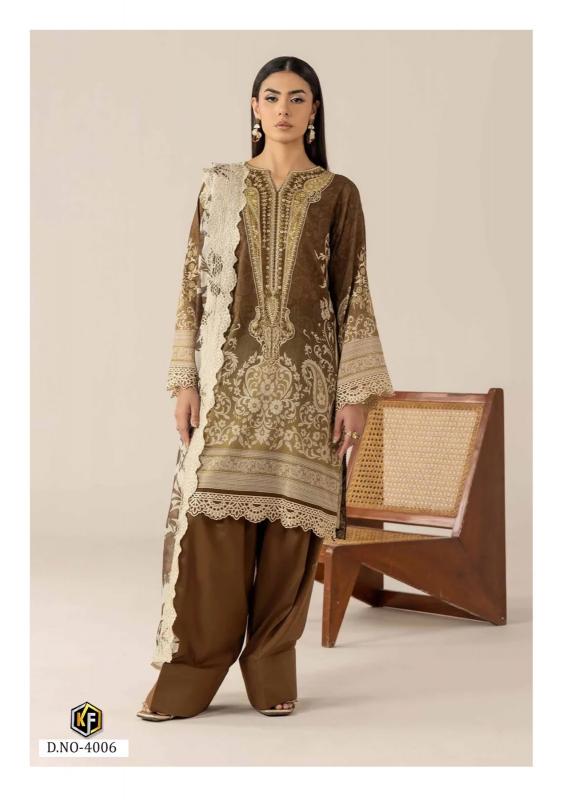
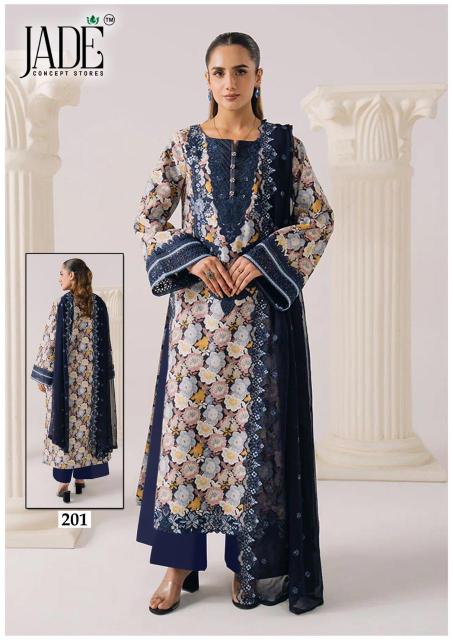
Pakistani-inspired suits have become an important category for retailers looking for elegant silhouettes, detailed embroidery and coordinated ethnic ensembles. They can be particularly suitable for boutiques targeting festive, occasion and premium customers.
The wholesale buyer should pay attention to fabric, embroidery quality, dupatta design, colour combination and overall finishing rather than evaluating the collection only from catalogue photographs.
Sarees for Different Customer Segments
Surat also offers significant variety for saree retailers. Depending on the target market, buyers may explore fancy sarees, printed sarees, soft silk styles, festive sarees, designer concepts and ready-to-wear options.
The right assortment depends heavily on regional preferences. A product performing strongly in one state may receive a different response elsewhere, so local customer knowledge should influence every wholesale order.
Dress Materials and Ethnic Sets
Dress materials continue to appeal to customers who prefer customised stitching. For boutiques that already work with tailoring services, this category can create additional opportunities because customers can personalise fit and styling.
Ethnic sets, Anarkali-inspired designs and occasion collections can then complement these core categories and create a more complete product range.
How Boutique Owners Source Stock from Surat Step by Step
Professional sourcing becomes easier when the buying process is divided into clear stages. Instead of purchasing based purely on visual attraction, successful retailers connect each buying decision with expected customer demand.
Step 1: Define the Boutique Customer
Before contacting any wholesale supplier, determine who actually shops from the boutique. Consider customer age, preferred price range, garment sizes, popular fabrics, favourite colours and the occasions for which customers normally purchase clothing.
A boutique catering to working professionals might require comfortable and understated products. A festive boutique may require embroidery, designer suits and premium ethnic wear. A Home-Based Seller selling through WhatsApp may prefer fast-moving affordable styles that are easy to demonstrate through catalogue images.
This simple customer definition prevents one of the biggest wholesale buying mistakes: purchasing what the owner personally likes rather than what customers are likely to buy.
Step 2: Fix a Wholesale Purchasing Budget
Every sourcing trip or online purchase should begin with a budget. Divide available capital among core products, experimental products and reserve funds for restocking successful designs.
For example, putting the entire budget into one premium collection creates greater inventory risk. Spreading investment across selected categories and price bands gives the retailer more opportunities to identify winning products.
Step 3: Compare Wholesale Price with Retail Potential
The cheapest garment does not automatically create the highest profit. Boutique Owners should compare the wholesale price with expected retail value.
Suppose two products have different wholesale costs. The more expensive product may still provide better commercial value if it has superior presentation, better fabric, stronger perceived value and a higher achievable retail price.
Therefore, the correct question is not simply, "What is your lowest rate?" A stronger question is, "Can my target customer comfortably buy this product at a profitable retail price?"
Step 4: Verify Quality Before Scaling Quantities
Product quality directly affects the boutique's reputation. Buyers should consider fabric feel, stitching, embroidery finishing, colour consistency, sizing and overall garment presentation.
When dealing with a new supplier or unfamiliar product category, controlled initial quantities can reduce risk. If customer response is positive, the retailer can consider repeat orders subject to stock availability.
Physical Surat Sourcing vs Online Wholesale Sourcing
Boutique Owners today can combine traditional market buying with online sourcing. Neither method needs to completely replace the other. The best approach depends on order size, location, experience and frequency of purchasing.
Advantages of Visiting Surat Personally
A physical visit allows buyers to touch fabrics, compare products directly and understand the variety available across different suppliers. It can be particularly useful for first-time buyers who want to understand market price levels and product differences.
Visiting the surat textile market, ring road and surrounding wholesale areas can also give retailers a clearer picture of current trends. Buyers can observe which categories are appearing repeatedly and how suppliers are positioning new-season collections.
Advantages of Online Wholesale Buying
Travelling for every inventory update is not practical for all retailers. A boutique located hundreds or thousands of kilometres away may need new products several times within a season.
Online wholesale sourcing allows buyers to browse collections remotely, compare designs and communicate about stock without repeatedly travelling to Surat. Wholesaleexport.in provides a digital sourcing option for businesses looking for women's fashion and ethnic-wear collections.
This model can be particularly useful for Resellers and Home-Based Sellers who operate with smaller teams and need to manage purchasing alongside sales, customer service and social media marketing.
How to Identify a Reliable Surat Wholesale Supplier
The supplier relationship can influence a boutique's growth almost as much as the products themselves. Retailers should therefore evaluate wholesalers using commercial criteria rather than attractive catalogue images alone.
Look for Consistency in Product Quality
A single good order does not prove long-term reliability. Boutique Owners should observe whether the supplier maintains reasonable consistency across different collections and repeat purchases.
Premium-looking catalogue photography is useful for marketing, but the actual garment should justify the customer's expectations. Consistency helps reduce complaints and protects the retailer's reputation.
Check How Frequently New Collections Arrive
Fashion retailers need fresh products. A supplier that regularly introduces new collections can help boutiques maintain customer interest without constantly searching for completely new sourcing channels.
Regular new arrivals are particularly important during festive and wedding seasons when customers expect stores to refresh inventory quickly.
Understand MOQ and Wholesale Terms
Before placing an order, buyers should understand the minimum order quantity, available size sets, colour combinations, catalogue terms, payment requirements and shipping arrangements.
A low product price can become less attractive if the required quantity is much larger than the retailer can realistically sell. Inventory quantity should always reflect business capacity.
Evaluate Communication and Support
Wholesale relationships involve more than placing an order. Buyers may need product information, stock confirmation, dispatch details and support regarding order conditions. Clear communication becomes particularly important for customers purchasing remotely.
For export buyers in markets such as the USA, Nepal and Australia, communication and accurate product information can be even more important because the buyer cannot conveniently visit the supplier for every transaction.
How Boutique Owners Decide Which Designs to Buy
Knowing how boutique owners source stock from Surat also means understanding how experienced buyers filter thousands of available designs. More choice does not automatically lead to better purchasing.
Start with Existing Sales Data
Retailers should identify their fastest-moving fabrics, colours, sizes and price ranges. Previous customer purchases provide stronger evidence than assumptions about what might sell.
If straight-cut kurti sets consistently outperform heavy festive designs, that information should influence the next purchase. Similarly, if larger sizes sell quickly, size availability becomes a critical sourcing criterion.
Watch Trends Without Overbuying Them
Fashion trends can create strong short-term opportunities, but retailers should avoid putting their entire budget into one viral design. Trends can change rapidly, leaving excess inventory behind.
A balanced boutique normally combines proven evergreen products with carefully selected trending styles.
Select Colours According to Season and Customer Base
Colour preferences can change with season, festivals and regional demand. Bright festive shades may perform strongly during celebration periods, while subtle colours can work well for office and everyday customers.
Rather than purchasing every available colour equally, retailers can use previous sales patterns to determine a practical assortment.
Why Stock Rotation Matters More Than Huge Inventory
A boutique filled with merchandise can look impressive, but excessive stock can weaken cash flow. The objective is to sell inventory and reinvest the capital, not simply accumulate garments.
Fast stock rotation allows retailers to bring in newer fashion more frequently. This gives regular customers a reason to return and reduces dependence on discounting old products.
Use Small Test Orders for New Categories
If a retailer has never sold a particular style, beginning with manageable quantities can provide valuable market feedback. Customer enquiries, trials and actual purchases can then guide the next order.
Keep Capital Available for Repeat Orders
When a design performs exceptionally well, the retailer should ideally have purchasing capacity available for replenishment. Spending the entire budget during the first sourcing round can make this difficult.
This is why disciplined cash-flow planning is one of the less visible but important parts of wholesale fashion sourcing.
Surat Sourcing Opportunities for Different Types of Sellers
Surat's wholesale ecosystem is not limited to large showrooms. Different types of fashion businesses can develop their own sourcing strategy according to budget, customer profile and sales channel.
Home-Based Sellers
Home-Based Sellers can focus on manageable quantities, clear product niches and collections that are easy to promote digitally. They may use WhatsApp, Instagram and personal customer networks rather than maintaining a physical store.
Shop Owners
Shop Owners generally require a balanced assortment of everyday and occasion products. Consistent replenishment and reliable price points can be more valuable than continuously experimenting with premium fashion.
Boutique Owners
Boutiques can differentiate through curated collections, distinctive styling and premium presentation. Instead of carrying every available design, they can select products that support a recognisable boutique identity.
Showroom Owners
Larger Showroom Owners may require broader category depth, size availability and greater quantities. They can combine high-volume commercial products with premium pieces to serve multiple customer segments.
Resellers and Wholesale Buyers
Resellers often prioritise catalogue quality, commercial pricing and products that can be promoted remotely. Larger Wholesale Buyers may focus more heavily on volume rates, continuity and broader assortment planning.
Understanding these differences is essential because the same wholesale collection is not equally suitable for every business model.
Once a retailer understands which categories, price points and customer segments are performing well, the next step is to build a sourcing system that can be repeated throughout the year. This is where supplier selection, inventory planning, digital sourcing and disciplined buying become especially important.
For buyers who cannot travel to Surat frequently, online sourcing can reduce the time required to discover fresh stock. Retailers can explore wholesale Pakistani suits when building a festive or occasion-wear section, while businesses planning to diversify beyond women's ethnic wear can also evaluate kids wear wholesale collections according to their customer demand.
How to Build a Profitable Product Mix
A strong boutique collection should not depend entirely on one product type. Even when one category is performing well, a thoughtful product mix can help the business serve customers across different budgets, occasions and seasons.
For example, a boutique may keep affordable everyday kurtis as a regular sales category, kurti sets and dress materials in the mid-range segment, and designer suits or premium ethnic wear for higher-value purchases. This creates multiple opportunities to convert customers without forcing every shopper into the same price bracket.
Keep Core Fast-Moving Products
Core inventory includes products that customers purchase throughout much of the year. Depending on the market, this may include cotton kurtis, rayon kurtis, printed kurti sets, simple dress materials, daily-wear sarees and comfortable ethnic sets.
These products may not always create the highest profit on an individual piece, but consistent rotation can make them commercially valuable. Regular sales also provide cash flow that can be reinvested into new stock.
Add Trend-Led Collections Carefully
Trendy ethnic wear can generate excitement and bring customers back to see what is new. In 2026, retailers should monitor changes in silhouettes, colour combinations, embroidery, printed designs and coordinated sets rather than relying entirely on the previous year's bestsellers.
However, trend-based buying requires discipline. Instead of purchasing large quantities immediately, boutiques can test selected designs and expand only when actual customer response supports the decision.
Maintain a Premium Occasion-Wear Segment
Festivals, weddings and family functions create demand for garments with stronger visual impact. Designer suits, embroidered collections, premium sarees and festive ethnic sets can provide higher ticket values when they match the expectations of the boutique's customers.
Premium does not simply mean expensive. Fabric quality, detailing, colour coordination, finishing and presentation must collectively justify the retail value.
Wholesale Price vs Actual Business Cost
One of the most important lessons in understanding how boutique owners source stock from Surat is that wholesale price is only one component of inventory cost. A retailer should calculate the realistic landed cost before deciding the final selling price.
The buying calculation may include product cost, applicable taxes, transportation, packaging and other operational expenses. For international export orders, logistics and destination-related costs may also affect the final commercial calculation.
Do Not Select Suppliers Only by Lowest Price
Two suppliers may quote different prices for products that appear similar in photographs. Differences may come from fabric quality, stitching, embellishment, finishing or production standards.
If a slightly higher wholesale cost results in better customer satisfaction and fewer quality complaints, it can be more profitable over time than repeatedly purchasing the cheapest available product.
Calculate the Expected Retail Margin
Boutique Owners should know approximately what their customers are willing to pay before purchasing inventory. If a garment's landed cost leaves insufficient room for operating expenses and profit, the collection may not be commercially suitable even if it looks attractive.
Retail pricing should also remain realistic for the local market. A successful sourcing strategy creates room for profit without making the final selling price unreasonable for the target customer.
Seasonal Buying Strategy for Boutique Owners
Fashion demand changes throughout the year. A retailer who buys the same inventory mix every month may miss seasonal opportunities or accumulate unnecessary stock.
Festival Collections
Festival periods can increase demand for embroidered suits, festive kurtis, sarees, Anarkali styles and other occasion-focused ethnic wear. Retailers should plan sufficiently early so that products arrive before customers begin active festival shopping.
Waiting until demand reaches its peak can limit design availability and reduce the time available to sell the collection.
Wedding Season Inventory
Wedding customers often look for stronger colours, richer fabrics and distinctive styling. Depending on the boutique's positioning, wedding-season stock may include premium sarees, Pakistani suits, designer dress materials, embroidered kurti sets and festive ensembles.
Rather than purchasing only expensive products, maintaining several price bands can help serve family members with different budgets.
Summer and Daily-Wear Stock
Comfort becomes especially important during warmer months. Lightweight fabrics, breathable kurtis, practical sets and easy-to-maintain clothing can perform well for everyday customers.
This is another reason a retailer's sourcing calendar should include both fashion-led and utility-led inventory.
Why Digital Sourcing Is Important for Buyers Outside Surat
For a retailer located outside Gujarat, repeated travel to the surat textile market may not be economical. Travel expenses, accommodation and time away from the store can add indirect costs to every buying trip.
Digital sourcing provides another route. Platforms such as Wholesaleexport.in can help buyers discover product categories and review collections remotely. This can be useful for retailers in India as well as businesses serving overseas ethnic-fashion customers.
Sourcing for Nepal
Nepal has an established customer base for Indian ethnic fashion. Boutique buyers may evaluate kurtis, sarees, dress materials, festive suits and other women's wear according to local preferences and retail price expectations.
For cross-border orders, buyers should understand current shipping, customs, taxes and import requirements applicable to their transaction rather than calculating profitability only from the garment's wholesale rate.
Sourcing for Australia
Indian communities in Australia create opportunities for ethnic-wear boutiques, particularly around festivals, weddings and cultural events. Retailers may build assortments around sarees, designer suits, kurti sets and occasion wear.
Because international freight contributes to landed cost, Australian retailers should carefully select quantities and products with sufficient retail potential.
Sourcing for the USA
The USA also offers opportunities for Indian fashion boutiques and online ethnic-wear businesses. Buyers serving this market may require a combination of traditional garments and contemporary Indian silhouettes.
International buyers should evaluate sizing, product descriptions, quality consistency and logistics carefully. These details become increasingly important when customers are located far from the original sourcing market.
Role of Manufacturing and Supplier Networks
Surat's strength does not come from a single market building or supplier. Its broader ecosystem includes textile processing, fabric distribution, garment manufacturing, wholesalers, traders and associated services.
This ecosystem gives wholesale buyers access to extensive product diversity. At the same time, it means buyers need a reliable filtering process because not every product or supplier will match their business.
Manufacturers vs Multi-Brand Wholesalers
Buying from a manufacturer can be useful when the retailer wants deeper quantities within a particular style or product line. A multi-brand wholesale source can be useful when the retailer wants greater variety without establishing separate relationships with numerous suppliers.
There is no universally superior model. The right choice depends on order volume, category requirements, budget and how frequently the boutique needs new designs.
Why Industry Experience Matters
Experience becomes valuable in fashion wholesale because trends, fabrics, production standards and customer expectations continuously change. Vastralife has been involved in wholesale and export activities since 2017, building industry experience around sourcing and supplying fashion products.
For buyers, an experienced sourcing network can make product discovery more efficient, especially when they are searching for a combination of commercial pricing, current designs and premium product quality.
Common Mistakes Boutique Owners Should Avoid
Successful buying is often less about finding a secret product and more about avoiding expensive inventory mistakes.
Buying Too Much of One Design
A design may look outstanding in a catalogue but still receive an average response in a particular local market. New products should therefore be evaluated according to actual customer demand before quantities are increased significantly.
Ignoring Size Demand
A beautiful collection cannot generate its full sales potential if the boutique repeatedly lacks the sizes customers need. Retailers should maintain records of size enquiries and completed sales so future purchases reflect real demand.
Following Trends Without Knowing the Customer
Social media can make a design appear universally popular, but a viral product is not automatically suitable for every boutique. Customer age, spending capacity, climate, regional preferences and wearing occasions should influence buying decisions.
Overlooking Quality for a Lower Rate
Extremely aggressive purchasing based solely on price can damage repeat business if customers are disappointed with fabric or finishing. Sustainable boutique growth depends heavily on trust.
Using the Entire Budget at Once
Holding some purchasing capital in reserve allows the retailer to respond to unexpected bestsellers and new arrivals. Inventory flexibility is particularly valuable in fast-changing fashion categories.
Internal Linking and Product Discovery
Online product discovery works best when buyers explore categories according to their actual business plan. Instead of browsing randomly, start with the customer segment, establish the target price range and then compare relevant wholesale collections.
Wholesaleexport.in can be used to explore multiple wholesale fashion categories for boutiques, shops, showrooms, resellers and other wholesale businesses. Buyers can evaluate new arrivals according to their target audience and planned inventory investment.
When building a collection, consider whether each product has a clear role: daily wear, office wear, festive wear, wedding wear, premium ethnic wear, budget fashion or trend-led fashion. This makes wholesale purchasing more structured and can simplify merchandising after stock arrives.
Customer FAQs
1. How do boutique owners source stock from Surat?
Boutique owners can visit Surat's wholesale textile markets personally or source through online wholesale channels. The process generally includes identifying customer demand, selecting categories, comparing price and quality, understanding MOQ and order terms, and purchasing quantities appropriate for the boutique's sales capacity.
2. Which products are popular for boutique sourcing from Surat?
Common categories include kurtis, kurti sets, sarees, dress materials, Pakistani suits, designer ethnic wear, festive collections and other women's clothing. The most suitable products depend on the retailer's target customers and regional demand.
3. Is Surat suitable for small Home-Based Sellers?
Yes. Home-Based Sellers can source products according to their budget and selling model. Smaller businesses should focus on controlled inventory, clear customer targeting and products that can be promoted effectively through digital channels.
4. What should I check before choosing a wholesale supplier?
Check product quality, wholesale price, minimum quantity, available sizes, catalogue conditions, payment terms, dispatch arrangements, communication and the frequency of new collections. For larger orders, understanding these details before purchasing can reduce avoidable problems.
5. Can overseas boutiques source ethnic wear from Surat?
Yes, subject to supplier availability, shipping feasibility and applicable import requirements. Retailers in markets such as Nepal, Australia and the USA may source Indian ethnic wear for their customers. Buyers should calculate the complete landed cost before setting retail prices.
6. Where are the major textile wholesale areas in Surat?
The ring road textile belt is one of Surat's well-known commercial areas, and sahara darwaza is another commonly recognised location connected with textile trade. Buyers unfamiliar with the city should plan suppliers and appointments before travelling rather than trying to cover the entire market without preparation.
7. How much stock should a new boutique purchase?
There is no single ideal quantity. A new retailer should consider available capital, customer base, expected monthly sales and supplier MOQ. Testing several carefully selected products can be safer than putting most of the initial budget into one design.
8. How can a boutique improve profit from wholesale stock?
Profitability can improve through better purchasing decisions, faster stock rotation, sensible retail pricing, controlled expenses and repeat ordering of proven sellers. Product presentation, customer service and digital marketing also influence the final return on inventory.
Source Your Next Boutique Collection with Wholesaleexport.in
Finding the right stock is easier when your sourcing strategy combines fashion demand with commercial discipline. Whether you are a Home-Based Seller beginning with a focused collection, a Boutique Owner looking for distinctive designs, a Shop Owner replenishing fast-moving inventory, or a Wholesale Buyer planning larger quantities, the objective remains the same: purchase products your customers want at a cost that leaves room for sustainable business growth.
Explore Wholesaleexport.in for wholesale fashion sourcing and product discovery. Buyers can look for fresh designs and business-oriented collections while planning inventory according to their own market and customer requirements.
- Latest Collections – Explore regularly updated fashion and ethnic-wear options.
- Wholesale Pricing – Source products with business-focused wholesale purchasing in mind.
- Trendy Ethnic Wear – Discover styles suitable for boutiques, shops and reselling businesses.
- Fast Shipping – Get orders dispatched efficiently according to applicable order and delivery conditions.
- COD Support – Available for eligible orders according to applicable terms.
- Bulk Order Deals – Discuss requirements for larger wholesale purchases.
- Quality Products Starting From ₹299 – Explore value-focused products across available collections.
For product enquiries, wholesale requirements and current collection details, contact +91 9712582172 or visit wholesaleexport.in. Build your inventory around products that match your customers, maintain healthy stock rotation and use Surat's extensive textile ecosystem to keep your boutique fresh, competitive and ready for the opportunities of 2026.