



High Profit Margin Kurti Business Ideas for Resellers & Boutique Owners in 2026
High Profit Margin Kurti Business Ideas for Resellers & Boutique Owners in 2026
Starting or expanding a kurti business can be a practical way to enter India's growing ethnic fashion market without building a large manufacturing setup of your own. The real opportunity, however, comes from selecting products intelligently, controlling inventory, understanding customer demand and creating enough value to sell beyond a basic cost-plus-price model. From home-based WhatsApp selling to specialised boutiques and online stores, there are several ways to build a kurti business around manageable investment and healthy retail margins.
Introduction
Women's ethnic wear has a broad customer base because it serves everyday dressing, office wear, college fashion, festive occasions, family functions and gifting. Kurtis are especially flexible because sellers can work with standalone kurtis, kurti pant sets, three-piece sets, designer styles, printed collections, plus sizes and seasonal fashion.
For entrepreneurs searching for high profit margin kurti business ideas, the first lesson is simple: profit does not come only from finding the lowest wholesale price. Sustainable margins depend on the difference between your total landed cost and the value customers believe the product offers.
A kurti purchased cheaply but left unsold for months can be less profitable than a slightly higher-priced product that sells quickly and generates repeat orders. Successful Home-Based Sellers, Shop Owners, Boutique Owners, Showroom Owners and Resellers therefore need to think about inventory rotation, customer segment, product presentation and sourcing together.
In 2026, digital wholesale sourcing has also made it easier for businesses outside major textile hubs to explore fresh collections. Wholesaleexport.in gives wholesale buyers access to women's fashion categories, while Surat remains one of India's important textile sourcing ecosystems.
Vastralife's wholesale and export experience since 2017 brings practical industry expertise to this space, with an emphasis on understanding buyer requirements and sourcing premium product quality for different retail segments.
Understanding Profit Margin in a Kurti Business
Before choosing a business model, understand what margin actually means. Your wholesale purchase cost is only one part of your total expense. Shipping, packaging, applicable taxes, advertising, marketplace fees, payment charges, returns and operating expenses may all influence the real cost of selling a kurti.
Calculate Landed Cost Before Setting Retail Price
Suppose you source an attractive kurti at a competitive wholesale price. Before deciding what to charge your customer, add every cost required to bring that product into saleable inventory.
This calculation becomes even more important for online sellers using paid advertising or marketplaces where additional commissions may apply. International sellers also need to consider freight and destination-related expenses.
Margin and Inventory Rotation Work Together
A high percentage margin looks attractive, but inventory turnover matters too. If one product generates a moderate margin and sells repeatedly while another has a higher theoretical margin but barely moves, the first product may produce more useful business profit over time.
That is why the strongest kurti business ideas combine sensible margins with products that match genuine customer demand.
1. Start a Home-Based Kurti Reselling Business
A home-based model can be one of the most accessible ways to begin. You do not necessarily need the overhead of a traditional showroom. Products can be marketed through WhatsApp, Instagram, Facebook and an existing personal customer network.
The key is to begin with a focused collection instead of purchasing too many unrelated designs.
Choose a Specific Customer Segment
You might focus on affordable everyday kurtis, office wear, premium kurti sets, plus-size fashion or festive ethnic wear. A clearly defined category can make your marketing more effective because customers understand what type of products they can expect from you.
Use Small Inventory Cycles
New Home-Based Sellers can protect working capital by testing selected products before increasing stock. Record which colours, sizes, fabrics and price points receive actual orders rather than relying only on likes and enquiries.
As sales data develops, reinvest in the categories that consistently move faster.
2. Build a WhatsApp Kurti Selling Business
WhatsApp can be useful for fashion reselling because customers can view product images, videos, prices and new-arrival updates directly. Sellers can organise regular customers into appropriate broadcast lists or communities while avoiding excessive promotional messaging.
Presentation Can Improve Perceived Value
Do not simply forward hundreds of catalogue images without context. Select the strongest designs and provide useful details such as fabric, available sizes, set contents and selling price.
A curated presentation can make a small business feel more professional and help customers make decisions faster.
Create New Arrival Drops
Instead of sending products randomly throughout the day, sellers can create organised new-arrival drops. For example, one launch may focus on office wear while another features festive kurti sets.
This approach can build anticipation and make the collection easier for customers to browse.
3. Sell Kurti Pant Sets as Complete Looks
Standalone kurtis remain important, but coordinated outfits can create a stronger value proposition. Kurti pant sets wholesale products give customers a ready combination and reduce the need to find matching bottoms separately.
This category can work for office customers, everyday wear, travel, casual events and gifting.
Complete Outfits Can Support Higher Order Values
Because the customer receives more than one garment, a coordinated set naturally occupies a different retail position from a basic kurti. Retailers can use this to build mid-range collections that sit between entry-level everyday products and premium festive outfits.
Focus on Practical Combinations
Choose combinations customers can genuinely wear. Attractive catalogue photography may create the first enquiry, but fabric comfort, colour coordination, fitting and overall usability influence whether the customer becomes a repeat buyer.
4. Create a Three-Piece Kurti Set Business
Kurti, pant and dupatta sets can provide another commercially interesting category. The dupatta adds a stronger ethnic character and can make the outfit suitable for semi-festive occasions, family gatherings and gifting.
For Boutique Owners, three-piece sets can create an important bridge between regular ethnic wear and heavier occasion clothing.
Use the Dupatta as a Selling Feature
Customers should be able to see why the complete set offers additional value. Contrasting dupattas, woven designs, attractive prints or suitable decorative details can strengthen the overall presentation.
Good photographs and short product videos are particularly useful when selling these collections online.
5. Focus on Office Wear Kurtis
Office wear offers the advantage of year-round relevance. Working customers need comfortable clothing repeatedly, creating an opportunity for sellers who can offer wearable designs instead of depending entirely on festival seasons.
Office-focused collections may include straight kurtis, cotton styles, rayon products, subtle prints and coordinated two-piece sets.
Build Repeat Business Instead of One-Time Sales
A customer who likes the fabric, fitting and value of one office kurti may return for additional colours and designs. This makes consistency particularly important.
Retailers can maintain familiar silhouettes while regularly introducing new prints and colour combinations.
6. Develop an Affordable Daily-Wear Kurti Segment
Affordable fashion can generate volume when the products suit the local market. Daily-wear kurtis are relevant for customers who want comfortable clothing for regular use and prefer purchasing multiple pieces rather than one expensive outfit.
This category can be useful for neighbourhood stores, Home-Based Sellers and Resellers targeting price-conscious customers.
Do Not Compete Only on Lowest Price
A common mistake is assuming that being cheaper than every competitor guarantees success. Excessive price competition can reduce the money available for service, packaging, marketing and future inventory.
Instead, compete through a combination of sensible pricing, attractive selection, trustworthy communication and convenient buying.
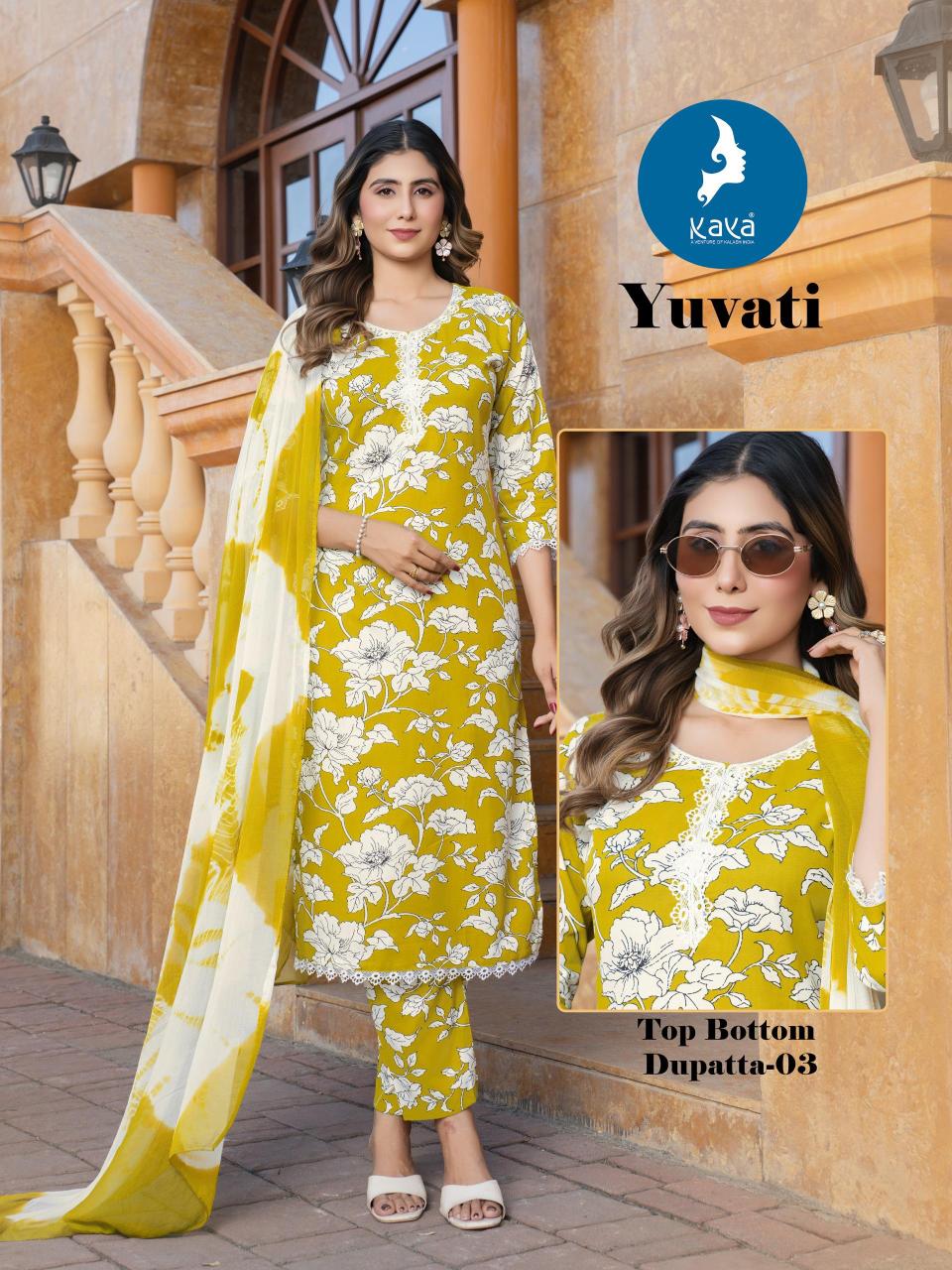
7. Build a Premium Designer Kurti Boutique
One of the more interesting high profit margin kurti business ideas is to build a curated premium collection rather than competing entirely in the budget segment. Designer kurtis can include distinctive cuts, premium-looking fabrics, embroidery, statement necklines, coordinated styling and fashion-forward silhouettes.
The objective is not simply to increase the retail price. Customers need to perceive enough design, quality and exclusivity to justify the positioning.
Curate Instead of Overloading Your Collection
Premium boutiques benefit from selection. Twenty carefully chosen designs can sometimes create a stronger identity than hundreds of products with no consistent customer profile.
Think about colour stories, styling occasions and customer age groups when building each collection.
Create Better Product Content
Premium merchandise deserves strong presentation. Use clear photographs, fabric close-ups, styling videos and accurate descriptions. If customers are purchasing online, these elements help replace some of the information they would normally gain by touching and examining the product in a physical store.
8. Explore Plus-Size Kurti Business Opportunities
Extended-size fashion can be a valuable niche for sellers who see genuine demand in their market. Customers looking for larger sizes still expect modern designs, comfortable fabrics and attractive colour options.
Avoid Treating Plus Sizes as Leftover Inventory
A serious plus-size category should have deliberate product selection. Include fashionable options alongside practical everyday styles rather than offering only a few basic designs.
Track Size-Wise Demand
Do not assume all extended sizes sell equally. Maintain records of which sizes move fastest and purchase future stock accordingly.
9. Build a Festival-Focused Kurti Business
Indian festivals create strong fashion-buying occasions, but seasonal inventory requires careful planning. Navratri, Diwali, Raksha Bandhan and other celebrations can support demand for embroidered kurtis, three-piece sets, bright colours and more decorative ethnic outfits.
Retailers should purchase early enough to photograph, promote and sell the collection before peak demand passes.
Combine Festive and Re-Wearable Styles
Not every customer wants an outfit that can only be worn once. Products that feel festive but remain suitable for later family events can offer stronger value and may be easier to sell.
10. Create a Social Media Kurti Store
Instagram and other social platforms allow sellers to turn fashion products into visual content. Instead of posting only static catalogues, retailers can use styling videos, new-arrival reels, fabric details, size explanations and collection showcases.
Content Should Answer Buying Questions
Show customers what they actually want to know: How does the outfit look? What comes in the set? Which sizes are available? Is it suitable for office or festive wear? What type of fabric is used?
Useful content can attract more commercially relevant enquiries than generic promotional posts.
Why Surat Is Important for a Profitable Kurti Business
Product sourcing strongly influences margins, and Surat offers access to a broad textile ecosystem. The surat textile market connects fabrics, processors, traders, wholesalers and apparel businesses across numerous women's fashion categories.
The textile markets around ring road, together with the broader trading areas near sahara darwaza, form an important part of Surat's wholesale fashion landscape.
Manufacturing Ecosystem Supports Variety
Surat's manufacturing and textile network enables frequent introductions of fabrics, prints, styles and fashion collections. This gives wholesale buyers opportunities to refresh inventory throughout the year.
The advantage for a retailer is not simply having more products available. The real commercial benefit comes from identifying products that suit a specific customer base before competitors saturate the same designs.
Digital Sourcing Makes Surat More Accessible
Not every Shop Owner or Reseller can travel to Surat for every buying cycle. Wholesaleexport.in provides a digital route for exploring women's fashion collections and sourcing opportunities.
This can be particularly useful for businesses outside Gujarat as well as international buyers who need access to Indian ethnic fashion without making repeated physical sourcing trips.
How to Select Wholesale Kurtis for Better Margins
Buying at wholesale rates is only the beginning. A profitable buyer examines the complete commercial potential of each collection.
Check Customer Demand Before Buying
Review previous sales, customer enquiries and seasonal requirements. If your audience repeatedly purchases simple office wear, allocating most of the budget to heavy festive styles creates unnecessary inventory risk.
Compare Value, Not Only Cost
A slightly higher wholesale cost may be worthwhile when a product offers better presentation, desirable styling or stronger retail potential. Evaluate what customers are likely to pay rather than focusing exclusively on the purchase rate.
Choose the Right Size Mix
Size-wise planning can substantially affect inventory rotation. Track your strongest sizes and use that information for future wholesale orders.
Avoid Excessive Stock in One Design
Unless demand is already proven, spreading the purchasing budget across carefully selected designs can reduce concentration risk. Once a design demonstrates consistent sales, quantities can be increased where stock availability allows.
Vastralife's Wholesale and Export Experience Since 2017
Experience matters in textile sourcing because different businesses require different product strategies. A new Home-Based Seller may need affordable fast-moving products, while an established Boutique Owner may be searching for premium designer collections. Wholesale Buyers and international businesses have additional requirements related to quantities and logistics.
Vastralife has been involved in wholesale and export business since 2017, bringing industry expertise and practical understanding of textile sourcing, product categories and buyer requirements.
The focus on premium product quality, changing fashion demand and commercially relevant collections helps buyers evaluate products according to their own retail positioning.
International Opportunities for Kurti Sellers
A kurti business does not necessarily need to remain limited to the Indian domestic market. Indian ethnic wear can also be relevant for retailers serving South Asian communities internationally.
For this business model, sellers can explore markets such as USA, Australia and Malaysia, depending on customer demand and applicable import requirements.
USA Ethnic Fashion Market
Boutiques serving Indian communities can build collections around festivals, cultural gatherings, weddings, office wear and everyday ethnic fashion. Lightweight kurti sets can also be easier to position for customers seeking wearable Indian clothing.
Australia Boutique Opportunities
Retailers can focus on curated collections instead of trying to carry every category. Festive sets, contemporary kurtis and comfortable everyday designs can serve different customer occasions.
Malaysia Reselling Opportunities
Indian ethnic fashion can be relevant to retailers serving customers interested in kurtis, sets and occasion wear. Product selection should reflect local climate, customer preferences and target retail price.
Before beginning any international business, calculate freight, applicable duties, taxes and other destination expenses so the final landed cost leaves enough room for a sustainable margin.
Building a Kurti Business That Can Scale in 2026
The most sustainable high profit margin kurti business ideas are those that can grow without creating uncontrolled inventory. A seller who begins with 20 carefully chosen products and learns from every sale can build a stronger foundation than someone who purchases hundreds of pieces without understanding customer demand.
Track sales by category, design, size, price range and season. Record which products generate repeat orders and which ones require discounts to clear. This information gradually becomes one of the most valuable assets in your business.
Reinvest in Proven Categories
When a category consistently performs well, allocate more capital to it while continuing to test a limited number of new products. This creates growth without abandoning the flexibility needed in fashion retail.
Build Customer Trust Alongside Margin
Profit should not come from misleading product descriptions or unrealistic promises. Accurate communication, clear product information and dependable service can encourage repeat business, which is often more valuable than maximising profit on a single transaction.
For buyers exploring Wholesaleexport.in, the objective should be to use wholesale access as the foundation for a retail strategy built around customer understanding, disciplined pricing and regular inventory analysis.
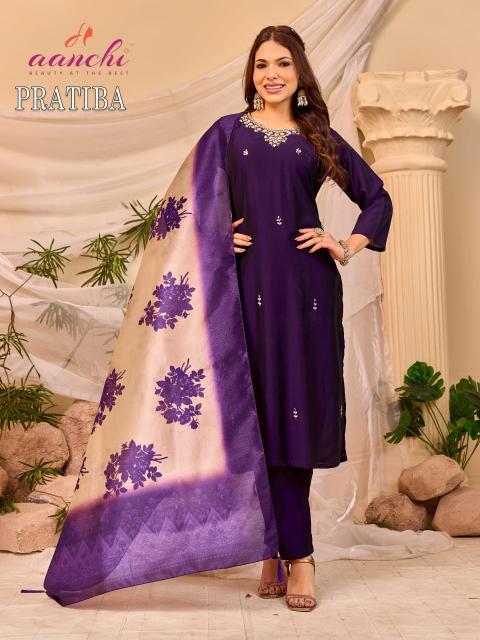
Smart Product Mix for Higher Kurti Business Profit
A profitable kurti store should rarely depend on a single category. Customers have different budgets, occasions and fashion preferences, so a balanced inventory can help a seller capture more demand without becoming dependent on one trend. The goal is to create a product mix where affordable items generate regular sales while premium collections improve average order value and overall margin.
For example, a Boutique Owner can maintain daily-wear kurtis as a dependable base category, add kurti pant sets for customers looking for complete outfits and keep selected festive or designer pieces for higher-value purchases. This approach can also work for Showroom Owners, online sellers and Home-Based Sellers.
Entry-Level Kurtis for Regular Sales
Affordable cotton, rayon and printed kurtis can attract customers who purchase ethnic wear regularly. These products can help generate repeat transactions and introduce new customers to your store. Entry-level inventory should still meet acceptable standards for stitching, fabric feel and finishing because poor quality can quickly damage customer trust.
Mid-Range Kurti Sets for Better Order Value
Two-piece sets offer an easy way to move customers from basic kurtis into a higher-value purchase. Buyers receive a coordinated outfit, while retailers can potentially achieve a better rupee margin per transaction. Sellers exploring kurti pant sets can use this category for office wear, casual outings and everyday ethnic styling.
Add Complementary Fashion Categories
Once a seller develops a stable kurti customer base, carefully selected complementary categories can increase cross-selling opportunities. For example, a family-focused retailer may explore kids wear wholesale collections alongside women's ethnic fashion rather than relying on a single product segment throughout the year.
How to Set the Right Retail Price
Pricing is one of the most important parts of any high profit margin kurti business. Setting prices too low can make sales look impressive while leaving very little actual profit. Setting them too high without offering additional value can reduce conversions.
Start with your landed cost. Include the wholesale purchase rate, transportation, packaging, payment charges, advertising expenditure and other applicable expenses. Then calculate the margin required to operate the business sustainably.
Use Different Margins for Different Categories
There is no requirement for every product to carry exactly the same margin percentage. Highly competitive everyday kurtis may need sharper pricing, while exclusive designer products can sometimes support stronger margins because direct comparisons are more difficult.
A seller may also accept a smaller margin on selected fast-moving items when they encourage repeat purchases or help acquire new customers. The important figure is the profitability of the complete business, not just the margin of one product.
Avoid Random Discounting
Frequent discounts can train customers to wait rather than buy at the regular selling price. Use promotions strategically for stock clearance, seasonal campaigns, customer acquisition or bulk orders instead of reducing prices without a purpose.
Reduce Unsold Inventory to Protect Your Margin
Dead stock is one of the biggest hidden costs in fashion retail. A product sitting unsold for months ties up working capital that could have been invested in newer collections.
Smart inventory management is therefore as important as finding a good wholesale rate.
Follow the Test, Sell and Reorder Method
When possible, begin new categories with controlled quantities. Observe actual customer response, identify fast-moving sizes and colours, and then increase purchasing based on proven demand.
This approach is particularly useful for new Resellers because social-media engagement does not always translate into sales. A product receiving many likes may still perform poorly commercially.
Track Inventory Age
Create a simple system that tells you how long each collection has remained in stock. Products that are not moving should be identified early rather than discovered after an entire season has passed.
Slow inventory can be promoted through bundles, targeted customer offers or sensible clearance campaigns. The purpose is to release capital for newer merchandise.
Use Bundling to Increase Average Order Value
Bundling can improve profitability without simply increasing the price of individual products. A seller can offer combinations based on genuine customer needs, such as two office kurtis, a festive and daily-wear combination or multiple pieces for repeat customers.
Create Quantity-Based Offers Carefully
Instead of giving a large discount on one piece, a seller can provide better value when a customer purchases multiple items. This can increase the total contribution earned from each order while also moving inventory faster.
Use Bundles for Home-Based Selling
Home-Based Sellers can create simple WhatsApp offers such as workwear selections, festive edits or family shopping combinations. Clear themes make bundles easier to understand and promote.
How Boutique Owners Can Create Higher Perceived Value
Boutique profitability is not determined solely by the garment itself. The overall buying experience influences what customers are comfortable paying.
A curated selection, attractive packaging, styling assistance, clear size guidance, fast responses and dependable after-sales communication can differentiate a boutique from sellers competing purely on price.
Sell a Style Solution, Not Just a Kurti
Instead of saying, “This kurti costs ₹X,” explain the occasion and styling possibilities. Show whether it works for office wear, festive gatherings, travel or everyday use. Customers often respond better when they can visualise how a garment fits into their lifestyle.
Create Collection Themes
A boutique can introduce collections such as “Workwear Edit,” “Weekend Ethnic,” “Festive Celebration,” “Summer Cotton Collection” or “Premium Designer Edit.” This gives marketing content more structure and makes new launches feel intentional.
Online Kurti Business Ideas for Resellers
Online selling provides several routes for entrepreneurs who do not want the fixed costs of a physical store. Instagram, Facebook, WhatsApp and an independent ecommerce website can all play different roles in the sales journey.
Instagram Reels for Product Discovery
Short videos can showcase fabric movement, complete outfit styling, colours and design details more effectively than a single image. Add accurate captions with sizes, product type and buying instructions so interested customers know the next step.
WhatsApp for Repeat Customers
Once a customer has purchased and agreed to receive updates, WhatsApp can be effective for new arrivals and personalised recommendations. Avoid sending an overwhelming number of unrelated catalogues.
Your Own Website for Long-Term Brand Building
An independent online store can help organise collections and create a more scalable shopping experience. However, sellers should remember that a website alone does not guarantee orders. Traffic generation, product presentation, customer service and trust-building remain essential.
Wholesale Sourcing Strategy for 2026
Wholesale sourcing should be treated as an ongoing business process rather than a one-time search for the cheapest supplier. Fashion demand changes quickly, and a reliable sourcing system needs access to regular new arrivals, commercially suitable designs and different price ranges.
Wholesaleexport.in can help Wholesale Buyers explore ethnic fashion collections while building a purchasing strategy suited to their own customer segment.
Ask the Right Questions Before Ordering
Confirm product details, available sizes, set contents, fabric information, quantity requirements, dispatch conditions and relevant policies before finalising a wholesale purchase.
For businesses planning large orders, samples or smaller test quantities may be useful where available and commercially practical.
Evaluate Supplier Consistency
A supplier relationship becomes more valuable when product information, communication and fulfilment remain dependable over repeated orders. Retailers should judge suppliers over time rather than making decisions from a single attractive catalogue.
How Export Buyers Can Build a Kurti Business
International ethnic-wear retailers need to think beyond the Indian wholesale price. Freight, duties, local taxes, currency movements and destination delivery expenses influence the final landed cost.
Buyers serving the USA, Australia and Malaysia can choose collections according to local Indian and South Asian customer preferences, seasonal events and climate.
Focus on Products That Justify International Freight
Shipping cost can reduce margins on low-value products, particularly with small consignments. International retailers should therefore calculate the landed cost per piece before selecting a retail price.
Products with strong visual appeal, useful sizing, appropriate fabrics and a clear retail position can make more commercial sense than buying only because an item appears inexpensive in India.
Plan Around Festivals and Cultural Events
International retailers often need to order earlier than domestic sellers because transit time must be considered. Planning festive inventory well in advance gives enough time for shipment, photography, promotion and customer sales before the occasion arrives.
Internal Linking and Product Discovery
Customers researching wholesale fashion usually compare several factors before purchasing: style, fabric, size availability, quantity requirements, wholesale rate and shipping feasibility. A well-organised product discovery process helps buyers move from general research toward categories that match their retail audience.
When browsing Wholesaleexport.in, buyers should compare collections according to their target selling price rather than purchasing simply because a catalogue is new. A product becomes commercially useful when its style, cost and customer demand align.
For Shop Owners and Boutique Owners, it is also useful to separate buying budgets into core inventory, trend-based products and experimental collections. Core inventory supports regular sales, trend products keep the store fresh, and experimental purchases allow the business to test emerging demand without excessive risk.
Common Mistakes That Reduce Kurti Business Profit
Buying Too Much Stock at the Beginning
New sellers sometimes purchase large quantities because the per-piece wholesale rate appears attractive. If customer demand has not been tested, the saving can disappear when products remain unsold.
Copying Competitors Without Understanding Your Customer
A collection selling successfully for another boutique may not necessarily suit your audience. Location, customer age, purchasing power, fashion preferences and selling channel all influence demand.
Ignoring Product Photography
Online customers make decisions visually. Poor lighting, unclear images or incomplete product information can reduce conversion even when the actual garment is good.
Mixing Personal and Business Money
Keep clear records of purchases, sales, advertising expenses, shipping and other costs. Without basic accounting, a seller can mistake cash flow for profit.
Depending on One Sales Channel
A business relying entirely on one social platform becomes vulnerable to algorithm changes or account issues. Building customer relationships across appropriate channels can create greater stability.
Customer FAQs
1. Is the kurti business profitable in 2026?
It can be profitable when the seller selects the right customer segment, sources at commercially workable rates, controls inventory and maintains sensible retail margins. Profitability varies by product, operating costs, selling channel and demand, so there is no single guaranteed margin for every kurti business.
2. How can I start a kurti business from home?
You can begin by defining a customer segment, selecting a manageable range of wholesale products and selling through channels such as WhatsApp and Instagram. Start with controlled inventory, track customer response and reinvest in products that generate actual sales.
3. Which kurtis are best for reselling?
Daily-wear kurtis, office styles, kurti pant sets, three-piece sets, designer kurtis, plus-size products and festive collections can all work. The best category depends on your customers' budget, age group, location and fashion preferences.
4. Where can boutique owners source wholesale kurtis?
Surat is a major textile sourcing centre with wholesale and manufacturing networks around areas such as the surat textile market, ring road and sahara darwaza. Buyers who prefer digital sourcing can also explore collections through Wholesaleexport.in.
5. How should I calculate my kurti selling price?
Calculate the complete landed cost, including product cost, shipping, packaging, applicable taxes, payment charges, advertising and other operating expenses. Then add a commercially sustainable margin based on your market position and customer expectations.
6. Can I sell Indian kurtis internationally?
Yes, subject to applicable trade, shipping and destination-country requirements. Retailers serving markets such as the USA, Australia and Malaysia can source Indian ethnic wear for their customers, but freight, duties and other landed-cost components should be calculated before setting retail prices.
7. Should a new seller start with cheap kurtis or premium collections?
A balanced approach is often more practical. Affordable products can generate regular transactions, while selected premium styles can provide higher-value sales. Test customer demand before investing heavily in either segment.
Strong CTA: Start Building Your Kurti Business with Wholesaleexport.in
If you are planning to start a home-based reselling business, expand your boutique, refresh your showroom inventory or source products for wholesale requirements, explore collections that fit your customers rather than simply chasing the lowest rate.
With Vastralife's wholesale and export experience since 2017, industry expertise and focus on premium product quality, buyers can explore sourcing opportunities designed for different retail and wholesale segments.
What You Get with Wholesaleexport.in:
- Latest Collections with regularly updated fashion options
- Wholesale Pricing for business buyers
- Trendy Ethnic Wear for different customer segments
- Fast Shipping across India
- COD Support on eligible India orders as per applicable terms
- Bulk Order Deals for suitable wholesale requirements
- Quality Products Starting From ₹299 across eligible collections
Whether you are a Home-Based Seller, Boutique Owner, Shop Owner, Showroom Owner, Reseller or Wholesale Buyer, a successful kurti business begins with the right product mix, disciplined inventory management and a clear understanding of your customer.
Contact Number: +91 9712582172
Website: wholesaleexport.in
Explore the latest collections, compare wholesale options and build your next inventory purchase around products that offer genuine retail potential. The strongest high profit margin kurti business ideas are not based on shortcuts; they are built through smarter sourcing, careful pricing, consistent customer service and products people genuinely want to wear.