


Heavy Embroidery Kurti Wholesale: Latest Designs, Price & Surat Market 2026
Heavy Embroidery Kurti Wholesale: Latest Designs, Price & Surat Market 2026
Rich embroidery can turn a familiar kurti silhouette into a statement piece with stronger festive and occasion-wear appeal. Detailed threadwork, zari-inspired accents, sequins, mirror-style elements, beads and carefully finished motifs give retailers an opportunity to offer products that look distinctive while remaining practical for the modern ethnic wardrobe. For wholesale buyers, choosing the right balance of fabric, workmanship, colour and commercial pricing is the key to building an embroidery collection that customers genuinely want to wear.
Introduction
Women’s ethnic fashion in 2026 continues to combine traditional craftsmanship with contemporary styling. Customers want outfits that photograph beautifully, feel comfortable and can be worn for more than one occasion. This makes Heavy Embroidery Kurti Wholesale an important sourcing category for boutiques, fashion retailers, showroom owners, home-based sellers and online resellers.
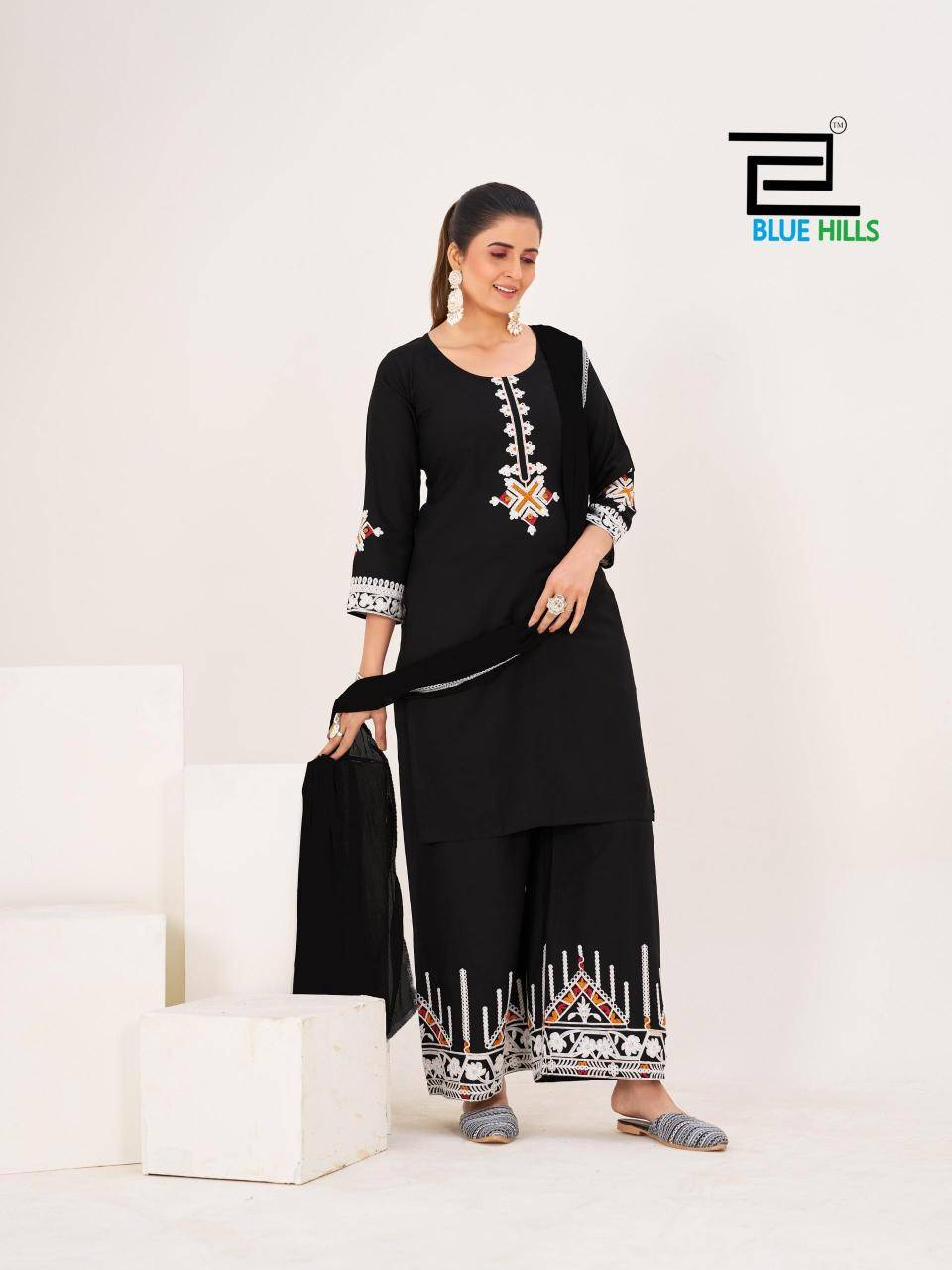
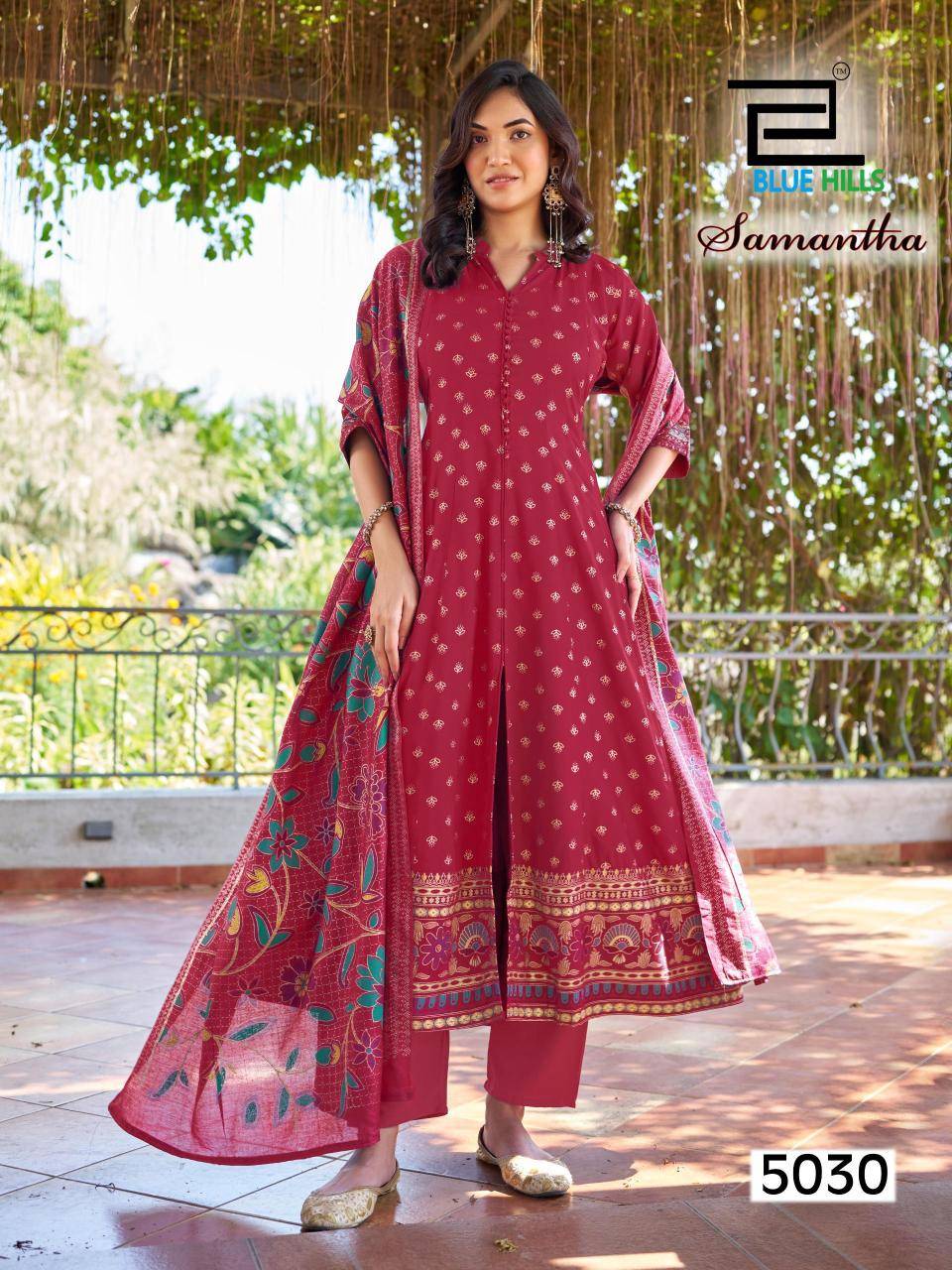
Heavy embroidery does not necessarily mean covering the entire kurti with decorative work. Modern designs often use concentrated embroidery around the neckline, yoke, sleeves, borders or selected motifs. This creates visual richness while allowing the fabric and silhouette to remain balanced. Other premium collections may use all-over embroidery for customers specifically shopping for festive and celebration wear.
Wholesale buyers can find embroidered kurtis in straight cuts, A-line shapes, flared silhouettes, long kurtis, kurti-pant sets, dupatta sets and coordinated ethnic ensembles. This versatility allows sellers to create several price and occasion segments within a single category.
Surat remains a major sourcing destination for women’s ethnic fashion. The broader Surat textile market, including textile businesses around Ring Road and Sahara Darwaza, brings together fabric suppliers, processors, designers, traders and manufacturing businesses. This ecosystem helps retailers access regular new arrivals and changing embroidery trends.
Why Heavy Embroidery Kurtis Are Important for Retailers in 2026
Basic kurtis remain essential for everyday sales, but decorative products give retailers another reason to attract customers during festivals, weddings, family celebrations and special occasions. A well-selected embroidered kurti wholesale assortment can help a retailer serve customers who want something more elevated than regular printed ethnic wear.
Visual presentation is another advantage. Embroidery creates texture and detailing that can be highlighted through product photographs, close-up shots and short videos. This is particularly useful for businesses selling through Instagram, Facebook and WhatsApp, where customers make initial buying decisions based heavily on visual presentation.
Premium Appearance with Strong Retail Value
Embroidery can increase the perceived value of a kurti when the workmanship complements the fabric and silhouette. A thoughtfully embroidered neckline or yoke can make even a relatively simple design appear more premium.
For retailers, perceived value matters because customers compare the selling price with what they can actually see and feel in the product. Attractive work, clean finishing and suitable fabric can support stronger retail positioning.
Suitable for Festivals and Family Functions
Indian customers frequently shop for ethnic clothing around festivals, weddings, religious functions, family gatherings and celebrations. Heavy embroidery naturally fits this demand because decorative details make the outfit feel more occasion-oriented.
Retailers can prepare seasonal collections ahead of major selling periods rather than depending only on everyday kurtis. Festive colours, sophisticated neutrals and richer jewel tones can all be included depending on local customer preferences.
Useful for Boutiques and Online Resellers
Boutique customers often look for products that feel different from mass-market basics. Embroidery, distinctive cuts and premium fabrics give boutiques opportunities to create a more curated assortment.
Online resellers can benefit as well because detailed embroidery provides useful content for reels and product videos. Close-up footage of neckline work, sleeve detailing and borders can communicate product value more effectively than a single full-length photograph.
Latest Heavy Embroidery Kurti Designs for 2026
The strongest latest kurti designs 2026 are not limited to one embroidery technique. Wholesale buyers can create variety by selecting different combinations of threadwork, zari-inspired detailing, sequins, beads and other surface embellishments.
Heavy Embroidered Neckline Kurtis
Neckline embroidery remains commercially useful because it creates an immediate focal point. V-necks, round necks, keyhole patterns and stylised necklines can all be enhanced with embroidery to create different looks.
This approach is particularly effective when the rest of the kurti remains relatively clean. The result can feel festive without becoming difficult to style, which makes the product suitable for a wider range of customers.
Thread Embroidery Kurtis
Threadwork can range from delicate floral motifs to dense traditional patterns. Tone-on-tone embroidery creates a sophisticated appearance, while contrasting threads can make the design more noticeable.
Thread work kurti wholesale collections can serve both mid-range and premium markets depending on the fabric, embroidery density and overall finishing. Retailers should consider the complete design rather than judging quality only by the amount of threadwork.
Sequin and Embroidery Combination
Sequins can add subtle shine when combined carefully with embroidery. This combination is particularly suitable for festive kurtis because it can catch light without requiring extremely heavy ornamentation.
For commercial collections, balance is important. Customers often want a festive appearance that remains wearable, so selective sequin placement can sometimes perform better than excessive embellishment.
Zari-Inspired Embroidered Kurtis
Zari-inspired detailing gives kurtis a traditional festive character. It can be incorporated around necklines, borders, sleeves and motifs to create products suitable for celebrations and traditional occasions.
Rich maroons, bottle greens, navy, wine, black, mustard and elegant neutral shades can complement this style depending on the fabric and embroidery pattern.
Floral Heavy Embroidery Kurtis
Floral embroidery remains relevant because it can move easily between traditional and contemporary fashion. Small floral motifs can create refined elegance, while larger patterns provide a stronger statement.
For boutiques, floral embroidery can be particularly effective on muslin, cotton blends and other fabrics with a clean surface that allows the decorative work to remain visible.
Popular Fabrics for Heavy Embroidery Kurtis
The base fabric determines how embroidery sits, moves and feels when worn. Heavy work requires a suitable foundation, so fabric selection should be considered together with the design rather than as a separate decision.
Rayon Embroidered Kurtis
Rayon is widely used in women’s ethnic fashion and can support several embroidery styles depending on fabric quality. Its drape makes it suitable for straight kurtis, A-line styles and other commercially popular silhouettes.
Rayon embroidered kurti wholesale collections can offer an accessible balance of fashion and price, making them useful for shops and resellers serving value-conscious customers.
Cotton Embroidery Kurtis
Cotton and cotton-blend kurtis can combine comfort with decorative detailing. Embroidery can upgrade an everyday cotton kurti into something suitable for office gatherings, casual celebrations or semi-festive occasions.
For warmer regions, cotton embroidered kurtis can be especially practical because customers often want breathable ethnic wear that still looks polished.
Muslin Embroidered Kurtis
Muslin can create a softer, contemporary appearance and works well with floral patterns and refined embroidery. Premium muslin designs can be useful for boutiques and online sellers targeting customers who appreciate elegant styling.
Digital prints can also be combined with embroidery, giving the product additional visual depth without requiring the entire fabric to be heavily worked.
Silk and Festive Fabric Blends
Silk-inspired and premium blended fabrics can provide a richer foundation for occasion-wear embroidery. Their appearance can complement zari-inspired work, sequins, beads and decorative borders.
These products generally need stronger finishing because customers purchasing premium festive kurtis expect the fabric, embroidery and stitching to justify the higher retail price.
Heavy Embroidery Kurti Wholesale for Different Occasions
One reason Heavy Embroidery Kurti Wholesale is commercially attractive is the variety of occasions the category can serve. Retailers do not need to position every embroidered product as wedding wear. Different levels of work can address different customer needs.
Festive Wear Kurtis
Festival collections can feature richer colours, embroidery, sequins and decorative necklines. These products can be promoted around major festive shopping periods when customers actively search for fresh ethnic outfits.
Retailers should prepare festive inventory early enough to promote the collection before peak demand rather than waiting until the festival is already underway.
Wedding and Celebration Wear
For wedding-related shopping, customers may prefer richer fabrics and more visible embellishment. Long embroidered kurtis, coordinated sets and dupatta combinations can provide a polished alternative to heavier traditional outfits.
Boutiques can also use accessories and coordinated bottoms to present the product as a complete occasion look rather than displaying the kurti in isolation.
Office and Semi-Festive Styling
Not all embroidery needs to be extremely heavy. Refined neckline or yoke work can make a kurti appropriate for office celebrations, dinners and smaller family events.
This segment is commercially useful because customers may wear the product more frequently, increasing the perceived value of their purchase.
Heavy Embroidery Kurti Wholesale Price in 2026
There is no single fixed wholesale price for embroidered kurtis because several production factors influence the final rate. Fabric quality, embroidery density, embellishment technique, stitching, finishing, silhouette and order quantity can all affect cost.
A kurti with focused neckline embroidery may belong to a different price segment from an all-over embroidered festive design. Similarly, a premium coordinated kurti set can have a different commercial value from a standalone kurti even when both use similar decorative techniques.
Embroidery Density Influences Cost
Dense embroidery generally requires more material and production effort than minimal decorative work. Intricate motifs and combinations of multiple techniques can also influence the manufacturing cost.
Wholesale buyers should therefore compare the visible value of the work with the intended retail segment rather than simply choosing the product with the most embroidery.
Fabric and Finishing Affect Wholesale Price
The quality of the base fabric can significantly affect the final product. Embroidery on a premium fabric may justify a higher price because customers experience both the decorative work and the material itself.
Finishing should also be considered. Clean stitching, neatly completed embroidery and a well-constructed neckline can improve the overall impression of the product.
Bulk Buying and Stock Planning
Wholesale purchasing can improve per-piece sourcing economics, but larger quantities also require more working capital. Retailers should balance the potential rate advantage against realistic sales demand.
Home-based sellers can begin with selected designs in controlled quantities, while established shops and showrooms can build deeper assortments across multiple fabrics, colours and price ranges.
Surat Textile Market for Embroidered Kurti Wholesale
Surat’s textile ecosystem supports the complete journey from fabric sourcing and processing to designing, manufacturing, wholesale distribution and export. This concentration helps the market produce new ethnic fashion collections at a fast pace.
The commercial textile areas around Ring Road and Sahara Darwaza are widely associated with the larger Surat textile market. Retailers sourcing from Surat can explore kurtis, kurti sets, dress materials, sarees, salwar suits and many other women’s ethnic wear categories.
Regular New Arrivals for Fashion Retailers
Fashion businesses benefit from regular new products because repeat customers expect fresh choices. New embroidery concepts, colours, fabrics and silhouettes allow retailers to refresh their assortment throughout the season.
For online resellers, every new collection can also become new social media content. Product photographs, detail videos and styling reels can help sellers maintain regular communication with their customer base.
Online Wholesale Sourcing from Surat
Travelling to Surat for every stock update is not practical for every buyer. Wholesaleexport.in helps retailers explore changing women’s ethnic wear collections online and enquire about products according to their business requirements.
This approach can benefit buyers across India as well as international retailers sourcing Indian fashion for markets such as Malaysia, Australia and Nepal.
Vastralife’s Wholesale and Export Experience Since 2017
Wholesale fashion requires more than simply offering a large catalogue. Retailers need relevant designs, commercially practical price segments and reliable product quality. Vastralife brings wholesale and export experience since 2017, supported by industry expertise across women’s ethnic wear.
The needs of a home-based seller can be very different from those of a large showroom. A boutique may prioritise distinctive premium designs, while a reseller may focus on fast-moving products and manageable investment. International wholesale buyers also need to consider packing, freight and destination-related requirements.
Attention to premium product quality becomes particularly important with embroidered fashion because customers notice workmanship closely. Fabric, embroidery, finishing and overall presentation all contribute to the final retail experience.
Who Should Buy Heavy Embroidery Kurtis Wholesale?
Heavy Embroidery Kurti Wholesale can work for businesses of different sizes when the assortment is selected according to customer demand. The key is choosing products appropriate for the seller’s market rather than buying simply because a design looks attractive in a catalogue.
Home-Based Sellers
Home-based sellers can use WhatsApp, Instagram and Facebook to showcase embroidered kurtis. Close-up images are particularly useful because they allow customers to see the decorative work before placing an order.
Beginning with a controlled selection across several price points can help sellers understand which products receive genuine enquiries and repeat demand.
Boutique Owners
Boutiques can focus on embroidery quality, distinctive silhouettes and premium fabrics. Curated collections allow boutique owners to differentiate their assortment instead of competing entirely on price.
Limited quantities of visually distinctive products can also create a sense of freshness and exclusivity for boutique customers.
Shop and Showroom Owners
Physical retailers can combine embroidered kurtis with regular printed kurtis, cotton styles, kurti sets and festive ethnic wear. This creates multiple options for customers visiting the store with different budgets and occasions in mind.
Retailers looking for inclusive sizing can explore plus size kurtis wholesale to broaden their women’s ethnic wear assortment. Businesses serving a wider customer base can also explore mens wear wholesale as an additional category alongside women’s fashion.
How to Build a Profitable Heavy Embroidery Kurti Collection
Building a profitable embroidered kurti business requires a balance between visual appeal, wholesale cost, customer demand and stock rotation. The most expensive or heavily decorated design is not automatically the most profitable. A product becomes commercially successful when customers appreciate its styling, accept its selling price and purchase it within a reasonable period.
Wholesale buyers should therefore create a planned assortment rather than purchasing every attractive design. Everyday embroidered kurtis can generate regular sales, while premium festive pieces can increase order value during weddings, festivals and special occasions.
Maintain Multiple Price Segments
A strong retail assortment should offer choices for different budgets. Entry-level embroidered kurtis can attract customers who want fashionable ethnic wear at an accessible price, while mid-range and premium collections can serve customers seeking richer fabrics and more detailed workmanship.
This approach is particularly useful for boutiques and showrooms because customers can compare products according to their budget rather than leaving when one collection feels too expensive.
Mix Fast-Moving and Premium Designs
Retailers do not need every product to serve the same purpose. Commercially wearable designs can support regular turnover, while premium pieces can strengthen the overall appearance of the collection and generate higher-value sales.
A balanced designer kurti wholesale assortment may include subtle embroidery, statement necklines, floral threadwork, festive sequin detailing and selected heavy-work pieces. This variety helps retailers respond to different customer requirements.
Use Customer Response to Plan Reorders
Confirmed sales provide more useful information than assumptions. Retailers should track which colours, fabrics, silhouettes, embroidery styles and price points sell fastest. Future wholesale orders can then be adjusted according to actual customer behaviour.
This strategy also protects working capital because retailers can invest more deeply in proven categories while keeping experimental designs in controlled quantities.
Heavy Embroidery Kurtis for International Export
Indian embroidered ethnic wear has a customer base well beyond India. Festivals, weddings, cultural events and family functions create demand among South Asian communities internationally, while contemporary Indian fashion also attracts customers interested in distinctive textile craftsmanship.
For international export, wholesale buyers should calculate more than the product price. Freight, packing, import duties, applicable taxes and local distribution costs can affect the final landed cost and retail margin.
Wholesale Embroidered Kurtis for Malaysia
Malaysia offers opportunities for Indian ethnic fashion across festive and regular-wear segments. Lightweight fabrics with elegant embroidery can provide practical options for customers, while richer designs can serve weddings, celebrations and festival shopping.
Retailers can maintain a mix of commercially wearable kurtis and selected premium pieces instead of concentrating entirely on heavily embellished products. This creates more price points and makes the collection relevant for different occasions.
Indian Ethnic Wear for Australia
Australia has an established South Asian community with demand for Indian fashion around Diwali, weddings, cultural functions and family events. Embroidered kurtis can provide a practical alternative for customers who want festive styling without choosing a much heavier traditional outfit.
Australian wholesale buyers should consider product value relative to freight and expected retail pricing. Lightweight but visually premium products can sometimes offer attractive commercial potential because they combine fashion appeal with more manageable shipping economics.
Wholesale Kurti Opportunities in Nepal
Nepal is another relevant market for Indian women’s ethnic wear. Fashion preferences can include everyday kurtis, coordinated sets, festive suits and richer embroidered collections depending on season and occasion.
Wholesaleexport.in can assist buyers looking for changing ethnic wear collections for domestic or international markets. Buyers should confirm current product availability, shipping terms and destination-specific costs before finalising export orders.
Quality Checks for Heavy Embroidery Kurtis
Embroidery attracts attention, but it also gives customers more details to inspect. Retailers should therefore consider workmanship, fabric quality and overall finishing before evaluating whether a product provides appropriate retail value.
Check Embroidery Finishing
Embroidery should look clean and intentional. Threadwork, decorative elements and borders should complement the design rather than appear randomly placed. The reverse side and surrounding fabric should also be considered where relevant because excessively rough finishing can affect comfort.
For premium products, clean embroidery contributes significantly to perceived quality. Customers paying more for decorative ethnic wear generally expect a visible improvement in workmanship.
Evaluate Decorative Elements Carefully
When a design includes sequins, beads or other embellishments, their placement should look balanced. Excessive ornamentation does not automatically increase customer appeal. In many cases, thoughtfully positioned details create a more sophisticated result.
Retailers should select designs according to their customer profile. A boutique audience may prefer refined detailing, while a festive-focused showroom may successfully sell richer and more elaborate products.
Fabric and Embroidery Must Work Together
A strong Heavy Embroidery Kurti Wholesale product requires more than attractive surface work. The fabric needs to support the design and remain comfortable enough for its intended use.
Premium product quality comes from the complete combination of material, embroidery, stitching, colour, silhouette and finishing. This complete-product approach is particularly important for sellers who depend on repeat customers.
How Home-Based Sellers Can Sell Embroidered Kurtis Online
Home-based fashion businesses can use digital selling channels to reach customers without maintaining a large physical showroom. WhatsApp, Instagram and Facebook make it possible to introduce new products regularly and collect orders directly from customers.
Use Close-Up Photos of Embroidery
Customers shopping online cannot physically inspect embroidery, so visual presentation becomes important. Along with a full-length model photograph, sellers can provide close-up images showing the neckline, sleeves, borders and decorative work.
These images help customers understand why one product may have a higher selling price than a basic kurti. Clear visual details can therefore support both trust and product positioning.
Create Short Product Videos
Short videos can show fabric movement, embroidery texture and the overall silhouette more effectively than static photographs alone. A simple front view, close-up of the work and full outfit view can provide useful information without making the video unnecessarily long.
For social media resellers, these videos can also be used as reels and status updates, giving each new collection additional promotional value.
Share Accurate Product Details
Product descriptions should clearly mention relevant fabric, style and work information. Accurate communication is more useful than exaggerated claims because it helps customers make informed purchasing decisions.
Home-based sellers can also organise customer lists according to interests. Customers who frequently purchase festive clothing can receive premium embroidery updates, while everyday buyers can receive lighter and more economical collections.
Inventory Planning for Shop and Showroom Owners
Physical stores generally need greater variety, but excessive inventory can reduce cash-flow flexibility. Successful inventory planning involves maintaining enough choice for customers while continuing to rotate stock.
Combine Regular and Festive Categories
A well-planned kurti section can include printed rayon kurtis, cotton styles, office wear, light embroidery, heavy embroidery and coordinated kurti sets. This gives customers several reasons to purchase instead of limiting the store to one occasion.
Festive products can receive more space during seasonal demand, while commercially wearable designs can support sales during the rest of the year.
Track Successful Sizes and Colours
Retailers should record which sizes, colours and styles move fastest. This information becomes increasingly useful over time because future buying decisions can be based on real sales data.
Colour demand may also change seasonally. Festive periods can support richer shades, while summer collections may perform better in softer or brighter palettes depending on the customer base.
Consider Plus-Size Demand
Inclusive sizing can expand the potential customer base of a kurti business. Retailers should evaluate plus-size requirements in their own market and select designs where the silhouette, embroidery placement and fit remain visually balanced across available sizes.
Providing fashionable choices rather than treating larger sizing as a separate basic category can help sellers serve customers more effectively.
Internal Linking and Related Wholesale Categories
Embroidered kurtis can perform more effectively when they form part of a broader ethnic fashion assortment. Retailers can combine them with rayon kurtis, cotton kurtis, plus-size designs, kurti sets, salwar suits, dress materials and other festive products.
The related wholesale categories linked earlier in this guide allow buyers to explore complementary product segments. A carefully diversified assortment can help businesses serve everyday shoppers as well as customers purchasing for festivals, weddings and special occasions.
Surat Manufacturing Advantage for Wholesale Kurti Buyers
The Surat textile market benefits from a large network involved in fabric sourcing, processing, designing, embroidery, manufacturing, wholesale trading and distribution. This ecosystem supports frequent product development and allows retailers to access new fashion concepts throughout the year.
Textile businesses around Ring Road, Sahara Darwaza and nearby commercial areas contribute to Surat’s position as an important sourcing destination for Indian ethnic fashion.
Wholesaleexport.in brings online access to changing collections for buyers who cannot visit Surat regularly. This can help home-based sellers, shops, boutiques, showrooms and international wholesale buyers source products according to their business requirements.
Customer FAQs
1. What is a heavy embroidery kurti?
A heavy embroidery kurti features noticeable decorative threadwork or related embellishments on areas such as the neckline, yoke, sleeves, borders or body. Depending on the design, embroidery may be concentrated in selected areas or used extensively throughout the garment.
2. Where can I buy heavy embroidery kurtis wholesale in Surat?
Surat has an extensive textile manufacturing and wholesale ecosystem, particularly around major textile commercial areas. Buyers can also explore current collections online through Wholesaleexport.in and enquire about stock, wholesale pricing and order quantities.
3. What is the wholesale price of heavy embroidery kurtis in 2026?
Wholesale price varies according to fabric, embroidery density, embellishments, stitching, finishing, product type and quantity. Selected wholesale categories include Quality Products Starting From ₹299, while premium heavily embroidered designs may be priced higher according to specifications.
4. Which fabrics are best for embroidered kurtis?
Rayon, cotton blends, muslin, silk-inspired fabrics and other suitable ethnic-wear materials can be used for embroidery. The best choice depends on the design, intended occasion, embroidery technique and customer budget.
5. Can home-based sellers purchase embroidered kurtis wholesale?
Yes. Home-based sellers can source wholesale collections and sell through WhatsApp, Instagram, Facebook and personal customer networks. Starting with controlled quantities across several designs can help identify actual customer demand.
6. Are heavy embroidery kurtis suitable for boutiques?
Yes. Boutiques can use embroidered kurtis to create a premium and distinctive assortment. Refined fabrics, attractive silhouettes and carefully finished embroidery can help boutique owners differentiate their collection from basic mass-market styles.
7. Can embroidered kurtis be exported outside India?
International wholesale buyers can enquire about available export arrangements according to destination, order quantity and shipping requirements. Freight, applicable import duties and local taxes should be included when calculating the final landed cost.
8. How should retailers choose fast-selling embroidered kurtis?
Retailers should analyse previous sales, customer enquiries, accepted price ranges, colours, fabrics and preferred embroidery styles. Combining proven designs with a smaller proportion of new trends can help maintain freshness while controlling inventory risk.
9. Is COD available on wholesale orders?
COD Support is available for eligible orders within India subject to applicable order value, advance confirmation and current company terms. Buyers should confirm the payment conditions before placing an order. International orders are handled through advance-payment arrangements rather than COD.
10. How can I check the latest wholesale kurti collections?
Wholesale buyers can visit wholesaleexport.in or contact +91 9712582172 to enquire about current collections, wholesale prices, stock availability and bulk-order requirements.
Why Choose Wholesaleexport.in for Heavy Embroidery Kurti Wholesale?
Wholesaleexport.in serves home-based sellers, shop owners, boutique owners, showroom owners, resellers and wholesale buyers looking for changing women’s ethnic wear collections from Surat and India’s wider textile sourcing network.
Supported by Vastralife’s wholesale and export experience since 2017, the business combines industry expertise with attention to commercially relevant collections and premium product quality. This experience supports different sourcing needs, from smaller resellers testing new styles to established businesses planning bulk orders.
For buyers in India, Malaysia, Australia and Nepal, a successful sourcing strategy starts with understanding local demand, selecting suitable designs, calculating the complete cost and maintaining enough flexibility to introduce regular new arrivals.
Start Your Heavy Embroidery Kurti Wholesale Order
Upgrade your ethnic wear inventory with Latest Collections, competitive Wholesale Pricing and Trendy Ethnic Wear suitable for home-based sellers, boutiques, retail shops, showrooms and wholesale businesses.
Wholesale customers can enquire about Fast Shipping, eligible COD Support, Bulk Order Deals and Quality Products Starting From ₹299. Current product availability, specifications, prices and applicable order terms can be confirmed before purchase.
Contact Us: +91 9712582172
Website: wholesaleexport.in
Explore regular new arrivals and build a stronger women’s ethnic wear assortment with quality-focused wholesale sourcing, fashionable embroidery and collections selected for today’s retail and reselling market.