


Heavy Embroidery Dress Material Wholesale: Premium Designs, Fabrics & Buying Guide 2026
Heavy Embroidery Dress Material Wholesale: Premium Designs, Fabrics & Buying Guide 2026
For boutiques, resellers and ethnic wear stores, embroidered dress materials remain an important category because customers can choose their preferred stitching, fit and styling while still getting the richness of a designer outfit. From elegant thread embroidery to zari, sequins, stone detailing and decorative borders, today’s collections offer options for festive occasions, weddings, parties and premium everyday wear. For wholesale buyers, selecting the right designs is not simply about finding an attractive catalogue; fabric quality, embroidery finishing, colour combinations, supplier reliability and the final landed price all influence how successfully a collection sells.
Introduction
The Indian ethnic wear market continues to evolve in 2026, but detailed craftsmanship remains a strong buying factor. Customers increasingly look for outfits that appear premium in photographs and videos while also providing comfortable fabric and wearable styling. This has created consistent opportunities for heavy embroidery dress material among boutique owners, showroom owners, home-based sellers and online resellers.
A typical premium dress material may include an embroidered top fabric, coordinated bottom material and a matching or contrasting dupatta. Depending on the collection, buyers can find cotton, viscose, silk blends, organza, georgette, muslin and other fabrics enhanced through thread work, zari, sequins, foil accents, lace, patchwork or combinations of multiple techniques.
For wholesale buyers, the objective should be to purchase a collection that balances appearance with commercial practicality. A design may look impressive, but if the embroidery is poorly finished, the fabric feels uncomfortable or the wholesale cost leaves little retail margin, repeat sales can become difficult. This is why established sourcing centres such as the surat textile market continue to attract buyers looking for variety across different budgets.
Wholesaleexport.in helps buyers discover ethnic wear collections for wholesale requirements, including businesses purchasing for local retail as well as export markets. Vastralife brings wholesale and export experience since 2017, with industry knowledge focused on connecting buyers with commercially relevant women’s fashion and premium product quality.
Why Heavy Embroidery Dress Material Remains a Strong Wholesale Category
Ready-made ethnic wear is convenient, but unstitched and semi-stitched dress materials provide something particularly useful: flexibility. Customers can choose their own neckline, sleeve pattern, length and fitting. This makes the category suitable for retailers serving customers with different body types and styling preferences.
Premium Appearance Without Limiting the Customer to One Fit
A richly embroidered fabric can create the appearance of an expensive designer suit after stitching. Unlike a ready-made garment restricted to predefined sizes, an unstitched suit gives customers more freedom over the final silhouette. This is particularly useful for boutiques offering customised tailoring.
The same feature benefits online sellers. A reseller can present an embroidered catalogue to customers without maintaining every possible garment size. The customer purchases the material and has it stitched locally according to personal measurements.
Strong Occasion-Wear Potential
Festivals, weddings, family functions, religious celebrations and parties create recurring demand for decorative ethnic wear. Buyers therefore commonly search for designer dress material wholesale, embroidered salwar suit material, festive suit fabric, party wear dress material and wedding dress material alongside regular cotton collections.
For a shop owner, maintaining several levels of decoration can help serve a broader customer base. Lighter embroidery can address semi-formal requirements, while heavier zari, sequin and thread work can be positioned for weddings and festive occasions.
Better Scope for Boutique Customisation
Boutiques can add significant value after purchasing quality material. Neck designs, sleeves, lining, borders, tassels and customised silhouettes can transform the same base material into distinctive finished outfits. This allows a boutique to differentiate its offering instead of competing only on the lowest retail price.
Popular Embroidery Styles Wholesale Buyers Should Know
Not every embroidered collection targets the same customer. Understanding the work helps buyers choose stock according to their market rather than purchasing solely from catalogue photographs.
Zari and Metallic Embroidery
Zari work dress material remains popular for traditional and festive collections because metallic detailing immediately gives fabric a richer appearance. Gold-toned and antique metallic work can complement maroon, bottle green, navy, wine, mustard and other deep festive shades, while softer metallic detailing can work effectively on pastel colours.
Before ordering in bulk, inspect whether the work is securely attached and whether the reverse side is reasonably finished. Excessively rough embroidery can affect comfort after stitching, especially around the neckline and sleeves.
Thread Embroidery
Thread embroidery offers enormous design flexibility. Floral motifs, geometric patterns, traditional inspirations and contemporary layouts can all be produced using different thread combinations. Depending on the density and base fabric, these products can serve daily premium wear as well as festive customers.
For resellers, detailed thread work can also photograph well when the colour contrast is clear. Close-up product images showing the actual embroidery help customers understand what they are purchasing and can reduce misunderstandings after delivery.
Sequins, Beads and Decorative Detailing
Sequins and decorative elements are commonly combined with thread embroidery to increase visual impact. These styles can work particularly well for party wear and festive collections, but buyers should pay close attention to finishing. Loose sequins, weak bead attachment or irregular placement may create customer complaints even when the overall design initially looks attractive.
A reliable dress material wholesaler should be able to provide clear product details so buyers understand the fabric, work and set components before placing a bulk order.
Choosing the Right Fabric for Embroidered Dress Materials
The embroidery may attract attention first, but the base fabric determines much of the garment’s comfort, drape and final appearance. Two visually similar designs can perform very differently after stitching if their fabric quality is different.
Cotton and Cotton-Based Fabrics
Cotton-based materials are practical for buyers targeting customers who prioritise comfort. Embroidery can upgrade a simple cotton suit into a more premium product without making it unsuitable for regular use. These collections can be particularly relevant for warmer climates and customers seeking breathable ethnic wear.
Retailers should check fabric thickness, colour consistency, shrinkage expectations and whether lining may be required. A slightly higher purchase price for dependable fabric can sometimes produce better repeat business than a cheaper material with inconsistent finishing.
Silk and Silk-Blend Materials
Silk-look fabrics combined with embroidery can create a luxurious festive presentation. Depending on the collection, these materials may be used for wedding functions, festive events and premium boutique orders. Buyers should compare the fabric feel and actual composition rather than judging quality solely from glossy catalogue photographs.
Georgette, Organza and Flowing Fabrics
Flowing materials can work beautifully with strategically placed embroidery, particularly on dupattas and occasion-wear suits. Because delicate fabrics react differently to heavy decorative work, buyers should inspect how well the embroidery is supported and whether the material falls naturally without excessive pulling.
When sourcing from manufacturing and wholesale networks around Surat, buyers can compare multiple fabric-work combinations rather than restricting purchasing to a single style.
How Wholesale Buyers Should Check Embroidery Quality
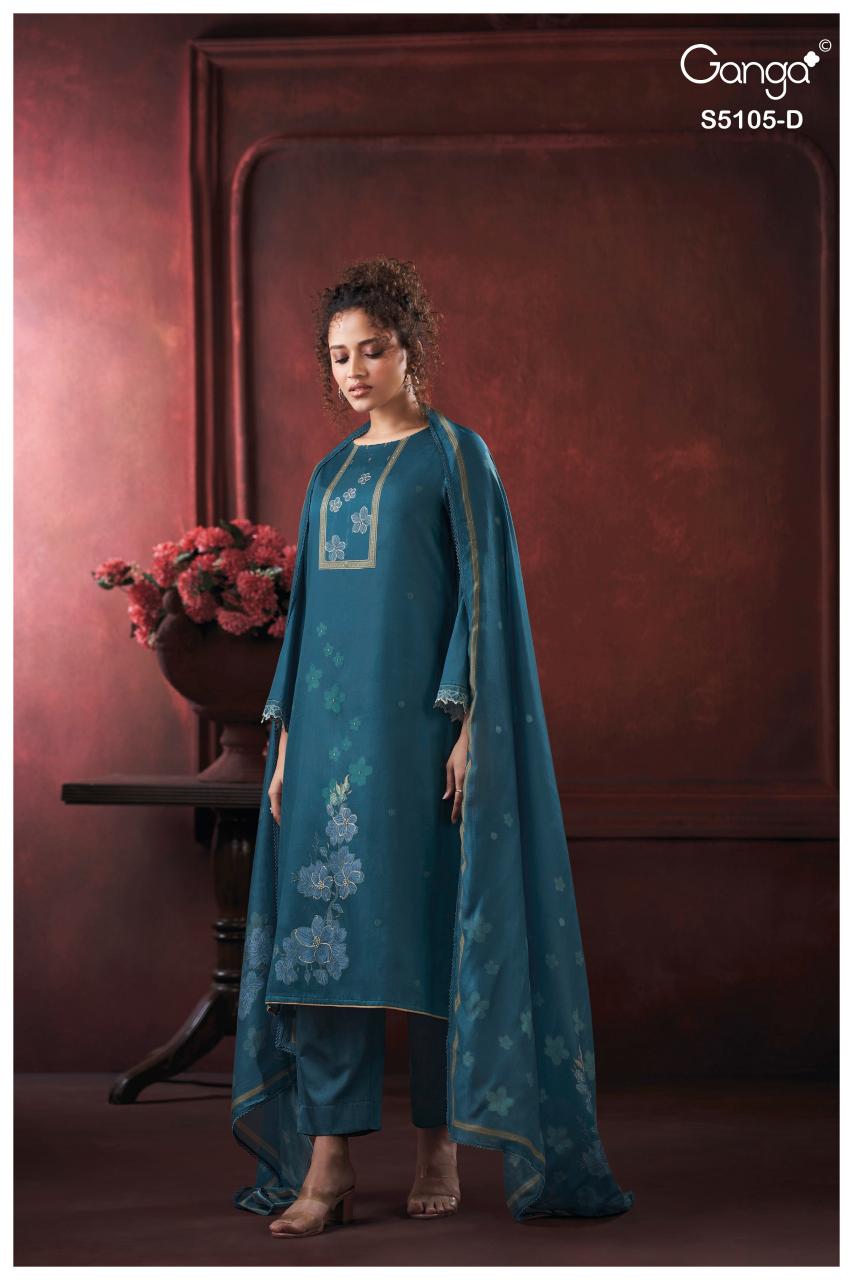
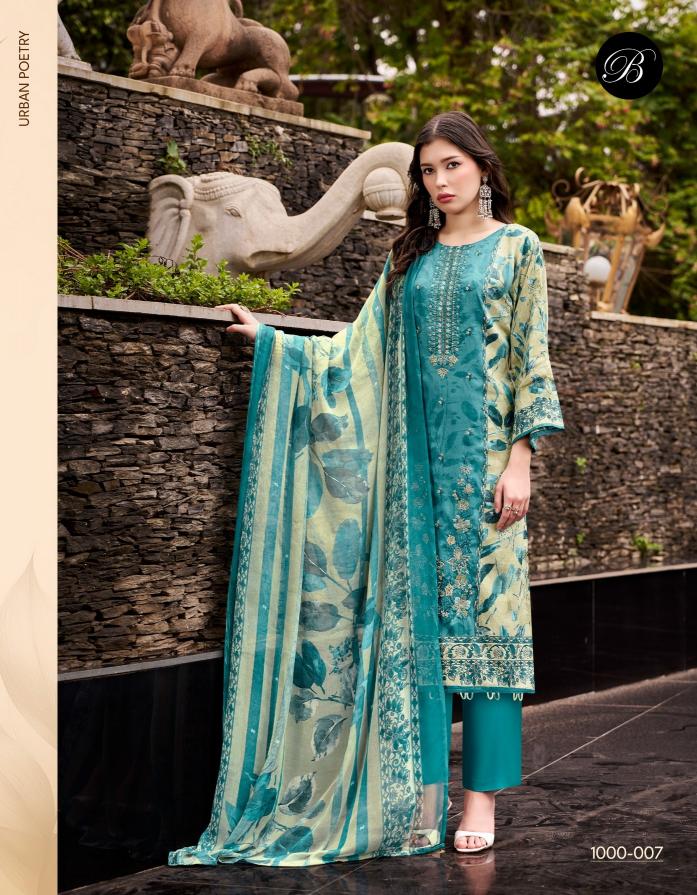
When purchasing heavy embroidery dress material wholesale, quality assessment should go beyond the front photograph. A design that appears attractive on a screen may have loose threads, inconsistent embroidery density or finishing problems that become visible when the customer receives the material.
Check Embroidery Placement
Observe whether the motifs are aligned appropriately across the neckline, front panel, sleeves and borders. Symmetrical designs should appear balanced. Misaligned embroidery can become more noticeable after stitching and may reduce the perceived value of the finished suit.
Inspect Thread and Decorative Work
Loose threads are among the easiest warning signs to identify. A few finishing threads may be manageable, but repeated loose work throughout a catalogue can indicate inconsistent production. Sequins, stones and beads should also be checked for secure attachment.
Understand What Is Included in the Set
Buyers should confirm whether the catalogue includes top, bottom and dupatta material and understand the approximate fabric measurements. Dupatta fabric and decoration can significantly influence the overall perceived value of a suit, so it should not be treated as an afterthought.
For buyers comparing collections through Wholesaleexport.in, reviewing complete product details before finalising quantities can help create a more commercially suitable purchase.
Wholesale Buying Opportunities in Surat for 2026
Surat has developed a large textile ecosystem covering fabric production, processing, embroidery, garment manufacturing, trading and distribution. Buyers visiting areas around Ring Road, Sahara Darwaza and other parts of the Surat textile market can find an extensive range of women’s ethnic wear across different price points.
However, physical market size can also make sourcing time-consuming. A buyer may need to compare many catalogues, suppliers and qualities before deciding what suits their retail market. Online wholesale sourcing helps simplify this process by allowing shop owners and resellers to review products remotely before ordering.
This becomes especially useful for buyers outside Surat and international customers who cannot repeatedly visit the market. Businesses sourcing from India for Nepal, Australia and Malaysia, for example, need to consider not only product cost but also shipping, product consistency, catalogue accuracy and the commercial potential of the designs in their local market.
Wholesaleexport.in is designed around this type of wholesale discovery, helping businesses explore Indian ethnic wear collections without limiting their sourcing to a physical market visit.
For buyers who want to compare related categories before deciding their assortment, the wholesale dress materials collection can provide additional sourcing options. Retailers expanding beyond suits can also review wholesale sarees to create a broader ethnic wear product mix.
Building a Profitable Product Mix Instead of Buying Only Heavy Designs
A successful wholesale purchase usually contains more than one level of embroidery. If every product in a boutique is extremely heavy and positioned at a premium price, the seller may lose customers looking for affordable festive or semi-formal options. On the other hand, keeping only basic designs can make the collection less attractive to customers shopping for weddings and celebrations.
A balanced inventory can include lightly embroidered suits for regular wear, medium-work designs for small functions and heavy embroidery dress material for weddings, festivals and premium occasions. This creates multiple selling opportunities from the same customer base.
Choose Colours According to Customer Demand
Classic festive colours such as maroon, wine, navy, bottle green, black and red continue to have commercial value, while pastels, peach, lavender, pista, powder blue and neutral shades can add a contemporary look. Rather than purchasing large quantities of one colour, boutiques and resellers can initially test a broader colour mix.
For online sellers, variety is particularly useful because customers often make their first selection based on colour. Having several shades within the same designer dress material wholesale range can improve the chances of matching individual preferences.
Buy According to Your Retail Price Range
The lowest wholesale price does not automatically produce the highest profit. Buyers should calculate their realistic selling price after considering product cost, transportation, packaging, payment expenses, marketing and possible alteration or tailoring services.
A premium embroidered product may cost more to purchase but can sometimes provide better absolute margins when customers clearly understand its quality. The important point is to match the product with the correct customer segment rather than purchasing only because the catalogue appears inexpensive.
Heavy Embroidery Dress Material for Boutiques and Showrooms
Boutique owners can use embroidered dress materials differently from conventional ready-made retailers. Instead of selling only fabric, they can offer styling suggestions and customised stitching. A customer may choose the material and then select the neckline, sleeves, bottom pattern and finishing according to the occasion.
This allows boutiques to turn a wholesale product into a more personalised retail experience. Palazzo pants, straight trousers, churidar bottoms, sharara-inspired silhouettes and different kurta lengths can completely change the final appearance of the same fabric set.
Display the Embroidery Clearly
Physical showrooms should display at least part of the embroidery instead of keeping every product folded. Neckline detailing, borders and dupatta work are often major purchase triggers. Online stores should similarly provide full-product photographs alongside close-up images.
Videos can be particularly effective for zari, sequins and metallic embroidery because movement and lighting show texture more accurately than a static photograph. Retailers can use short-form video content to demonstrate fabric fall, embroidery density and dupatta detailing.
Use Premium Collections to Increase Average Order Value
A customer initially shopping for a simple suit may upgrade when shown a well-finished premium alternative. Retailers can therefore maintain products at multiple price levels and allow customers to compare the difference in fabric, embroidery and overall presentation.
This strategy is particularly useful during wedding and festival seasons, when customers may purchase outfits for several family members or multiple occasions.
Opportunities for Home-Based Sellers and Resellers
Home-based fashion businesses have become an important part of ethnic wear distribution. Sellers can showcase catalogues through social media, messaging platforms and personal customer networks without maintaining a conventional showroom.
For these sellers, supplier selection is critical. Customers usually associate the product with the reseller rather than the original manufacturer. If fabric quality, colour or embroidery differs significantly from what was shown, the reseller must manage the complaint.
Working with a reliable wholesale platform and carefully selecting products can therefore protect customer relationships. Wholesaleexport.in provides access to multiple ethnic wear options that can be considered by resellers, boutiques, shop owners and other wholesale buyers.
Start With Controlled Quantities
New sellers do not always need to invest heavily in one catalogue. Where available, manageable wholesale quantities allow businesses to test customer response before increasing purchases. Once a particular style, colour family or price segment performs consistently, the seller can reorder or expand into similar designs.
This approach can be especially useful in 2026 because fashion trends can move quickly through Instagram, short-form videos and online marketplaces. Maintaining purchasing flexibility can reduce the risk of being left with excessive slow-moving stock.
Export Potential for Indian Embroidered Dress Materials
Indian ethnic wear serves customers well beyond the domestic market. South Asian communities and buyers interested in Indian fashion create opportunities for exporters serving markets such as Nepal, Australia and Malaysia.
International wholesale buyers should evaluate more than the catalogue price. Product weight, packaging, shipping costs, customs requirements, destination-market preferences and expected retail margins can all affect the final commercial result.
Nepal
Indian suits and dress materials have an established cultural relevance for many Nepalese buyers. Festive designs, embroidered suits and contemporary ethnic styles can serve boutiques, resellers and clothing stores. Buyers should plan purchasing schedules early enough to account for transportation and seasonal demand.
Australia
Retailers serving South Asian communities in Australia can build collections around weddings, Diwali, Eid, family celebrations and cultural events. Because international shipping affects landed cost, products should ideally offer enough visual differentiation and retail margin to justify importing them.
Malaysia
Malaysia can offer opportunities for Indian ethnic and occasion wear through boutiques, online sellers and community-focused retailers. Lightweight premium fabrics as well as richly embroidered collections can address different customer segments depending on climate, occasion and local preferences.
Vastralife’s wholesale and export experience since 2017 contributes practical industry knowledge in product selection and wholesale supply. For international buyers, consistent communication and accurate product information can be as important as obtaining an attractive purchase price.
What to Ask Before Placing a Bulk Order
Before purchasing heavy embroidery dress material wholesale, buyers should confirm important commercial details instead of relying only on photographs. A simple pre-order checklist can prevent many common wholesale problems.
Confirm Fabric and Set Details
Ask what material is used for the top, bottom and dupatta. Confirm whether the product is unstitched, semi-stitched or ready to stitch, and check approximate measurements when relevant. If lining is recommended, that information can also help the retailer explain the product correctly to customers.
Confirm Available Colours and Designs
Catalogue availability can change quickly. Wholesale buyers should confirm current stock before making customer commitments, particularly when purchasing fast-moving festive collections.
Check Actual Embroidery Details
Terms such as embroidery, zari, sequence, handwork and machine work can describe very different products. Request clear photographs or product details when the type of work affects your buying decision.
Understand MOQ and Wholesale Price
Minimum order quantity can vary by product or catalogue. Buyers should understand whether they need to purchase a complete set, assorted colours or a specific number of pieces. The effective per-piece cost should then be compared with the expected retail selling price.
Ask About Dispatch and Shipping
Stock availability is only one part of fulfilment. Buyers should also understand expected dispatch timing and shipping arrangements, especially when purchasing for a festival, wedding season or overseas market.
Why Surat Continues to Matter for Ethnic Wear Wholesale
Surat's textile ecosystem combines fabric trading, processing, embroidery, manufacturing and garment distribution at significant scale. Areas around Ring Road and Sahara Darwaza connect buyers with numerous textile markets and product categories.
This ecosystem allows wholesale businesses to source cotton dress material, embroidered suits, Pakistani-style suits, sarees, kurtis, lehengas and other women’s ethnic wear from the same city. For shop owners building broad inventories, this concentration can simplify sourcing.
At the same time, buyers outside Surat no longer need to depend entirely on physical market visits. Digital catalogues and online wholesale platforms make it possible to review products remotely, compare options and communicate before placing an order.
Wholesaleexport.in brings this digital wholesale approach to buyers looking for Indian fashion products while retaining access to the sourcing strength associated with Surat’s textile industry.
Internal Linking: Explore Related Wholesale Categories
Retailers should build their inventory around customer buying occasions rather than treating every category independently. A customer interested in embroidered dress material may also purchase sarees, Pakistani suits, kurtis or other festive ethnic wear. Creating complementary categories can increase cross-selling opportunities and give customers more reasons to return.
For example, a boutique can combine everyday cotton products with premium festive designs, while a showroom may maintain separate sections for regular wear, party wear and wedding collections. Home-based sellers can follow the same strategy digitally by creating separate catalogue groups according to product type and price range.
Customer FAQs
1. What is heavy embroidery dress material?
It generally refers to an unstitched or semi-stitched ethnic suit set featuring prominent decorative work such as thread embroidery, zari, sequins, beads, stones, lace or combinations of these techniques. The set may include top fabric, bottom fabric and a coordinated dupatta.
2. Is embroidered dress material suitable for boutique resale?
Yes. It can be particularly suitable for boutiques because customers can customise the final garment according to their measurements and preferred styling. Boutiques can also add value through stitching, finishing and personalised design suggestions.
3. How should I check quality before placing a bulk order?
Check the base fabric, embroidery alignment, loose threads, decorative attachments, colour consistency, dupatta quality and overall finishing. Buyers should also confirm what is included in the set and understand the product specifications before ordering larger quantities.
4. Can dress materials be ordered for export?
Yes, Indian dress materials are sourced by wholesale buyers in international markets. Export buyers should confirm shipping arrangements, destination requirements, product availability and total landed cost before finalising their order.
5. Where can I buy wholesale dress materials from Surat?
Surat has extensive textile wholesale activity around Ring Road, Sahara Darwaza and surrounding market areas. Buyers who prefer remote sourcing can also explore collections through Wholesaleexport.in and communicate regarding current product availability and wholesale requirements.
6. What type of embroidery is popular for festive suits?
Thread work, zari, sequins, decorative borders and mixed embroidery techniques are frequently used in festive ethnic wear. The right choice depends on the target customer, occasion, fabric and expected retail price range.
7. Should resellers buy the cheapest available dress material?
Not necessarily. Wholesale cost should be considered together with fabric quality, finishing, design appeal and expected resale margin. A slightly higher-quality product may generate stronger customer satisfaction and repeat orders when it provides noticeably better value.
Order Wholesale Ethnic Wear for Your Business
If you are a boutique owner, showroom owner, shop owner, home-based seller, reseller or wholesale buyer, building the right product mix can help you serve more customer segments without depending on a single fashion category.
Explore Latest Collections, competitive Wholesale Pricing, Trendy Ethnic Wear, Fast Shipping, available COD Support, Bulk Order Deals and Quality Products Starting From ₹299. Product availability, applicable MOQ, COD eligibility and current pricing should be confirmed at the time of ordering.
With Vastralife’s wholesale and export experience since 2017, industry expertise and focus on premium product quality, buyers can explore collections suited to retail, reselling, boutiques and wholesale requirements.
Contact: +91 9712582172
Website: wholesaleexport.in
Whether you are sourcing for customers in India or developing an export business for markets such as Nepal, Australia or Malaysia, selecting the right fabric, embroidery, quality and price combination can help create a collection that is attractive to customers and commercially practical for your business.