


Handcrafted Pakistani Suits: Wholesale Buying Guide for Premium Ethnic Wear in 2026
Handcrafted Pakistani Suits: Wholesale Buying Guide for Premium Ethnic Wear in 2026
Detailed embroidery, graceful silhouettes and premium fabrics have made Pakistani-inspired suits an important category for ethnic wear sellers. For boutiques, resellers, showrooms and wholesale buyers, the opportunity is not simply to stock more designs but to select collections that look distinctive, feel premium and offer enough variety for different customer budgets. In 2026, buyers sourcing from Surat can explore everything from everyday embroidered suits to elaborate festive collections suitable for domestic sales and international export markets.
Introduction
Handcrafted Pakistani suits have developed a strong position in the ethnic fashion business because they combine traditional detailing with silhouettes that work well for contemporary customers. Intricate thread work, embroidered necklines, decorative borders, elegant dupattas and coordinated bottoms can give these suits a more exclusive appearance than basic mass-market styles.
For a boutique owner or reseller, this category can serve several customer segments. A lightweight embroidered cotton suit may work for regular wear, while a richly detailed organza, silk-blend or jacquard design can be positioned for festivals, weddings and special occasions. This variety gives wholesale buyers greater flexibility when building a balanced inventory.
Surat remains an important sourcing destination because of its textile ecosystem, fabric availability, processing facilities and garment manufacturing network. Buyers visiting the surat textile market, particularly commercial areas around ring road and sahara darwaza, can find a broad selection of ethnic wear categories under one sourcing ecosystem.
Online wholesale platforms have also made sourcing more convenient for buyers who cannot visit Surat personally. Wholesaleexport.in allows buyers to explore collections remotely and consider options according to design, fabric, quantity and wholesale price. This is particularly useful for home-based sellers, boutiques and businesses ordering from outside Surat.
What Makes Handcrafted Pakistani Suits Different?
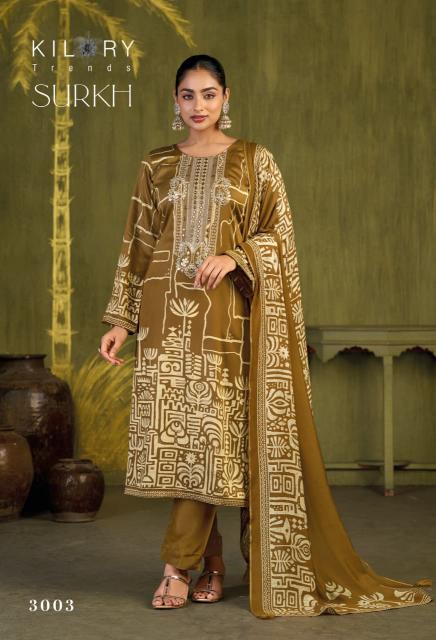
The appeal of a handcrafted-style Pakistani suit is often found in the details. Instead of depending only on prints, these collections can use embroidery, lace, decorative panels, borders, sequins, thread work and carefully coordinated fabrics to create a more complete outfit.
Detailed Embroidery and Surface Work
Embroidery is one of the strongest visual elements in this category. Depending on the collection, buyers may find thread embroidery, zari-inspired detailing, sequins, beads, patchwork, lace or traditional motifs. The amount and quality of work directly influence the final appearance as well as the wholesale price.
For sellers, visible craftsmanship can also make online marketing easier. Close-up photographs and short product videos showing neckline work, sleeves, borders and dupatta detailing can help customers understand why one suit is positioned differently from another.
Elegant Long Silhouettes
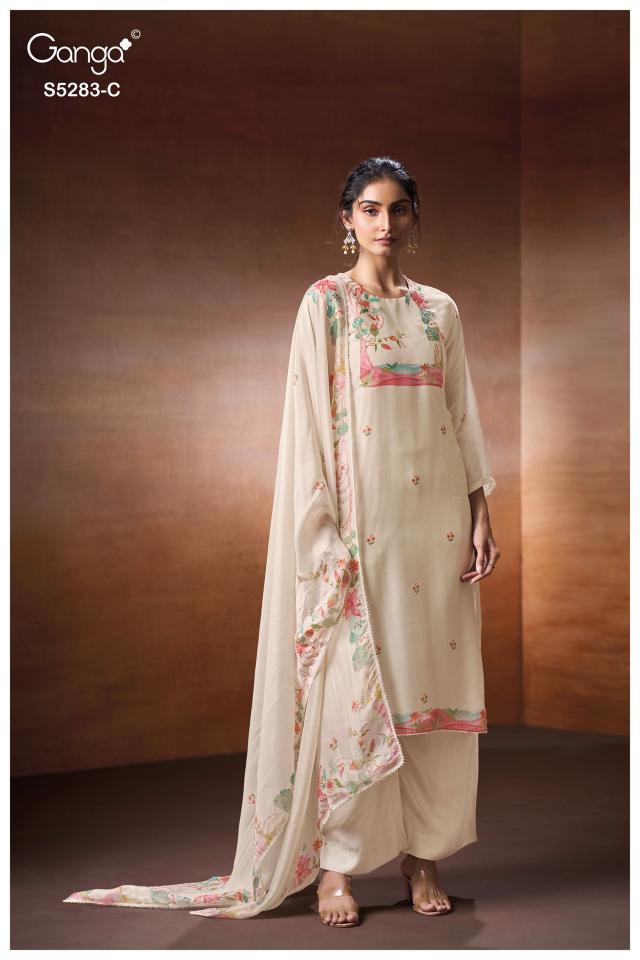
Pakistani-style suits are widely associated with long straight kurtas, relaxed cuts and coordinated trousers or salwars. These silhouettes offer an elegant appearance without requiring extremely heavy styling. Depending on the design, they can work for casual outings, festive events, family functions and wedding-related occasions.
Wholesale buyers can therefore create a wider catalogue by stocking straight suits, embroidered kurta sets, palazzo combinations, pant suits and festive three-piece sets rather than relying on one silhouette.
Dupatta as a Key Selling Element
In premium ethnic wear, the dupatta can significantly influence the perceived value of an outfit. Embroidered borders, printed patterns, organza fabric, chiffon, jacquard details or coordinated motifs can turn a simple suit into a more complete festive ensemble.
When evaluating Pakistani suits wholesale, buyers should check the entire set rather than focusing only on the kurta. Fabric quality, bottom material, dupatta width, embroidery finishing and colour coordination collectively determine how the customer experiences the product.
Best Fabrics for Pakistani Suit Wholesale Collections
Fabric selection should match the customer profile, season and intended use. A retailer serving everyday buyers may require different stock from a boutique specialising in occasion wear. Keeping multiple fabric categories can therefore reduce dependence on a single customer segment.
Cotton and Cotton Blends
Cotton-based suits remain useful for retailers seeking comfortable products for daily and semi-casual wear. Breathable fabric, manageable maintenance and accessible pricing make these collections suitable for home-based sellers and shops targeting regular repeat purchases.
Printed cotton, embroidered cotton and cotton-blend three-piece sets can also provide an entry point for customers who like Pakistani-inspired styling but do not require a heavily embellished outfit.
Organza and Chiffon
Organza and chiffon are frequently selected for dressier collections because their texture complements embroidery and decorative work. An organza dupatta with an embroidered suit can create a premium visual effect without making the entire garment excessively heavy.
These fabrics can be particularly relevant during festive and wedding seasons, when customers are more willing to consider decorative outfits and premium finishing.
Silk Blends and Jacquard
Silk-blend and jacquard fabrics can help retailers build a higher-value festive section. Their texture and sheen can support embroidery, zari-inspired elements and rich colour combinations. Wholesale buyers should still examine fabric feel, lining requirements and finishing before placing larger orders.
For boutique Pakistani suits, fabric and workmanship should support each other. Heavy embroidery on unsuitable material may affect drape, comfort and overall presentation, so purchasing decisions should consider the complete garment rather than embroidery alone.
How Boutique Owners Can Build a Profitable Pakistani Suit Collection
A profitable inventory does not necessarily mean buying the largest number of designs. The better approach is to distribute purchasing across different price ranges, colours, fabrics and occasions so customers have meaningful choices without creating excessive unsold stock.
Start with Multiple Price Segments
Wholesale buyers can divide their purchasing into entry, mid-range and premium segments. Entry-level collections can attract price-conscious customers, while detailed embroidery and premium fabrics can serve buyers looking for statement pieces.
This structure is particularly useful for WhatsApp sellers and online resellers because customers frequently ask for options according to budget. Having several wholesale price points makes it easier to respond with suitable products instead of losing an enquiry because the catalogue is concentrated in one range.
Mix Fast-Moving Colours with Statement Shades
Neutral colours, pastels, black, maroon, green, blue and traditional festive shades can form the core of a collection, while selected statement colours can add freshness. Buyers should consider their own customer history rather than assuming every trending shade will perform equally well in every location.
A reseller selling primarily through social media can also test new shades in smaller quantities before increasing the order. This helps maintain newness while controlling inventory exposure.
Balance Daily, Festive and Occasion Wear
A well-planned Pakistani suit wholesale assortment can include comfortable everyday suits, elevated semi-festive sets and elaborate occasion-wear designs. This allows a boutique to sell the category throughout the year rather than depending exclusively on major festivals.
During wedding and festive periods, premium collections may receive more attention, while lighter sets can continue serving customers who want elegant ethnic clothing for regular functions and gatherings.
Wholesale Pakistani Suits for India and Export Markets
The potential customer base for Indian ethnic wear extends beyond domestic markets. Retailers and resellers serving Indian and South Asian communities overseas may also require regularly refreshed collections, particularly around festivals and wedding seasons.
For this article, three relevant markets are India, Nepal and Australia. Each has a different retail environment, so wholesalers and resellers should plan product selection, pricing and logistics according to the final destination.
India
Within India, Pakistani-inspired suits can be sold through boutiques, multi-brand stores, home-based businesses, WhatsApp catalogues, social commerce and traditional retail shops. The large variation in regional demand makes assortment planning important. A collection that works for one city may need different colours, fabrics or price points in another.
Nepal
Nepal offers opportunities for Indian ethnic wear suppliers because retailers can source festive and occasion-oriented designs from Indian wholesale markets. For cross-border orders, buyers should calculate transport, applicable customs and taxes, delivery lead time and final landed cost before setting the retail price.
Australia
Australian boutiques serving South Asian customers may look for Indian and Pakistani-inspired ethnic wear for Eid, Diwali, weddings and cultural events. For an export order, accurate product details, sizing, packing, shipping method and commercial documentation become especially important.
Wholesaleexport.in can support buyers exploring ethnic collections from Surat without requiring every purchasing decision to be made through an in-person market visit. For international wholesale buyers, clear communication about order quantity, dispatch and product specifications is particularly important.
What Wholesale Buyers Should Check Before Ordering
Product photographs are important, but wholesale purchasing should go beyond appearance. Retailers need merchandise that can satisfy the end customer after the parcel is opened and the garment is actually worn.
Check Fabric and Colour Presentation
Buyers should confirm the fabric type mentioned for the kurta, bottom and dupatta. Colours can appear slightly different across screens and lighting conditions, so wholesale purchasing should not depend exclusively on perceived screen colour.
Examine Embroidery Finishing
For handcrafted and heavily embroidered designs, finishing deserves particular attention. Loose threads, uneven patches, unfinished borders or poorly attached embellishments can reduce the retail value of an otherwise attractive design.
Confirm Size and Set Details
Before ordering, check whether the product is ready-made, semi-stitched or unstitched and whether sizes are sold individually or as a set. Confirm exactly what the package includes. These basic details reduce confusion when products are subsequently marketed to customers.
Understand MOQ and Availability
Fast-moving designs can change quickly in wholesale fashion. Buyers should therefore confirm the minimum order quantity, available colours, sizes and current stock before finalising a bulk requirement. This is particularly relevant for seasonal collections where repeat availability may be limited.
Vastralife brings wholesale and export experience dating from 2017, with industry knowledge built around sourcing and supplying women’s ethnic wear. For buyers, such experience is useful when navigating changing trends, premium product quality requirements and the practical needs of wholesale purchasing.
For wholesale buyers, quality consistency becomes even more important when the same design is ordered in multiple pieces. The sample or catalogue presentation should reasonably match the supplied merchandise in fabric, embroidery, finishing and overall styling. A dependable sourcing process helps boutique owners protect customer confidence and reduces avoidable issues after delivery.
Buyers should also compare the complete value of a suit rather than choosing purely on the lowest price. Fabric quality, embroidery density, dupatta detailing, stitching, colour combination, packaging and marketability all influence how easily the product can be sold at retail.
Trending Handcrafted Pakistani Suit Styles for 2026
The ethnic wear market continues to evolve, but handcrafted detailing remains highly relevant in 2026. Customers increasingly see suits as complete coordinated looks, which means retailers can benefit from stocking collections where the kurta, bottom and dupatta complement each other instead of appearing like separate pieces.
Embroidered Straight Pakistani Suits
Long straight kurtas paired with trousers and an embroidered or decorative dupatta remain a practical category for boutiques. The silhouette is easy to present online, while embroidery around the neckline, sleeves and hem gives the outfit enough visual detail for festive and semi-formal customers.
These designs can work particularly well for retailers seeking Pakistani suits wholesale that are elegant without being excessively heavy. Depending on fabric and work, they can cover multiple selling price segments.
Phulkari-Inspired Suit Collections
Colourful thread work and floral motifs can add a handcrafted character to ethnic collections. Phulkari-inspired details are especially useful for sellers who want visually strong products for festive catalogues, social media posts and boutique displays.
Retailers can combine brighter statement pieces with more subtle embroidered options. This creates variety while allowing customers to choose according to their personal styling preference and budget.
Party Wear Pakistani Suits
Party wear collections generally depend on richer fabrics, decorative embroidery, sequins, lace, zari-inspired work and elegant dupattas. They can be positioned for weddings, engagement functions, festive gatherings, Eid celebrations and family occasions.
When buying these products in bulk, examine the garment from a retail customer's perspective. The neckline should look finished, embroidery should be secure, the bottom should coordinate properly and the dupatta should add visible value to the complete set.
Internal Linking: Explore Related Wholesale Ethnic Wear Categories
Buyers building a broader ethnic inventory can explore wholesale dress materials in Surat alongside stitched and semi-stitched Pakistani-inspired collections. Dress materials can help retailers serve customers who prefer customised stitching, while ready-to-wear products are useful for buyers seeking immediate selling opportunities.
Businesses expanding into family and festive categories can also explore kids wear wholesale products. Combining women's ethnic wear with selected complementary categories can help showrooms and resellers increase catalogue variety without depending entirely on one product segment.
Why Surat Is Important for Pakistani Suit Wholesale Sourcing
Surat's importance in the textile trade comes from the concentration of fabric trading, processing, garment manufacturing, wholesale distribution and supporting services. This ecosystem enables sellers to source a wide variety of ethnic fashion from one major textile centre.
The surat textile market ecosystem around ring road and sahara darwaza is particularly familiar to wholesale clothing buyers. Retailers from different parts of India regularly source sarees, kurtis, dress materials, salwar suits, Pakistani-inspired suits and other women's fashion from Surat.
Access to New Collections
Fashion retail depends heavily on freshness. A boutique customer who sees the same catalogue repeatedly has less reason to make another purchase. Regularly updated wholesale collections allow resellers to maintain customer interest through WhatsApp, Instagram, physical displays and direct selling.
Wholesaleexport.in gives buyers another way to explore such collections online. Instead of relying entirely on a physical market visit, buyers can shortlist products remotely and discuss requirements according to quantity and availability.
Multiple Price Segments
One advantage of a large sourcing centre is the availability of merchandise across different price points. A home-based reseller may need accessible products in smaller quantities, while a large showroom may require premium festive collections and deeper stock.
The objective should not simply be to find the cheapest garment. A better wholesale buying strategy considers the relationship between wholesale price, appearance, quality and expected retail demand. Products that give customers a stronger perception of value can support repeat sales more effectively than merchandise purchased only because it was inexpensive.
How Online Resellers Can Sell Handcrafted Pakistani Suits
Home-based sellers and digital resellers can market ethnic wear without maintaining a traditional showroom, but product presentation becomes particularly important. Customers purchasing through WhatsApp or social media cannot physically touch the garment before ordering, so the seller needs to communicate product details clearly.
Use Complete Product Information
Every catalogue presentation should clearly communicate the fabric, set contents, available size, colour, work details and selling price. If the product is unstitched or semi-stitched, mention that prominently rather than leaving the customer to assume it is ready-made.
Clear product descriptions also support AIO and search visibility when products are published online. Natural terms such as handcrafted Pakistani suits, embroidered Pakistani suits, designer salwar suits, Pakistani dress material, ethnic wear wholesale, boutique suits and wholesale clothing supplier can help search systems understand what a page offers without unnecessary keyword repetition.
Use Close-Up Images and Videos
A full-length photograph shows the silhouette, while close-up content demonstrates embroidery, fabric texture and finishing. For premium designs, a short video can be especially useful because it shows movement, shine, drape and detailing that may not be obvious in a single photograph.
Create Occasion-Based Catalogues
Instead of sending customers hundreds of unrelated products, sellers can organise collections around buying intent. Examples include wedding Pakistani suits, Eid collections, festive embroidered suits, premium boutique suits, party wear suits and everyday ethnic sets.
This approach can make the buying process simpler and allows retailers to promote the same inventory through different seasonal campaigns.
Planning Bulk Orders for Better Inventory Rotation
Inventory planning is one of the most important parts of wholesale fashion. Buying too little of a fast-moving design can mean missed sales, while purchasing excessive quantities of an untested style can lock working capital into slow stock.
Test New Designs Before Scaling
Where ordering conditions permit, retailers can introduce a range of styles first and observe customer response. Designs receiving enquiries, repeat requests or faster conversions can then influence the next purchasing cycle.
This method is particularly useful for home-based sellers and boutiques because customer preferences can differ considerably by location, age group and price segment.
Plan Around the Selling Season
Festive merchandise should reach the retailer early enough to be photographed, promoted and sold before the actual occasion. International buyers need additional planning because export transit, customs procedures and local delivery can increase the total lead time.
Retailers serving Nepal or Australia, for example, should not plan purchasing according to the dispatch date alone. They should work backward from the intended selling period and allow sufficient time for transportation and local distribution.
Calculate Landed Cost, Not Just Product Price
For wholesale and export orders, the purchase price is only one component of inventory cost. Depending on the destination and transaction, freight, taxes, duties, packing and local transportation may influence the final landed cost.
Knowing this number helps a business establish a sustainable retail price and expected margin before committing to larger quantities.
Who Can Buy Handcrafted Pakistani Suits in Wholesale?
The category can work across several business models because purchasing and selling can be adapted to different scales.
Boutique and Shop Owners
Boutiques can use detailed Pakistani-inspired suits to build a more distinctive ethnic section. Shop owners can combine everyday designs with festive and premium styles to serve customers at several budgets.
Home-Based Sellers and Resellers
Home-based sellers can promote collections through WhatsApp, Instagram, Facebook and their existing customer networks. Attractive product imagery and regular new arrivals make women's ethnic wear particularly suitable for catalogue-driven selling.
Showroom Owners and Wholesale Buyers
Larger showrooms can build deeper assortments across sizes, colours and price ranges. Wholesale buyers supplying other retailers can focus on repeatable collections, availability and efficient purchasing quantities.
With wholesale and export experience since 2017, Vastralife has worked within the women's ethnic wear industry across sourcing, wholesale supply and international requirements. That industry experience supports an understanding of what professional buyers generally require: current designs, premium product quality, dependable product information and practical wholesale support.
Customer FAQs
1. Where can I buy handcrafted Pakistani suits in wholesale?
Wholesale buyers can source Pakistani-inspired ethnic wear through Surat suppliers and online wholesale platforms such as Wholesaleexport.in. Before ordering, check the latest collection, fabric, size or stitching format, MOQ, price and current stock availability.
2. Are Pakistani suits suitable for boutique businesses?
Yes. Their embroidery, long silhouettes, coordinated dupattas and broad range of fabrics make them suitable for boutiques selling daily, festive and occasion wear. A balanced assortment across multiple price levels can help a boutique address different customer budgets.
3. Can wholesale Pakistani suits be ordered for export?
Export orders can be arranged subject to supplier terms, product availability and destination requirements. International buyers should confirm quantities, shipping, documentation, duties or taxes and estimated delivery timelines before placing a bulk order.
4. What should I check before placing a bulk order?
Check fabric specifications, embroidery and finishing, set contents, available sizes, colour options, MOQ, current stock and dispatch terms. For premium embroidered products, close-up images or videos can provide additional clarity before purchasing.
5. Which Pakistani suit styles are useful for resellers in 2026?
Demand can vary by market, but resellers can build variety with straight embroidered suits, cotton sets, festive three-piece suits, organza dupatta combinations, phulkari-inspired designs and premium party wear. Actual purchasing quantities should be based on the reseller's customer response and seasonal demand.
6. Can home-based sellers start with Pakistani suits?
Yes. Home-based sellers can use digital catalogues and social platforms to present products without operating a large physical store. They should focus on clear product information, suitable margins, reliable order handling and regular new arrivals.
7. How should I decide the retail price?
Consider the wholesale purchase price, freight or local transport, applicable taxes, marketing expenses, packaging, payment costs and desired margin. Export buyers should calculate the complete landed cost before establishing their retail price.
Shop Wholesale Pakistani Suits and Latest Ethnic Collections
If you are a boutique owner, shop owner, showroom buyer, reseller or home-based seller looking to expand your ethnic wear inventory, explore current collections on Wholesaleexport.in. Choose products according to your customer segment, budget and selling season rather than filling inventory with random designs.
Buyers can explore Latest Collections, competitive Wholesale Pricing, Trendy Ethnic Wear, Fast Shipping, eligible COD Support, Bulk Order Deals and Quality Products Starting From ₹299, subject to the applicable product and order terms.
Whether you sell from a boutique, physical shop, showroom, website, WhatsApp catalogue or social media page, regularly refreshed inventory can help keep your product offering relevant. From handcrafted Pakistani suits and dress materials to other women's ethnic collections, select merchandise according to quality, customer demand and realistic resale potential.
Contact: +91 9712582172
Website: wholesaleexport.in
Explore the latest wholesale collection, shortlist designs suited to your market and contact the team for current product availability, wholesale price, MOQ and bulk-order requirements.
Is this conversation helpful so far?