


Flex Cotton Dress Material Wholesale in Surat: 2026 Buying Guide for Retailers
Flex Cotton Dress Material Wholesale in Surat: 2026 Buying Guide for Retailers
For retailers looking to build a practical ethnic-wear collection, fabric selection matters just as much as colour, design and selling price. Comfortable materials that can work for everyday wear while still looking polished give sellers more opportunities to serve different customer groups. Flex cotton has become an interesting choice in this segment because it can be developed into versatile dress materials suitable for regular wear, office styling, casual occasions and seasonal collections.
Introduction
The Indian dress material business continues to offer strong opportunities for Shop Owners, Boutique Owners, Home-Based Sellers, Resellers, Showroom Owners and Wholesale Buyers. Unlike ready-to-wear garments, unstitched dress materials give customers the freedom to select their preferred fitting, neckline, sleeve pattern and styling. This flexibility keeps the category relevant even as fashion preferences continue to change.
Among the many fabrics available to retailers, Flex Cotton Dress Material can be positioned as a comfortable and commercially useful option. Depending on the collection, buyers can find simple printed styles, coordinated suit fabrics, embroidered concepts, attractive dupattas and designs developed for customers who want something more refined than basic everyday cotton.
Surat plays an important role in this supply chain. Buyers searching the surat textile market can explore manufacturers, wholesalers, traders and distributors handling numerous categories of women's ethnic wear. Areas around ring road and sahara darwaza are widely associated with textile trading activity, making Surat an important sourcing destination for businesses purchasing dress materials and related products.
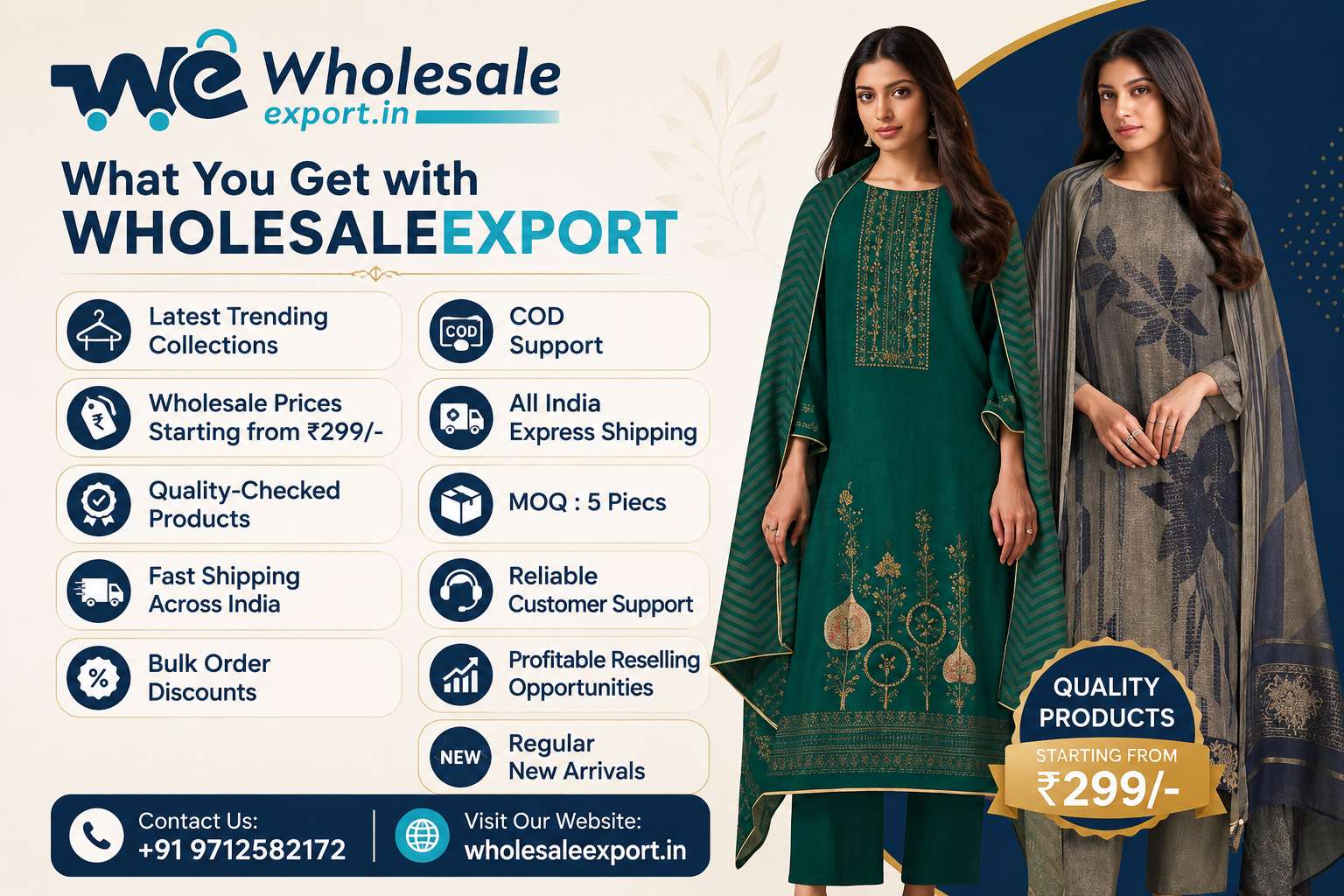
In 2026, however, wholesale purchasing is no longer limited to physically visiting a textile market. Digital catalogues, online wholesale platforms and organised dispatch services allow retailers in different cities and countries to source Surat collections remotely. Wholesaleexport.in is designed around this changing buying behaviour, helping businesses explore wholesale fashion collections without depending entirely on traditional offline sourcing.
What Is Flex Cotton Dress Material?
A Flex Cotton Dress Material generally refers to an unstitched ethnic-wear combination in which flex cotton or a cotton-based fabric forms an important part of the suit. The exact fabric composition, weave, finish and accompanying components can vary between manufacturers and catalogues, so wholesale buyers should always confirm product specifications before ordering.
A typical dress material catalogue may include fabric for the kurta, bottom and dupatta. Some collections focus on coordinated prints, while others combine a relatively simple base with embroidery, woven detailing or a more decorative dupatta. This variation allows retailers to build collections at several price points instead of depending on a single type of product.
Why Cotton-Based Dress Materials Remain Commercially Relevant
Comfort is one of the strongest reasons customers continue to consider cotton and cotton-oriented ethnic wear. In warm climates, breathable and manageable fabrics can be particularly attractive for regular use. Customers may purchase them for office wear, daily outings, college, family gatherings, travel or relaxed festive dressing depending on the design.
For sellers, this creates a broad customer base. A practical cotton suit catalogue can appeal to customers who prioritise comfort, while a premium-looking design can attract shoppers who want a more elevated ethnic outfit. This versatility is valuable for businesses trying to maintain regular inventory turnover.
Unstitched Format Gives Customers More Freedom
Another commercial advantage of cotton dress material wholesale is the flexibility of the unstitched format. Customers are not restricted to a predetermined ready-made size. They can customise the garment according to personal measurements and preferred styling.
This is particularly useful for boutiques that offer tailoring services. A boutique can sell the fabric and then add value through customised stitching, neckline selection, sleeve variations, lining, finishing and other details. As a result, one wholesale product can become a more personalised retail offering.
Why Surat Is Important for Dress Material Wholesale Buying
Surat has developed a large textile ecosystem involving fabric production, processing, trading, designing, cataloguing and garment-related businesses. The scale of this ecosystem gives wholesale buyers access to substantial product variety. Retailers sourcing from the city can compare different fabric categories, design concepts and price segments according to their target market.
The Surat wholesale dress material market is particularly relevant to businesses that need regular catalogue updates. Fashion retail depends heavily on freshness. A design that performs strongly today can gradually lose momentum when customers begin looking for newer prints, colours or styling.
Working with suppliers connected to active market channels can therefore help retailers refresh their inventory more consistently.
Ring Road and the Textile Trading Ecosystem
Ring road is closely connected with Surat's textile trade and is familiar to buyers sourcing sarees, dress materials, kurtis and other ethnic-wear categories. For an outstation retailer, understanding the importance of such textile clusters can make supplier selection easier because many businesses operate within or around established trading networks.
Similarly, sahara darwaza is another commonly recognised reference point in Surat's textile landscape. These locations represent more than geographical search terms; they are connected with a broader network of traders, wholesalers and textile businesses serving customers across India.
Manufacturing and Wholesale Supply Advantages
A strong manufacturing ecosystem can shorten the distance between product development and wholesale distribution. New prints, colour combinations, embroidery concepts and seasonal designs can move from production into wholesale catalogues relatively quickly.
For retailers, this matters because a fast-moving fashion business needs more than low purchasing cost. Sellers also need fresh merchandise, consistent availability, manageable quantities and dependable communication. The right supplier relationship can therefore become an important competitive advantage.
Flex Cotton Dress Material Trends to Watch in 2026
The 2026 ethnic-wear market is not defined by one universal style. Customers increasingly shop according to occasion, climate, comfort and personal taste. This means retailers should avoid filling their entire inventory with one print type or colour family.
A more balanced wholesale dress material selection can include understated everyday designs alongside richer patterns and occasion-oriented options. Such variety gives sales teams more choices when a customer asks for something within a particular budget or use case.
Elegant Prints for Everyday Dressing
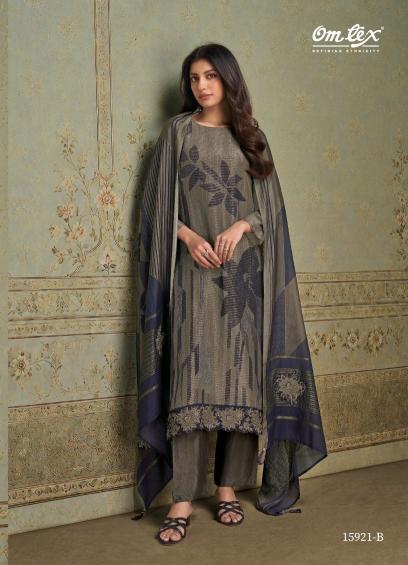
Printed cotton suits remain an accessible category for customers who want clothing suitable for repeated use. Floral patterns, geometric motifs, traditional-inspired prints, subtle abstract layouts and coordinated dupattas can all contribute to a commercially balanced assortment.
Retailers should pay attention to the scale and placement of prints. Smaller motifs can work well for customers who prefer understated clothing, whereas larger patterns may appeal to shoppers looking for stronger visual impact.
Embroidery and Decorative Details
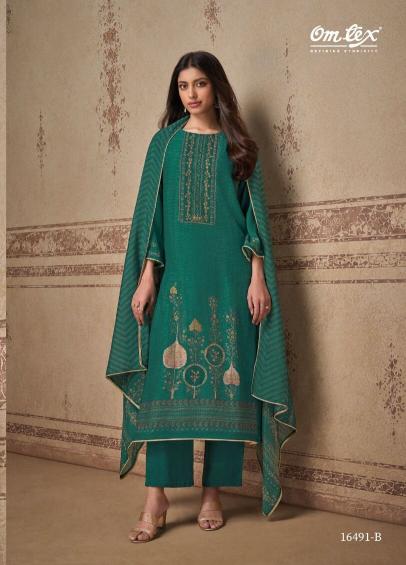
Embroidery can help move a dress material from a basic everyday category into a more premium retail position. Neckline work, border detailing, thread embroidery and strategically placed motifs can enhance perceived value without necessarily making the outfit excessively heavy.
This middle segment is particularly useful for boutique owners because many customers want clothing that feels special but remains wearable. Such products can be presented for office functions, casual celebrations, family visits and small festive occasions.
Colour Selection for Better Retail Variety
Colour planning should be based on customer demand rather than personal preference alone. Retailers can create a stronger assortment by combining softer tones with deeper shades and seasonal colours.
Pastels and lighter tones may work well for daytime dressing, while deeper green, wine, maroon, navy, mustard and other rich shades can support festive or evening-oriented merchandising. Neutral and earthy colours can also appeal to customers who prefer sophisticated, easy-to-style ethnic wear.
For wholesale buyers, the goal is not simply to purchase the most attractive colour in a catalogue. The goal is to create a colour mix that gives different customers enough choice while keeping inventory commercially manageable.
How Retailers Should Evaluate Wholesale Price
The price of a dress material should never be evaluated in isolation. A cheaper product does not automatically create better profit if the fabric, finishing or presentation makes it difficult to sell. Similarly, a higher-cost product can be commercially worthwhile when its design and perceived value support a stronger retail margin.
Before placing a bulk order, compare fabric specification, suit components, design detailing, catalogue quantity, colour assortment and expected customer profile. Retailers should also account for transportation, taxes where applicable and other operating costs before calculating the final selling price.
Think in Terms of Retail Margin, Not Only Purchase Cost
Suppose two catalogues have different wholesale rates. The lower-priced catalogue may initially look more attractive, but the slightly more expensive option may have stronger presentation, better detailing or a design that suits your customer base more closely. In that situation, the second catalogue could potentially deliver better sell-through.
This is why professional wholesale clothing buyers generally evaluate merchandise according to overall business potential rather than simply searching for the lowest rate.
Start with a Controlled Product Mix
Home-Based Sellers and newer Resellers can reduce inventory pressure by testing selected styles before increasing purchasing volume. Shop Owners and Showroom Owners with established demand may prefer broader catalogue buying because they have more display capacity and a larger existing customer base.
The right quantity depends on customer demand, working capital, available inventory space and sales channels. There is no single purchasing formula suitable for every textile business.
Who Can Sell Flex Cotton Dress Materials?
The category can fit several business models because ethnic dress materials can be sold both offline and digitally. A physical boutique may display fabric combinations and offer tailoring, while an online reseller can market new catalogues through social media, messaging platforms or an e-commerce storefront.
Home-Based Sellers and Resellers
Home-Based Sellers can use catalogue-based selling to reach local customers without operating a large showroom. Product photographs, fabric information and transparent pricing can be shared with existing customer groups. As orders grow, sellers can gradually increase their inventory rather than committing to excessive stock immediately.
Resellers should focus particularly on repeatable categories. Customers who are satisfied with fabric quality and styling may return for additional designs, which can make everyday and semi-premium dress materials useful for relationship-based selling.
Boutique Owners
Boutiques can add considerable value to unstitched fabric. By combining wholesale sourcing with customised tailoring, a boutique can create finished outfits according to individual customer requirements.
This makes designer dress material wholesale particularly interesting for boutiques. The fabric becomes the foundation, while stitching, fitting and styling become additional revenue opportunities.
Shop Owners and Showroom Owners
Larger retail stores can build multiple price levels within the same category. Entry-level cotton designs can attract value-conscious customers, while premium embroidered or coordinated suit materials can address shoppers seeking something more distinctive.
A planned assortment also makes visual merchandising easier because products can be grouped according to price, colour, occasion or fabric style.
Wholesaleexport.in and Vastralife's Textile Experience
Wholesaleexport.in serves wholesale buyers looking for access to changing ethnic-wear collections and sourcing opportunities. Behind this approach is Vastralife's wholesale and export experience since 2017, supported by industry expertise developed through regular interaction with textile products, suppliers and buyers.
For a retailer, supplier experience matters because wholesale sourcing involves much more than choosing attractive photographs. Product understanding, catalogue selection, communication and attention to premium product quality all contribute to a smoother purchasing experience.
The platform can be useful for businesses sourcing products for India as well as international markets such as Nepal, Australia and Malaysia. Export buyers should confirm product availability, quantities, shipping requirements and applicable commercial terms before finalising an order.
Wholesaleexport.in also allows buyers to explore related ethnic-wear categories, making it easier to develop a broader merchandise strategy instead of relying on only one product segment.
Retailers building their 2026 inventory can use this approach to combine Flex Cotton Dress Material with complementary categories while maintaining a consistent target customer and selling-price structure.
How to Choose the Right Flex Cotton Dress Material for Your Market
Successful wholesale purchasing begins with understanding the end customer. Two retailers can buy from the same dress material wholesale market and still achieve very different results because their audiences, locations, price expectations and styling preferences are different. Before placing an order, consider who normally buys from you, what they wear regularly and how much they are comfortable spending.
For stores serving working women, practical colours, manageable prints and comfortable fabrics can form the core assortment. Boutiques targeting premium customers may add embroidered necklines, distinctive dupattas and sophisticated colour combinations. Home-Based Sellers can concentrate on attractive catalogue designs that are easy to demonstrate through WhatsApp, Instagram and other digital selling channels.
A balanced approach is usually better than purchasing large quantities simply because a catalogue looks attractive. Build your selection around customer demand, then use new designs to add freshness.
Check Fabric and Product Details Before Ordering
Wholesale Buyers should confirm the actual product specification rather than assuming every cotton-labelled collection has identical characteristics. Ask about the top fabric, bottom fabric, dupatta material, approximate fabric length, design technique and other relevant details. If a product contains embroidery, weaving or additional decorative work, understand what is included in the catalogue.
This information also improves retail selling. A salesperson who clearly understands the product can explain its value more confidently to customers instead of depending only on catalogue photographs.
Build a Smart Price Range
Instead of stocking only one wholesale price segment, retailers can maintain entry, mid-range and premium options. Customers often enter a store with an approximate budget rather than a fixed product in mind. Giving them several choices within that budget can improve conversion.
For example, a basic printed cotton dress material may serve everyday buyers, while an embroidered or coordinated dupatta concept can be positioned at a higher retail level. The objective is to create meaningful differences between price points so customers understand why one option costs more than another.
Internal Linking for Related Wholesale Categories
Retailers who want to expand beyond flex cotton can explore wholesale dress materials Surat collections to compare different fabrics, prints, embroidery concepts and suit combinations available for varied customer segments.
Businesses serving customers who prefer contemporary South Asian styling can also explore wholesale sarees India as an additional ethnic-wear category. Combining complementary product categories can help retailers increase customer choice and reduce dependence on a single merchandise segment.
Inventory Planning for Flex Cotton Dress Materials
Inventory planning becomes especially important when purchasing wholesale catalogues. More stock does not automatically mean more sales. The objective is to maintain enough variety to attract customers without locking unnecessary working capital into slow-moving designs.
Retailers should monitor which colours, patterns, price bands and fabric types sell fastest. A simple record of previous sales can reveal useful patterns. If lighter printed suits repeatedly sell faster during summer, increase that segment before the next warm season. If embroidered styles perform strongly before festivals, plan purchasing accordingly.
Use the 70-20-10 Approach for Assortment
A practical inventory strategy can be to keep roughly 70% of purchasing around proven commercial designs, 20% around emerging styles and approximately 10% for experimental products. This is not a fixed rule, but it provides a useful framework for retailers who want freshness without making their entire inventory dependent on untested trends.
Proven designs might include wearable colours, established print patterns and familiar suit combinations. Emerging styles could include newer embroidery placements, contemporary dupattas or trending colour palettes. Experimental inventory might involve distinctive designs intended to test changing customer preferences.
Avoid Buying Too Many Similar Designs
When viewing large wholesale catalogues, several designs can appear different to the buyer but look very similar to the end customer. Purchasing too many comparable prints or colours can create internal competition within your own inventory.
A stronger Flex Cotton Dress Material assortment should provide visible variety. Consider mixing light and dark colours, printed and embroidered styles, simpler and more decorative designs, and different dupatta treatments. This creates a collection that looks broader even when the overall stock quantity remains controlled.
Seasonal Selling Opportunities in 2026
Dress materials are not limited to one season, but the way they are marketed can change throughout the year. Cotton-oriented collections can be particularly relevant during warmer months, while richer colours and detailed designs can be promoted around festivals and family occasions.
Retailers can create seasonal campaigns instead of waiting for customers to discover products on their own. A summer cotton collection, office-wear edit, festive dress material launch or wedding-season gifting range gives customers a clear reason to explore new stock.
Summer and Everyday Collections
During warmer months, comfort-oriented messaging becomes particularly effective. Retailers can highlight wearable fabrics, fresh colours, easy styling and designs suitable for everyday routines. This segment can appeal to working professionals, homemakers, teachers, students and customers purchasing comfortable ethnic clothing for regular use.
Festive and Occasion-Based Collections
Festive selling does not always require heavily embellished clothing. Many customers prefer outfits that feel festive without becoming difficult to wear. A cotton-based suit with an attractive dupatta, tasteful embroidery or coordinated detailing can fill this space.
Retailers can merchandise such designs separately from basic daily wear. Clear categorisation helps customers understand the occasion value of a product and can support better retail presentation.
Opportunities for Online Resellers and Home-Based Sellers
Digital selling has reduced many traditional barriers to entering the clothing business. A reseller does not necessarily need a large physical showroom to begin marketing wholesale fashion. With carefully selected catalogues, product information and consistent customer communication, a Home-Based Seller can gradually build a local or online customer base.
Product presentation is especially important online. Customers cannot physically touch the fabric before ordering, so sellers should communicate fabric type, available colours, suit components and other relevant specifications accurately.
Use Catalogue Content More Effectively
A catalogue image should not be posted without useful supporting information. Add a short description explaining the fabric category, design style, available options and intended use. Avoid making claims about fabric performance that have not been confirmed by the supplier.
For social selling, simple and informative captions generally work better than overwhelming customers with excessive text. Highlight the strongest purchasing reason first, such as new arrival, cotton collection, embroidered suit, festive design or limited catalogue availability.
Build Repeat Customers Instead of One-Time Orders
Repeat customers can make a major difference to the economics of a small fashion business. Accurate product descriptions, responsive communication and consistent quality expectations help build trust. Sellers should avoid overselling a product simply to complete one transaction.
When customers know that a reseller regularly introduces fresh collections, they have a reason to keep checking future updates. This is particularly useful for categories such as cotton suit wholesale, where customers may purchase multiple styles throughout the year.
Export Potential for Dress Material Wholesalers
Indian ethnic wear has customers beyond the domestic market, particularly among retailers serving South Asian communities. Dress materials can be considered by wholesale buyers in countries such as Nepal, Australia and Malaysia, depending on local customer demand, seasonal preferences and commercial requirements.
For export orders, buyers should discuss product quantities, packing, documentation, shipping method and destination requirements before confirming purchases. International freight and applicable duties or taxes can influence the final landed cost, so the wholesale product rate should not be treated as the complete cost of an overseas order.
Businesses planning international sourcing should also consider customer preferences in the destination market. A design that sells strongly in one region may not perform identically elsewhere. Testing selected catalogues before scaling quantities can therefore be a practical approach.
Why Supplier Reliability Matters in Wholesale Fashion
Product design may attract a buyer initially, but reliable wholesale relationships are built through consistent business practices. Retailers depend on suppliers for accurate product information, communication, order processing and dispatch coordination.
Vastralife's wholesale and export experience since 2017 contributes industry expertise to this sourcing ecosystem. Years of involvement with textile categories can help in understanding the requirements of retailers, resellers and wholesale buyers who need both commercial variety and attention to premium product quality.
Wholesaleexport.in brings this experience into an online-oriented wholesale environment where businesses can discover changing collections without limiting sourcing to physical market visits. For buyers who cannot regularly travel to Surat's ring road or sahara darwaza textile areas, online catalogue access can make product discovery considerably more convenient.
Common Buying Mistakes Wholesale Buyers Should Avoid
One common mistake is selecting inventory entirely according to personal taste. The retailer may love a particular design, but the actual buying decision should reflect customer behaviour. Previous sales, enquiries and repeated requests provide more useful signals than personal preference alone.
Ignoring the Final Landed Cost
The listed product price is only one component of inventory cost. Depending on the order and destination, buyers may need to consider GST, shipping, packaging or other applicable charges. International buyers may have additional freight and import-related costs.
Calculate the approximate landed cost before deciding the retail selling price. This makes margin planning more accurate and reduces unpleasant surprises after inventory arrives.
Overstocking a New Catalogue
New designs can look exciting, but an untested catalogue carries demand risk. Smaller businesses should avoid investing disproportionate working capital into one style before understanding how their customers respond.
Once a product demonstrates consistent demand, repeat purchasing or larger future orders can be considered subject to availability.
Ignoring Product Rotation
Customers expect fashion businesses to show something new regularly. Even commercially successful products should be supported by fresh arrivals. Regular product rotation keeps social media pages, WhatsApp catalogues and physical displays visually active.
Wholesaleexport.in can be used as a sourcing point for exploring changing ethnic-wear categories and latest wholesale collections as retailers plan these inventory updates.
Customer FAQs
1. What is Flex Cotton Dress Material?
Flex Cotton Dress Material generally refers to an unstitched ethnic suit material using flex cotton or a related cotton-based fabric. The exact composition and included pieces can differ between catalogues, so buyers should confirm specifications before ordering.
2. Is flex cotton suitable for everyday ethnic wear?
It can be suitable for everyday and casual ethnic-wear collections depending on the specific fabric, finish and design. Retailers should select products according to their customers' climate, comfort expectations and intended usage.
3. Where can retailers source wholesale dress materials from Surat?
Surat has a large textile trading ecosystem around areas such as ring road and sahara darwaza. Retailers can also explore online wholesale sourcing through Wholesaleexport.in when they prefer catalogue-based purchasing and remote ordering.
4. Can Home-Based Sellers purchase wholesale dress materials?
Yes. Home-Based Sellers and Resellers can build dress material collections according to their business scale and supplier ordering conditions. Starting with a controlled assortment can help test local customer demand before expanding inventory.
5. Can dress materials be ordered for international markets?
Wholesale and export opportunities may be available for international buyers depending on the product, quantity and destination. Buyers should confirm current shipping, documentation, payment and order requirements before finalising an export purchase.
Start Sourcing Your Next Wholesale Collection
If you are a Boutique Owner, Shop Owner, Showroom Owner, Home-Based Seller, Reseller or Wholesale Buyer looking to refresh your 2026 inventory, explore the changing ethnic-wear selection available through Wholesaleexport.in.
Discover Latest Collections, competitive Wholesale Pricing, Trendy Ethnic Wear, Fast Shipping, COD Support where applicable, Bulk Order Deals and Quality Products Starting From ₹299. Product prices, availability, MOQ, COD eligibility and shipping conditions can vary by collection, so confirm current details before placing an order.
Contact Us: +91 9712582172
Website: wholesaleexport.in
From everyday cotton-oriented products to more detailed ethnic collections, a well-planned wholesale assortment can help retailers offer customers the right balance of comfort, fashion and value. With Surat's established textile ecosystem, evolving manufacturing capabilities and experienced wholesale networks, businesses can continue discovering fresh opportunities across India's ethnic-wear market in 2026.