



Festive Season Inventory Planning for Boutique Owners: Wholesale Buying Guide 2026
Festive Season Inventory Planning for Boutique Owners: Wholesale Buying Guide 2026
The festive season can turn a well-prepared boutique into a high-performing retail destination, but success depends on what happens before customers begin shopping. Choosing the right product categories, deciding quantities, balancing affordable and premium designs, monitoring sizes, and ordering at the right time are all important. Instead of filling shelves with random festive products, boutique owners can build an assortment where every category has a clear purpose and every investment is connected to expected customer demand.
Introduction
India's festive calendar creates multiple selling opportunities for ethnic fashion businesses. Raksha Bandhan, Janmashtami, Ganesh Chaturthi, Navratri, Dussehra, Karwa Chauth, Diwali, Bhai Dooj and the wedding season can generate overlapping demand for sarees, kurtis, lehenga cholis, salwar suits, kurti sets, gowns and other women's ethnic wear.
This is why festive season inventory planning for boutique owners should begin well before the main shopping rush. Waiting until customers start asking for festive products can leave a boutique with limited designs, fewer size options and less time to reorder fast-moving styles.
The challenge is not simply to purchase more stock. Boutique owners need the right stock. A beautiful premium lehenga may attract attention but move slowly in a price-sensitive market. On the other hand, buying only low-priced products may reduce the boutique's ability to attract customers looking for premium occasion wear. The most effective inventory usually combines fast-moving commercial designs with selected statement pieces.
For 2026, buyers should also recognise how quickly fashion discovery happens online. Customers frequently arrive at stores after seeing outfits on Instagram, YouTube, marketplaces, WhatsApp catalogues or influencer content. They may already have expectations about silhouettes, colours and price. Retailers who source early and refresh their collection regularly are better positioned to respond.
Why Festive Inventory Planning Matters for Boutique Profitability
Inventory is one of the largest investments for most fashion retailers. Every product sitting on a boutique shelf represents working capital. During the festive season, the temptation to purchase heavily can be strong because suppliers continuously introduce attractive catalogues and customers expect variety.
However, excessive purchasing can create dead stock after the season, while conservative buying can result in lost sales. Good boutique inventory planning aims to find the middle ground.
Festive Demand Has a Limited Selling Window
Some ethnic products remain relevant throughout the year, but highly festive styles may have a shorter peak sales period. A heavily embellished Navratri design, for example, may have excellent demand before the festival but become harder to move immediately afterward.
Boutique owners should therefore distinguish between season-specific inventory and versatile festive inventory. Versatile sarees, kurti sets, salwar suits and moderately embellished lehengas can continue selling during weddings, family functions and other celebrations even after a particular festival ends.
Better Planning Protects Working Capital
A boutique does not necessarily need hundreds of units to look well stocked. Carefully selected variety can create a strong presentation without excessive inventory depth. Smaller boutiques and home-based sellers can initially purchase more designs in controlled quantities and increase depth only after identifying winners.
This approach helps keep cash available for repeat buying. When a particular colour, pattern or style begins selling quickly, the retailer has financial flexibility to replenish rather than having capital locked into slow-moving merchandise.
Start with Customer Data Before Buying Wholesale Stock
The strongest buying decisions often come from the retailer's own sales history. Before ordering a new festive ethnic wear wholesale collection, boutique owners should review what their customers purchased during previous festive periods.
Identify Your Best-Selling Categories
Start by checking whether your customers primarily purchase kurtis, sarees, lehengas, salwar suits or complete kurti sets. A boutique that sells mostly everyday and semi-festive fashion should not suddenly allocate most of its budget to bridal-style products simply because wedding and festival catalogues look attractive.
Look at actual completed sales rather than only customer enquiries. Products receiving attention but few purchases may indicate a mismatch in price, styling or customer expectations.
Study Your Best-Selling Price Range
Understanding the comfortable retail price of your customers is equally important. If most sales happen within a particular price bracket, that bracket should usually receive the largest portion of inventory.
At the same time, maintaining selected lower-priced and premium products can broaden your customer base. Entry-level pieces create accessibility, while premium outfits can raise the average bill value and give the boutique a more aspirational appearance.
Review Sizes That Actually Sell
Ready-made clothing requires careful size planning. Boutique owners should review which sizes sell fastest instead of ordering equal quantities automatically. The correct mix varies by customer base and product category.
Maintaining relevant size availability improves conversion because customers who love a design but cannot find their size may leave without purchasing. Size information is particularly important for resellers selling remotely through WhatsApp and social media.
Build a Balanced Festive Product Mix
A festive boutique collection should offer customers different levels of dressing rather than repeating the same type of garment throughout the store. A practical assortment can cover light festive wear, traditional ethnic fashion, statement occasion wear and premium celebration products.
Kurtis and Kurti Sets for Volume Sales
Kurtis remain commercially useful because they serve a broad customer base. Printed kurtis, embroidered kurtis, straight-cut styles, A-line silhouettes, kurti-pant combinations and three-piece sets can provide several price options.
For festive retail, boutique owners can focus on products with embroidery, attractive prints, decorative necklines, foil work, contrast dupattas and subtle embellishments. These details create festive appeal without making the product difficult to wear after the occasion.
Sarees for Traditional Festive Demand
Sarees continue to hold an important place in festive and family celebrations. A balanced wholesale saree collection can include lightweight designer sarees, printed sarees, silk-look designs, embroidered sarees, party-wear sarees and selected premium styles.
Rather than stocking only traditional reds and maroons, boutiques can introduce royal blue, wine, mustard, bottle green, rani pink, lavender, peach and contemporary pastel combinations. Colour variety can make the display more visually appealing while addressing different age groups.
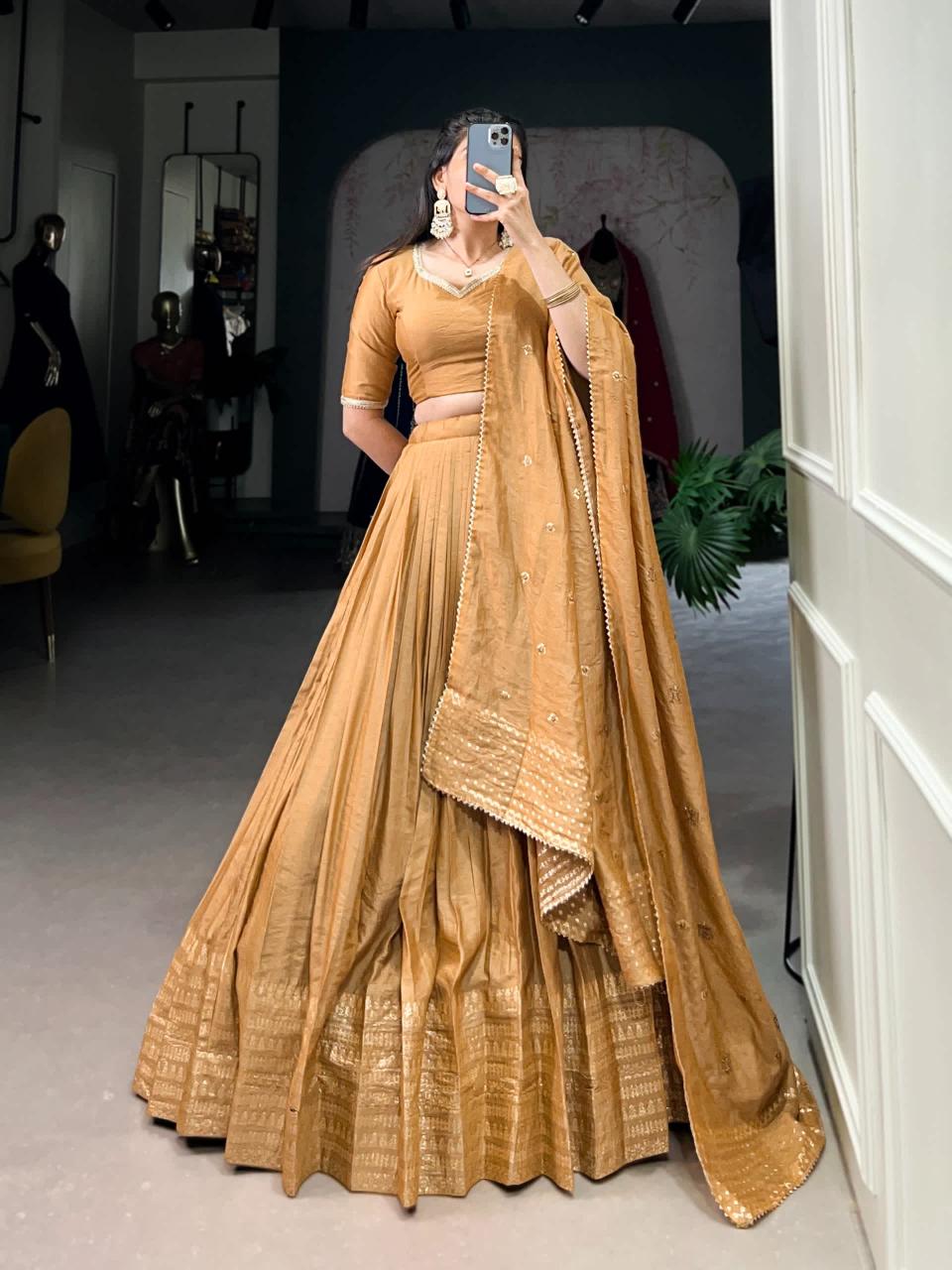
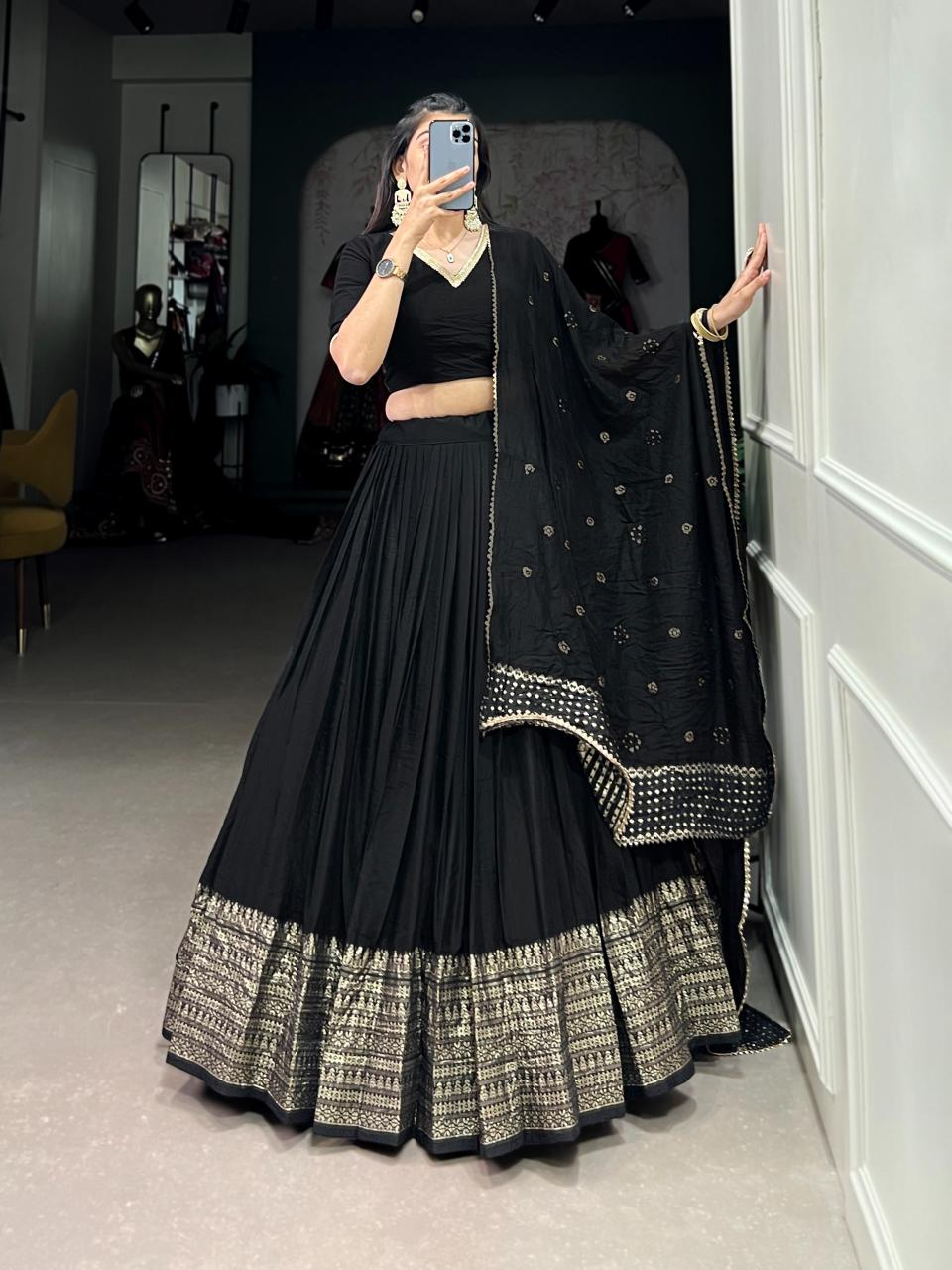
Lehenga Cholis for High-Impact Occasion Selling
Lehenga cholis can become statement products during Navratri, Diwali, engagement functions, weddings and festive parties. They also provide excellent visual content for boutique social-media pages.
For smaller retailers, however, lehenga buying should be controlled because the investment per piece may be higher than regular kurtis. Maintaining carefully selected designs across different price levels is often more practical than purchasing deep quantities of a few expensive styles.
Pakistani Suits and Premium Salwar Styles
Pakistani-inspired suits, embroidered salwar suits and elegant three-piece ensembles can provide an additional premium category. Their detailed necklines, coordinated dupattas and longer silhouettes appeal to customers looking for a refined festive appearance.
These products can also support international ethnic wear demand where customers are interested in South Asian occasion fashion.
Create an Inventory Budget Before Visiting the Wholesale Market
Wholesale buying becomes considerably easier when the budget has already been divided by category. Without a plan, buyers can overspend on whichever catalogue or design looks most attractive during purchasing.
A boutique might allocate the largest share to proven fast-moving categories, another portion to trending festive products, a smaller amount to premium experimental designs and a reserve budget for repeat orders. The percentages should be based on the store's historical sales rather than a universal formula.
Keep Money Available for Reorders
One common mistake is spending the complete festive budget during the first buying round. Trends become clearer as the season approaches, and customers may respond unexpectedly to particular colours or styles.
Keeping part of the purchasing budget available gives boutique owners the flexibility to reorder successful products or add new arrivals during the peak period.
Calculate the Real Cost of Inventory
The listed wholesale price is only one component of the product's cost. Retailers should consider GST where applicable, transportation, packaging, payment charges, local delivery, marketing expenses and potential alteration costs when deciding the final selling price.
For international buyers, freight and export logistics become even more important. A product with an attractive factory or wholesale price may need a different retail calculation after shipping and destination expenses are included.
Wholesale Sourcing from Surat for the Festive Season
Surat is one of India's important textile sourcing centres, offering a large ecosystem of fabric suppliers, traders, wholesalers, designers and apparel manufacturing businesses. Buyers visiting the surat textile market can find numerous categories of women's ethnic and occasion wear.
Ring Road is closely associated with Surat's textile trade, while the Sahara Darwaza area provides access to a large concentration of textile markets and businesses. This ecosystem makes Surat relevant for retailers searching for new collections, competitive wholesale options and regular product launches.
Physical market visits can be valuable for buyers who want to inspect multiple collections, but online wholesale sourcing has become increasingly useful for retailers outside Surat. Instead of travelling for every new catalogue, boutique owners can evaluate products digitally, communicate with suppliers and order according to their inventory requirements.
Why Manufacturing Access Matters
A strong textile ecosystem can shorten the distance between manufacturing and retail sourcing. New prints, embroidery patterns, fabrics, silhouettes and seasonal collections can move into the wholesale market relatively quickly.
For boutique owners, this means the ability to refresh stock during the season instead of relying entirely on inventory purchased months earlier. Regular new arrivals also create fresh content for social-media marketing and customer communication.
Plan Inventory Around the Complete Festive Calendar
Instead of viewing each festival independently, retailers can plan merchandise across the broader festive and wedding calendar. This reduces the risk of purchasing products that become irrelevant immediately after one occasion.
Raksha Bandhan and Early Festive Demand
Comfortable kurti sets, attractive sarees, gifting-friendly ethnic wear and affordable festive products can perform well around Raksha Bandhan. Retailers can use this period to observe which colours and styles customers are beginning to prefer.
Navratri and Statement Ethnic Fashion
Navratri can create stronger demand for colourful and visually distinctive outfits. Depending on the boutique's market, lehenga cholis, festive sets, embroidered styles and traditional-inspired fashion may become more important.
Retailers should distinguish between designs specifically intended for Garba and products that can transition into Diwali and wedding-season sales. The second category generally provides greater inventory flexibility.
Diwali and Family Celebration Wear
Diwali typically supports broad ethnic fashion demand because customers purchase clothing for puja, family gatherings, office celebrations, gifting and social events. Sarees, suits, kurtis, kurti sets and lehengas can all have a place in the assortment.
This is where thoughtful festive season inventory planning for boutique owners becomes particularly valuable. Retailers who have already identified their fast-moving categories can increase stock selectively rather than making rushed purchases during peak demand.
Wedding Season After the Festivals
Products with crossover potential should receive preference where possible. A premium saree purchased for Diwali can continue selling for weddings. An embroidered suit can work for family functions. A tasteful lehenga can remain relevant for engagement ceremonies and wedding events.
Choosing products with multiple occasions in mind helps extend the selling life of inventory and reduces markdown pressure after individual festivals.
Festive Inventory Strategy for Different Retail Businesses
There is no single purchasing model suitable for every seller. Wholesale Buyers, Boutique Owners, Home-Based Sellers, Shop Owners, Showroom Owners and Resellers operate with different budgets, customer volumes and merchandising capabilities.
Home-Based Sellers
Home-based businesses can prioritise low-risk inventory and digitally friendly products. Kurti sets, salwar suits and easy-to-explain sarees can be effective because product information can be shared through WhatsApp, Instagram and customer groups.
Instead of maintaining large quantities, home sellers can begin with selected stock and use customer responses to guide repeat orders.
Boutique Owners
Boutiques benefit from curation. Their competitive advantage often comes from presenting a distinctive collection rather than carrying every design available in the wholesale market.
Combining commercial bestsellers with a smaller selection of premium statement products can give the store both sales volume and a stronger fashion identity.
Showroom Owners
Showrooms generally have greater display space and may require deeper inventory. They can create dedicated sections for affordable ethnic wear, festive sarees, premium suits, lehengas and wedding products.
Even with larger budgets, sales data should guide purchasing. High inventory volume does not compensate for an incorrect category mix.
Online Resellers
Resellers should prioritise reliable product information, catalogue quality, size details and fast communication. Products with clear photographs and easily understandable specifications are easier to market digitally.
Wholesaleexport.in can help buyers discover collections across multiple women's ethnic wear categories while planning their seasonal inventory. Vastralife's wholesale and export experience since 2017 also brings practical industry expertise developed through working with wholesale fashion, suppliers and buyers across different markets.
For 2026, the goal should be to build an inventory system that remains flexible. Fashion trends can change quickly, and retailers who can identify demand and respond with timely replenishment are often in a stronger position than those who purchase their entire seasonal requirement in one order.
International boutique owners serving customers in USA, Nepal and New Zealand should allow additional time for order processing and shipping. Early sourcing can provide enough time to receive products, photograph the collection, launch promotions and complete customer sales before the relevant festive dates.
Choose the Right Price Mix for Better Festive Sales
A strong festive collection should not depend on a single price segment. Customers entering the same boutique can have completely different budgets, even when they are shopping for the same festival. One customer may need an affordable kurti for a family gathering, while another may be searching for an elaborate lehenga choli for a wedding function.
For this reason, retailers should divide stock into accessible, mid-range and premium segments. Affordable products help generate regular volume, mid-range ethnic wear often becomes the core revenue category, and premium designs can increase average order value while strengthening the boutique's overall presentation.
Affordable Festive Products
Budget-friendly kurtis, printed sets, simple sarees and lightweight ethnic wear are useful for customers who want something new without making a major purchase. These products can also work well for students, office celebrations, gifting and repeat festive purchases.
Retailers should not assume that a lower price means customers will accept lower quality. Fabric feel, stitching, finishing and colour presentation still matter. Affordable merchandise that looks attractive and feels comfortable can become a reliable volume category.
Mid-Range Collections
Mid-range inventory is often where boutiques can build a broad assortment of embroidered kurti sets, designer sarees, salwar suits, party wear and moderately embellished lehengas. Customers in this segment generally expect a visible improvement in fabric, detailing and overall presentation.
Because this category can serve Diwali, wedding functions, family occasions and gifting, it deserves careful attention in any festive season inventory planning for boutique owners strategy.
Premium Occasion Wear
Premium merchandise can include designer lehengas, heavily embellished sarees, sophisticated suit sets and statement festive outfits. Retailers should select these designs carefully rather than simply buying the most expensive products available.
Premium product quality should be visible in the fabric, embroidery, stitching, finishing and overall design. Customers spending more usually examine these details closely, so quality consistency becomes especially important.
How to Reduce Dead Stock After the Festive Season
Unsold inventory is one of the biggest concerns in seasonal fashion retail. While no retailer can predict every trend perfectly, several buying decisions can reduce the risk.
Prefer Multi-Occasion Designs
Whenever possible, purchase clothing that can remain relevant after the immediate festival. A sophisticated saree can transition into wedding wear. An embroidered kurti set can be sold for family functions, office events and celebrations. A stylish lehenga can continue into engagement and wedding demand.
Products with a longer selling window give retailers more flexibility and reduce dependence on aggressive end-of-season discounts.
Buy Variety Before Depth
For a new design, buying limited quantity across several styles can be safer than purchasing a large quantity of one untested style. Once customer response becomes clear, the retailer can increase quantity in proven sellers.
This strategy is particularly useful for boutique owners, resellers and home-based sellers who need visual variety but cannot afford to lock too much capital into one catalogue.
Monitor Sales Every Week
During peak season, inventory should be reviewed frequently. Identify fast-moving sizes, colours and categories. Also identify products receiving customer attention but not converting into sales.
A weekly review can answer practical questions: Which styles need immediate replenishment? Which price segment is performing best? Which products should be promoted more heavily? Which designs should not be reordered?
Use Digital Selling to Move Festive Inventory Faster
Inventory planning and marketing should work together. Buying an excellent collection is only the first step; customers must see it while the products are relevant.
Retailers can photograph new arrivals, create short videos, share catalogue images through WhatsApp, post reels, highlight prices and sizes, and contact repeat customers when suitable collections arrive. Consistent communication can improve inventory turnover without depending entirely on walk-in traffic.
Create New Arrival Campaigns
Instead of uploading dozens of products without context, group products into campaigns such as “Diwali New Arrivals,” “Wedding Guest Collection,” “Festive Saree Edit,” “Premium Lehenga Collection” or “Ethnic Wear Under Your Budget.” This makes the collection easier for customers to understand.
New arrivals can also create urgency when communicated naturally. Retailers can tell regular customers that selected designs have arrived in limited quantities without making unrealistic scarcity claims.
Use WhatsApp for Repeat Customers
WhatsApp can be particularly effective for boutiques because customers who have purchased previously already understand the store's style and quality. New catalogues, product videos, available sizes and prices can be shared directly with interested buyers.
For resellers, organised digital catalogues can also reduce the time required to explain every product individually.
International Festive Ethnic Wear Opportunities
Festive Indian clothing is not limited to domestic demand. Indian and South Asian communities living abroad purchase ethnic wear for festivals, weddings, cultural programmes and family functions. This creates opportunities for boutiques and wholesale buyers operating in markets such as the USA, Nepal and New Zealand.
International buyers should plan earlier because export orders involve additional logistics. Product selection, payment, packing, shipping and destination delivery all require time. Ordering too close to a festival can leave little room for unexpected delays.
USA
Retailers serving customers in the USA can consider a balanced selection of sarees, kurti sets, salwar suits and premium occasion wear. Products that work for both Indian festivals and weddings can provide a longer selling period.
Nepal
Nepal offers demand for Indian ethnic fashion across festive, wedding and regular occasion categories. Retailers can focus on commercially attractive products with clear pricing and a mix of traditional and contemporary styling.
New Zealand
Boutiques serving South Asian communities in New Zealand can benefit from advance planning because replenishment may take longer than domestic Indian orders. Maintaining selected evergreen ethnic designs alongside seasonal fashion can provide greater inventory stability.
Quality Checks Boutique Owners Should Never Ignore
Festive customers generally pay more attention to finishing because occasion wear is expected to look special. Retailers should therefore consider quality as part of the purchasing decision rather than evaluating products only by catalogue photographs.
Fabric and Colour
Check whether the fabric matches the product's intended positioning. The colour should appear commercially wearable, and printed or dyed areas should look consistent. For embellished clothing, the base fabric should be suitable for the weight of the work.
Stitching and Finishing
Uneven stitching, loose threads, poorly attached decorative elements or inconsistent finishing can reduce customer confidence. Premium products deserve especially careful checking because buyers have higher expectations at higher retail prices.
Embroidery and Decorative Work
For lehengas, suits, sarees and festive kurti sets, inspect embroidery placement, borders, sequins, zari, lace and similar details. Attractive work should enhance the garment rather than make it uncomfortable or difficult to maintain.
Vastralife's wholesale and export experience since 2017 provides industry knowledge developed around sourcing and supplying women's fashion products. For retailers, working with experienced wholesale channels can make product discovery and seasonal purchasing more organised.
Internal Linking: Explore Related Wholesale Categories
Boutique owners planning premium festive inventory can explore the wholesale lehenga market in Surat collection to compare occasion-ready lehenga styles suitable for festive and wedding customers.
Retailers building a wider assortment can also review wholesale Pakistani suits to add elegant suit designs alongside sarees, kurtis and lehengas. A diversified catalogue can help boutiques serve customers with different styling preferences while reducing dependence on a single category.
A Practical Festive Stock Checklist for Boutique Owners
Before confirming a major wholesale order, boutique owners can use a simple purchasing checklist to make sure the collection is commercially balanced.
- Review last season's best-selling products and price ranges.
- Identify the festivals and wedding dates relevant to your customers.
- Set a total purchasing budget before selecting catalogues.
- Divide the budget between proven sellers, trends and premium experiments.
- Maintain multiple price segments.
- Check sizes based on previous customer demand.
- Include sarees, kurtis, kurti sets, suits and occasion wear according to your market.
- Choose a balanced colour palette instead of repeating similar shades.
- Check fabric, stitching, embroidery and finishing.
- Calculate transportation and other costs before deciding retail margins.
- Keep part of the budget available for repeat orders.
- Plan product photography and digital promotion before the peak shopping period.
- Track weekly sales and replenish fast-moving products.
- Avoid overstocking extremely seasonal designs.
- Choose some products that can continue into wedding-season sales.
This checklist turns festive inventory management into a repeatable business process rather than an emotional buying exercise.
Common Festive Wholesale Buying Mistakes
Buying Only What the Owner Personally Likes
A boutique owner's fashion sense is valuable, but inventory must ultimately match customer preferences. Personal favourites should not replace sales data. The strongest assortment combines the retailer's understanding of fashion with evidence from actual customer demand.
Purchasing Too Late
Late purchasing can reduce available design choices and leave little time for marketing. Retailers should prepare ahead of peak demand, particularly when sourcing from outside their city or country.
Ignoring Reorder Potential
Before investing heavily in a new catalogue, it is useful to understand whether successful products can potentially be replenished. Limited designs may sell well, but reliable replenishment of commercial styles can help maintain sales throughout the season.
Competing Only on Price
Low price alone does not create a sustainable boutique business. Customers also value selection, trust, styling advice, product quality, service and convenience. A boutique that presents the right products effectively can compete on overall value instead of constantly reducing margins.
Why Wholesaleexport.in Can Support Seasonal Buying
Wholesaleexport.in is designed for buyers looking for wholesale women's fashion collections across different product categories. Instead of limiting purchasing decisions to a single type of garment, retailers can explore ethnic wear according to their store positioning, customer demand and seasonal requirements.
For buyers who cannot regularly travel to the surat textile market, online access can simplify product discovery. Surat's Ring Road and Sahara Darwaza textile areas remain important sourcing references, while digital wholesale platforms make it possible for buyers in other cities and countries to evaluate collections remotely.
Wholesaleexport.in can be particularly useful for Home-Based Sellers, Shop Owners, Boutique Owners, Showroom Owners, Resellers and Wholesale Buyers who want regular access to new fashion categories. The objective is not simply to purchase more inventory but to identify products that fit the buyer's actual market.
With trends changing throughout 2026, retailers should continue checking new arrivals rather than assuming one purchasing round will cover the entire festive period. A flexible sourcing strategy can help businesses respond to emerging demand while protecting working capital.
Customer FAQs
1. When should boutique owners start buying festive wholesale clothing?
Boutique owners should begin planning well before the expected sales peak. The exact timing depends on location, supplier lead time and product category. Early preparation provides more time for sourcing, receiving stock, photographing products, marketing and making repeat purchases before the main festival.
2. Which ethnic wear categories are useful for festive inventory?
Sarees, kurtis, kurti sets, salwar suits, Pakistani-style suits, lehenga cholis, gowns and other occasion-wear products can all be considered. The correct mix should depend on the retailer's previous sales, customer age group, local fashion preferences and average selling price.
3. How can small boutiques reduce the risk of dead stock?
Small boutiques can initially purchase more variety with controlled quantities, focus on multi-occasion designs and keep part of their budget available for replenishment. Monitoring weekly sales also helps identify products that should or should not be reordered.
4. Can international retailers order festive ethnic wear from Surat?
Yes. International boutiques and wholesale buyers can source Indian ethnic fashion for their markets, subject to supplier availability, shipping arrangements and applicable import requirements. Buyers should order early enough to accommodate export and delivery time.
5. What should retailers check before confirming a bulk wholesale order?
Retailers should review product design, fabric, sizes, quantity, wholesale price, expected retail margin, quality, shipping cost and delivery timeline. They should also consider whether the collection matches their existing customer profile rather than purchasing solely because a design is trending.
6. Is it better to buy many designs or large quantities of fewer designs?
For boutiques testing new seasonal trends, broader variety with controlled quantities can reduce risk. Once particular products demonstrate strong customer demand, the retailer can increase depth through repeat purchasing where stock is available.
7. What colours should boutiques consider for festive collections in 2026?
Traditional shades such as red, maroon, mustard, rani pink and green remain useful, while wine, lavender, purple, peach, black, royal blue and selected pastel combinations can broaden the assortment. Colour selection should ultimately reflect local customer demand.
Build a Smarter and More Profitable Festive Collection
Successful festive season inventory planning for boutique owners is about balancing fashion with business discipline. Retailers need attractive products, but they also need sensible quantities, appropriate price ranges, profitable margins, dependable quality and enough working capital to react when a bestseller emerges.
The most practical strategy is to plan early, understand customers, diversify categories carefully, monitor sales and reorder based on evidence. Whether you operate a home-based business, boutique, retail shop, showroom or online reselling business, your inventory should support both immediate festive demand and longer-term selling opportunities.
Wholesaleexport.in helps wholesale buyers explore seasonal and regular fashion collections with access to categories suitable for different retail markets. Buyers can use these collections to build an assortment around their own customer preferences instead of following a one-size-fits-all inventory model.
Order Your Festive Wholesale Collection
Prepare your boutique for the 2026 festive and wedding season with a carefully selected wholesale collection. Explore products suitable for everyday ethnic fashion, festive celebrations, boutique displays, online reselling and occasion-based customer demand.
- Latest Collections – Explore regularly updated fashion and ethnic wear styles.
- Wholesale Pricing – Source products at business-focused wholesale rates.
- Trendy Ethnic Wear – Discover kurtis, suits, sarees, lehengas and other popular categories.
- Fast Shipping – Get efficient order dispatch support for your business requirements.
- COD Support – Available on eligible orders as per applicable terms.
- Bulk Order Deals – Suitable for boutiques, shops, showrooms, resellers and wholesale buyers.
- Quality Products Starting From ₹299 – Explore affordable options alongside premium collections.
Contact Number: +91 9712582172
Website: wholesaleexport.in
Plan early, buy according to demand and keep enough flexibility to replenish the styles your customers actually want. A well-planned festive collection can help increase product turnover, improve customer choice and prepare your boutique for stronger seasonal sales.