


Festive Saree Wholesale Collection for Retailers: Best-Selling Styles for 2026
Festive Saree Wholesale Collection for Retailers: Best-Selling Styles for 2026
Festive seasons create one of the strongest saree-selling opportunities for fashion retailers. Customers begin searching for fresh colours, rich fabrics, elegant borders and occasion-ready designs well before the celebrations start. For retailers, boutique owners and resellers, building the right inventory at the right time can turn seasonal demand into repeat business and stronger margins.
Introduction
The Indian ethnic wear market continues to evolve, but sarees remain a dependable category during festivals, weddings and family celebrations. A well-planned festive saree wholesale collection for retailers allows sellers to serve different customer budgets without carrying unnecessary inventory. The objective is not simply to purchase attractive sarees; it is to select designs that have genuine retail potential.
In 2026, customers are looking for a combination of traditional craftsmanship and contemporary presentation. Banarasi-inspired borders, zari detailing, Paithani patterns, soft silk textures, lightweight festive sarees, designer pallu work and sophisticated colour combinations can all contribute to a balanced festive assortment.
For Home-Based Sellers, Shop Owners, Boutique Owners, Showroom Owners, Resellers and Wholesale Buyers, purchasing directly from Surat offers access to a broad textile ecosystem. The surat textile market, including major trading areas around ring road and sahara darwaza, connects buyers with manufacturers, wholesalers, distributors and suppliers serving domestic as well as export markets.
Why Festive Sarees Deserve a Dedicated Retail Buying Strategy
Festive sarees should not be purchased exactly like regular daily-wear stock. Customers shopping for festivals generally pay greater attention to colour, presentation, fabric richness, border work and overall occasion value. This creates an opportunity for retailers to maintain a better product mix rather than competing only on the lowest price.
Festive Demand Covers Multiple Customer Segments
A strong festive saree inventory can serve young buyers purchasing their first traditional saree, working women looking for lightweight occasion wear, families buying sarees as gifts, wedding shoppers, premium boutique customers and regular ethnic wear buyers. This diversity is why a retailer should avoid filling the entire inventory with one fabric or one design style.
A practical assortment can include Banarasi sarees wholesale, festive silk sarees, zari border sarees, Paithani-style designs, designer sarees, wedding sarees, lightweight party wear sarees and selected premium pieces. This gives sales teams several options when customers ask for different looks and budgets.
Festivals Create Planned and Last-Minute Purchases
Some shoppers buy several weeks before a festival, while others make their purchase just days before an event. Retailers therefore need stock early enough to promote collections through WhatsApp, Instagram, Facebook, websites and physical stores while keeping sufficient inventory available for the final demand surge.
Wholesale Buyers serving multiple shops can go one step further by planning replenishment. Instead of committing the entire seasonal budget in a single purchase, they can reserve part of the budget for fast-moving designs discovered during the first selling cycle.
Top Festive Saree Categories Retailers Can Stock in 2026
The best festive assortment is usually a combination of proven traditional categories and new designs. Retailers should evaluate their local customer profile before finalising quantities, but several categories remain highly relevant for festive selling.
Banarasi Sarees for Traditional Festive Demand
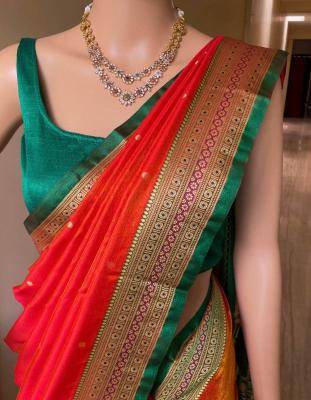
Banarasi saree wholesale collections continue to attract retailers because zari patterns and heritage-inspired borders immediately create an occasion-ready appearance. These sarees can be positioned for festivals, wedding functions, gifting, pujas and traditional family occasions.
Retailers should consider carrying multiple colour families rather than concentrating only on classic red and maroon. Emerald green, royal blue, wine, purple, mustard, rani pink, teal and softer contemporary shades can broaden the collection. The right colour mix helps boutiques appeal to both traditional and younger customers.
Silk and Silk-Look Sarees for Wider Price Segments
Wholesale silk sarees can cover several retail levels depending on fabric construction, weaving, finishing and design. Premium-looking silk sarees are particularly valuable for retailers who want visually rich products without limiting their selection to one narrow customer budget.
Before ordering, buyers should compare fabric feel, border finish, pallu design, blouse piece, colour consistency and overall presentation. Product photography is equally important for online sellers because the customer often makes the first buying decision based on how clearly the saree texture and border are displayed.
Paithani-Inspired Sarees for Festive and Wedding Buyers
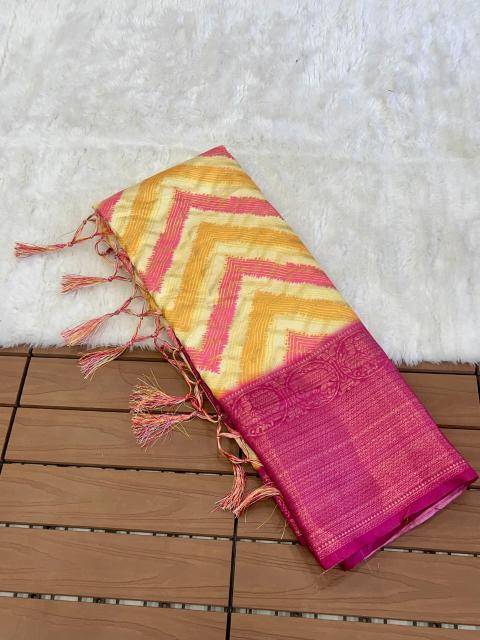
Paithani-inspired patterns bring a distinctive traditional character to festive collections. Peacock motifs, decorative pallus, contrast borders and rich colour combinations make these sarees attractive for wedding-related purchases and important celebrations.
For retailers, the key is to balance highly ornate pieces with easier-to-sell designs. A collection that contains only heavily decorated sarees can restrict the customer base. Adding elegant medium-work options can improve overall stock movement.
How to Select a Profitable Festive Saree Wholesale Collection
Buying for profit requires more than choosing whichever catalog looks attractive. A retailer needs to consider purchase cost, expected selling price, customer profile, inventory turnover and the number of similar products already available in the local market.
Start with the Customer, Not the Catalog
Before purchasing, identify the type of customer you serve most frequently. A neighbourhood saree shop may require a different assortment from an Instagram reseller or premium boutique. Likewise, an export buyer supplying customers in Nepal may see different demand patterns from a retailer serving customers in the USA or Australia.
Retailers should identify their strongest retail price bands and then purchase backward from those numbers. If customers regularly buy in three different price segments, the wholesale order should provide adequate variety for all three rather than placing most of the budget into one range.
Choose Colours That Work Across Multiple Occasions
Colour is one of the fastest decision-making factors in saree retail. Festive inventory should contain a calculated mix of traditional colours, trending shades and versatile tones. Deep jewel shades often perform strongly during festivals, while pastels and softer colours can attract customers attending daytime events and contemporary celebrations.
Contrast combinations are particularly useful because they make online product photographs more noticeable. A distinctive border or pallu can help a saree stand out when customers browse dozens of images through WhatsApp or social media.
Check the Complete Saree, Not Only the Front View
Wholesale catalog images can attract attention, but professional buyers should examine the complete product details. Important checkpoints include saree length, blouse piece, border width, pallu pattern, fabric specification, weaving or printing quality, finishing and colour options.
For larger orders, consistent premium product quality becomes particularly important. A beautiful catalog is useful for selling, but reliable product consistency is what helps a retailer retain customers and build repeat orders.
Buying Festive Sarees from Surat Textile Market
Surat has developed a powerful textile supply ecosystem supported by fabric trading, processing, manufacturing, catalog distribution, packaging and logistics. Retailers sourcing through the surat textile market can access collections intended for different regions and price categories.
Areas around ring road and sahara darwaza are widely associated with Surat's textile trade. However, buyers no longer need to depend entirely on physical market visits. Digital wholesale platforms make it possible to review products remotely, compare collections and place orders from another city or country.
Wholesaleexport.in is designed to support this digital buying approach by bringing ethnic wear options into an online wholesale environment. For retailers who cannot repeatedly travel to Surat, access to updated catalogs can simplify collection planning and restocking.
Advantages for Home-Based and Online Resellers
Home-Based Sellers often work with smaller inventory budgets than established showrooms. Their priority should therefore be variety and stock rotation rather than purchasing excessive quantities of one design. They can begin with carefully selected festive sarees, promote them through social channels and increase quantities according to customer response.
Online sellers should also prioritise collections with clear photography. Rich borders, attractive pallus and contrast colour combinations usually communicate value more effectively through mobile screens than subtle details that require physical inspection.
Advantages for Boutiques and Showroom Owners
Boutique Owners and Showroom Owners can create a broader presentation by combining entry-level festive sarees with premium products. Customers who visit a store often want to compare fabrics, colours and price points before making a decision, making assortment depth an important sales advantage.
A curated display can include sarees for Navratri, Diwali, Durga Puja, wedding functions, family celebrations, festive gifting and other special occasions. Instead of selling only a product, the retailer can merchandise collections according to the occasion for which customers are shopping.
Planning Wholesale Price and Retail Margin
A sustainable saree business depends on margin as well as sales volume. Retailers should calculate the complete landed cost instead of evaluating only the supplier's base wholesale saree price. Shipping, applicable taxes, packaging and other business expenses can influence the final margin.
For international export buyers, logistics and destination-related costs should also be included before establishing retail prices. Buyers serving Nepal, the USA and Australia should evaluate the economics of consolidated orders wherever appropriate rather than calculating profitability from the product value alone.
Wholesaleexport.in can be useful for buyers comparing current collections and planning quantities according to their market. Buyers looking for specific festive categories can also browse Banarasi sarees wholesale options as part of their seasonal sourcing strategy.
Retailers who also operate family fashion or multi-category stores may complement women's ethnic collections with selected mens wear wholesale products while planning broader festive inventory.
Building the Right Festive Saree Inventory Mix
A profitable festive collection should give customers enough choice without creating unnecessary stock pressure. Retailers often make the mistake of purchasing too many similar sarees because one catalog looks attractive. A better strategy is to divide the buying budget among multiple product groups, colour families and retail price levels.
For example, a festive saree wholesale collection for retailers can combine Banarasi-inspired designs, silk-look sarees, zari border sarees, traditional festive patterns, lightweight occasion sarees and premium statement pieces. This creates a more complete presentation for customers and reduces dependence on one fashion trend.
Maintain Entry, Mid and Premium Price Options
Not every customer enters a store with the same budget. Some shoppers want an affordable saree for a small family celebration, while others are ready to spend more for weddings, Diwali parties or important festive functions. A retailer who carries only premium products may lose budget-conscious customers, while a collection focused entirely on low-price products can miss higher-value sales.
For 2026, retailers can structure their inventory around entry, mid-range and premium categories. The exact buying price and selling margin should depend on the retailer's location, customer profile, fabric quality and competition rather than a single standard formula.
Keep Best-Selling Colours in Greater Depth
Variety is important, but successful colours should have enough depth for repeat sales. Red, maroon, wine, rani pink, green, royal blue and purple continue to provide strong traditional appeal, while teal, mustard, pastel pink, lavender and contemporary combinations can make a collection look fresh.
Retailers can initially purchase several colour options and then reorder the shades receiving the strongest response. This approach is particularly useful for online resellers because social media enquiries provide early signals about which colours customers prefer.
Festive Sarees for Online Resellers and Home-Based Sellers
Online saree selling has lowered the entry barrier for entrepreneurs who do not operate a large physical store. Home-Based Sellers and Resellers can present collections through WhatsApp, Instagram, Facebook and their own websites while maintaining carefully controlled inventory.
For this business model, product presentation matters almost as much as the product itself. Customers should be able to understand the saree colour, border, pallu, blouse piece and overall appearance from catalog images. Collections with strong visual appeal can be easier to promote through short-form content and digital catalogs.
Choose Products That Look Attractive on Mobile Screens
Most online customers first see a saree on a smartphone. Rich colour contrast, visible zari borders, distinctive pallus and clear fabric presentation can help a product gain attention quickly. Retailers should therefore evaluate wholesale catalogs from the perspective of the final online customer rather than simply viewing them as purchasing documents.
Detailed product information can further reduce repetitive enquiries. Mentioning fabric, available colours, blouse details and relevant product information helps customers make faster buying decisions.
Use Smaller Initial Orders to Test New Designs
For emerging sellers, purchasing a large quantity of every new design can unnecessarily lock up working capital. A controlled test order can help determine which styles actually generate enquiries and conversions. Once demand becomes visible, the seller can increase quantities of the successful products.
This approach is particularly effective when a supplier regularly introduces new arrivals. Wholesaleexport.in can help buyers discover different ethnic wear options while planning stock according to their individual business model.
Festive Saree Wholesale Opportunities for Export Buyers
Indian sarees have demand beyond the domestic market, particularly among customers looking for ethnic clothing for festivals, weddings, cultural functions and community celebrations. Wholesale Buyers supplying international markets can build collections around both traditional preferences and the practical requirements of their destination market.
For buyers supplying Nepal, sarees with familiar festive appeal and competitive price points can support retail demand across different customer segments. Buyers serving the USA may benefit from a mixture of traditional occasion sarees and premium designs suitable for Indian weddings and community events. In Australia, retailers can similarly build curated festive inventories for Indian-origin customers and ethnic fashion buyers.
Plan Export Orders Around Seasonal Demand
International buyers should allow additional time for order preparation, dispatch and logistics. Purchasing immediately before a festival can create unnecessary pressure, particularly when popular catalogs begin selling quickly.
For an export order, buyers should calculate product value together with freight, applicable duties or destination charges and other logistics expenses before deciding the final retail price. Consolidated purchasing may also improve logistics efficiency for suitable bulk orders.
Consistency Matters for International Retailers
Export buyers often sell products without being able to inspect every individual saree in person before purchase. Supplier reliability, product description accuracy and quality consistency therefore become particularly important.
Vastralife has been working in wholesale and export since 2017, bringing textile industry experience to the sourcing process. This background supports an understanding of retailer requirements, product selection and the importance of premium product quality for buyers serving both domestic and overseas markets.
How Retailers Can Sell Festive Sarees Faster
Buying the right products is only half of the retail process. Once inventory arrives, retailers need to present it effectively. Instead of waiting for customers to ask what is new, sellers can proactively build festive campaigns around their latest collections.
Create Festival-Specific Product Groups
Retailers can separate products into collections such as Diwali Sarees, Wedding Sarees, Festive Banarasi Sarees, Traditional Silk Sarees, Premium Occasion Sarees and Festive Sarees Under a Particular Budget. Clear categories reduce customer confusion and make digital catalogs easier to browse.
Shop Owners can create dedicated festive sections inside the store, while online sellers can use WhatsApp albums, Instagram highlights and website categories. This makes the buying experience more organised and allows customers to reach relevant products quickly.
Promote New Arrivals Before the Peak Rush
Retailers should begin marketing before the market reaches peak festive demand. Early product launches allow regular customers to browse first and give sellers more time to understand which designs are receiving the strongest response.
Short videos showing the pallu, border, fabric movement and blouse piece can complement catalog photographs. For premium sarees, detailed close-ups can communicate craftsmanship and help justify a higher selling price.
Encourage Repeat and Referral Business
Festive buyers can become long-term customers when the product experience matches expectations. Accurate product descriptions, reliable quality and responsive service are therefore important beyond the immediate sale.
Boutiques and home sellers can maintain customer lists and share selected new arrivals rather than sending every catalog to every buyer. Personalised recommendations often create a better shopping experience than overwhelming customers with hundreds of images.
Surat Manufacturing and Wholesale Supply Advantage
Surat's strength comes from the concentration of different parts of the textile value chain. Fabric sourcing, processing, designing, manufacturing, wholesaling and distribution operate within a large interconnected ecosystem. This helps retailers access frequent new launches across different product categories.
The surat textile market has long attracted buyers searching for wholesale sarees and other women's ethnic wear. Trading zones around ring road and sahara darwaza remain important references for buyers exploring Surat's textile business.
Digital sourcing has added another layer to this ecosystem. Retailers can now explore collections remotely instead of depending only on physical market visits. Wholesaleexport.in supports buyers looking to access wholesale ethnic fashion online while maintaining a connection with Surat's sourcing environment.
Common Mistakes to Avoid When Buying Festive Sarees Wholesale
Buying Only What You Personally Like
A retailer's personal fashion preference does not always represent customer demand. Purchasing decisions should be based on sales history, target customer age, local preferences, retail price bands and current enquiries. The strongest collection is one designed for customers rather than the buyer's personal wardrobe.
Putting the Entire Budget into One Catalog
A single catalog can look impressive but still appeal to a limited customer segment. Spreading inventory across different styles can reduce risk and increase selling opportunities. Retailers can then reinvest in whichever designs demonstrate faster movement.
Ignoring Fabric and Finishing
Customers evaluate more than colour and design after receiving the product. Fabric feel, finishing, border quality and blouse matching can influence satisfaction. Wholesale Buyers should therefore consider overall quality alongside catalog presentation.
Waiting Too Long to Purchase Festive Inventory
Popular designs may become harder to source as festivals approach. Early planning gives retailers better opportunities to select colours, create promotional content and arrange replenishment. This becomes even more important for buyers who require shipping outside their local region or international export arrangements.
Internal Linking
Retailers building a broader product strategy should organise related categories so customers can move naturally between festive sarees, wedding collections and complementary ethnic fashion. Well-structured category navigation can also help search engines and AI-driven discovery systems understand the relationship between products and buyer intent.
When planning a seasonal collection, keep product names, fabric information, catalog details, price ranges and buying terms clear. This makes it easier for both human shoppers and digital discovery platforms to identify relevant wholesale products.
Customer FAQs
1. Which sarees are suitable for a festive retail collection?
Banarasi-inspired sarees, silk sarees, zari border designs, Paithani-style sarees, wedding sarees and lightweight designer sarees can all form part of a balanced festive assortment. The final mix should reflect your customer budget and regional demand.
2. Can Home-Based Sellers purchase festive sarees wholesale?
Yes. Home-Based Sellers and online Resellers can build a smaller curated inventory and expand quantities after identifying fast-moving products. This can be more manageable than investing heavily in one collection at the beginning.
3. Can wholesale sarees be supplied to international buyers?
Wholesale and export requirements can be discussed for buyers serving international markets. Buyers should confirm current shipping arrangements, product availability and applicable costs for their destination before placing an order.
4. How early should retailers purchase festive sarees?
Retailers should generally source ahead of peak customer demand so there is sufficient time for receiving inventory, creating promotions and handling possible reorders. Export Buyers should allow additional logistics time.
5. How should a retailer decide the right wholesale price range?
Start with the prices your target customers comfortably pay. Calculate backward from the expected selling price while considering purchase cost, shipping, applicable taxes and operating expenses. Maintaining multiple price bands can serve a wider audience.
6. Why should retailers source from Surat?
Surat offers access to a large textile ecosystem covering fabrics, manufacturing, wholesale distribution and frequent new collections. It is especially useful for businesses seeking variety across sarees and other ethnic wear categories.
7. Are festive sarees suitable for boutique and showroom businesses?
Yes. Boutique Owners and Showroom Owners can use festive sarees to build occasion-based displays across entry, mid-range and premium segments. A carefully curated selection can increase both customer choice and average order value.
Order Your Festive Saree Wholesale Collection
If you are preparing your store, boutique, showroom, reselling business or online shop for the upcoming festive season, explore Wholesaleexport.in for wholesale ethnic fashion sourcing. Build your 2026 inventory with products selected for variety, visual appeal and different customer budgets.
What You Get with Wholesaleexport:
- Latest Collections for changing ethnic fashion demand
- Wholesale Pricing for retailers and resellers
- Trendy Ethnic Wear across multiple customer segments
- Fast Shipping for convenient order fulfilment
- COD Support on eligible orders and locations
- Bulk Order Deals for qualifying wholesale purchases
- Quality Products Starting From ₹299 across eligible collections
Whether you are a Home-Based Seller testing your first festive collection, a Boutique Owner looking for distinctive designs, a Shop Owner preparing seasonal inventory, a Showroom Owner expanding product variety, or an experienced Wholesale Buyer planning larger quantities, the right sourcing strategy can make festive demand more profitable.
Contact Number: +91 9712582172
Website: wholesaleexport.in
Explore the latest festive saree wholesale collection for retailers, compare suitable designs and build an inventory that gives your customers more reasons to shop during the festive season. With thoughtful product selection, competitive wholesale sourcing and dependable service, your saree business can enter the 2026 festive market with a stronger and more versatile collection.