


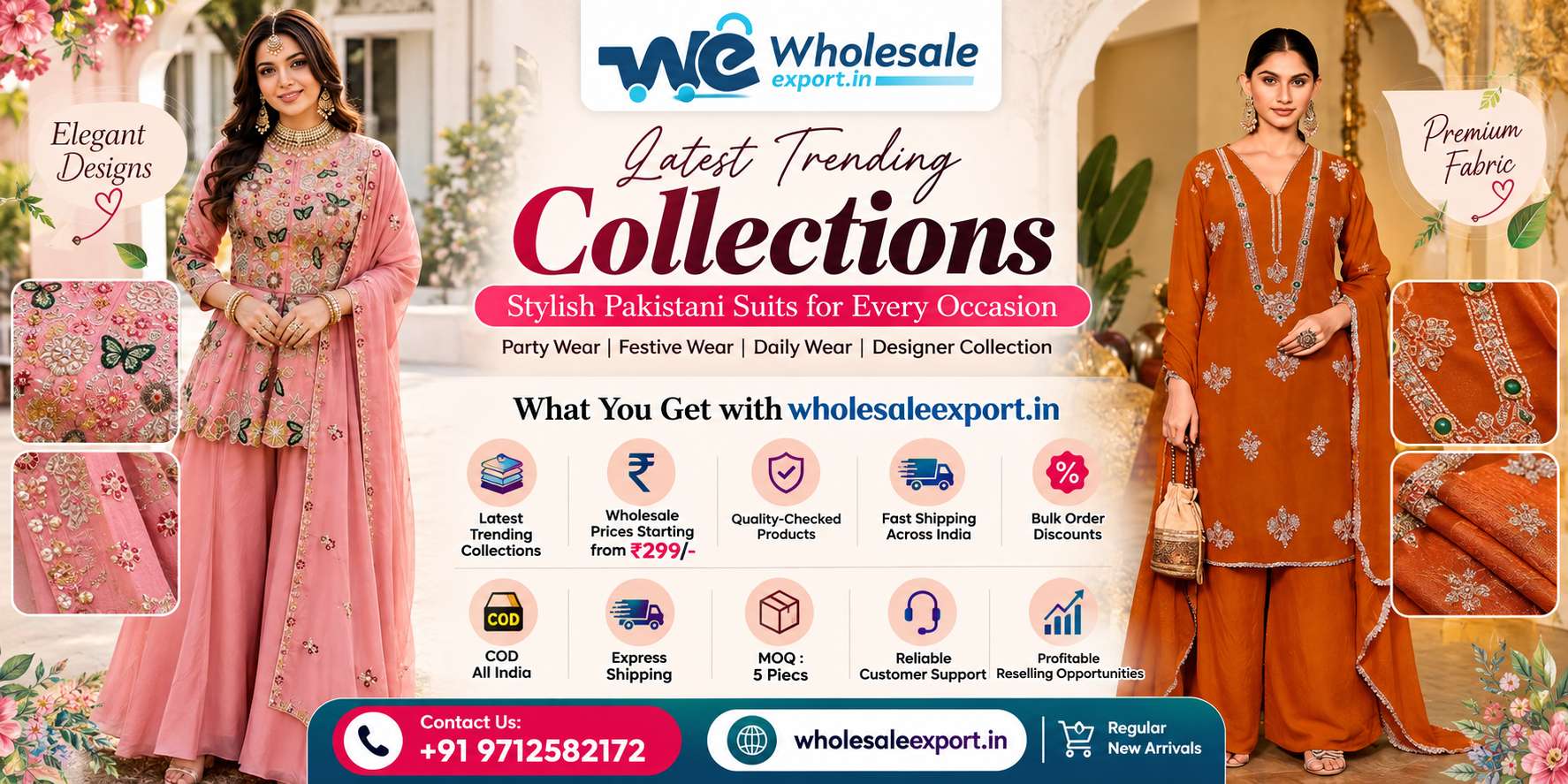
Fast Selling Pakistani Suit Collection Wholesale Guide 2026 for Boutiques & Resellers
Fast Selling Pakistani Suit Collection Wholesale Guide 2026 for Boutiques & Resellers
Pakistani suits have developed into a strong ethnic-wear category for retailers who want elegant silhouettes, detailed embroidery, attractive dupattas and designs that can work across everyday, festive and premium customer segments. For boutique owners, resellers and wholesale buyers, the bigger opportunity is not simply stocking more designs; it is choosing collections with the right combination of fabric, styling, colour, workmanship and selling price so inventory can move consistently.
Introduction
The ethnic fashion market in 2026 continues to give retailers multiple opportunities to build profitable assortments around Pakistani-style suits. Customers increasingly look for outfits that feel sophisticated without becoming difficult to wear. Straight-cut kurtas, coordinated bottoms, embroidered necklines, printed or embellished dupattas, lawn-inspired fabrics and premium festive combinations make this category suitable for several customer profiles.
For a boutique or retail store, a Fast Selling Pakistani Suit Collection can provide an important balance between fashion appeal and commercial usability. Instead of depending entirely on occasional heavy festive pieces, sellers can maintain a mix of daily wear, semi-festive, party wear and premium collections. This allows them to serve customers across different budgets and occasions.
Wholesaleexport.in helps wholesale buyers explore ethnic-wear collections sourced from the textile ecosystem of Surat. Buyers searching around the surat textile market, ring road and sahara darwaza often encounter a large variety of suppliers, fabrics and price levels. A structured online sourcing approach can make product selection easier for buyers who cannot personally visit Surat every time new stock is required.
Vastralife brings wholesale and export experience since 2017, with industry knowledge developed through working with retailers, boutiques, resellers and other clothing buyers. The focus on product selection, practical wholesale sourcing and premium product quality is particularly relevant in a fashion segment where appearance alone is not enough; fabric quality, finishing and customer-appropriate pricing also influence repeat sales.
Why Pakistani Suits Are a Strong Wholesale Category
Pakistani-inspired fashion has a recognisable design language. Longer kurta lengths, elegant straight silhouettes, detailed neck patterns, embroidered panels, coordinated trousers and statement dupattas give these outfits a distinctive appearance while remaining familiar enough for Indian ethnic-wear customers.
For shop owners and boutique owners, this creates an opportunity to stock a product that can sit between traditional salwar suits and contemporary designer ethnic wear. Customers looking for something different from regular kurti sets can often be attracted by Pakistani suit designs because they provide a complete coordinated appearance.
Multiple Selling Occasions from One Category
A well-planned Pakistani suits wholesale assortment can serve everyday buyers, office-wear customers, festive shoppers, wedding guests and customers looking for elegant gifting options. Cotton and lawn-inspired pieces can address regular use, while embroidered georgette, organza, jacquard and premium fabric combinations can support festive and occasion-driven demand.
This flexibility matters for resellers because it reduces dependence on a single seasonal event. A home-based seller can promote lighter suits through WhatsApp or social media during regular weeks and introduce more elaborate designs when Eid, Diwali, weddings or other festive periods approach.
Complete Looks Can Improve Perceived Value
Three-piece combinations have an advantage because the customer sees a coordinated outfit rather than an individual garment. A kurta, bottom and dupatta designed together can create stronger visual impact, especially in catalog photographs and social media videos. For online resellers, this presentation can make the product easier to explain and promote.
However, wholesale buyers should compare the complete specification rather than deciding only from photographs. Fabric type, lining requirement, embroidery placement, dupatta material, bottom fabric, size availability and finishing all affect the actual value of a collection.
Fast Selling Pakistani Suit Collection Trends for 2026
There is no single design that works for every market. A boutique in a metropolitan area may sell a different combination from a home-based reseller serving price-sensitive customers. The most useful approach is to build inventory across a few proven style directions and then replenish according to actual customer response.
Embroidered Straight-Cut Pakistani Suits
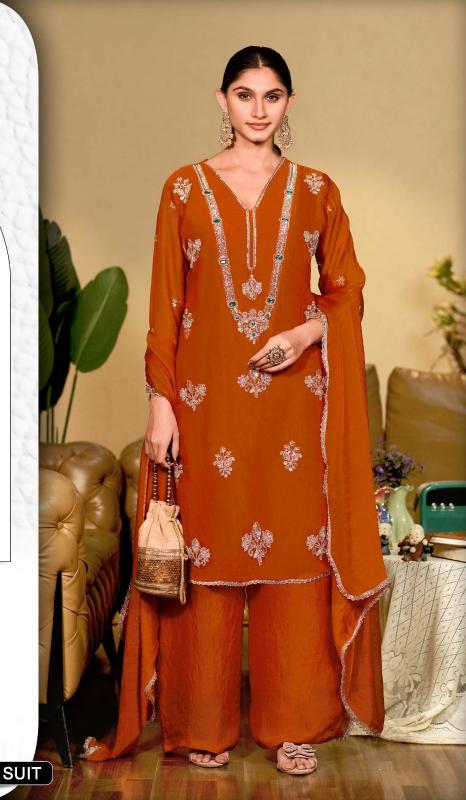
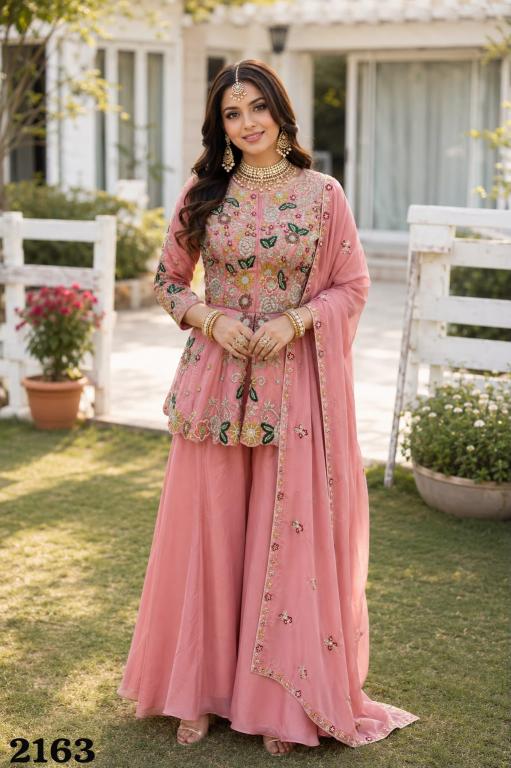
Straight-cut suits with embroidery around the neckline, front panel, sleeves or hem offer a polished look without requiring excessive embellishment. These designs can work well for customers who want an outfit suitable for family functions, dinners, small celebrations and festive occasions.
For wholesale buying, look for embroidery that complements the base fabric instead of overpowering it. Clean thread work, subtle sequins, zari accents, lace borders and coordinated dupattas can make a garment appear premium while maintaining a practical retail price.
Printed Pakistani Suits for Regular Rotation
Printed collections are useful for sellers who need repeatable everyday inventory. Floral patterns, geometric layouts, digital prints and traditional motifs can provide variety without pushing the product into a very high price bracket.
A balanced Pakistani dress wholesale purchase can include softer shades for customers who prefer understated clothing as well as stronger colours for shoppers who want noticeable designs. Rather than buying too deeply into one print, smaller quantities across several patterns may help boutiques test local preferences.
Lawn-Inspired and Cotton Collections
Breathable fabrics remain commercially relevant in India and other warm-weather markets. Cotton and lawn-inspired suits can be positioned for everyday wear, office use, casual gatherings and summer shopping. The category can be particularly useful for retailers seeking comfortable products that still offer a premium visual presentation.
Customers often evaluate these pieces by touch and comfort, so wholesale buyers should pay attention to fabric feel, transparency, colour clarity and shrinkage considerations. Attractive catalog photography may generate the first enquiry, but consistent fabric quality supports repeat business.
Festive Pakistani Suit Sets
Festive demand opens another price segment. Embroidery, sequins, zari details, decorative borders, organza dupattas and richer fabrics can create collections appropriate for celebrations and wedding-related shopping. These pieces can provide boutiques with higher-value options alongside their everyday inventory.
The key is to match the level of work with the intended customer. Extremely heavy garments are not automatically easier to sell. In many markets, customers prefer a premium appearance that remains comfortable enough to wear for several hours.
How Boutique Owners Can Choose Better-Selling Stock
Successful wholesale purchasing is closely connected to understanding the end customer. Before placing an order, retailers can divide their audience by budget, age group, preferred colours, common occasions and size requirements. This provides a more useful buying framework than simply choosing whichever catalog looks newest.
Build a Practical Price Ladder
A boutique can stock multiple price levels instead of competing in only one segment. Entry-level pieces can attract regular customers, mid-range embroidered suits can address the largest practical buying segment, and selected premium products can provide aspirational options.
This approach can also help home-based sellers. When customers receive a catalog containing several suitable price points, they have more opportunities to choose an outfit within their budget. Wholesale buyers should therefore compare not only purchase price but also the realistic retail positioning of each design.
Choose Colours with Repeat Demand Potential
Black, maroon, navy, bottle green, beige and other established ethnic shades remain useful, but a collection should not become visually repetitive. Pastels, dusty pink, lavender, mustard, teal and seasonal colour combinations can create freshness in the assortment.
Colour selection is especially important for online selling because customers initially respond to visual presentation. A varied colour palette makes WhatsApp catalogs, Instagram posts and product pages look more dynamic.
Check Size Range Before Ordering Deep Quantities
Size availability can determine whether a popular design converts into actual sales. Retailers serving diverse customer groups should verify available sizes before buying significant quantities. Plus-size demand can also create an additional opportunity when designs maintain the same styling and proportions across extended sizes.
A Fast Selling Pakistani Suit Collection should therefore be evaluated as a complete commercial product: design, size, fabric, workmanship, colour, price and availability all matter.
Surat as a Sourcing Hub for Pakistani Style Suits
Surat has a broad textile ecosystem covering fabric trading, garment production, embroidery, processing, catalog development and distribution. This makes the city relevant for buyers looking for Pakistani suit manufacturers and wholesalers, dress materials, ready-made suits and other women's ethnic-wear categories.
Commercial textile areas around Ring Road and Sahara Darwaza connect buyers with a wide variety of traders and suppliers. The scale of the surat textile market means there can be considerable differences in quality and price even among products that initially appear similar. Buyers should therefore evaluate specifications rather than comparing only the headline rate.
Manufacturing and Wholesale Selection
The strength of Surat's manufacturing network is the ability to offer numerous styles at different commercial levels. Buyers may find printed daily-wear ranges, embroidery-based catalogs, festive sets, ready-made Pakistani suits and premium collections within the same sourcing ecosystem.
For a boutique owner outside Surat, however, physically checking every supplier can consume significant time. Platforms such as Wholesaleexport.in can support product discovery by bringing wholesale options into a more accessible online buying environment.
Fresh Stock Matters in Fashion Retail
Ethnic fashion changes through colours, surface work, fabric combinations and presentation. A retailer does not necessarily need to replace the entire inventory every month, but introducing fresh designs regularly can give existing customers a reason to check new arrivals.
This is particularly important for WhatsApp sellers and social-media resellers. Frequent but carefully selected new stock can support recurring customer engagement without requiring the seller to compete only through discounts.
Wholesale Opportunities for India and International Markets
Pakistani-inspired ethnic wear can be relevant beyond a single domestic market. Wholesale buyers serving India, Nepal and Australia may have different customer profiles, climate considerations and preferred price levels, so export-oriented sourcing should be planned market by market.
In India, the category can be sold through boutiques, multi-brand stores, home-based businesses and online channels. In Nepal, Indian ethnic wear and coordinated suit sets can serve boutique and retail demand, while buyers supplying Australia may focus on South Asian communities looking for ethnic clothing for festivals, family events and celebrations.
For international orders, buyers should confirm product availability, packing, shipping options, applicable documentation and other export requirements before finalising larger purchases. Freight cost should also be considered when calculating the final landed price.
Why Smaller Sellers Can Benefit from Pakistani Suit Wholesale
A physical showroom is not the only way to sell ethnic fashion. Home-based sellers and independent resellers can build a focused catalog using WhatsApp, Instagram, Facebook and customer referrals. The important factor is selecting products that match the audience rather than maintaining an unnecessarily large inventory.
Start with Variety and Follow the Sales Data
Instead of assuming which designs will become bestsellers, a reseller can begin with controlled quantities across several styles. Track enquiries, actual orders, colour preferences, size demand and repeat requests. Reordering can then be based on real customer behaviour.
This method is especially useful for new businesses because it protects working capital. The objective is not to own the largest collection; it is to maintain stock that can be sold and replenished efficiently.
Use Product Content to Support Conversion
Customers buying remotely need enough information to make a decision. Clear photographs, fabric details, size information, design numbers, prices and delivery expectations should accompany each catalog. Short product videos can further help customers understand fabric movement, embroidery and overall appearance.
Wholesaleexport.in can be used by buyers looking for new ethnic-wear sourcing opportunities, while Vastralife's experience in wholesale and export since 2017 adds practical industry understanding for buyers seeking premium product quality and commercially suitable collections.
Inventory Planning for Festive and Wedding Demand
Festive and wedding seasons can create stronger demand, but retailers should purchase with timing in mind. Stock arriving after the peak selling window can lock working capital into designs that may move more slowly later. Buyers should therefore account for supplier processing, dispatch and transportation when planning inventory.
For festive Pakistani suits, it can be useful to combine several product levels: lighter embroidered suits for smaller functions, richer dupatta sets for celebrations, and selected premium pieces for customers seeking statement outfits. This creates a broader selling range without concentrating the entire budget in expensive merchandise.
Reorder Winners Instead of Overbuying Every New Catalog
Newness attracts attention, but proven designs can be commercially valuable. If a particular silhouette, fabric or colour combination repeatedly sells, check whether the supplier can replenish it. Maintaining a balance between proven sellers and new arrivals can create more predictable inventory movement.
For Pakistani suits wholesale online, availability can change quickly. Retailers should therefore confirm stock before promising a design to customers, particularly during high-demand periods.
What to Check Before Placing a Wholesale Order
Before buying a catalog, verify what is included in the quoted price. Confirm whether the product is stitched or unstitched, the number of pieces in the set, fabric specifications, embroidery details, size availability, colour options and quantity requirements.
Retail buyers should also inspect or confirm finishing standards. Stitch quality, neckline finishing, embroidery cleanliness, dupatta borders, colour consistency and fabric feel can influence customer satisfaction. Premium product quality becomes especially important when a boutique wants repeat customers rather than one-time price-driven orders.
When exploring a Pakistani suits wholesale collection, buyers can compare different styles before deciding how to divide their purchase budget. Sellers who also maintain occasion wear can explore the wholesale lehenga market in Surat to build a broader ethnic-wear assortment alongside Pakistani suits.
Internal Linking and Product Discovery
A well-organised sourcing journey should allow buyers to move between related categories according to their customers' requirements. Someone sourcing Pakistani suits may also need festive ethnic wear, wedding products, dress materials or other coordinated categories. This broader assortment can help boutique owners increase customer choice while keeping purchasing within relevant product segments.
Wholesaleexport.in is designed around wholesale product discovery for retailers, resellers and other trade buyers. Buyers can review current collections and select products according to their own market, selling channel and budget instead of relying on a single style direction.
Customer FAQs
1. What makes a Pakistani suit suitable for fast retail selling?
A commercially suitable design usually combines an attractive silhouette, wearable fabric, relevant colour, clean finishing, suitable sizing and a retail-friendly price. Actual demand differs by market, so retailers should use their own sales history to identify repeatable winners.
2. Can home-based resellers buy Pakistani suits wholesale?
Yes. Home-based sellers can source wholesale collections and sell through WhatsApp, Instagram, Facebook or their existing customer network. Starting with controlled quantities can make it easier to understand local demand before increasing inventory.
3. Are Pakistani suits suitable for boutique owners?
Yes. Boutique owners can use Pakistani-style suits to offer customers straight silhouettes, embroidered designs, premium dupattas and coordinated ethnic sets across everyday and festive price segments.
4. Can Pakistani suits be supplied for export orders?
Export availability depends on the order, destination, shipping arrangement and applicable documentation. Wholesale buyers should confirm current product stock, freight and destination requirements before placing international orders.
5. Where can I source Pakistani suits from Surat?
Surat's textile markets around Ring Road, Sahara Darwaza and other commercial areas provide extensive sourcing options. Buyers who prefer online discovery can also review wholesale collections through Wholesaleexport.in.
6. What should I check before ordering in bulk?
Confirm fabric, stitching status, sizes, colours, set quantity, design assortment, product price, dispatch details and applicable shipping costs. For larger orders, understanding these details before payment reduces avoidable confusion.
7. Which Pakistani suit styles can boutiques stock for festive demand?
Retailers can consider embroidered straight suits, organza dupatta sets, zari-accented pieces, sequinned designs, premium cotton combinations and richer party-wear collections according to their customers' budgets.
8. How should a new reseller select the first collection?
A new reseller can begin with a balanced mix of colours, styles and price points instead of buying a large quantity of one design. Customer enquiries and completed sales can then guide future reorders.
Order Latest Pakistani Suit Collections for Your Business
If you are a boutique owner, shop owner, showroom buyer, home-based seller, reseller or wholesale buyer looking to refresh your ethnic-wear inventory, explore collections that match your customers' preferred designs and budgets. The right Fast Selling Pakistani Suit Collection should combine visual appeal with practical pricing, quality and repeat-selling potential.
Wholesaleexport.in provides access to wholesale ethnic-wear sourcing with options suitable for different retail and resale requirements. With Vastralife's wholesale and export experience since 2017, the focus remains on practical industry expertise, product selection and premium quality for business buyers.
What You Can Explore
Latest Collections | Wholesale Pricing | Trendy Ethnic Wear | Fast Shipping | COD Support | Bulk Order Deals | Quality Products Starting From ₹299
For current collection availability, wholesale price details and bulk order enquiries, contact the team directly.
Contact: +91 9712582172
Website: wholesaleexport.in
How to Build a Profitable Pakistani Suit Inventory Mix
A successful wholesale purchase should not depend on one design, one fabric or one price range. Boutique owners and resellers can create a more practical inventory by combining everyday styles, mid-range embroidered suits and selected premium pieces. This allows customers with different budgets to find something suitable without forcing the retailer to maintain excessive stock.
For example, daily and semi-casual Pakistani suits can generate regular enquiries, while richer embroidered collections can serve festive and occasion-based demand. Premium designs can then be kept in smaller quantities for customers who are specifically looking for distinctive styling. This type of inventory planning can help improve stock rotation and protect working capital.
Keep Entry, Mid and Premium Price Segments
Price segmentation is especially useful for boutiques. Instead of showing every customer products from the same range, sellers can quickly offer options according to budget. Entry-level products can support volume, mid-range designs can form the core assortment, and premium Pakistani suits can increase the average order value when customers want something special.
Wholesale buyers should calculate the complete landed price, including product cost, transportation and other applicable expenses, before deciding the final retail price. Maintaining a reasonable margin while staying competitive is more sustainable than choosing products solely because the initial wholesale rate appears low.
Use Small-Batch Testing for New Designs
Fashion demand is difficult to predict perfectly. A design that performs extremely well in one city may receive a different response elsewhere. For this reason, home-based sellers, boutiques and resellers can test fresh designs in controlled quantities before committing to deeper inventory.
Track which colours receive enquiries, which sizes sell first, which photographs generate customer responses and which price levels convert into actual orders. These signals can guide future purchases and help identify the most suitable Fast Selling Pakistani Suit Collection for your own customer base.
Pakistani Suit Wholesale Opportunities for India, Nepal and Australia
The appeal of Pakistani-style ethnic wear extends across different South Asian fashion markets and diaspora communities. Buyers in India can target boutiques, retail shops and online customers, while wholesalers supplying Nepal can build assortments around festive, wedding and regular ethnic-wear demand. In Australia, retailers serving South Asian communities can position Pakistani suits for cultural celebrations, festive gatherings, weddings and family occasions.
International buyers should select products according to their specific customer profile rather than assuming the same assortment will work everywhere. Climate, local fashion preferences, purchasing power, preferred sizing and seasonal events can all influence the right product mix.
Plan Export Orders Around Selling Seasons
For an export buyer, timing is particularly important because international transportation adds another stage between purchasing and retail selling. Orders intended for a festival or wedding season should be planned early enough to allow for product confirmation, packing, dispatch, transportation and destination-side processing.
Wholesale buyers should confirm current shipping arrangements, documentation requirements and freight charges before placing international orders. These factors influence the final landed cost and therefore the realistic retail margin.
How Online Resellers Can Sell Pakistani Suits Faster
Online reselling has reduced the need for every fashion seller to operate a large physical showroom. A reseller can build a focused customer base through WhatsApp, Instagram, Facebook and other digital channels, provided the product presentation is clear and consistent.
Instead of uploading dozens of random catalogs, sellers can create smaller curated selections. A collection could be promoted around a specific theme such as office-ready Pakistani suits, festive embroidered suits, premium three-piece sets, pastel collections or wedding-season designs. Focused presentation can make it easier for customers to understand what is being offered.
Show More Than the Front Product Photo
Customers shopping remotely want confidence before ordering. Wherever possible, sellers should provide clear front and back views, embroidery close-ups, dupatta details, fabric information, size charts and short videos. If the garment contains special work, a close-up can help customers understand why one product is priced differently from another.
Accurate descriptions are equally important. Avoid presenting ordinary work as luxury craftsmanship simply to generate enquiries. Clear information builds trust and can reduce unnecessary questions after the order is placed.
Use New Arrivals to Bring Customers Back
Regular new arrivals provide a natural reason to reconnect with existing customers. Instead of sending the same catalog repeatedly, sellers can share a small number of genuinely fresh designs and mention the fabric, sizes, price range and suitable occasion.
In 2026, customers have access to a large amount of fashion content online. Retailers therefore benefit from making product discovery simple rather than overwhelming buyers with hundreds of unstructured images.
Internal Linking for Related Wholesale Categories
Buyers who want to expand their Pakistani-wear range can browse a Pakistani suits wholesale collection and compare available styles, fabrics and design directions for their retail business.
Retailers serving wedding and festive customers may also consider adding products from the wholesale lehenga market in Surat so that customers can shop across multiple occasion-wear categories from the same seller.
What Wholesale Buyers Should Check Before Finalising an Order
A good-looking catalog is only the first stage of product selection. Before confirming a wholesale purchase, buyers should understand exactly what they are receiving. This becomes more important when ordering larger quantities or buying remotely.
Fabric and Work Details
Confirm the main fabric, bottom fabric and dupatta fabric. Check whether the work is embroidery, print, zari, sequins, lace, digital print or a combination. The actual construction of the garment influences both quality perception and selling price.
Ready-Made or Unstitched
Pakistani-style collections may be available as ready-made suits or dress materials. Retailers should make this distinction clear to customers because the two products serve different buying preferences. Ready-made garments offer convenience, while unstitched products allow customers greater control over fitting and styling.
Size and Colour Availability
Do not assume every catalog is available in every size or colour. Check current availability before promoting products to customers. For stores with repeat plus-size demand, size continuity should form part of the buying decision rather than being treated as an afterthought.
Wholesale Quantity and Reorder Possibility
Ask how the collection is sold and whether successful designs can be reordered. Some fashion catalogs move quickly and may not remain available for long. If a product performs strongly, timely replenishment can be more valuable than constantly switching to unfamiliar designs.
Why Surat Remains Important for Ethnic Wear Sourcing
Surat's textile ecosystem brings together fabric suppliers, processors, embroidery businesses, garment units, traders and wholesalers. Areas around ring road, sahara darwaza and the wider surat textile market are familiar sourcing locations for buyers dealing in women's ethnic wear.
The city's manufacturing and trading network provides access to multiple categories, including Pakistani suits, kurtis, dress materials, sarees, festive suits and other fashion products. This variety can help multi-category retailers build collections for different customer segments.
However, a large market also means buyers need to compare quality carefully. Two visually similar products may differ in fabric, embroidery density, stitching, finishing and overall consistency. Reliable sourcing should therefore focus on the complete product rather than only the lowest quoted price.
Customer FAQs
1. Which Pakistani suits are suitable for boutique resale?
Straight-cut embroidered suits, printed three-piece sets, cotton and lawn-inspired collections, festive suits and premium dupatta combinations can all work for boutiques. The best selection depends on the boutique's customer budget, climate, occasion requirements and preferred styling.
2. Can home-based sellers purchase Pakistani suits wholesale?
Yes. Home-based sellers can build a wholesale assortment and resell through WhatsApp, Instagram, Facebook or their existing customer network. Controlled initial quantities can help sellers identify demand before investing in larger inventory.
3. What should I check when comparing Pakistani suit wholesale prices?
Compare fabric, stitching status, embroidery or surface work, dupatta quality, size range, number of pieces, finishing and quantity requirements. Comparing only the headline price can be misleading when product specifications are different.
4. Are Pakistani suits suitable for festive selling?
Yes. Embroidered Pakistani suits, zari-accented designs, organza dupattas, richer fabrics and elegant three-piece combinations can be positioned for festivals, weddings and family functions.
5. Can wholesale Pakistani suits be exported?
Export orders can be considered depending on product availability, destination, quantity and shipping arrangements. International buyers should confirm current freight, documentation and destination requirements before ordering.
6. How can a reseller identify fast-selling designs?
Track actual customer enquiries, completed orders, preferred colours, requested sizes, repeat orders and price sensitivity. Your own sales data is generally more useful for inventory planning than assuming that every trending catalog will perform equally well.
7. Is it better to buy one design in large quantity or multiple designs?
For a new seller, a broader selection in controlled quantities can reduce inventory concentration. Once a design demonstrates consistent demand, deeper reordering may become more practical.
8. Where can wholesale buyers explore new Pakistani suit collections?
Wholesale buyers can explore relevant ethnic-wear collections through Wholesaleexport.in and select products according to their retail segment, customer requirements and available budget.
Build Your Next Pakistani Suit Collection with Wholesaleexport.in
A profitable ethnic-wear business depends on more than finding attractive products. Retailers need the right combination of design, quality, price, size availability, freshness and reliable sourcing. Whether you operate a boutique, showroom, retail shop, home-based business or online resale operation, selecting stock according to real customer demand can create a stronger foundation for repeat business.
Wholesaleexport.in connects wholesale buyers with evolving ethnic-wear collections suitable for different retail requirements. Combined with Vastralife's wholesale and export experience since 2017, the focus is on industry expertise, commercially relevant product selection and premium product quality for business buyers.
Order for Your Boutique, Shop or Reselling Business
Explore Latest Collections, competitive Wholesale Pricing, Trendy Ethnic Wear, Fast Shipping, COD Support, attractive Bulk Order Deals and Quality Products Starting From ₹299.
Whether you are refreshing a boutique collection, adding Pakistani suits to your showroom, starting a home-based clothing business or sourcing for wholesale resale, choose products according to your market and confirm current availability before ordering.
Contact Number: +91 9712582172
Website: wholesaleexport.in