


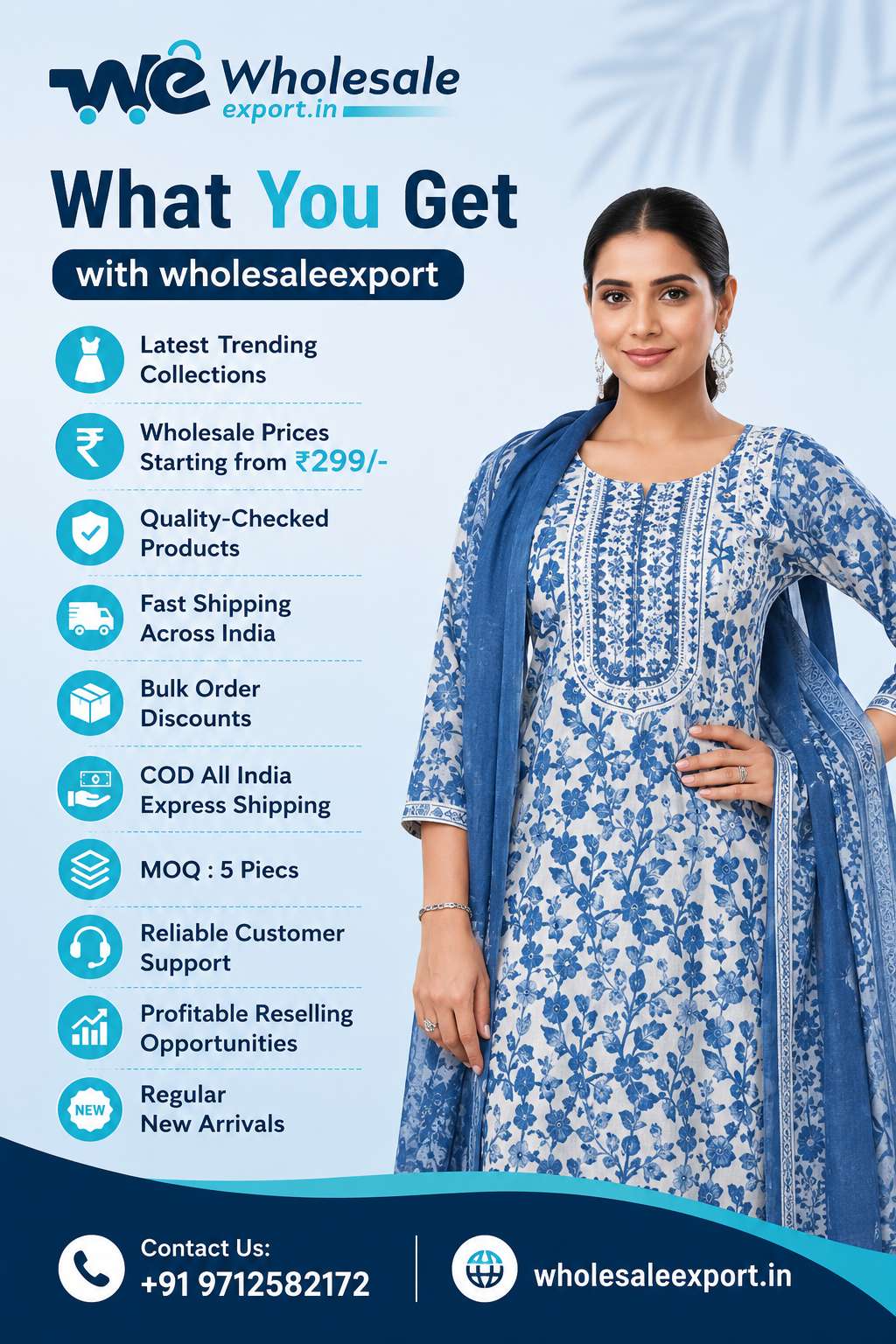
Fast Moving Kurti Collection 2026: Wholesale Buying Guide for Retailers
Fast Moving Kurti Collection 2026: Wholesale Buying Guide for Retailers
Successful ethnic wear retail is not simply about keeping a large number of designs in stock. The real opportunity lies in identifying styles that customers can understand quickly, wear comfortably and purchase within their preferred budget. From practical everyday kurtis to coordinated sets and occasion-ready designs, the right product mix can improve stock rotation while giving customers fresh choices throughout the year.
Introduction
The kurti category continues to be one of the most flexible segments of women's ethnic fashion. Customers wear kurtis for office, college, shopping, travel, casual gatherings, festivals and family functions. This broad usage creates consistent opportunities for Home-Based Sellers, Shop Owners, Boutique Owners, Showroom Owners, Resellers and Wholesale Buyers.
For retailers, however, every attractive catalogue does not automatically become a successful collection. A Fast Moving Kurti Collection generally combines wearable styling, suitable fabric, practical sizes, commercial colours and a price that matches the expectations of the target customer.
Demand in 2026 is increasingly diverse. Some buyers want simple cotton kurtis for regular use, while others prefer complete kurti-pant sets, feeding kurtis, embroidered three-piece suits, co-ord styles or contemporary fusion outfits. Retailers who understand these different requirements can create a more balanced inventory instead of depending on one fashion trend.
Wholesaleexport.in provides access to changing women's ethnic wear collections for businesses looking to source products through the wholesale market. The objective for a retailer should be to combine reliable everyday sellers with selected new trends that give customers a reason to return.
What Does Fast Moving Mean in the Kurti Business?
A fast-moving product is one that converts into customer sales consistently and does not remain unnecessarily long in inventory. It does not necessarily have to be the cheapest kurti or the most fashionable garment available in the market.
In many cases, fast-selling products are those that solve several customer requirements at once. They are comfortable, easy to style, available in usable colours and offered at a commercially acceptable retail price.
Customer-Friendly Designs
Customers often purchase familiar silhouettes more confidently than highly experimental fashion. Straight kurtis, A-line styles, kurti-pant combinations and three-piece sets can therefore provide a dependable foundation for a retail collection.
Newness can be introduced through prints, embroidery, sleeves, necklines, dupattas and colour combinations without completely changing the silhouette.
Comfortable Fabrics
Fabric has a major influence on repeat purchases. Cotton, cotton blends, rayon and other comfortable materials can work particularly well in everyday segments, while georgette, silk blends and richer fabrics can support festive collections.
Retailers should always understand the actual fabric specification before selling the product. Accurate descriptions create greater customer trust than exaggerated fabric claims.
Correct Price Positioning
The lowest wholesale rate does not always create the highest profit. A slightly better-quality garment can sometimes provide stronger customer satisfaction, fewer complaints and better repeat sales.
Wholesale Buyers should compare fabric, stitching, design, set contents and finishing together with the kurti wholesale price before making a purchasing decision.
Top Fast Moving Kurti Styles for 2026
Retail demand differs by region, age group and budget, but certain styles have broad commercial usefulness. Maintaining a combination of these categories can help businesses serve more customers without depending heavily on one design.
1. Straight Kurti Pant Sets
Straight kurti-pant sets are commercially practical because customers receive a coordinated outfit without needing to search separately for bottoms. These sets can work for office wear, daily use, casual outings and small social gatherings.
Retailers can maintain simple printed sets for everyday customers and embroidered or embellished options for shoppers seeking a more dressed-up appearance.
2. Three-Piece Kurti Pant Dupatta Sets
Three-piece sets remain attractive because they provide a complete ethnic look. A well-selected dupatta can significantly increase the visual value of an otherwise simple outfit.
Printed dupattas, contrast dupattas, lightweight organza-style options and embroidered designs allow wholesalers and retailers to target multiple price segments.
3. Printed Cotton Kurtis
Cotton kurtis wholesale remains an important category for businesses targeting daily-wear customers. Floral prints, geometric patterns, block-inspired designs, ethnic motifs and smaller repeat prints can provide variety without sacrificing practicality.
These designs are particularly relevant during warmer months when customers prioritize breathable and easy-to-maintain garments.
4. A-Line Kurtis
A-line silhouettes combine comfort with a feminine shape and can appeal to several age groups. Printed A-line kurtis work well for casual dressing, while embroidered variations can move into semi-festive use.
This versatility makes them useful for retailers who want designs capable of serving more than one occasion.
5. Short Kurtis
Short kurtis can appeal to younger customers who like combining Indian elements with jeans, trousers or skirts. Contemporary prints, embroidered necklines and modern cuts can make this category suitable for college wear and casual fashion.
Feeding Kurtis as a Practical Retail Category
Fashion retail is increasingly becoming more requirement-specific, and maternity-friendly clothing is one example. Feeding kurtis are designed to offer convenient access while maintaining the appearance of regular ethnic wear.
For a retailer, this is a functional category rather than simply another fashion trend. Customers searching for maternity or nursing wear often have a clear requirement, which can create useful purchase intent when the right sizes and designs are available.
Why Feeding Kurtis Can Generate Repeat Demand
Women looking for nursing-friendly outfits may need multiple garments for daily use, outings and family occasions. Comfortable feeding kurtis in wearable fabrics can therefore create repeat purchase potential.
Retailers should focus on functional construction, comfortable fit and easy-access design rather than selecting products solely for decoration.
Daily-Wear Feeding Kurtis
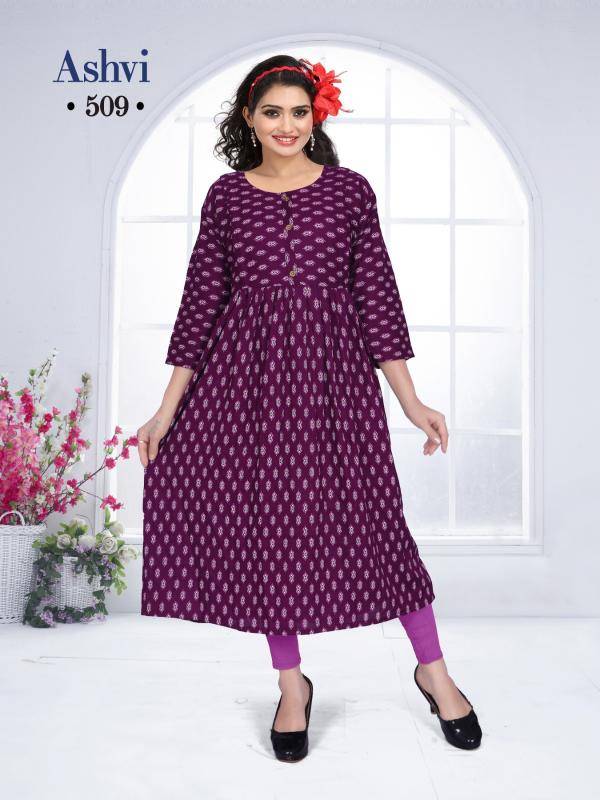
Simple cotton and rayon-style feeding kurtis can be useful for regular use. Prints help make functional openings less visually prominent while giving customers the appearance of a conventional kurti.
Practical colours, manageable sleeves and comfortable lengths can make these products easier to sell across everyday requirements.
Festive Feeding Kurtis
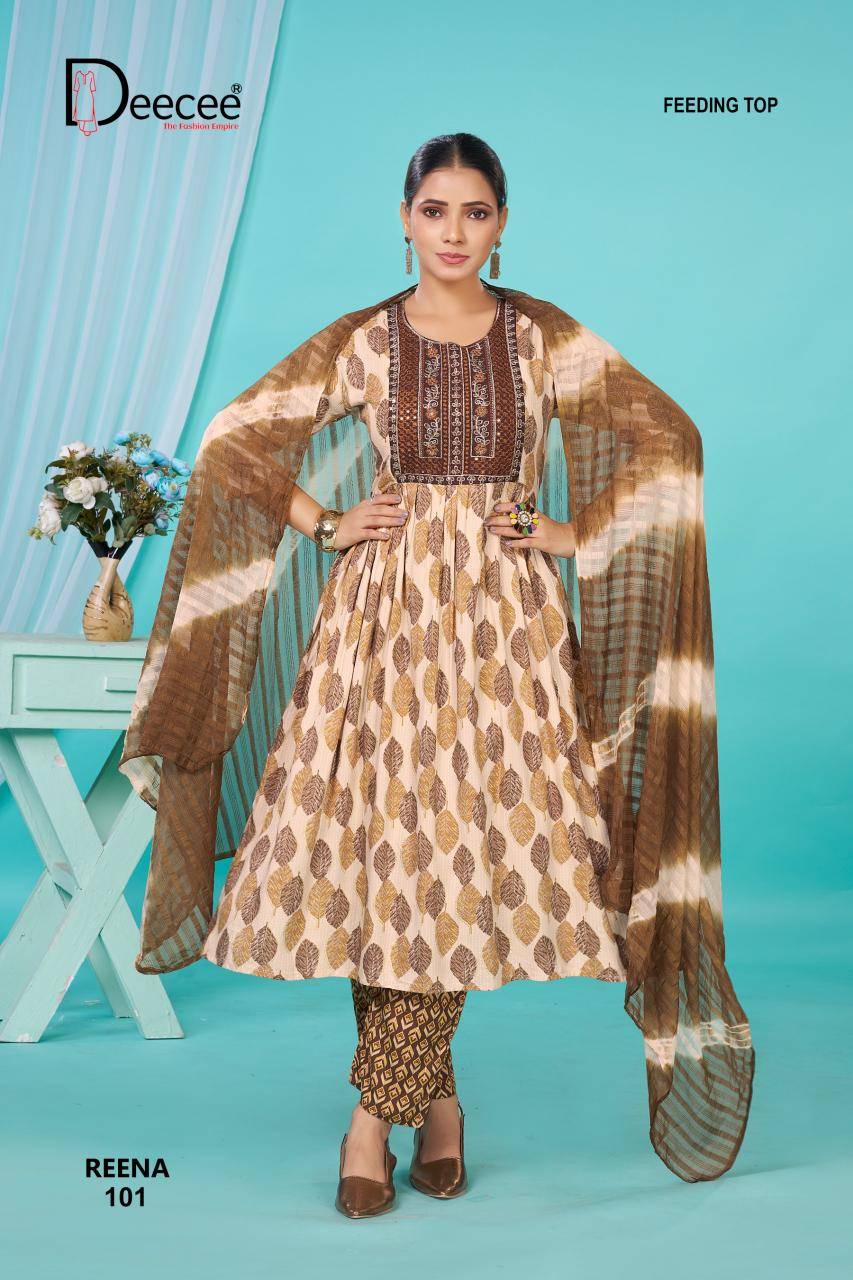
Nursing mothers may also require suitable outfits for festivals and family gatherings. Embroidery, foil-inspired details, decorative necklines and coordinated bottoms can create more occasion-friendly options without compromising functionality.
Best Fabrics for a Fast Moving Kurti Collection
The ideal fabric mix depends on climate, season, customer budget and the purpose of the garment. Retailers should avoid filling an entire shop with one material simply because it is currently popular.
Cotton and Cotton Blends
Cotton-based kurtis are associated with comfort and are particularly useful for summer, office wear and daily dressing. Printed cotton styles can create a dependable entry-level and mid-range category.
Rayon
Rayon can offer softness and fluid drape, making it suitable for straight kurtis, A-line silhouettes and relaxed outfits. Printed and foil-print variations can provide different visual identities within the same fabric category.
Georgette
Georgette-style fabrics are commonly associated with dressier silhouettes and can support layered outfits, Anarkali sets and festive collections. Embroidery and coordinated dupattas can further increase their occasion-wear appeal.
Silk Blends
Silk-look and silk-blend materials can add richness to festive kurti sets. They can be particularly effective during wedding and festival seasons when customers are willing to consider higher-value outfits.
How Retailers Should Build a Balanced Kurti Inventory
One of the biggest mistakes in wholesale purchasing is confusing variety with quantity. A store can have hundreds of pieces yet still offer customers very little meaningful choice if most products have similar colours, fabrics and price levels.
A stronger Fast Moving Kurti Collection should cover different reasons for buying. Retailers can divide inventory among everyday wear, office wear, feeding kurtis, festive outfits, three-piece sets and selected fashion-led products.
Maintain Multiple Price Segments
Not every customer enters a shop with the same budget. An assortment that includes affordable daily-wear pieces, mid-range sets and selected premium outfits can improve the chances of completing a sale.
The wholesale price should always be evaluated alongside the expected retail selling value. Retailers must also account for applicable taxes, transportation, packaging and promotional discounts when calculating margins.
Mix Evergreen and Trending Colours
Black, maroon, navy, bottle green, mustard and red can provide dependable colour options. Alongside them, retailers can introduce lavender, sage, powder blue, peach, beige, mint and other contemporary shades.
This approach gives conservative customers familiar choices while offering trend-conscious buyers something fresh.
Do Not Ignore Size Demand
A catalogue can receive strong customer interest but still produce poor sales if required sizes are unavailable. Businesses should monitor sales by size and adjust future purchasing accordingly.
Demand for M, L, XL, XXL and extended sizes can differ considerably from one customer base to another. Historical sales data is more useful than applying the same size ratio to every market.
Surat as a Major Kurti Wholesale Sourcing Hub
Surat has developed a broad textile ecosystem covering fabrics, processing, garment manufacturing, wholesale trading, catalogue development, packaging and distribution. This allows retailers to explore multiple women's fashion categories within one sourcing network.
The surat textile market and commercial areas around ring road and sahara darwaza are widely associated with textile wholesale activity. Buyers visit these markets for kurtis, sarees, dress materials, suits, co-ord sets and numerous other products.
Online wholesale platforms have made Surat-based sourcing more accessible to retailers who cannot physically visit the market for every new collection. Catalogue photographs, product details and digital communication can simplify initial selection before an order is finalized.
Why Regular New Arrivals Matter
Customers often revisit a retailer because they expect new designs. Regular new arrivals can make WhatsApp catalogues, social media pages and physical displays feel active and current.
Wholesaleexport.in helps Wholesale Buyers explore changing ethnic wear collections for different customer requirements. Instead of buying every newly launched catalogue, retailers can select designs that fit their existing audience and current selling season.
Fast Moving Kurtis for Different Types of Sellers
Home-Based Sellers
Home-Based Sellers can benefit from keeping inventory controlled while offering greater visual variety through digital catalogues. Products that are easy to explain and photograph, such as kurti-pant sets and three-piece combinations, can be practical for WhatsApp and social-media selling.
Customer feedback should guide repeat orders. If several buyers request the same style, colour or size, that information can be used for the next wholesale purchase.
Shop Owners
Physical stores need a broader mix because customers may arrive with different requirements. Daily-wear kurtis can support regular footfall, while festive sets and premium designs can increase average transaction value during seasonal periods.
Boutique Owners
Boutiques can focus on more selective inventory. Distinctive prints, elegant embroidery, premium-looking fabrics and limited designs can help maintain a curated identity rather than competing only on price.
Showroom Owners
Showrooms can maintain deeper size ranges and organize products by occasion, fabric and price band. Clearly separated sections for casual kurtis, feeding wear, three-piece sets and festive outfits can make customer browsing easier.
Online Resellers
Resellers should prioritize products with strong catalogue presentation and clear specifications. Model photographs can generate attention, but fabric, size, set contents and product details are essential for converting enquiries into confident purchases.
Wholesale Kurti Trends Beyond the Indian Market
Indian ethnic fashion also creates business opportunities in international markets where South Asian communities purchase traditional and fusion clothing for everyday wear, festivals, weddings and cultural gatherings.
For this guide, three useful markets to consider are India, Nepal and Canada. The product mix should be adjusted according to local demand rather than sending identical inventory to every destination.
India
India provides demand across virtually every kurti segment, from affordable daily wear to premium festive collections. Regional preferences, weather and local festivals can strongly influence which products move fastest.
Nepal
Retailers serving Nepal can consider practical kurti-pant sets, embroidered suits, Anarkali outfits and festive collections according to customer preferences and seasonal demand. Buyers should calculate transportation and applicable cross-border costs before deciding the final retail rate.
Canada
For Canada, Indian ethnic wear can be relevant around weddings, Diwali, cultural functions and community events. Retailers may benefit from a curated combination of casual kurtis and occasion-ready sets rather than depending exclusively on heavy festive products.
International buyers should confirm freight, customs, taxes and destination-specific requirements before placing an export order.
Smart Wholesale Buying Strategy for 2026
The most effective buying strategy is based on actual sales rather than assumptions. Retailers should maintain simple records showing which fabrics, colours, sizes, silhouettes and price bands produce completed orders.
A new catalogue can initially be purchased in controlled quantities. When a design begins generating repeat demand, the retailer can consider deeper stock if availability continues.
This test-and-repeat approach can be especially valuable for businesses purchasing a Fast Moving Kurti Collection because fashion trends can change quickly and working capital should not remain unnecessarily locked in slow inventory.
Calculate Landed Cost Before Ordering
The catalogue rate is only one component of cost. Depending on the order, a retailer may also need to consider applicable GST, freight, packaging, payment charges and local delivery.
For international shipments, the calculation may include export freight, customs and destination-related expenses. Understanding the complete landed cost helps businesses establish a realistic selling price and margin.
Reorder Winners Instead of Guessing
If a particular catalogue, colour or size consistently sells, record that information. Replenishing proven sellers can be more effective than continuously replacing successful products simply because another catalogue is newer.
At the same time, maintain enough fresh merchandise to keep the collection visually interesting. The objective is a balance between proven products and controlled experimentation.
Related Wholesale Categories for Business Expansion
Retailers who already sell kurtis can gradually expand into closely related women's ethnic wear. Buyers looking specifically for functional maternity styles can explore feeding kurtis for women as a focused category for customers seeking practical nursing-friendly garments.
Businesses that also serve customers looking for complete ethnic ensembles can consider wholesale Pakistani suits as another category for future assortment planning.
How to Identify a Fast-Selling Kurti Before Buying in Bulk
Wholesale purchasing becomes more profitable when buyers learn to evaluate a collection before committing to larger quantities. No supplier can guarantee that every design will become a bestseller because retail demand depends on location, customer profile, season and selling price. However, several practical indicators can help buyers identify products with stronger commercial potential.
Check Whether the Design Solves a Real Customer Need
Products generally move faster when customers immediately understand where and how they can wear them. A lightweight printed kurti can answer a daily-wear requirement, a straight kurti-pant set can work for office dressing, and an embroidered three-piece outfit can satisfy festive demand.
Functional categories can be particularly interesting. Feeding kurtis, for example, serve a specific requirement while allowing customers to maintain an attractive ethnic look. When fashion and practicality come together naturally, retailers may find it easier to explain the value of the product.
Look at the Complete Product, Not Only the Model Photo
A strong catalogue image can generate enquiries, but Wholesale Buyers should look beyond photography. Fabric quality, stitching, actual work, size range, bottom fabric and dupatta details should be evaluated before purchasing significant stock.
Customers may initially buy because they like a photograph, but repeat business depends much more on the quality they receive.
Evaluate the Retail Price Possibility
Before ordering, calculate whether the product can be sold comfortably within the price expectations of your customer base. A beautiful garment that needs to be retailed significantly above the normal spending level of local customers may move slowly.
A fast-moving collection generally offers a practical balance between visual value and affordability. This is why commercial buying requires understanding both fashion and numbers.
Inventory Planning for Shop Owners and Showrooms
Good inventory planning can make the difference between a profitable kurti business and a storeroom filled with old catalogues. Instead of treating every collection equally, retailers should classify products according to their expected role.
Core Daily-Wear Inventory
Daily-wear kurtis, simple pant sets and comfortable printed styles can form the core of a store. These products may not always generate the highest margin per piece, but regular customer demand can support consistent turnover.
Mid-Range Fashion Inventory
This category can include better printed sets, attractive rayon kurtis, co-ords, embroidered necklines and fashionable two-piece outfits. They provide customers with something more distinctive than basic daily wear without moving completely into premium pricing.
Festive and Premium Inventory
Premium embroidered sets, Anarkali outfits, silk-blend styles and statement dupatta combinations can be maintained in controlled quantities. These products become especially important around festivals and wedding periods.
The ideal stock ratio should be determined using actual store performance. A Boutique Owner serving occasion-wear customers will naturally require a different mix from a Home-Based Seller specializing in affordable daily wear.
How Size Planning Can Improve Stock Rotation
Size availability is one of the most overlooked factors in kurti retail. Customers may love the fabric, colour and design, but the sale can still be lost when their size is unavailable.
Retailers should record which sizes generate the highest number of completed sales rather than simply which sizes receive enquiries. Over time, this information can help create a more accurate purchasing ratio.
Extended-size demand should also be evaluated wherever suitable products are available. A retailer who understands underserved size requirements may build a loyal customer segment rather than competing only for the most common sizes.
Share Accurate Measurements Online
For Resellers and Home-Based Sellers, size charts are particularly important because customers cannot physically try the garment before purchasing. When manufacturer measurements are available, share them clearly and avoid making assumptions about fit.
Accurate sizing information can reduce confusion and improve confidence in online orders.
How to Market a Fast Moving Kurti Collection Online
Good inventory alone does not create sales. Customers must repeatedly discover the products through appropriate marketing channels. WhatsApp, Instagram, Facebook and other digital platforms can help retailers showcase new arrivals without depending entirely on physical footfall.
Create Occasion-Based Product Posts
Instead of publishing only catalogue names, explain the customer use case. Labels such as "Office Wear Kurti Set," "Summer Daily Wear," "Feeding Friendly Kurti," "Festive Three-Piece Set" or "Weekend Co-Ord Look" make the product easier to understand.
Use Both Photos and Videos
Model photographs show styling, while short videos can demonstrate fabric movement, overall length, sleeves, embroidery and dupatta appearance. Using both formats gives customers a better understanding of the product.
Show New Arrivals Consistently
Regular new-arrival posts remind existing customers that fresh stock is available. However, sellers should avoid overwhelming buyers with hundreds of catalogue images at once. A smaller curated selection can often be easier for customers to browse.
Create Separate Customer Segments
If possible, divide marketing according to customer interests. Daily-wear customers may respond to affordable cotton and rayon collections, while festive buyers may prefer embroidery, complete sets and richer fabrics.
This approach makes communication more relevant and prevents every customer from receiving the same catalogue regardless of their preference.
Building Repeat Customers in the Kurti Business
A profitable retail business should not depend entirely on finding new customers every day. Repeat customers can become especially valuable because the seller already understands their approximate size, preferred colours, budget and style.
Remember Customer Preferences
If a regular buyer prefers straight kurtis, do not repeatedly send unrelated heavy Anarkali collections. Showing relevant products saves the customer's time and makes the buying experience more personal.
Maintain Consistent Product Quality
A customer who receives a well-finished product is more likely to trust future recommendations. This is why premium product quality should remain important even when purchasing affordable wholesale merchandise.
Be Clear About Product Details
Clearly mention what is included in the set. If a photograph shows a kurti, pant and dupatta but the actual product includes only the kurti, this must be communicated before purchase. Transparency can prevent unnecessary disputes.
Vastralife Wholesale and Export Experience Since 2017
Reliable textile sourcing requires more than access to product catalogues. Understanding fabrics, garment categories, changing trends, wholesale pricing and retailer requirements develops through practical industry experience.
Vastralife has wholesale and export experience since 2017, with industry expertise across women's ethnic fashion and a focus on premium product quality. This experience supports buyers who need changing collections rather than relying on a single product category throughout the year.
Through Wholesaleexport.in, retailers can explore wholesale fashion options suited to Shop Owners, Boutique Owners, Showroom Owners, Resellers and other business buyers. Collections can be evaluated according to design, current availability, quantity requirements and customer demand.
For businesses dealing with India as well as international markets such as Nepal and Canada, dependable sourcing and clear communication become particularly important when planning repeat or export orders.
Why Regular New Arrivals Help Retailers Stay Competitive
Customers who shop for fashion expect change. Even a successful design eventually becomes familiar, particularly when the same catalogue is widely available in the market.
Regular new arrivals allow retailers to refresh store displays, WhatsApp catalogues and social media content. Newness can also encourage previous customers to return and see what has changed.
This does not mean old stock should automatically be discounted whenever a new catalogue launches. Proven products can continue selling alongside new designs as long as demand remains healthy.
The strongest Fast Moving Kurti Collection is therefore usually a combination of tested sellers and carefully selected new arrivals rather than an inventory composed entirely of untested trends.
Common Mistakes Wholesale Kurti Buyers Should Avoid
Buying Only Because the Price Is Low
A low wholesale rate is useful only when customers want the product. Unsold merchandise purchased cheaply still blocks working capital. Always consider design, quality and expected retail demand along with price.
Buying Too Much of One Catalogue
Large quantities can make sense after demand has been proven. For a new style, however, variety can provide a safer way to test customer response.
Ignoring Seasonal Demand
Heavy festive outfits may move slowly during periods when customers primarily want lightweight daily wear. Similarly, basic products alone may not capture higher-value sales during festivals and weddings.
Ignoring Slow-Moving Sizes
Buying identical quantities of every size can create unnecessary leftovers. Track actual size-wise sales and adjust future stock accordingly.
Following Social Media Trends Blindly
A viral fashion style is not automatically a profitable retail product. Online attention and completed purchases are different measurements. Test trend-led products before committing significant capital.
Customer FAQs
1. What is a fast moving kurti collection?
A fast-moving collection consists of kurti designs that generate regular customer sales and maintain healthy stock rotation. Comfortable fabrics, wearable designs, useful sizes, commercial colours and appropriate pricing generally contribute to faster movement.
2. Which kurti designs are popular for regular retail sales?
Straight kurtis, kurti-pant sets, printed cotton styles, A-line kurtis, three-piece sets, short kurtis and selected co-ord styles are useful categories to consider. Actual demand should always be verified according to the retailer's own customer base.
3. Are feeding kurtis suitable for wholesale business?
Feeding kurtis can be a useful specialized category because they address the practical requirements of nursing mothers. Retailers should focus on comfortable fabrics, functional openings, appropriate sizing and wearable designs.
4. What wholesale price range should retailers choose?
There is no single ideal price range. Buyers should select products according to their target customer's budget and calculate the complete landed cost before deciding the expected retail price and margin.
5. Can Home-Based Sellers buy wholesale kurtis?
Yes. Home-Based Sellers can work with controlled quantities and promote products through WhatsApp, Instagram and personal networks. Current MOQ, availability, payment terms and shipping conditions should be confirmed before ordering.
6. How can retailers identify which kurti will sell fastest?
Use previous sales records, customer enquiries, size demand, seasonal trends and price response. Testing smaller quantities before larger repeat purchases can reduce the risk of slow inventory.
7. Can kurtis be supplied for international markets?
Wholesale and export opportunities may be available depending on the destination and shipping arrangement. International buyers should confirm freight, customs, taxes and applicable import requirements before finalizing an order.
8. Why do buyers source kurtis from Surat?
The surat textile market is connected with a large fabric, garment manufacturing, wholesale and logistics ecosystem. Areas around ring road and sahara darwaza provide access to numerous textile categories and suppliers.
Internal Linking and Product Discovery
Retailers can use related product categories to build a broader assortment around their core kurti business. The two category resources shared earlier in this guide allow buyers to explore functional feeding wear and complementary ethnic suit collections without moving too far away from their existing women's fashion customer base.
When expanding into another category, begin with products that naturally match what existing customers already purchase. This keeps inventory focused and makes cross-selling easier.
Choose Wholesale Inventory with a Long-Term Business Approach
Fashion trends will continue changing throughout 2026, but the fundamentals of profitable retail remain consistent: understand your customer, purchase carefully, monitor sales and maintain reliable product quality.
Wholesaleexport.in can help businesses discover changing collections while keeping wholesale sourcing accessible through digital channels. Buyers can evaluate styles according to their market rather than depending entirely on physical visits to the surat textile market.
Whether you operate a small home-based business, a boutique, a retail shop or a larger showroom, disciplined purchasing can help reduce unnecessary stock and make working capital more productive.
Order Latest Wholesale Kurti Collections
Refresh your business inventory with Latest Collections, competitive Wholesale Pricing and Trendy Ethnic Wear selected for modern retail requirements.
Wholesaleexport.in provides access to Fast Shipping, applicable COD Support, attractive Bulk Order Deals and Quality Products Starting From ₹299. Product prices, MOQ, stock availability and applicable shipping or COD conditions should be confirmed when placing an order.
Contact Number: +91 9712582172
Website: wholesaleexport.in
A profitable Fast Moving Kurti Collection is built through smart selection rather than excessive purchasing. Keep everyday sellers for regular turnover, add functional categories such as feeding kurtis where customer demand exists, introduce festive designs seasonally and test emerging fashion in controlled quantities. When these decisions are supported by accurate sales records, dependable sourcing and regular new arrivals, retailers can create a healthier kurti business with stronger opportunities for repeat customers and sustainable growth.