



Fashion Boutique Business Ideas 2026: Profitable Clothing Business Opportunities
Fashion Boutique Business Ideas 2026: Profitable Clothing Business Opportunities
Starting or expanding a fashion boutique can become a practical business opportunity when the product category, target customer, sourcing strategy and selling channel work together. From home-based ethnic wear stores to premium occasion-wear boutiques and social-media-led businesses, entrepreneurs have several ways to enter the clothing market. The key is not simply stocking more products, but selecting collections customers genuinely want to buy and sourcing them at rates that leave enough room for sustainable resale.
Introduction
The best fashion boutique business ideas are built around a clearly defined customer rather than a random collection of clothing. A boutique targeting wedding shoppers requires a completely different inventory strategy from a home-based seller focusing on affordable kurtis or a digital reseller promoting new arrivals through WhatsApp and Instagram.
In 2026, boutique businesses can combine physical retail with online selling. Shop Owners can use social media to reach customers beyond their immediate location, while Home-Based Sellers can begin without investing heavily in showroom infrastructure. Existing Boutique Owners can also introduce new categories to increase repeat purchases.
Product sourcing remains one of the most important parts of this model. Surat's textile ecosystem, particularly the surat textile market, ring road and sahara darwaza areas, provides access to extensive textile trading, wholesale and manufacturing networks. Buyers can source ethnic wear according to their target price, customer segment and order requirements.
Wholesaleexport.in provides wholesale buyers with access to fashion sourcing opportunities for resale. Supported by Vastralife's wholesale and export experience since 2017, the sourcing approach combines textile industry expertise with a focus on premium product quality and business-oriented purchasing.
Why a Fashion Boutique Can Be a Practical Business in 2026
Fashion retail offers entrepreneurs the flexibility to choose a business model according to available investment and experience. A seller can begin from home, create a specialized boutique, open a physical clothing shop or operate through a combination of offline and digital channels.
The opportunity becomes stronger when the business serves a specific customer requirement. Instead of trying to sell everything, a boutique can focus on ethnic wear, wedding fashion, affordable daily wear, plus-size clothing, premium sarees, designer kurtis or coordinated sets.
Lower Entry Options for Home-Based Sellers
A home-based boutique can reduce expenses associated with showroom rent, interiors and additional staff. Sellers can begin with selected wholesale inventory and promote it through WhatsApp Business, Instagram, Facebook and personal customer networks.
This model is particularly suitable for entrepreneurs testing a clothing business from home. Initial inventory can remain controlled while the seller learns which fabrics, designs and retail price levels generate the strongest response.
Multiple Selling Channels Create More Opportunities
A physical boutique is no longer limited to customers walking through its doors. New arrivals can be photographed or recorded and shared digitally, allowing existing customers to enquire without visiting the store.
Similarly, an online boutique can participate in exhibitions, pop-ups and local events to create offline visibility. Combining selling channels can help reduce dependence on a single source of customer traffic.
1. Ethnic Wear Boutique Business
An ethnic wear boutique business can serve customers shopping for festivals, weddings, family functions, office wear and regular Indian fashion. The category can include sarees, kurtis, kurti sets, dress materials, salwar suits, lehenga cholis and other coordinated ethnic styles.
Rather than stocking every category from the beginning, new sellers can choose two or three core segments. Customer response can then determine which categories deserve additional investment.
Create Different Price Segments
A boutique can maintain affordable, mid-range and premium products. Entry-level collections help attract price-conscious customers, while premium pieces can increase average order value.
The buying price should be evaluated together with fabric, design and potential retail positioning. A low-cost product is valuable only when it also matches customer demand.
Use Seasonal Ethnic Wear Demand
Indian ethnic fashion experiences strong seasonal demand around weddings and festivals. Boutique Owners can prepare collections in advance rather than waiting until peak customer enquiries begin.
Advance buying gives sellers enough time to create photographs, videos, promotional posts and store displays while keeping the option of replenishing successful products where stock remains available.
2. Lehenga Choli Boutique for Wedding and Festive Customers
A specialized lehenga choli wholesale business can target wedding shoppers, bridesmaids, family functions, Navratri buyers and festive customers. The assortment can range from affordable styles to more detailed designer-inspired products.
For Boutique Owners, lehengas can create strong visual impact in both physical displays and social media content. Embroidery, color combinations, blouse patterns and dupatta details can make these products particularly suitable for video-based promotion.
Start with Controlled Wedding Inventory
Wedding wear generally requires more investment per product than basic everyday fashion. New sellers should therefore avoid putting their entire buying budget into a few expensive pieces.
A balanced approach can combine several affordable designs with selected premium styles. Sales performance can then guide future bulk purchasing.
Offer Styles for Different Occasions
Not every lehenga customer is a bride. Retailers can source products for engagement functions, family weddings, festive celebrations, Garba events and other occasions.
This creates more selling opportunities throughout the year and reduces dependence on one narrow customer segment.
3. Saree Boutique Business
A saree-focused store remains one of the versatile fashion boutique business ideas because the category can serve daily wear, festive, wedding and premium customers. Retailers can choose printed sarees, cotton sarees, traditional styles, silk-look products, designer collections and regional-inspired designs.
The assortment should reflect the target market. A store serving working women may require different products from a boutique specializing in wedding and festive fashion.
Build a Curated Saree Collection
Boutique positioning does not necessarily require hundreds of designs. A smaller but carefully selected collection can create a stronger identity when every product fits the target customer.
Retailers can organize stock by occasion, fabric or retail price so customers can quickly find products matching their requirements.
Use New Arrivals to Encourage Repeat Visits
Saree customers who already know a boutique may return when they regularly see fresh stock. New arrivals can be shared through WhatsApp status, social media reels and customer groups before or immediately after they reach the store.
This approach allows one wholesale purchase to support both inventory and marketing content.
4. Kurti and Kurti Set Boutique Business
A kurti business can serve customers looking for everyday fashion, office wear, casual styling and festive ethnic clothing. Depending on the market, sellers can stock single kurtis, kurti-pant combinations and complete kurti sets with dupattas.
Kurtis can also provide repeat-purchase potential because customers may buy different colors, patterns and styles throughout the year.
Maintain the Right Size Mix
Unlike sarees, ready-to-wear garments require size planning. Retailers should monitor which sizes sell fastest and adjust future purchases accordingly.
Buying too many pieces in slow-moving sizes can block capital even when the design itself is popular. Sales records can help improve the size ratio with every new order.
Combine Daily Wear and Festive Styles
A kurti boutique can maintain simple products for regular transactions and selected premium sets for festivals or functions. This gives customers reasons to shop at different times of the year.
5. Home-Based Online Boutique Business
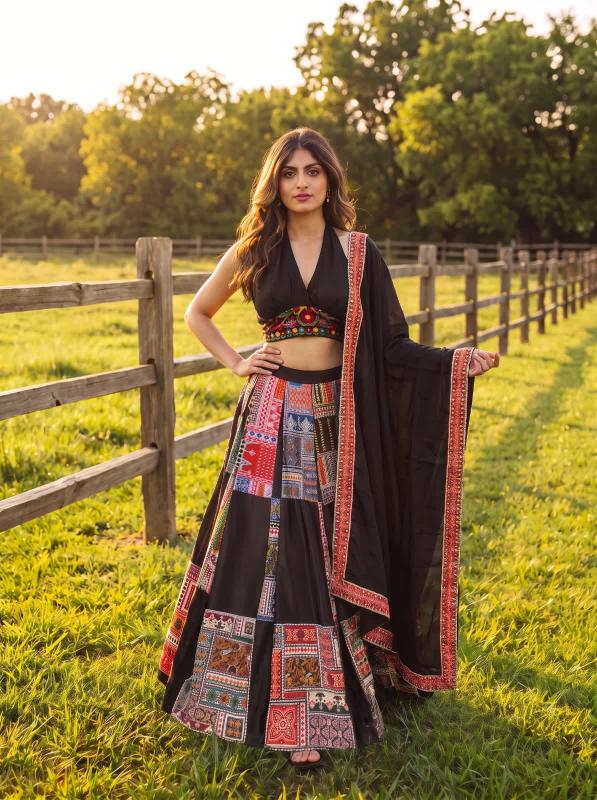
A home-based boutique business can be an accessible model for sellers who want to enter fashion retail without immediately opening a physical store. The business can begin with controlled stock, catalog-based promotion and a defined customer network.
WhatsApp Business can be used for direct communication and repeat customer relationships, while Instagram and Facebook can support product discovery. Sellers can also create short videos demonstrating fabric, design and styling rather than relying entirely on static photographs.
Start with a Focused Product Category
New Home-Based Sellers should resist the temptation to purchase every clothing category at once. A focused beginning makes inventory easier to manage and gives the business a clearer identity.
For example, a seller can begin with kurti sets and sarees, measure demand for several months and introduce lehengas only when existing customers show genuine interest.
Keep the Initial Investment Practical
The objective of a small beginning is to learn the market without blocking excessive working capital. Instead of buying deep quantities of untested designs, sellers can prioritize variety and observe actual transactions.
As certain products begin selling consistently, larger repeat purchases can improve stock availability and make the business easier to scale.
6. Social Media Fashion Reselling Business
Social media creates another route for entrepreneurs exploring online boutique business ideas. Products can be promoted through reels, stories, posts, live sessions and direct messaging.
However, simply uploading a large number of catalog images is rarely enough to create a distinctive business. Sellers should develop consistent product presentation, clear pricing and reliable customer communication.
Create Original Product Content
When possible, sellers can record their own product videos showing fabric movement, embroidery, neckline details, borders or complete outfit styling. Original content can help customers understand products more clearly.
It also allows the retailer to explain who the product is suitable for, how it can be styled and what type of occasion it matches.
Turn Existing Customers into Repeat Buyers
Customer retention can reduce the pressure to find completely new buyers for every collection. Sellers can maintain organized customer groups or broadcast lists and share selected new arrivals according to previous buying preferences.
The communication should remain useful rather than overwhelming. Sharing relevant products generally creates a better customer experience than sending every catalog to every buyer.
7. Plus-Size Ethnic Wear Boutique
A plus-size boutique can serve customers who frequently find limited choices in mainstream fashion retail. The opportunity is not simply to offer larger sizes but to provide attractive designs with appropriate fit and styling.
Retailers can explore kurtis, kurti sets, gowns and other ready-to-wear categories where extended size availability is offered. Accurate size information becomes especially important for online orders.
Focus on Fit Alongside Fashion
Customers purchasing ready-made garments need confidence that the product will fit correctly. Retailers should provide accurate size information and avoid making assumptions based only on standard size labels.
Tracking customer feedback can help determine which products and fits generate the strongest repeat demand.
8. Premium Wedding Wear Boutique
A premium wedding boutique can target customers who value design, detailing and presentation more than the lowest possible retail rate. The inventory may include lehenga cholis, premium sarees, designer suits and occasion-oriented ethnic sets.
This business model generally requires careful stock selection because individual pieces can represent a larger investment. Product presentation, customer service and styling assistance also become more important.
Use Limited Premium Stock Strategically
A boutique does not need an excessive quantity of expensive inventory to create a premium impression. A carefully curated selection can demonstrate the store's positioning while leaving working capital available for faster-moving categories.
Premium products can also be used as visual highlights in store displays and social media campaigns.
9. Affordable Fashion Boutique for Value Buyers
Another practical model is a boutique built specifically around accessible retail pricing. Instead of competing for premium customers, the business can target shoppers who want fashionable ethnic wear within a controlled budget.
Wholesale sourcing becomes particularly important in this model because the buying rate directly influences the final selling price. Retailers need products that look appealing while remaining commercially suitable for value-oriented customers.
Focus on Fast Inventory Rotation
An affordable boutique can prioritize faster turnover instead of attempting to maximize earnings on every individual item. Frequently introducing fresh stock can create repeat interest among customers who enjoy discovering new styles at accessible rates.
Wholesaleexport.in can support this sourcing approach by helping business buyers explore wholesale ethnic fashion and select stock according to their target customer and budget.
10. Boutique with Online and Offline Sales Together
A hybrid business combines the trust and experience of physical retail with the reach of digital selling. Customers can visit the boutique while also viewing products through social media and messaging platforms.
This is one of the more flexible fashion boutique business ideas because the same inventory can serve multiple sales channels. A new collection displayed in-store can simultaneously be promoted online.
Connect Your Physical Store with Digital Customers
Every physical customer can be encouraged to follow the store's online presence for future arrivals. Likewise, digital customers located nearby can be invited to visit the boutique to see products personally.
This creates a connected customer ecosystem rather than treating online and offline retail as completely separate businesses.
How to Source Wholesale Clothing for a Boutique
The strength of a boutique depends partly on its sourcing system. Retailers should compare suppliers on product quality, variety, price, availability, communication and suitability for repeat purchasing.
Surat offers a strong sourcing environment because of its textile trading and manufacturing network. Buyers from different parts of India can access products originating from the broader surat textile market ecosystem without depending exclusively on local distributors.
Calculate Landed Cost Before Setting Retail Price
The displayed wholesale rate is only one part of inventory cost. Shipping, packaging, applicable taxes and other purchasing expenses can affect the actual landed cost.
Retailers should calculate this amount before deciding the final selling price. Accurate costing makes it easier to plan promotions and understand how much room is available for business expenses.
Choose Wholesale Stock According to Sales Data
As the boutique develops, purchasing should become increasingly data-driven. Record which categories, colors, sizes and price segments generate completed transactions.
The next wholesale order can then prioritize proven demand while leaving a smaller portion of the budget available for experimenting with new trends.
Wholesale Sourcing from Surat for Boutique Businesses
Surat's wholesale ecosystem attracts professional buyers because it offers access to multiple textile categories within one major sourcing destination. The commercial network around ring road and sahara darwaza supports buyers looking for both established products and changing fashion collections.
Online sourcing adds convenience for retailers located outside Surat. Instead of travelling for every stock requirement, buyers can evaluate collections remotely and plan purchases according to their own selling cycle.
Wholesale and Export Experience Matters
For retailers, sourcing is an ongoing business activity rather than a one-time transaction. Consistent communication, product coordination and understanding of resale requirements can become increasingly valuable as order volumes grow.
Vastralife's wholesale and export experience since 2017 provides textile industry expertise developed through working with professional clothing buyers. Premium product quality remains an important part of building long-term relationships with retailers and resellers.
Opportunities for Domestic and International Buyers
Wholesale ethnic fashion is relevant not only for India but also for international markets. Boutique Owners and Resellers in Nepal and the USA can source Indian fashion according to local customer preferences, shipping feasibility and destination regulations.
International buyers should calculate freight, applicable import costs and destination delivery when evaluating the final landed price of their inventory.
How to Select the Right Fashion Boutique Business Model
Choosing between a home-based store, physical boutique, online fashion business or hybrid model should depend on investment capacity, available time, product knowledge and target customers. There is no single model that works equally well for every entrepreneur. The strongest fashion boutique business ideas are those that match the seller's resources with a clearly defined customer segment.
A new entrepreneur with limited capital may begin with a home-based or social-selling model. An experienced retailer with an existing customer base may be better positioned to open a specialized boutique or expand into premium ethnic wear. Established Shop Owners can use their current retail infrastructure to introduce new categories without building an entirely separate business.
Decide Your Target Customer Before Buying Stock
Before selecting products, define who is most likely to buy them. Consider customer age, spending capacity, preferred clothing styles, local festivals, wedding demand and regular purchasing habits. This information can guide everything from wholesale sourcing to social media content.
A boutique targeting college-going customers may require completely different designs and price points from one serving wedding shoppers. Clear positioning can prevent unnecessary inventory purchases and make marketing more focused.
Choose a Business Model That Can Scale
A small beginning does not have to remain small. Home-Based Sellers can gradually expand their customer base, introduce more categories and eventually open a physical store if demand justifies the investment.
Similarly, a traditional Shop Owner can develop online ordering and social media channels without abandoning the physical store. A scalable model allows the business to grow according to actual sales instead of requiring a large investment before customer demand is proven.
How to Build a Profitable Boutique Product Mix
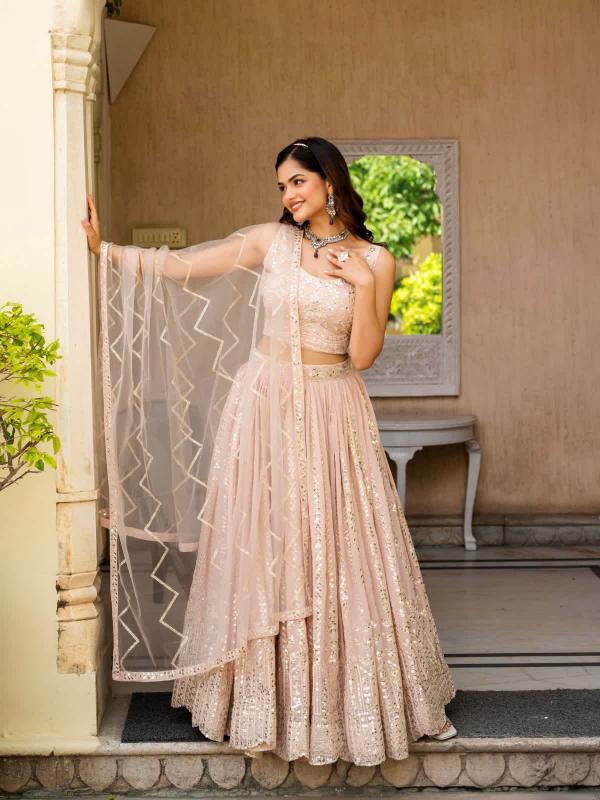
A strong boutique usually combines dependable products with enough fresh fashion to keep customers interested. Putting the entire purchasing budget into one category can create unnecessary risk, particularly when the products are trend-sensitive.
Retailers can divide inventory between core products, seasonal collections and experimental designs. Core products are styles with proven demand. Seasonal stock supports festivals and weddings, while experimental products allow the boutique to test emerging trends without committing excessive capital.
Keep Fast-Moving Products as Core Inventory
Once a retailer identifies products that generate regular sales, these categories can receive a larger share of the purchasing budget. Depending on the target market, this might include kurtis, kurti sets, printed sarees, dress materials or affordable ethnic sets.
Maintaining proven sellers can create consistent transactions while new designs are introduced around them.
Use Premium Products to Increase Average Order Value
Premium sarees, designer suits and lehenga cholis can provide higher-value purchasing options for customers. However, these products usually require more working capital, so quantities should remain aligned with demand.
A carefully selected premium section can strengthen the boutique's overall presentation without allowing expensive inventory to dominate the purchasing budget.
Internal Linking for Wholesale Boutique Sourcing
Retailers planning a wedding and occasion-wear business can explore the wholesale lehenga market Surat with price category to evaluate additional sourcing opportunities for boutique inventory. This can be particularly useful for businesses targeting bridal, festive and family-function customers.
Businesses looking to serve a more specialized everyday customer segment can also explore feeding kurtis for women and determine whether maternity-friendly clothing complements their existing customer base.
The objective of adding new categories should always be to strengthen the existing business rather than create unnecessary inventory. Retailers can test a category in controlled quantities and increase purchasing when customer response confirms demand.
Fashion Boutique Inventory Planning for 2026
Inventory management can determine whether a boutique's working capital continues moving or remains blocked in unsold products. For 2026, retailers can benefit from shorter purchasing cycles that allow them to react to changing customer preferences.
Instead of purchasing a very large quantity at the beginning of a season, businesses can maintain core stock and introduce smaller batches of fresh products throughout the selling period. Successful designs can then be reordered when available.
Track What Actually Sells
Retailers should record product category, buying price, selling price, quantity purchased and quantity sold. Even a simple spreadsheet can reveal useful patterns after several purchasing cycles.
If kurti sets consistently generate faster turnover than single kurtis, future orders can allocate more capital to sets. If premium sarees perform only during weddings, purchasing can be concentrated around the relevant season.
Separate Enquiries from Completed Sales
Social media engagement can sometimes create a misleading picture of demand. A product may receive many likes and enquiries without generating actual transactions.
Inventory decisions should therefore be based primarily on completed orders and repeat customer behaviour. Engagement remains useful for marketing, but sales data provides stronger evidence for wholesale purchasing decisions.
How Much Stock Should a New Boutique Buy?
The correct inventory quantity depends on available capital, product category and selling model. A Home-Based Seller generally does not need the same stock depth as a physical showroom.
New sellers can prioritize variety rather than excessive quantity. Testing multiple products provides information about customer preferences while reducing exposure to a single unsuccessful style.
Start with a Defined Purchasing Budget
Decide the maximum amount available for stock before browsing wholesale catalogs. This prevents attractive products from pushing the order beyond the business's practical investment level.
The budget can be divided between proven categories, seasonal stock and new products. Keeping a portion of capital available for repeat purchases can also be valuable when a collection sells unexpectedly quickly.
Calculate Complete Landed Cost
The supplier's product price is not always the final inventory cost. Shipping, packaging, applicable taxes and other expenses can increase the amount invested in each product.
Retailers should calculate landed cost before setting the selling rate. This provides a clearer understanding of the room available for operating expenses, discounts and earnings.
Online Marketing Ideas for Fashion Boutiques
Product sourcing and marketing should work together. A boutique with excellent inventory can still struggle if potential customers do not regularly see its products. Digital channels allow businesses to present new arrivals frequently without depending entirely on paid advertising.
Create Short Product Videos
Short videos can show details that are difficult to communicate through a single photograph. Retailers can demonstrate fabric movement, embroidery, blouse patterns, dupattas, borders and complete outfit styling.
Videos can be reused across Instagram Reels, Facebook, WhatsApp Status and other suitable channels, making product content more efficient.
Use WhatsApp for Repeat Customers
Customers who have already purchased from the boutique are valuable because they understand the seller's product quality and service. New arrivals can be shared selectively according to their previous interests.
A customer who frequently buys sarees does not necessarily need every kurti catalog. More relevant communication can improve engagement and reduce unnecessary promotional messaging.
Show Real Product Details
Customers buying clothing online want confidence about what they will receive. Clear photographs, accurate fabric information, size details and close-up videos can make purchasing decisions easier.
Avoid presenting products in ways that create unrealistic expectations. Long-term customer trust can be more valuable than generating a one-time transaction through exaggerated presentation.
Offline Marketing Ideas for Boutique Owners
Digital promotion is useful, but local marketing remains important for physical boutiques. Shop Owners can build relationships with customers through personalized service, referral activity and seasonal events.
Create Festival and Wedding Displays
Store presentation can be changed according to current customer demand. During wedding periods, premium sarees and lehengas can receive stronger visibility. During regular months, practical kurtis and everyday ethnic wear can move to more prominent areas.
Build a Customer Referral Network
Satisfied customers can introduce friends and relatives to the boutique. Consistent product quality, transparent communication and helpful service naturally encourage referrals.
Retailers can also create customer-specific offers where commercially practical, but discounts should not become the only reason people return.
Wholesale Fashion Opportunities for International Sellers
Indian ethnic wear can also support boutique businesses outside India. Retailers in Nepal, the USA and Australia can source Indian clothing for customers seeking sarees, kurtis, suits, lehengas and other ethnic fashion.
International sourcing requires additional planning because freight, customs-related charges where applicable and destination delivery can influence the final landed cost.
Choose Collections for the Local Overseas Market
A style popular in India may perform differently in an international market. Overseas retailers should consider local Indian community demographics, cultural events, climate and customer spending preferences before selecting inventory.
Initial export orders can contain a balanced mix of categories so the retailer can identify which products generate the strongest local demand.
Plan Export Orders Around Landed Price
International buyers should calculate the cost of getting each product to their location rather than comparing only the Indian wholesale rate. This helps determine whether the eventual retail price will remain suitable for local customers.
Vastralife's wholesale and export experience since 2017 provides industry knowledge developed through textile sourcing and business supply. This experience can support Wholesale Buyers who need premium product quality and organized sourcing for domestic or international resale.
Why Surat Is Important for Boutique Wholesale Sourcing
Surat remains one of India's major textile sourcing centres because of its combination of trading, processing and manufacturing. Buyers searching the surat textile market can access numerous ethnic fashion categories through the city's extensive wholesale network.
Commercial textile areas around ring road and sahara darwaza are well known among professional buyers. Online wholesale platforms extend access to this sourcing ecosystem for businesses that cannot travel to Surat regularly.
Access Different Product Categories from One Sourcing Hub
A boutique may begin with sarees and later introduce kurtis, suits or lehengas. Access to a broad textile sourcing network can make such expansion more convenient because buyers do not need an entirely new sourcing city for every category.
Wholesaleexport.in allows professional buyers to explore wholesale-oriented fashion opportunities according to their store positioning and customer requirements.
Regular New Arrivals Support Fashion Retail
Fashion customers often want something different from their previous purchase. A reliable flow of new designs can therefore become an important part of a boutique's customer-retention strategy.
Retailers do not need to replace all existing inventory whenever new collections arrive. Adding selected fresh products alongside proven sellers can create enough newness while protecting working capital.
Common Fashion Boutique Business Mistakes to Avoid
Buying Too Much Before Testing Demand
Large opening inventory may look impressive, but it can also create financial pressure. New sellers should understand customer demand before committing substantial capital to one category.
Trying to Sell Everything
A boutique with no clear product identity can struggle to communicate why customers should shop there. Starting with focused categories can make purchasing and marketing more effective.
Competing Only on Lowest Price
Price matters, particularly for value-focused customers, but constant discounting can weaken profitability. Product selection, service, convenience and presentation can provide additional reasons for customers to purchase.
Ignoring Slow-Moving Stock
Unsold inventory should be reviewed regularly. Better presentation, targeted promotion, bundling or controlled clearance can help release capital for new collections.
Not Maintaining Customer Records
Knowing what repeat customers previously purchased can make future marketing more relevant. Retailers can maintain basic records of product preferences without making customer communication unnecessarily complicated.
Customer FAQs
1. Which fashion boutique business is suitable for beginners?
A home-based ethnic wear or online boutique can offer a lower-investment starting point because sellers can begin with controlled inventory. The best category depends on local customer demand, available budget and the seller's product knowledge.
2. What products can I sell in an ethnic wear boutique?
Retailers can consider sarees, kurtis, kurti sets, salwar suits, dress materials, lehenga cholis and other ethnic categories. Starting with a focused selection and expanding according to actual sales can reduce inventory risk.
3. Can I start a fashion boutique from home?
Yes. Home-Based Sellers can begin with selected wholesale stock and promote products through WhatsApp, Instagram, Facebook and existing customer networks. Local licensing, tax and business requirements should be checked according to the seller's location and business structure.
4. Where can I source wholesale clothes for a boutique?
Retailers can source from established textile hubs such as Surat and use wholesale-oriented online platforms such as Wholesaleexport.in. Product quality, wholesale pricing, quantity requirements and shipping terms should be reviewed before ordering.
5. Is a lehenga boutique suitable for wedding customers?
Yes. Lehenga cholis can serve bridal, bridesmaid, family wedding, engagement and festive demand. Retailers can maintain multiple price segments instead of stocking only premium bridal products.
6. Can I sell boutique products through Instagram and WhatsApp?
Yes. Both channels can support product discovery and customer communication. Clear photographs, short videos, accurate specifications and timely responses can improve the buying experience.
7. How much inventory should a new boutique purchase?
There is no universal quantity because the right level depends on available investment, product type and expected demand. New businesses can begin with controlled variety and increase quantities after identifying consistent sellers.
8. Can international boutiques source ethnic wear from India?
Yes, subject to supplier availability, shipping feasibility and destination import requirements. International buyers should calculate freight and applicable import costs before deciding retail pricing.
9. How can I make my boutique different from competitors?
A clear target customer, carefully selected products, reliable quality, distinctive presentation and good service can help establish a recognizable boutique identity. Simply stocking more products than competitors does not necessarily create differentiation.
10. Why source boutique products from Surat?
Surat has an extensive textile manufacturing and wholesale ecosystem offering access to multiple ethnic fashion categories. This makes it a practical sourcing destination for Home-Based Sellers, boutiques, shops, showrooms, Resellers and Wholesale Buyers.
Turn Your Fashion Boutique Business Idea into a Wholesale Buying Plan
The most practical fashion boutique business ideas begin with a specific customer and develop around real demand. Whether the goal is to start a home-based ethnic wear store, build an online boutique, specialize in wedding fashion or expand an established showroom, inventory should be selected according to customer preferences and available working capital.
Wholesaleexport.in helps business buyers explore wholesale fashion sourcing from the Surat textile ecosystem. Backed by Vastralife's wholesale and export experience since 2017, industry expertise and attention to premium product quality, the platform is positioned for retailers seeking stock for resale and business growth.
Start Sourcing for Your Boutique Today
Explore Latest Collections, competitive Wholesale Pricing and Trendy Ethnic Wear for Home-Based Sellers, Shop Owners, Boutique Owners, Showroom Owners, Resellers and Wholesale Buyers.
Build your next inventory with options for Fast Shipping, COD Support where applicable, attractive Bulk Order Deals and Quality Products Starting From ₹299, subject to current collection availability and order conditions.
Website: wholesaleexport.in
Contact Number: +91 9712582172
Choose a focused boutique concept, source according to your customer's budget and style preferences, and keep improving your product mix with every sales cycle. A disciplined sourcing strategy can turn a promising fashion business concept into a scalable retail opportunity in 2026.