


Export Quality Pakistani Suits: Wholesale Collection for Boutiques & Resellers 2026
Export Quality Pakistani Suits: Wholesale Collection for Boutiques & Resellers 2026
Pakistani-inspired ethnic fashion has developed a strong place in the wholesale women’s wear market because it combines graceful silhouettes, detailed craftsmanship and versatile styling. From sophisticated embroidered suits for festive occasions to lighter designs suitable for regular retail, these collections give boutiques and resellers plenty of room to serve different customer segments. For buyers sourcing from Surat, the category also offers access to constantly changing designs, fabrics and price ranges.
Introduction
The demand for Export Quality Pakistani Suits is no longer limited to customers looking specifically for traditional Pakistani styling. Today, these designs are purchased for weddings, festivals, family functions, parties, Eid celebrations and premium everyday fashion. Their elegant long kurtas, coordinated bottoms, statement dupattas and detailed embroidery give retailers a category that can work across multiple seasons.
For wholesale buyers, however, attractive photographs alone are not enough. A successful collection needs the right combination of fabric, finishing, design, wholesale price and market suitability. Boutique owners may require premium pieces with detailed embroidery, while home-based sellers may prefer commercially priced designs that can move faster through WhatsApp and Instagram. Showroom owners often need both categories so that customers can choose according to their budget.
Surat plays an important role in this supply chain. The surat textile market connects fabric trading, designing, processing, garment production, wholesaling and distribution on a large scale. Areas around Ring Road and Sahara Darwaza are widely associated with Surat’s textile trade, making the city an important sourcing destination for Indian and international fashion businesses.
Wholesaleexport.in helps buyers explore wholesale fashion collections from this ecosystem without requiring every retailer to physically visit different markets and suppliers for every purchase. The objective is straightforward: make product discovery and B2B sourcing more convenient for businesses that need fresh inventory regularly.
What Makes a Pakistani Suit Export Quality?
The term “export quality” should represent more than a marketing phrase. For a professional wholesale buyer, it means looking carefully at the complete product. Fabric quality, embroidery execution, stitching, finishing, colour coordination and presentation all influence whether a suit is appropriate for a demanding retail customer.
Fabric Quality and Wearing Experience
Fabric forms the foundation of any ethnic outfit. Depending on the collection, Pakistani-style suits can be produced in cotton, lawn, georgette, chiffon, viscose, rayon, velvet, silk blends and other materials. Different fabrics serve different retail requirements.
For example, lightweight fabrics can perform well in warmer climates and regular-wear collections, while richer textures may be more appropriate for festive and winter ranges. International buyers also need to consider the climate of their destination market rather than selecting products entirely on appearance.
A boutique serving customers in Australia may require a different seasonal assortment from a retailer selling in Canada. Similarly, a buyer supplying Malaysia may focus more heavily on breathable fabrics while still maintaining premium occasion-wear options. Understanding these differences makes wholesale purchasing more commercially practical.
Embroidery and Decorative Work
Embroidery is one of the strongest visual features of Pakistani suits wholesale collections. Neckline embroidery, thread work, sequins, zari-style detailing, lace, border work and coordinated dupatta decoration can transform a simple silhouette into a premium-looking outfit.
The amount of work is not the only consideration. Placement and finishing matter equally. A clean embroidered neckline with coordinated sleeve and hem detailing can sometimes look more sophisticated than an excessively decorated garment. Retailers should therefore evaluate the complete visual balance rather than simply comparing how much embroidery is present.
Dupatta, Bottom and Complete Set Coordination
Customers often judge an ethnic suit as a complete outfit. The kurta may be the focal point, but the bottom and dupatta can significantly affect its perceived value. A contrasting dupatta, embroidered border or coordinated printed design can create a much stronger retail presentation.
Wholesale buyers should check what is included in each catalogue before comparing price. Two visually similar kurtas may have very different wholesale values if one includes a premium dupatta and coordinated bottom while another offers simpler components.
Why Pakistani Suit Designs Work for Different Retail Markets
One reason Pakistani-inspired fashion has become commercially useful is its ability to move between traditional and contemporary styling. The basic silhouette is familiar enough for ethnic-wear customers, while changing necklines, fabrics, embroidery and colour combinations keep the category fresh.
Boutique Customers
Boutique customers frequently look for designs that feel less common than mass-market products. A carefully selected designer Pakistani suit collection can help boutique owners maintain this distinction. Instead of buying excessive quantities of one pattern, boutiques can curate multiple designs and create a more exclusive-looking display.
Retail Shop Customers
Shop owners usually need a wider price ladder. Affordable printed suits, embroidered mid-range sets and premium occasion wear can be displayed together so customers have meaningful choices. This approach can also help retailers avoid becoming dependent on a single price segment.
Home-Based Sellers and Resellers
For home-based sellers, visual appeal is particularly important because much of the sale may happen through a smartphone. Catalogue photographs, clear descriptions and easy-to-understand pricing can help sellers promote Pakistani salwar suits wholesale through WhatsApp, Instagram and Facebook without operating a traditional showroom.
Resellers should still avoid selecting products solely because a catalogue photograph looks attractive. Fabric information, product components, sizes and actual customer demand should influence the purchasing decision.
Popular Types of Pakistani Suits for Wholesale Buyers
A strong assortment does not mean stocking every available style. It means selecting enough variation to serve the retailer’s customer base. The following categories can help buyers organize their purchasing more logically.
Embroidered Pakistani Suits
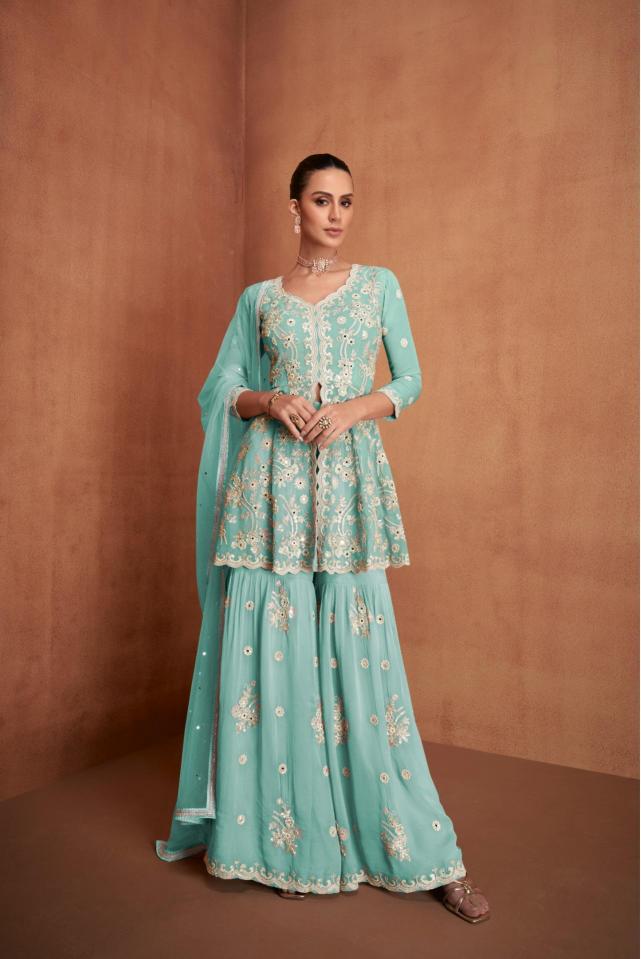
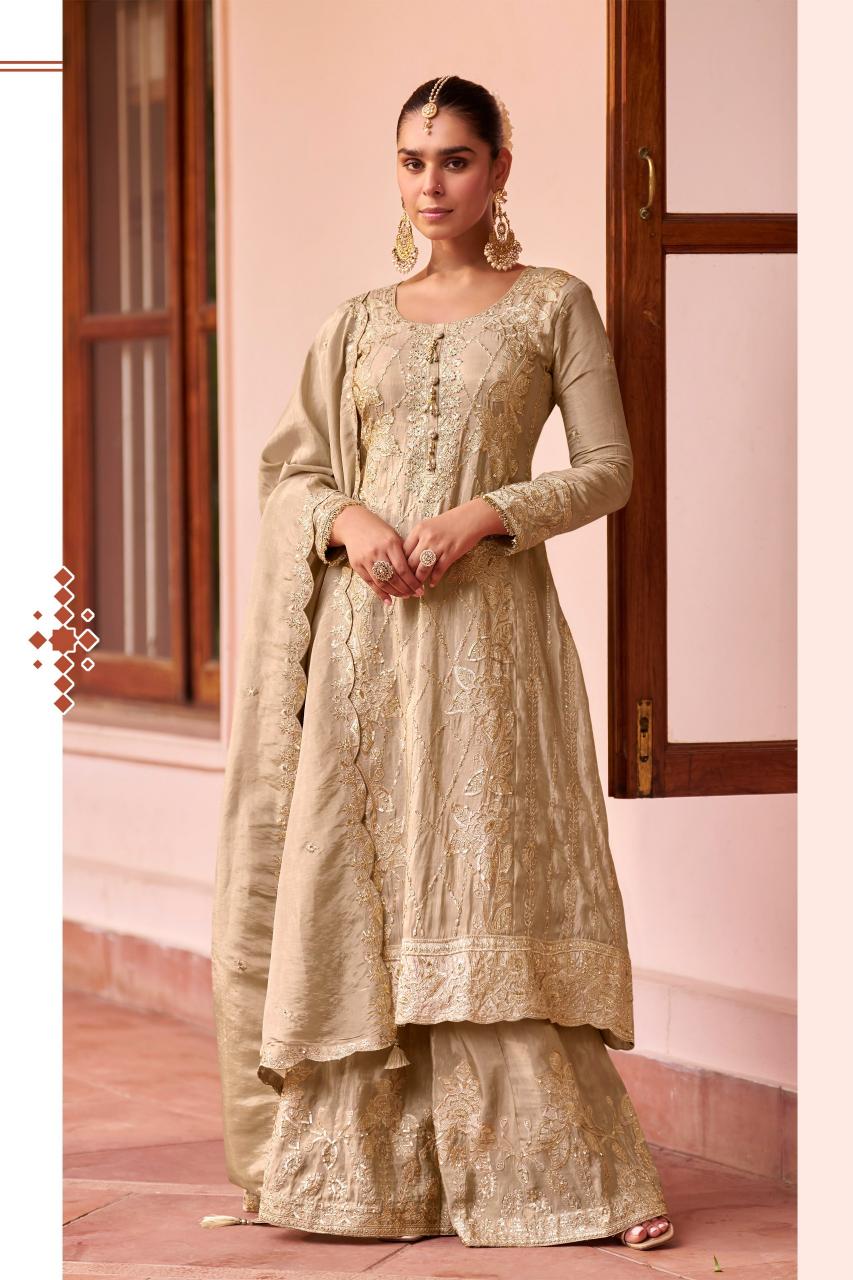
Embroidered Pakistani suits remain a core option for boutiques and occasion-wear retailers. Designs may feature embroidery around the neckline, sleeves, front panel, hemline or dupatta. Depending on the level of workmanship and fabric, these products can cover both mid-range and premium retail segments.
Party Wear Pakistani Suits
Party-wear collections typically use richer fabrics, stronger colours and more decorative detailing. They can be promoted for wedding functions, family celebrations, festive gatherings and evening events. Retailers should maintain several price points because occasion-wear customers do not all shop within the same budget.
Pakistani Lawn Suits
Lawn-inspired collections are particularly relevant when customers want lighter and more breathable clothing. Printed patterns, elegant colour combinations and delicate detailing can make these designs suitable for seasonal selling as well as everyday fashion.
Wedding and Festive Collections
Premium festive designs may include detailed embroidery, richer dupattas, ornate borders and statement colours. For wholesalers and showroom owners, these collections can create higher-value sales but should be purchased according to the actual festive calendar and local customer demand.
Straight-Cut Pakistani Salwar Kameez
The long straight silhouette remains one of the most recognizable characteristics of Pakistani-inspired fashion. It offers an elegant profile while giving designers sufficient space for embroidery, prints and border detailing. This makes Pakistani salwar kameez wholesale suitable for both traditional and contemporary retail environments.
Wholesale Pakistani Suits Price and Buying Strategy in 2026
There is no single wholesale price that applies to every Pakistani suit. The cost changes according to fabric, design complexity, embroidery, brand, set components, stitching, catalogue quantity and finishing. This is why professional buyers should compare specifications rather than looking only for the lowest number.
In 2026, retailers are also competing in an environment where customers can compare products quickly through social media and online marketplaces. Simply purchasing the cheapest inventory may therefore create difficulties if the final product does not meet the customer’s expectations.
Understand Your Retail Margin
Before purchasing, calculate more than the supplier’s quoted price. Consider transport, packaging, applicable taxes, payment costs and other business expenses. International buyers should additionally calculate freight, destination-country duties and local delivery before deciding their final selling price.
The correct metric is the landed cost. A product that initially appears inexpensive can become less attractive after logistics are included, while a slightly higher-quality garment may provide better margin because customers are willing to pay more for it.
Do Not Overbuy a Single Design
Fashion inventory carries trend risk. New sellers can reduce this risk by testing multiple designs rather than investing heavily in one catalogue before understanding customer response. Once actual sales reveal the strongest colours, sizes and price ranges, repeat purchasing can become more targeted.
Surat as a Sourcing Hub for Pakistani-Style Ethnic Wear
Surat’s advantage comes from the depth of its textile ecosystem. Fabric, printing, embroidery, processing, garment manufacturing, wholesaling and logistics are interconnected within the region. This makes it possible for retailers to explore a broad spectrum of women's ethnic fashion through one sourcing city.
The commercial zones around Ring Road, Sahara Darwaza and the wider Surat textile market have long attracted buyers searching for sarees, dress materials, kurtis, salwar suits, lehengas and other women's wear. For Pakistani-inspired fashion, this surrounding supply ecosystem helps wholesalers respond to changing trends with frequent catalogue launches.
For buyers outside Surat, digital wholesale sourcing can reduce the time required to discover new products. Wholesaleexport.in provides an online route for retailers and resellers looking for changing ethnic-wear catalogues and wholesale buying options.
Vastralife Wholesale and Export Experience Since 2017
Wholesale sourcing involves much more than showing products. Retailers need industry knowledge, communication, product understanding and order coordination. Vastralife brings wholesale and export experience since 2017, serving the wider B2B fashion segment with an understanding of how different buyers purchase inventory.
That experience is relevant whether the customer is a home seller testing a small range, a boutique owner searching for premium designs, a showroom planning seasonal stock or an international wholesale buyer building a larger assortment.
Premium product quality remains important because repeat business ultimately depends on what the end customer receives. At the same time, product quality has to be matched with commercially workable pricing. A beautiful garment that does not fit a retailer’s local selling range may not be the right purchase, regardless of its workmanship.
Export Opportunities for Pakistani Suits
Indian ethnic fashion has customers well beyond India. Diaspora communities, multicultural fashion retailers and consumers interested in South Asian clothing create opportunities for businesses serving overseas markets.
Australia
Retailers serving South Asian communities in Australia can build collections around weddings, Eid, Diwali, family functions and other occasions. Seasonal differences from India should be considered when deciding fabrics and dispatch timing.
Canada
Canada has a substantial South Asian consumer market, but climate and seasonal requirements can influence product selection. Retailers may maintain lighter designs for indoor events while introducing richer fabrics and festive styles for appropriate seasons.
Malaysia
For Malaysia, breathable fabrics and elegant festive designs can both have relevance depending on the customer segment. Buyers should study local sizing, style preferences and landed price before committing to larger quantities.
For every international destination, the buyer should independently confirm current customs rules, duties, taxes and import requirements. An Indian wholesale price should never be treated as the final landed cost for an overseas business.
How to Select a Reliable Pakistani Suits Supplier
Choosing the right supplier can influence inventory turnover, customer satisfaction and the amount of working capital locked into stock. Wholesale buyers should therefore evaluate a supplier on more than catalogue photographs.
Check Product Information
Before confirming an order, understand the fabric, available sizes, set contents, work details and whether the product is ready-made, stitched or unstitched. Accurate information makes it easier to sell the product correctly afterward.
Look for Regular New Collections
Retail fashion requires freshness. Suppliers offering regular new arrivals can help resellers maintain customer attention and create new promotional content throughout the month.
Compare Quality Alongside Price
The lowest wholesale rate is not automatically the most profitable. Product returns, complaints and weak repeat business can cost more than the initial saving. Buyers should compare design, material, workmanship and commercial selling potential together.
Retailers looking to expand this category can explore wholesale Pakistani suits according to their customer profile. Businesses diversifying into additional apparel segments can separately browse mens wear when it fits their store strategy.
Building a Profitable Pakistani Suit Assortment
A profitable wholesale purchase is not simply a collection of attractive designs. Retailers need an assortment that gives customers choices without creating unnecessary dead stock. For Export Quality Pakistani Suits, a balanced range can include affordable everyday styles, embroidered mid-range suits and premium festive pieces.
Shop owners and showroom owners can organize inventory by occasion, fabric, colour and price. Home-based sellers may benefit from keeping a smaller physical stock while regularly introducing fresh catalogue options to their customer network. Boutique owners can focus more strongly on distinctive designs, sophisticated embroidery and premium-looking combinations that differentiate their collection from mass-market products.
Create Multiple Price Segments
Not every customer visiting a store has the same budget. A retailer who stocks only expensive designer pieces can lose value-conscious customers, while a store carrying only economical products may miss buyers searching for premium occasion wear. Maintaining several price segments creates a more complete sales opportunity.
Wholesale buyers should also calculate the expected retail margin before ordering. The purchase cost, shipping, local transportation, taxes where applicable, packaging and promotional expenses should all be considered. For export buyers, freight and destination charges are especially important when calculating the final landed cost.
Balance Classic Colours with New Trends
Black, maroon, navy, bottle green, beige and traditional jewel tones continue to have strong relevance in ethnic fashion, but retailers should also test seasonal shades. Pastels, aqua, lavender, dusty pink, ivory and other softer tones can give a collection a contemporary appearance.
Instead of purchasing every new colour in large quantities, buyers can test selected pieces and monitor actual customer response. This approach is particularly useful for resellers selling through social media, where reactions to new catalogue launches can provide an early indication of demand.
How Different Buyers Can Sell Pakistani Suits Successfully
Home-Based Sellers
Home-based sellers can start by identifying a clear customer segment rather than promoting hundreds of unrelated products. For example, a seller might focus on affordable embroidered suits, premium festive collections or elegant daily-wear designs. A focused catalogue makes marketing easier and gives customers a clearer reason to follow the seller.
Product photographs should be accompanied by useful information such as fabric, available size, set contents and selling price. Clear communication reduces unnecessary questions and improves the buying experience.
Boutique Owners
Boutiques usually benefit from curated buying. Rather than competing only on price, they can select unusual embroidery, sophisticated colours and better-finished garments. Styling the product with suitable jewellery, footwear or accessories can also increase its perceived value.
A premium Pakistani suit wholesale purchase can therefore become much more than a simple garment sale. The boutique can position the product as a complete occasion-wear look and build its own merchandising around the design.
Shop and Showroom Owners
Larger stores can divide the category into everyday, festive and premium ranges. This makes it easier for sales staff to understand customer requirements and quickly show appropriate options. New arrivals can be displayed prominently while proven repeat-selling styles remain available as dependable inventory.
Online Resellers
Online sellers should pay particular attention to visual consistency and accurate product information. Since customers cannot physically touch the fabric before purchasing, descriptions need to communicate the product clearly. Video demonstrations, close-up images of embroidery and detailed size information can make online selling more effective.
Planning Inventory Around Festivals and Wedding Demand
Timing is particularly important in ethnic wear. Retailers who purchase festive inventory after customer demand has already peaked may be forced to hold that stock until another selling opportunity. Wholesale planning should therefore happen before the expected retail season.
For wedding demand, retailers can introduce embroidered suits, richer fabrics and statement dupattas in advance. During festival periods, a wider combination of affordable and premium products can help capture customers with different budgets.
International buyers need additional planning because export transit time can extend the replenishment cycle. A retailer in Australia, Canada or Malaysia should work backward from the expected selling date, allowing time for order preparation, shipping, customs clearance and local distribution.
Keep Fast-Moving Designs Separate from Experimental Stock
One useful inventory strategy is to divide products into proven sellers and experimental styles. Proven designs can justify larger repeat orders, while new colours, fabrics or silhouettes can initially be purchased more cautiously.
This protects working capital while still allowing the retailer to introduce new fashion. Over time, actual sales data becomes more valuable than assumptions about what customers might like.
Quality Checks That Wholesale Buyers Should Consider
Before selling premium ethnic wear, buyers should understand the elements that influence customer satisfaction. In embroidered garments, check whether decorative work appears properly finished and whether the overall design looks balanced. Fabric should be appropriate for the advertised category, while the bottom and dupatta should coordinate correctly with the main garment.
For stitched products, size specifications also matter. A garment labelled with a familiar size may still have measurements that differ between manufacturers. Retailers can reduce size-related problems by providing actual measurements whenever available instead of relying entirely on generic labels.
Check Embroidery and Surface Work
Dense embroidery should be inspected for loose threads, unfinished edges and irregular placement. Sequins, decorative elements and borders should complement the garment rather than making it uncomfortable to wear.
Check Colour and Fabric Combination
The kurta, bottom and dupatta should create a coherent overall look. This is especially important in premium sets because customers judge the entire ensemble rather than one component individually.
Check Product Details Before Reselling
Retailers should avoid making assumptions about fabric or workmanship from photographs alone. Confirming available product specifications before advertising can prevent customer dissatisfaction later.
Why Digital Wholesale Sourcing Matters in 2026
The traditional wholesale model often required buyers to travel physically to markets, visit multiple suppliers and spend significant time comparing catalogues. Physical market visits still have value, especially for larger purchasing decisions, but digital sourcing has changed how quickly retailers can discover new collections.
In 2026, boutique owners and resellers increasingly need regular access to product information from wherever they operate. Wholesaleexport.in supports this style of B2B sourcing by making it easier to discover ethnic-wear collections and connect for wholesale requirements.
This is particularly useful for buyers outside Surat. A retailer does not necessarily need to visit Ring Road, Sahara Darwaza or different sections of the surat textile market every time new inventory is required. Online discovery can help narrow product choices before an order is discussed or confirmed.
Internal Linking Section
Wholesale buyers building a broader women’s ethnic-wear inventory should think in terms of complementary categories rather than isolated products. Pakistani-style suits can sit alongside kurtis, dress materials, sarees, lehengas and other occasion-wear products, allowing a retailer to serve customers across daily wear, festive shopping and wedding requirements.
A diversified catalogue can also reduce dependence on one fashion trend. When demand temporarily slows in one category, another category may continue generating sales. The correct mix depends on the retailer’s customer profile, location, average selling price and available working capital.
Wholesale and Export Buying Through Wholesaleexport.in
Wholesaleexport.in is designed for B2B buyers searching for women’s fashion products from India. Whether the requirement comes from a boutique, retail shop, showroom, home-based business or established wholesale operation, buyers can explore collections according to their target market and budget.
Vastralife’s wholesale and export experience since 2017 adds practical industry understanding to the sourcing process. Experience in wholesale fashion matters because successful purchasing involves more than simply selecting an attractive catalogue. Product positioning, quality, pricing, market demand and repeat-selling potential all influence whether an inventory decision becomes profitable.
For overseas buyers, communication is equally important. Product selection should be followed by clarity about quantities, order value, dispatch process and applicable logistics. Buyers should also confirm destination-country import regulations and charges independently before placing commercial orders.
Customer FAQs
1. What are Export Quality Pakistani Suits?
Export Quality Pakistani Suits generally refer to Pakistani-inspired ethnic outfits selected for stronger fabric quality, embroidery, finishing and overall presentation suitable for professional retail and overseas requirements. Actual specifications vary by product, so buyers should always check the details of the individual catalogue before ordering.
2. Can boutique owners purchase Pakistani suits at wholesale prices?
Yes. Boutique owners can source Pakistani-style suits for resale according to the catalogue’s wholesale terms and available quantity. Choosing a mixture of distinctive premium designs and commercially priced products can help boutiques serve different customer budgets.
3. Are Pakistani suits suitable for home-based reselling?
Yes. Their strong visual appeal makes them suitable for WhatsApp, Instagram, Facebook and other catalogue-based selling channels. Home-based sellers should focus on clear photographs, accurate specifications and a manageable inventory strategy instead of overstocking unfamiliar designs.
4. What affects the wholesale price of Pakistani suits?
The wholesale price can vary according to fabric, embroidery, decorative work, stitching, brand, design complexity, dupatta quality, set contents and quantity. Premium fabrics and heavier workmanship generally belong to a different price segment from simpler everyday collections.
5. Can Pakistani suits be exported outside India?
International sourcing may be possible depending on the destination and order requirements. Buyers in markets such as Australia, Canada and Malaysia should calculate shipping, customs duties, taxes and local import requirements when determining their final landed cost.
6. Which Pakistani suit styles are suitable for wedding customers?
Embroidered suits, party-wear sets, premium dupatta combinations, rich fabrics and heavily detailed festive designs can work well for wedding-related retail. The ideal assortment depends on the customer’s budget and the type of wedding functions common in the local market.
7. How should a new reseller select the first wholesale order?
A new reseller can begin with variety rather than excessive depth in one design. Testing several colours, fabrics and price segments provides useful sales data. Once customers show a clear preference, the seller can increase purchasing in proven categories.
8. Why source ethnic wear from Surat?
Surat has a large textile ecosystem covering fabrics, processing, embroidery, garment manufacturing, wholesale trading and distribution. This gives buyers access to a broad range of women's ethnic-wear categories and frequent new catalogue launches.
Build Your Next Wholesale Collection
If you are a home-based seller, shop owner, boutique owner, showroom owner, reseller or wholesale buyer looking to refresh your ethnic-wear inventory, explore Wholesaleexport.in for changing fashion collections and B2B sourcing opportunities.
Discover Latest Collections, competitive Wholesale Pricing, Trendy Ethnic Wear, Fast Shipping, available COD Support for eligible India orders, Bulk Order Deals and Quality Products Starting From ₹299. Product availability, individual catalogue pricing and applicable order conditions can vary, so confirm current details while placing your order.
Whether you are developing a boutique collection, supplying a retail shop, expanding an online reselling business or sourcing products for international customers, a well-planned selection of Export Quality Pakistani Suits can add an attractive premium category to your business.
Contact Us: +91 9712582172
Website: wholesaleexport.in
Explore fresh designs, compare wholesale options and select inventory according to the customers you actually serve. With Vastralife’s wholesale and export experience since 2017 and access to Surat’s dynamic textile ecosystem, the focus remains on practical B2B sourcing, premium product quality and collections that help retailers keep their stores fresh.