


Exclusive Designer Pakistani Suit Wholesale Collection 2026 for Boutiques & Resellers
Exclusive Designer Pakistani Suit Wholesale Collection 2026 for Boutiques & Resellers
Fashion buyers searching for fresh ethnic collections are increasingly choosing Pakistani-inspired suits for their graceful silhouettes, detailed embroidery and premium presentation. From boutique counters to online reselling businesses, these outfits offer a strong combination of visual appeal, variety and resale potential. For buyers sourcing from Surat, choosing the right designs, fabric quality and supplier can make a major difference in building a profitable collection.
Introduction
The demand for Exclusive Designer Pakistani Suit collections has expanded beyond traditional festive shopping. Today, customers wear Pakistani-style suits for weddings, family functions, Eid celebrations, parties, festive occasions and premium everyday dressing. Their elegant cuts, long silhouettes, detailed necklines and coordinated dupattas give retailers an opportunity to offer something different from regular salwar suits.
For boutique owners, shop owners, showroom owners, home-based sellers and resellers, this category can be especially useful because it covers multiple customer budgets. Buyers can source affordable printed designs for regular sales as well as heavily embroidered premium pieces for higher-value orders. A well-planned assortment gives sellers the flexibility to serve both price-conscious customers and shoppers looking for exclusive fashion.
In 2026, wholesale buyers are also becoming more selective. A low price alone is no longer enough. Retailers want good fabric, clean stitching, attractive catalogue photography, dependable sizing, fresh designs and suppliers capable of providing repeat collections. This is where established sourcing networks connected with the surat textile market become important.
Why Designer Pakistani Suits Have Strong Retail Potential
Pakistani fashion has a distinctive appearance that customers can recognize quickly. Long straight kurtas, embroidered front panels, delicate borders, coordinated trousers and statement dupattas create a sophisticated look without requiring overly complicated styling. This makes designer Pakistani suits wholesale attractive to retailers who want products that look premium both in-store and in digital catalogues.
Premium Appearance Creates Better Selling Opportunities
Presentation plays an important role in ethnic wear. A suit with attractive embroidery, balanced colour combinations and a well-designed dupatta can immediately appear more valuable to a customer. Retailers can use this visual advantage while selling through WhatsApp, Instagram, Facebook, websites or physical boutiques.
For online resellers, catalogue appeal is particularly important because the customer often makes the first buying decision from a photograph or video. Premium-looking Pakistani salwar suits wholesale can therefore become useful products for sellers who rely heavily on social-media enquiries.
Suitable for Multiple Customer Segments
A strong Pakistani suit collection does not need to target only one age group or occasion. Straight-cut suits can appeal to working women, embroidered three-piece suits can suit festive buyers, while elaborate designer pieces can attract customers shopping for weddings and celebrations.
This variety helps wholesale buyers create an assortment containing Pakistani suits for boutiques, party wear suits, embroidered salwar suits, festive suits, cotton Pakistani suits, designer dress materials and premium ethnic wear rather than depending on a single style.
What Makes an Exclusive Designer Pakistani Suit Different?
The word “designer” should represent more than decorative work. Buyers placing wholesale orders should examine the complete garment: fabric selection, embroidery placement, stitching, colour coordination, finishing and overall silhouette.
Fabric Quality
The base fabric influences comfort, drape and final appearance. Depending on season and collection, Pakistani-inspired designs may use cotton, lawn, viscose, muslin, georgette, organza, rayon, silk blends or other fabrics. Wholesale buyers should understand exactly what fabric they are purchasing rather than judging a design only from catalogue photographs.
For warmer markets, breathable fabrics can be particularly important. Premium festive collections may instead focus on richer textures and layered dupattas. Matching the fabric with the intended customer and season can improve sell-through.
Embroidery and Surface Detailing
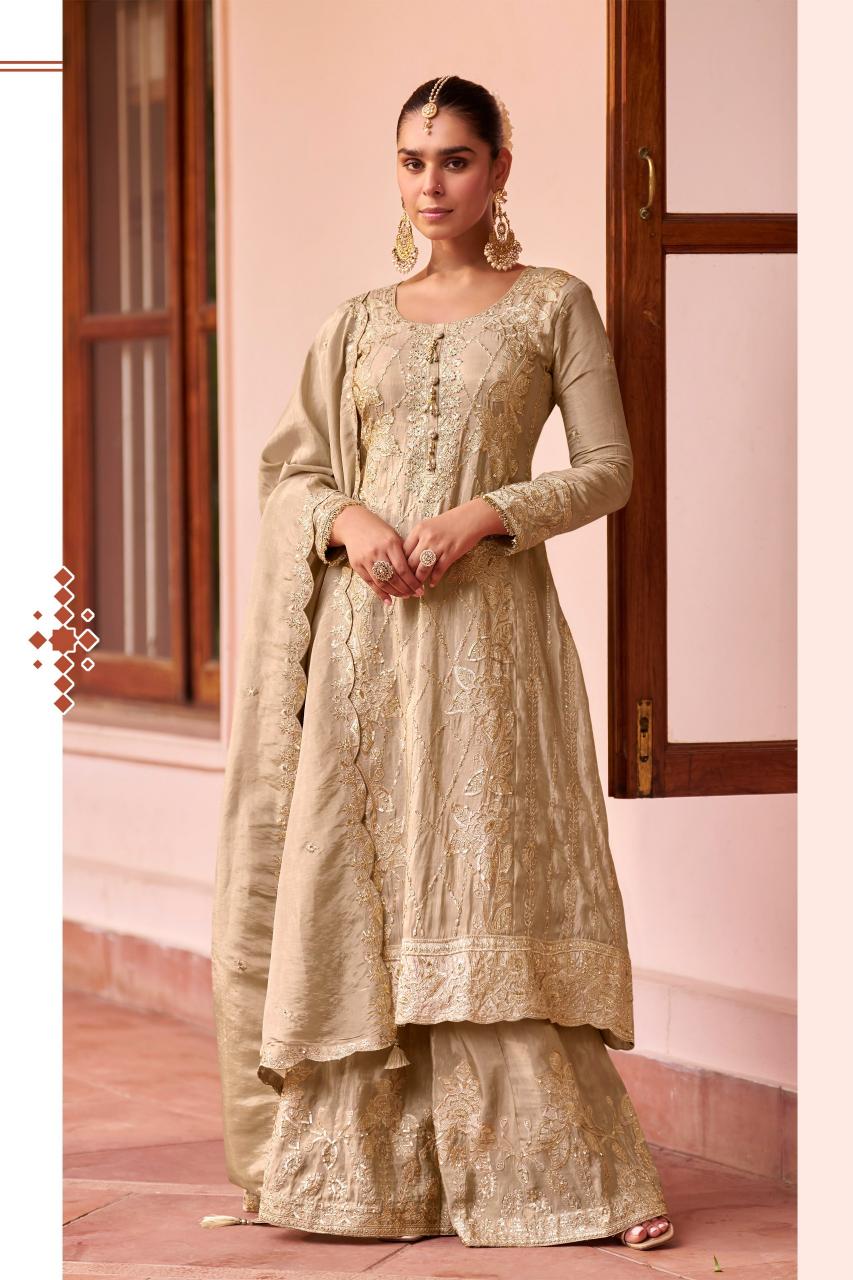
Embroidery is one of the strongest visual features of Pakistani embroidered suits. Neck panels, sleeves, borders, daman work and dupatta detailing can transform a simple silhouette into a premium product.
Before buying in bulk, examine whether the embroidery is clean and securely finished. Loose threads, uneven motifs or poorly attached embellishments may reduce customer satisfaction even when the catalogue image looks impressive.
Colour and Dupatta Coordination
The dupatta is often a major selling feature. Organza borders, printed dupattas, embroidered patterns and coordinated colour combinations can significantly influence the overall appearance. Retailers should therefore evaluate the complete three-piece combination rather than focusing only on the kurta.
Popular assortments can include neutrals, pastels, festive jewel tones, earthy shades and classic darker colours. A balanced wholesale purchase usually performs better than investing heavily in one colour family.
Buying Pakistani Suits from Surat Wholesale Markets
Surat remains an important sourcing destination for Indian women's ethnic wear because of its extensive textile trading, processing and manufacturing ecosystem. Buyers visiting areas around ring road, sahara darwaza and the wider surat textile market can encounter a broad range of manufacturers, wholesalers, traders and catalogue suppliers.
This sourcing network allows boutique owners to compare designs across different price levels. However, having thousands of available products does not automatically make purchasing easier. Buyers still need to identify dependable suppliers who can provide accurate product details, consistent quality and reliable dispatch.
Wholesaleexport.in is designed to make this sourcing process more convenient for buyers who prefer browsing and ordering collections online instead of depending entirely on physical market visits. Buyers can evaluate multiple ethnic wear categories while planning stock according to their target customers and budget.
Understanding Wholesale Price Versus Retail Value
A wholesale buyer should never evaluate a product only by its purchase price. The more useful calculation is the relationship between cost, perceived retail value and likely demand.
For example, a slightly higher-priced designer suit with cleaner embroidery, stronger catalogue presentation and better fabric may provide a healthier resale opportunity than an inexpensive piece that customers do not find attractive. Successful wholesale buying therefore involves selecting merchandise that offers a sensible balance between acquisition cost and retail appeal.
Retailers should also consider shipping, packaging, taxes where applicable and other landed costs before deciding their final selling price.
Pakistani Suit Wholesale Buying for India and Export Markets
The category is relevant not only for buyers within India but also for ethnic-fashion businesses serving international markets. For this collection, three useful markets to consider are Nepal, Australia and Canada, where South Asian communities and ethnic-fashion customers create opportunities for Indian clothing sellers.
For international export orders, product selection needs additional planning. A buyer should consider destination-specific customer preferences, seasonality, sizing requirements, shipping costs and the time required for replenishment. Instead of sending an unplanned assortment, wholesalers and retailers can build collections around specific customer profiles.
A boutique in Nepal, for example, may require different seasonal timing from a reseller serving customers in Canada. An Australian ethnic-fashion business may also prefer particular fabrics according to its climate and selling calendar. Understanding the destination is therefore an important part of wholesale sourcing.
Vastralife brings wholesale and export experience since 2017, along with practical industry exposure to ethnic-wear sourcing and distribution. That experience is relevant when buyers require premium product quality alongside variety rather than simply searching for the lowest available rate.
How Boutique Owners Can Build a Profitable Pakistani Suit Assortment
A boutique does not necessarily need hundreds of identical pieces. A better approach is often to create visual variety across price bands, colours, fabrics and occasions. This allows customers to compare alternatives while reducing overdependence on one design.
Mix Everyday and Premium Collections
Start with a combination of wearable everyday styles and visually richer occasion wear. Regular suits can support frequent sales, while premium designer Pakistani suits can raise the average order value during festive and wedding seasons.
A useful assortment may include straight suits, embroidered three-piece sets, lawn suits, festive salwar kameez, organza dupatta suits, cotton collections, wedding wear and party wear. This gives the retailer multiple selling angles throughout the year.
Buy Colours Strategically
Rather than selecting every colour personally preferred by the buyer, stock should reflect actual customer demand. Keep dependable shades while experimenting with a smaller quantity of trend-driven colours. Sales data from WhatsApp enquiries, website searches and previous boutique orders can help guide future purchases.
Plan Sizes Before Increasing Quantity
Size availability can influence repeat business. A visually attractive design becomes difficult to sell if the boutique repeatedly lacks the sizes customers request. Before increasing quantity in a successful style, understand its size ratio and customer response.
Buyers who want to compare additional collections can explore wholesale Pakistani suits and select designs according to their customer segment. Businesses that prefer semi-stitched or flexible merchandising options can also consider wholesale dress materials as part of a broader ethnic-wear assortment.
How Resellers Can Sell Exclusive Designer Pakistani Suits Online
Home-based sellers and digital resellers can build a strong ethnic-wear business without maintaining a large physical showroom. The key is to select products that are visually appealing, easy to explain to customers and supported by clear information about fabric, size, work, price and availability. An Exclusive Designer Pakistani Suit fits this model particularly well because embroidery, coordinated dupattas and premium styling can be presented effectively through catalogue images, reels, WhatsApp Status and social-media posts.
Instead of uploading dozens of products without a plan, resellers can create focused collections such as festive Pakistani suits, premium embroidered suits, wedding collections, summer lawn suits and boutique designer pieces. Customers generally find it easier to shop when products are organised according to occasion, budget or style.
Keep Product Information Clear Before Taking Orders
Every listing should clearly communicate the fabric, available sizes, set contents, colour options, embroidery details and whether the product is ready-made, semi-stitched or unstitched. Accurate descriptions reduce unnecessary questions and help buyers make decisions with greater confidence.
For wholesale buyers, this becomes even more important because one incorrect assumption can affect several pieces in a bulk purchase. Before confirming quantity, verify the current stock and exact specifications with the supplier.
Use Catalogue Content to Generate Faster Enquiries
Strong product photography can help resellers demonstrate embroidery, silhouette and overall styling. A retailer can use catalogue photographs alongside close-up videos, fabric details and short selling messages. The goal should not be to make exaggerated claims but to give customers enough information to understand what they are purchasing.
For premium products, highlighting details such as embroidered necklines, sleeve work, borders, dupatta design and fabric texture can make the presentation more useful than simply posting a model photograph with a price.
What Wholesale Buyers Should Check Before Placing a Bulk Order
Buying a few pieces and purchasing a large quantity involve different levels of risk. Before increasing order quantity, wholesale buyers should check the product specification carefully and understand the supplier's order and dispatch process.
Check Fabric, Stitching and Finishing
Fabric should match the description provided by the supplier. Stitching should appear neat around necklines, sleeves, side seams and hems. Embroidery should be properly finished, while buttons, lace, sequins and other decorative elements should be securely attached where applicable.
For premium Pakistani suits, also examine how the garment falls when worn. Good-looking embroidery cannot compensate for an uncomfortable cut or poor construction. Boutique owners should therefore consider the complete wearing experience rather than only surface decoration.
Confirm the Complete Set
Pakistani-style collections may be sold as two-piece or three-piece sets, while some designs may be available as dress material. Buyers should confirm exactly what is included before comparing one supplier's price with another.
A lower quoted rate may not represent the same product configuration. Fabric quality, dupatta type, bottom fabric, embroidery and stitching status can all affect the actual value of a set.
Confirm Stock Before Marketing Large Quantities
Fast-moving ethnic wear can change quickly. If a reseller begins promoting a design heavily, current availability should be checked before accepting multiple customer orders. This is especially relevant during wedding and festival periods when popular designs can move faster.
For showroom owners and larger wholesale buyers, repeat availability can also matter. Ask whether the collection is likely to be replenished or whether it is a limited production catalogue.
Planning Wholesale Orders for the 2026 Fashion Market
For 2026, buyers can benefit from maintaining a flexible inventory rather than depending entirely on one trend. Pakistani-inspired silhouettes can be combined with other ethnic categories to create a broader retail offering.
Retailers can plan purchases around festive periods, weddings, regional celebrations and seasonal fabric demand. Lightweight fabrics can be prioritised for warmer periods, while richer embroidered and layered designs can receive more attention during wedding and festive seasons.
Start with Controlled Quantities
For a new design or supplier, controlled purchasing gives the retailer an opportunity to observe customer response before committing additional working capital. Once a style produces consistent enquiries or sales, the buyer can increase quantity based on actual demand.
This method is particularly useful for home-based sellers and smaller boutiques because it reduces the risk of locking money into slow-moving inventory.
Use Sales Data for Repeat Purchasing
Track which colours, sizes, price ranges and styles generate actual orders rather than only likes or enquiries. Over time, this information can guide smarter wholesale purchasing. If embroidered pastel sets consistently sell faster than heavily decorated dark colours, future stock can reflect that behaviour.
Wholesaleexport.in can support buyers looking for multiple ethnic-wear categories from the Surat sourcing ecosystem. The objective should be to create a collection that matches the retailer's real customer base rather than purchasing products simply because they are newly launched.
Why Surat Is Important for Ethnic Wear Wholesale Sourcing
Surat's textile ecosystem brings together fabric sourcing, processing, trading, garment production and distribution. Commercial areas associated with ring road, sahara darwaza and the broader surat textile market give buyers access to extensive women's ethnic-wear options.
For retailers outside Surat, online sourcing can reduce the need to travel for every new collection. Product catalogues, digital communication and organised shipping make it possible for shop owners and resellers to source remotely, although buyers should still evaluate supplier reliability and product specifications before placing significant orders.
Wholesaleexport.in connects this sourcing approach with online access to current collections, helping buyers discover products for boutiques, showrooms, reselling operations and wholesale businesses.
Manufacturing and Wholesale Supply
Understanding the supply chain is valuable when buying in quantity. Products may come through different manufacturing, trading and distribution arrangements, so availability and repeat production can vary between collections.
Wholesale buyers should ask practical questions: Is the catalogue currently available? What quantity can be supplied? Are all colours and sizes available? How quickly can the goods be dispatched? Can the same design be reordered? These questions can be more important to a growing retail business than saving a small amount per piece.
Export Opportunities for Pakistani-Style Ethnic Wear
Ethnic-fashion retailers serving Nepal, Australia and Canada can consider Pakistani-inspired suits as part of a broader South Asian fashion assortment. However, international sourcing requires careful calculation of landed cost, shipping time, customer preferences and seasonal demand.
An export buyer should calculate the complete cost rather than using the Indian wholesale rate as the final product cost. Freight, destination charges, applicable taxes or duties and local operating costs may influence the final retail price.
Nepal
Nepal offers opportunities for Indian ethnic wear, particularly for retailers serving customers interested in suits, kurtis, festive clothing and other South Asian styles. Buyers should plan orders ahead of major selling periods because international movement and local distribution require additional lead time.
Australia
Retailers serving South Asian communities in Australia can build curated collections around weddings, festivals, family functions and cultural events. Product selection should consider the local season as well as the timing of Indian and South Asian celebrations.
Canada
For Canadian boutiques and resellers, premium ethnic collections can target customers shopping for weddings, festive events and special occasions. A balanced shipment can combine statement designer suits with more accessible everyday and semi-festive options.
Internal Linking and Collection Discovery
Customers rarely purchase every category from a single fashion segment. A boutique selling Pakistani suits may also receive demand for kurtis, sarees, dress materials, lehenga choli, salwar kameez and other women's ethnic wear. Building complementary categories can increase the number of products a retailer can offer an existing customer.
When planning stock, buyers can group products according to selling occasion and price segment. For example, regular wear, office wear, festive wear, wedding wear and premium designer wear can each have a separate budget allocation. This keeps inventory organised and makes it easier to identify which segment is generating the strongest turnover.
Customer FAQs
1. Where can I buy exclusive designer Pakistani suits at wholesale prices?
Wholesale buyers can source Pakistani-inspired suits through established Surat suppliers and online wholesale platforms such as Wholesaleexport.in. Before ordering, check the fabric, set contents, size availability, current stock and applicable wholesale quantity.
2. Are Pakistani suits suitable for boutique and reselling businesses?
Yes. Their distinctive silhouettes, embroidery and coordinated sets make them suitable for boutique owners, home-based sellers, WhatsApp resellers, showroom owners and online ethnic-wear stores. The right selection should be based on the seller's customer budget and local demand.
3. What should I check before placing a bulk Pakistani suit order?
Check fabric quality, embroidery, stitching, sizes, colours, dupatta details, set contents, current availability, wholesale quantity, final price and dispatch terms. For larger orders, confirming these details before payment helps avoid misunderstandings.
4. Can Pakistani-style suits be supplied for international markets?
Collections can be considered for international wholesale and export requirements depending on destination, order quantity and shipping arrangements. Overseas buyers should calculate the complete landed cost and allow sufficient time for transportation and destination formalities.
5. Which Pakistani suit styles are useful for a boutique in 2026?
A balanced boutique assortment can include embroidered straight suits, lawn suits, festive three-piece sets, organza dupatta styles, cotton Pakistani suits, party wear and premium designer collections. Actual purchasing should be adjusted according to customer demand and season.
6. Should a reseller choose the cheapest wholesale Pakistani suits?
Not necessarily. Purchase cost is important, but fabric, finishing, design appeal, catalogue presentation and customer satisfaction also influence profitability. A slightly higher-quality product may provide stronger resale value when it better matches the expectations of the target customer.
Build Your Next Ethnic Wear Collection with Wholesaleexport.in
If you are a home-based seller, boutique owner, shop owner, showroom owner, reseller or wholesale buyer, a carefully selected Exclusive Designer Pakistani Suit range can add a premium segment to your business. Choose products according to customer demand, season, fabric, design quality and realistic resale potential rather than buying solely on the lowest quotation.
With Vastralife's wholesale and export experience since 2017 and practical industry expertise, buyers can explore premium product quality alongside fresh ethnic-wear options for different customer segments.
What you can explore:
- Latest Collections
- Wholesale Pricing
- Trendy Ethnic Wear
- Fast Shipping
- COD Support
- Bulk Order Deals
- Quality Products Starting From ₹299
Whether you are building a new boutique inventory, expanding an established showroom or sourcing products for online resale, Wholesaleexport.in offers access to women's ethnic-wear collections suitable for different budgets and selling channels.
Contact: +91 9712582172
Website: wholesaleexport.in