


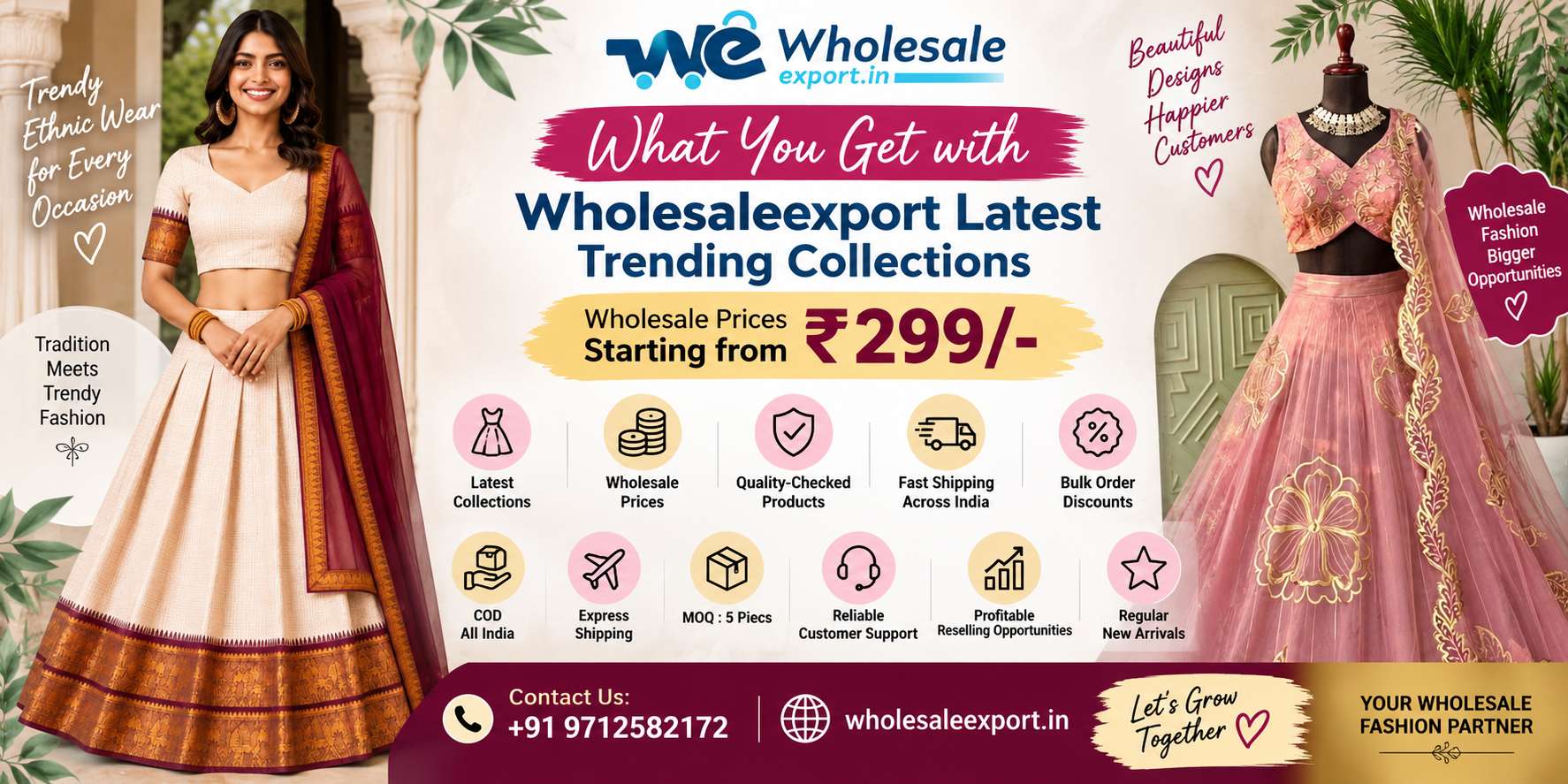
Ethnic Wear for Boutique Stores: Wholesale Buying Guide for 2026
Ethnic Wear for Boutique Stores: Wholesale Buying Guide for 2026
Running a successful fashion boutique is no longer about filling racks with as many designs as possible. Customers now expect fresh styles, attractive presentation, reliable quality and something that feels different from ordinary mass-market clothing. For boutique owners, this makes product selection one of the most important parts of the business. A carefully planned mix of kurtis, kurti sets, lehenga choli, ethnic suits, festive styles and premium collections can help a store attract customers across everyday, occasion and wedding segments.
Introduction
The demand for ethnic wear for boutique stores continues to create opportunities for boutique owners, shop owners, showroom owners, home-based sellers and online resellers. Indian ethnic fashion serves several buying occasions throughout the year, including regular wear, office wear, family functions, weddings and festivals. This allows retailers to build an inventory that can generate sales across different seasons rather than depending on one product category.
For buyers sourcing stock in 2026, however, the challenge is not simply finding products. The real challenge is selecting the right designs at the right wholesale price, maintaining enough variety without creating dead inventory, and working with a supplier that can provide regular new arrivals. Successful boutiques increasingly require a purchasing strategy that balances fast-moving affordable products with selected premium styles.
Surat remains an important sourcing destination for women's ethnic fashion because of its extensive textile, trading and manufacturing ecosystem. Buyers searching around the surat textile market, ring road and sahara darwaza can find a broad variety of categories, fabrics and price segments. Online wholesale sourcing has made access easier for retailers who cannot visit Surat frequently.
What Ethnic Wear Should Boutique Owners Stock?
A boutique should ideally avoid depending on a single category. Customer preferences vary according to age, location, budget, season and occasion. A balanced collection gives retailers more opportunities to convert enquiries into purchases and encourages existing customers to return when new stock arrives.
Wholesale Kurtis and Kurti Sets
Wholesale kurtis remain one of the most practical categories for boutique inventory because they cover everyday, office, casual and semi-festive requirements. Straight kurtis, A-line styles, printed kurtis, embroidered kurtis, designer kurtis and contemporary silhouettes can be selected according to the boutique's target audience.
Kurti sets can help increase the average selling value because customers receive a coordinated look instead of purchasing only one garment. Two-piece kurti-pant sets and three-piece kurti-pant-dupatta combinations are especially useful when a boutique wants products that look complete and ready to merchandise.
Designer Lehenga Choli for Occasion Buyers
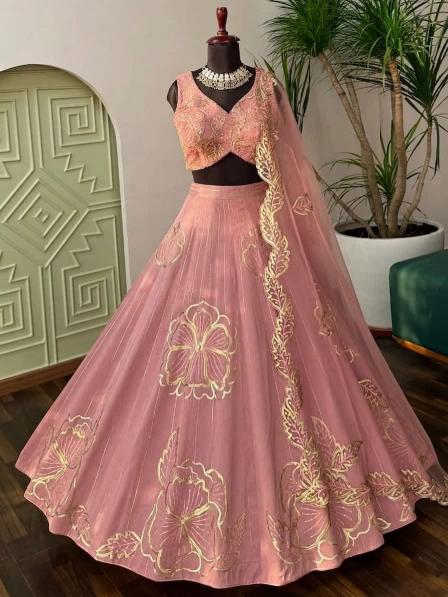
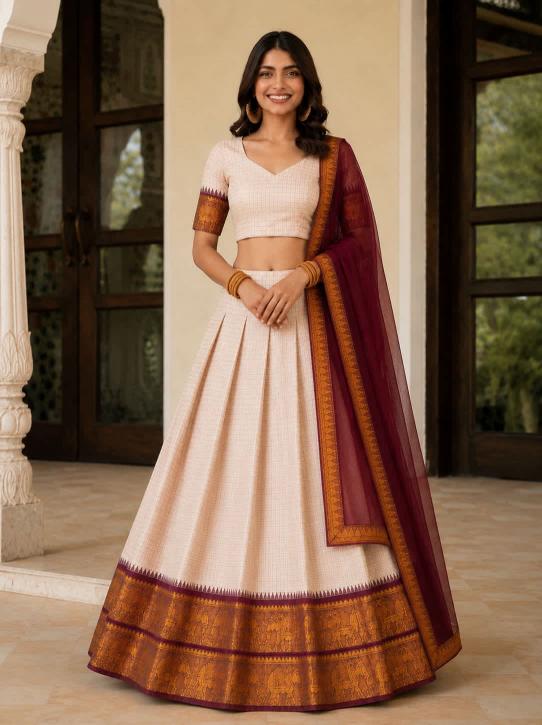
A carefully selected lehenga choli wholesale range can give a boutique a stronger festive and wedding section. Instead of stocking too many similar pieces, boutique buyers can select different looks across embroidery, printed designs, pastel shades, traditional colours and contemporary styling.
Lehengas generally require a more considered inventory decision than everyday kurtis because the investment per design can be higher. Boutique owners should therefore evaluate fabric, finishing, work, colour combination, blouse styling and expected retail price before placing a bulk order.
Salwar Suits and Dress Materials
Wholesale salwar suits and dress materials continue to appeal to customers who prefer classic Indian clothing. Dress materials are particularly useful for buyers serving customers who prefer customised stitching, while ready-to-wear suit sets can appeal to shoppers looking for convenience.
Depending on the market, a boutique can stock cotton styles for regular use alongside embroidered, festive and premium fabrics for special occasions. This gives customers different choices without making the inventory feel repetitive.
How to Build a Profitable Boutique Inventory
Inventory planning has a direct effect on boutique profitability. Buying a design simply because it looks attractive can become expensive when the style does not match local customer demand. A stronger approach is to divide purchasing according to customer type, selling price and expected stock movement.
Keep Fast-Moving Products as the Foundation
Every boutique needs products that can sell regularly. Affordable kurtis, printed sets, cotton styles, casual ethnic wear and practical everyday designs can create consistent sales. These products can form the foundation of the inventory while higher-value pieces are added selectively.
Home-based sellers and resellers can also benefit from this approach because they may not want to invest heavily in stock at the beginning. Starting with commercially wearable designs and gradually expanding into premium categories can help maintain healthier cash flow.
Add Premium Products for Better Margins
Premium products can differentiate a boutique from price-focused competitors. Designer kurti sets, embroidered suits, party wear, wedding styles and premium lehengas can provide higher ticket values when the design and quality justify the retail price.
Premium does not necessarily mean stocking only expensive garments. It can also mean better fabric, cleaner stitching, attractive colour combinations, detailed finishing and a design that looks distinctive in-store or on social media. The objective is to offer customers a clear reason to pay more.
Do Not Overbuy One Trend
Fashion cycles can change quickly. A silhouette performing strongly today may slow down after a few weeks or months. Boutique owners should therefore test new trends in controlled quantities before committing a large part of their buying budget.
This is especially useful for social-media-driven fashion. A trending ethnic style may produce excellent enquiries, but buying depth should be increased only after actual customer response confirms the demand. Regular replenishment is often safer than placing one oversized seasonal order.
Why Surat Is Important for Boutique Wholesale Sourcing
Surat has developed a large textile ecosystem connecting fabric suppliers, processors, manufacturers, wholesalers, catalog suppliers and logistics providers. This gives boutique buyers access to multiple women's fashion categories through one sourcing city.
The areas surrounding Ring Road, Surat Textile Market and Sahara Darwaza are widely associated with textile trading. For a boutique buyer, the advantage of sourcing from a major textile hub is not only variety. Frequent production cycles can also make it easier to discover new collections and replenish commercially successful products.
Wholesaleexport.in helps bring this sourcing model online for buyers who want to explore wholesale collections without relying entirely on physical market visits. Product selection can be particularly useful for boutique owners who operate outside Surat and need a more convenient way to purchase stock.
Wholesale Ethnic Wear for Different Boutique Customers
The strongest collection for one boutique may perform poorly in another. Product selection should therefore reflect the boutique's actual customers rather than copying another retailer's assortment.
Home-Based Sellers and Online Resellers
Home sellers usually benefit from designs that photograph well, have understandable sizing and can be presented easily through WhatsApp, Instagram, Facebook or other digital channels. Attractive product images and competitive buying costs can help these sellers test multiple styles while controlling inventory exposure.
Physical Boutique and Shop Owners
Physical stores can create a broader merchandise mix because customers can touch fabrics, check embroidery and try garments. They can combine daily wear, festive wear, designer pieces and premium products across several price levels.
Shop owners should also pay attention to visual merchandising. A boutique that places only similar colours or identical silhouettes together can make a large collection appear smaller. Mixing complementary categories can make the merchandise look richer while encouraging cross-selling.
Showroom Owners and Wholesale Buyers
Showroom owners generally require greater depth and wider size or design options. Their purchasing strategy may include multiple catalogs, stronger festive inventory and larger repeat orders. For these buyers, supplier consistency, dispatch coordination and reliable product quality become especially important.
Buying Ethnic Wear at the Right Wholesale Price
The lowest purchase price is not automatically the most profitable choice. Retailers need to consider the complete value of a garment, including its fabric, stitching, finishing, design appeal, packaging, marketability and expected retail margin.
A ₹299 entry-level product and a premium embroidered outfit serve different customers. Both can be profitable when positioned correctly. The key is to know the expected selling price before buying stock and maintain enough margin for operating costs, promotions, delivery expenses and occasional discounting.
Boutique owners should also compare minimum order requirements and assortment flexibility. Smaller quantities across multiple designs can sometimes produce better stock rotation than purchasing a large quantity of one design simply to obtain a slightly lower unit rate.
Choosing Collections for India, Nepal and Australia
Wholesale fashion demand changes across markets, making location an important consideration when building inventory. For buyers in India, the assortment can cover everything from everyday kurtis to elaborate festive and wedding clothing because ethnic wear is purchased for numerous occasions throughout the year.
Boutiques serving Nepal can consider festive suits, Anarkali-inspired silhouettes, kurti sets, lehengas and other Indian ethnic collections depending on local customer demand. Retailers should plan inventory ahead of important selling periods so that products arrive with enough time for merchandising and promotion.
For boutiques and resellers sourcing for Australia, Indian ethnic wear can serve diaspora customers shopping for weddings, festivals, community celebrations and family functions. Export buyers should pay close attention to sizing, product descriptions, dispatch planning and landed costs when deciding retail prices.
Vastralife Wholesale and Export Experience Since 2017
Vastralife has worked in wholesale and export since 2017, bringing practical industry experience to product sourcing and supply. That experience matters because boutique buyers are not simply purchasing garments; they are investing working capital into products that must eventually sell to real customers.
Industry knowledge helps in understanding commercially relevant designs, different quality levels and the needs of resellers, boutiques and wholesale buyers. Premium product quality is particularly important for stores that want repeat customers, because the customer's experience after purchase affects the boutique's reputation.
Through Wholesaleexport.in, buyers can explore collections suited to different budgets and customer profiles while accessing products from the broader Surat wholesale ecosystem.
How Boutique Owners Can Select the Right Product Mix
A profitable boutique rarely depends on one type of garment. The better approach is to create a product mix that gives customers choices across everyday fashion, festive dressing and premium occasions. A retailer planning ethnic wear for boutique stores can combine affordable fast-moving products with selected statement pieces so that both budget-conscious and premium customers find something suitable.
For example, everyday kurtis and practical kurti sets can generate regular turnover, while designer suits, embroidered sets and lehenga choli collections can raise the average billing value during festive and wedding seasons. Boutique owners should also keep some new arrivals available throughout the month rather than launching the entire inventory at once. Freshness gives existing customers a reason to visit the store or check the seller's social pages repeatedly.
Build Inventory Around Multiple Price Points
One common mistake is stocking almost every product within the same price range. A stronger boutique assortment usually has entry-level, mid-range and premium options. Entry-level merchandise can attract new customers, while mid-range products may become regular sellers. Premium garments can serve buyers who prioritise design, fabric and finishing over the lowest price.
This structure is particularly useful for shop owners and resellers because it provides natural opportunities for upselling. A customer who initially enquires about an affordable kurti may choose a coordinated kurti set after seeing the additional value, while a festive shopper may upgrade to a more detailed designer piece.
Use Seasonal Buying Instead of Random Purchasing
Wholesale purchasing should follow a calendar. Summer cotton collections, monsoon-friendly styles, festive ethnic wear, wedding collections and year-end occasion wear can all require different buying decisions. Planning purchasing cycles in advance gives boutiques enough time to photograph products, create social media content, contact existing customers and organise displays before demand peaks.
For 2026, boutique owners should also leave part of their purchasing budget flexible. Fashion trends can emerge quickly through reels, influencers and changing consumer preferences. Keeping working capital available makes it easier to add a promising new collection without being trapped by excessive old inventory.
Internal Linking: Explore Related Wholesale Categories
Boutique buyers who want to expand their festive inventory can explore the wholesale lehenga market in Surat collection to compare designs suited to wedding, festive and occasion-based customers. This can complement everyday kurtis and suits while giving the store a stronger premium section.
Retailers building a broader ethnic assortment can also consider wholesale Pakistani suits for customers looking for elegant silhouettes, coordinated dupattas and distinctive styling. Using complementary categories helps a boutique increase variety without depending too heavily on a single fashion segment.
How to Reduce Dead Stock in a Boutique Business
Dead stock affects cash flow more than many new boutique owners realise. A garment may still look attractive, but if it remains unsold for months, the money invested in it cannot be used for newer collections. Stock rotation therefore deserves as much attention as gross margin.
Start Small With Unfamiliar Designs
When testing a new silhouette, colour story or category, purchase a manageable quantity first. Display it properly, promote it through social media and observe actual customer enquiries. If the response is strong, repeat or expand the category. This approach can be safer than making a large bulk commitment based only on a trend prediction.
Track What Customers Actually Buy
Customer compliments and actual purchases are not always the same thing. A product can receive excellent engagement online yet produce few orders. Boutique owners should maintain simple records of category, size, colour, selling price and time taken to sell.
After several purchasing cycles, this information can reveal valuable patterns. You may discover that certain kurti sizes sell faster, pastel lehengas perform better in one location, or a particular price band generates more repeat customers. Future wholesale buying can then be based on evidence rather than assumptions.
Refresh Stock Before Heavy Discounting
Before immediately reducing prices on slow stock, retailers can try new styling, fresh photography, outfit combinations or different merchandising. Pairing a slow-moving kurti with jewellery or a coordinated bottom can change how customers perceive it. When markdowns are necessary, planned clearance offers are generally better than continuous discounting that weakens the boutique's price positioning.
What to Check Before Placing a Wholesale Order
Finding an attractive design is only the first step. A wholesale buyer should verify the details that can affect customer satisfaction and eventual profitability. This becomes even more important for online sellers who cannot physically inspect every piece before ordering.
Fabric, Work and Finishing
Understand the fabric and type of work used in the garment. Printed, embroidered, sequined, woven and embellished products can behave differently in actual use. Check whether the product positioning matches the expected retail price. Premium product quality should be visible through fabric feel, stitching, detailing and overall finishing rather than relying only on photographs.
Sizes and Assortment
A beautiful design cannot produce consistent sales if the available sizes do not match the boutique's customer base. Before purchasing, retailers should understand the size assortment and decide whether they require regular, extended or plus-size options.
Size demand can differ significantly between online reselling and physical boutiques. Keeping records of frequently requested sizes can help buyers allocate future purchasing budgets more accurately.
MOQ and Reordering Possibilities
Minimum order quantity affects how much capital a boutique must commit to a collection. Smaller boutiques may prefer lower quantities with greater design variety, while established showrooms and wholesale buyers may benefit from larger purchases. Buyers should also check whether fast-moving products can potentially be reordered, although availability can change as collections sell out.
Dispatch and Delivery Planning
Fast dispatch is especially valuable during festivals and weddings, but retailers should never wait until peak demand has already started before purchasing important stock. Shipping time, order processing and destination logistics should all be considered in the buying calendar.
Wholesale Ethnic Wear for Online Boutique Selling
Digital selling has made it possible for home-based sellers and boutiques to reach customers far beyond their immediate location. Instagram, Facebook, WhatsApp and ecommerce storefronts can all become sales channels when products are presented professionally.
Online boutiques should prioritise products that can be communicated clearly through photographs and videos. Showing the complete garment, fabric fall, embroidery, dupatta, neckline and other relevant details can reduce customer uncertainty. Accurate descriptions and size information can also improve the buying experience.
Wholesaleexport.in can support this sourcing approach by allowing buyers to explore different wholesale categories online. Instead of travelling to the surat textile market for every purchasing cycle, buyers can use online sourcing as part of their regular stock planning while still benefiting from Surat's extensive garment supply ecosystem.
How Export Buyers Can Plan Boutique Stock
International boutique sourcing requires an additional layer of planning. A garment that has an attractive wholesale price in India also has freight and other destination-related costs before it reaches an overseas store. Export buyers should calculate the approximate landed cost before deciding the final retail price.
Retailers serving customers in Nepal, Australia and other international destinations can also build collections around local festive calendars and community events. Indian weddings, Diwali celebrations and cultural functions can create concentrated periods of demand, making early inventory planning important.
For an overseas boutique, carrying a tightly curated range can often be more effective than importing too many unrelated products. Selecting coordinated colours, sizes and categories gives the collection a recognisable identity and can make marketing easier.
Why Regular New Arrivals Matter for Boutique Growth
Fashion customers respond to novelty. If a customer sees exactly the same products every time they visit a boutique's store, website or social media profile, there is little reason to return frequently. Regular new arrivals create new opportunities for engagement and sales.
This does not mean replacing the complete inventory every week. Even a smaller launch of fresh kurtis, suits, festive sets or designer pieces can be promoted as a new collection. Retailers can build anticipation through previews, reels, WhatsApp updates and customer groups.
Regular purchasing also allows boutique owners to respond to demand more quickly. When one category begins performing strongly, the buyer can allocate more budget to similar products rather than waiting until the next major seasonal purchase.
Wholesale Buying Strategy for Better Boutique Margins
A sustainable margin starts before the product reaches the boutique. Buyers should consider purchase cost, logistics, packaging, marketing expenses, payment charges and expected discounting when calculating a retail price. Simply doubling the wholesale rate without understanding total costs can create misleading profit expectations.
Calculate Margin Product by Product
Different categories deserve different margin strategies. A frequently sold basic kurti may operate successfully at one margin, while a premium designer lehenga that sells less frequently may require another. Retailers should understand the actual rupee profit generated by each sale rather than looking only at the percentage markup.
Use Bulk Orders Strategically
Bulk order deals can improve purchasing economics when the retailer already understands the product's demand. However, buying more only because the per-piece rate is lower can create excess inventory. Larger quantities make the most sense for proven designs, reliable categories and predictable seasonal requirements.
Keep Working Capital Moving
For a growing boutique, stock rotation can be more valuable than holding excessive inventory for a theoretical higher margin. Products that sell consistently allow the same capital to be reinvested into new collections multiple times. This is why wholesale price, sell-through speed and margin should be evaluated together.
Customer FAQs
1. What ethnic wear is best for a new boutique?
A new boutique can begin with a balanced assortment of kurtis, kurti sets, suits and a smaller selection of festive or designer products. The exact mix should depend on local customers, preferred price range and available investment. Starting with variety rather than excessive quantities can help identify the fastest-selling categories.
2. Where can boutique owners buy ethnic wear wholesale from Surat?
Boutique owners can source through Surat's established textile trading ecosystem as well as online wholesale platforms such as Wholesaleexport.in. Online sourcing can be particularly convenient for buyers located outside Surat who want access to new collections without making frequent physical market visits.
3. How much stock should a small boutique purchase initially?
There is no universal quantity because the right investment depends on budget, store size and customer demand. Small boutiques and home-based sellers can begin with controlled quantities across several commercially relevant designs and increase purchasing after identifying what sells consistently.
4. Is wholesale ethnic wear suitable for online reselling?
Yes. Kurtis, kurti sets, suits, lehengas and other ethnic categories can be sold through social media, WhatsApp and ecommerce channels. Clear product images, accurate descriptions, transparent pricing and reliable customer communication are important for building repeat online business.
5. Can international boutiques source Indian ethnic wear?
Yes. Export buyers can source Indian ethnic fashion for overseas boutiques, subject to destination logistics and applicable import requirements. Buyers should calculate shipping and other landed costs before fixing their retail price and should plan festive inventory well in advance.
6. What should boutique owners check before buying in bulk?
Check fabric, workmanship, finishing, size availability, assortment, wholesale price, minimum order requirements and dispatch expectations. For a new collection, testing smaller quantities before placing a deeper repeat order can reduce inventory risk.
7. How frequently should a boutique introduce new collections?
The ideal frequency depends on customer demand and sales volume, but regular additions can keep the store looking active. Rather than waiting for one very large launch, many retailers benefit from introducing smaller batches of fresh products throughout the season.
Build Your Boutique Collection with Wholesaleexport.in
Whether you operate a home-based fashion business, retail shop, boutique, showroom or reselling business, your inventory decisions shape your growth. Wholesaleexport.in brings together wholesale sourcing opportunities for buyers looking for current ethnic fashion, competitive purchasing options and collections suitable for different customer segments.
Backed by Vastralife's wholesale and export experience since 2017 and practical textile industry expertise, the focus is on helping buyers source commercially relevant products with dependable quality. From affordable everyday fashion to premium ethnic collections, retailers can select stock according to their market rather than following a one-size-fits-all buying strategy.
Order Wholesale Ethnic Wear for Your Boutique
Ready to refresh your boutique inventory for 2026? Explore Latest Collections, competitive Wholesale Pricing, Trendy Ethnic Wear and selected Quality Products Starting From ₹299. Buyers can also enquire about Fast Shipping, available COD Support for eligible orders and locations, and Bulk Order Deals based on purchasing requirements.
Choose collections for everyday retail, festive selling, weddings, online reselling and premium boutique customers while keeping your inventory fresh and commercially focused.
Contact Number: +91 9712582172
Website: wholesaleexport.in
Explore Wholesaleexport.in for your next wholesale purchase and build a stronger collection with the right combination of variety, quality, price and new-season fashion.