


Ethnic Print Kurti Collection: Wholesale Trends, Styles & Buying Guide 2026
Ethnic Print Kurti Collection: Wholesale Trends, Styles & Buying Guide 2026
Indian ethnic wear continues to evolve with changing colours, prints, silhouettes and customer preferences, yet printed kurtis remain one of the most practical categories for retailers. They are easy to display, comfortable for regular wear and available across budget, mid-range and premium segments. For home-based sellers, boutiques, shop owners and wholesale buyers, choosing the right designs can create a dependable mix of everyday and occasion-ready merchandise.
Introduction
The ethnic print kurti collection has become an important part of women’s wardrobes because it combines traditional Indian design language with comfortable modern styling. Instead of being restricted to festive occasions, printed kurtis are now worn for offices, colleges, casual outings, family gatherings, travel and everyday use.
For retailers, this versatility matters. A category that serves several customer requirements can generate sales across different seasons rather than depending entirely on weddings or festivals. Floral motifs, Jaipuri-inspired patterns, geometric prints, paisley designs, traditional motifs, abstract ethnic patterns and contemporary placement prints allow sellers to build variety without moving away from a proven product category.
In 2026, buyers are also becoming more selective about fabric feel, colour combinations, finishing, size availability and overall value. A low price alone does not guarantee repeat sales. Customers increasingly expect attractive designs along with comfortable fabrics and reliable stitching. This makes product selection particularly important for resellers and boutiques buying in quantity.
Wholesaleexport.in helps wholesale buyers explore ethnic wear sourced from India's textile ecosystem. Backed by Vastralife’s wholesale and export experience since 2017, the focus remains on practical sourcing, industry knowledge and premium product quality suitable for different retail formats.
Why Ethnic Print Kurtis Remain Strong in the Wholesale Market
Printed kurtis occupy a useful position between basic daily wear and heavily embellished ethnic fashion. Customers who do not want embroidery, zari or elaborate handwork can still purchase something visually distinctive. This creates a broad audience for printed kurtis wholesale collections.
Everyday Wear Creates Repeat Demand
Daily-use fashion can be especially useful for retailers because customers often purchase more than one design. A woman may choose separate kurtis for office wear, casual wear and weekend outings. When retailers stock multiple prints in wearable colours, customers can comfortably select several pieces rather than treating the purchase as a one-time occasion outfit.
Comfortable cotton blends, rayon, viscose, muslin and other easy-care materials are commonly considered for this segment. Fabric selection should match climate, season and the expected retail price point. Lightweight fabrics generally work well for summer-oriented collections, while richer textures can support festive or winter ranges.
Wide Customer and Age Coverage
An important advantage of ethnic kurtis for women is their broad customer base. Younger shoppers may prefer contemporary prints and straight silhouettes, while mature buyers may look for traditional motifs, comfortable fits and modest patterns. Boutique owners can therefore build different stories within the same category.
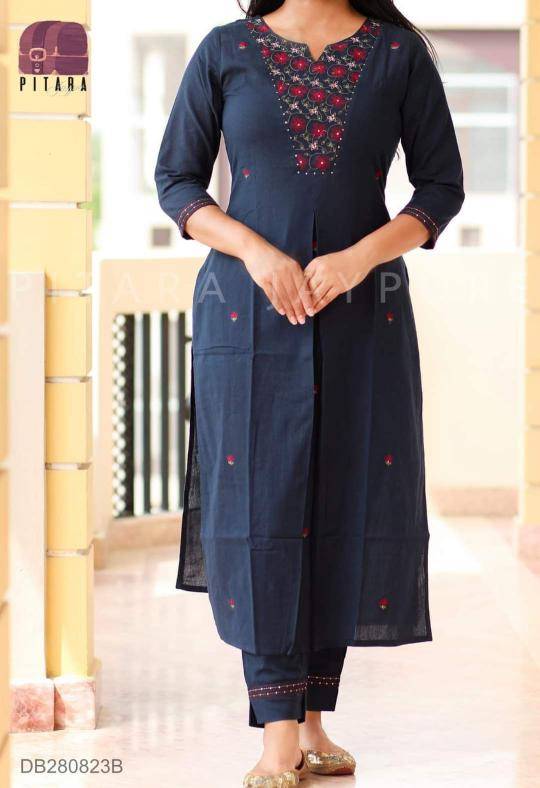
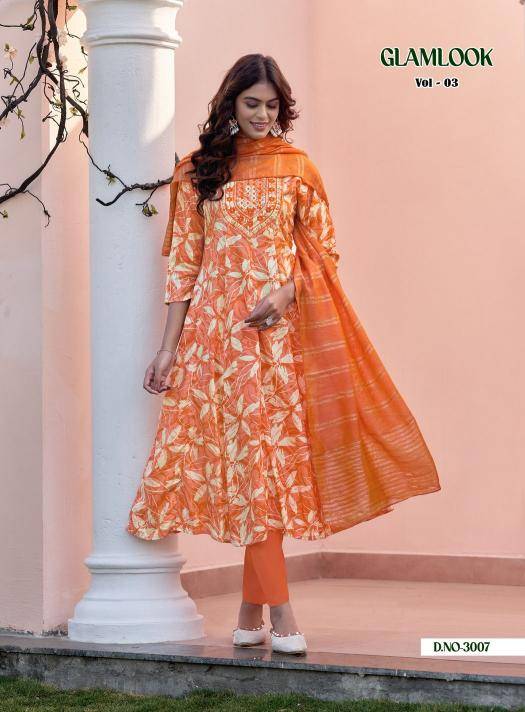
A balanced inventory might include subtle office-friendly prints, colourful casual kurtis, traditional Jaipuri patterns, A-line shapes, straight kurtis and coordinated kurti-pant combinations. This helps a seller address multiple buying preferences without carrying completely unrelated product categories.
Popular Ethnic Print Styles to Consider in 2026
The strongest wholesale assortment is usually not based on one print. Variety helps retailers test what their local customers actually prefer. Below are several print directions worth understanding while selecting a kurti wholesale collection.
Jaipuri and Traditional Indian Prints
Jaipuri-inspired motifs continue to have strong recognition in Indian ethnic fashion. Small floral patterns, traditional buta designs, repeated motifs and heritage-inspired layouts create a familiar ethnic appearance without requiring heavy surface work.
Jaipuri kurti wholesale ranges can work particularly well for customers seeking comfortable daily ethnic wear. Sellers should pay attention to print clarity, colour fastness, fabric quality and finishing rather than selecting products solely by catalogue photographs.
Floral Print Kurtis
Floral prints offer exceptional versatility because the same concept can be adapted to soft pastels, bright summer colours, earthy shades and darker seasonal palettes. Small florals can create a subtle everyday look, while larger botanical patterns produce a more contemporary fashion statement.
For resellers, floral print kurti wholesale stock can provide an accessible entry category because floral fashion is familiar to a wide range of consumers. However, maintaining variation in scale and colour prevents the assortment from appearing repetitive.
Geometric and Abstract Ethnic Patterns
Geometric and abstract designs bring a modern character to ethnic silhouettes. These patterns can appeal to office-going customers and younger shoppers who want Indian clothing without a strongly traditional appearance.
Contemporary patterns also photograph effectively for social commerce. Home-based sellers promoting merchandise through WhatsApp, Instagram, Facebook or short-form videos can benefit from prints that remain visually clear on a mobile screen.
Block-Print Inspired Designs
Traditional block-print aesthetics continue to influence mainstream ethnic fashion. Repeated floral motifs, borders and earthy colour combinations can create an artisanal appearance even within commercially produced collections. Buyers sourcing these styles should distinguish between genuine hand-block processes and block-print-inspired machine production instead of treating the terms as interchangeable.
Choosing the Right Fabric for Printed Kurtis
A print may attract the first glance, but fabric strongly influences whether the customer actually enjoys wearing the garment. For wholesale buyers, understanding material is therefore just as important as choosing designs.
Rayon Kurtis for Flow and Comfort
Rayon kurti wholesale collections are widely considered for their soft feel and fluid fall. Rayon can support straight, A-line and flared silhouettes and accepts a wide range of printed designs. Retailers should check fabric density, shrinkage expectations, stitching and finishing before committing to larger quantities.
Cotton and Cotton-Blend Kurtis
Cotton printed kurtis are naturally associated with comfort and warm-weather dressing. They can be suitable for office wear, everyday use and customers looking for breathable ethnic clothing. Cotton blends can provide additional advantages such as easier maintenance or different drape characteristics depending on composition.
For retailers, accurate fabric descriptions are important. Customers increasingly ask whether a product is pure cotton, rayon, viscose, cotton blend or another material. Clear information reduces misunderstanding and can improve repeat business.
Muslin and Premium-Looking Fabrics
Muslin-based and softer premium fabrics can help sellers create a higher-value printed category. Digital prints, elegant florals and sophisticated colour palettes can give these kurtis a more refined appearance. Boutique owners can combine basic daily-wear merchandise with selected premium pieces to create multiple retail price bands.
How Retailers Should Build a Profitable Kurti Assortment
Wholesale buying becomes more effective when inventory is planned around customer needs rather than simply ordering whichever catalogue looks attractive. A retailer should consider customer age, local climate, average spending capacity, preferred sizes, colour preferences and previous sales data.
A practical assortment can combine fast-moving everyday designs with smaller quantities of fashion-led pieces. For example, neutral and medium-tone kurtis may support regular office wear demand, while brighter colours can add visual energy to festival or seasonal displays.
Do Not Buy Too Deep into One Print
One common inventory mistake is buying a large quantity of a single design before testing customer response. Unless there is reliable historical demand, broader design variety can be more useful than excessive depth in one pattern.
This is especially relevant to home-based sellers and new resellers. Smaller mixed selections allow them to understand whether customers respond better to florals, traditional motifs, geometric patterns, straight kurtis or kurti-pant sets before increasing the next order.
Maintain Useful Size Coverage
Size availability can directly affect conversion. A popular design becomes difficult to sell when the customer's required size is repeatedly unavailable. Wholesale buyers should examine the size set before ordering and understand whether the supplier provides regular sizes, extended sizes or plus size kurtis.
Retailers serving a diverse customer base should avoid assuming that one standard size range is sufficient. Tracking which sizes sell fastest in your own store gives much more useful information than following a generic market assumption.
Surat as a Sourcing Centre for Kurti Wholesale Buyers
Surat has developed a major textile ecosystem covering fabrics, processing, garment production, trading and distribution. Buyers searching for a kurti manufacturer in Surat or wholesale supplier frequently encounter businesses connected with the city's wider textile network.
Commercial areas around the surat textile market, ring road and sahara darwaza are well known within the textile trade. The broader ecosystem supports sourcing across kurtis, dress materials, sarees, salwar suits and other women’s ethnic categories.
For buyers who cannot regularly travel to Surat, online catalogue-based wholesale purchasing has made sourcing easier. Wholesaleexport.in allows buyers to explore products digitally while benefiting from the sourcing capabilities of an established wholesale network.
Manufacturing and Wholesale Are Not Always the Same
Buyers should understand the difference between manufacturing, direct factory sourcing, brand distribution and multi-brand wholesale. A manufacturer may specialise in a limited product type, whereas a wholesaler can potentially offer collections from multiple sources.
For boutiques and resellers, the best sourcing model depends on order volume and variety requirements. Large-volume buyers may prioritise production consistency, while smaller retailers may value the ability to purchase more designs across several categories.
When exploring the wider catalogue, buyers can review wholesale rayon kurtis for additional everyday ethnic options. Retailers building a broader women's assortment can also explore wholesale sarees alongside their kurti inventory.
Wholesale Price Planning for Ethnic Print Kurtis
Price planning should begin with the final customer rather than with the lowest available buying rate. A home-based seller, neighbourhood clothing store, premium boutique and large showroom can all sell printed kurtis, but their customers may expect very different fabrics, designs and price points. This is why a good wholesale assortment normally includes more than one pricing level.
Several factors influence the ethnic print kurti wholesale price, including fabric type, printing technique, garment length, stitching quality, size range, additional detailing, brand positioning and order quantity. Digital printing, specialised fabrics or added embroidery can increase the cost compared with basic everyday printed styles.
Retailers should calculate more than the purchase price. Packaging, transportation, payment costs, local delivery, advertising and expected unsold inventory can influence the actual margin. A slightly better-quality product that generates repeat customers can sometimes be more commercially useful than a cheaper garment with inconsistent finishing.
Budget, Mid-Range and Premium Stock
A practical strategy is to divide inventory into clear customer segments. Budget kurtis can attract price-conscious customers and daily-wear buyers. Mid-range products can offer improved fabrics, fashionable cuts and stronger presentation. Premium printed kurtis can focus on distinctive designs, richer fabrics and boutique-oriented styling.
This approach also helps resellers promote products more effectively. Instead of sending every catalogue to every customer, sellers can recommend collections based on the buyer’s budget and requirement. That creates a more personalised purchasing experience and reduces unnecessary choice.
Ethnic Print Kurti Demand Beyond India
Indian ethnic fashion also serves overseas customers, especially communities that regularly purchase kurtis for daily wear, celebrations and cultural occasions. For an ethnic wear exporter, understanding destination-specific preferences is important because colour, sizing, fabric and styling requirements can differ between markets.
Nepal
Nepal offers a natural market for Indian women’s ethnic clothing because of geographical proximity and familiarity with Indian fashion. Printed kurtis, kurti sets, salwar suits and other practical ethnic products can be considered by wholesalers and retailers building varied inventories. Buyers should still plan orders according to local seasonal demand and allow sufficient time for international logistics.
Australia
For customers in Australia, ethnic kurtis can serve both casual and cultural dressing requirements. Export-oriented sellers may consider comfortable fabrics, practical silhouettes and size diversity. Product photographs, accurate measurements and clear fabric descriptions become especially important when customers are buying remotely.
Singapore
Singapore’s multicultural retail environment creates opportunities for Indian clothing across everyday and occasion-led segments. Lightweight fabrics and wearable silhouettes can be relevant in a warm climate. Wholesale buyers should evaluate products according to their own customer profile rather than assuming that the same assortment will perform equally in every export destination.
For international orders, buyers should also understand shipping costs, import requirements, duties and delivery timelines before finalising commercial quantities. These expenses can influence the final landed cost and resale margin.
Why Product Quality Matters for Resellers
A reseller’s reputation depends on what reaches the end customer. Attractive catalogue photography may generate the first order, but fabric, stitching and finishing determine whether that customer returns. This is particularly important for online sellers because customers cannot physically inspect a garment before ordering.
Check Fabric and Print Quality
Printed fabric should look clean and visually balanced. Buyers should check whether the colour and print placement suit the garment and whether the material matches the product description. When possible, understanding wash-care requirements can also help sellers communicate correctly with customers.
Check Stitching and Finishing
Necklines, sleeves, side seams, hems, buttons and other finishing details affect the overall appearance of a kurti. Good stitching helps even a moderately priced garment appear more polished. For a boutique owner, these details can directly influence customer perception of value.
Check Size Measurements
Do not rely only on labels such as M, L, XL or XXL. Measurements can vary between brands and manufacturers. Bust, waist, hip, garment length and sleeve measurements are useful when selling through WhatsApp, websites or social media because they help customers make more informed size decisions.
How Different Sellers Can Use an Ethnic Print Kurti Collection
Home-Based Sellers
Home-based sellers can begin with carefully selected designs rather than carrying a very large inventory. A mix of latest kurti designs, everyday printed styles and a few premium options can provide enough variety for WhatsApp and social-media customers.
Good photographs and simple product descriptions are particularly important. Mention the fabric, available sizes, colour, garment type and key design details. Customers should be able to understand the product without repeatedly asking for basic information.
Boutique Owners
Boutiques can focus more heavily on curated designs. Instead of competing only on price, they can build collections around themes such as office ethnic wear, summer prints, traditional Jaipur-inspired fashion, contemporary prints or festive casual wear.
A carefully selected ethnic print kurti collection can also be styled with jewellery, handbags or coordinating bottoms to increase the overall shopping value for customers.
Shop and Showroom Owners
Physical stores need enough variety to make their display look fresh while maintaining sufficient stock of proven sellers. Monitoring sales by design, colour and size can help owners identify which products deserve repeat purchasing.
Regular new arrivals are useful because repeat customers often want to see something different each time they visit. Rather than replacing the entire assortment, retailers can refresh a portion of their display at regular intervals.
Wholesale Buyers
Wholesale buyers purchasing for further distribution should pay close attention to repeatability, stock availability and supplier communication. A successful sample order has limited value if the same quality cannot be maintained when quantities increase.
Wholesaleexport.in works with buyers looking for different women’s ethnic wear categories and benefits from Vastralife’s industry experience in wholesale and export since 2017. This experience helps support sourcing requirements for retailers, resellers and other B2B buyers.
Internal Linking and Related Wholesale Categories
Retailers should think of printed kurtis as part of a broader merchandise strategy rather than an isolated category. Customers buying everyday kurtis may later require coordinated sets, dress materials, salwar suits, sarees or festive ethnic clothing. Building related categories allows a seller to serve the same customer across more occasions and budgets.
When reviewing products on Wholesaleexport.in, compare fabrics, silhouettes, size ranges and design themes before ordering. This approach is particularly useful for retailers who want to build a recognisable store identity instead of purchasing unrelated products solely because they are temporarily trending.
2026 Buying Checklist for Ethnic Kurti Resellers
Before placing a wholesale order in 2026, buyers should evaluate the complete commercial picture. Start with the customer profile: age group, typical spending range, preferred fabrics and commonly requested sizes. Next, compare the design mix and make sure the collection includes enough variation in colours and prints.
Check fabric details, garment measurements, minimum order requirements and expected dispatch arrangements. For larger orders, understanding stock availability and replacement possibilities is equally useful. Export buyers should additionally consider shipping and destination-related costs.
Retailers sourcing through the surat textile market ecosystem can find extensive variety, but more choice does not automatically mean better inventory. Whether sourcing around ring road, sahara darwaza or digitally from Surat suppliers, disciplined buying remains essential.
The most sustainable approach is to combine trend awareness with actual customer data. Keep track of what sold, what sizes moved quickly, which colours were requested and which products required discounting. These observations can make each future buying cycle more accurate.
Customer FAQs
1. What is an ethnic print kurti?
An ethnic print kurti is a women’s Indian-style upper garment featuring traditional, heritage-inspired or contemporary Indian prints. Common styles include floral motifs, paisley, Jaipuri patterns, block-print-inspired designs, geometric motifs and other decorative prints. They can be worn individually or paired with pants, palazzos, leggings and other bottoms.
2. Which fabrics are suitable for printed kurtis?
Cotton, cotton blends, rayon, viscose and muslin are among the fabrics commonly used for printed kurtis. The best option depends on season, design, customer preference and target retail price. Wholesale buyers should confirm the actual fabric specification for each catalogue before ordering.
3. Are printed kurtis suitable for reselling online?
Yes. Printed kurtis can work well for online resellers because customers already understand the category and designs can be presented effectively through photographs and videos. Accurate measurements, fabric details, colour information and clear product images help improve the online buying experience.
4. How should a new reseller choose wholesale kurti stock?
A new reseller can begin with a mixed assortment covering several prints, colours and commonly demanded sizes instead of investing heavily in one design. Track customer enquiries and actual sales, then increase quantities of styles that show repeat demand.
5. Can wholesale ethnic kurtis be supplied for export?
Export availability depends on the supplier, destination and individual order. International buyers should confirm product availability, quantity, shipping arrangements, applicable documentation and destination-related charges before placing an order. Wholesaleexport.in serves wholesale and export-oriented buyers looking for Indian ethnic fashion.
6. Where can retailers source kurtis wholesale from Surat?
Surat has a large textile and garment ecosystem with manufacturers, distributors and wholesalers across different product categories. Buyers who cannot visit the market physically can also explore online wholesale catalogues and communicate with suppliers before confirming quantities.
7. What should I check before buying kurtis in bulk?
Check fabric, stitching, sizes, print quality, available colours, wholesale price, minimum order requirement, dispatch information and supplier policies. For repeat business, consistency and reliable communication are as important as finding a fashionable design.
Shop Latest Ethnic Print Kurti Collections at Wholesaleexport.in
If you are a home-based seller, boutique owner, retail shop, showroom, reseller or wholesale buyer looking to expand your women’s ethnic wear inventory, explore the latest collections available through Wholesaleexport.in. The objective is to make wholesale sourcing practical with fresh designs, competitive options and categories suited to different customer segments.
Buyers can explore Latest Collections, Wholesale Pricing, Trendy Ethnic Wear, Fast Shipping, COD Support, Bulk Order Deals and Quality Products Starting From ₹299. Product availability, applicable COD conditions, pricing and minimum quantities should be confirmed while placing the order.
With Vastralife’s wholesale and export experience since 2017, industry expertise and focus on premium product quality, the aim is to support retailers and resellers with dependable ethnic fashion sourcing from India.
Contact Us: +91 9712582172
Website: wholesaleexport.in