


Ethnic Print Dress Material Wholesale in Surat 2026 | Latest Designs & Wholesale Price
Ethnic Print Dress Material Wholesale in Surat 2026 | Latest Designs & Wholesale Price
Traditional Indian patterns continue to inspire modern women's fashion, especially in unstitched suit materials that allow customers to personalise the final outfit. From graceful florals and geometric motifs to Bandhani-inspired, Ajrakh-style and heritage patterns, today's printed fabrics can suit everyday wardrobes as well as more expressive ethnic looks. For wholesale buyers, this variety creates opportunities to serve customers across different age groups, budgets and selling channels.
Introduction
Indian ethnic fashion has always been closely connected with colour, print and regional textile traditions. In 2026, these influences continue to appear in modern dress materials through traditional motifs, contemporary colour combinations and practical fabrics. An Ethnic Print Dress Material can therefore offer the visual character of Indian design while giving customers the freedom to stitch an outfit according to their preferred measurements and style.
For home-based sellers, shop owners, boutique owners, showroom owners, resellers and wholesale buyers, dress material wholesale remains a versatile business category. One collection can serve customers looking for daily wear, while another can focus on office wear, festive shopping, gifting or premium ethnic fashion.
The category also gives retailers flexibility that ready-made garments cannot always provide. Customers can choose their preferred neckline, sleeve style, kurta length and bottom silhouette after purchasing an unstitched suit. Depending on the material, the same design can be tailored into a straight suit, salwar suit, kurta-pant set, palazzo suit or another ethnic silhouette.
Wholesaleexport.in provides wholesale buyers with access to women's ethnic wear collections connected with Surat's extensive textile sourcing ecosystem. Buyers can explore products according to fabric, print, price segment and customer requirement rather than depending on a single style.
Why Ethnic Print Dress Materials Continue to Sell
The commercial strength of ethnic prints comes from variety. Indian-inspired design is not limited to one pattern or one colour combination. Floral motifs, paisley elements, traditional butis, geometric layouts, Bandhani-inspired dots, block-print aesthetics and ornamental borders can all create different visual identities.
This makes ethnic dress material wholesale useful for retailers that need frequent new arrivals while continuing to serve customers who already understand the unstitched suit category. Instead of changing the complete product format every season, sellers can refresh their inventory through new prints, colours, fabrics and dupatta combinations.
Traditional Character with Modern Styling
A traditional-looking print does not require an old-fashioned garment. Customers can use ethnic printed fabrics to create contemporary straight kurtas, coordinated pant sets or relaxed silhouettes. This ability to combine heritage-inspired patterns with modern tailoring helps the category remain relevant.
Boutiques can take this concept further by suggesting neckline, sleeve and bottom styles according to the fabric. Such styling guidance can help distinguish a curated boutique experience from simple catalogue selling.
Suitable for Different Age Groups
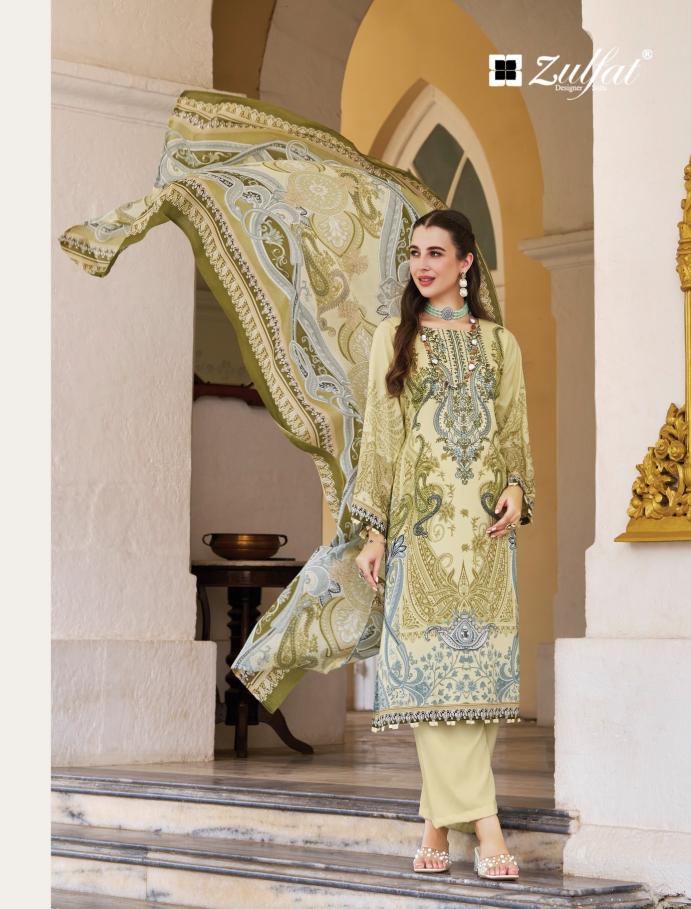
Print scale and colour can significantly change how an ethnic dress material is perceived. Small motifs and subtle colours may appeal to customers looking for office or everyday wear, while brighter prints and statement dupattas can attract shoppers wanting a more noticeable ethnic look.
Retailers should therefore avoid treating all printed dress material as one customer segment. A diversified assortment allows the same store to serve several preferences without moving outside its core women's ethnic wear category.
Useful for Online and Offline Selling
Printed fabrics can be visually effective in catalogues, social-media posts and short videos. Customers can quickly see the pattern and colour combination, making the category practical for WhatsApp sellers and online resellers.
Physical retailers have another advantage: customers can touch the fabric and compare the top, bottom and dupatta directly. In both channels, accurate product information remains important for building repeat business.
Popular Ethnic Prints for Dress Materials in 2026
Wholesale buyers can create a stronger assortment by combining different print families instead of purchasing numerous catalogues with nearly identical designs. The right combination depends on local customer demand, but several ethnic-inspired styles can provide useful variety.
Floral and Botanical Ethnic Prints
Flowers have long appeared in Indian textiles and continue to adapt easily to contemporary fashion. Small repeating flowers can create an understated everyday look, while larger botanical motifs can make a stronger visual statement.
Floral print dress material can work across cotton, rayon and other fabrics, allowing retailers to create multiple price points around the same broad design theme.
Bandhani-Inspired Prints
Bandhani-inspired patterns bring the familiar dotted appearance associated with western Indian textile traditions into commercially printed fabrics. Bright colours and contrasting combinations can make these designs particularly distinctive.
Wholesale buyers should distinguish between traditional tie-dyed Bandhani and printed patterns inspired by Bandhani. If the production method has not been verified as traditional Bandhani, describing the item accurately as Bandhani print or Bandhani-inspired fabric helps maintain transparent customer communication.
Block Print Inspired Designs
Traditional block-print aesthetics can include flowers, leaves, butis and geometric repeats. These patterns can work especially well for customers who prefer an artisanal-looking or heritage-inspired wardrobe.
As with other textile traditions, retailers should avoid describing a commercially printed design as handmade unless the production process has been confirmed. Product accuracy matters when customers are specifically paying for traditional craftsmanship.
Geometric and Paisley Prints
Geometric arrangements can create a cleaner, more structured appearance, while paisley-inspired motifs provide a familiar ethnic character. These designs can complement floral and traditional print catalogues and help retailers avoid an overly repetitive collection.
A balanced Ethnic Print Dress Material assortment can therefore contain several visual styles while still maintaining a coherent Indian ethnic wear identity.
Best Fabrics for Ethnic Print Dress Materials
The same print can look and feel different depending on the base fabric. Material selection influences drape, comfort, seasonality, final garment appearance and wholesale price. Buyers should therefore understand what fabric they are purchasing rather than selecting only from catalogue photographs.
Cotton Dress Materials
Cotton dress material wholesale remains important for customers looking for breathable, practical ethnic wear. Cotton and cotton-based fabrics can be particularly suitable for everyday suits and warmer conditions.
When comparing cotton collections, buyers should consider fabric feel, weight, transparency, colour presentation and care guidance. These practical characteristics can influence customer satisfaction long after the initial purchase.
Jam Cotton Dress Materials
Jam cotton and related cotton-based dress materials are found across different wholesale collections and can offer a comfortable base for ethnic patterns. Product characteristics can vary by manufacturer, so buyers should verify the exact fabric composition and specifications for the catalogue being purchased.
A retailer should not rely solely on a familiar fabric name. Actual quality, print, finishing and overall value determine how successfully the product can be positioned in the store.
Rayon and Soft-Drape Fabrics
Rayon dress material wholesale can provide another option for customers who prefer softer drape. Depending on print and finishing, rayon-based materials can work for everyday, casual and semi-formal ethnic outfits.
Retailers can combine cotton and rayon collections to give customers a choice between different fabric experiences rather than competing only on design.
Premium Fabrics for Higher-Value Collections
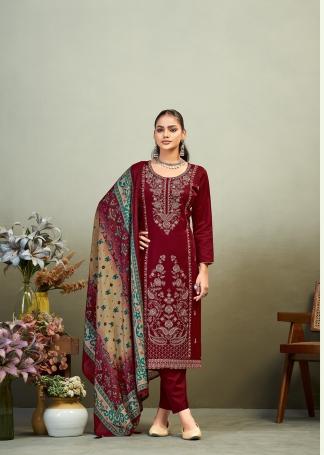
Boutiques and showrooms can also carry richer-looking fabrics with detailed printing, decorative dupattas, embroidery or enhanced finishing. These products can support higher retail price points when the overall quality and presentation justify the positioning.
A good wholesale range does not have to be entirely low-priced or entirely premium. Maintaining several price levels can help the retailer serve a broader customer base.
Surat Textile Market for Ethnic Dress Material Wholesale
Surat has built a large textile ecosystem involving fabric production, processing, printing, garment manufacturing, trading and wholesale distribution. Buyers sourcing women's ethnic wear can explore numerous dress material, kurti, suit and saree collections through the broader surat textile market.
The commercial textile areas around Ring Road are familiar to wholesale buyers visiting Surat, while Sahara Darwaza and surrounding market zones form another important part of the city's textile trading environment. This concentration gives buyers substantial product choice, although it also makes careful supplier selection important.
What to Check When Sourcing from Surat
Before placing a substantial wholesale order, buyers should confirm fabric details, catalogue quantity, included pieces, current stock, wholesale rate, MOQ and dispatch conditions. Product images are useful for initial selection but should not replace accurate specifications.
A dependable dress material wholesaler in Surat should communicate clearly about what the buyer is purchasing. This becomes particularly important for resellers who must pass the same information to their own customers.
Manufacturer and Wholesaler Are Different Roles
The textile supply chain can involve fabric manufacturers, processors, printers, garment producers, brands, wholesalers and distributors. Some companies work across several stages, while others specialise in one area.
For a wholesale buyer, the practical priorities are dependable product quality, commercially suitable pricing, fresh designs and consistent supply. A supplier's ability to provide multiple categories can also be useful for retailers building a broader ethnic wear inventory.
Ethnic Print Dress Material Wholesale Price in 2026
There is no single universal wholesale rate for Ethnic Print Dress Material. Fabric, printing method, design, brand, embroidery, dupatta quality, finishing, catalogue quantity and order volume can all influence the final price.
A simple everyday cotton suit material and a premium three-piece ethnic collection may both appear under the same broad category but serve completely different customers. Buyers should therefore compare products with similar specifications instead of choosing solely according to the lowest advertised rate.
Factors Affecting Dress Material Price
Raw fabric cost is only one part of the final rate. Printing, dyeing, processing, embroidery, dupatta construction, packaging and distribution can all contribute to pricing. Brand positioning and production quantity can also make a difference.
Retailers should consider the expected retail selling price together with their purchase rate, shipping and operating expenses. The objective is to maintain a commercially sensible margin without compromising the product quality expected by customers.
Low Price Versus Better Wholesale Value
The cheapest available catalogue is not automatically the most profitable one. If fabric quality, colour, finishing or overall presentation fails to meet customer expectations, returns, complaints or slow-moving inventory can reduce the value of the original saving.
A stronger approach is to compare product quality with its wholesale rate and expected retail positioning. Wholesaleexport.in offers wholesale fashion options across multiple price segments, including eligible quality products starting from ₹299. Current product rates, stock and applicable MOQ should be confirmed before ordering.
Choosing the Right Collection for Different Wholesale Buyers
The best inventory depends on who will eventually buy the product. A home-based reseller may need a very different assortment from a large showroom, even when both businesses sell women's ethnic wear.
Home-Based Sellers and Resellers
Home-based sellers can begin with selected catalogues that are visually appealing and easy to explain through WhatsApp or social media. Instead of purchasing too many similar patterns, they can test different fabrics and price points to understand their audience.
Resellers should pay attention to actual enquiries, not only likes or views. Colours, designs and price points that convert into real orders provide better information for future wholesale purchasing.
Boutique Owners
Boutiques can focus on more curated designer dress material wholesale collections. Distinctive prints, better dupattas and premium fabrics can help differentiate the boutique from stores competing mainly on price.
Boutique owners can also add value by suggesting tailoring and styling ideas, allowing customers to visualise how an unstitched material can become a finished outfit.
Shop and Showroom Owners
Retail shops can maintain daily-wear, mid-range and premium sections, while larger showrooms may need greater depth across fabrics and designs. Previous sales data can help established businesses determine which segments deserve larger quantities.
This approach can protect working capital while ensuring that the store continues to offer enough variety for different customers.
Export Opportunities for Indian Ethnic Dress Materials
Indian ethnic wear also serves customers in international markets, creating opportunities for wholesale export. For this collection, three markets worth considering are Nepal, USA and New Zealand.
These markets should not be treated as identical. Customer preferences, climate, retail price expectations and cultural occasions can differ considerably. A wholesale buyer in Nepal may require a different product mix from a boutique serving Indian-origin customers in the USA or New Zealand.
Wholesale and Export Experience Since 2017
Vastralife brings wholesale and export experience since 2017, along with industry expertise in women's ethnic wear sourcing and wholesale requirements. Working with different buyer profiles helps in understanding the practical needs of resellers, retailers, boutiques and bulk purchasers.
Premium product quality remains important for repeat wholesale business. Design may attract the initial enquiry, but fabric, finishing, value and customer satisfaction influence whether the retailer continues purchasing over time.
Calculate Landed Cost Before Export Buying
International buyers should consider more than the product's Surat wholesale rate. Packing, shipping, applicable duties or taxes, import procedures and local delivery can affect the final landed cost.
Orders intended for a particular festival or selling season should also be planned early enough to allow for processing, transit and local distribution. This helps retailers receive stock while it still has the strongest selling opportunity.
How to Build a Profitable Ethnic Print Dress Material Collection
A profitable wholesale assortment is usually built through careful selection rather than simply purchasing every new catalogue available in the market. Retailers should consider customer preferences, average selling price, fabric demand, seasonal requirements and previous sales before deciding how much inventory to purchase.
For an Ethnic Print Dress Material range, variety is valuable because the category covers many different design directions. A retailer can combine subtle everyday prints with brighter traditional patterns and selected premium products, giving customers several choices without moving away from the core ethnic wear segment.
Create Multiple Price Segments
A useful strategy is to maintain entry-level, mid-range and premium products. Entry-level collections can serve customers who prioritise affordability, while mid-range designs can combine better fabrics and styling with accessible retail pricing. Premium collections can focus on richer fabrics, attractive dupattas, detailed prints or additional embellishment.
This approach also makes selling easier. If a customer likes an ethnic design but finds one product outside the intended budget, the retailer can offer another option within the same category instead of losing the enquiry.
Balance Traditional and Contemporary Prints
A wholesale collection does not need to choose between traditional and modern fashion. Classic motifs can be combined with contemporary colours, while modern layouts can still carry a recognisable Indian ethnic character.
Retailers can test different combinations and observe actual customer response. Over time, sales information will reveal whether their audience prefers subtle prints, brighter patterns, traditional motifs or fashion-oriented designs.
How to Sell Ethnic Print Dress Materials Online
Digital selling allows home-based sellers, boutiques and retailers to reach customers beyond their immediate location. However, an online customer cannot physically touch the fabric before ordering, so accurate presentation becomes particularly important.
Use Clear Images and Product Videos
Catalogue photographs should show the design clearly, but sellers can add value through short product videos. A video can display the top fabric, bottom, dupatta, print details and overall colour combination in a way that is easier for customers to understand.
Avoid excessive image filters that significantly alter fabric colours. Accurate presentation can reduce misunderstandings between the product shown online and the product received by the customer.
Write Useful Product Descriptions
Instead of describing every product simply as “premium” or “best quality,” give customers practical information. Mention confirmed fabric details, the number of pieces included, design style, colour options and ordering conditions.
For unstitched dress material wholesale, clearly explaining what is included is especially useful because some catalogues may have different top, bottom and dupatta combinations.
Use WhatsApp Catalogues Strategically
WhatsApp can be a powerful sales channel for resellers, but sending too many unrelated catalogues can make product selection difficult. Sellers can segment customers according to interests such as cotton suits, daily wear, premium dress materials, festive products or budget collections.
When a relevant new collection arrives, it can then be shared with the customers most likely to purchase it. This approach makes catalogue communication more focused and can also help sellers understand which product categories generate repeat demand.
Internal Linking for Related Wholesale Categories
Wholesale buyers who want to compare additional suit fabrics and print categories can explore wholesale dress materials Surat options and evaluate products according to fabric, design, budget and intended customer segment.
Retailers expanding their ethnic wear inventory beyond unstitched suits can also explore the Ahmedabad kurti wholesale market category for additional ready-made ethnic fashion options.
Related-category exploration can help retailers create a broader assortment without purchasing randomly. A store might keep dress materials as its main category while adding selected ready-made kurtis or other complementary ethnic products according to customer demand.
SEO, GEO and AIO Strategy for Ethnic Wear Sellers
Online discovery in 2026 extends beyond traditional keyword searches. Customers increasingly use search engines, location-based queries and AI-assisted tools to research products, suppliers and wholesale markets. Useful product information therefore needs to provide clear context rather than rely on repetitive keywords.
Use Relevant Search Terms Naturally
Useful phrases can include ethnic dress material wholesale, printed dress material, wholesale suits in Surat, cotton dress material wholesale, unstitched suits wholesale, ethnic wear wholesale, dress material supplier in India, wholesale salwar suit material and latest dress material collection.
These keywords should be used where they genuinely describe the product or answer a customer's question. Natural writing improves readability and gives search systems better contextual information than forced repetition.
Build Strong Geographic Context
Buyers searching by location often want practical information. Content mentioning the surat textile market, Ring Road or Sahara Darwaza should explain their relevance to Surat's textile trade rather than using these names only as search keywords.
Similarly, international pages should discuss export availability, destination considerations and wholesale purchasing requirements when those details are relevant. This creates more useful GEO-oriented content for real buyers.
Answer Questions with Commercial Intent
Informational content can explain fabrics, prints and styling, while commercial content can help buyers compare suppliers and products. Transactional content should make practical details such as wholesale price, MOQ, shipping and enquiry methods easy to understand.
This combination supports customers at different stages of their buying journey, from someone researching ethnic prints for the first time to a wholesale buyer ready to place an order.
Inventory Planning for Dress Material Retailers
Good inventory management can be as important as selecting attractive products. Fashion businesses need enough variety to keep customers interested while avoiding excessive capital being locked into slow-moving stock.
Test New Designs Before Buying Deep
Where purchasing conditions allow, retailers can test new ethnic print styles in controlled quantities before committing to larger inventory. Actual enquiries and sales provide stronger evidence than assumptions about which design will become popular.
If a collection performs well, retailers can consider restocking while availability remains. Fast-moving textile products can sell out, so inventory control should be balanced with timely purchasing decisions.
Track Price-Point Performance
Retailers should know whether most customers are buying entry-level, mid-range or premium products. A showroom may discover that mid-range dress materials generate the highest volume, while a boutique may achieve stronger results from fewer but higher-value designs.
This information helps buyers allocate their next purchasing budget more intelligently. Instead of ordering equal quantities across every segment, they can invest more in the price points that have demonstrated demand.
Track Fabric and Print Preferences
Customer behaviour can reveal whether cotton, rayon or another fabric performs particularly well in a store. The same applies to floral, geometric, Bandhani-inspired or other traditional prints.
Keeping even a simple record of these preferences can improve wholesale buying decisions and reduce dependence on short-lived fashion trends.
Seasonal Planning for Ethnic Dress Materials
Ethnic print suits can be sold throughout the year, but fabric, colour and design preferences may change according to climate and occasion. Wholesale buyers can use these variations to plan seasonal assortments more effectively.
Everyday and Summer-Oriented Collections
Comfortable fabrics and lighter-looking prints can be useful when customers prioritise everyday wear. Retailers can focus on practical materials and easy-to-style patterns while maintaining several colour choices.
Festive and Occasion Collections
For festival and occasion periods, customers may look for stronger colours, decorative dupattas, embroidery or richer overall presentation. Retailers can introduce selected premium collections without converting their entire inventory into occasion wear.
Planning should begin early enough for stock to arrive, be photographed or displayed, promoted and sold before peak demand passes. International wholesale buyers should also allow sufficient time for shipping and local distribution.
Why Ethnic Dress Materials Work for Different Business Models
Home-Based Sellers
Home-based sellers can use digital catalogues to start with selected products and expand according to customer response. Ethnic prints provide enough visual variety to create frequent new-arrival updates without requiring a completely different product category each time.
Boutique Owners
Boutiques can curate premium and distinctive designs and add value through tailoring suggestions or customised styling. Rather than competing entirely on price, boutiques can focus on product selection and customer experience.
Shop Owners
Retail shops can combine regular-selling printed suits with seasonal new arrivals. Maintaining several fabrics and price levels allows the store to serve a wider customer base.
Showroom Owners
Showrooms can organise dress materials by fabric, occasion, price or design family. This makes a large assortment easier for customers to navigate and can help sales staff present appropriate options more efficiently.
Resellers and Wholesale Buyers
Resellers can prioritise products with strong catalogue presentation and clear specifications, while bulk wholesale buyers may focus more heavily on rate, quantity and consistency of supply. In both cases, reliable product information is essential.
Quality and Trust in Long-Term Wholesale Business
A sustainable textile business depends on repeat purchasing. An attractive print may generate an initial order, but customers also evaluate fabric, finishing, colour, overall value and whether the received product matches what was presented.
This is why premium product quality remains important even in highly price-sensitive wholesale categories. A competitive wholesale rate should be evaluated together with the product standard required by the retailer's target customer.
Vastralife's wholesale and export experience since 2017 provides practical industry expertise in women's ethnic wear sourcing and wholesale requirements. Working with different buyer profiles helps in understanding what home-based sellers, boutiques, retailers, showrooms and larger wholesale buyers require from their collections.
Through Wholesaleexport.in, buyers can explore wholesale fashion categories connected with Surat's textile sourcing ecosystem and compare current collections according to their own business requirements.
Customer FAQs
1. What is an Ethnic Print Dress Material?
An ethnic print dress material is generally an unstitched suit fabric featuring patterns inspired by Indian or traditional textile aesthetics. Depending on the collection, the set can contain top fabric, bottom fabric and a matching or contrasting dupatta.
2. What is the wholesale price of ethnic dress materials in 2026?
The wholesale price depends on fabric, print, brand, dupatta, embellishment, finishing and order quantity. Eligible collections include quality products starting from ₹299, while current prices and availability should be confirmed for the specific product selected.
3. Which ethnic prints are popular for dress materials?
Floral motifs, geometric designs, paisley patterns, traditional butis, Bandhani-inspired patterns and block-print-inspired designs are among the many options available. Demand varies by customer segment and location, so retailers should select according to their own sales market.
4. Can home-based sellers buy dress materials wholesale?
Yes. Home-based sellers and resellers can source wholesale collections subject to the applicable MOQ and catalogue conditions. Starting with a focused selection can help new sellers understand demand before expanding inventory.
5. Are cotton ethnic print dress materials suitable for everyday wear?
Cotton and cotton-based fabrics can be suitable for everyday ethnic wear because many customers value their comfort and practicality. Buyers should still check the specific fabric quality and care information for each collection.
6. Can boutiques buy premium ethnic dress materials?
Yes. Boutique owners can select premium fabrics, distinctive prints, decorative dupattas and detailed collections according to their customer profile and intended retail positioning.
7. Can wholesale dress materials be exported outside India?
International wholesale supply can depend on destination, order quantity, logistics and applicable documentation. Export buyers should confirm shipping costs, payment terms and destination-specific import requirements before finalising an order.
8. Why is Surat important for wholesale ethnic wear?
Surat has a large textile ecosystem covering fabric production, processing, printing, manufacturing, wholesale trading and distribution. This provides buyers with access to numerous women's ethnic wear categories and price segments.
Explore Latest Ethnic Print Dress Material Collections
For wholesale buyers building a collection in 2026, the objective should be to combine attractive designs with fabrics, prices and product specifications that make sense for the intended customer. A thoughtfully selected Ethnic Print Dress Material assortment can serve daily-wear customers, boutique shoppers and buyers looking for traditional Indian styling.
Explore Latest Collections, competitive Wholesale Pricing and Trendy Ethnic Wear at Wholesaleexport.in. Wholesale buyers can enquire about Fast Shipping, available COD Support, Bulk Order Deals and Quality Products Starting From ₹299.
Whether you are a home-based seller, shop owner, boutique owner, showroom operator, reseller or wholesale buyer, select products according to genuine customer demand and confirm current stock, MOQ and commercial terms before ordering.
Wholesale & Bulk Order Enquiries
Contact Number: +91 9712582172
Website: wholesaleexport.in
Explore fresh ethnic prints, compare fabrics and wholesale price points, select the collections that suit your customers and build a stronger women's ethnic wear assortment for your business.