


Dress Material Supplier for Export Buyers in 2026 – Wholesale Surat Sourcing Guide
Dress Material Supplier for Export Buyers in 2026 – Wholesale Surat Sourcing Guide
International fashion businesses sourcing Indian ethnic wear need more than attractive catalogues. They need dependable product selection, competitive wholesale rates, consistent quality, practical order quantities and a supplier who understands how wholesale sourcing works for overseas markets. For boutiques, importers and resellers building an ethnic wear business abroad, choosing the right sourcing partner can directly influence inventory turnover, customer satisfaction and long-term profitability.
Introduction
Indian dress materials continue to offer an interesting opportunity for international ethnic wear businesses because they combine traditional fashion with flexibility. Customers can select a fabric set and have it stitched according to their preferred measurements, silhouette and styling. This makes unstitched suits relevant for customers who value personalised fitting as well as retailers who want to serve multiple customer profiles without carrying every ready-made size.
Finding a reliable dress material supplier for export buyers, however, requires more than comparing catalogue photographs. Overseas Wholesale Buyers need to evaluate fabric, design, product consistency, wholesale price, order quantities, packing, logistics and the commercial suitability of a collection for their destination market.
Surat plays an important role in this sourcing ecosystem. The city's extensive textile network includes fabric trading, printing, embroidery, processing, garment production and wholesale distribution. Buyers exploring the surat textile market can find everything from affordable cotton dress materials to premium embroidered and designer suit collections.
Wholesaleexport.in helps connect wholesale fashion sourcing with online product discovery. Supported by Vastralife's wholesale and export experience since 2017, the focus is on practical textile industry knowledge, broad product selection and premium product quality for retailers, boutiques, resellers and wholesale businesses.
Why Indian Dress Materials Appeal to International Buyers
Indian ethnic wear serves customers across different occasions, budgets and age groups. Dress materials are particularly flexible because the final garment can be customised after purchase. For an international retailer, this creates opportunities to serve customers who want traditional Indian fashion while retaining control over fitting and styling.
Flexible Sizing for Overseas Customers
Ready-made fashion requires retailers to predict demand across multiple sizes. Unstitched dress materials reduce this particular challenge because customers can have the garments tailored according to their own measurements.
This can be valuable for boutiques serving diverse customer profiles. Instead of holding the same design across several sizes, a retailer can offer different fabric designs and allow customers to personalise the finished outfit.
Wide Variety of Fabrics and Designs
Indian wholesale dress materials are available across cotton, cotton blends, rayon, viscose, silk-inspired fabrics and many other textile constructions. Collections may include printed tops, coordinated bottoms, embroidered panels, woven details and decorative dupattas.
This variety enables an international buyer to create different inventory segments instead of competing only within one price category.
Suitable for Everyday and Occasion Markets
A wholesale buyer can build separate assortments for daily wear, office wear, festive fashion, wedding functions and premium boutique customers. This makes dress materials useful throughout the year rather than restricting the category to one festival.
Why Surat Is Important for Dress Material Wholesale Sourcing
Surat has developed a large textile trading ecosystem over decades. Buyers from different parts of India visit the city to source sarees, dress materials, kurtis, suits, fabrics and other women's ethnic wear categories.
Areas around ring road and sahara darwaza are closely associated with Surat's textile trade. The concentration of wholesalers, traders and textile businesses gives buyers access to multiple product categories within a relatively concentrated commercial area.
Access to Manufacturing and Processing
The city's connection with textile manufacturing, printing, embroidery, processing and distribution helps create a continuous flow of new collections. Different stages of textile production can contribute to differences in fabric quality, design, finishing and final wholesale price.
For export-oriented buyers, understanding this ecosystem is useful because visually similar products may perform very differently once customers inspect the actual fabric and workmanship.
Multiple Wholesale Price Segments
One advantage of Surat sourcing is the availability of products for different business models. A value-focused reseller may require affordable commercial designs, while a premium boutique may prioritise distinctive fabrics and sophisticated detailing.
The best purchasing decision is therefore not automatically the cheapest product. Buyers should compare product quality, expected retail value and likely customer demand before selecting stock.
What Export Buyers Should Check Before Choosing a Supplier
Choosing a dress material supplier for export buyers should be treated as a business decision rather than a catalogue-selection exercise. International orders involve additional costs and longer supply chains, so mistakes can become more expensive than they would be for a nearby domestic retailer.
Product Quality and Consistency
Quality should be evaluated across the complete product rather than only the main top fabric. Where applicable, check the top, bottom and dupatta combination, embroidery finishing, print appearance and overall presentation.
A good catalogue photograph may generate the initial enquiry, but repeat business depends on whether the physical product provides reasonable value for the customer's purchase price.
Commercially Relevant Designs
A supplier may have thousands of products, but an export buyer needs designs appropriate for a specific market. An Indian domestic bestseller is not automatically a bestseller in another country.
International Boutique Owners should study customer age groups, preferred colours, cultural occasions, climate, average spending and local fashion preferences before placing deeper orders.
Clear Product Information
Wholesale Buyers should have sufficient information to understand what they are purchasing. Fabric details, available product components, catalogue information and applicable buying conditions can influence the final decision.
This is especially important for online buyers who are unable to inspect every collection physically before ordering.
Practical Order Quantity
Large minimum quantities can create unnecessary inventory pressure for a small overseas boutique. On the other hand, extremely small purchasing quantities may increase the effective logistics cost per piece.
The ideal quantity should balance product variety with shipping economics and expected sales. New buyers can often benefit from testing several commercially relevant collections before increasing their investment.
Popular Dress Material Categories for Export Buyers in 2026
Different international markets require different product combinations, but several categories can form the foundation of a balanced ethnic wear assortment.
Cotton Dress Materials
Cotton dress material wholesale collections can appeal to customers looking for breathable, comfortable ethnic fashion. Printed cottons and coordinated suit materials may be particularly relevant for warm climates and everyday ethnic dressing.
International retailers should distinguish between basic commercial cotton products and better-finished collections intended for higher retail positioning. Fabric feel, print quality and dupatta presentation can significantly influence perceived value.
Embroidered Dress Materials
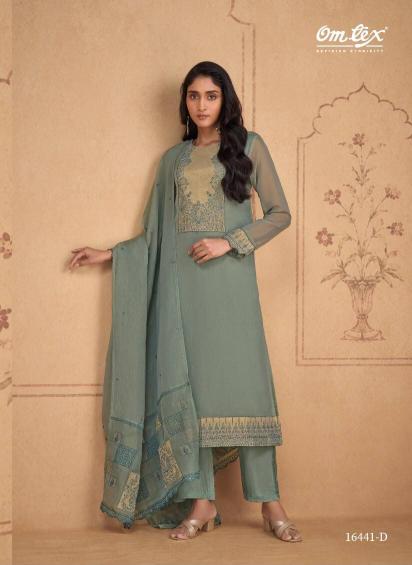
Embroidered collections can provide stronger occasion appeal. Neck embroidery, borders, decorative motifs and coordinated dupattas can help retailers create a festive or semi-formal category without moving entirely into heavy occasion wear.
When evaluating embroidered dress materials wholesale, buyers should look at the neatness of the work and how naturally it integrates with the overall design.
Designer Dress Materials
Designer collections can be useful for boutiques seeking stronger differentiation. Unique prints, elegant colour combinations, refined embellishments and distinctive dupattas can help create a product that is less dependent on price comparison.
However, premium-looking products should still match the purchasing capacity of the target market. Attractive stock that is incorrectly priced for the customer base can quickly become dead inventory.
Festive Dress Materials
Festive collections can be planned around Diwali, Eid, wedding seasons, cultural events and family celebrations. The best assortment usually contains different levels of styling, from elegant lightweight options to richer premium designs.
How Export Buyers Should Compare Wholesale Price
One of the most common sourcing mistakes is comparing suppliers only according to their quoted per-piece rate. International purchasing requires a broader calculation because the amount paid to the supplier is only one component of the final inventory cost.
Calculate the Landed Cost
Landed cost can include the product value and relevant expenses associated with preparing and transporting merchandise to the destination. The exact cost structure depends on the shipment, destination and applicable requirements.
An overseas retailer should therefore calculate expected landed cost before deciding whether a product provides sufficient room for a commercially practical retail margin.
Compare Quality at Similar Price Points
If two products have similar wholesale rates, compare their fabric, finishing, design and customer appeal. A marginal difference in buying price can be worthwhile when one product provides noticeably stronger retail value.
Consider Inventory Rotation
A product does not become profitable simply because it has a high potential markup. The product also needs to sell. A slightly lower-margin design that rotates quickly can produce better business results than an expensive collection that remains unsold for months.
How to Select Dress Materials for Different Export Markets
Export sourcing becomes more effective when the buyer starts with the destination customer rather than the supplier catalogue. For 2026, international fashion businesses can use sales history, customer enquiries and social media engagement to understand which products deserve more purchasing investment.
Dress Materials for the USA
Retailers serving Indian and South Asian communities in the USA can create assortments covering daily ethnic wear, religious celebrations, Diwali, wedding functions and cultural events.
Boutiques may benefit from maintaining several price tiers. Affordable products can serve frequent purchases, while distinctive embroidered and designer collections can target customers shopping for special occasions.
Dress Materials for Australia
For Australia, buyers can consider climate, local seasonal timing and the requirements of South Asian communities. Lightweight ethnic wear can complement festive and premium products to create year-round variety.
Instead of importing too deeply into one catalogue, retailers can test customer response across different fabrics and design styles and then reorder according to actual sales.
Dress Materials for Malaysia
Malaysia can offer opportunities for Indian ethnic fashion depending on the retailer's customer profile. Comfortable fabrics, elegant prints and festive collections can be selected according to local preferences and occasions.
The important point for every international market is the same: product selection should be based on destination demand rather than assuming that one Indian wholesale collection will perform identically everywhere.
How Export Buyers Can Reduce Inventory Risk
Inventory risk becomes especially important in international wholesale because replenishment takes planning and unsold products tie up capital. Smart buying therefore involves balancing variety, quantity and expected demand.
Start with a Mixed Collection
New Wholesale Buyers can begin with multiple commercially relevant styles instead of investing heavily in one design. This provides useful customer feedback while keeping the initial assortment varied.
Track Sales by Fabric, Colour and Price
Record what actually sells. If cotton products within a particular retail range repeatedly perform well, that information should influence the next order. If customers regularly request embroidered products but reject them above a particular price, adjust the sourcing strategy accordingly.
Separate Core Stock from Trend Stock
Core inventory should contain dependable products that can sell repeatedly. Trend inventory can include newer colours, prints and styles that create excitement but may have a shorter commercial life.
This combination helps prevent the entire purchasing budget from depending on temporary trends.
Why Product Presentation Matters for International Resellers
Many international Resellers now communicate with customers through websites, WhatsApp, Instagram and digital catalogues. Product presentation therefore plays an important role before the customer ever visits a physical boutique.
Use Clear Catalogue Images
Customers need to understand the complete outfit concept. Clear images showing the top, bottom and dupatta can make it easier for buyers to visualise the stitched result.
Provide Accurate Descriptions
A useful description should explain available product information rather than depending only on promotional phrases. Clear communication can reduce misunderstandings and improve customer confidence.
Sell According to Occasion
Instead of presenting hundreds of products as one large catalogue, retailers can organise merchandise into useful groups such as daily wear, cotton suits, festive collections, premium dress materials and wedding occasion styles.
This improves customer discovery and can make digital selling more efficient.
Wholesaleexport.in for Dress Material Sourcing
Wholesaleexport.in provides a digital sourcing option for retailers and wholesale businesses looking to explore Indian fashion collections. Buyers can evaluate products according to their customer segment, expected selling range and inventory strategy rather than relying exclusively on physical sourcing trips.
For businesses that traditionally visit the surat textile market, online discovery can also help reduce the time required to identify new collections. Physical market knowledge and digital sourcing can work together rather than replacing one another.
Backed by Vastralife's wholesale and export experience since 2017, the platform is positioned around industry expertise, wholesale fashion selection and attention to premium product quality.
Building a Long-Term Wholesale Sourcing Strategy
A strong relationship with a dress material supplier for export buyers should develop around repeatable business requirements rather than one successful order. Buyers should gradually understand which categories, price ranges and design styles consistently perform in their destination market.
As sales data improves, purchasing can become more precise. Instead of ordering because a catalogue looks attractive, businesses can allocate their budget according to proven customer demand.
This is particularly useful for Home-Based Sellers, Shop Owners, Boutique Owners, Showroom Owners and Resellers who want to grow without creating excessive inventory.
The next stage is to evaluate how product quality, logistics planning, internal category expansion and customer demand can work together to build a more scalable international ethnic wear business.
Quality Control for Dress Material Export Orders
For international Wholesale Buyers, product quality becomes especially important because resolving issues after goods reach another country can be more complicated than handling a domestic order. A sensible sourcing strategy therefore includes quality evaluation before committing significant capital to a collection.
Check the Complete Dress Material Set
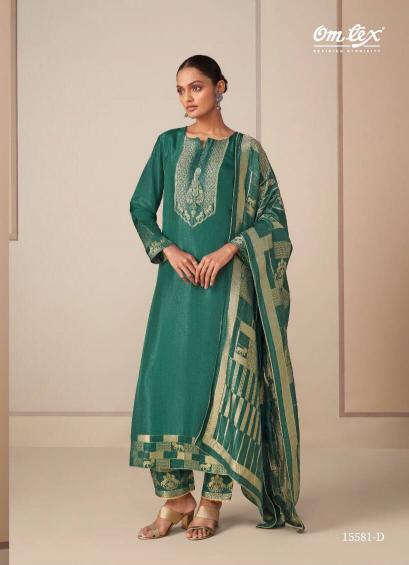
A dress material should be evaluated as a complete product. Depending on the design, this can include the top fabric, bottom fabric, dupatta, embroidery, prints, borders and decorative details. One attractive component cannot compensate for poor overall coordination.
Retailers should consider how the complete set will appear after stitching. This is particularly important for premium collections where customers expect the design, fabric and finishing to justify a higher retail price.
Fabric Quality Should Match the Selling Segment
Not every product needs to belong to the highest price category, but quality should be appropriate for the intended customer. Affordable commercial collections and premium boutique products can both be profitable when customers receive suitable value for the amount they pay.
For export-focused businesses, maintaining consistent expectations can also support repeat purchases. Customers who are satisfied with their first order are more likely to return when new collections arrive.
Evaluate Embroidery, Printing and Finishing
Embroidery should appear neat and balanced. Printed fabrics should have a clean overall appearance, while borders and decorative elements should complement the garment design. Finishing can significantly influence the perceived value of an ethnic wear product.
This is why experienced buyers consider manufacturing and workmanship alongside wholesale rates rather than selecting products purely because they look attractive in catalogue images.
Shipping and Logistics Planning for Export Buyers
International wholesale purchasing does not finish when the products are selected. Logistics can influence landed cost, inventory planning and the timing of retail launches. Export Buyers should understand the applicable shipping process for their destination before finalising a large purchase.
Plan Orders Around Selling Dates
If merchandise is being purchased for Diwali, Eid, weddings or another time-sensitive occasion, buyers should plan backwards from the expected retail selling period. Merchandise that reaches the destination after peak demand may lose a significant part of its commercial opportunity.
Calculate Shipping Before Setting Retail Prices
A retailer should avoid setting the final selling price based only on the Indian wholesale product rate. Freight and other applicable expenses can influence the true landed cost.
Once the estimated landed cost is understood, buyers can evaluate whether the product still provides an appropriate margin for their destination market.
Consolidate Orders Carefully
For some businesses, combining several product categories within planned purchasing cycles can improve inventory variety. However, consolidation should be based on actual business requirements rather than adding unnecessary merchandise merely to increase shipment size.
Internal Linking for Related Wholesale Categories
Export buyers building an Indian ethnic wear inventory can explore wholesale dress materials Surat when comparing different suit materials, fabrics, prints and wholesale collections for their customer base.
Businesses that want to expand into festive and occasion categories can also explore the wholesale lehenga market Surat with price to understand another important ethnic fashion segment.
Category expansion should be gradual. A retailer already selling dress materials successfully can test related ethnic products based on customer enquiries rather than investing heavily in several unfamiliar categories at the same time.
How Boutiques Can Build an Export-Focused Product Mix
A boutique does not necessarily need hundreds of similar designs. In many cases, a curated assortment can create a stronger identity and make inventory easier to manage.
Keep Everyday Ethnic Wear
Daily and semi-casual products can provide year-round sales instead of depending completely on festival seasons. Cotton and printed dress materials can form part of this core inventory where they match local customer preferences.
Add Mid-Range Occasion Collections
Mid-range embroidered and designer dress materials can serve customers attending family gatherings, religious celebrations and smaller functions. These products can bridge the gap between everyday clothing and expensive occasion wear.
Maintain a Selected Premium Range
Premium products can help boutiques serve customers looking for distinctive fabrics, detailed work and richer presentation. However, quantities should remain aligned with the number of customers who actually purchase within the premium segment.
A balanced product mix can improve inventory turnover while giving customers enough variety across different budgets.
Wholesale Buying Strategy for Home-Based Sellers and Resellers
Home-Based Sellers and online Resellers can participate in international ethnic fashion without maintaining the inventory depth of a large showroom. Their advantage often comes from personalised selling and closer relationships with customers.
Start with Customer Demand
Before purchasing, identify what customers are already requesting. If most enquiries involve cotton suits within a particular price range, begin there rather than buying unrelated premium collections simply because the catalogue looks attractive.
Use Smaller Mixed Collections
Variety can be more valuable than excessive depth when a business is still learning customer preferences. Testing different prints, fabrics and price segments can generate useful sales information for future purchasing.
Record Every Useful Customer Enquiry
Customer questions can become valuable market research. Track requests for specific colours, fabrics, price ranges and occasion styles. Over time, these patterns can guide purchasing decisions and reduce guesswork.
Common Mistakes Export Buyers Should Avoid
Even experienced retailers can make costly purchasing mistakes when sourcing internationally. Understanding the most common problems can help businesses protect capital and maintain healthier inventory.
Buying Only on Lowest Price
The cheapest dress material is not automatically the most profitable. If fabric quality, design or finishing does not meet customer expectations, a low buying price can lead to slow sales or customer dissatisfaction.
Ordering Too Deeply into One Catalogue
A design that appears impressive online may not receive the expected response in another market. New collections can be tested in manageable quantities before increasing investment.
Ignoring Destination-Market Preferences
A successful product in India may not automatically perform in the USA, Australia or Malaysia. Climate, customer demographics, cultural events, colour preferences and average spending can all influence demand.
Ignoring the Final Landed Cost
Wholesale rate alone does not determine profitability. Buyers should understand relevant shipping and other applicable expenses before setting the retail price.
Purchasing Too Late for Festivals
Time-sensitive merchandise needs enough selling time. Ordering too close to the target festival can create unnecessary pressure and reduce the opportunity to sell products before customer demand declines.
Customer FAQs
1. How do I choose a dress material supplier for export buyers?
Compare suppliers based on product variety, fabric quality, finishing, wholesale pricing, communication, order requirements and suitability for your destination market. Do not make the decision based only on the lowest quoted price.
2. Why is Surat popular for wholesale dress materials?
The surat textile market has a large network connected with textile trading, processing, printing, embroidery, manufacturing and distribution. Buyers can find numerous ethnic wear categories and different price segments in and around major textile areas such as ring road and sahara darwaza.
3. Which dress materials are suitable for export?
The right category depends on the destination market. Cotton, printed, embroidered, designer and festive dress materials can all have export potential when their fabric, styling and price match customer demand.
4. Are Indian dress materials suitable for boutiques in the USA?
They can be suitable for boutiques serving customers interested in Indian and South Asian ethnic fashion. Retailers should select designs according to local demographics, occasions, climate and customer spending patterns.
5. Can small Resellers buy wholesale dress materials?
Yes. Smaller Resellers can begin with controlled quantities and build inventory according to proven customer demand. A mixed assortment can also help identify which fabrics and price ranges perform best.
6. How should export buyers calculate profit margins?
Start by estimating the complete landed cost rather than using only the supplier's product rate. Compare that cost with the realistic selling price in your destination market and account for normal business expenses when evaluating margins.
7. What should I check in a dress material before bulk ordering?
Review the fabric, top and bottom coordination, dupatta, print, embroidery, finishing and overall design. The product should provide appropriate quality for its intended retail positioning.
8. Which is better for export: cotton or designer dress materials?
Neither is universally better. Cotton may work strongly for everyday and comfort-focused customers, while designer products can serve boutiques and occasion shoppers. Many retailers benefit from maintaining both categories in different proportions.
9. How can an overseas boutique reduce dead stock?
Test new designs in controlled quantities, track sales carefully, separate core inventory from trend stock and reorder according to actual customer demand rather than assumptions.
10. Should I source only one ethnic wear category?
New businesses may benefit from establishing a strong core category first. Once customer demand becomes clear, related products can be introduced gradually to increase choice without spreading purchasing capital too widely.
11. When should I order festive dress materials for export?
Plan early enough to allow for sourcing, order preparation, transportation, local processing and a useful retail selling window before the festival or event. The exact timeline depends on destination and logistics arrangements.
12. Is Surat suitable for international wholesale buyers in 2026?
Surat continues to offer a broad textile sourcing ecosystem for buyers seeking Indian ethnic fashion. International businesses should combine the city's product variety with disciplined quality checks, landed-cost calculations and destination-specific inventory planning.
Why Work with an Experienced Wholesale and Export Business?
Wholesale sourcing becomes easier when the business understands the needs of professional retailers rather than treating every order as a simple product transaction. International buyers often need assistance selecting commercially relevant products, understanding different price levels and building an assortment suitable for their own market.
Vastralife has wholesale and export experience since 2017, bringing years of practical textile industry knowledge to sourcing and product selection. This experience supports an understanding of changing fashion demand, wholesale buying requirements and the importance of maintaining premium product quality.
Wholesaleexport.in provides an online sourcing destination for Shop Owners, Boutique Owners, Showroom Owners, Home-Based Sellers, Resellers and Wholesale Buyers who want access to changing Indian fashion collections.
Final Checklist for Export Buyers Before Ordering
- Define your target country and customer segment.
- Decide the required product category before browsing.
- Set an approximate purchasing budget.
- Compare wholesale price with expected retail value.
- Review fabric and product specifications.
- Evaluate complete dress material combinations.
- Check whether designs suit your destination market.
- Estimate landed cost before calculating profit.
- Test unfamiliar collections before buying deeper quantities.
- Plan festive stock well before peak demand.
- Track sales by fabric, design, colour and price range.
- Keep purchasing capital available for successful reorders and new arrivals.
This disciplined process can help turn sourcing into a repeatable business system rather than a series of speculative purchases.
Source Dress Materials for Your Wholesale and Export Business
If you are looking for a dress material supplier for export buyers in 2026, explore Wholesaleexport.in and build your assortment around the needs of your actual customers. Whether you operate a boutique, retail store, showroom, home-based business or online reselling operation, the objective should be to purchase products that combine commercial appeal, suitable quality and realistic pricing.
Wholesaleexport.in gives business buyers access to changing ethnic fashion categories so they can discover products for everyday selling, festive seasons and occasion-focused inventory.
- Latest Collections for regularly refreshed wholesale inventory
- Wholesale Pricing for professional business buyers
- Trendy Ethnic Wear for boutiques, retailers and Resellers
- Fast Shipping for convenient order fulfilment
- COD Support on eligible orders
- Bulk Order Deals for qualifying wholesale purchases
- Quality Products Starting From ₹299
For international sourcing, successful purchasing comes from balancing product quality, wholesale price, customer demand, logistics and inventory rotation. Instead of chasing every new catalogue, select products that have a clear role in your store and a realistic customer waiting for them.
Contact Us: +91 9712582172
Website: wholesaleexport.in
Explore the latest wholesale collections, compare styles for your destination market and build a stronger ethnic wear assortment for 2026. With careful sourcing and experienced wholesale support, international buyers can turn Indian dress materials into a sustainable category for repeat sales and long-term business growth.