



Direct Manufacturer vs Wholesaler Comparison for Clothing Business in 2026
Direct Manufacturer vs Wholesaler Comparison for Clothing Business in 2026
Choosing where to source garments can directly affect inventory investment, product variety, delivery speed and profit margins. Buying from a manufacturer may provide advantages for planned bulk production, while a wholesaler can offer broader ready-stock choices and smaller purchasing flexibility. For clothing retailers, boutiques and Resellers, the better sourcing route depends on order quantity, product requirements, working capital and how quickly new designs need to reach customers.
Introduction
The direct manufacturer vs wholesaler comparison becomes especially important when a clothing business starts increasing its purchase volume. Both sourcing models can provide competitive opportunities, but they solve different buying requirements.
A direct clothing manufacturer is generally involved in producing garments or textile products. Depending on the business, this can include fabric sourcing, designing, cutting, stitching, finishing, packaging or coordinating different stages of production. A wholesaler primarily purchases or sources merchandise and supplies it onward to retailers, boutiques, Resellers and other Wholesale Buyers.
In practical textile sourcing, however, the distinction is not always absolute. Some manufacturing businesses also sell wholesale, while some established wholesalers work closely with multiple manufacturing units and can provide extensive product selections.
For Home-Based Sellers, Shop Owners, Boutique Owners, Showroom Owners and online Resellers, the decision should therefore be based on the complete purchasing value rather than simply assuming that one sourcing model is always cheaper.
Wholesaleexport.in helps buyers explore changing women's and kids' ethnic and fashion collections through an online wholesale sourcing model connected with India's textile supply ecosystem.
What Does Buying Direct from a Manufacturer Mean?
Buying directly from a manufacturer generally means purchasing from the business responsible for producing the merchandise or coordinating its production. This can offer significant advantages when the buyer requires substantial quantities of a particular product.
Manufacturers Focus on Production
The core strength of a manufacturer is manufacturing. Production may be organised around particular fabrics, product categories, styles or processes. A manufacturer specialising in one garment category can develop deeper expertise in that specific product.
For example, one unit may specialise in women's kurtis while another focuses on kids wear, sarees, dress materials or coordinated sets. The buyer may receive strong depth within the manufacturer's speciality but not necessarily a broad range across every fashion category.
Direct Manufacturing Can Suit Large Orders
Large Shop Owners, Showroom Owners and Wholesale Buyers who repeatedly require the same product category can benefit from a direct manufacturer relationship. Larger order quantities can make planned production commercially practical for both parties.
Customization May Be Possible
Depending on the manufacturer and order size, buyers may be able to discuss fabric, colour, size ratio, packaging, labels or other product requirements. Customization normally becomes more practical when the order quantity is large enough to justify a dedicated production run.
What Does Buying from a Wholesaler Mean?
A clothing wholesaler focuses on sourcing and distributing products to business buyers. Rather than depending on one production line, an established wholesaler may provide merchandise from numerous manufacturers, brands and product categories.
Wholesalers Can Provide More Variety
Variety is one of the major advantages of clothing wholesale suppliers. A Boutique Owner may require kurtis, kids wear, sarees, dress materials and festive products at the same time. Purchasing all of these directly from separate manufacturers can require multiple supplier relationships and potentially higher combined quantities.
A wholesaler can simplify this process by providing several categories through a more consolidated sourcing channel.
Ready Stock Can Improve Buying Flexibility
Wholesalers frequently work with available merchandise. This can help Resellers and smaller retailers purchase current designs without waiting for a completely new production cycle.
Ready stock is particularly useful when a seller notices sudden customer demand and needs to refresh inventory quickly.
Wholesalers Can Suit Smaller Buyers
Home-Based Sellers and new Boutique Owners may not initially require hundreds of pieces from one product. A wholesale sourcing model can provide access to business pricing without forcing the buyer to build the complete inventory around one manufacturer's speciality.
Direct Manufacturer vs Wholesaler Comparison at a Glance
The right supplier depends on what the buyer values most. A direct manufacturer can be strong for production depth and planned bulk quantities, while a wholesaler can be more suitable for variety, ready stock and flexible assortment building.
| Buying Factor | Direct Manufacturer | Wholesaler |
|---|---|---|
| Product Variety | Usually concentrated around manufacturing speciality | Can include multiple brands and categories |
| Bulk Orders | Strong option for planned high-volume production | Suitable for mixed wholesale purchasing |
| MOQ | Can be higher for production orders | May offer more flexibility depending on product |
| Customization | Potentially available for suitable quantities | Usually focused more on available products |
| Ready Stock | Depends on manufacturer inventory | Often an important wholesale advantage |
| Multiple Categories | May require several manufacturers | Can be sourced through one wholesale channel |
| Production Lead Time | May apply to fresh manufacturing | Available stock can be dispatched faster |
| Best Fit | Large repeat orders and product-specific sourcing | Boutiques, Resellers and mixed inventory buyers |
This comparison should be treated as a practical framework rather than a universal rule. Supplier policies, MOQ, stock availability and price can vary considerably between individual businesses.
Manufacturer Price vs Wholesale Price
Many buyers assume that purchasing directly from a manufacturer will automatically provide the lowest possible price. While this can happen with appropriate quantities, the complete calculation is more complicated.
Manufacturer Pricing Can Depend on Quantity
A factory can produce efficiently when the buyer purchases sufficient quantities. Very small orders may not receive the same economics because production setup, fabric planning, cutting and packaging still involve operational costs.
The lowest quoted unit price is therefore most meaningful when the buyer can actually sell the quantity required to obtain it.
Wholesale Pricing Can Reduce Inventory Risk
A wholesaler may allow a buyer to spread purchasing capital across multiple designs or categories. Even if one product's unit cost differs from a very large factory order, the retailer may reduce the risk of holding excessive quantities of one design.
Compare Total Business Cost, Not Only Piece Rate
Suppose one sourcing option saves a small amount per garment but requires substantially more pieces. If many of those pieces remain unsold, the lower purchase rate has not necessarily created better profitability.
Businesses should compare inventory investment, transportation, storage, packaging, selling period and expected stock rotation alongside the quoted product price.
MOQ Differences Between Manufacturers and Wholesalers
Minimum order quantity can be one of the biggest deciding factors in the direct manufacturer vs wholesaler comparison.
Why Manufacturers May Require Larger MOQ
A manufacturer needs to organise materials and production resources. Producing extremely small quantities of a custom product can be inefficient, particularly when specific fabric, printing, embroidery or size requirements are involved.
For this reason, production-based orders can carry MOQ requirements that make more sense for established Wholesale Buyers than for a new Home-Based Seller.
Why Wholesalers Can Offer Flexible Assortments
A wholesaler working with ready merchandise can sometimes provide smaller or mixed purchasing opportunities, subject to the catalogue and supplier conditions.
This flexibility can help a retailer invest in more designs instead of committing most of the available budget to one collection.
Choose MOQ According to Your Sales Capacity
The best MOQ is not automatically the lowest or highest quantity. It is the quantity the business can realistically sell while maintaining healthy inventory rotation.
A Showroom Owner with strong monthly sales can manage larger orders differently from a Home-Based Seller building a new customer base.
Product Variety: Where Wholesalers Can Have an Advantage
Fashion retail depends heavily on freshness. Customers regularly want new colours, patterns, silhouettes and seasonal collections. This makes product breadth an important sourcing consideration.
Multiple Categories Through One Source
A strong wholesaler can provide access to products from different manufacturers or brands. Retailers may be able to source kids wear, women's ethnic wear, sarees, kurtis and festive merchandise through the same business relationship.
Better for Multi-Category Boutiques
Boutique Owners who serve several customer segments may find this model convenient because they do not need to identify and manage an individual factory relationship for every category.
More Frequent Collection Updates
Because a wholesaler can source across multiple suppliers, new designs may enter the catalogue more frequently. This supports retailers who use WhatsApp, Instagram and other digital channels where regular new arrivals help maintain customer interest.
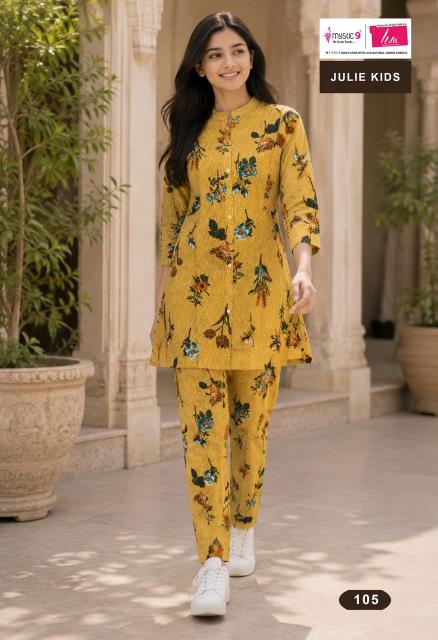
When Direct Manufacturing Is the Better Choice
Wholesale sourcing has flexibility advantages, but direct manufacturing can be highly effective when the business has predictable volume and clearly defined product requirements.
You Need Large Quantities of Similar Products
If a retailer or distributor regularly sells large quantities within one product category, direct manufacturing can provide better production planning and potentially stronger quantity-based economics.
You Want a Private Label Collection
Businesses building their own brand may need specific labels, packaging, colours, fabrics or sizing. A manufacturer willing to handle private-label production can be more appropriate than purchasing standard ready stock.
You Can Plan Inventory in Advance
Fresh production takes time. Businesses that forecast demand several weeks or months ahead can work more effectively with manufacturing lead times than sellers who depend heavily on immediate stock replenishment.
Your Product Demand Is Already Proven
Large production orders become less risky when the business has reliable historical sales. If a particular kurti, kids wear or ethnic wear category consistently performs well, direct manufacturing can support larger-scale replenishment.
When Buying from a Wholesaler Is the Better Choice
Wholesalers can be particularly useful when a business prioritises variety, changing trends and inventory flexibility over custom production.
You Need New Designs Frequently
Fashion Resellers may need to show customers fresh products every week. A multi-brand wholesale supplier can provide a faster flow of changing collections than depending entirely on a single production unit.
You Want to Test Customer Demand
New Shop Owners and Home-Based Sellers may not know which fabrics, colours or categories will perform best. Wholesale buying allows them to test different products before increasing investment.
You Sell Multiple Clothing Categories
If customers purchase women's clothing, kids wear and other ethnic products, a wholesaler can reduce the need to coordinate separately with several specialised manufacturers.
You Need Ready Stock
Available inventory can be valuable when a retailer needs quick replenishment for a festival, customer booking or fast-moving product category.
Surat Textile Market for Manufacturer and Wholesale Sourcing
Surat remains an important textile sourcing ecosystem where manufacturing, processing, trading and distribution operate at significant scale. The surat textile market provides buyers with access to numerous categories and sourcing models.
Ring Road Textile Markets
The ring road textile area is widely associated with Surat's garment and fabric trade. Wholesale Buyers visiting the city can explore different markets and compare collections according to their business requirements.
Sahara Darwaza Sourcing Area
Sahara Darwaza is another recognised part of Surat's textile trading ecosystem. Buyers sourcing from Surat should compare product quality, supplier terms, MOQ and actual business suitability instead of selecting purely according to quoted rates.
Online Surat Wholesale Sourcing in 2026
Physical market visits remain useful for many large buyers, but digital sourcing has changed how smaller businesses access Surat products. Wholesaleexport.in allows buyers to explore changing wholesale collections without requiring a sourcing trip for every inventory update.
Direct Manufacturer vs Wholesaler for India, Nepal and Australia
For this 2026 comparison, India, Nepal and Australia represent three different markets where supplier choice can depend heavily on order volume and the buyer's retail model.
Buying for India
Indian retailers can use both models strategically. Large repeat requirements may justify direct production, while mixed wholesale buying can support boutiques and Resellers that need regular variety.
Sourcing for Nepal
Buyers serving Nepal should evaluate the complete landed cost, product mix, quantity and logistics before confirming orders. Mixed wholesale sourcing can be useful for retailers wanting several ethnic wear categories, while larger buyers can consider manufacturing arrangements for proven products.
Sourcing for Australia
Boutiques serving Indian ethnic wear customers in Australia can select products for weddings, festivals and cultural events. International freight can make inventory planning especially important, so the buying decision should consider value per shipment as well as product price.
For any international export order, the buyer should evaluate shipping, packaging and applicable destination costs before finalising retail margins.
Wholesale and Export Experience Matters
A supplier relationship is not based only on the product catalogue. Communication, industry understanding, collection selection and consistency become increasingly important as order volume grows.
Vastralife has wholesale and export experience since 2017, supported by textile industry expertise and a focus on premium product quality. This experience provides a practical foundation for serving different types of garment buyers and understanding changing wholesale requirements.
Wholesaleexport.in extends this sourcing approach to buyers seeking regularly updated fashion and ethnic wear collections for retail, reselling and wholesale requirements.
Should You Use Both Manufacturers and Wholesalers?
For many established businesses, the most practical answer to the direct manufacturer vs wholesaler comparison is not choosing one permanently. A hybrid sourcing strategy can use each model where it performs best.
Use Manufacturers for Proven High-Volume Products
Products with predictable repeat demand can be planned in larger quantities through suitable manufacturing relationships. This can support continuity and better production planning.
Use Wholesalers for Trends and Variety
New designs, seasonal products and categories being tested can be sourced through wholesale channels. This allows retailers to refresh their selection without committing every category to a large production run.
Balance Margin with Inventory Rotation
The objective should not be obtaining the lowest possible unit rate at any cost. A healthy clothing business needs stock that sells and releases capital for the next purchasing cycle.
Combining manufacturing depth with wholesale variety can create a flexible sourcing model that changes as the business grows.
How to Evaluate a Clothing Supplier Before Placing an Order
Whether purchasing from a manufacturer or wholesaler, supplier evaluation should happen before a retailer commits substantial working capital. A low quoted price cannot compensate for unsuitable products, unclear terms or inconsistent communication.
Check Product Quality and Finishing
Evaluate fabric appearance, stitching, colour, finishing, sizing and overall presentation according to the product category. For Boutique Owners and Showroom Owners, product quality directly affects customer satisfaction and repeat purchases.
Premium-looking products can also provide better retail positioning when the fabric, construction and design justify the selling price.
Understand MOQ Before Ordering
Ask whether the minimum quantity applies to one design, one catalogue, one colour or the complete order. MOQ structures can differ significantly between suppliers.
A seemingly attractive minimum order may become expensive if the buyer must purchase large quantities of every colour or size.
Confirm Current Stock Availability
Fashion inventory can move quickly. When purchasing ready stock, confirm availability before accepting customer commitments based on supplier photographs or catalogues.
Understand Dispatch and Shipping Terms
Ask when available products are expected to dispatch and whether fresh production requires additional lead time. International buyers should also understand the applicable shipping and export arrangements before finalising the purchase.
Inventory Risk: Manufacturer vs Wholesaler
Inventory risk is one of the most overlooked factors in the direct manufacturer vs wholesaler comparison. The cheapest product is not always the most profitable product if the purchasing structure forces the retailer to hold more inventory than customers can absorb.
Manufacturer Orders Can Concentrate Investment
A production order may require a larger quantity of a particular style. This can work extremely well when demand is established, but it can create additional risk when the retailer is testing an unfamiliar category.
Wholesale Buying Can Spread the Purchasing Budget
A wholesaler offering several ready-stock categories may allow retailers to distribute investment across different products. A Boutique Owner could purchase kids wear, kurtis and selected ethnic wear instead of committing the complete budget to one product line.
Stock Rotation Matters More Than Stock Volume
A smaller inventory that sells and gets replenished can be financially healthier than a warehouse filled with slow-moving products. Buyers should measure how quickly invested money returns through completed customer sales.
Internal Linking Section for Wholesale Buyers
Retailers looking for ready-stock children's fashion can explore kids wear wholesale options and select products according to their store, boutique or online Reselling requirements.
Businesses expanding into traditional occasion wear can also explore the wholesale lehenga market in Surat for additional festive and wedding-focused inventory opportunities.
Adding new categories should remain connected with genuine customer demand. A mixed-product retailer can use wholesale sourcing to test new segments before considering larger direct manufacturing commitments.
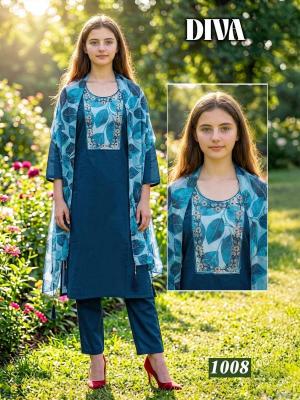
Ready Stock vs Fresh Manufacturing Orders
The choice between ready stock and fresh production can be just as important as choosing between a manufacturer and wholesaler. Each option serves a different inventory requirement.
Ready Stock for Immediate Selling
Ready-stock products can be useful when retailers want to introduce new designs quickly. They can also help replace fast-moving inventory during festivals and peak sales periods.
For Resellers working through WhatsApp or social media, available products can reduce the gap between customer interest and order fulfilment.
Fresh Manufacturing for Planned Requirements
Fresh production can be suitable when the buyer has sufficient time and quantity. Large retailers can plan products around upcoming seasons, established customer demand or their own private-label requirements.
Combine Both Models for Better Flexibility
Retailers can use ready stock for immediate requirements while planning fresh manufacturing for proven products. This combination can reduce dependence on either one model and create a more responsive supply chain.
Customization and Private Label Opportunities
Private-label clothing can help established retailers create a more distinctive identity, but it requires a different sourcing approach from ordinary ready-stock purchasing.
Direct Manufacturers Can Support Custom Requirements
Depending on production capability and order quantity, a manufacturer may be able to discuss custom labels, packaging, fabric choices, colour combinations or size requirements.
These arrangements normally require clear specifications and sufficient quantity to make dedicated production practical.
Wholesalers Are Better for Testing Before Custom Production
Before manufacturing a large private-label collection, retailers can test similar products through wholesale purchasing. Actual sales can reveal which fabrics, silhouettes and price segments deserve greater investment.
Move to Custom Production After Demand Is Proven
A retailer does not need to begin with private-label manufacturing. Building customer demand through wholesale products first can provide valuable sales data before committing capital to custom production.
Manufacturer vs Wholesaler for Home-Based Sellers
Home-Based Sellers generally need variety, manageable quantities and controlled inventory investment. For this reason, wholesale sourcing can often be practical during the early stages of the business.
Start with Smaller Mixed Collections
Rather than buying a large quantity from one manufacturing unit, a Home-Based Seller can test several styles according to customer preferences and available capital.
Use Digital Selling to Identify Demand
WhatsApp, Instagram and existing customer networks can reveal which products generate genuine purchases. Sellers can then allocate more capital toward successful categories.
Consider Manufacturing After Sales Increase
If one product category develops predictable repeat demand, direct manufacturing may become worth evaluating. The transition should follow actual order volume rather than happening simply because a factory rate appears lower.
Manufacturer vs Wholesaler for Boutique Owners
Boutique Owners typically need a curated selection rather than excessive quantities of identical products. Customers visit boutiques expecting distinctive designs and regular new arrivals.
Use Wholesalers for Collection Variety
A multi-category wholesale supplier can help boutiques maintain changing selections without managing a separate manufacturer for every product.
Use Manufacturers for Signature Products
Once the boutique identifies a category with strong repeat demand, a suitable manufacturer can be considered for larger quantities or exclusive product development.
Protect the Boutique's Working Capital
Inventory should be purchased according to expected sales. A lower factory price is beneficial only when the quantity purchased can be sold within a reasonable period.
Manufacturer vs Wholesaler for Showroom Owners
Showroom Owners generally operate with greater inventory requirements and can therefore benefit from both sourcing channels.
Use Direct Manufacturing for Volume Categories
High-volume products with predictable demand can be purchased through suitable manufacturing arrangements. Larger quantities can make production planning and quantity-based pricing more practical.
Use Wholesale Suppliers for New Arrivals
Even large showrooms need fresh merchandise. Wholesalers can supplement core inventory with changing designs, seasonal collections and categories that have not yet demonstrated enough demand for a large production order.
Review Category Performance Regularly
Track which categories produce the highest sales, strongest margins and fastest stock rotation. This information can determine which products should move toward larger direct orders and which should remain flexible wholesale purchases.
How Resellers Can Choose the Right Supplier
Resellers frequently depend on fast-changing product catalogues and may operate with smaller purchasing budgets than established showrooms. Supplier flexibility therefore becomes particularly important.
Prioritise Available and Sellable Products
A large catalogue has limited value if most products are unavailable when customers order. Focus on suppliers capable of providing current stock information and relevant new collections.
Compare More Than the Lowest Price
Product presentation, quality, availability and shipping can affect customer satisfaction just as much as the initial buying price. Calculate the complete business value before choosing a supplier.
Build a Reliable Sourcing Routine
Instead of changing suppliers for every small price difference, identify sourcing relationships that consistently provide products suitable for your customer base. Reliable sourcing can save time and reduce order-management problems as the business grows.
Wholesale Buying Strategy for India, Nepal and Australia
Retailers operating across different markets should adjust purchasing according to local demand, order size and logistics. The same sourcing strategy may not work equally well for every location.
India Wholesale Buyers
Buyers in India can take advantage of direct access to major textile sourcing centres. Smaller retailers can begin with mixed wholesale collections, while established businesses can develop direct manufacturing relationships for products with predictable volume.
Nepal Wholesale Buyers
Retailers supplying Nepal should consider the complete order value and logistics when choosing products. Consolidating relevant categories can be useful when transportation costs form an important part of the landed price.
Australia Boutique and Wholesale Buyers
Businesses serving Australia can plan ethnic wear around weddings, festivals and community events. Because international freight affects the final product economics, purchasing should prioritise products with suitable resale potential rather than simply choosing the lowest factory rate.
Common Mistakes When Choosing Manufacturers or Wholesalers
A sourcing decision can affect months of inventory performance. Avoiding a few common mistakes can protect working capital and improve purchasing efficiency.
Choosing Only According to Unit Price
The cheapest quoted piece can become expensive when MOQ is too high, stock moves slowly or additional costs were not considered. Compare the complete landed cost and expected inventory rotation.
Ordering Large Quantities Without Testing Demand
New products should generally be evaluated before a business commits a major percentage of its purchasing capital. Wholesale testing can provide useful sales evidence before larger manufacturing orders.
Ignoring Production Lead Time
A manufacturing order that arrives after the intended festival or selling season can create significant inventory problems. Confirm realistic production and dispatch expectations before ordering.
Buying Too Many Similar Designs
A lower rate can encourage buyers to purchase excessive quantities. Retail customers usually value choice, so maintain a product mix appropriate to the business model.
Ignoring Quality for a Small Price Difference
Returns, customer dissatisfaction and lost repeat business can cost considerably more than a minor saving on the original purchase. Quality should remain part of every sourcing decision.
Customer FAQs
1. Is buying directly from a manufacturer always cheaper than a wholesaler?
No. A manufacturer may provide attractive quantity-based pricing, but MOQ, transportation, production requirements and unsold inventory must also be considered. For smaller mixed orders, wholesale sourcing can sometimes provide better overall business flexibility.
2. What is the main difference between a manufacturer and wholesaler?
A manufacturer primarily produces or coordinates production of goods, while a wholesaler primarily sources and distributes merchandise to business buyers. Some businesses can perform both roles.
3. Which option is better for a new clothing business?
New sellers often benefit from flexible wholesale sourcing because they can test different categories without immediately committing to large production quantities. Direct manufacturing becomes more attractive when product demand is proven.
4. Which option is better for Boutique Owners?
Boutique Owners can use wholesalers for variety and frequent new arrivals while using direct manufacturers for signature products or categories with consistent higher-volume demand.
5. Can manufacturers provide private-label clothing?
Some manufacturers can provide private-label or customised production depending on their capabilities, order quantity and buyer requirements. Buyers should confirm specifications, MOQ and lead time directly before ordering.
6. Why do manufacturers sometimes have higher MOQs?
Production requires materials, cutting, stitching, finishing and other setup processes. Larger quantities can make these operations more commercially practical.
7. Why should Resellers consider wholesalers?
Wholesalers can provide changing collections, ready-stock opportunities and multiple product categories. This can help Resellers maintain variety while controlling inventory investment.
8. Can international buyers purchase wholesale clothing from Surat?
Yes, subject to the supplier's export and shipping arrangements. Buyers should calculate product cost, packaging, freight and applicable destination expenses before confirming orders.
9. Is Surat a good location for wholesale clothing sourcing?
Surat has an extensive textile manufacturing and trading ecosystem. Ring Road, Sahara Darwaza and the wider Surat textile market provide access to numerous textile and fashion sourcing opportunities.
10. Can a retailer use both manufacturers and wholesalers?
Yes. Many businesses can benefit from a hybrid model: direct manufacturing for established high-volume products and wholesale sourcing for new designs, ready stock, seasonal products and category testing.
Which Sourcing Model Should You Choose in 2026?
The direct manufacturer vs wholesaler comparison does not produce one winner for every clothing business. The correct choice depends on what the buyer needs at that particular stage of growth.
Choose direct manufacturing when you have predictable demand, sufficient purchasing volume, planned lead time and potentially specific product requirements. Choose wholesale sourcing when you need variety, ready stock, mixed categories and greater flexibility in how purchasing capital is distributed.
Home-Based Sellers and Resellers can begin with flexible wholesale buying and move selected proven categories toward larger orders as sales increase. Boutique Owners can combine wholesale variety with signature manufactured products, while Showroom Owners and larger Wholesale Buyers can use both channels strategically.
Vastralife's wholesale and export experience since 2017, textile industry expertise and commitment to premium product quality provide a strong sourcing foundation for businesses looking to grow their fashion inventory responsibly.
Source Wholesale Fashion Collections with Wholesaleexport.in
Explore Latest Collections and competitive Wholesale Pricing for building or expanding your clothing business in 2026. Wholesaleexport.in provides access to changing Trendy Ethnic Wear and fashion collections suitable for Home-Based Sellers, Shop Owners, Boutique Owners, Showroom Owners, Resellers and Wholesale Buyers.
Build your inventory with available Fast Shipping, eligible COD Support and attractive Bulk Order Deals according to applicable product, stock and order conditions.
Explore Quality Products Starting From ₹299 and select collections according to your target customer, investment level and selling price.
Contact Number: +91 9712582172
Website: wholesaleexport.in
Whether your business requires ready-stock variety or you are preparing for larger volume purchasing, choose the sourcing model according to actual sales, inventory rotation and customer demand. The strongest purchasing strategy is the one that gives your business the right products, at workable costs, in quantities you can sell profitably.