



Daily Wear Sarees Wholesale at Low Price – Latest Collections for Retailers 2026
Daily Wear Sarees Wholesale at Low Price – Latest Collections for Retailers 2026
Daily wear sarees remain one of the most practical categories for retailers who want products with regular customer demand. Unlike heavily embellished occasion wear that customers may purchase only for weddings or festivals, everyday sarees serve a much wider requirement. Women need comfortable, attractive and easy-to-maintain sarees for work, home, casual outings, social gatherings and routine occasions. For shop owners and resellers, this creates an opportunity to build a collection that combines affordable pricing with designs customers can return to purchase throughout the year.
Introduction
The Indian saree market continues to evolve in 2026, but one buying preference remains consistent: customers want fashion that looks attractive without becoming difficult to wear or expensive to maintain. This is exactly why daily wear sarees wholesale at low price continue to attract retailers, resellers and home-based sellers across different markets.
Daily wear no longer means plain or outdated. Modern collections can include floral prints, geometric patterns, traditional motifs, digital prints, bandhani-inspired designs, lightweight borders and fashionable colour combinations. The focus is on creating a saree that feels comfortable enough for regular use while still looking presentable and stylish.
For wholesale buyers, the commercial advantage is equally important. Affordable sarees make it easier to maintain multiple designs and colours in inventory. Customers can also purchase more than one piece because the retail price remains accessible compared with premium wedding sarees.
Wholesaleexport.in helps retailers explore Indian ethnic wear collections sourced through the textile ecosystem of Surat and other manufacturing centres. Backed by Vastralife’s wholesale and export experience since 2017, the focus is on practical sourcing, industry expertise and premium product quality suitable for resale businesses.
Why Daily Wear Sarees Are a Strong Wholesale Category
A successful retail category should not depend entirely on one season. Daily wear sarees have an advantage because their demand can continue throughout much of the year. Customers may buy them for personal use, office wear, gifting, travel, small functions or simply to refresh their everyday wardrobe.
Regular Customer Requirement
A wedding saree may be purchased for a specific occasion, but an everyday saree can become a repeat-purchase product. When customers find comfortable fabric, good colour options and a reasonable price, they may return for additional designs.
This makes low price sarees wholesale particularly relevant for local saree shops, neighbourhood garment stores, online sellers and resellers operating through WhatsApp or social media.
Suitable for Different Age Groups
Another advantage is the broad customer base. Mature customers may prefer traditional prints and sober colours, while younger buyers may choose modern patterns, lightweight fabrics and brighter combinations. Retailers can therefore create variety without moving away from the same core product category.
Easy Entry for Home-Based Sellers
Home-Based Sellers often begin with a limited investment. Affordable wholesale sarees can help them offer more visual variety without putting their entire working capital into a few premium products.
They can share catalogue images with existing customers, take orders through WhatsApp, promote new arrivals on Instagram and gradually increase stock according to actual demand. This model can also help new resellers understand which fabrics, colours and price ranges work best with their customers.
Popular Daily Wear Saree Types to Stock in 2026
The right product mix depends on the retailer’s customer base, but several characteristics consistently matter in everyday sarees: comfort, manageable fabric, easy maintenance, attractive appearance and affordable pricing.
Printed Sarees for Everyday Customers
Printed sarees are an important part of the daily wear sarees wholesale segment because printing allows manufacturers to create a large variety of looks at commercially practical price points.
Retailers can consider floral prints, abstract designs, geometric patterns, ethnic motifs, leafy patterns and contemporary colour combinations. A collection with multiple prints gives customers the feeling of variety even when the underlying fabric category remains similar.
Lightweight Sarees
Comfort plays a major role in repeat sales. Lightweight sarees can be attractive for customers who wear sarees for long working hours, travel frequently or simply prefer an easier drape.
When purchasing wholesale, retailers should consider not only how a saree looks in a catalogue but also whether the fabric and construction suit the intended everyday use.
Bandhani and Traditional-Inspired Designs
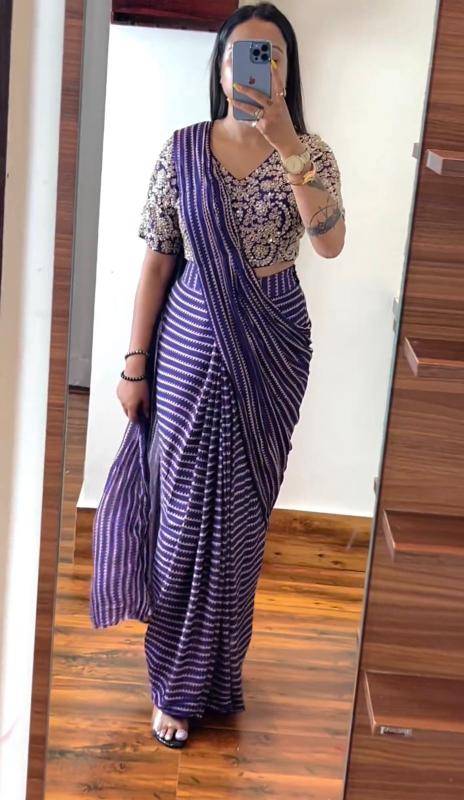
Indian traditional patterns continue to have strong visual appeal. Bandhani-inspired prints, ethnic borders and regional motifs can give affordable sarees a distinctive appearance without necessarily moving them into a heavy festive category.
This balance between tradition and everyday usability can work especially well for customers who prefer Indian styling in their regular wardrobe.
Office Wear Sarees
Office customers generally benefit from comfortable fabrics, elegant patterns and colour combinations that look polished without becoming overly decorative. Retailers targeting teachers, professionals, office employees and working women can maintain a dedicated section of office wear sarees wholesale.
Subtle prints, smaller motifs and clean borders can complement brighter designs in the same collection, allowing a shop to serve multiple customer preferences.
Understanding Wholesale Saree Price and Profit Potential
Low wholesale cost alone should never be the only reason for purchasing a product. Retailers need to evaluate the relationship between cost, quality, customer demand and realistic selling price.
A good wholesale purchase gives the seller enough room to cover operating expenses while maintaining a retail price that customers consider reasonable. This is especially important for cheap sarees wholesale, where customers are often highly price-conscious and can compare options quickly.
What Affects the Wholesale Price?
The final wholesale price of a saree can depend on fabric, printing technique, border work, embellishment, blouse material, finishing, catalogue size, brand, quantity and current availability. Manufacturing and raw-material costs can also change over time.
This means retailers should always check the current catalogue and confirmed price before planning their retail margin rather than relying on an old quotation.
Low Price Should Still Mean Sellable Quality
The cheapest available product is not automatically the most profitable product. Poor finishing or fabric that does not meet customer expectations can create complaints and reduce repeat purchases.
For a sustainable business, the objective should be affordable wholesale sarees with commercially acceptable quality. A customer who is satisfied with an inexpensive saree may return to purchase another design, which can be more valuable than earning a larger margin on a single transaction.
Create Multiple Retail Price Levels
Instead of stocking every saree within one price range, retailers can create an entry-level section, a mid-range daily wear section and a slightly premium everyday collection. This gives customers a choice according to their budget while allowing the retailer to increase average order value.
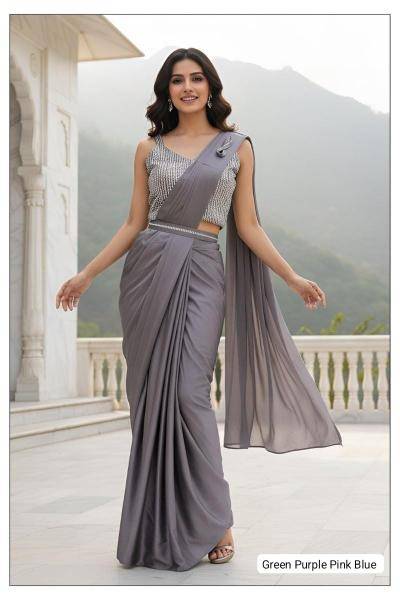
Surat Textile Market for Daily Wear Sarees Wholesale
Surat has developed into one of India’s most important textile sourcing centres. The city’s ecosystem includes fabric production, processing, printing, embroidery, garment production, saree trading and wholesale distribution. For buyers searching for daily wear sarees wholesale at low price, this concentration of textile activity creates access to an extensive range of products.
The Surat textile market is not a single product category or individual building. It is a broad commercial ecosystem where different markets and suppliers handle sarees, dress materials, kurtis, fabrics and other textile products.
Ring Road Textile Business Area
Ring Road is strongly associated with Surat’s textile trade and is familiar to buyers visiting the city for wholesale sourcing. Numerous textile markets and commercial businesses operate across the surrounding area.
For retailers, sourcing from an established textile hub can provide access to different designs and price ranges while making it easier to compare categories and identify commercially useful collections.
Sahara Darwaza and the Wider Wholesale Network
Sahara Darwaza and its surrounding textile areas are also associated with Surat’s extensive wholesale network. Buyers visiting Surat frequently explore multiple nearby textile markets rather than depending on a single supplier.
However, travelling physically to every market is not practical for all buyers. Digital wholesale sourcing has therefore become increasingly useful for shop owners and resellers located outside Gujarat.
Why Online Wholesale Buying Is Growing
Traditional wholesale buying required buyers to travel to textile markets, inspect catalogues, negotiate purchases and arrange transportation. Physical market visits remain useful, but online wholesale sourcing has added another practical option.
A retailer located hundreds or thousands of kilometres from Surat can now evaluate catalogue photographs and product information remotely before deciding what to purchase.
Access to New Collections Without Frequent Travel
Fashion changes faster than many retailers can physically visit sourcing markets. Online catalogues allow buyers to follow new launches and make purchasing decisions without waiting for their next trip to Surat.
Wholesaleexport.in provides an online route for businesses searching for Indian ethnic fashion and wholesale saree collections. The platform is particularly relevant for buyers who want access to changing catalogues while managing their business from another city or country.
Useful for Small and Growing Businesses
Not every reseller operates a large showroom. Some businesses begin from home, through social media or with a small local customer network. Online sourcing makes it possible for these businesses to discover products without maintaining the infrastructure of a large purchasing operation.
Ready-to-Wear Sarees as an Additional Daily Wear Opportunity
Convenience is becoming increasingly important in Indian fashion. While conventional sarees remain a major category, pre-stitched and ready-to-wear options can attract customers who appreciate the saree look but want an easier wearing process.
Retailers building a modern saree collection can therefore consider a combination of traditional drape sarees and convenient contemporary options. The correct mix will depend on local demand, customer age group and typical selling price.
Why Convenience Can Increase the Customer Base
Some customers admire sarees but avoid purchasing them because they are not confident about pleating and draping. A ready-to-wear construction can address this concern and introduce the category to customers who might otherwise choose a kurti, gown or salwar suit.
For retailers, this is not necessarily a replacement for traditional sarees. It is an additional segment that can broaden the store’s ethnic wear offering.
How Retailers Can Select Fast-Moving Daily Wear Sarees
The most attractive catalogue is not automatically the best commercial catalogue. Retailers should evaluate products from the perspective of their actual customers.
Start with Customer Budget
Before selecting designs, understand the price range customers normally accept. A home-based seller serving value-conscious buyers may need a different collection from a premium boutique located in a high-value retail market.
Knowing the target selling range helps buyers select products that leave sufficient margin without pushing the final retail price beyond customer expectations.
Choose a Balanced Colour Mix
A catalogue should not depend entirely on one colour family. Include brighter shades, darker tones, pastel options and traditional colours according to customer preference.
Retailers can track which colours generate enquiries and repeat orders. Over time, this creates useful purchasing data and reduces dependence on guesswork.
Combine Classic and Trending Prints
Trendy prints can generate immediate attention, while established patterns may continue selling for longer. Combining both can create a healthier inventory strategy.
A reseller can test new trends in smaller quantities and increase the next order only after confirming customer response.
Daily Wear Sarees for International Wholesale Buyers
Indian ethnic wear has customers well beyond India, and affordable sarees can be relevant for overseas boutiques serving South Asian communities. The ideal assortment, however, should be selected according to the destination market rather than assuming that the same designs will perform everywhere.
Australia
Retailers in Australia serving Indian and South Asian customers can maintain lightweight sarees for cultural events, community gatherings and regular ethnic wear requirements. Comfortable designs can complement premium festive products in a boutique’s inventory.
Malaysia
Malaysia has a significant audience familiar with Indian fashion. Retailers can evaluate colourful printed sarees, traditional-inspired designs and lightweight collections according to the preferences of their local customers.
New Zealand
Indian fashion retailers and resellers in New Zealand can use affordable sarees to provide customers with alternatives to premium occasion wear. International buyers should calculate freight, applicable duties, taxes and local delivery expenses when determining the final landed cost.
For export sarees from India, accurate product selection and realistic cost calculation are particularly important because international logistics can affect the final retail price.
Vastralife’s Wholesale and Export Experience Since 2017
Wholesale textile sourcing becomes easier when the supplier understands the needs of businesses rather than treating every order like an ordinary consumer purchase. Vastralife has wholesale and export experience dating back to 2017, providing industry knowledge developed through working with textile products and business buyers.
This experience supports the sourcing approach behind Wholesaleexport.in, with attention to commercial collections, premium product quality and products relevant to retailers, boutiques, resellers and wholesale buyers.
For buyers exploring daily wear sarees wholesale at low price, experience is useful because successful sourcing requires a balance between design, quality, availability, pricing and customer demand.
Who Can Benefit from Daily Wear Saree Wholesale Buying?
Home-Based Sellers
Home sellers can begin with selected designs and promote them directly through their personal network, WhatsApp groups and social media pages. Daily wear products can be particularly useful because the target customer base is broad.
Shop Owners
Local garment and saree shops can maintain everyday sarees as a regular inventory category alongside festive and wedding products. Frequent new arrivals can encourage customers to revisit the store.
Boutique Owners
Boutiques can create curated daily wear collections by selecting distinctive prints, elegant colours and convenient fabrics rather than competing only on the lowest price.
Showroom Owners
Larger showrooms can create dedicated sections based on fabric, occasion and price. Clear segmentation helps customers find suitable products more quickly.
Resellers and Wholesale Buyers
Resellers can use digital catalogues to reach customers in multiple locations, while larger wholesale buyers can select broader assortments for distribution to their own retail network.
For all these buyer types, product variety and repeat availability can be just as important as the initial purchase price.
How to Build a Profitable Daily Wear Saree Collection
Building a profitable saree inventory requires more than selecting attractive photographs from a catalogue. Retailers need to think about customer budget, fabric preference, colour demand, seasonal buying patterns and the speed at which individual designs are likely to sell. This becomes especially important when purchasing daily wear sarees wholesale at low price, because profitability usually comes from consistent stock rotation and repeat purchases rather than unusually high margins on a single piece.
A balanced collection gives customers enough choice without forcing the retailer to invest excessively in slow-moving stock. New businesses can begin with a controlled assortment, monitor actual sales and gradually increase purchasing in categories that perform consistently.
Keep Affordable Bestsellers in Regular Stock
Some customers repeatedly look for practical sarees within a familiar budget. If particular fabrics, prints or colour combinations perform consistently, retailers can treat them as core inventory instead of replacing the entire collection whenever a new trend appears.
Regular bestselling products can provide stability, while smaller quantities of new designs keep the catalogue fresh. This combination is particularly useful for shop owners and home-based sellers who need to manage working capital carefully.
Introduce New Designs in Smaller Quantities
A product receiving strong attention on social media does not automatically become a bestseller in every city. Customer preferences can differ according to age, climate, local fashion and purchasing power.
Retailers can initially test new designs with manageable quantities. If the collection receives genuine orders rather than only enquiries, the seller can consider increasing the quantity in the next purchase.
Use Sales Data for Reordering
Even a simple record of colours, fabrics, price ranges and designs sold each month can improve future purchasing decisions. Over time, the retailer can identify which products rotate quickly and which ones require discounts to clear.
This practical approach can make wholesale purchasing more efficient and help businesses develop a collection based on actual customer behaviour.
Online Selling Strategy for Affordable Sarees
Daily wear sarees are suitable for digital selling because customers can easily understand the product through clear catalogue images and short videos. Instagram, WhatsApp, Facebook and online stores can all support product discovery, especially for sellers who do not operate a large physical showroom.
Show More Than One Product Image
Whenever possible, sellers should show the full saree appearance along with closer views of prints, borders, blouse material and fabric details. Customers purchasing online cannot physically touch the product, so useful visual information becomes an important part of the buying decision.
Mention the Important Product Details Clearly
A good product listing should explain the fabric, available colours, blouse details where applicable, wholesale quantity requirements and current price. If the product has special care instructions, those should also be communicated clearly.
Transparent information helps reduce unnecessary questions and gives customers more confidence before placing an order.
Create Short Product Videos
A short video can show fabric movement, colour appearance and overall drape more naturally than a static image. Resellers can also create quick videos showing multiple designs from the same catalogue.
For social-media selling in 2026, consistent product content can help a retailer stay visible without depending entirely on paid advertising.
Internal Links for Related Wholesale Collections
Retailers interested in convenient saree styles can explore the ready to wear saree wholesale category. These designs can complement traditional daily wear sarees and appeal to customers who want an easier way to achieve a saree look.
Businesses planning to diversify beyond sarees can also explore wholesale rayon kurtis for another practical everyday ethnic wear category. Combining sarees and kurtis can help retailers serve customers with different clothing preferences while remaining within the affordable ethnic fashion segment.
How to Calculate Your Retail Selling Price
Retailers should avoid deciding the final selling price simply by adding an arbitrary percentage to the product cost. A more realistic calculation considers every expense required to bring the product to the customer.
Include the Complete Landed Cost
Depending on the business model, total cost can include the wholesale purchase amount, transportation, packaging, payment charges, marketing expenses, taxes and local delivery costs. International buyers may additionally need to consider freight, customs duties and destination-country charges.
Once the complete landed cost is understood, the retailer can decide a selling price that provides a sustainable margin while remaining competitive.
Do Not Compete Only on the Lowest Price
Customers certainly compare prices, but price is not the only reason they return to a seller. Accurate product information, dependable service, quality, fresh collections and a convenient ordering experience can also influence repeat business.
Instead of continuously reducing margins, retailers can build value through better product selection and service.
Seasonal Planning for Daily Wear Saree Retailers
Although everyday sarees have year-round potential, customer preferences can still change during different seasons. Retailers can adjust colours, fabrics and styling according to climate and upcoming occasions.
Summer Collections
During warmer months, customers may favour lighter fabrics and comfortable designs. Fresh prints and wearable colours can work well for regular-use collections.
Festive Season
Daily wear customers may still want slightly richer designs around festivals. Retailers can introduce affordable sarees with decorative borders, traditional patterns or brighter colour combinations without moving entirely into expensive occasion wear.
Wedding Season
Wedding periods create opportunities beyond bridal sarees. Customers may purchase affordable sarees for smaller functions, gifting, family gatherings and pre-wedding events. A retailer can therefore maintain value-focused festive options alongside premium wedding collections.
Quality Checks Before Buying Sarees in Bulk
Wholesale buyers should pay attention to quality even when purchasing within an economical price range. Affordable pricing and acceptable quality can work together when products are sourced carefully.
Check Fabric and Finishing
The fabric should match the product description and intended use. Stitching or finishing, wherever applicable, should be examined according to the product category.
Review Print and Colour Appearance
Printed sarees should be checked for overall visual consistency. Retailers should also remember that colours can appear somewhat different across screens because of photography, lighting and display settings.
Confirm Blouse Details
If a saree includes blouse material or a specific blouse component, the details should be confirmed before the product is promoted to customers. Clear communication reduces misunderstanding after purchase.
Understand the Supplier’s Policies
Before placing a wholesale order, buyers should understand current payment, shipping and claim policies. For any quality issue, following the supplier’s stated proof and claim procedure can make resolution easier.
Why Variety Matters in a Low-Price Saree Business
Value-conscious customers still expect choice. A low-price collection does not need to look repetitive. Different colours, prints and design themes can create a much broader shopping experience even when the products fall within similar wholesale price ranges.
A retailer can divide the assortment into floral sarees, geometric prints, traditional motifs, office wear, bright everyday designs and easy-to-wear options. Clear categorisation also makes online catalogues easier for customers to browse.
Use New Arrivals to Encourage Repeat Customers
Customers who have already purchased from a seller need a reason to return. Regular new arrivals create that reason. Instead of sending the same catalogue repeatedly, sellers can introduce fresh collections and highlight only the latest additions.
Wholesaleexport.in allows business buyers to explore changing Indian ethnic wear collections, making it easier to identify new options according to current availability.
Daily Wear Sarees for Resellers and Social Commerce
Reselling has made it possible for entrepreneurs to start fashion businesses without immediately investing in large physical showrooms. WhatsApp-based sellers, Instagram stores and home boutiques can use digital catalogues to present products directly to customers.
Know Your Customer Before Sharing Everything
Sending hundreds of random designs can overwhelm customers. A better approach is to understand the customer’s budget, preferred colour, fabric and intended use before sharing relevant options.
This personalised selling method can save time for both the customer and reseller.
Keep Your Margin Practical
A reseller should add a margin that covers operating expenses and provides a reasonable profit while keeping the final price appropriate for the target market. Sustainable margins are more useful than pricing so aggressively that the business cannot afford customer service or future marketing.
Focus on Repeat Purchases
Daily wear fashion is particularly suitable for repeat business. A satisfied customer who likes the fabric, design and service may purchase additional colours or new collections later.
Why Wholesaleexport.in Can Support Your Ethnic Wear Business
Wholesaleexport.in focuses on wholesale fashion requirements for retailers, resellers, boutiques and other business buyers. Instead of limiting sourcing to one product type, buyers can explore different Indian ethnic wear categories according to current collections and availability.
Vastralife’s wholesale and export experience since 2017 adds practical industry expertise to the sourcing ecosystem. Years of involvement in textiles help in understanding how retailers evaluate product quality, commercial pricing, design variety and market demand.
Whether you operate a local store in India or source Indian fashion for markets such as Australia, Malaysia or New Zealand, the objective is to select products that fit the expectations of your own customers.
Customer FAQs
1. Where can I buy daily wear sarees wholesale at low price?
Retailers can source daily wear sarees from major textile markets such as Surat or through online wholesale platforms such as Wholesaleexport.in. Always check current catalogue availability, quantity requirements and pricing before ordering.
2. Which sarees are best for daily wear?
The best choice depends on customer preference, but lightweight fabrics, comfortable drapes, printed sarees and easy-maintenance designs are commonly considered practical for everyday use.
3. Is Surat a good market for wholesale sarees?
Yes. Surat has a large textile manufacturing, processing and wholesale ecosystem. Areas around Ring Road and Sahara Darwaza are widely associated with the city’s textile trade.
4. Can home-based resellers buy wholesale sarees?
Yes. Home-based sellers can source according to the supplier’s current minimum quantity and order conditions. Starting with selected commercially suitable designs can help a new reseller test customer demand before expanding.
5. What should I check before buying sarees wholesale?
Check fabric details, designs, colours, blouse information, price, minimum order requirements, shipping terms and the supplier’s current policies. International buyers should also understand freight and applicable import costs.
6. Are daily wear sarees profitable for retailers?
They can be a commercially useful category because they address regular clothing needs and may generate repeat purchases. Actual profitability depends on sourcing cost, operating expenses, selling price and stock rotation.
7. Can I order sarees for export?
Export availability depends on destination, order requirements and current shipping arrangements. Overseas buyers should confirm product availability and shipping details before placing an order.
8. Are ready-to-wear sarees suitable for everyday customers?
Ready-to-wear sarees can be useful for customers who want the appearance of a saree with a simpler wearing process. Their suitability depends on fabric, construction and the customer’s intended use.
9. How can I sell wholesale sarees online?
Retailers and resellers can use WhatsApp, Instagram, Facebook and their own websites to showcase collections. Clear images, videos, product details, pricing information and responsive customer communication can improve the online buying experience.
10. How often should retailers add new saree collections?
There is no fixed schedule for every business. Retailers should introduce fresh designs according to customer demand, stock rotation and supplier availability rather than adding inventory simply for the sake of volume.
Build Your Daily Wear Saree Business in 2026
The market for daily wear sarees wholesale at low price offers opportunities for businesses that understand the difference between cheap inventory and commercially useful inventory. Customers want affordability, but they also expect wearable fabrics, attractive colours and designs that feel relevant to their lifestyle.
Retailers can improve their results by maintaining a balanced collection, monitoring actual sales, testing trends in smaller quantities and regularly refreshing successful categories. This approach can work for home-based sellers, established saree shops, boutiques, showrooms and wholesale buyers.
For businesses sourcing from the Surat textile market, the city’s extensive manufacturing and trading network provides access to numerous Indian fashion categories. Online sourcing can make this ecosystem more accessible to buyers who cannot regularly visit Ring Road, Sahara Darwaza or other wholesale textile areas.
Start Wholesale Shopping with Wholesaleexport.in
If you are planning to expand your saree or ethnic wear business in 2026, explore current wholesale collections and select products according to your customers, budget and target selling range.
- Latest Collections – Explore regularly updated Indian ethnic fashion catalogues.
- Wholesale Pricing – Business-focused prices for retailers, resellers and wholesale buyers.
- Trendy Ethnic Wear – Discover sarees and other popular Indian fashion categories.
- Fast Shipping – Shipping support according to order and destination.
- COD Support – Available for eligible India orders as per applicable terms.
- Bulk Order Deals – Ask about current options for larger wholesale purchases.
- Quality Products Starting From ₹299 – Explore value-focused products subject to current catalogue availability.
Contact Number: +91 9712582172
Website: wholesaleexport.in
Explore the latest collections from Wholesaleexport.in, compare suitable wholesale options and start building an everyday ethnic wear inventory designed around real customer demand, practical pricing and long-term resale potential.
How to Build a Profitable Daily Wear Saree Collection
Building a profitable saree inventory requires more than selecting attractive photographs from a catalogue. Retailers need to think about customer budget, fabric preference, colour demand, seasonal buying patterns and the speed at which individual designs are likely to sell. This becomes especially important when purchasing daily wear sarees wholesale at low price, because profitability usually comes from consistent stock rotation and repeat purchases rather than unusually high margins on a single piece.
A balanced collection gives customers enough choice without forcing the retailer to invest excessively in slow-moving stock. New businesses can begin with a controlled assortment, monitor actual sales and gradually increase purchasing in categories that perform consistently.
Keep Affordable Bestsellers in Regular Stock
Some customers repeatedly look for practical sarees within a familiar budget. If particular fabrics, prints or colour combinations perform consistently, retailers can treat them as core inventory instead of replacing the entire collection whenever a new trend appears.
Regular bestselling products can provide stability, while smaller quantities of new designs keep the catalogue fresh. This combination is particularly useful for shop owners and home-based sellers who need to manage working capital carefully.
Introduce New Designs in Smaller Quantities
A product receiving strong attention on social media does not automatically become a bestseller in every city. Customer preferences can differ according to age, climate, local fashion and purchasing power.
Retailers can initially test new designs with manageable quantities. If the collection receives genuine orders rather than only enquiries, the seller can consider increasing the quantity in the next purchase.
Use Sales Data for Reordering
Even a simple record of colours, fabrics, price ranges and designs sold each month can improve future purchasing decisions. Over time, the retailer can identify which products rotate quickly and which ones require discounts to clear.
This practical approach can make wholesale purchasing more efficient and help businesses develop a collection based on actual customer behaviour.
Online Selling Strategy for Affordable Sarees
Daily wear sarees are suitable for digital selling because customers can easily understand the product through clear catalogue images and short videos. Instagram, WhatsApp, Facebook and online stores can all support product discovery, especially for sellers who do not operate a large physical showroom.
Show More Than One Product Image
Whenever possible, sellers should show the full saree appearance along with closer views of prints, borders, blouse material and fabric details. Customers purchasing online cannot physically touch the product, so useful visual information becomes an important part of the buying decision.
Mention the Important Product Details Clearly
A good product listing should explain the fabric, available colours, blouse details where applicable, wholesale quantity requirements and current price. If the product has special care instructions, those should also be communicated clearly.
Transparent information helps reduce unnecessary questions and gives customers more confidence before placing an order.
Create Short Product Videos
A short video can show fabric movement, colour appearance and overall drape more naturally than a static image. Resellers can also create quick videos showing multiple designs from the same catalogue.
For social-media selling in 2026, consistent product content can help a retailer stay visible without depending entirely on paid advertising.
Internal Links for Related Wholesale Collections
Retailers interested in convenient saree styles can explore the ready to wear saree wholesale category. These designs can complement traditional daily wear sarees and appeal to customers who want an easier way to achieve a saree look.
Businesses planning to diversify beyond sarees can also explore wholesale rayon kurtis for another practical everyday ethnic wear category. Combining sarees and kurtis can help retailers serve customers with different clothing preferences while remaining within the affordable ethnic fashion segment.
How to Calculate Your Retail Selling Price
Retailers should avoid deciding the final selling price simply by adding an arbitrary percentage to the product cost. A more realistic calculation considers every expense required to bring the product to the customer.
Include the Complete Landed Cost
Depending on the business model, total cost can include the wholesale purchase amount, transportation, packaging, payment charges, marketing expenses, taxes and local delivery costs. International buyers may additionally need to consider freight, customs duties and destination-country charges.
Once the complete landed cost is understood, the retailer can decide a selling price that provides a sustainable margin while remaining competitive.
Do Not Compete Only on the Lowest Price
Customers certainly compare prices, but price is not the only reason they return to a seller. Accurate product information, dependable service, quality, fresh collections and a convenient ordering experience can also influence repeat business.
Instead of continuously reducing margins, retailers can build value through better product selection and service.
Seasonal Planning for Daily Wear Saree Retailers
Although everyday sarees have year-round potential, customer preferences can still change during different seasons. Retailers can adjust colours, fabrics and styling according to climate and upcoming occasions.
Summer Collections
During warmer months, customers may favour lighter fabrics and comfortable designs. Fresh prints and wearable colours can work well for regular-use collections.
Festive Season
Daily wear customers may still want slightly richer designs around festivals. Retailers can introduce affordable sarees with decorative borders, traditional patterns or brighter colour combinations without moving entirely into expensive occasion wear.
Wedding Season
Wedding periods create opportunities beyond bridal sarees. Customers may purchase affordable sarees for smaller functions, gifting, family gatherings and pre-wedding events. A retailer can therefore maintain value-focused festive options alongside premium wedding collections.
Quality Checks Before Buying Sarees in Bulk
Wholesale buyers should pay attention to quality even when purchasing within an economical price range. Affordable pricing and acceptable quality can work together when products are sourced carefully.
Check Fabric and Finishing
The fabric should match the product description and intended use. Stitching or finishing, wherever applicable, should be examined according to the product category.
Review Print and Colour Appearance
Printed sarees should be checked for overall visual consistency. Retailers should also remember that colours can appear somewhat different across screens because of photography, lighting and display settings.
Confirm Blouse Details
If a saree includes blouse material or a specific blouse component, the details should be confirmed before the product is promoted to customers. Clear communication reduces misunderstanding after purchase.
Understand the Supplier’s Policies
Before placing a wholesale order, buyers should understand current payment, shipping and claim policies. For any quality issue, following the supplier’s stated proof and claim procedure can make resolution easier.
Why Variety Matters in a Low-Price Saree Business
Value-conscious customers still expect choice. A low-price collection does not need to look repetitive. Different colours, prints and design themes can create a much broader shopping experience even when the products fall within similar wholesale price ranges.
A retailer can divide the assortment into floral sarees, geometric prints, traditional motifs, office wear, bright everyday designs and easy-to-wear options. Clear categorisation also makes online catalogues easier for customers to browse.
Use New Arrivals to Encourage Repeat Customers
Customers who have already purchased from a seller need a reason to return. Regular new arrivals create that reason. Instead of sending the same catalogue repeatedly, sellers can introduce fresh collections and highlight only the latest additions.
Wholesaleexport.in allows business buyers to explore changing Indian ethnic wear collections, making it easier to identify new options according to current availability.
Daily Wear Sarees for Resellers and Social Commerce
Reselling has made it possible for entrepreneurs to start fashion businesses without immediately investing in large physical showrooms. WhatsApp-based sellers, Instagram stores and home boutiques can use digital catalogues to present products directly to customers.
Know Your Customer Before Sharing Everything
Sending hundreds of random designs can overwhelm customers. A better approach is to understand the customer’s budget, preferred colour, fabric and intended use before sharing relevant options.
This personalised selling method can save time for both the customer and reseller.
Keep Your Margin Practical
A reseller should add a margin that covers operating expenses and provides a reasonable profit while keeping the final price appropriate for the target market. Sustainable margins are more useful than pricing so aggressively that the business cannot afford customer service or future marketing.
Focus on Repeat Purchases
Daily wear fashion is particularly suitable for repeat business. A satisfied customer who likes the fabric, design and service may purchase additional colours or new collections later.
Why Wholesaleexport.in Can Support Your Ethnic Wear Business
Wholesaleexport.in focuses on wholesale fashion requirements for retailers, resellers, boutiques and other business buyers. Instead of limiting sourcing to one product type, buyers can explore different Indian ethnic wear categories according to current collections and availability.
Vastralife’s wholesale and export experience since 2017 adds practical industry expertise to the sourcing ecosystem. Years of involvement in textiles help in understanding how retailers evaluate product quality, commercial pricing, design variety and market demand.
Whether you operate a local store in India or source Indian fashion for markets such as Australia, Malaysia or New Zealand, the objective is to select products that fit the expectations of your own customers.
Customer FAQs
1. Where can I buy daily wear sarees wholesale at low price?
Retailers can source daily wear sarees from major textile markets such as Surat or through online wholesale platforms such as Wholesaleexport.in. Always check current catalogue availability, quantity requirements and pricing before ordering.
2. Which sarees are best for daily wear?
The best choice depends on customer preference, but lightweight fabrics, comfortable drapes, printed sarees and easy-maintenance designs are commonly considered practical for everyday use.
3. Is Surat a good market for wholesale sarees?
Yes. Surat has a large textile manufacturing, processing and wholesale ecosystem. Areas around Ring Road and Sahara Darwaza are widely associated with the city’s textile trade.
4. Can home-based resellers buy wholesale sarees?
Yes. Home-based sellers can source according to the supplier’s current minimum quantity and order conditions. Starting with selected commercially suitable designs can help a new reseller test customer demand before expanding.
5. What should I check before buying sarees wholesale?
Check fabric details, designs, colours, blouse information, price, minimum order requirements, shipping terms and the supplier’s current policies. International buyers should also understand freight and applicable import costs.
6. Are daily wear sarees profitable for retailers?
They can be a commercially useful category because they address regular clothing needs and may generate repeat purchases. Actual profitability depends on sourcing cost, operating expenses, selling price and stock rotation.
7. Can I order sarees for export?
Export availability depends on destination, order requirements and current shipping arrangements. Overseas buyers should confirm product availability and shipping details before placing an order.
8. Are ready-to-wear sarees suitable for everyday customers?
Ready-to-wear sarees can be useful for customers who want the appearance of a saree with a simpler wearing process. Their suitability depends on fabric, construction and the customer’s intended use.
9. How can I sell wholesale sarees online?
Retailers and resellers can use WhatsApp, Instagram, Facebook and their own websites to showcase collections. Clear images, videos, product details, pricing information and responsive customer communication can improve the online buying experience.
10. How often should retailers add new saree collections?
There is no fixed schedule for every business. Retailers should introduce fresh designs according to customer demand, stock rotation and supplier availability rather than adding inventory simply for the sake of volume.
Build Your Daily Wear Saree Business in 2026
The market for daily wear sarees wholesale at low price offers opportunities for businesses that understand the difference between cheap inventory and commercially useful inventory. Customers want affordability, but they also expect wearable fabrics, attractive colours and designs that feel relevant to their lifestyle.
Retailers can improve their results by maintaining a balanced collection, monitoring actual sales, testing trends in smaller quantities and regularly refreshing successful categories. This approach can work for home-based sellers, established saree shops, boutiques, showrooms and wholesale buyers.
For businesses sourcing from the Surat textile market, the city’s extensive manufacturing and trading network provides access to numerous Indian fashion categories. Online sourcing can make this ecosystem more accessible to buyers who cannot regularly visit Ring Road, Sahara Darwaza or other wholesale textile areas.
Start Wholesale Shopping with Wholesaleexport.in
If you are planning to expand your saree or ethnic wear business in 2026, explore current wholesale collections and select products according to your customers, budget and target selling range.
- Latest Collections – Explore regularly updated Indian ethnic fashion catalogues.
- Wholesale Pricing – Business-focused prices for retailers, resellers and wholesale buyers.
- Trendy Ethnic Wear – Discover sarees and other popular Indian fashion categories.
- Fast Shipping – Shipping support according to order and destination.
- COD Support – Available for eligible India orders as per applicable terms.
- Bulk Order Deals – Ask about current options for larger wholesale purchases.
- Quality Products Starting From ₹299 – Explore value-focused products subject to current catalogue availability.
Contact Number: +91 9712582172
Website: wholesaleexport.in
Explore the latest collections from Wholesaleexport.in, compare suitable wholesale options and start building an everyday ethnic wear inventory designed around real customer demand, practical pricing and long-term resale potential.